Loading subject page…

- Nursing
- Communication
- Role of Communication in the Nursing Process III: Evaluation and Documentation
Micro-course: Communication
93,900 views
Learn key concepts and earn your certificate.
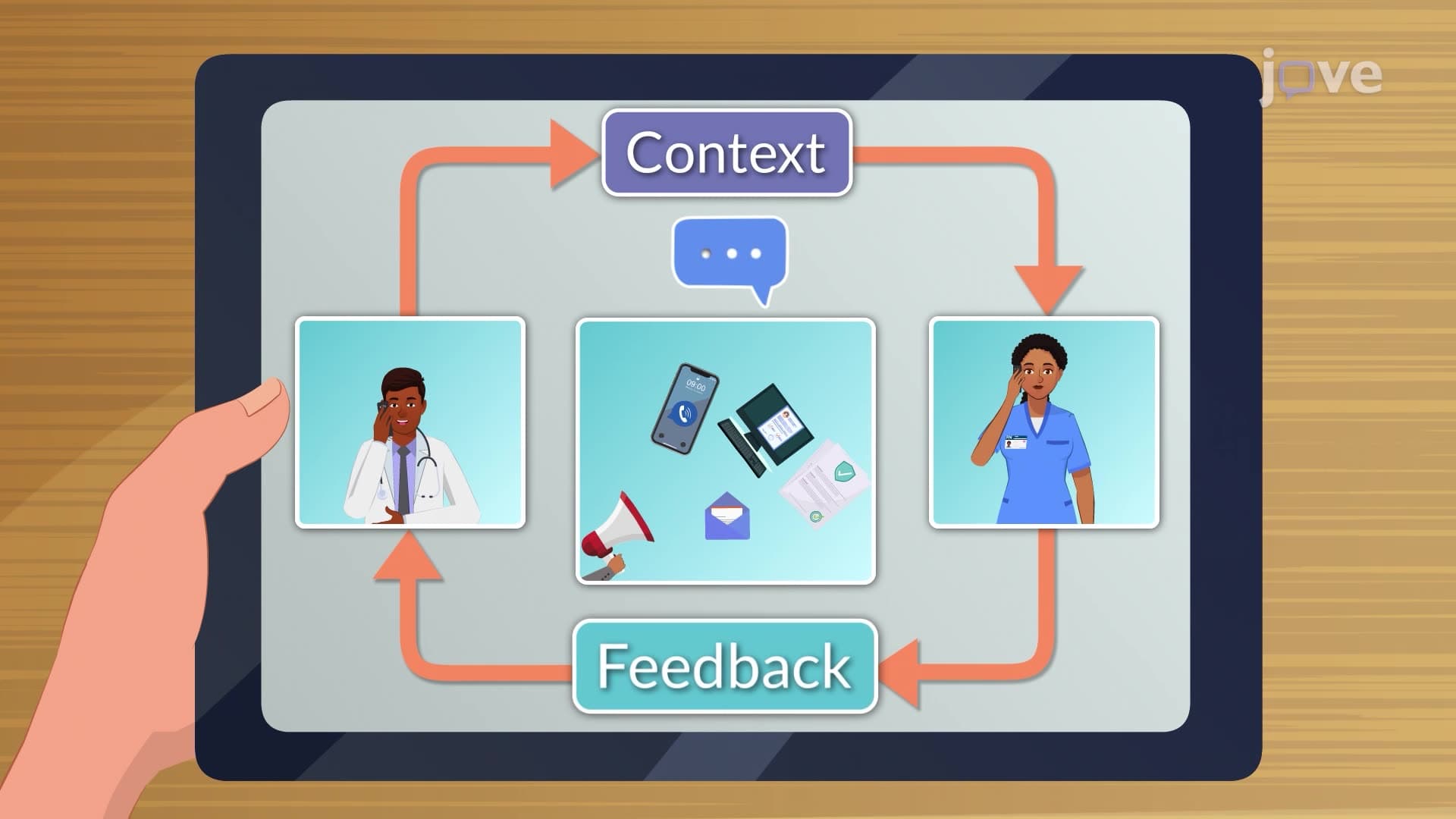

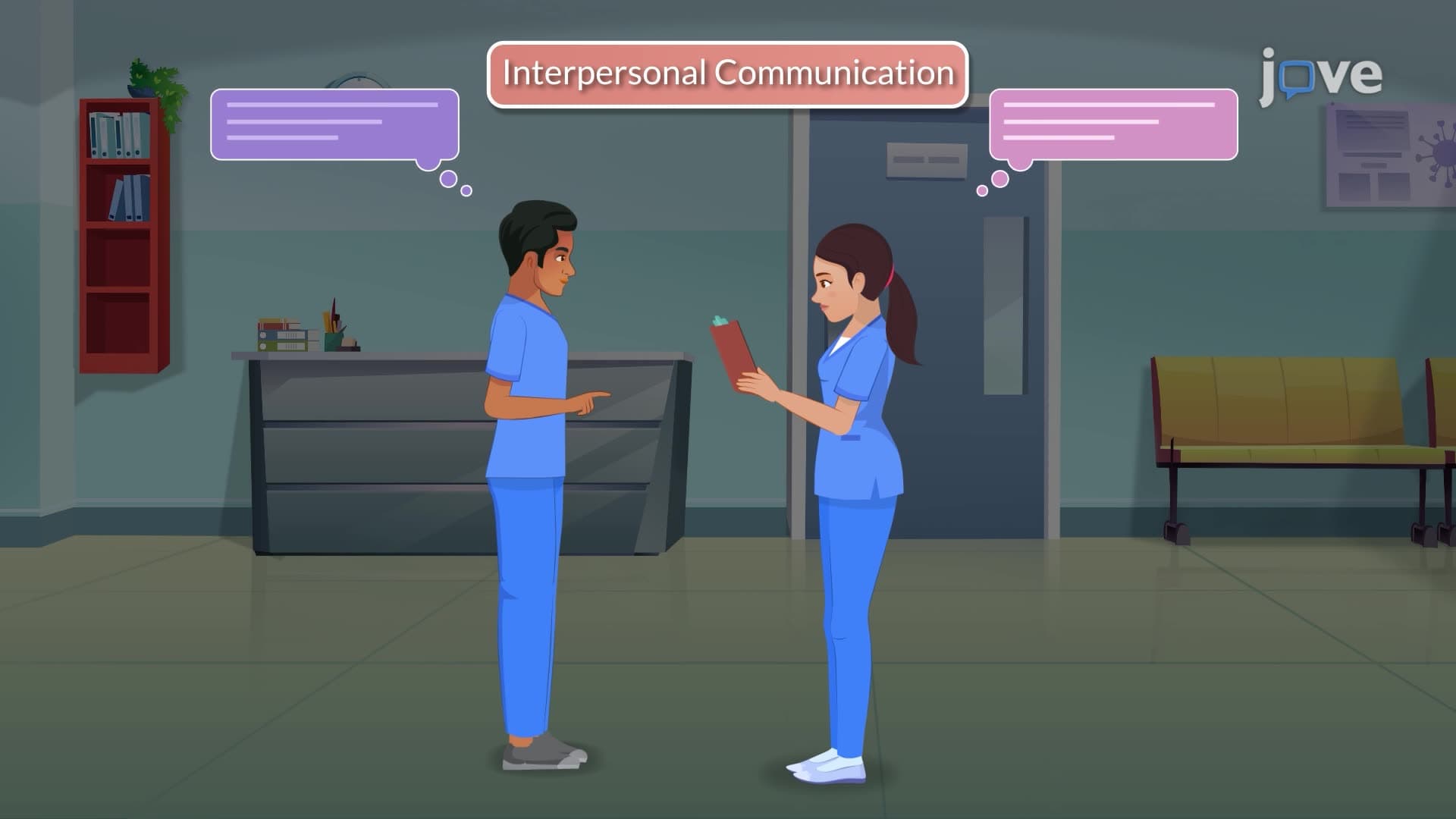

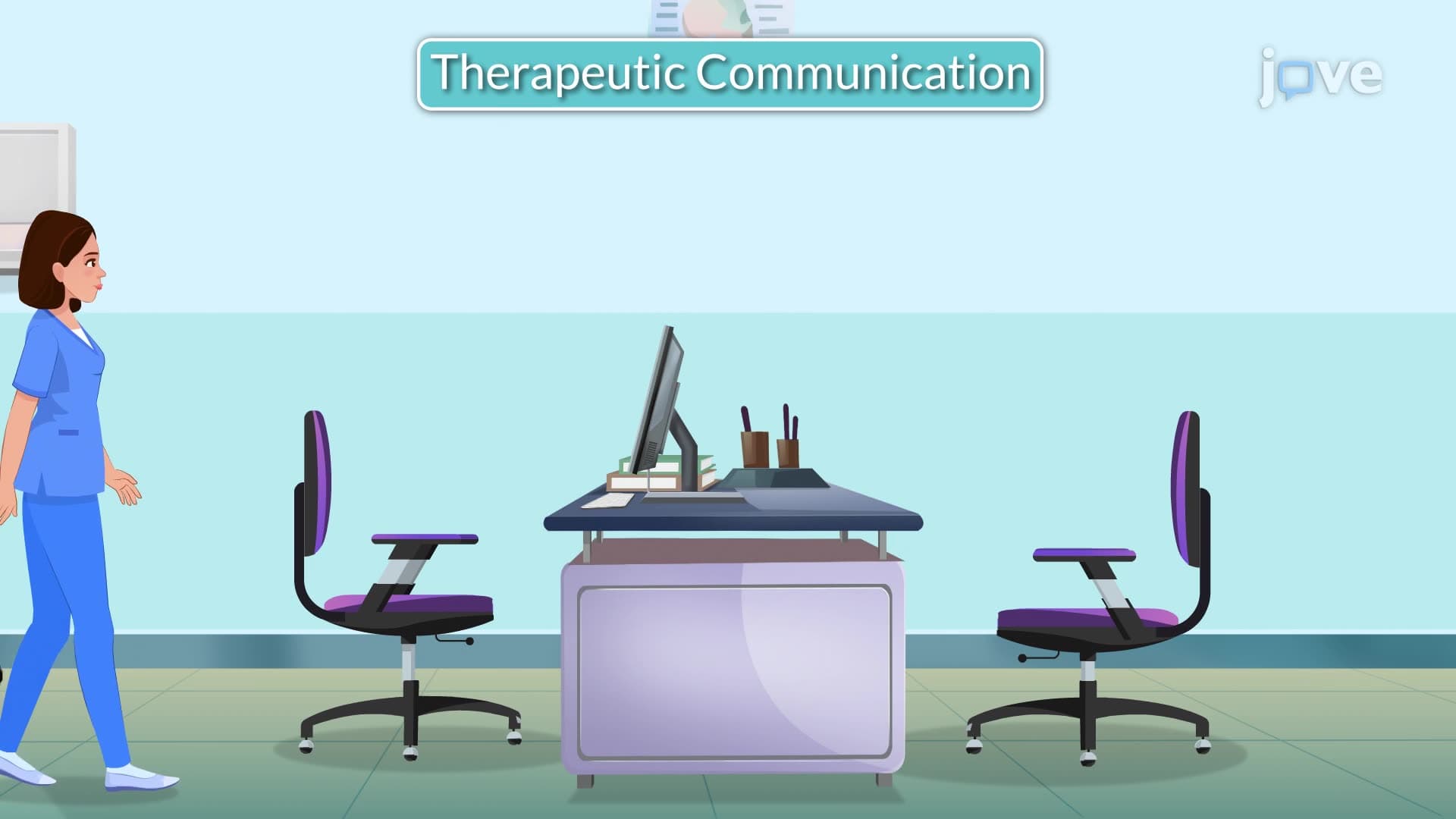
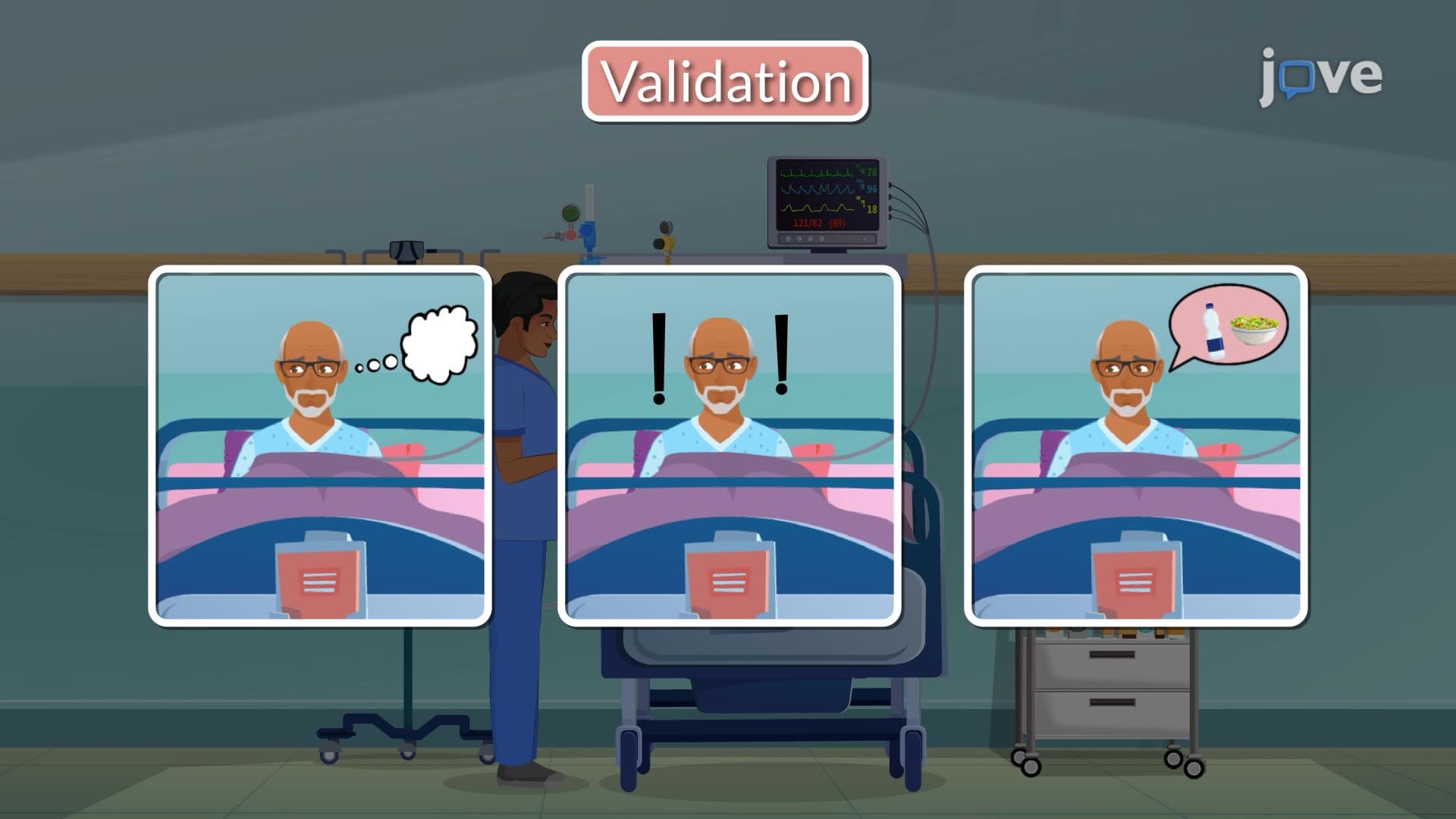



Role of Communication in the Nursing Process III: Evaluation and Documentation
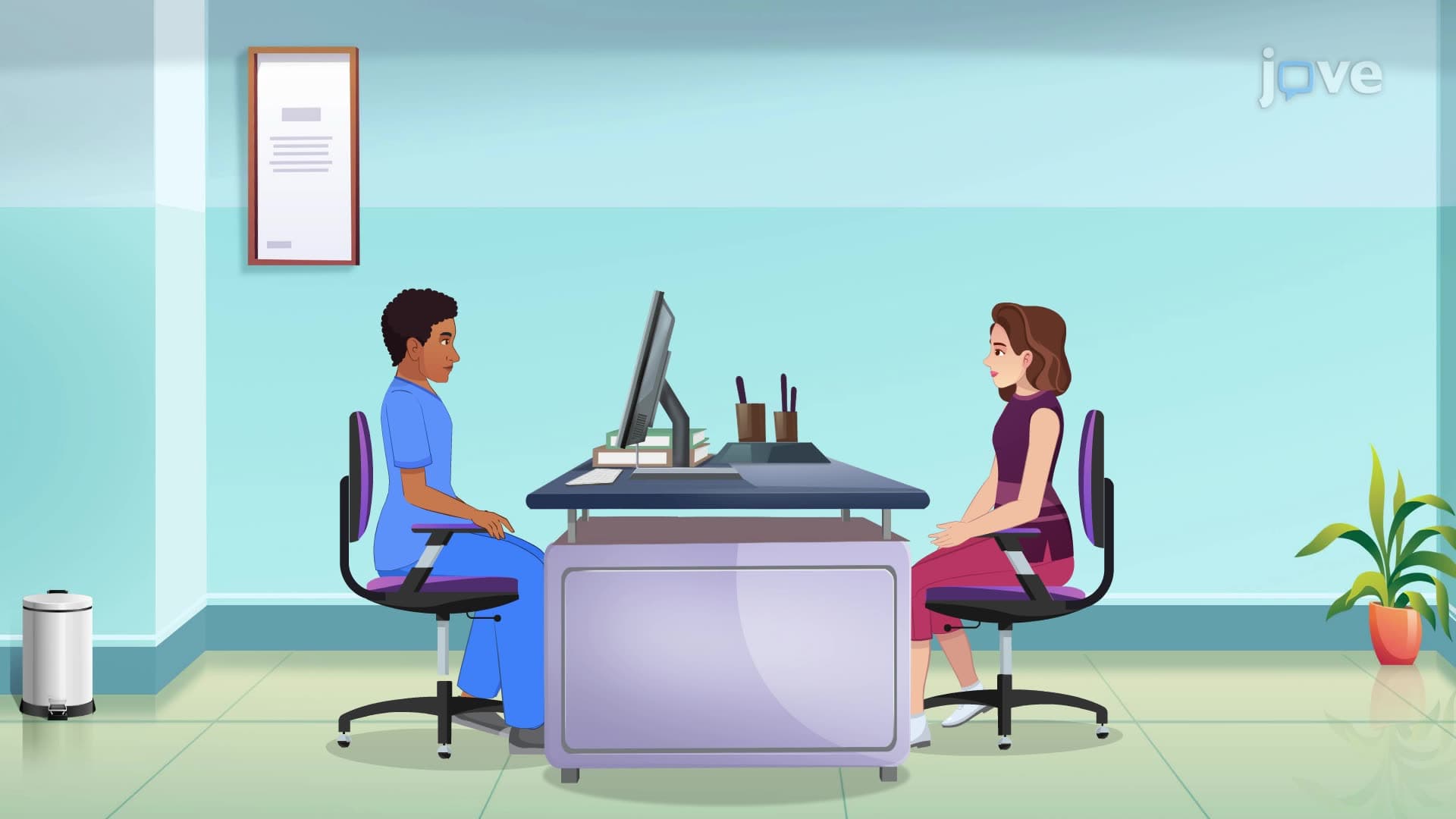

00:00
01:08
Video Summary: Role of Communication in the Nursing Process Evaluation and Documentation
Did you know that poor communication causes 70% of medical errors in US hospitals? The role of communication in the nursing process becomes critical during evaluation and documentation phases, where nurses must accurately assess patient progress and record findings. At Johns Hopkins Hospital, nurses use standardized communication protocols when evaluating diabetic patients' dietary compliance, documenting both verbal feedback and observable changes in patient condition. Understanding the Role of Communication in the Nursing Process: Evaluation and Documentation ensures safe, effective patient care through systematic assessment and precise record-keeping. Watch the full video on JoVE Coach to master this concept with expert-led visuals and step-by-step explanations.
- Understand the Role of Communication in the Nursing Process: Evaluation and Documentation as essential components of safe patient care delivery
- Identify verbal and nonverbal communication cues that indicate patient status changes during the evaluation phase
- Analyze the effectiveness of nursing interventions through systematic communication-based assessment techniques
- Evaluate patient outcomes using standardized documentation methods that facilitate healthcare team collaboration
- Apply medico-legal documentation principles to create accurate, comprehensive nursing records
- Recognize how continuous evaluation through communication prevents medical errors and improves patient safety
- Compare different documentation formats used in US healthcare systems for nursing progress notes
- Explore the connection between effective communication during evaluation and positive patient outcomes
Understanding the Role of Communication in the Nursing Process: Evaluation and Documentation
Communication serves as the backbone of nursing evaluation and documentation, transforming patient observations into actionable healthcare decisions. The role of communication in the nursing process during evaluation involves systematic data collection through both verbal exchanges with patients and interpretation of nonverbal cues. This dual-channel approach ensures comprehensive patient assessment that meets US healthcare standards.
Communication-Based Evaluation Techniques
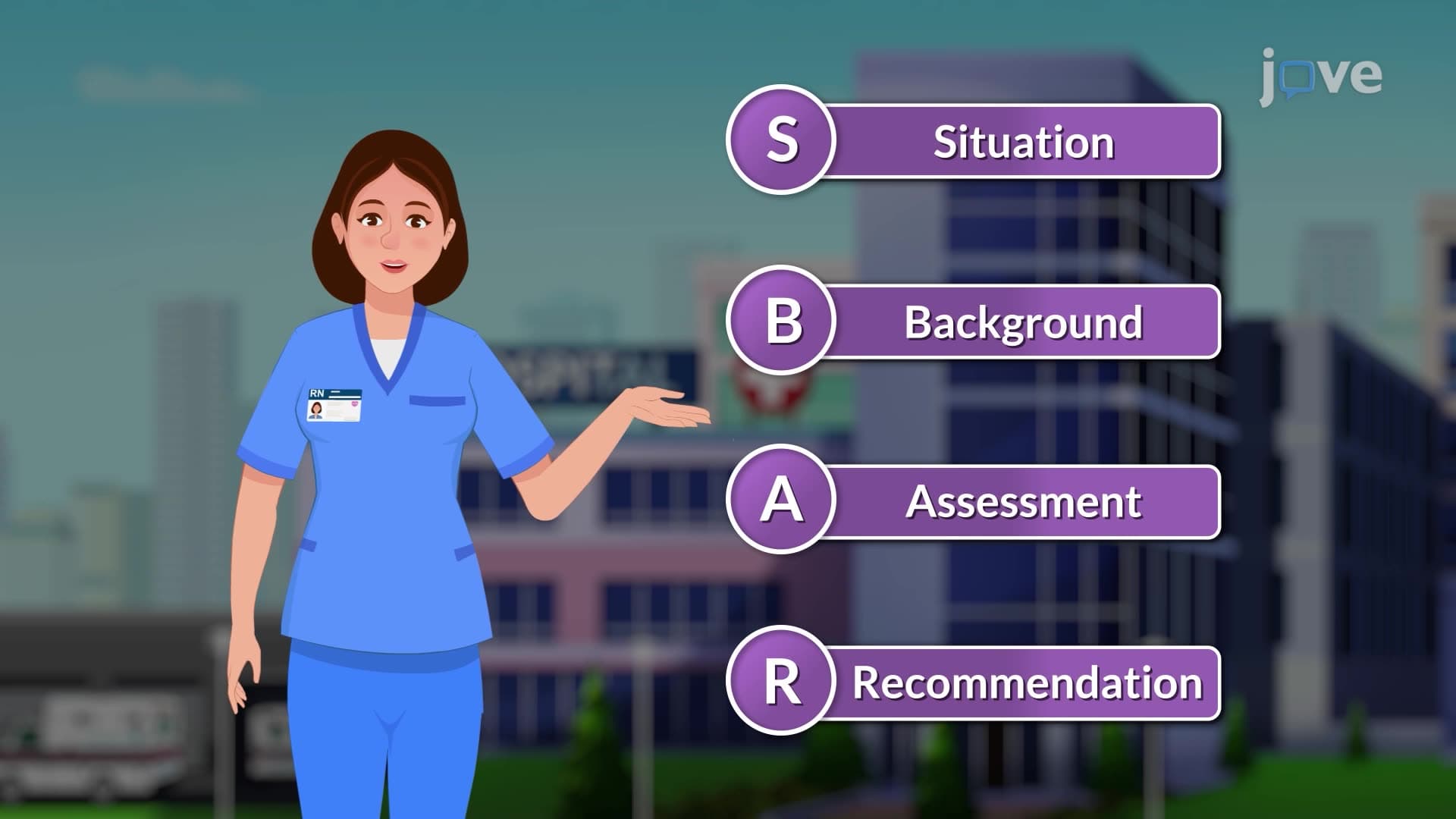
Effective evaluation requires nurses to master multiple communication strategies. Role communication nursing encompasses active listening, therapeutic questioning, and observational skills. For example, at Mayo Clinic, nurses use structured communication frameworks like SBAR (Situation, Background, Assessment, Recommendation) to evaluate patient progress systematically. When assessing a post-operative patient's pain levels, nurses combine verbal pain scales with nonverbal indicators such as facial expressions, body positioning, and vital sign changes.
Students preparing for the NCLEX-RN exam must understand that evaluation communication extends beyond simple questioning. It involves synthesizing multiple data sources: patient self-reports, family observations, diagnostic results, and physical assessment findings. This comprehensive approach ensures accurate patient status determination and appropriate care plan modifications.
Documentation as Communication Tool
Role communication nursing notes serve dual purposes: legal protection and healthcare team coordination. US healthcare facilities follow Joint Commission standards requiring precise, timely documentation that reflects actual patient care provided. Effective documentation communicates patient status changes, intervention effectiveness, and ongoing care needs to the entire healthcare team.
Consider a diabetic patient management scenario at Cleveland Clinic. Nurses document not only blood glucose readings but also patient education effectiveness, dietary compliance discussions, and family involvement in care planning. This comprehensive documentation enables seamless care transitions between shifts and specialties while providing legal evidence of appropriate nursing care.
Integration with US Healthcare Systems
Modern US healthcare emphasizes evidence-based practice and quality improvement through effective communication documentation. Role of communication in the nursing process evaluation and documentation study guide materials often reference EPIC and Cerner electronic health record systems used nationwide. These platforms require specific communication and documentation competencies that nursing students encounter in clinical rotations and must master for HESI A2 and TEAS exam success.
Frequently Asked Questions
Communication serves as the primary method for gathering patient assessment data and recording nursing care outcomes. It involves systematic evaluation of patient responses through verbal and nonverbal cues, then documenting findings in standardized formats for healthcare team communication. This process ensures continuity of care and legal protection.
NCLEX questions frequently test communication skills during patient evaluation scenarios. You'll encounter questions about interpreting patient verbal reports, recognizing nonverbal pain indicators, and selecting appropriate documentation methods. Practice identifying therapeutic communication techniques and understanding legal documentation requirements for exam success.
HESI A2 emphasizes systematic evaluation approaches using open-ended questions, active listening, and cultural sensitivity. Focus on understanding how different communication styles affect patient assessment accuracy. Review therapeutic versus non-therapeutic responses and their impact on evaluation effectiveness.
At major medical centers like Johns Hopkins and Mayo Clinic, nurses use standardized communication protocols during patient rounds. They employ structured assessment tools, document findings in electronic health records, and communicate changes through SBAR reports to physicians. This systematic approach ensures consistent, comprehensive patient evaluation.
Not at all! Nursing communication builds on basic interpersonal skills you already possess. Start with understanding active listening and observation techniques. The structured approach of nursing evaluation actually makes communication more systematic and learnable than casual conversation.
Create practice scenarios combining verbal and nonverbal patient cues, then practice documenting your assessment findings. Use nursing terminology correctly and focus on objective versus subjective data collection. Review sample nursing notes and practice writing concise, accurate documentation entries.
Explore therapeutic communication theory, cultural competency in patient assessment, and informatics applications in nursing documentation. Advanced practice nurses also study motivational interviewing techniques and interdisciplinary communication strategies that enhance evaluation effectiveness.
EHR systems like EPIC streamline documentation while requiring specific technical competencies. Nurses must balance efficient data entry with comprehensive patient assessment recording. Understanding both traditional documentation principles and modern technology applications prepares you for current healthcare environments.
Nursing documentation serves as legal evidence of care provided and patient status changes. Courts rely on nursing notes to determine if appropriate care standards were met. Accurate, timely documentation protects both patients and healthcare providers while ensuring continuity of care across healthcare teams.
Related Micro-courses

22 Concepts
7 Concepts

10 Concepts