Loading subject page…

- Nursing
- Communication
- Role of Communication in the Nursing Process II: Planning and Implementation
Micro-course: Communication
93,900 views
Learn key concepts and earn your certificate.


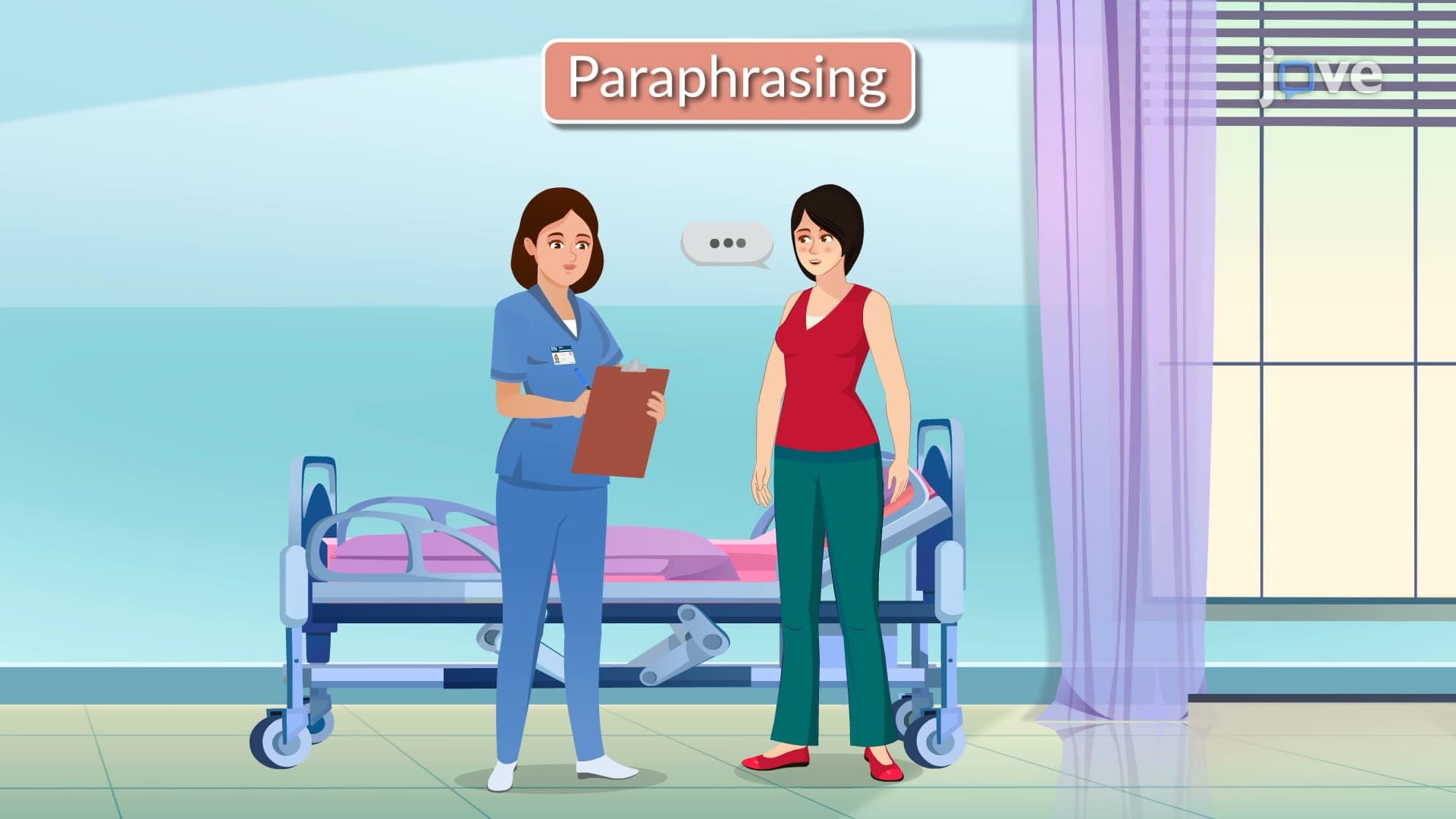
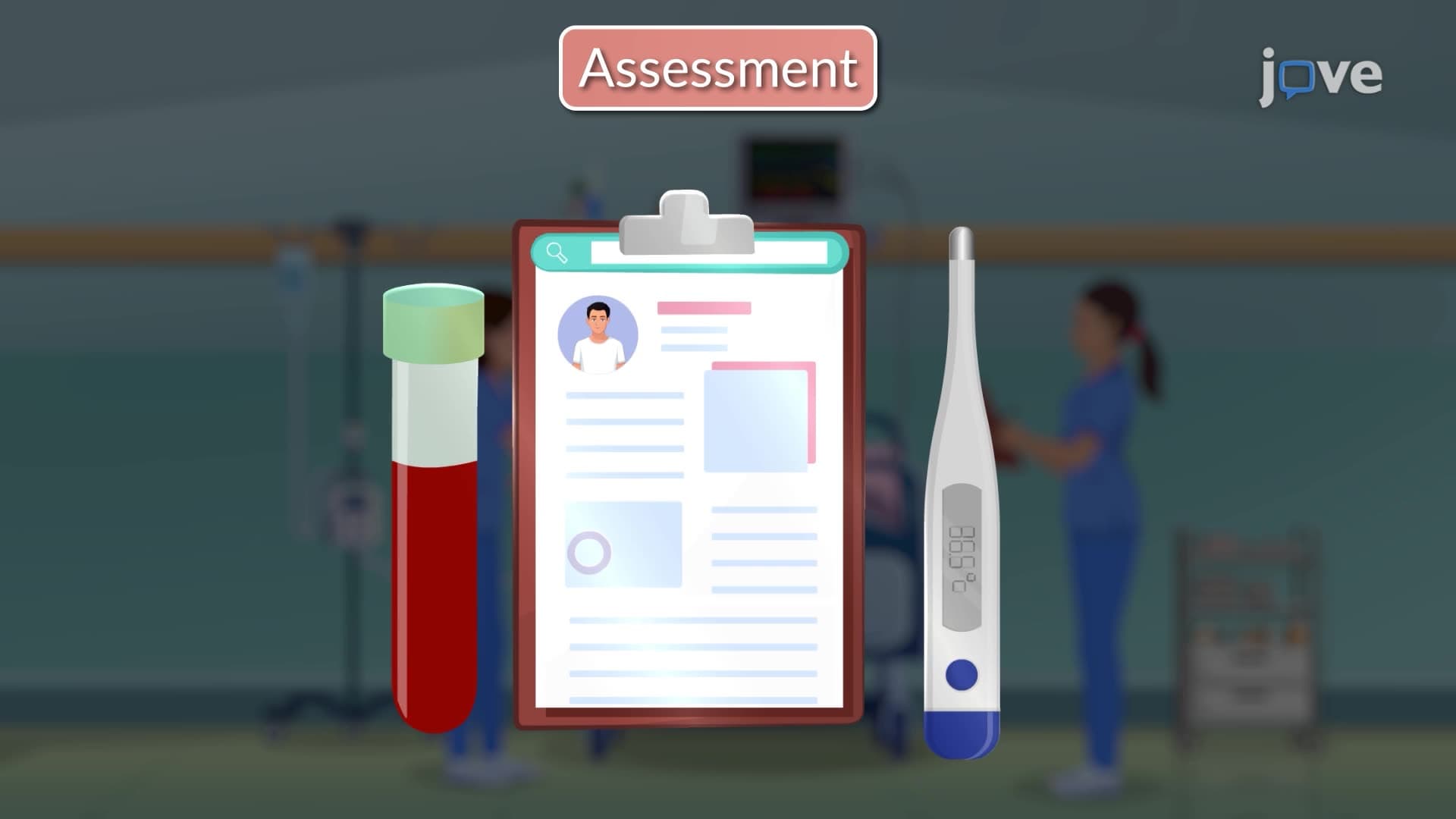
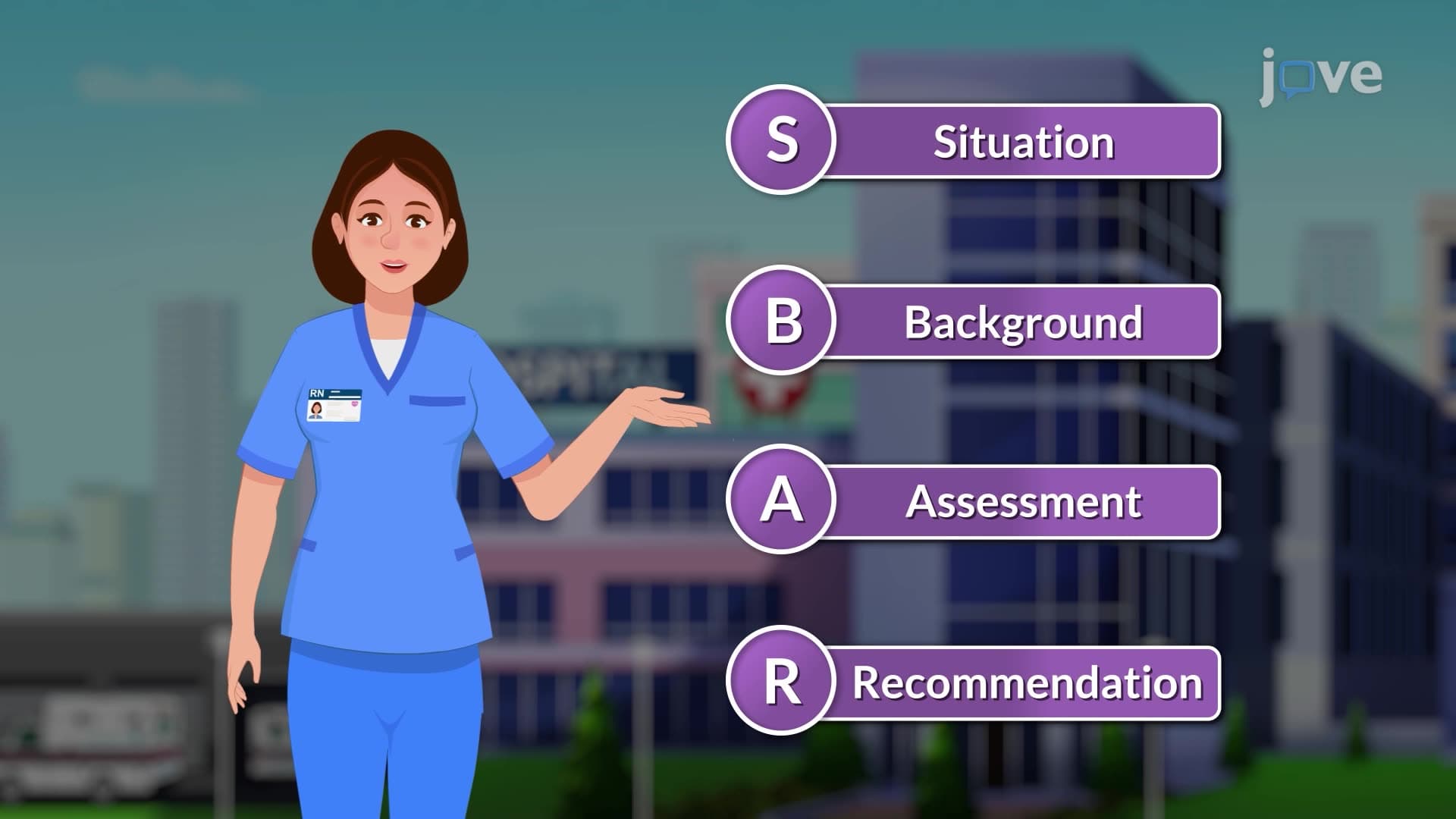


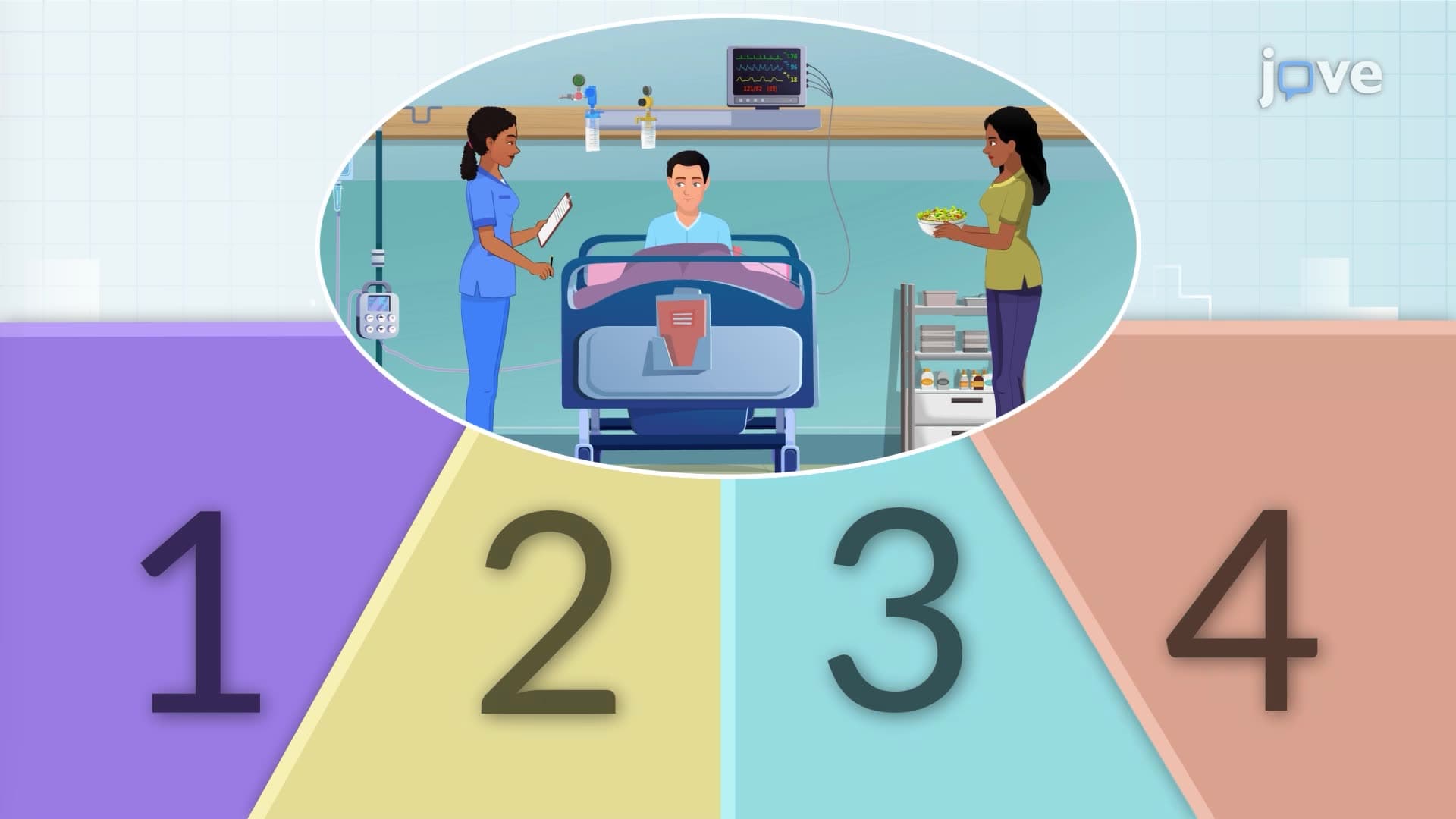
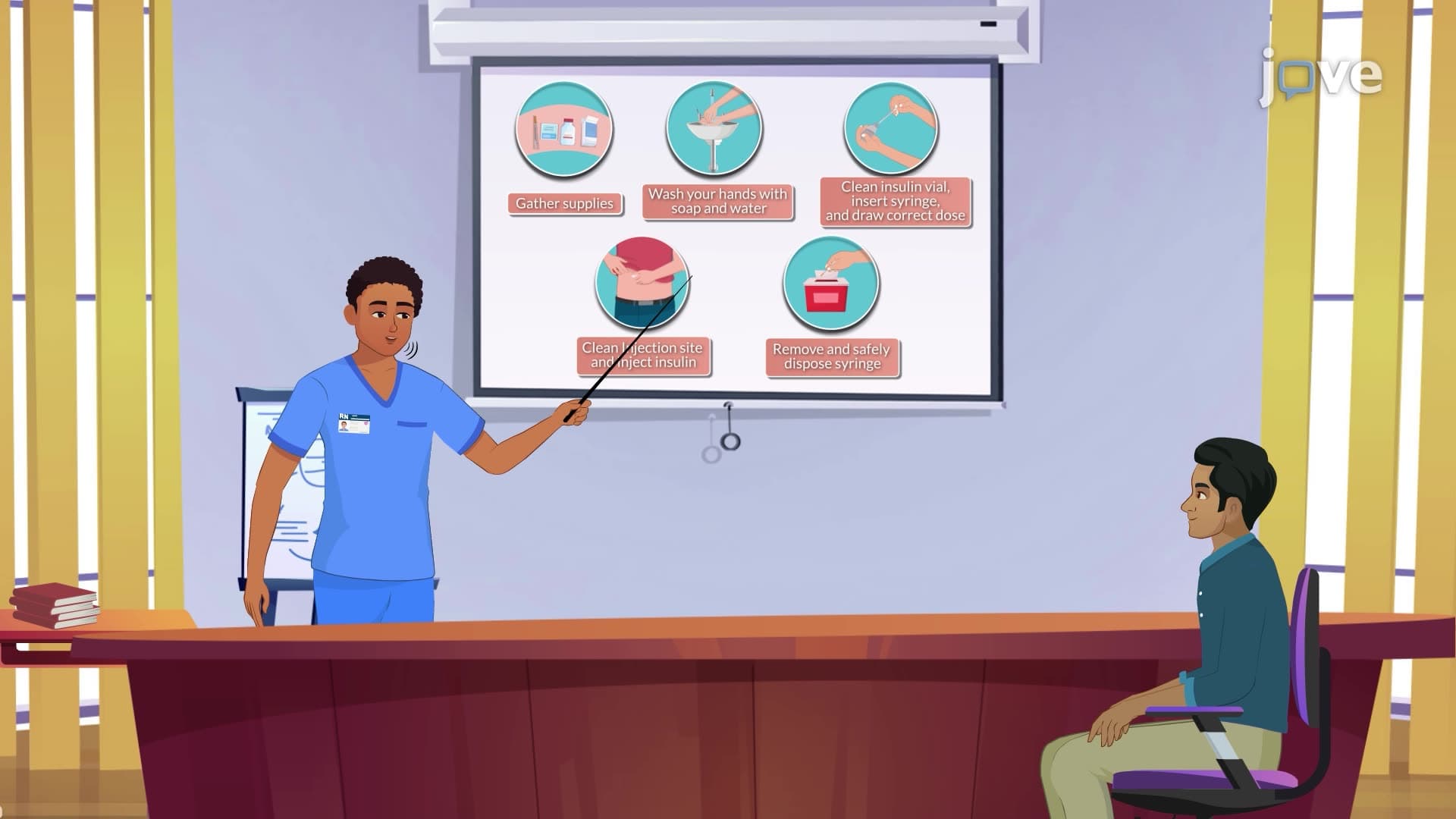
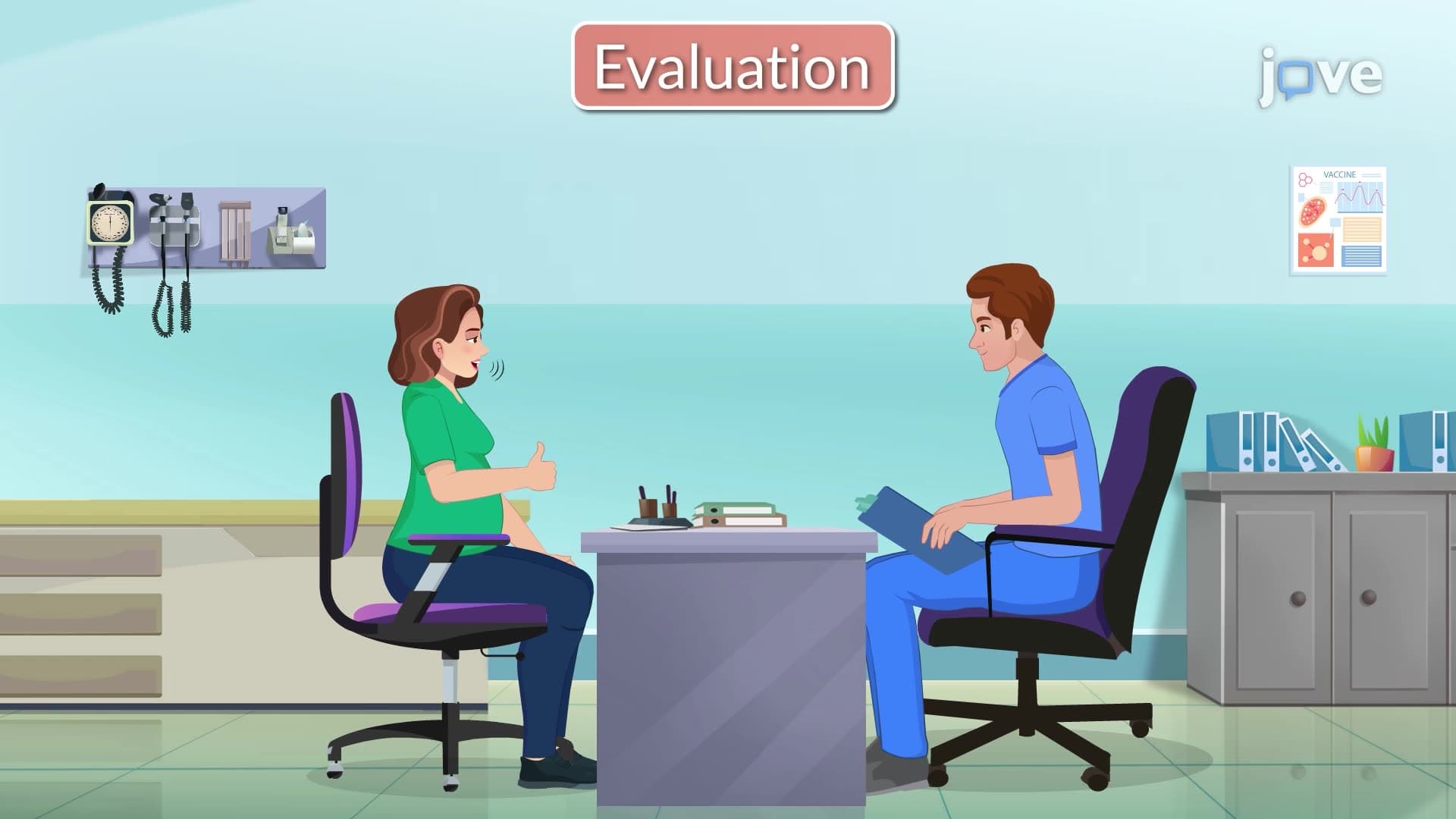
Role of Communication in the Nursing Process II: Planning and Implementation

00:00
01:25
Video Summary: Role of Communication in the Nursing Process Planning and Implementation
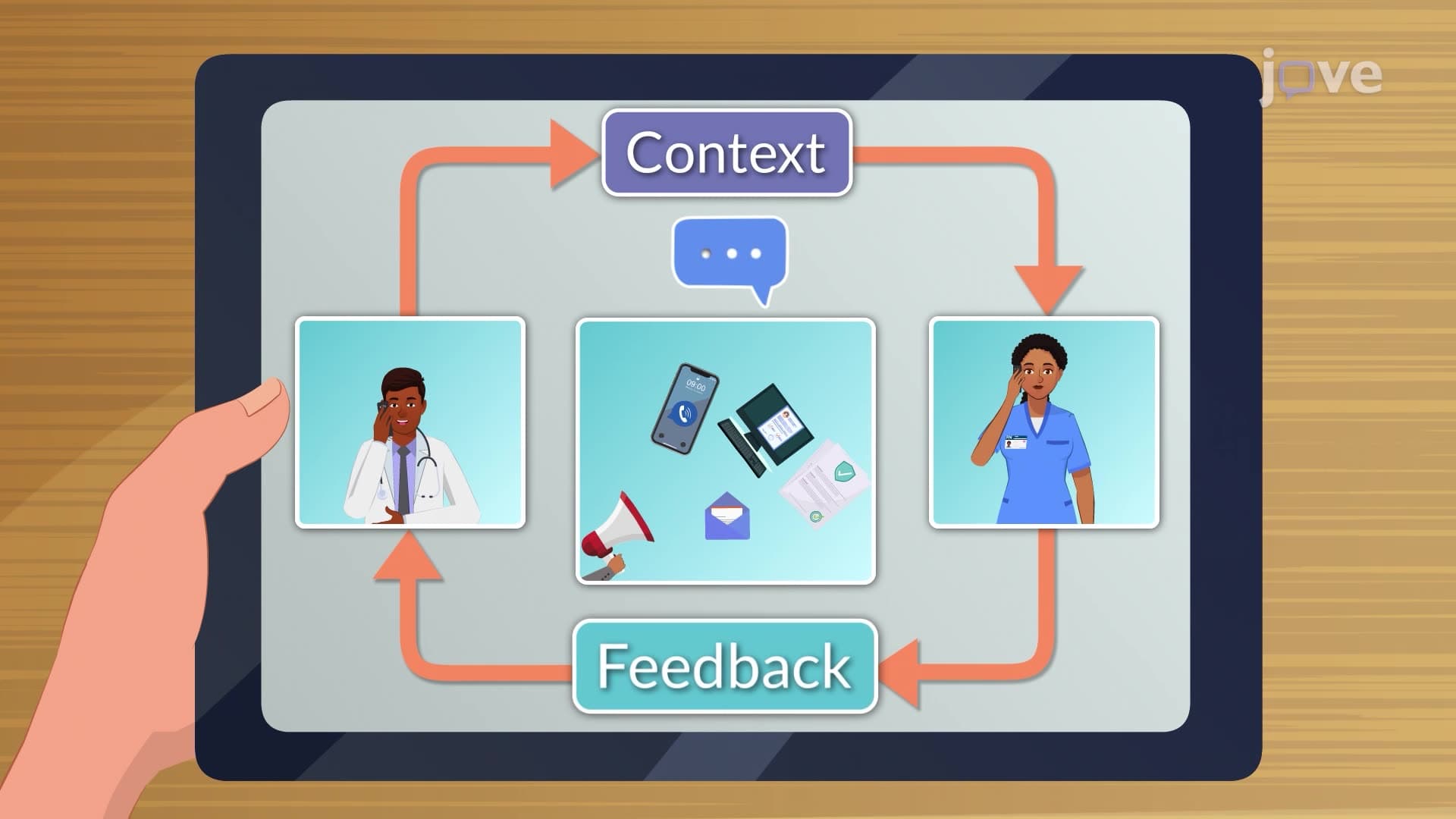
What happens when a patient at Johns Hopkins Hospital doesn't understand their diabetes diet plan? The role communication nursing process becomes critical in transforming confusion into compliance. During the Role of Communication in the Nursing Process: Planning and Implementation, nurses use verbal, written, and non-verbal communication to collaborate with interdisciplinary teams, set patient-centered goals, and implement effective interventions that achieve measurable outcomes. Watch the full video on JoVE Coach to master this concept with expert-led visuals and step-by-step explanations.
- Understand how the Role of Communication in the Nursing Process: Planning and Implementation creates collaborative, patient-centered care plans through effective interdisciplinary dialogue
- Identify the three types of communication (verbal, written, non-verbal) used during goal-setting and intervention implementation phases
- Analyze how nurses prioritize patient needs through structured communication with healthcare teams, patients, and families
- Apply evidence-based communication strategies to develop measurable, achievable patient outcomes and nursing interventions
- Evaluate patient understanding and compliance through active listening, observation, and clarification techniques
- Compare the effectiveness of different communication methods for documenting procedures and explaining interventions to patients
- Recognize the mutual and collaborative nature of nursing care planning that involves patients as active participants
- Explore how communication breakdowns can impact patient outcomes and intervention success rates
Understanding the Role of Communication in the Nursing Process: Planning and Implementation
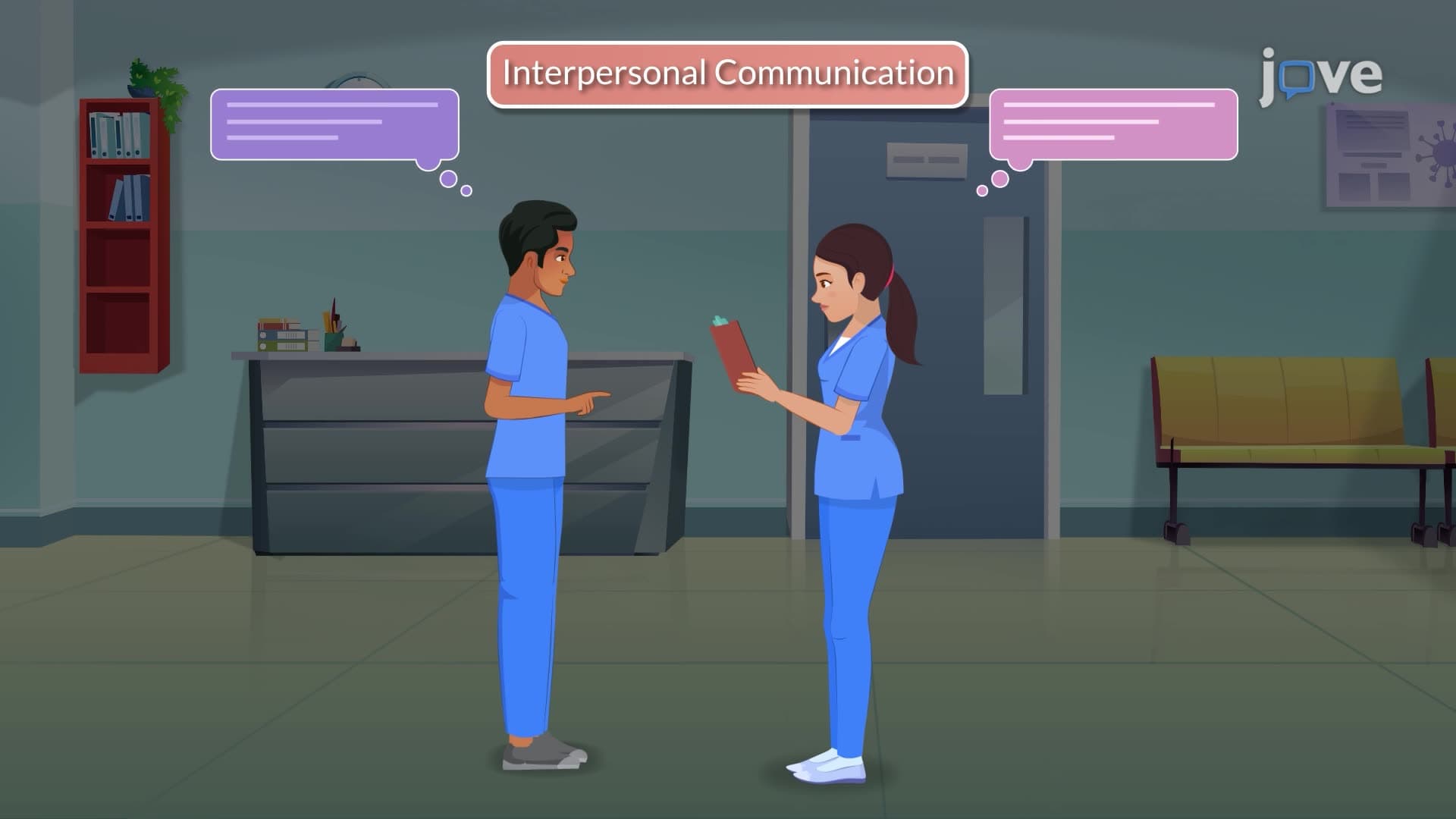
Effective communication serves as the backbone of nursing practice, particularly during the planning and implementation phases of patient care. When nurses at major US medical centers like Mayo Clinic or Cleveland Clinic develop care plans, they rely on sophisticated communication networks that include verbal consultations, written documentation, and non-verbal assessment skills. This multifaceted approach ensures that every stakeholder-from physicians to patients-understands their role in achieving optimal health outcomes.
Communication-Driven Goal Setting and Prioritization
The planning phase demands strategic communication to prioritize patient needs effectively. Nurses must synthesize information from multiple sources: diagnostic reports, physician assessments, patient interviews, and family consultations. For instance, when managing a patient with Type 2 diabetes at risk for nutritional imbalance, nurses communicate findings across interdisciplinary teams to establish SMART goals (Specific, Measurable, Achievable, Relevant, Time-bound). This collaborative approach ensures that dietary interventions align with medical treatments, patient preferences, and realistic lifestyle modifications.
Students preparing for nursing entrance exams like the HESI A2 or TEAS should understand that communication during planning isn't just about information transfer-it's about creating shared understanding. Effective nurses translate complex medical terminology into patient-friendly language while maintaining clinical accuracy, a skill frequently tested on the NCLEX-RN examination.
Implementation Through Multi-Modal Communication Strategies
During implementation, communication transforms plans into actionable interventions. Nurses employ verbal communication to explain procedures, educate patients about medication regimens, and coordinate with specialists like dietitians or physical therapists. Written communication serves dual purposes: legal documentation and continuity of care. Electronic health records (EHRs) used in US hospitals require precise, standardized language that other healthcare professionals can interpret accurately.
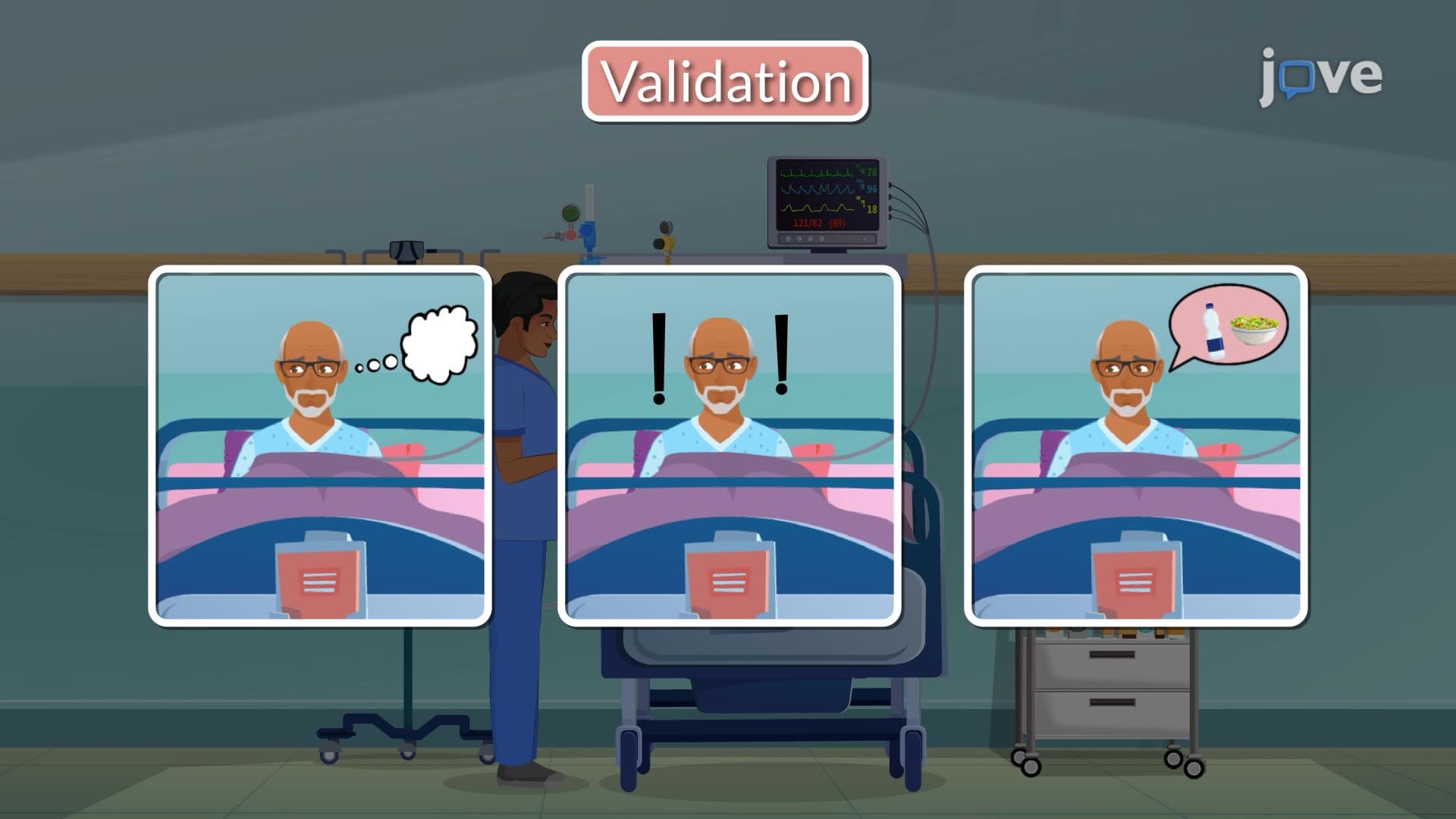
Non-verbal communication often reveals what words cannot express. Experienced nurses at institutions like Johns Hopkins observe facial expressions, body language, and patient engagement levels to assess comprehension and emotional responses. This observational skill helps identify when patients need additional clarification or support, directly impacting intervention success rates.
Real-World Applications and Academic Relevance
For college students in pre-nursing programs, understanding these communication principles proves essential for success in clinical rotations and standardized exams. The MCAT includes behavioral science sections that test knowledge of patient-provider communication, while nursing students encounter these concepts in fundamentals courses and clinical practicums. Mastering communication skills early enhances performance in advanced courses like Medical-Surgical Nursing and Community Health Nursing, where complex patient scenarios require sophisticated communication strategies.
Frequently Asked Questions
Communication serves as the foundation for collaborative care planning and successful intervention delivery. Nurses use verbal, written, and non-verbal communication to coordinate with healthcare teams, educate patients, document procedures, and assess patient understanding. This multi-modal approach ensures that nursing goals translate into measurable patient outcomes through effective interdisciplinary collaboration.
NCLEX-RN questions frequently test communication skills through scenario-based questions involving patient education, interdisciplinary collaboration, and documentation requirements. Students encounter questions about therapeutic communication techniques, patient advocacy, and how to modify communication approaches for different populations. These concepts appear across multiple test categories, including Safe and Effective Care Environment and Health Promotion and Maintenance.
The HESI A2 emphasizes therapeutic communication principles, including active listening, empathy, and clear explanation of medical procedures. Students should focus on understanding how nurses adapt communication styles for different patient populations, manage difficult conversations, and collaborate effectively with healthcare teams. Practice questions often involve identifying appropriate responses to patient concerns and family questions.
At leading medical centers, nurses participate in interdisciplinary rounds where they verbally communicate patient observations, contribute to care plan modifications, and coordinate discharge planning. They use electronic health records to document interventions and communicate with incoming shift nurses. Face-to-face patient interactions involve explaining treatment plans, teaching self-care skills, and assessing patient readiness for discharge.
Nursing communication skills are learnable through practice and don't require prior healthcare experience. Most nursing programs provide structured clinical experiences and simulation labs where students practice patient interactions in safe environments. Students develop these skills progressively, starting with basic therapeutic communication techniques and advancing to complex patient education and family counseling scenarios.
Focus on practicing therapeutic communication techniques through role-playing scenarios with classmates or family members. Create flashcards for different communication strategies and their appropriate applications. Review case studies that demonstrate how communication impacts patient outcomes, and practice writing nursing care plans that incorporate communication interventions. Many students benefit from recording themselves explaining medical concepts to improve clarity and confidence.
Clear communication during planning and implementation directly reduces medical errors, improves patient compliance, and enhances care coordination. When nurses communicate effectively with patients about medication schedules, dietary restrictions, and follow-up appointments, patients experience better health outcomes and fewer readmissions. Poor communication contributes to adverse events, making these skills essential for safe nursing practice.
Students should investigate cultural competency in communication, family-centered care principles, and communication technologies in healthcare settings. Advanced topics include motivational interviewing techniques, crisis communication, and leading interdisciplinary care conferences. These skills become crucial in specialized nursing roles like case management, patient education coordination, and nursing leadership positions.
Related Micro-courses

22 Concepts
7 Concepts

10 Concepts