Loading subject page…
- Pharmacology
- Drugs Acting on Autonomic Nervous System: Adrenergic Agonists and Antagonists Agents
Pharmacology
All Micro-courses:25

1.
General Pharmacological Principles
14 Concepts
2.
Adverse Drug Effects and Chemical Toxicity
11 Concepts
3.
Pharmacokinetics
29 Concepts
4.
Pharmacodynamics
19 Concepts
5.
Drugs Acting on Autonomic Nervous System: Cholinergic Agonists and Antagonists Agents
24 Concepts
6.
Drugs Acting on Autonomic Nervous System: Adrenergic Agonists and Antagonists Agents
20 Concepts
7.
Skeletal Muscle Relaxants
13 Concepts
8.
Local Anesthetics
10 Concepts
9.
Cardiovascular Drugs: Antihypertensive Drugs
12 Concepts
10.
Cardiovascular Drugs: Antiarrhythmic and Heart Failure Drugs
12 Concepts
11.
Cardiovascular Drugs: Anticoagulants and Antianginal Agents
7 Concepts
12.
Drug Abuse and Addiction
6 Concepts
13.
Drugs for Pain Management: Opioid Analgesics and General Anesthetics
8 Concepts
14.
Pharmacotherapy of Psychosis and Mania
6 Concepts
15.
Pharmacotherapy of Depression and Anxiety Disorders
8 Concepts
16.
Anxiolytics, Sedatives and Hypnotics
8 Concepts
17.
Pharmacotherapy of the Epilepsies
8 Concepts
18.
Introduction to Respiratory System Drugs
6 Concepts
19.
Lower Respiratory Disorders
9 Concepts
20.
Other Respiratory Disorders
8 Concepts
21.
Drugs for Peptic Ulcer Disease
8 Concepts
22.
Drugs Affecting Gastrointestinal Motility
10 Concepts
23.
Drugs for Chronic Bowel Disorders
7 Concepts
24.
Drugs for Nausea and Vomiting
5 Concepts
25.
Insulin and Hypoglycemic Drugs
16 Concepts
Drugs Acting on Autonomic Nervous System: Adrenergic Agonists and Antagonists Agents
 20 Concepts
 36.9K Views
 Popular topics
Concepts: 20

01:27
4.7K views
01:27
3.9K views

01:31
2.4K views

01:26
2.9K views

01:30
2.2K views

01:25
2.2K views
01:28
1.1K views
01:16
3.6K views

01:18
1.2K views
01:30
1.3K views

01:17
1.3K views

01:22
1.2K views

01:25
1K views

01:27
1.2K views

01:31
883 views

01:29
1.8K views
01:21
1.3K views

01:25
1K views
01:27
790 views

01:28
920 views
Drugs acting on autonomic nervous system: adrenergic agonists and antagonists agents form the foundation of cardiovascular and respiratory pharmacotherapy. This comprehensive course explores how adrenergic drugs pharmacology impacts clinical practice, from emergency epinephrine administration to beta-blocker therapy for hypertension. Students will master the mechanisms of drugs affecting adrenergic neurotransmission, essential for USMLE preparation and clinical applications. JoVE Coach provides structured learning through systematic receptor classification and therapeutic applications.
- Understand adrenergic neurotransmission pathways and norepinephrine synthesis, storage, and release mechanisms
- Identify alpha and beta adrenergic receptor subtypes and their specific tissue distribution patterns
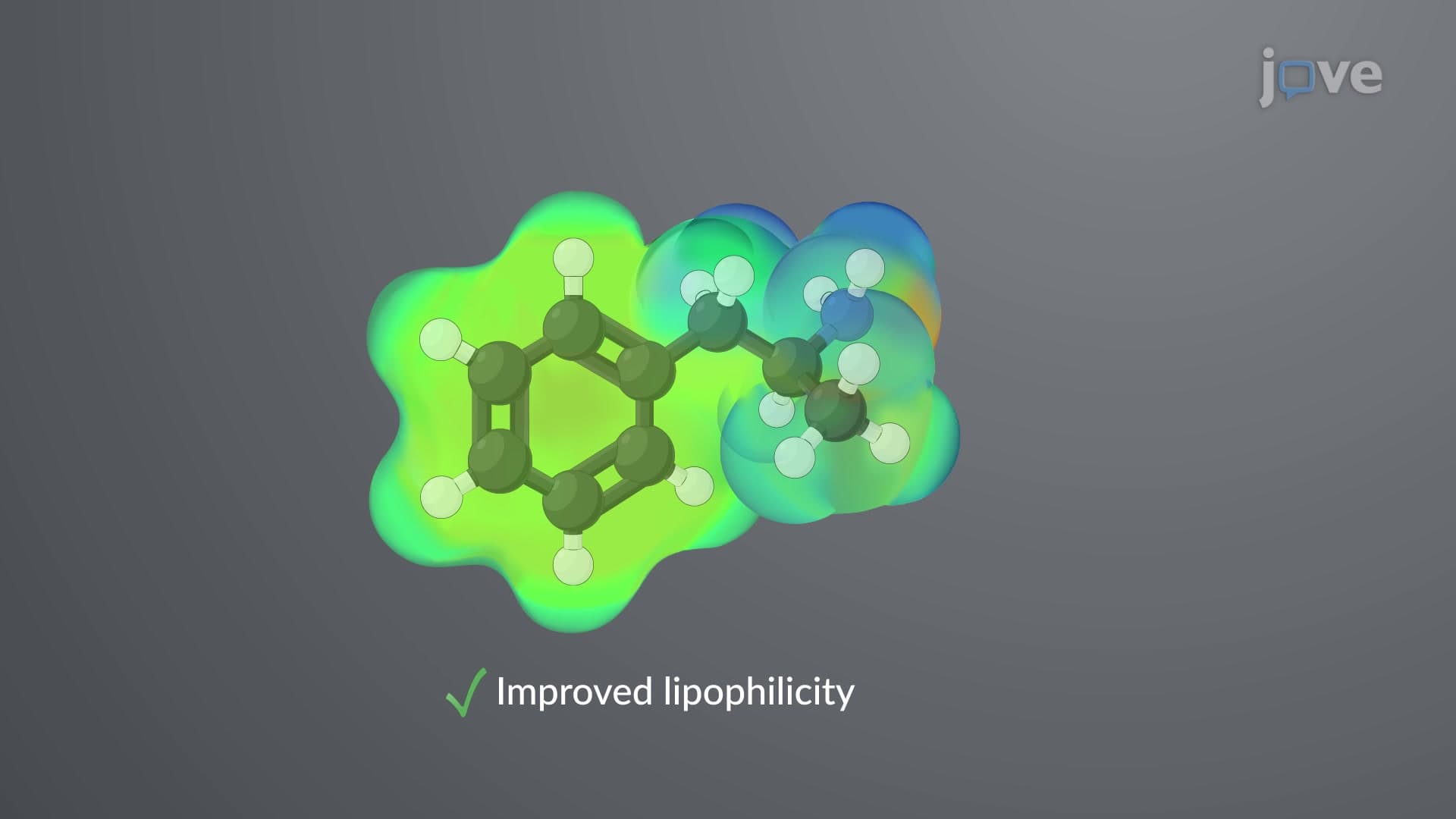
- Analyze structure-activity relationships of catecholamines and synthetic sympathomimetic agents
- Explore direct-acting, indirect-acting, and mixed-action adrenergic agonist mechanisms and clinical applications
- Learn alpha-blocker and beta-blocker classification, pharmacological actions, and therapeutic uses
- Apply knowledge of adrenergic drugs to treat cardiovascular emergencies, asthma, and glaucoma
- Examine drug interactions affecting neurotransmitter synthesis, release, and reuptake processes
- Understand clinical management strategies for open-angle and angle-closure glaucoma using adrenergic agents
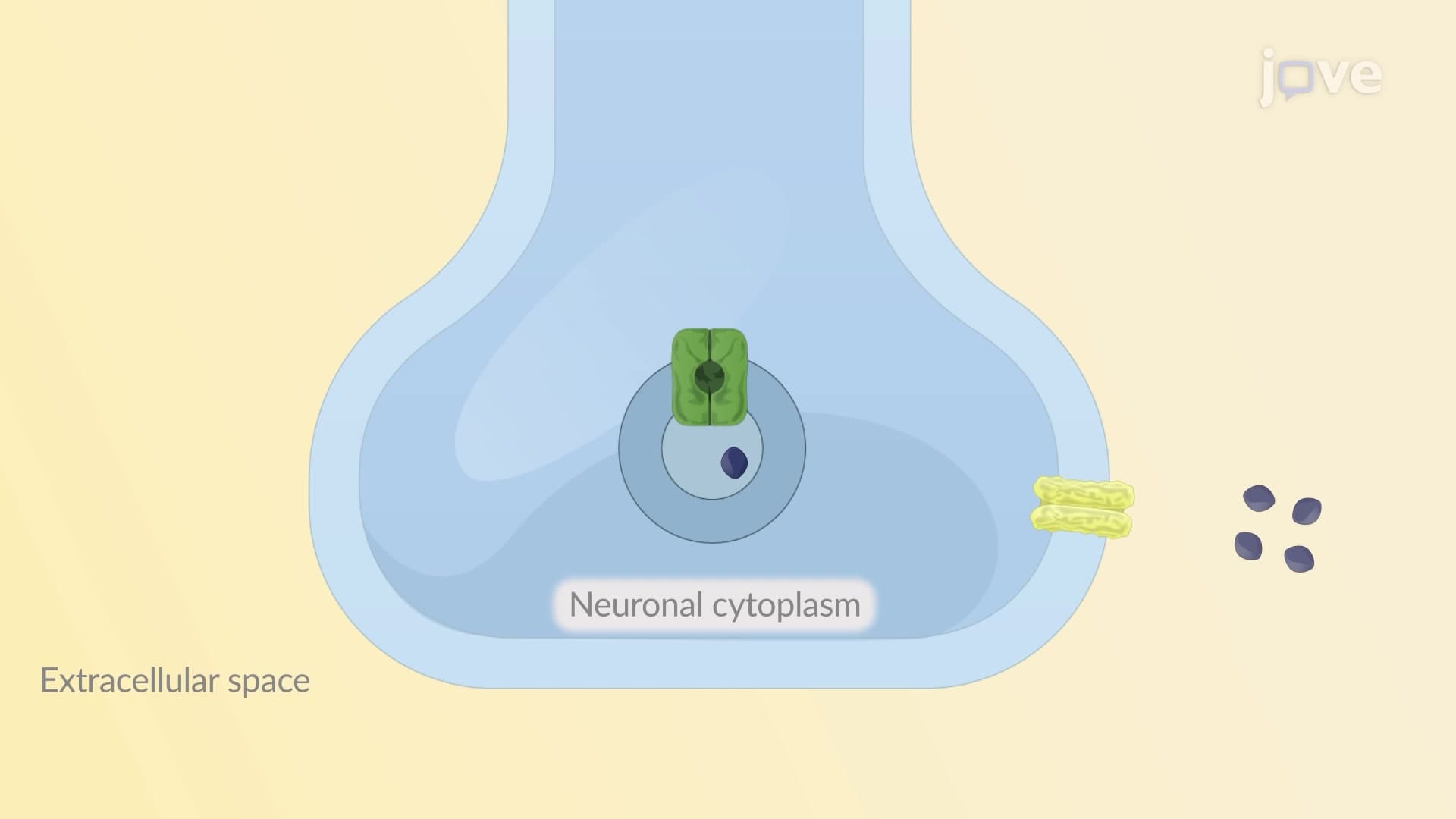
1. Adrenergic Neurotransmission and Catecholamine Biosynthesis Adrenergic neurons synthesize norepinephrine from tyrosine through enzymatic conversion to DOPA and dopamine. Understanding this pathway is crucial for USMLE pharmacology questions about sympathetic nervous system function. Vesicular storage, calcium-dependent release, and reuptake mechanisms determine drug efficacy. Clinical applications include treating depression with norepinephrine reuptake inhibitors and managing Parkinson's disease with DOPA supplementation. MAO and COMT enzymes metabolize catecholamines, creating targets for therapeutic intervention in conditions like hypertension and heart failure.
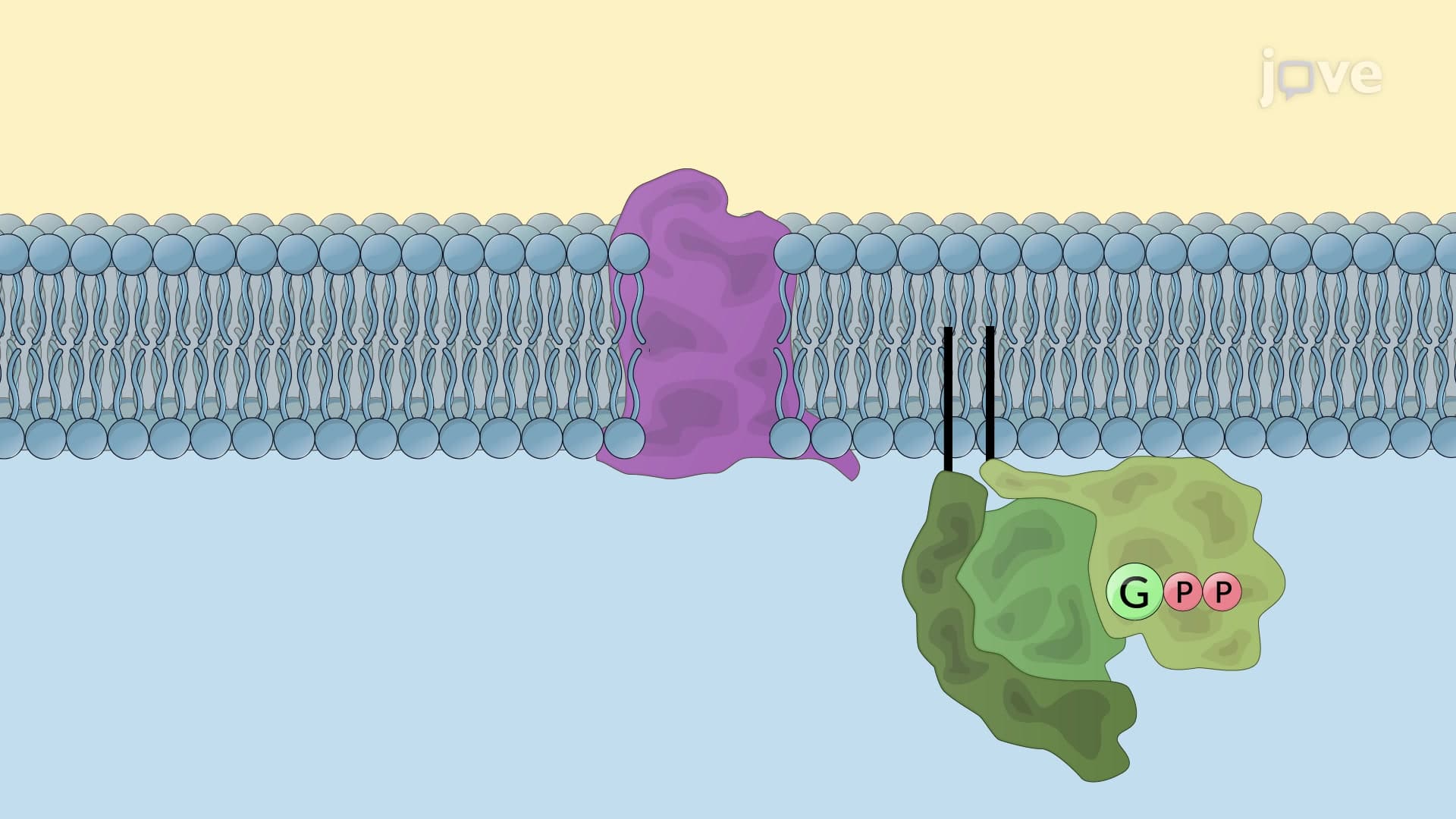
2. Alpha and Beta Adrenergic Receptor Classification and Signal Transduction Alpha-adrenergic receptors couple to phospholipase C (α₁) or inhibit adenylyl cyclase (α₂), while beta-adrenergic receptors activate adenylyl cyclase to increase cAMP levels. This fundamental concept appears frequently on MCAT and USMLE examinations. α₁-receptors mediate vasoconstriction and smooth muscle contraction, α₂-receptors provide negative feedback regulation, β₁-receptors increase heart rate and contractility, β₂-receptors cause bronchodilation and vasodilation, and β₃-receptors regulate metabolism. Understanding receptor distribution helps predict drug effects and side effects in clinical scenarios.
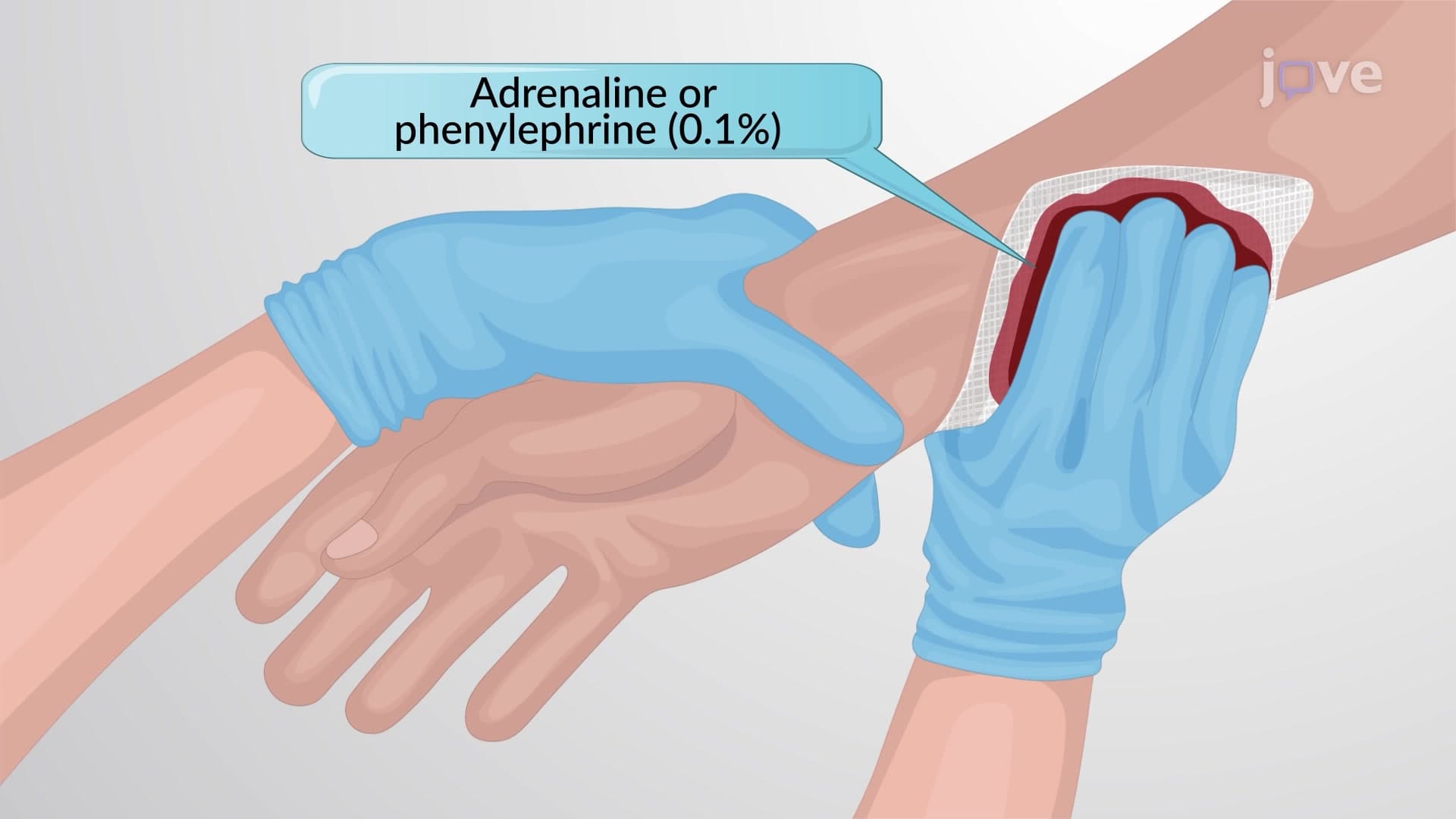
3. Direct-Acting Adrenergic Agonists and Clinical Applications Direct-acting sympathomimetics bind directly to adrenergic receptors without affecting neurotransmitter release. Epinephrine treats anaphylaxis and cardiac arrest through combined α and β stimulation, making it essential emergency medicine knowledge for NCLEX and HESI A2 examinations. Phenylephrine (α₁-selective) serves as a nasal decongestant and mydriatic agent, while dobutamine (β₁-selective) increases cardiac output in heart failure. Albuterol and terbutaline (β₂-selective) provide bronchodilation for asthma treatment. Understanding selectivity patterns helps predict therapeutic uses and adverse effects in clinical practice.
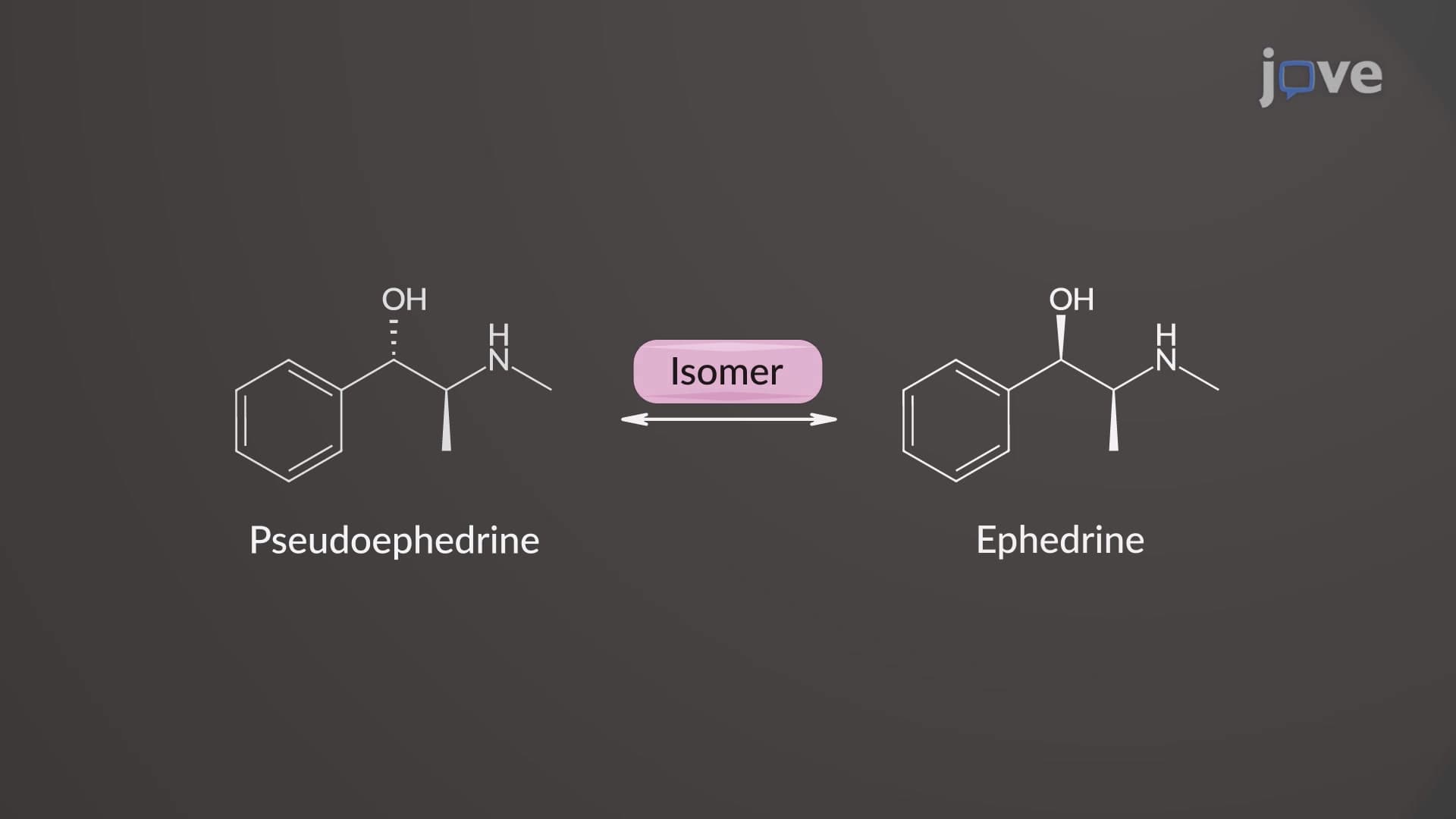
4. Indirect and Mixed-Acting Adrenergic Agonists Indirect-acting agents enhance endogenous catecholamine effects through various mechanisms including vesicular displacement, reuptake inhibition, and enzyme inhibition. Amphetamine displaces norepinephrine from vesicles, explaining its stimulant and abuse potential relevant to MCAT behavioral science sections. Cocaine blocks norepinephrine reuptake, causing cardiovascular toxicity important for emergency medicine scenarios. Mixed-acting agents like ephedrine and pseudoephedrine combine direct receptor activation with indirect catecholamine release. These concepts are crucial for understanding drug interactions and designing safer therapeutic alternatives with improved selectivity profiles.
5. Alpha-Adrenergic Antagonists: Chemistry and Pharmacological Actions Alpha-blockers prevent catecholamine-induced vasoconstriction and smooth muscle contraction through competitive or irreversible receptor inhibition. Prazosin and doxazosin (α₁-selective) treat hypertension and benign prostatic hyperplasia, representing important therapeutic applications for USMLE clinical scenarios. Phentolamine (non-selective) manages pheochromocytoma, a rare but high-yield topic for medical examinations. Understanding the distinction between reversible competitive antagonists and irreversible inhibitors like phenoxybenzamine is essential for predicting duration of action and potential for agonist competition. These drugs demonstrate the principle of using receptor selectivity to minimize adverse effects.
6. Beta-Adrenergic Antagonists: Cardiovascular and Systemic Effects Beta-blockers competitively inhibit catecholamine binding to β-adrenergic receptors, producing profound cardiovascular effects crucial for NCLEX pharmacology questions. Propranolol (non-selective) treats hypertension, angina, and arrhythmias but may cause bronchoconstriction in asthmatic patients. Metoprolol and atenolol (β₁-selective) provide cardioprotective effects with reduced respiratory side effects. Third-generation agents like carvedilol combine β-blockade with α₁-antagonism for enhanced vasodilation. Clinical applications include post-myocardial infarction protection, heart failure management, and migraine prevention. Understanding contraindications in asthma and diabetes is essential for safe prescribing practices.
7. Drugs Affecting Neurotransmitter Synthesis and Release Pharmacological manipulation of catecholamine synthesis and release provides therapeutic targets for various conditions. α-Methyldopa acts as a false neurotransmitter, reducing sympathetic outflow to treat hypertension during pregnancy. Reserpine depletes vesicular catecholamine stores, historically used for hypertension but limited by depression risk. Carbidopa inhibits peripheral DOPA decarboxylase, allowing levodopa to cross the blood-brain barrier for Parkinson's treatment. These mechanisms illustrate how understanding biochemical pathways leads to targeted therapeutic interventions. MCAT students should recognize how enzyme inhibition and false substrate concepts apply to drug design and selectivity.
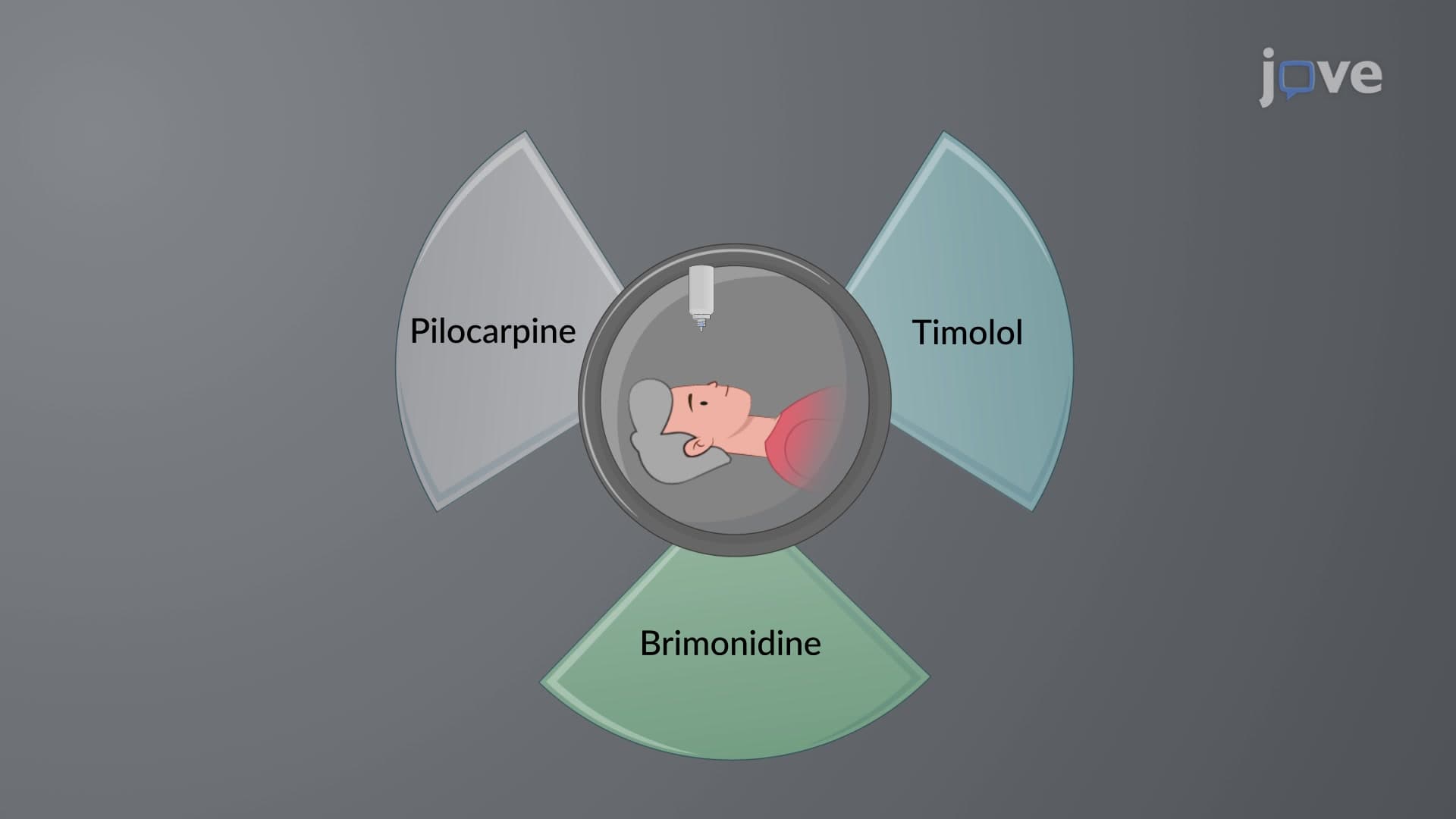
8. Glaucoma Pathophysiology and Adrenergic Drug Treatment Glaucoma represents elevated intraocular pressure threatening optic nerve function, with treatment strategies involving adrenergic receptor modulation. Timolol (β-blocker) reduces aqueous humor production, while brimonidine (α₂-agonist) decreases secretion and increases outflow. Understanding the difference between open-angle and angle-closure glaucoma is important for HESI A2 and NCLEX examinations. Open-angle glaucoma requires chronic management with topical medications, while angle-closure represents an ophthalmological emergency requiring immediate pressure reduction. Pilocarpine (cholinergic agonist) opens the drainage angle, demonstrating how multiple neurotransmitter systems interact in therapeutic approaches. These concepts integrate anatomy, physiology, and pharmacology knowledge essential for comprehensive healthcare education.