Loading…
Loading video…

75,400 views
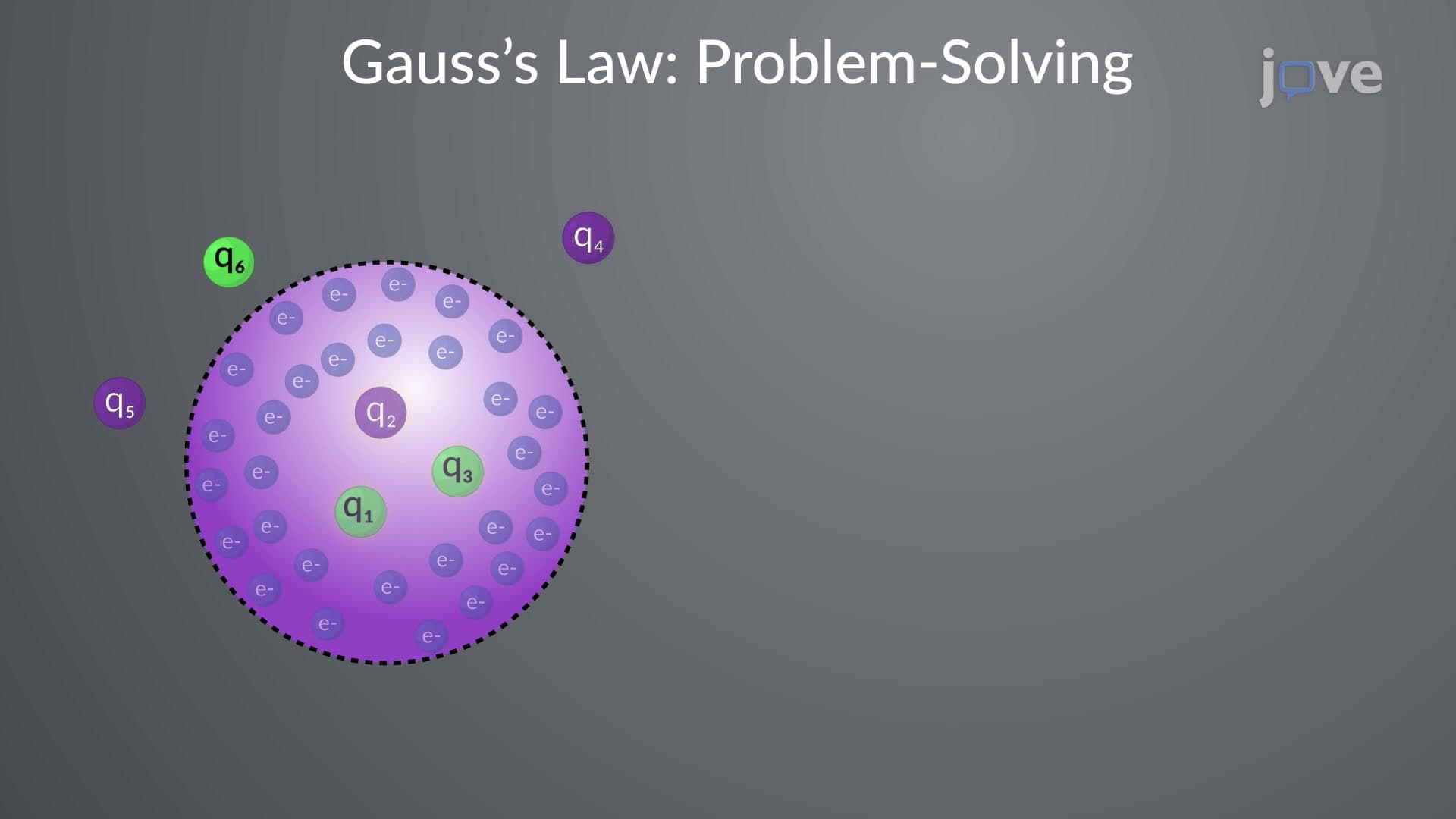
Ever wonder how engineers at Tesla calculate the electric fields around their car batteries to ensure safety? Gauss's law problem solving transforms complex electric field calculations into manageable steps by using symmetry and enclosed charge. This fundamental physics concept helps students tackle everything from point charges to complex conductor geometries. Understanding Gauss's Law Problem Solving Explained becomes essential for AP Physics, college electromagnetics, and engineering applications across the US. Watch the full video on JoVE Coach to master this concept with expert-led visuals and step-by-step explanations.
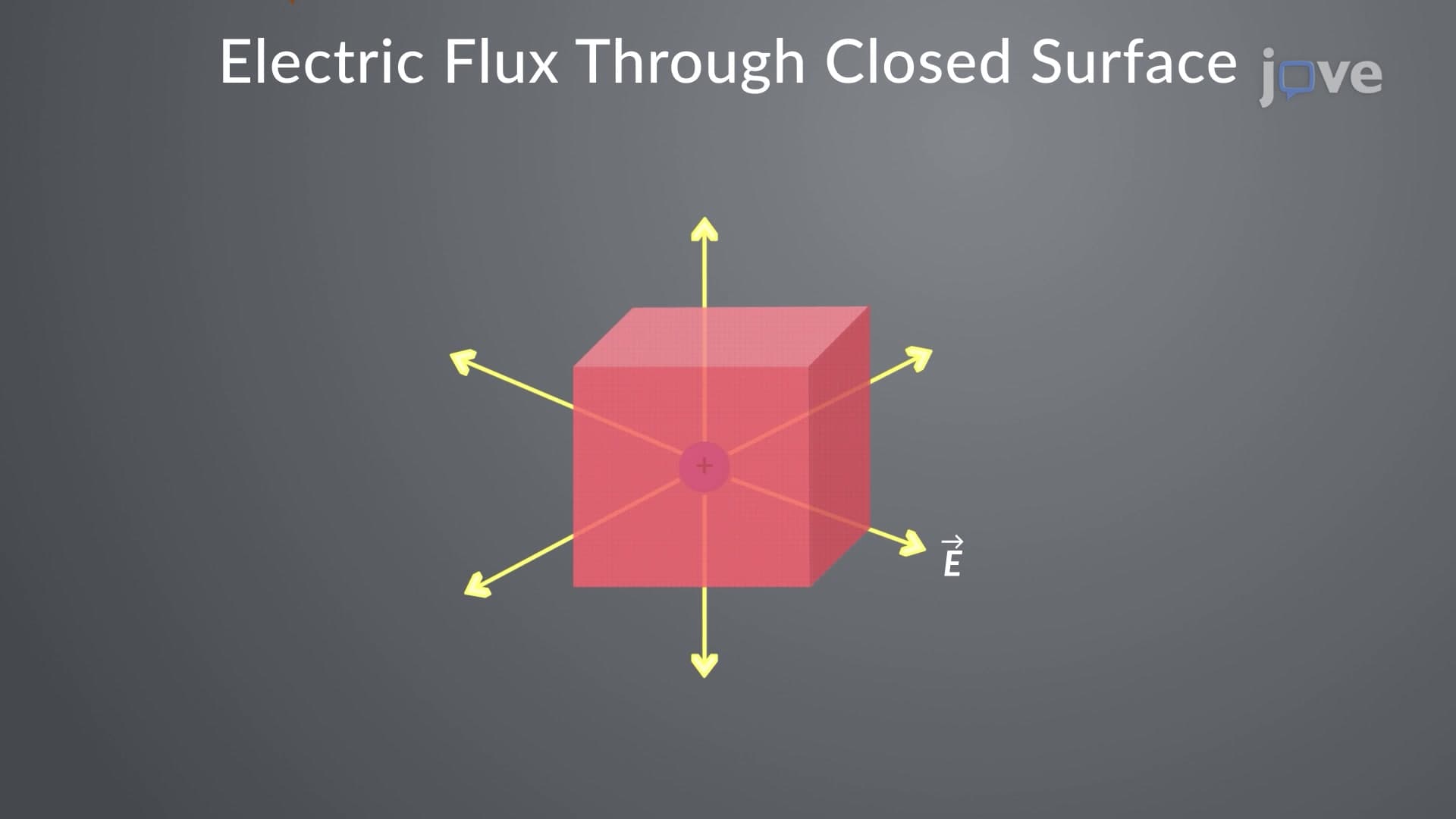
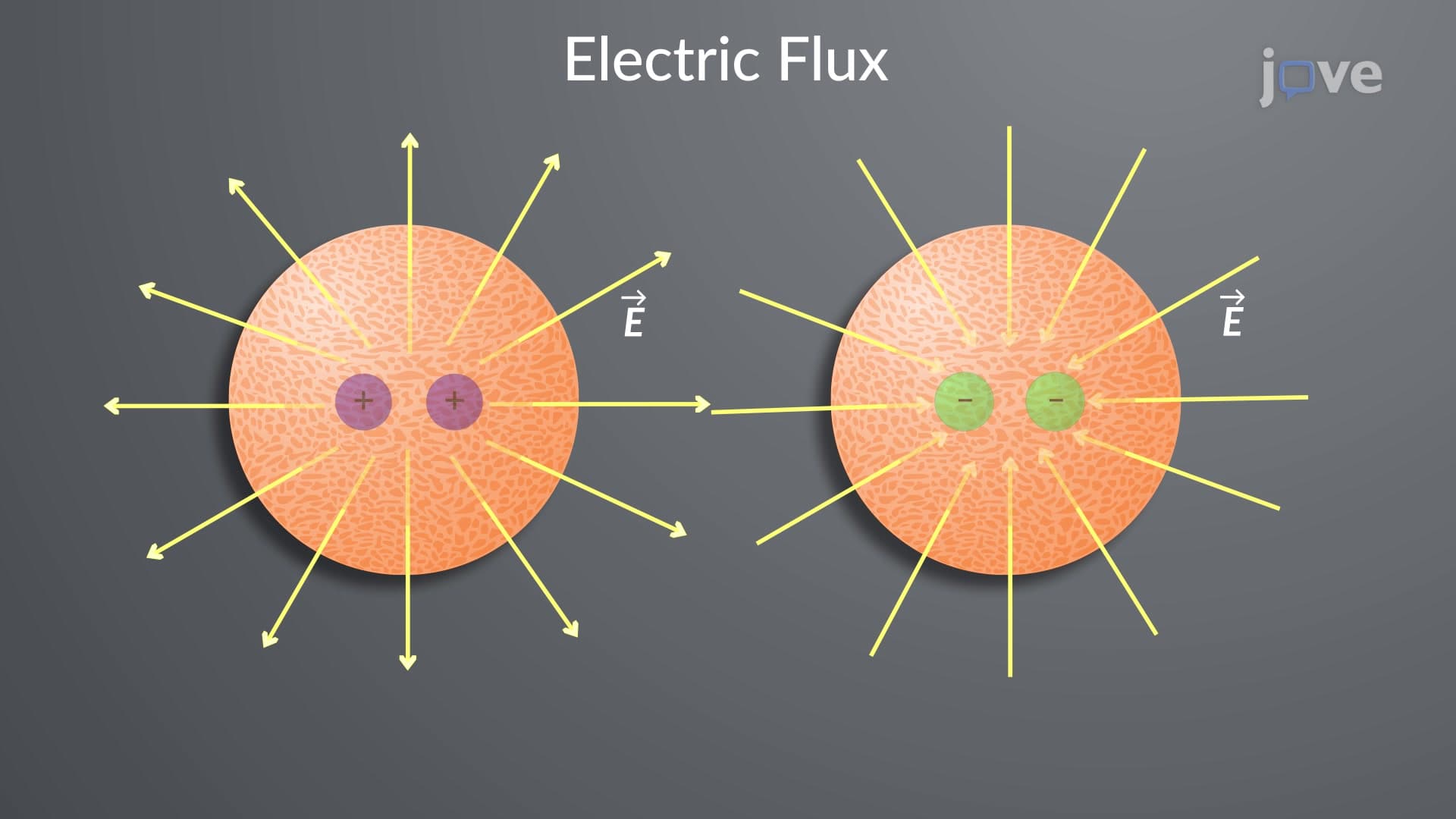
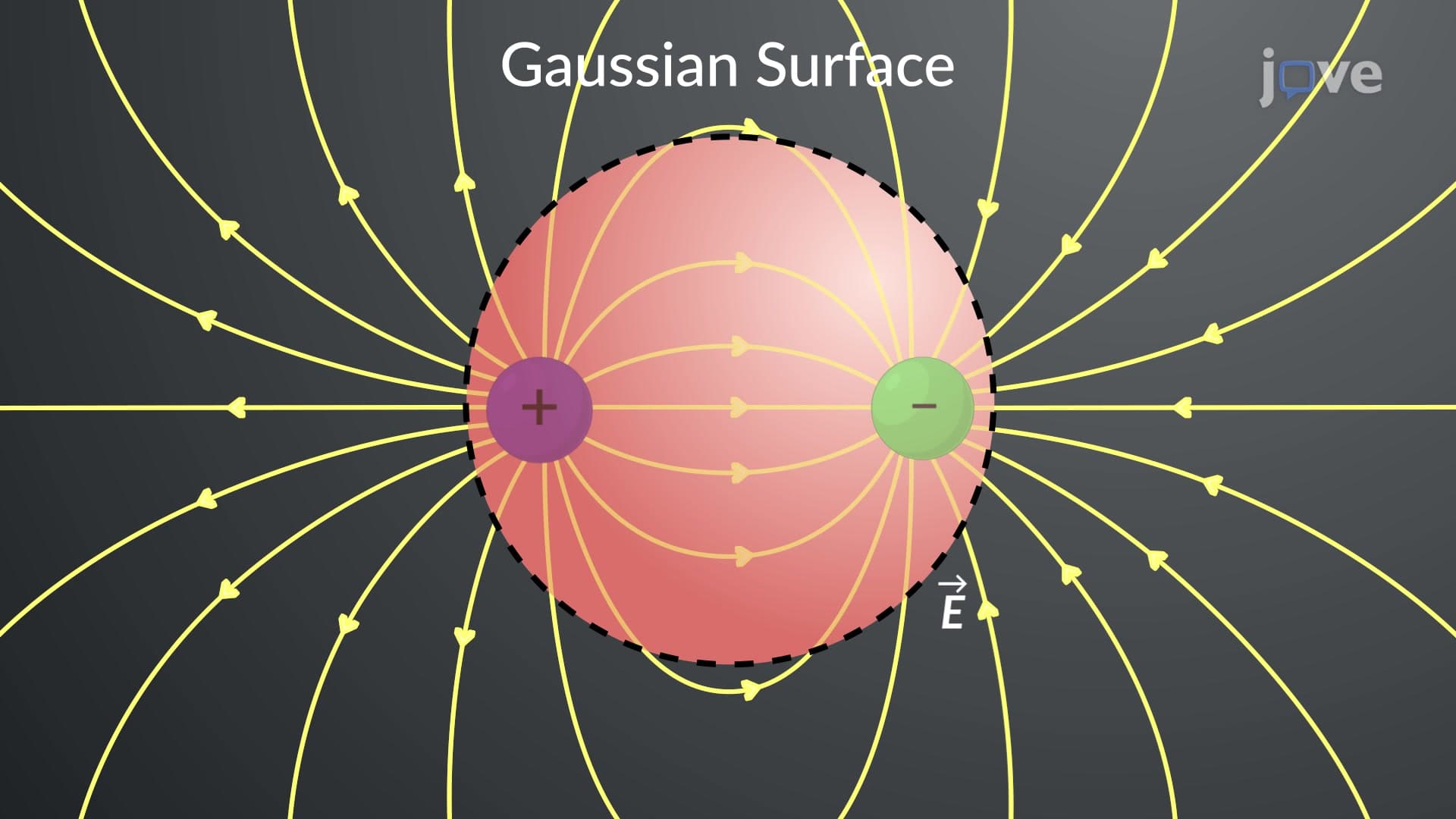
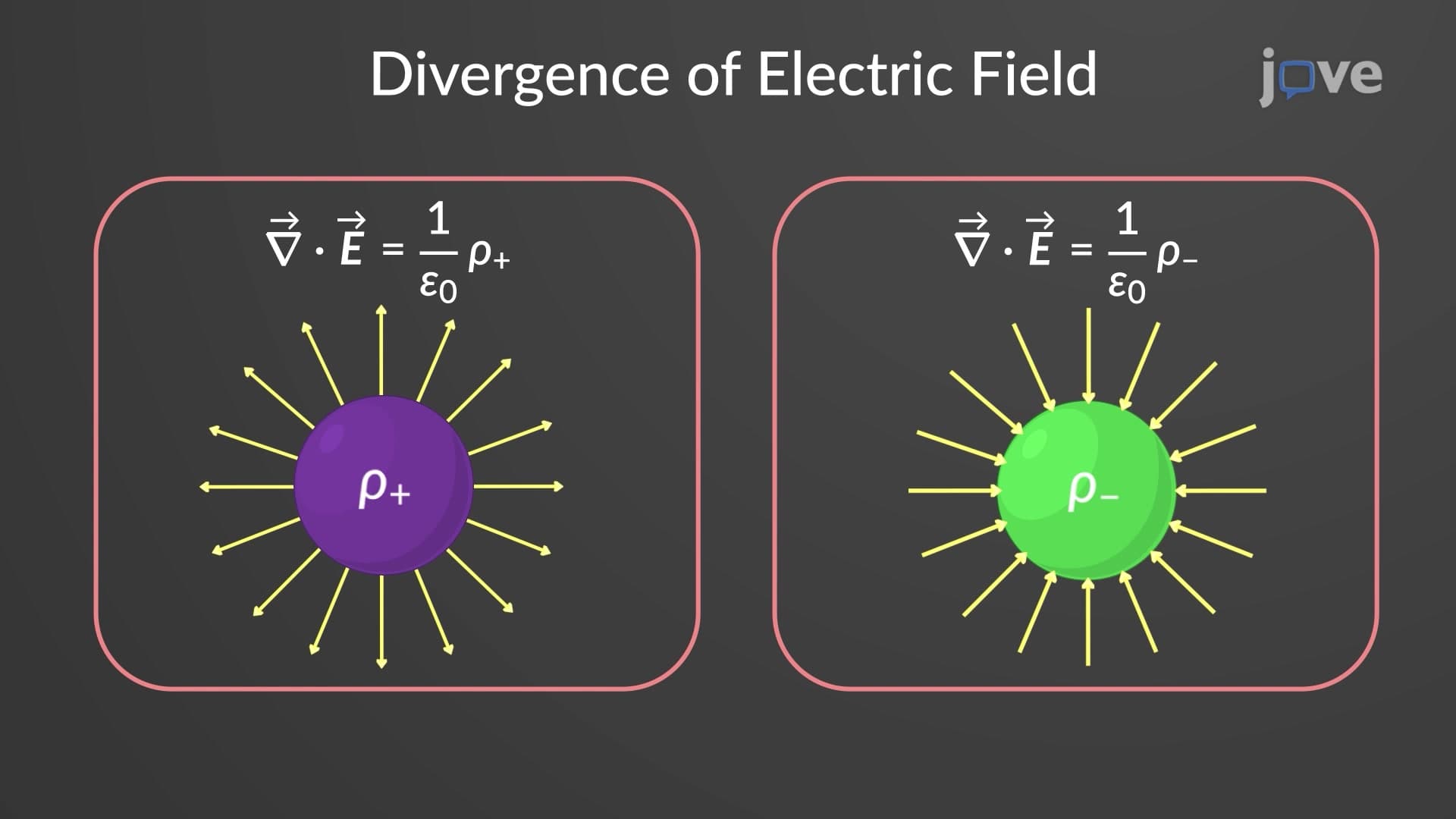
Gauss's law problem solving represents one of the most powerful techniques in electromagnetism, transforming seemingly complex field calculations into straightforward algebraic problems. At its core, Gauss's law states that the electric flux through any closed surface equals the enclosed charge divided by the permittivity of free space (ε₀). This relationship, Φ = Q(enclosed)/ε₀, becomes the foundation for systematic problem-solving approaches used throughout AP Physics C, college electromagnetics courses, and professional engineering applications.
The systematic approach begins with charge identification and calculation. When dealing with discrete charges like electrons, multiply the elementary charge (-1.6 × 10⁻¹⁹ C) by the number of particles. For the example of 30 electrons, the total enclosed charge becomes -4.8 × 10⁻¹⁸ C. This calculation forms the numerator in Gauss's law, providing the driving force for electric flux through the chosen Gaussian surface.
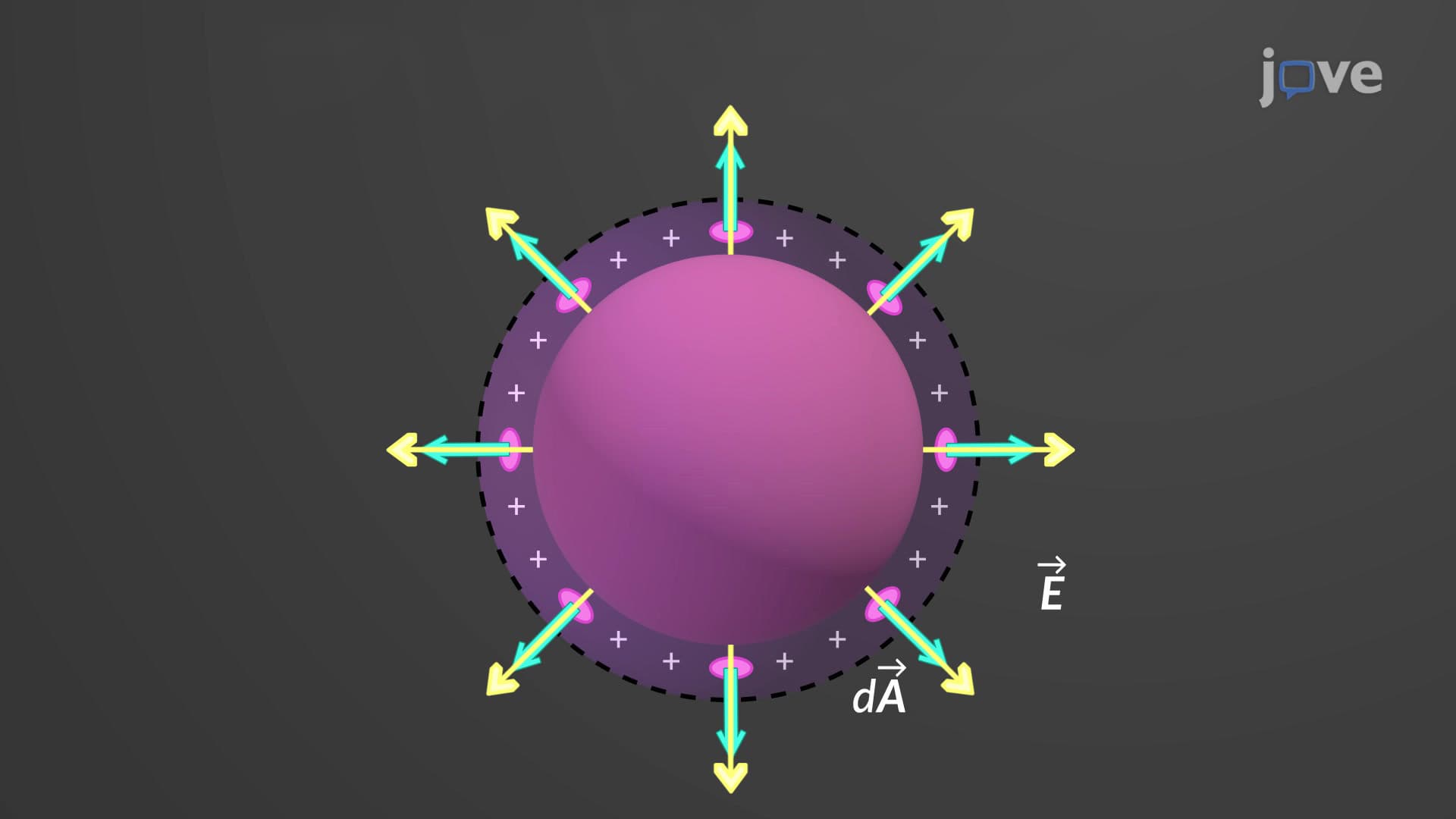
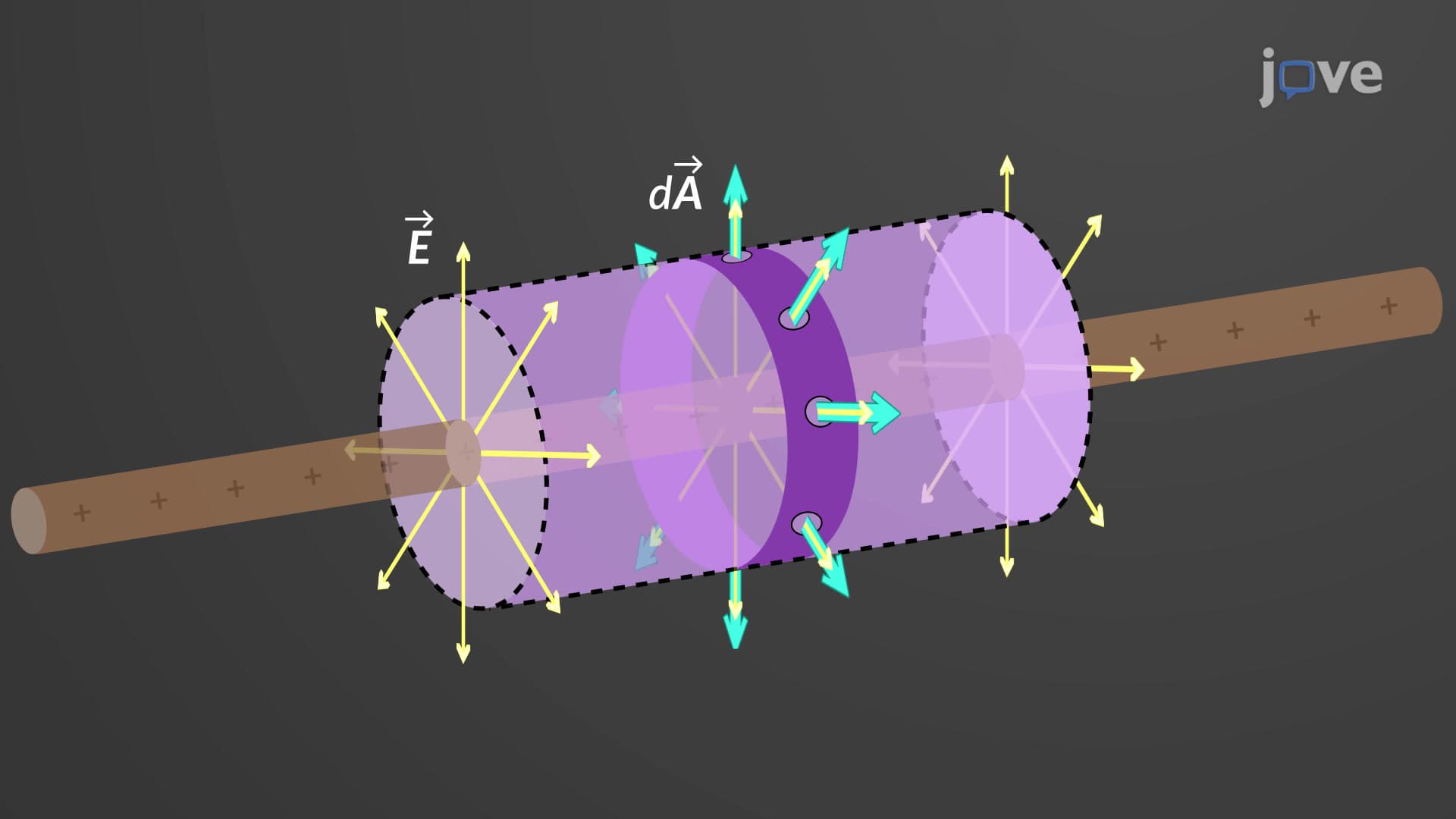
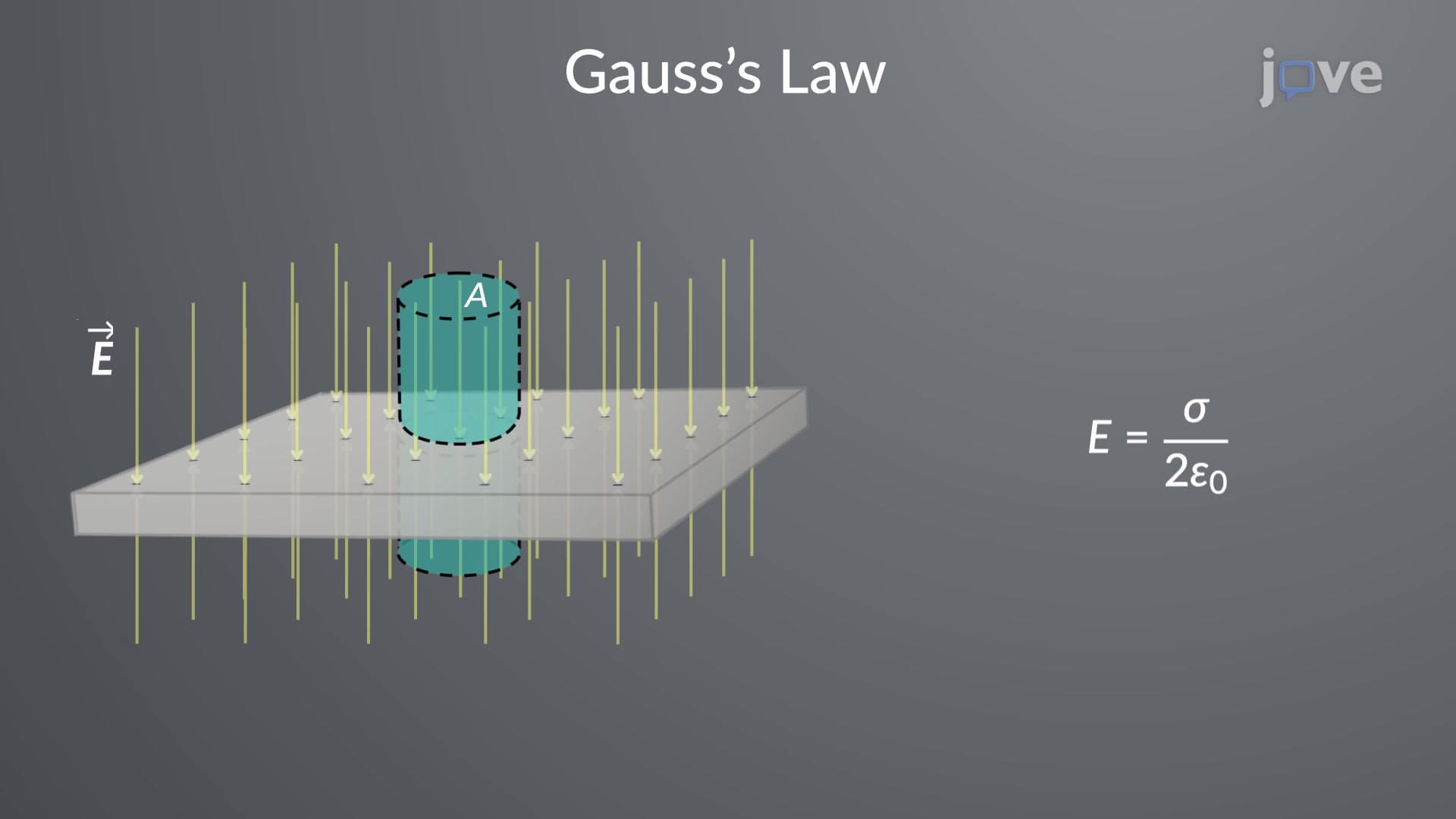
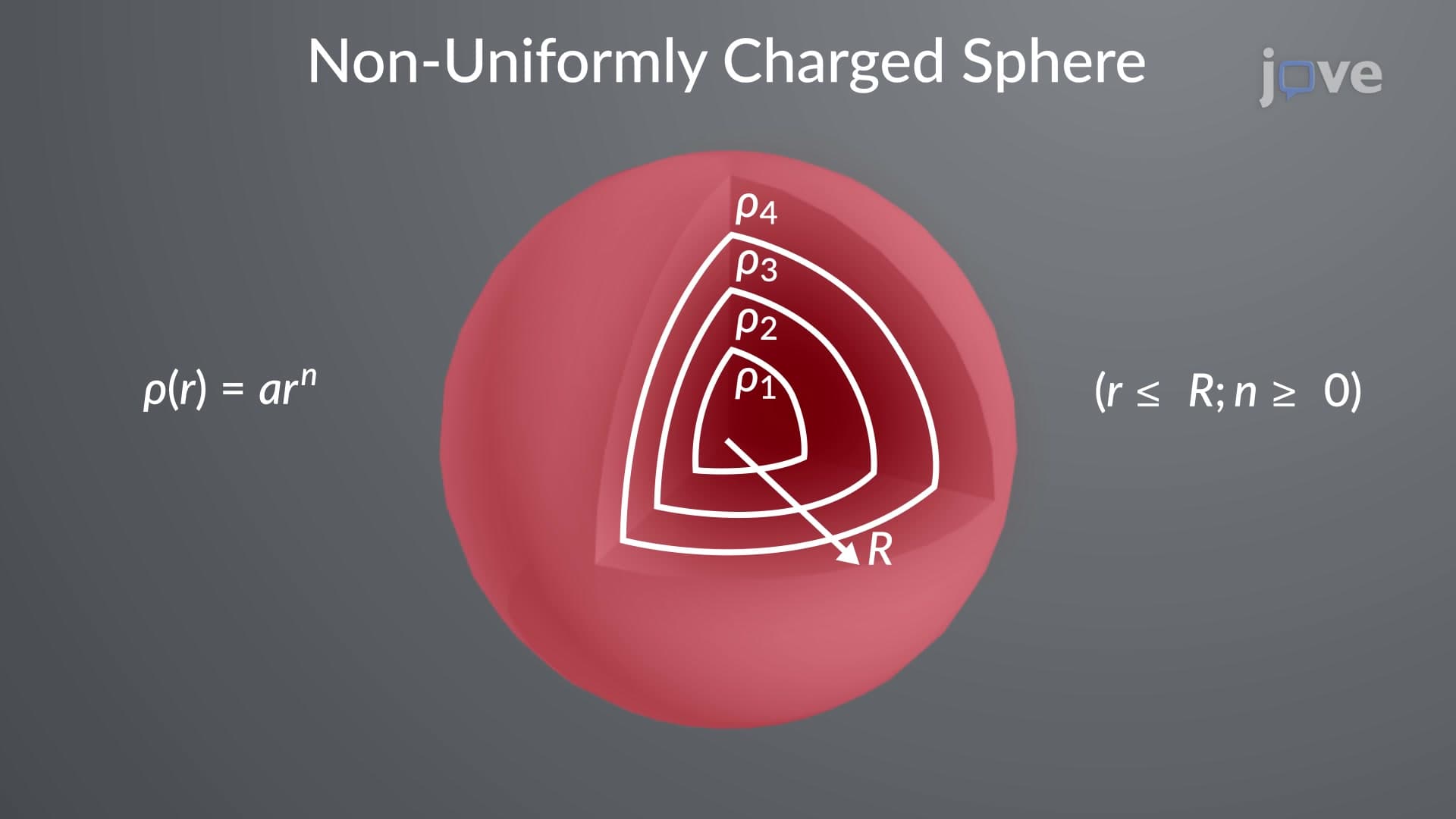
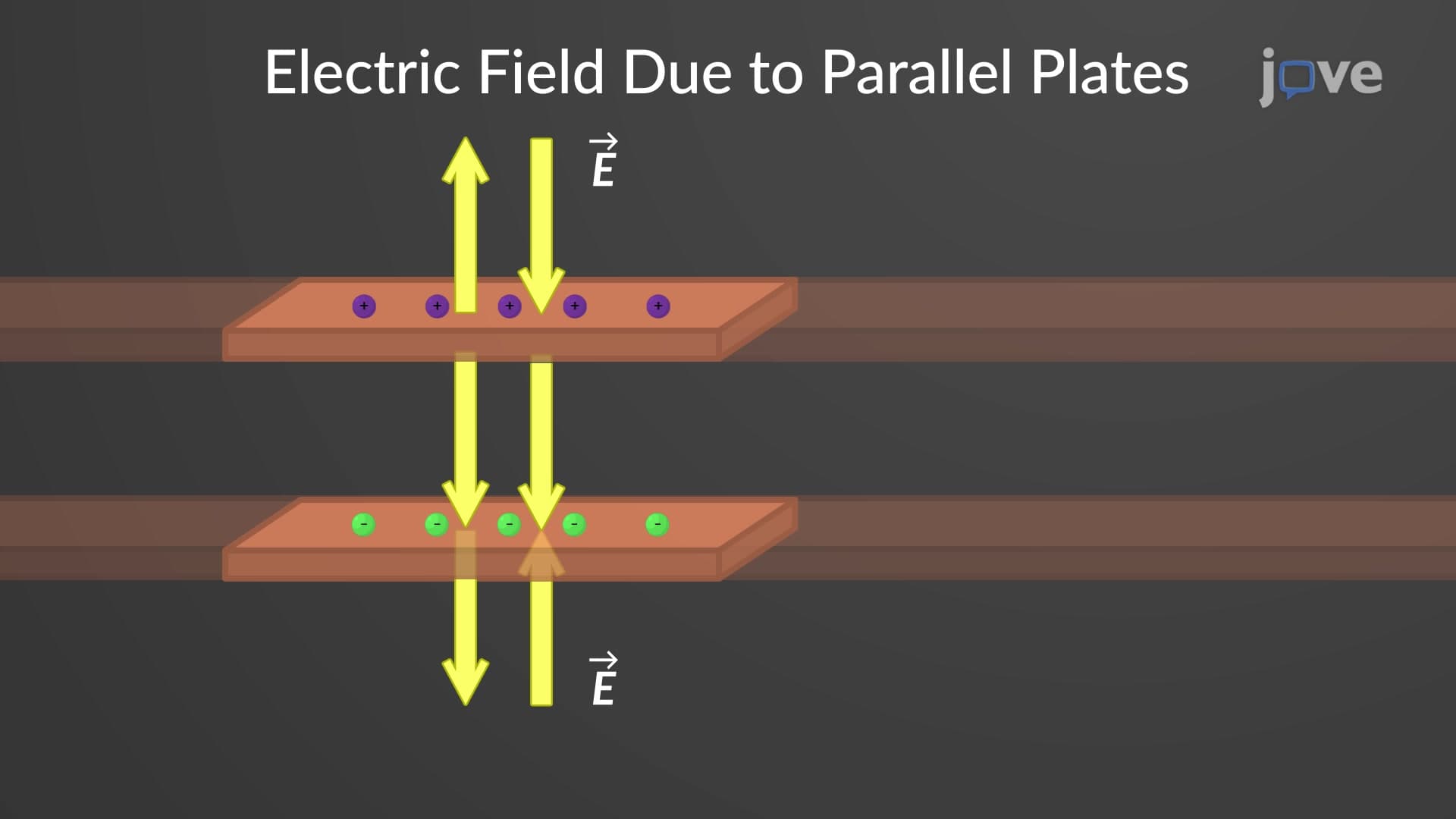
Surface selection represents the critical strategic decision in gauss's law problem solving tutorial applications. Spherical surfaces work best for point charges or spherically symmetric distributions, while cylindrical surfaces suit line charges, and planar surfaces handle infinite sheets. The key lies in choosing surfaces where the electric field maintains constant magnitude and remains perpendicular to the surface, simplifying the flux integral into basic multiplication.
Once flux is determined, electric field calculation follows directly from the relationship Φ = E × A, where A represents the Gaussian surface area. For spherical surfaces, A = 4πr², making the electric field E = Q(enclosed)/(4πε₀r²). This approach proves invaluable for MCAT physics sections and engineering electromagnetics courses, where students must quickly analyze field behavior around charged objects.
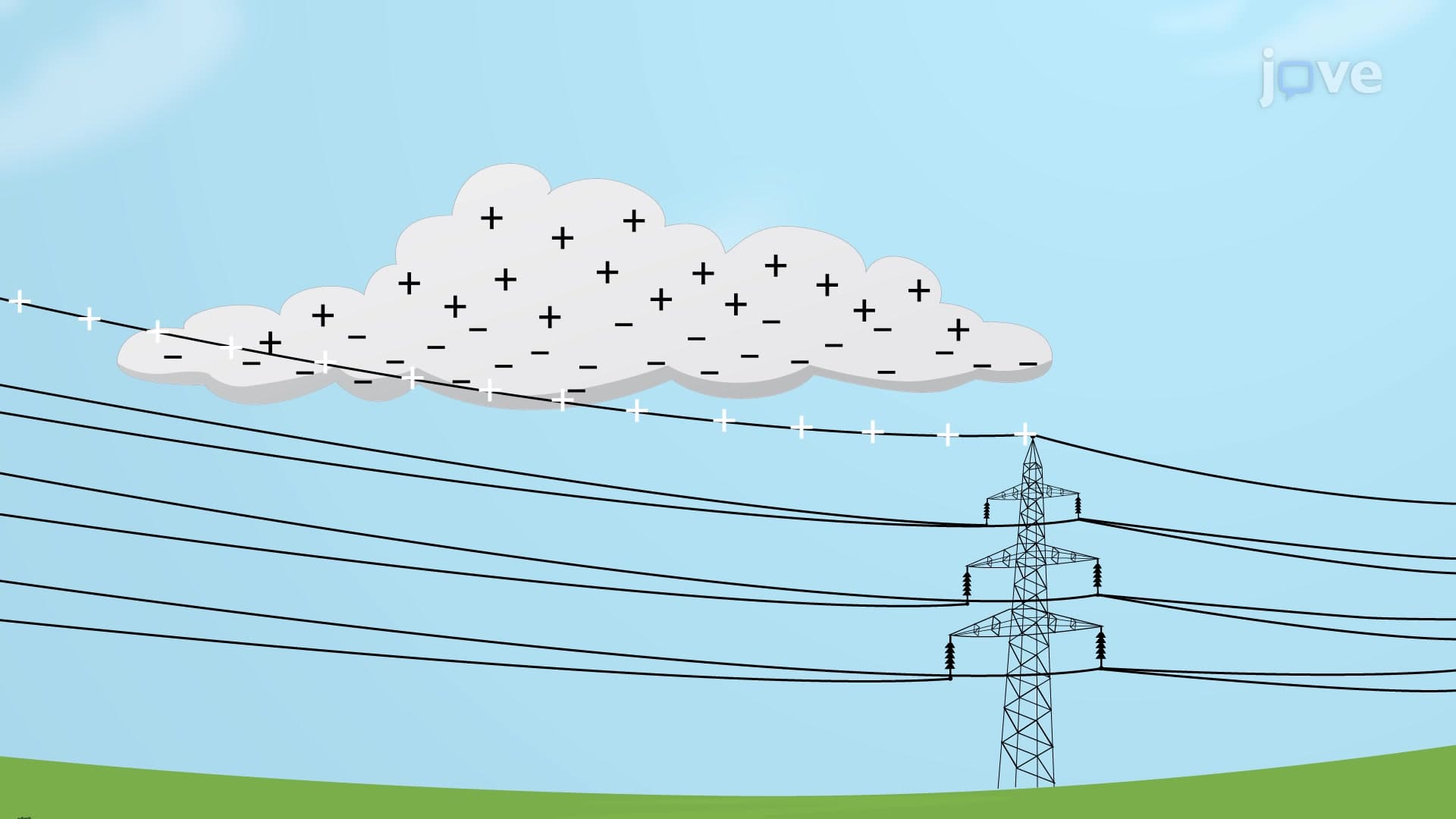
Understanding gauss's law problem solving extends far beyond textbook exercises into practical applications across American industries. Semiconductor manufacturers use these principles to design integrated circuits, while power grid engineers apply Gauss's law to analyze transmission line fields. Medical device companies rely on these calculations for MRI machine design and cardiac pacemaker safety testing, demonstrating the concept's relevance in modern technology sectors.
The superposition principle adds another layer of sophistication, allowing analysis of multiple charge systems by considering only enclosed charges. This selectivity makes Gauss's law particularly powerful for analyzing complex charge distributions in capacitors, conductors, and electrostatic shielding applications common in aerospace and telecommunications industries.
Frequently Asked Questions
Gauss's law problem solving is a systematic method for calculating electric fields and flux using the relationship between enclosed charge and electric flux through closed surfaces. It simplifies complex field calculations by exploiting symmetry, making it essential for AP Physics C, college electromagnetics, and engineering applications. This approach transforms multivariable calculus problems into basic algebra when appropriate symmetry exists.
AP Physics C Electricity and Magnetism frequently tests Gauss's law through free-response questions involving spherical conductors, infinite planes, and cylindrical charge distributions. College physics exams typically include both conceptual questions about flux and computational problems requiring electric field calculations. Students must demonstrate surface selection skills and apply the fundamental equation Φ = Q(enclosed)/ε₀ correctly.
MCAT physics sections often feature Gauss's law in contexts involving biological systems, such as calculating fields around nerve membranes or analyzing electrostatic forces in protein structures. These problems typically require understanding flux concepts rather than complex calculations. Students should focus on recognizing when Gauss's law applies and understanding the relationship between charge distribution and resulting electric fields.
Major US tech companies like Intel use Gauss's law principles for semiconductor design, while power companies apply these concepts to transmission line safety calculations. Tesla and other electric vehicle manufacturers rely on electrostatic field analysis for battery pack design and electromagnetic compatibility testing. Medical device companies use Gauss's law for MRI safety protocols and implantable device design.
Gauss's law problem solving builds naturally on basic electric field concepts from introductory physics, making it accessible to motivated high school students. The key lies in understanding symmetry and surface selection rather than complex mathematics. Students who master basic algebra and have solid conceptual understanding of electric fields typically succeed with systematic practice and proper guidance.
Focus on recognizing the three high-symmetry cases: spherical (point charges, spheres), cylindrical (line charges, wires), and planar (infinite sheets). Practice identifying which charges are enclosed versus external, and memorize the area formulas for common Gaussian surfaces. Work through problems systematically: identify symmetry, choose surface, calculate enclosed charge, apply Gauss's law, then solve for the desired quantity.
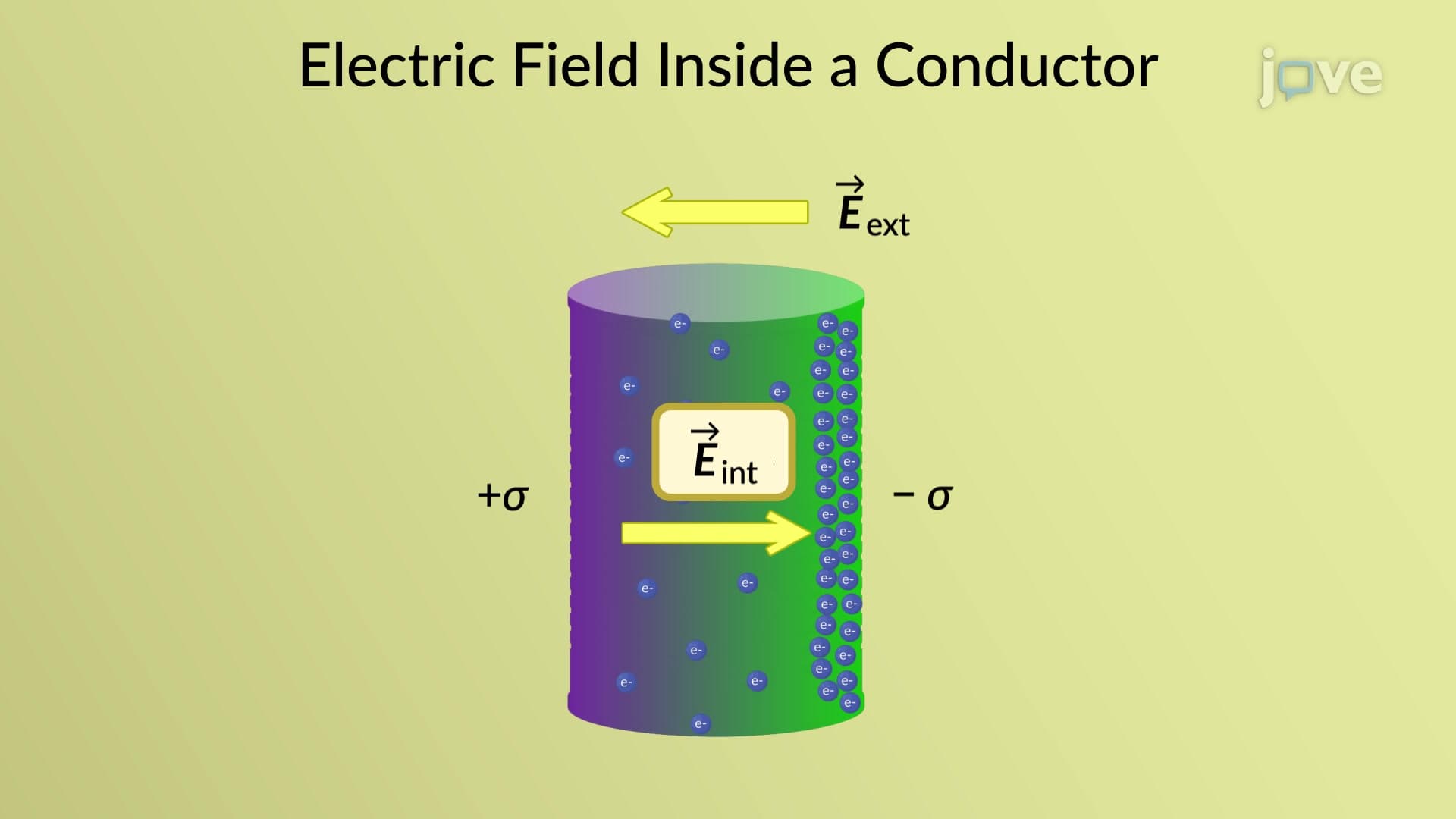
After mastering fundamental applications, explore conductor electrostatics, including field behavior inside and outside charged conductors. Study capacitor analysis using Gauss's law, electromagnetic boundary conditions, and applications to Maxwell's equations. These topics prepare students for advanced electromagnetics courses and engineering applications in electrical and computer engineering programs.
Gauss's law forms one of Maxwell's four fundamental equations, connecting directly to electromagnetic wave theory and electromagnetic induction. It relates closely to gravitational field theory through mathematical similarity, and provides foundation for understanding electrostatic potential energy calculations. These connections become crucial for students pursuing physics, electrical engineering, or related STEM fields in college.
Related Micro-courses
Related Subjects
 Math Fundamentals 11 micro-courses›
 Statistics 17 micro-courses›