Loading subject page…

- Social Psychology
- Research Methods
- Blind Procedures
Micro-course: Research Methods
348,601 views
Learn key concepts and earn your certificate.










Blind Procedures

00:00
02:07
Video Summary: What Is Blind Procedures
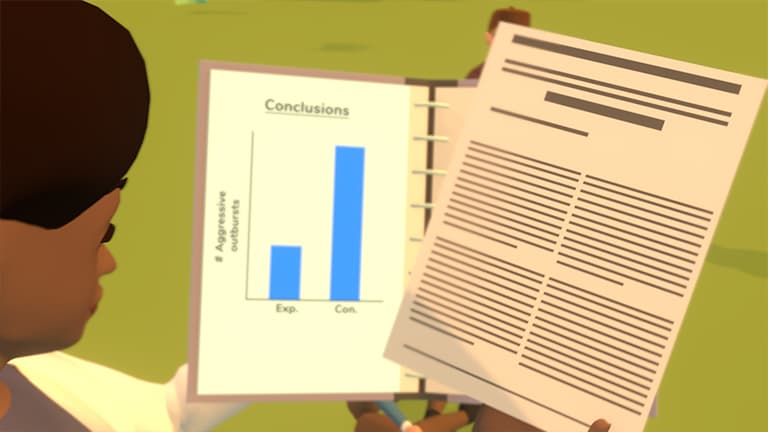
Ever wonder how the FDA ensures new medications actually work before reaching pharmacy shelves? Blind procedures eliminate researcher and participant biases that could skew clinical trial results. For example, when testing a new antidepressant at Johns Hopkins, neither patients nor doctors know who receives the real drug versus a sugar pill until after data collection ends. This methodology prevents expectations from influencing outcomes and ensures accurate therapeutic assessments. Watch the full video on JoVE Coach to master this concept with expert-led visuals and step-by-step explanations.
- Understand what is blind procedures and how they eliminate bias in scientific research studies
- Identify the difference between single-blind and double-blind experimental designs
- Analyze how researcher expectations can unconsciously influence data collection and interpretation
- Compare participant responses when they know versus don't know their treatment assignment
- Evaluate the importance of blind procedures in pharmaceutical testing and clinical trials
- Apply blind procedure concepts to design unbiased experiments in psychology and medicine
- Recognize real-world examples of blind procedures in FDA drug approval processes
- Explore how coding systems and third-party administrators maintain study blindness
Understanding What is Blind Procedures in Research Design
Blind procedures represent a cornerstone methodology in scientific research designed to eliminate bias that could compromise study validity. These procedures systematically prevent knowledge of treatment assignments from influencing either participant responses or researcher observations. In the United States, blind procedures are mandatory for FDA Phase III clinical trials and form the gold standard for evidence-based medicine taught in universities from Harvard Medical School to UCLA.
Single-Blind vs. Double-Blind Study Designs
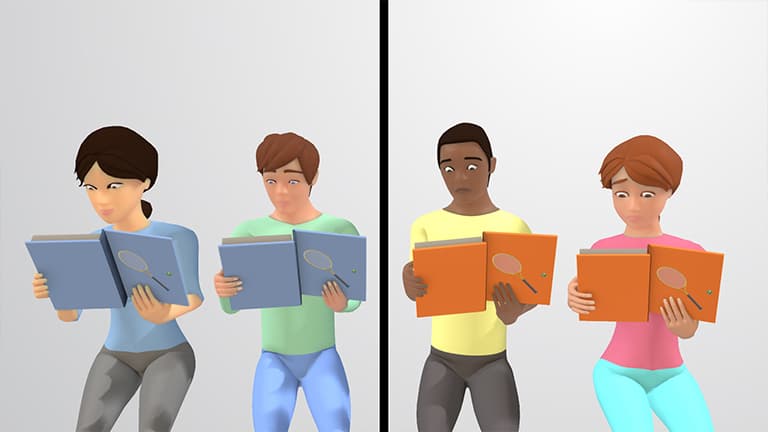
Single-blind studies conceal treatment assignment from participants while researchers remain aware of who receives which intervention. This approach eliminates participant expectation bias but leaves researchers vulnerable to unconscious influence during data collection. For example, in a University of Michigan pain management study, patients might not know whether they're receiving morphine or a placebo, but doctors recording pain scores could unconsciously rate known morphine recipients as more comfortable.
Double-blind procedures extend concealment to both participants and data-collecting researchers. A third party-often a research coordinator or statistician-maintains the master code linking participants to treatments. This design eliminates both participant placebo effects and researcher confirmation bias. Major pharmaceutical companies like Pfizer and Moderna used double-blind procedures during COVID-19 vaccine trials, ensuring neither patients nor administering healthcare workers knew who received vaccines versus placebos.
Real-World Applications and Academic Relevance
Blind procedures appear frequently on standardized exams including AP Psychology, MCAT passages, and college research methods courses. Students often encounter these concepts when studying experimental design validity, ethics in human subjects research, and evidence-based practice standards. Understanding blind procedures proves essential for pre-med students preparing for clinical rotations and psychology majors designing senior thesis projects.
The National Institutes of Health requires blind procedures for most funded clinical research, making this knowledge crucial for anyone pursuing biomedical careers. From testing new Alzheimer's treatments at Mayo Clinic to evaluating therapy techniques at Stanford University, blind procedures ensure American healthcare decisions rest on unbiased scientific evidence rather than hopeful expectations.
Frequently Asked Questions
Blind procedures are research methods that hide who gets real treatment versus fake treatment to prevent bias. They ensure neither patients' expectations nor researchers' hopes influence study results. This creates more accurate and trustworthy scientific evidence for medical decisions.
Single-blind means only participants don't know their treatment assignment, while researchers do know. Double-blind means both participants and data-collecting researchers are unaware of treatment assignments. Double-blind provides stronger bias protection and is preferred for clinical trials.
These exams often test understanding of experimental design validity and bias elimination. You might analyze study scenarios to identify whether proper blind procedures were used. Focus on recognizing when researcher or participant knowledge could skew results.
Not at all-blind procedures are more about logical study design than complex math. If you understand basic cause-and-effect relationships and can identify potential biases, you can master this concept. The focus is on preventing unfair influences, not calculating statistical significance.
FDA drug approval trials provide excellent examples-like testing whether a new diabetes medication truly lowers blood sugar versus placebo effects. Psychology studies examining whether therapy techniques actually reduce anxiety also demonstrate blind procedure importance in everyday healthcare decisions.
Practice identifying bias sources in research scenarios and determining appropriate blind procedure types. Create flashcards comparing single-blind versus double-blind advantages. Focus on real clinical trial examples and understand why blind procedures matter for scientific credibility.
Explore randomized controlled trials, placebo effects, and statistical significance testing. Understanding research ethics, informed consent, and experimental validity will deepen your research methodology knowledge. These concepts frequently appear together on standardized exams and college courses.
Related Micro-courses

15 Concepts

24 Concepts

13 Concepts