Loading…
Loading video…

340,602 views

Did you know that Netflix analyzes over 1 billion hours of viewing data daily to predict what you'll watch next? Understanding how data are classified numerical data is the foundation for making sense of these massive datasets. Whether it's counting Netflix subscribers (discrete) or measuring streaming quality in megabits per second (continuous), How Data are Classified Numerical Data Explained reveals the essential distinction between countable and measurable information. This classification system powers everything from college admission statistics to FDA drug trial analyses. Watch the full video on JoVE Coach to master this concept with expert-led visuals and step-by-step explanations.
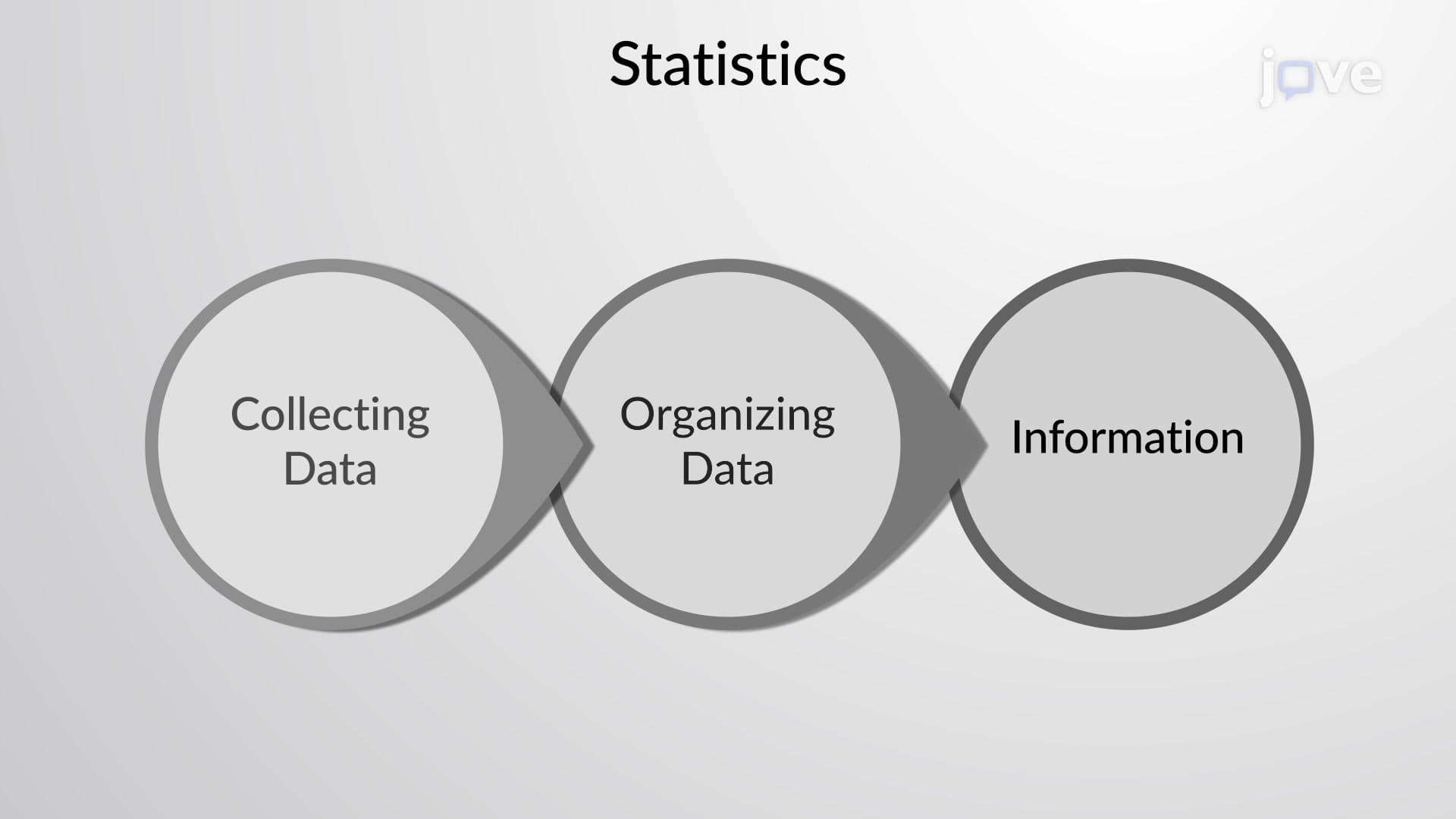
Numerical data classification forms the cornerstone of statistical analysis and data science applications across industries. When researchers at the Centers for Disease Control and Prevention (CDC) track disease outbreaks or when the Bureau of Labor Statistics measures unemployment rates, they rely on precise data classification to ensure accurate analysis and meaningful conclusions.
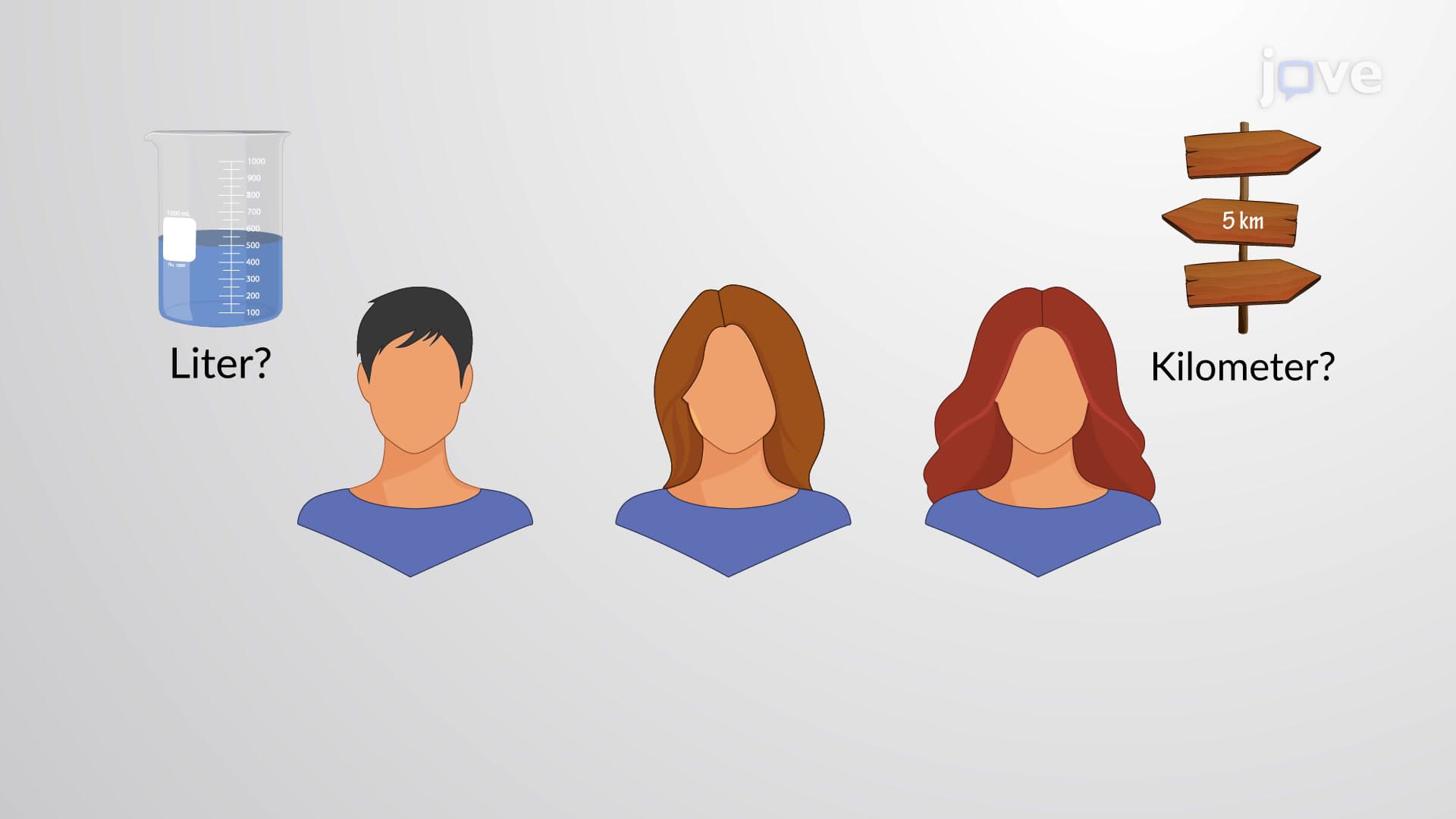
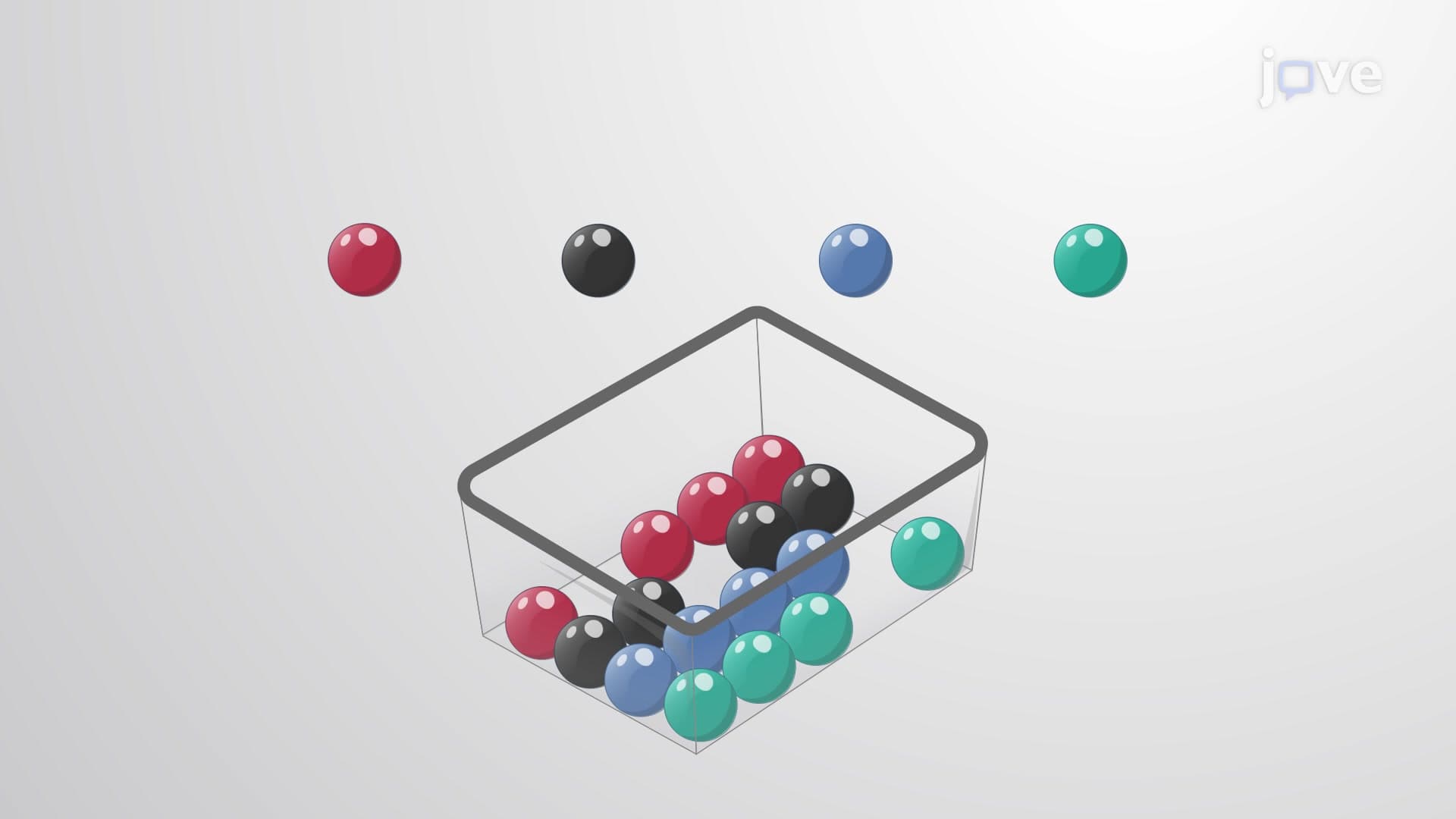
Discrete data represents countable quantities with finite, distinct values. Think of discrete data as information you can list without gaps—like the number of students in your AP Statistics class or the count of COVID-19 cases reported daily. These values cannot be subdivided meaningfully; you cannot have 2.5 students or 3.7 cases.
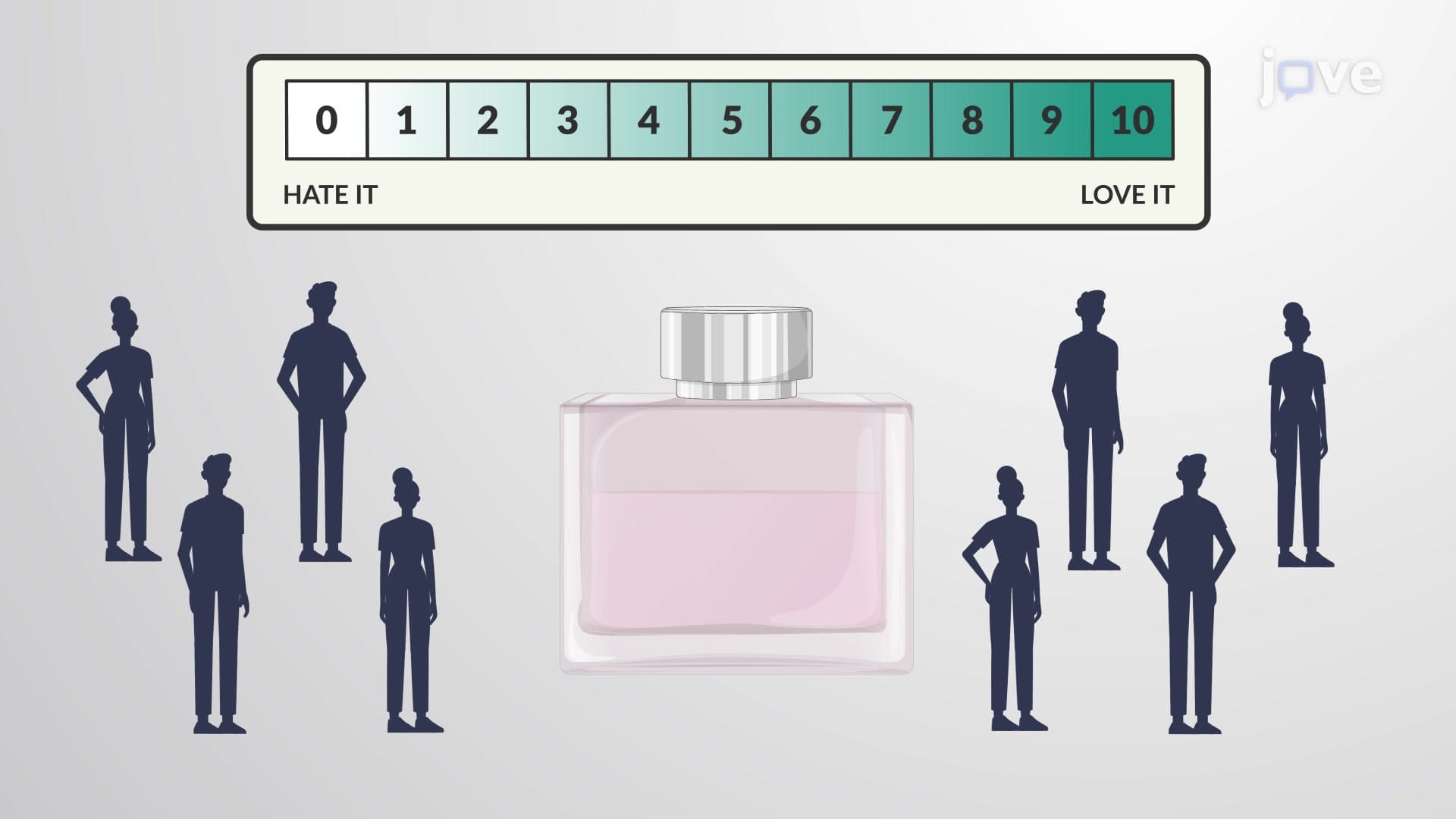
In practice, discrete data appears everywhere in academic and professional settings. College admissions officers work with discrete data when counting applications received, scholarships awarded, or graduation rates by major. On standardized tests like the SAT or MCAT, your score represents discrete data—you receive whole-point values within specific ranges, not fractional scores.
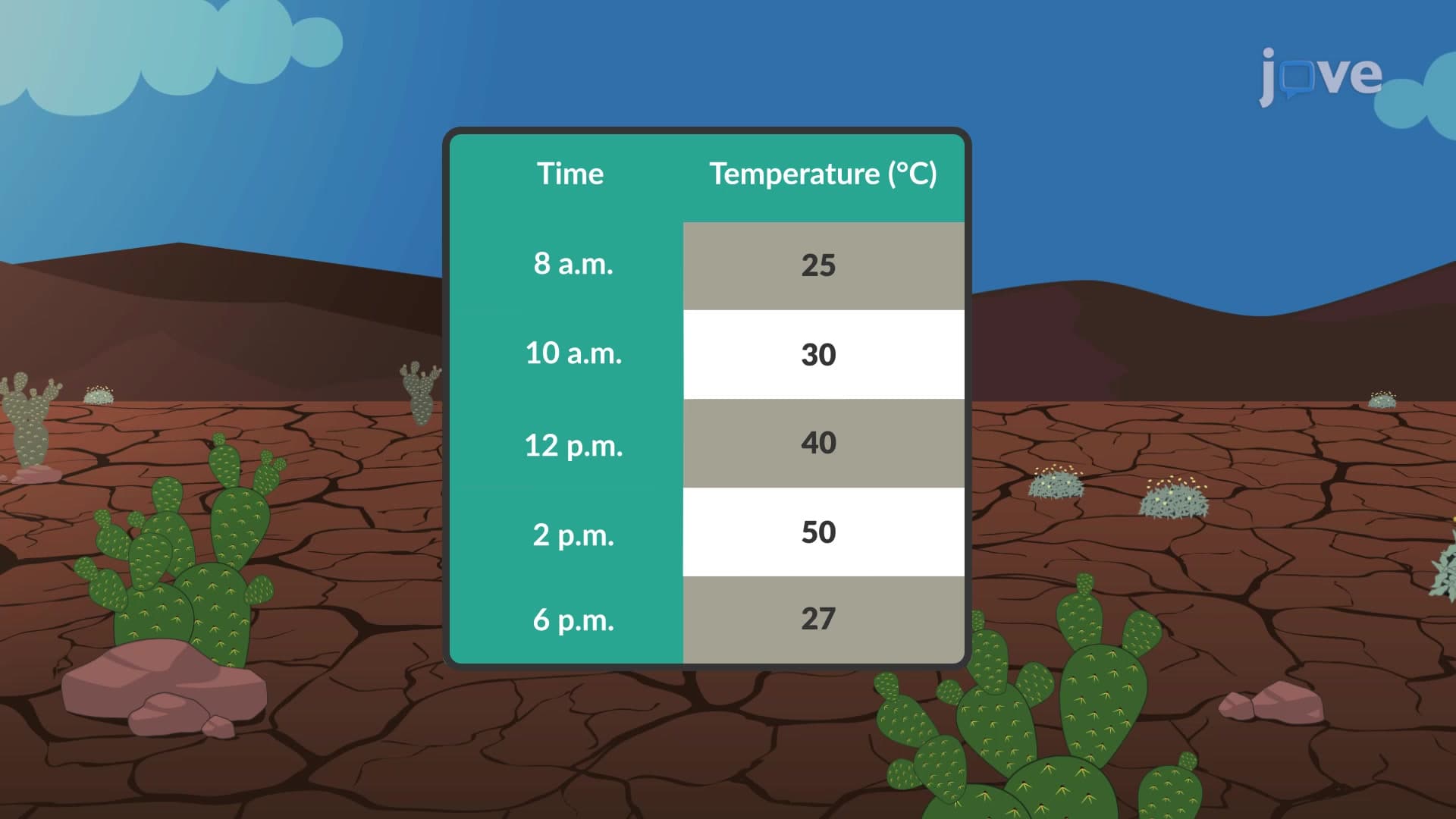
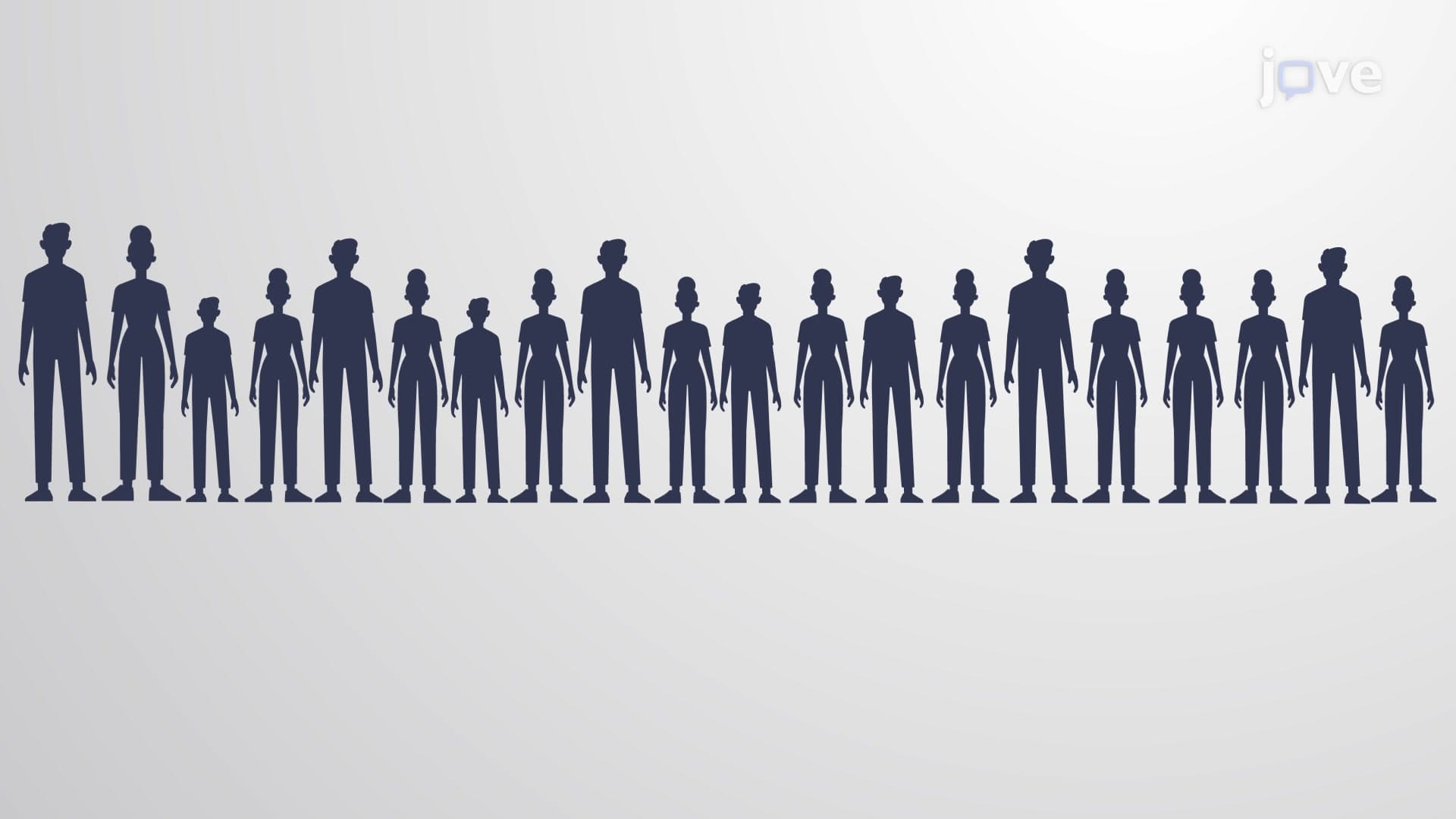
Continuous data encompasses measurable quantities that can theoretically take infinite values within a given range, including decimals and fractions. Unlike discrete data's distinct categories, continuous data flows smoothly across a spectrum. Consider body temperature readings during medical exams—a patient's temperature might be 98.6°F, 99.23°F, or any value in between, limited only by measurement precision.
Healthcare professionals regularly work with continuous data. Blood pressure readings, medication dosages, and patient recovery times all represent continuous measurements crucial for treatment decisions. In academic research, continuous data enables sophisticated statistical analyses that discrete data cannot support, such as correlation studies and regression modeling.
Understanding numerical data classification proves essential for success in advanced coursework and standardized examinations. AP Statistics students must distinguish between discrete and continuous variables to select appropriate statistical tests. Pre-med students preparing for the MCAT encounter both data types in biological and chemical contexts—from counting cell divisions (discrete) to measuring enzyme reaction rates (continuous).
This knowledge extends beyond academic success into professional applications. Market researchers classify consumer data to optimize advertising strategies, while quality control engineers in manufacturing distinguish between defect counts and measurement tolerances to maintain product standards.
Frequently Asked Questions
Numerical data classification distinguishes between discrete (countable) and continuous (measurable) data types, forming the foundation for statistical analysis. This concept appears on AP Statistics exams, college statistics courses, and standardized tests like the MCAT, making it essential for academic success and research comprehension.
AP Statistics frequently tests data type identification through multiple-choice and free-response questions requiring students to select appropriate statistical methods. Correctly classifying discrete versus continuous data determines which graphs, measures, and hypothesis tests you should use. Mastering this concept early prevents costly mistakes on exam day.
MCAT questions often feature discrete data like number of patients in clinical trials or bacterial colony counts, versus continuous data such as drug concentration levels or reaction times. Understanding these distinctions helps you interpret research passages and select appropriate statistical analyses in biological and biochemical contexts.
Hospital administrators track discrete data like patient admissions and staff counts, while monitoring continuous data such as average length of stay and medication dosages. This classification enables appropriate statistical modeling for resource allocation, quality improvement initiatives, and regulatory compliance reporting to agencies like CMS and FDA.
Data classification requires minimal mathematical prerequisites—primarily logical thinking and pattern recognition. The concept builds on familiar counting and measuring activities from daily life. Students who can distinguish between "how many" (discrete) versus "how much" (continuous) already possess the foundational understanding needed.
Create classification charts with real-world examples from your field of interest, practice identifying data types in news articles and research studies, and complete sample problems from AP or college statistics textbooks. Focus on the "can this be counted exactly?" versus "is this measured?" decision framework.
Build on data classification knowledge by exploring descriptive statistics measures appropriate for each data type, then advance to probability distributions (binomial for discrete, normal for continuous). This progression prepares you for inferential statistics, hypothesis testing, and regression analysis in advanced coursework.
Technology companies like Google and Amazon use discrete data for user engagement metrics and continuous data for performance measurements, applying different machine learning algorithms based on data type. Financial analysts classify transaction counts versus dollar amounts, while pharmaceutical researchers distinguish between patient numbers and biomarker concentrations for FDA submissions.
Related Micro-courses

Related Subjects
 Physics 33 micro-courses›
 Math Fundamentals 11 micro-courses›