Loading video…

- Statistics
- Understanding Statistics
- Systematic Sampling Method

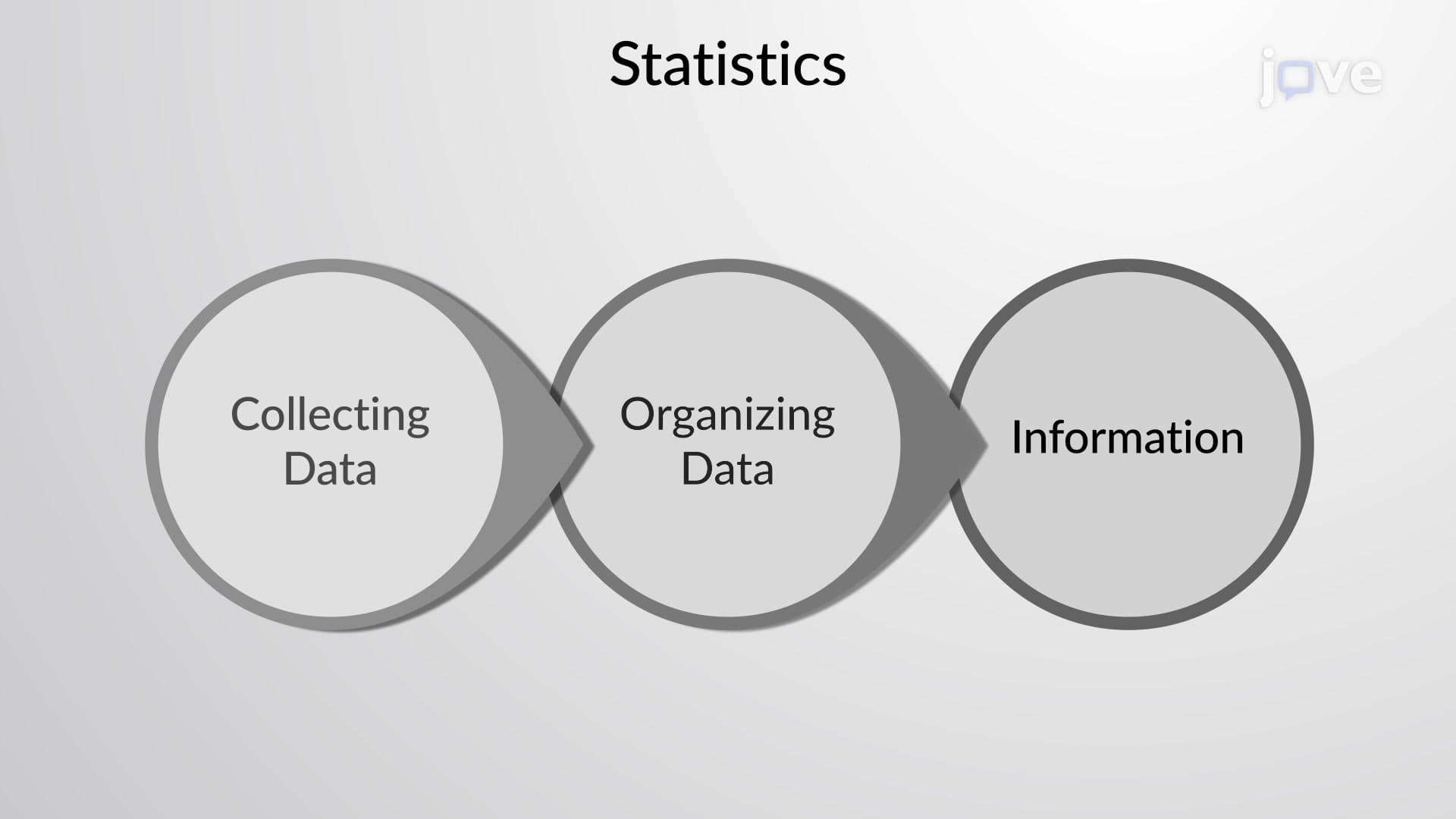














Did you know that the U.S. Census Bureau uses the systematic sampling method to survey American households every year? This systematic sampling method involves selecting participants at regular intervals from a population list, making it one of the most straightforward approaches in research methodology. For example, polling organizations might select every 10th registered voter from electoral rolls to predict election outcomes. Unlike random sampling, this method ensures even distribution across the entire population while maintaining statistical validity. Watch the full video on JoVE Coach to master this concept with expert-led visuals and step-by-explanations.
- Understand what is systematic sampling method and how it differs from other probability sampling techniques
- Identify the key components: population size, sample size, and sampling interval calculation
- Analyze when systematic sampling is most appropriate versus other sampling methods
- Apply the systematic sampling interval formula (N/n) to real-world research scenarios
- Recognize potential biases that can occur when populations have hidden patterns or periodic arrangements
- Evaluate the advantages and limitations of systematic sampling in various research contexts
- Compare systematic sampling with simple random sampling and stratified sampling methods
- Explore practical applications in market research, quality control, and academic studies
What is Systematic Sampling Method: Core Principles
The systematic sampling method represents a probability sampling technique where researchers select participants at fixed intervals from an ordered population list. This method bridges the gap between complete randomness and practical efficiency, making it particularly valuable for large-scale studies. Unlike pure random sampling, systematic sampling ensures geographic or temporal distribution across the entire population frame.
The fundamental principle involves calculating a sampling interval (k) by dividing the population size (N) by the desired sample size (n). This creates the formula k = N/n, where every kth individual gets selected after a random starting point. For instance, if surveying 1,000 students to select 100 participants, the interval would be 10, meaning every 10th student on the roster gets chosen.
Systematic Sampling Method Applications in US Research
American research institutions extensively utilize systematic sampling across diverse fields. The Bureau of Labor Statistics employs this method for the Current Population Survey, interviewing every nth household from address lists to track unemployment rates. Medical researchers use systematic sampling when selecting patient records from hospital databases, ensuring representation across different admission periods.
In academic settings, AP Statistics and college research methods courses emphasize systematic sampling for its balance of statistical rigor and practical feasibility. Students preparing for standardized tests like the MCAT encounter systematic sampling in epidemiological studies, where researchers might select every 50th medical record to study disease patterns.
Advantages and Critical Considerations
Systematic sampling offers several compelling advantages over alternative methods. It's computationally simpler than stratified sampling, requires only one random number (the starting point), and naturally spreads the sample across the entire population timeline or geographic area. This distribution often provides better population coverage than simple random sampling.
However, systematic sampling method definition includes important limitations. When populations contain hidden periodicities or patterns, systematic sampling can introduce significant bias. For example, selecting every 7th day from a manufacturing schedule might consistently choose the same weekday, missing important variations in production quality across the week.
Implementation Best Practices and Common Pitfalls
Successful systematic sampling requires careful population assessment before implementation. Researchers must verify that the population list lacks systematic arrangements that could bias results. In clinical trials, patient lists organized by severity could create skewed samples if not properly randomized beforehand.
The method works optimally with populations that appear randomly ordered or when the characteristic of interest distributes evenly throughout the list. Quality control applications in manufacturing exemplify ideal systematic sampling scenarios, where every nth product gets tested from continuous production lines, assuming consistent production conditions.
Frequently Asked Questions
The systematic sampling method is a probability sampling technique where researchers select every kth individual from an ordered population list after calculating a fixed interval. You calculate the interval by dividing total population size by desired sample size, then select participants at regular intervals. This method ensures even distribution while maintaining statistical validity for research studies.
AP Statistics exams frequently test systematic sampling through calculation problems and bias identification scenarios. Students must calculate sampling intervals, identify when systematic sampling is appropriate, and recognize potential biases in periodic populations. College research methods courses emphasize comparing systematic sampling with other probability sampling methods and determining optimal applications.
The MCAT includes systematic sampling in epidemiological study design questions, testing understanding of sampling bias and population representation. Medical school exams focus on clinical research applications, such as selecting patient records from databases or choosing participants for medical studies. Students must identify when systematic sampling could introduce bias in medical research contexts.
The U.S. Census Bureau uses systematic sampling for the American Community Survey, selecting households at regular intervals from address lists nationwide. Market research companies employ this method to survey every nth customer from loyalty program databases, while quality control departments in manufacturing test every kth product from production lines to monitor standards.
Systematic sampling is actually one of the most accessible sampling methods for beginners because it requires only basic division skills and understanding of intervals. The concept builds naturally from everyday experiences like counting off in gym class or selecting every fifth person in line, making it highly intuitive for students at all levels.
Focus on practicing interval calculations and identifying bias scenarios through worked examples from real studies. Create flashcards for key advantages and disadvantages, practice comparing systematic sampling with other methods, and work through multiple calculation problems to build confidence. Understanding when NOT to use systematic sampling is equally important for exam success.
Students should progress to stratified sampling and cluster sampling to understand the complete probability sampling family. Learning about sampling distributions, margin of error calculations, and confidence intervals builds on systematic sampling foundations. Advanced students can explore complex survey design and weighting procedures used in professional research settings.
Related Micro-courses

15 Concepts

13 Concepts
11 Concepts
Related Subjects
 Physics 33 micro-courses›
 Math Fundamentals 11 micro-courses›