Loading…
Loading video…

340,602 views
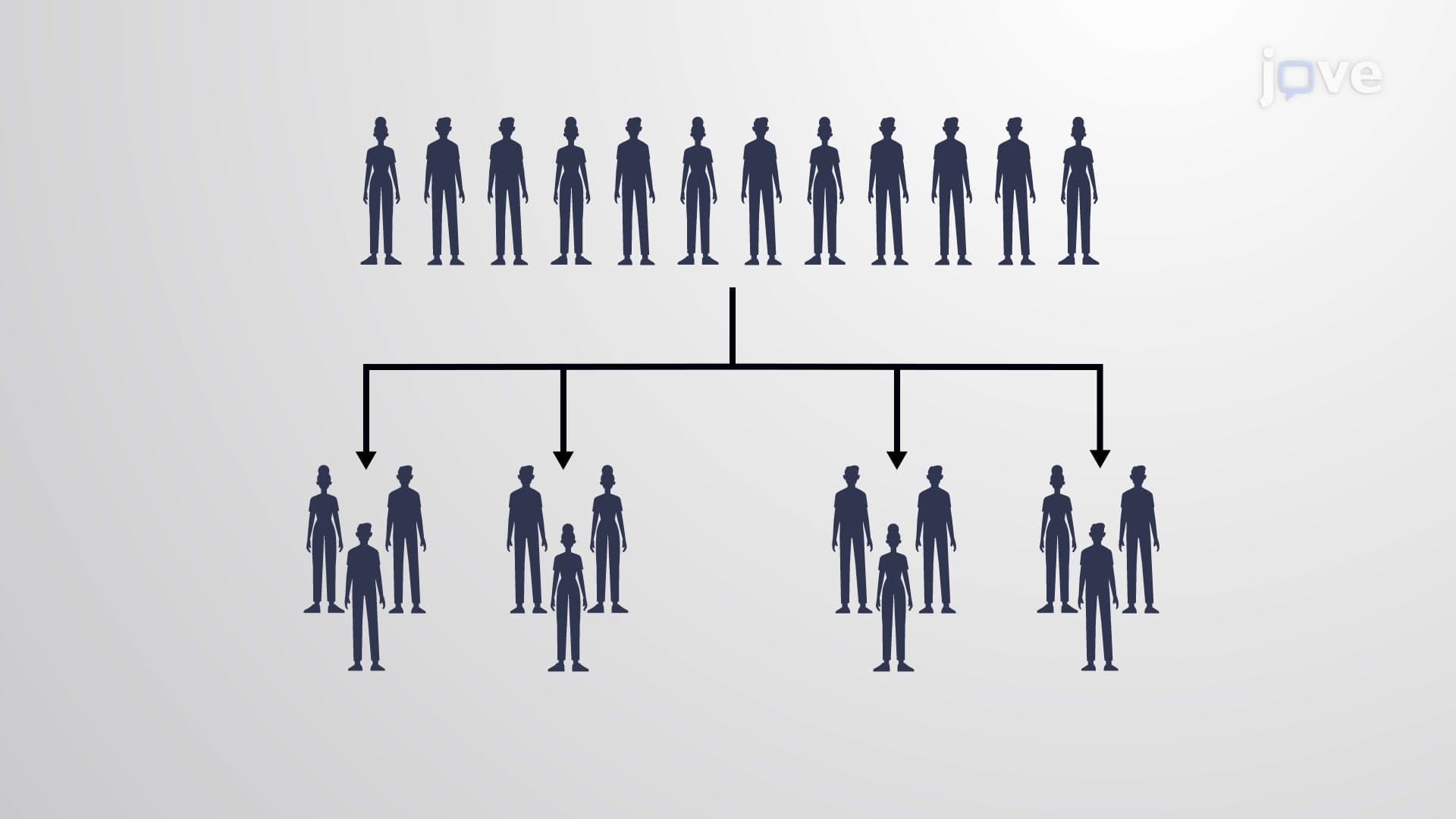
Ever wondered how researchers survey millions of Americans without interviewing every single person? The cluster sampling method makes this possible by dividing large populations into manageable groups called clusters. When studying high school career preferences across Texas, researchers might select entire school districts as clusters rather than individual students from every district. This sampling technique transforms overwhelming research tasks into cost-effective studies while maintaining statistical validity. Watch the full video on JoVE Coach to master this concept with expert-led visuals and step-by-step explanations.
The cluster sampling method represents one of the most practical approaches to sampling when researchers face large, geographically dispersed populations. This technique involves dividing the entire population into distinct groups or "clusters," then randomly selecting some of these clusters for complete analysis. Unlike other sampling methods that select individuals directly, cluster sampling treats entire groups as sampling units.
The cluster sampling method definition encompasses several key characteristics that distinguish it from other sampling techniques. Clusters typically represent natural groupings within the population, such as schools within a district, hospitals within a state, or neighborhoods within a city. Each selected cluster undergoes complete enumeration, meaning every individual within chosen clusters participates in the study.
For example, when the U.S. Census Bureau conducts the American Community Survey, they often use cluster sampling by selecting specific geographic blocks rather than individual households scattered across the entire country. This approach significantly reduces travel costs and administrative complexity while maintaining statistical validity.
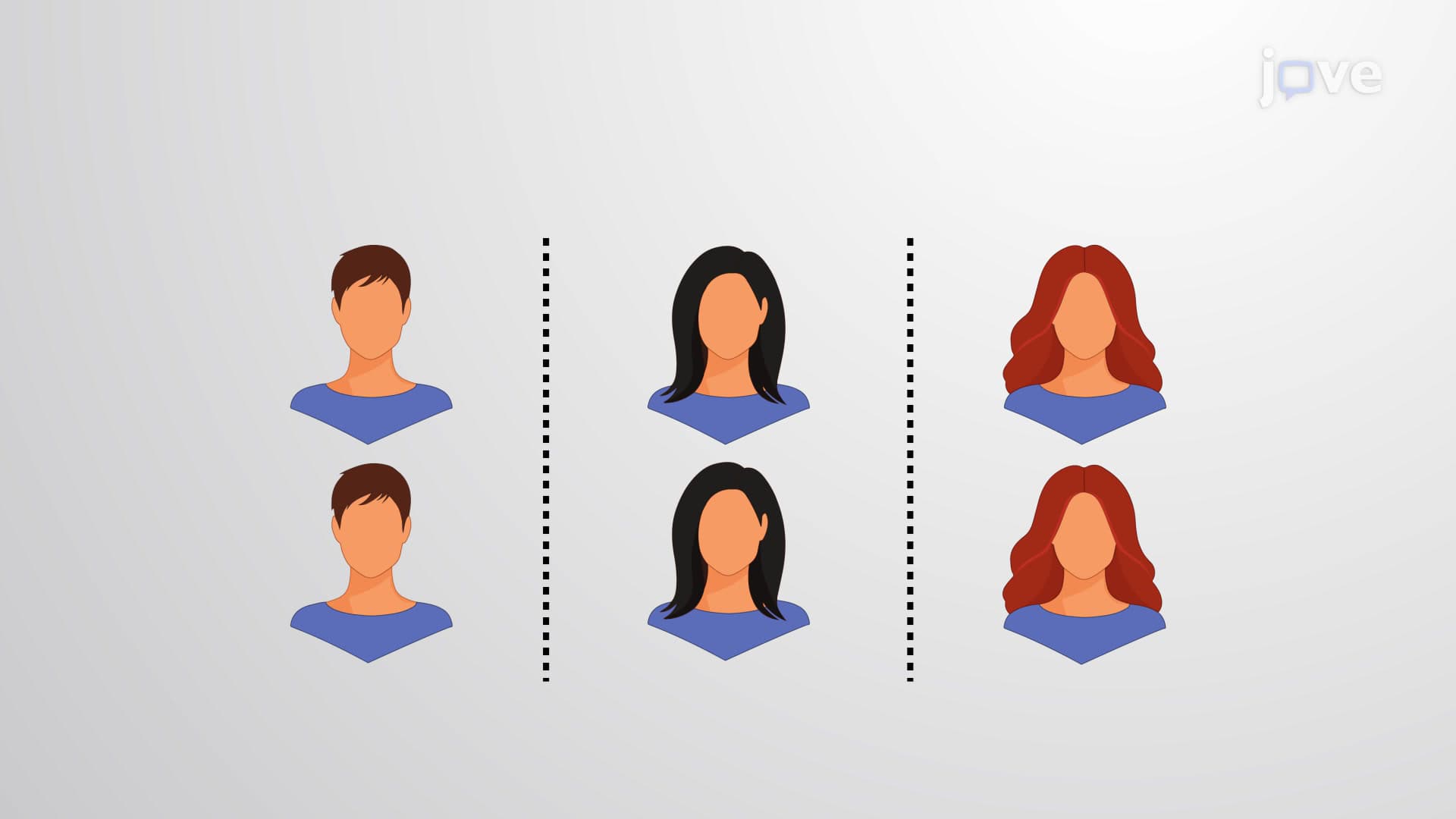
A crucial aspect of understanding what is cluster sampling method in detail involves recognizing how it differs from stratified sampling. While stratified sampling creates homogeneous groups (strata) and selects few individuals from each stratum, cluster sampling works with heterogeneous clusters and includes all individuals from selected clusters. In cluster sampling, each cluster should ideally represent a miniature version of the entire population.
Consider studying SAT preparation effectiveness across California high schools. Stratified sampling would group schools by similar characteristics (size, location, demographics) and select few students from each group. Cluster sampling would randomly select entire schools and survey all students within those chosen schools.
The cluster sampling method overview reveals significant practical benefits, particularly for large-scale studies. This approach dramatically reduces data collection costs, simplifies fieldwork logistics, and enables researchers to study populations that would otherwise be impossible to access individually. Many AP Statistics students learn cluster sampling because it frequently appears in college-level research methods courses and standardized tests.
However, cluster sampling introduces higher sampling error compared to simple random sampling, especially when clusters vary significantly from each other. The method also risks bias if selected clusters don't adequately represent the broader population diversity.
Frequently Asked Questions
Cluster sampling method involves dividing a large population into distinct groups called clusters, then randomly selecting some clusters for complete study. All individuals within selected clusters participate, making it ideal for geographically dispersed populations. This approach reduces costs while maintaining statistical validity for research conclusions.
AP Statistics exams frequently test cluster sampling through scenario-based questions comparing different sampling methods. Students must identify when cluster sampling is appropriate, calculate sampling errors, and explain advantages over simple random sampling. College statistics courses often include cluster sampling in research design problems and hypothesis testing sections.
Standardized tests like AP Statistics, college entrance exams, and statistics course finals typically ask students to distinguish cluster sampling from stratified sampling, identify bias sources, and recommend appropriate sampling methods for given scenarios. MCAT social sciences sections occasionally include cluster sampling in research methodology questions.
The U.S. Census Bureau uses cluster sampling for the American Community Survey, selecting geographic blocks rather than individual households. Market research companies employ this method when studying consumer behavior across different cities, selecting entire neighborhoods or shopping districts for comprehensive analysis rather than scattered individual consumers.
Cluster sampling method basics are quite accessible to high school students with basic statistics knowledge. The concept builds on simple random sampling principles that most students already understand. Visual examples using familiar scenarios like school surveys or neighborhood studies help students grasp the methodology quickly and confidently.
Focus on comparing cluster sampling with other methods through side-by-side examples. Practice identifying appropriate scenarios for each sampling type, and memorize key advantages and limitations. Create visual diagrams showing how populations divide into clusters, and work through calculation problems involving sampling error and bias assessment.
After mastering cluster sampling, students should study multistage sampling, systematic sampling, and complex survey design. Advanced topics include sampling weight calculations, design effects, and non-response bias correction. These concepts frequently appear in college-level biostatistics, econometrics, and research methodology courses.
Related Micro-courses


Related Subjects
 Physics 33 micro-courses›
 Math Fundamentals 11 micro-courses›