Loading video…


 21 Concepts
 74.4K views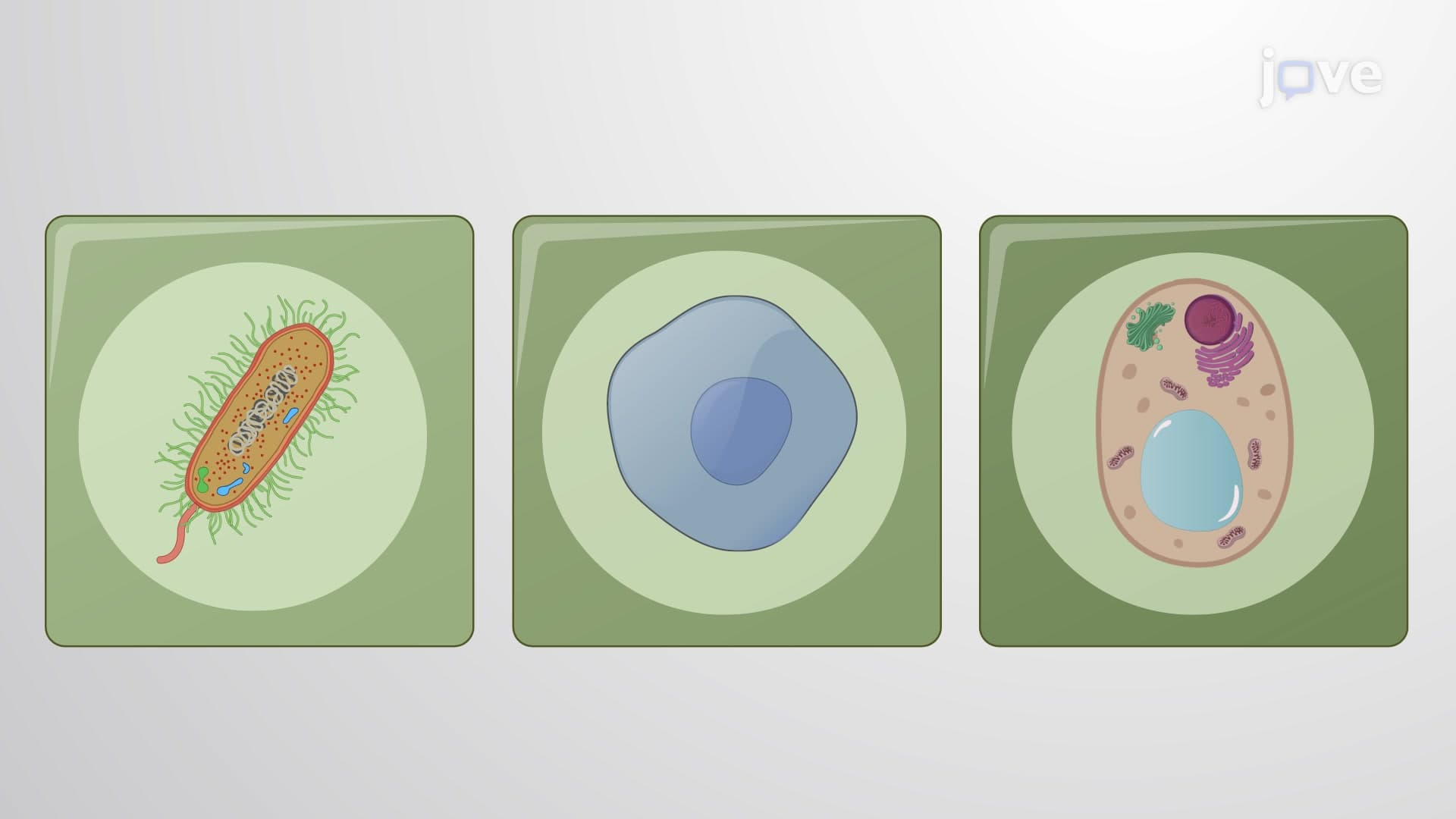

Video Summary: What Is Cell Diversity
Did you know that a single human nerve cell can stretch from your spinal cord to your big toe-nearly three feet long? Cell diversity explained reveals how cells adapt their size, shape, and function to perform specialized roles in living organisms. From tiny four-micrometer sperm cells to massive neurons extending several meters, American medical students studying at institutions like Johns Hopkins University encounter countless examples of what is cell diversity in living organisms throughout their coursework. Watch the full video on JoVE Coach to master this concept with expert-led visuals and step-by-step explanations.
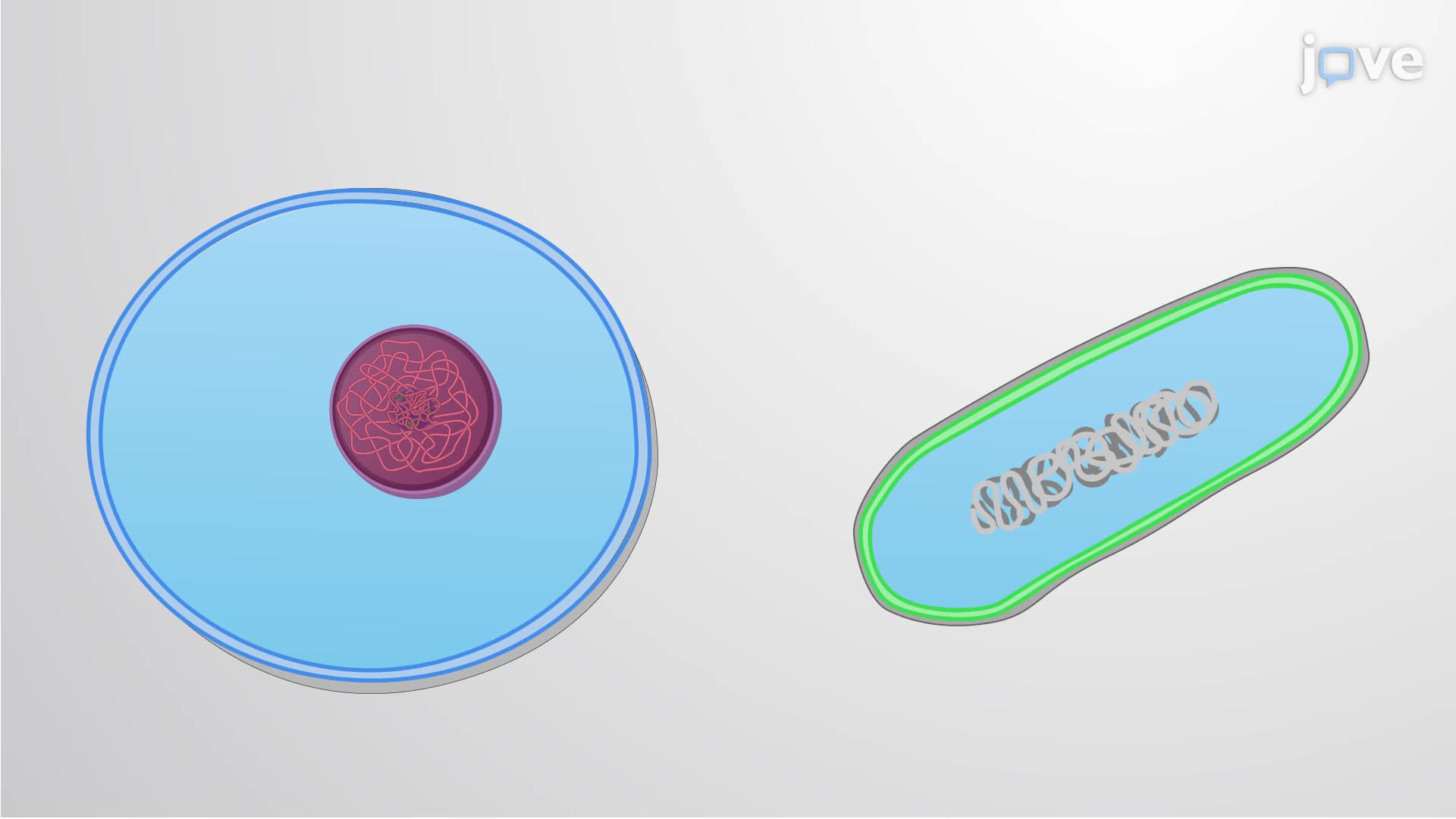
Cell diversity explained encompasses the remarkable variation in cellular structure, size, and function that enables life's complexity. This fundamental concept drives everything from basic cellular biology to advanced medical research at leading US institutions like the National Institutes of Health and Mayo Clinic.
Specialized cell types demonstrate how form follows function in biology. Red blood cells exemplify this principle with their distinctive biconcave disc shape-an adaptation that maximizes surface area for oxygen transport while allowing flexible navigation through narrow capillaries. This design proves so efficient that biomedical engineers at Stanford University study these cells when developing artificial blood substitutes.
Similarly, cell morphology diversity appears in smooth muscle cells, whose elongated spindle shape facilitates coordinated contraction. The increased surface area from this morphology enhances cell-to-cell communication through gap junctions, enabling synchronized responses essential for functions like blood vessel constriction and digestive tract movement.
The diversity of cells in biology includes dramatic size differences that reflect functional requirements. Sperm cells, measuring only four micrometers, sacrifice cellular volume for mobility-their streamlined design and powerful flagella enable rapid swimming toward egg cells. Conversely, neurons represent the opposite extreme, with some extending over a meter in length. Motor neurons controlling muscles in your foot must transmit signals from the spinal cord, requiring extensive cytoplasmic projections called axons.
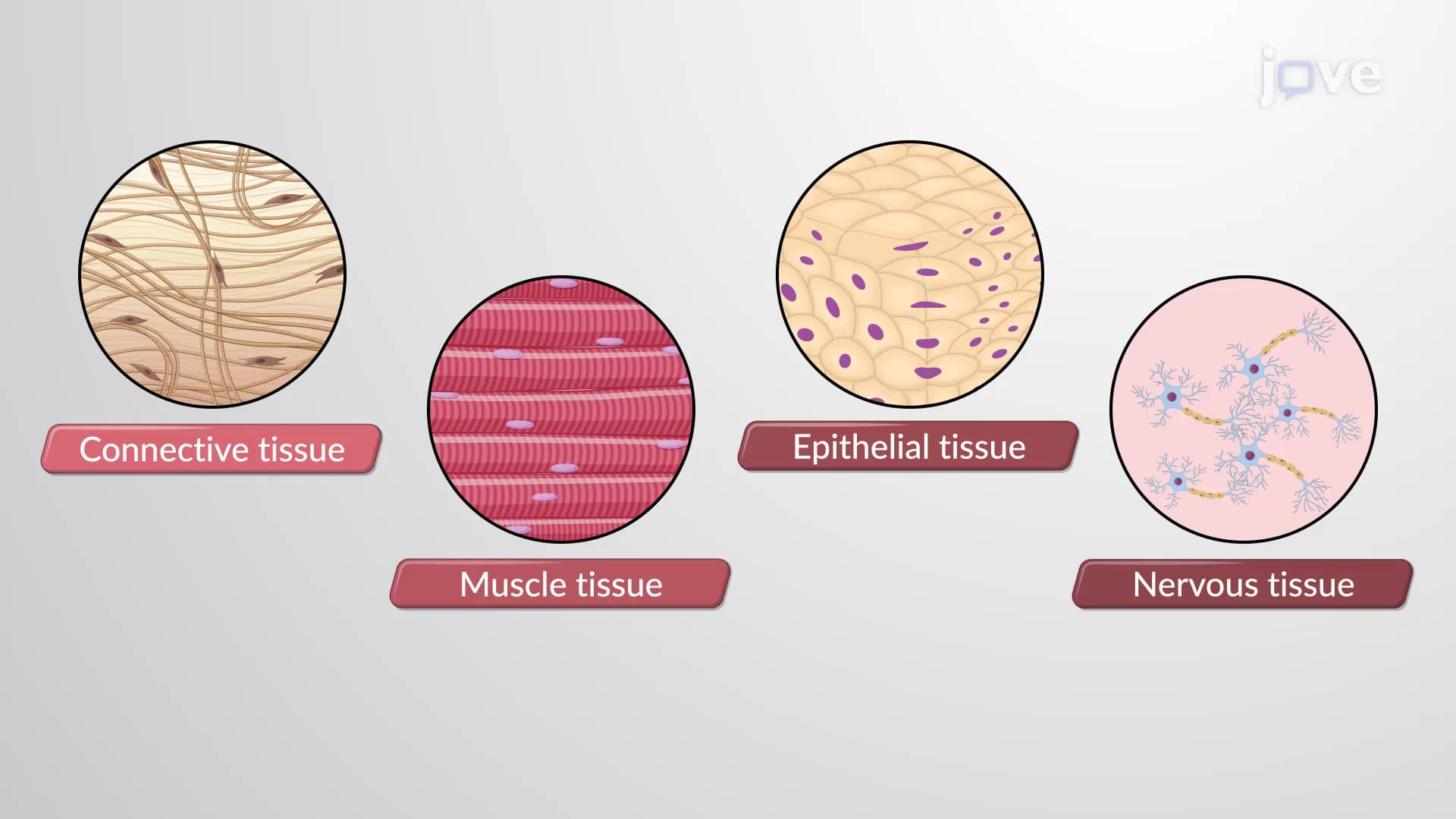
Understanding what is cell diversity in living organisms proves crucial for success in standardized exams like the MCAT, AP Biology, and college-level courses. Medical schools including Harvard Medical School and UCSF emphasize how tissue cell types relate to disease pathology. For instance, macrophages demonstrate cellular adaptability by changing shape to engulf pathogens-knowledge essential for understanding immune system dysfunction and autoimmune diseases.
Cell differentiation diversity also explains how stem cell research at institutions like the California Institute for Regenerative Medicine aims to treat conditions from Parkinson's disease to spinal cord injuries. By understanding how cells acquire specialized functions, researchers develop therapeutic strategies that harness natural cellular diversity for medical breakthroughs.
Related Micro-courses