Loading video…


 21 Concepts
 74.4K views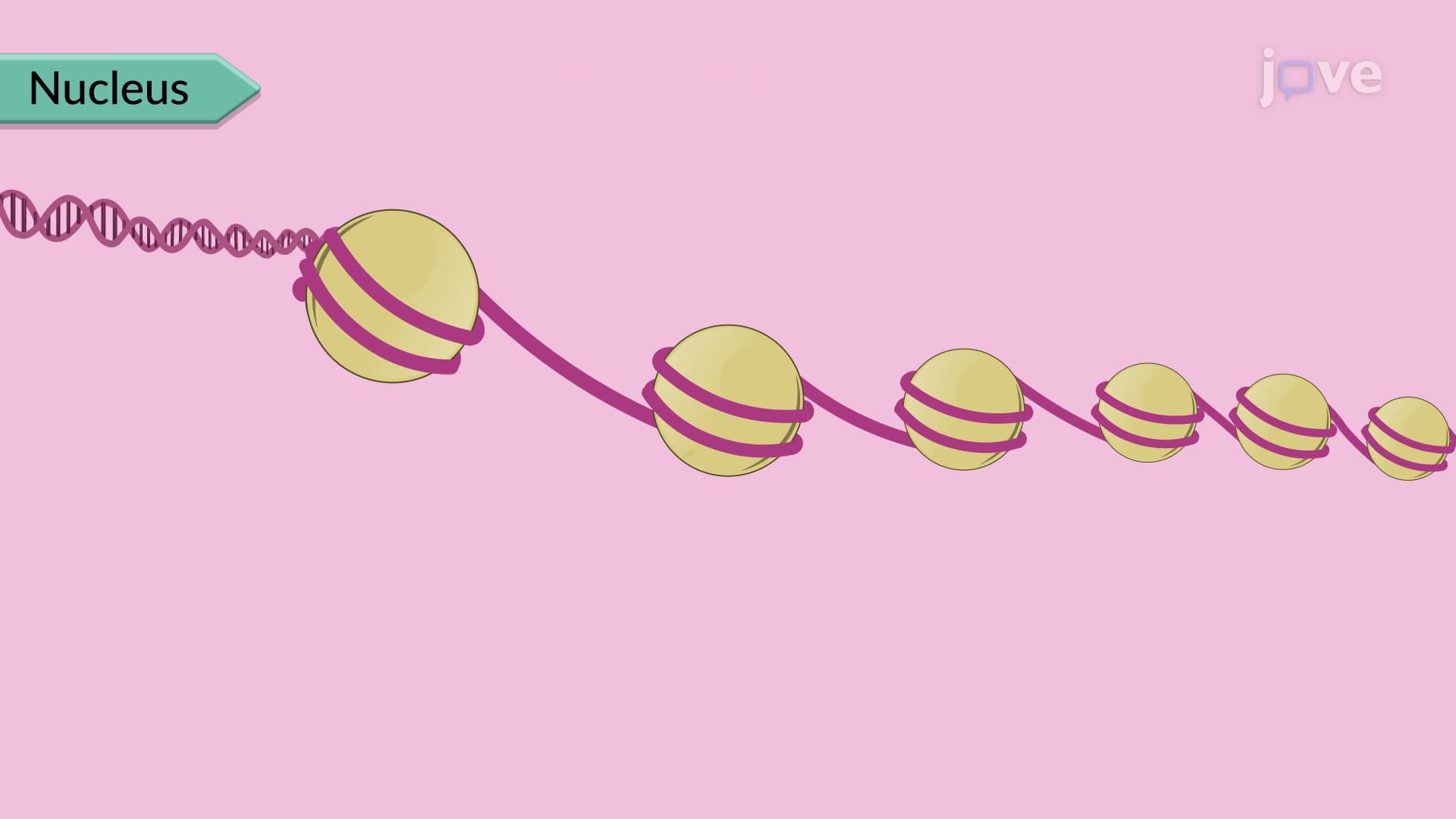

Video Summary: What Is Chromatin Packaging
Ever wondered how six feet of DNA fits inside a cell nucleus smaller than the width of human hair? Chromatin packaging explained reveals this incredible molecular feat through multiple levels of DNA compaction. Consider that patients with Turner syndrome, studied extensively at Johns Hopkins University, show altered chromatin organization affecting gene expression. What is chromatin packaging becomes clear when examining how DNA wraps around histone proteins like thread on a spool, creating increasingly compact structures from nucleosomes to condensed chromosomes. Watch the full video on JoVE Coach to master this concept with expert-led visuals and step-by-step explanations.
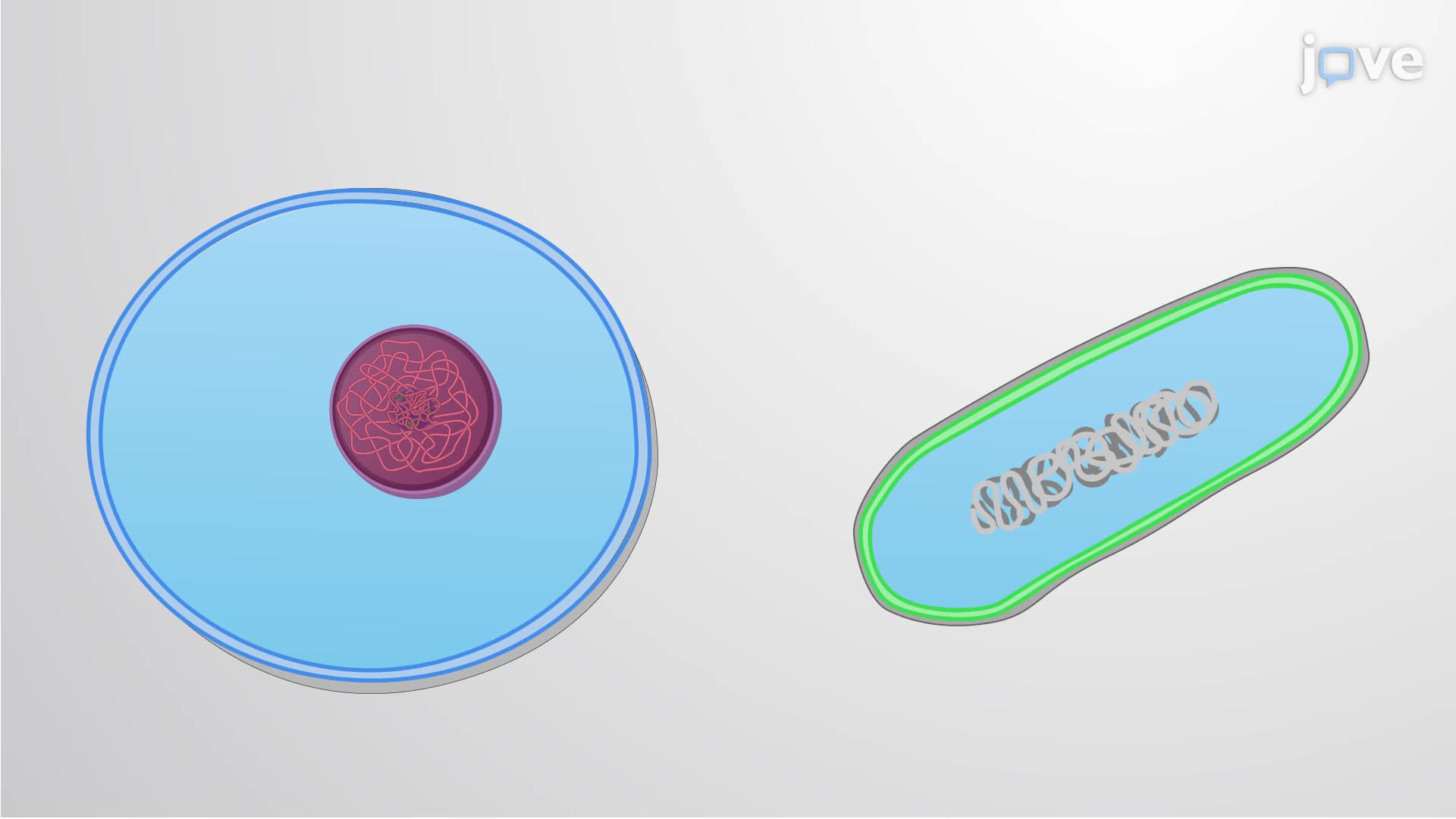
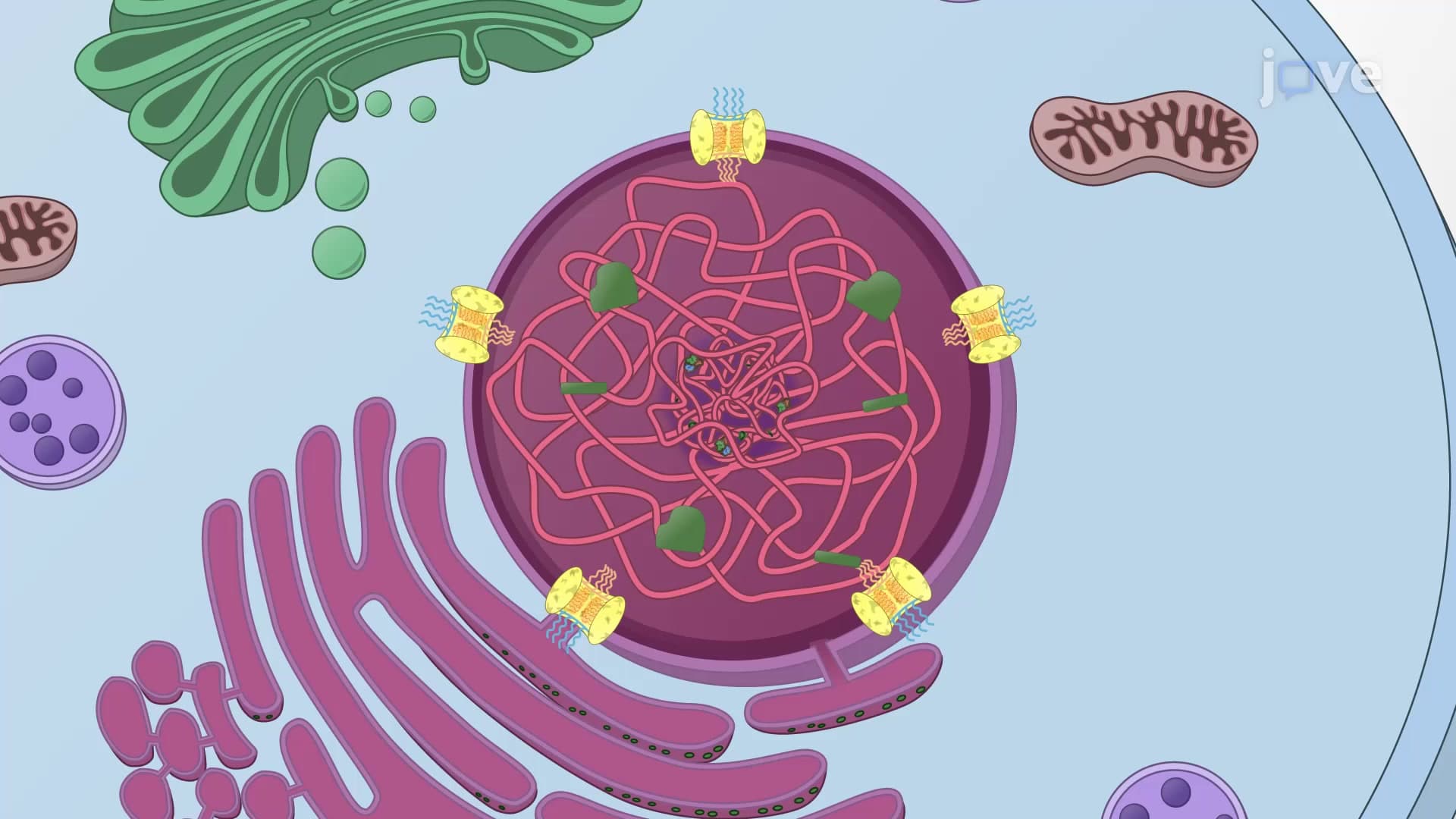
Chromatin packaging explained begins with recognizing an extraordinary cellular challenge: human diploid cells must organize approximately 6 billion base pairs of DNA within a nucleus measuring just 10-15 micrometers in diameter. This represents a packaging efficiency that surpasses any human engineering achievement. The solution involves chromatin DNA packaging biology through multiple organizational levels, each contributing specific compaction ratios while maintaining functional accessibility.
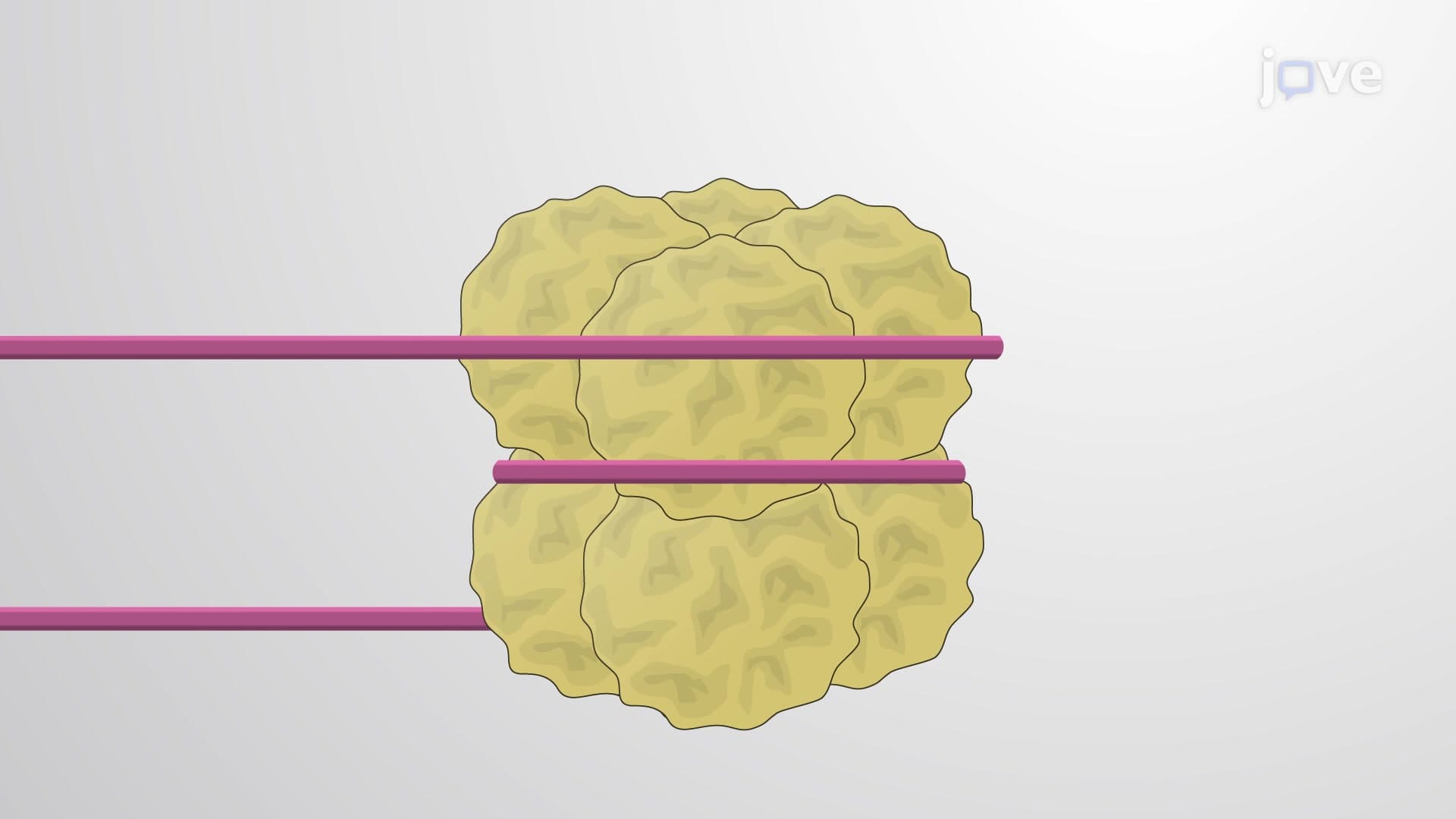
The primary level of what is chromatin packaging in cell biology centers on nucleosomes-the fundamental repeating units of chromatin. Each nucleosome consists of 147 base pairs of DNA wrapped 1.65 times around an octamer of histone proteins (two each of H2A, H2B, H3, and H4). This histone chromatin packaging achieves an initial 7-fold compaction compared to naked DNA. Research conducted at the National Institutes of Health has shown that nucleosome positioning influences gene accessibility, directly impacting transcription rates in human cells.
Beyond nucleosomes, chromosome chromatin structure involves progressive compaction levels. The 30-nanometer fiber, formed through histone H1 binding and nucleosome stacking, represents the next organizational tier. The solenoid model, validated through studies at Harvard Medical School, describes nucleosomes arranged in left-handed helical turns, achieving 50-fold DNA shortening. Students preparing for AP Biology exams should understand that this level allows selective gene access-actively transcribed regions remain in extended "beads-on-a-string" configuration while inactive regions maintain 30-nanometer fiber organization.
DNA compaction chromatin reaches maximum density during cell division when 30-nanometer fibers form 300-nanometer loops, subsequently coiling into 250-nanometer-wide structures. Finally, chromatin condensation level peaks during metaphase, producing visible chromosomes with 10,000-fold compaction compared to extended DNA. This process reverses after cell division, demonstrating chromatin's dynamic nature. MCAT test-takers frequently encounter questions about how chromatin modifications affect gene expression-understanding that heterochromatin euchromatin distinctions reflect different packaging densities provides crucial context for these assessments.
Related Micro-courses