Loading video…


 21 Concepts
 74.4K views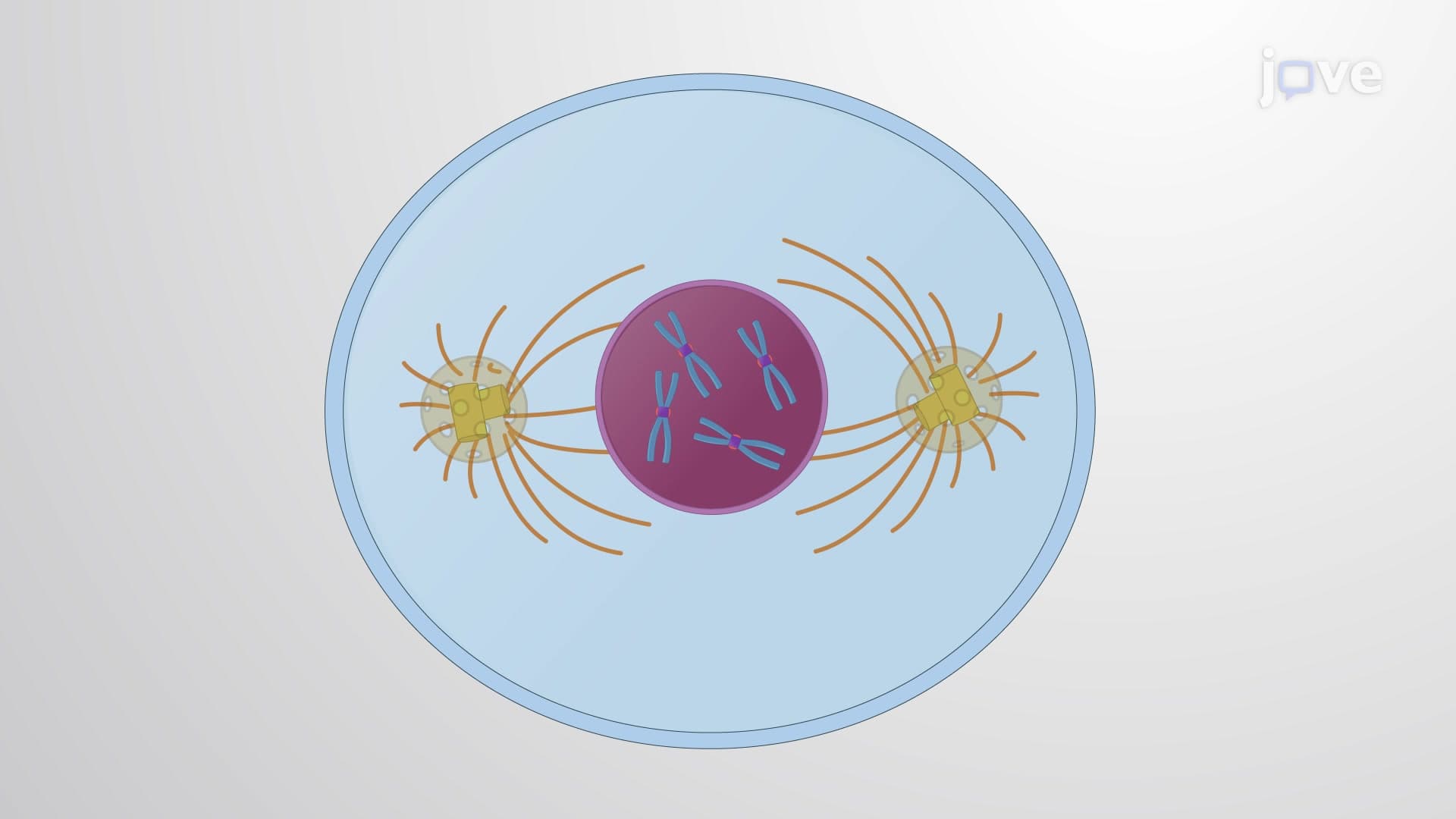

Video Summary: What Is Centrioles and Centrosomes
Ever wonder how a single cell divides into two identical copies with perfect precision? Centrioles and centrosomes explained reveals the microscopic machinery that orchestrates this cellular ballet. These barrel-shaped structures act as the cell's construction foreman during division, positioning chromosomes with the same accuracy NASA uses to dock spacecraft at the International Space Station. Understanding what is centrioles and centrosomes unlocks the mystery of how every cell in your body maintains its intricate organization. Watch the full video on JoVE Coach to master this concept with expert-led visuals and step-by-step explanations.
Centrioles and centrosomes represent one of cell biology's most elegant organizational systems. While often confused, these structures have distinct roles: centrioles are the structural foundation, while centrosomes function as the complete organizational unit. Think of centrioles as the steel framework of a skyscraper, with the centrosome being the entire construction site including all the supporting equipment and workers.
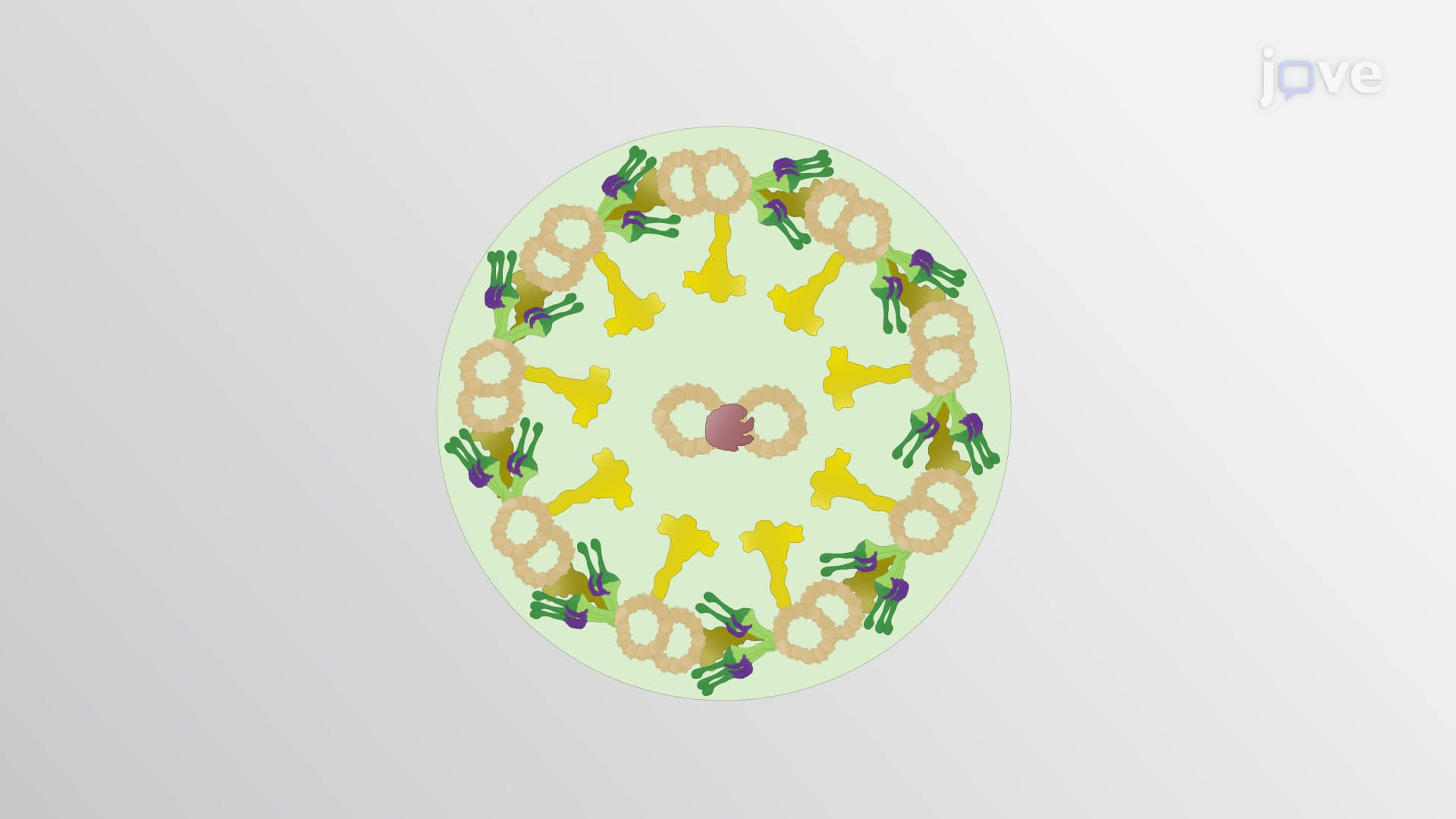
The centriole pair structure showcases nature's precision engineering. Each centriole contains exactly nine triplet microtubules arranged in a perfect cylinder, measuring 0.5 micrometers long-about 1/200th the width of a human hair. This nine-fold symmetry isn't random; it's evolutionarily conserved across species from algae to humans, suggesting critical functional importance. In animal cells, two centrioles sit perpendicular to each other, connected by protein linkers that maintain their precise 90-degree orientation.
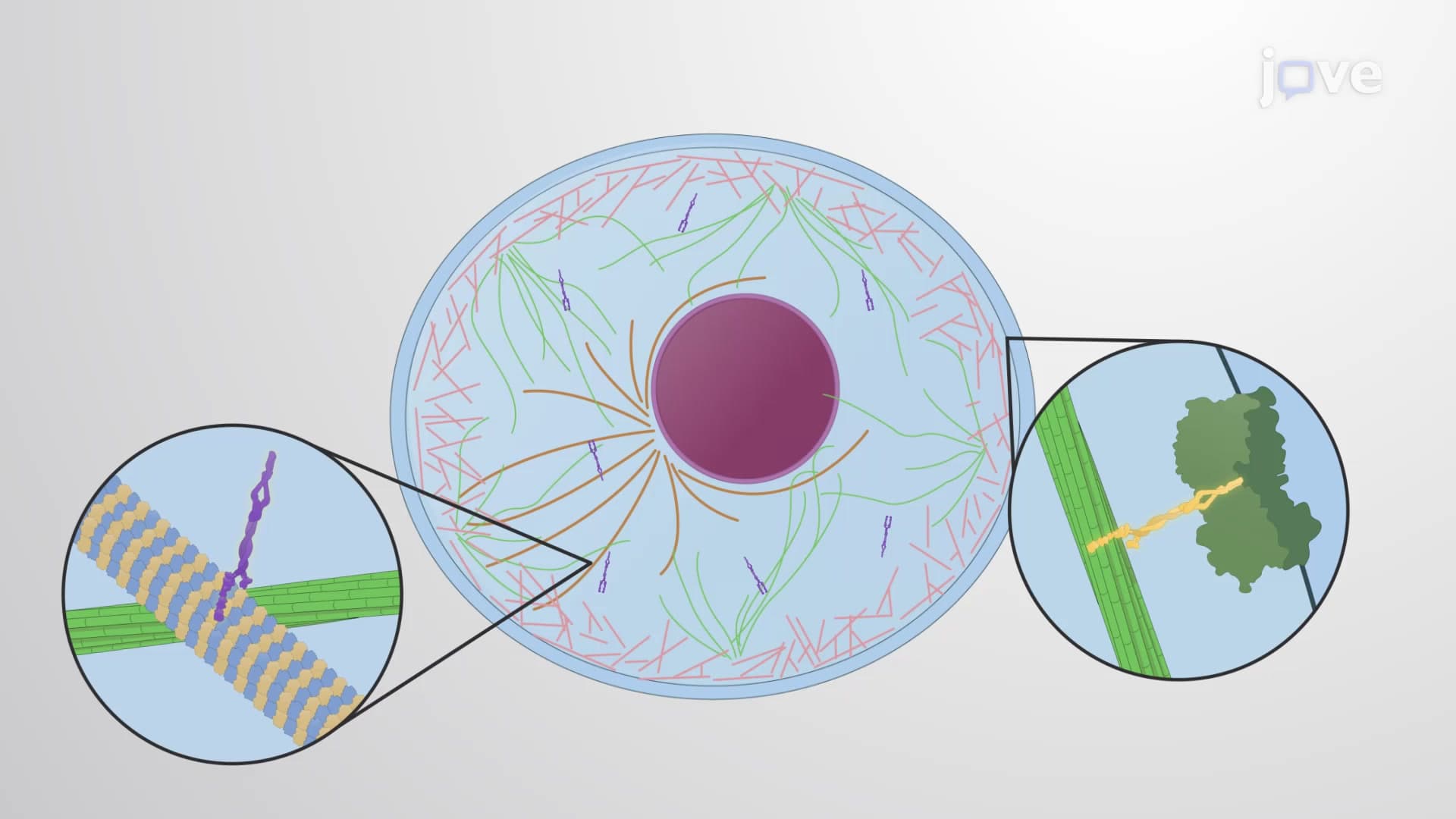
As the primary microtubule organizing center, centrosomes function like Grand Central Station for cellular transport. The pericentriolar material surrounding the centriole pair contains γ-tubulin ring complexes that nucleate microtubule growth. During interphase, centrosomes organize the cytoskeletal network that positions organelles and maintains cell shape. This organization is crucial for processes like vesicle transport, where motor proteins walk along microtubule highways to deliver cellular cargo.
Centrosome cell division demonstrates cellular engineering at its finest. Before mitosis begins, the centrosome duplicates, creating two organizing centers that migrate to opposite cell poles. During prometaphase and metaphase, these centrosomes nucleate spindle fibers that capture and align chromosomes at the cell's equator. The precision rivals any human-engineered system-errors occur in less than 1 in 10,000 divisions.
This process is particularly relevant for students preparing for the AP Biology exam or college-level cell biology courses, where understanding mitotic spindle formation is essential. Medical students studying for the MCAT will encounter questions about how centrosome abnormalities contribute to cancer development, as many tumor cells show centrosome amplification leading to chromosomal instability.
Related Micro-courses