Loading video…


 21 Concepts
 74.4K views

Video Summary: What Is the Nucleosome Core Particle
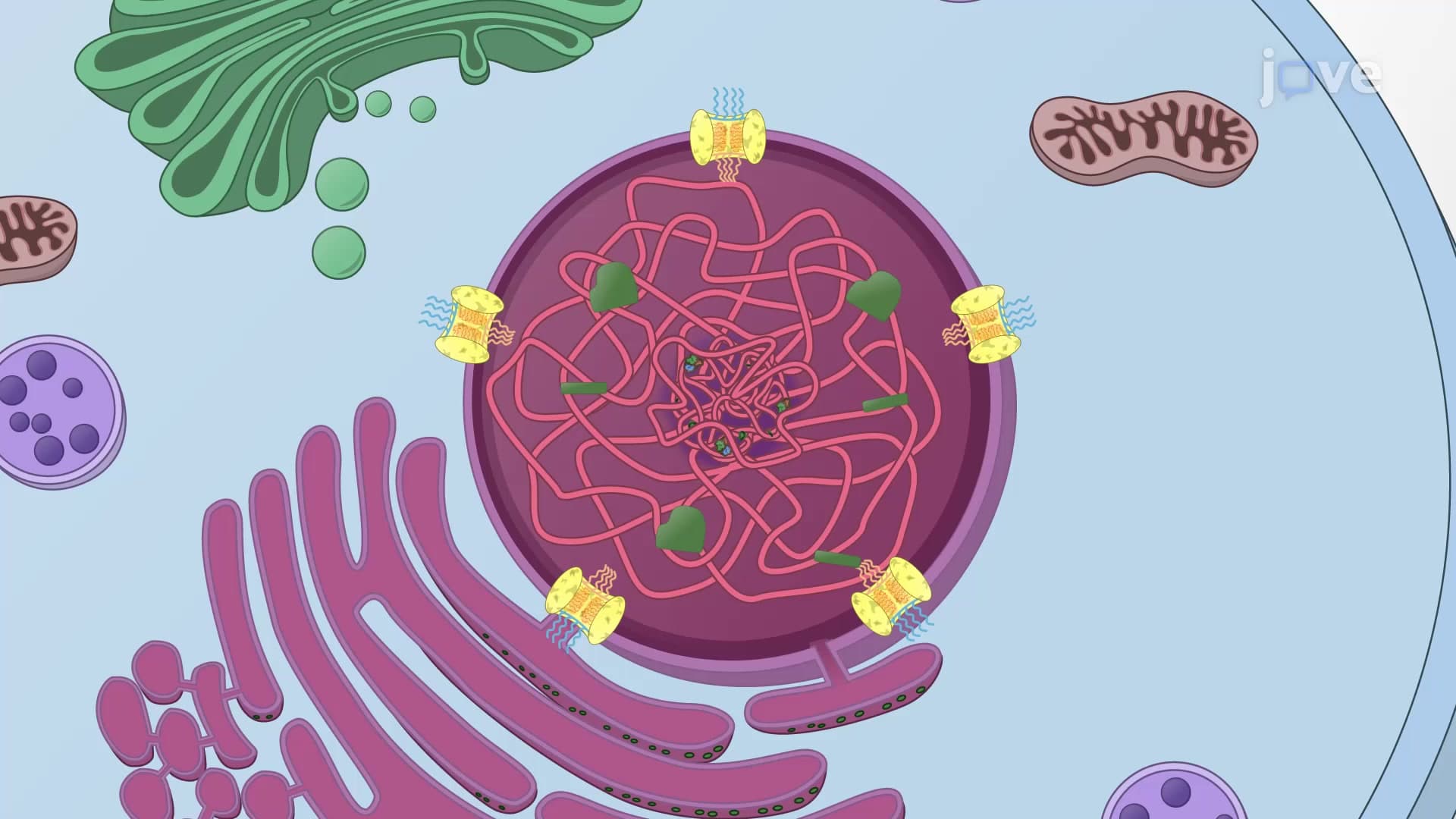
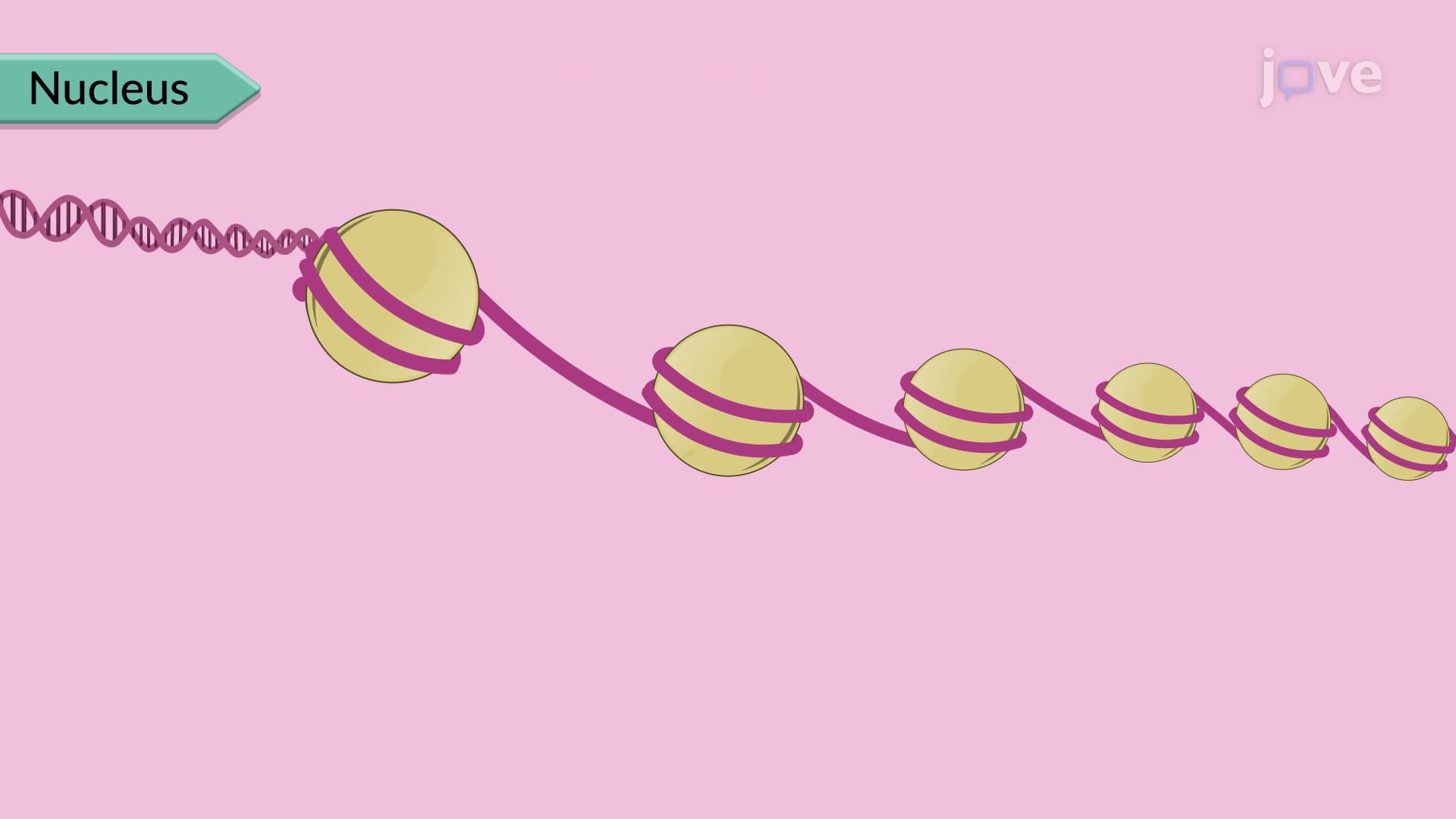
Did you know that if you stretched out all the DNA in just one human cell, it would reach about 6 feet long? Yet this massive molecule fits inside a nucleus smaller than a pinpoint. The nucleosome core particle explained reveals how cells accomplish this incredible feat of molecular organization. Picture DNA wrapped around protein spools like thread around bobbins-this is exactly how the nucleosome core particle structure works in every cell of your body. Watch the full video on JoVE Coach to master this concept with expert-led visuals and step-by-step explanations.
The nucleosome core particle represents one of biology's most elegant solutions to a fundamental cellular challenge: fitting enormous amounts of genetic information into microscopic spaces. This remarkable structure serves as the basic repeating unit of chromatin, the complex of DNA and proteins found in eukaryotic cell nuclei.
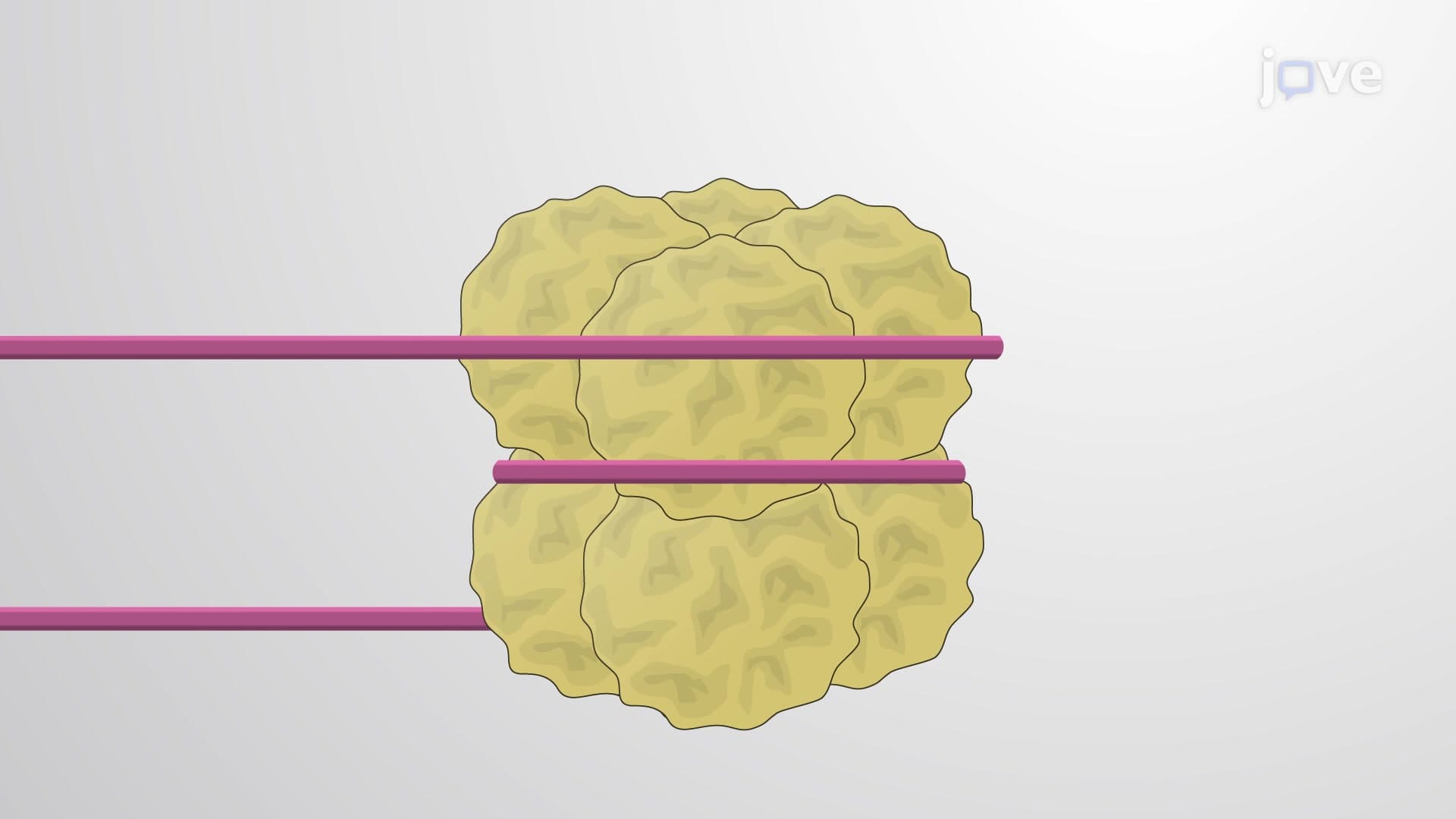
At its foundation, the nucleosome core particle structure consists of precisely eight histone proteins arranged in a specific octamer configuration. This histone octamer core particle includes two copies each of histones H2A, H2B, H3, and H4-small, positively charged proteins that have remained remarkably unchanged throughout evolution. The conservation is so striking that histone H4 from a pea plant differs from cow histone H4 by only two amino acids out of 102 total, demonstrating the critical importance of this structure across all eukaryotic life.
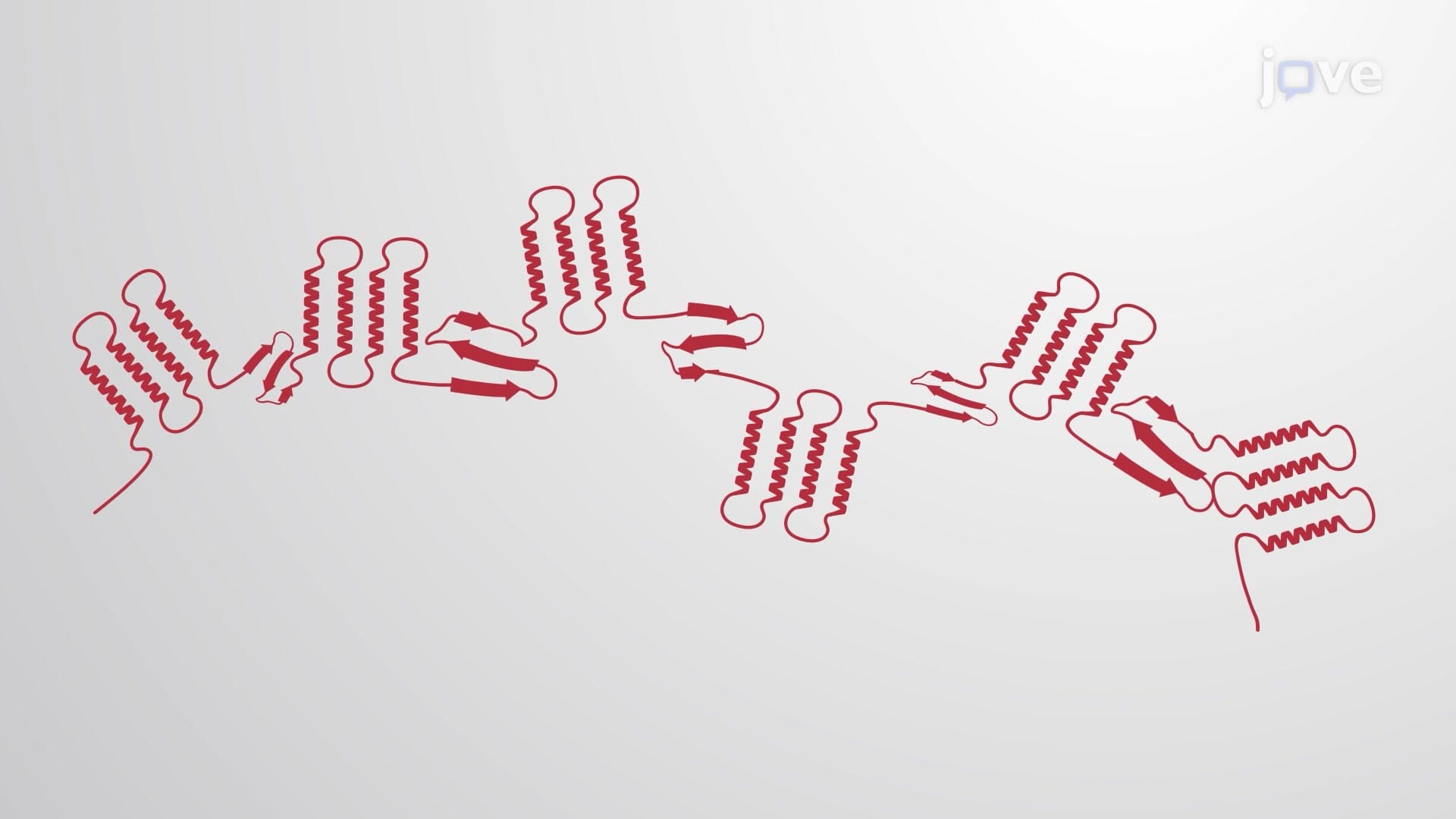
The formation of the DNA histone complex follows a precise choreography. Each histone protein contains approximately 135 amino acids and shares a common structural motif called the histone fold. During assembly, these proteins interact through what scientists describe as "handshake" binding-a process that creates two H2A-H2B dimers and one H3-H4 tetramer. These subunits then combine to form the complete octamer around which 147 bp DNA nucleosome wraps exactly 1.7 times.
This wrapping pattern is crucial for the core particle chromatin function. The positive charge of histone proteins naturally attracts the negatively charged DNA backbone, creating a stable yet dynamic structure. Students preparing for the AP Biology exam or college-level cell biology courses should note that this electrostatic interaction is fundamental to understanding chromatin dynamics and gene regulation.
The nucleosome core particle's importance extends far beyond basic DNA packaging. Medical researchers studying cancer at institutions like Johns Hopkins and MD Anderson Cancer Center focus intensively on chromatin modifications, as alterations in nucleosome structure can lead to aberrant gene expression patterns associated with various diseases.
For students taking the MCAT or pursuing pre-med tracks, understanding nucleosome structure provides essential foundation knowledge for topics including epigenetics, gene regulation, and cancer biology. The precise organization of nucleosomes also enables sophisticated regulatory mechanisms that control when and how genes are expressed-knowledge that's increasingly relevant in fields like personalized medicine and genetic therapy.
Related Micro-courses