Loading video…


 21 Concepts
 74.4K views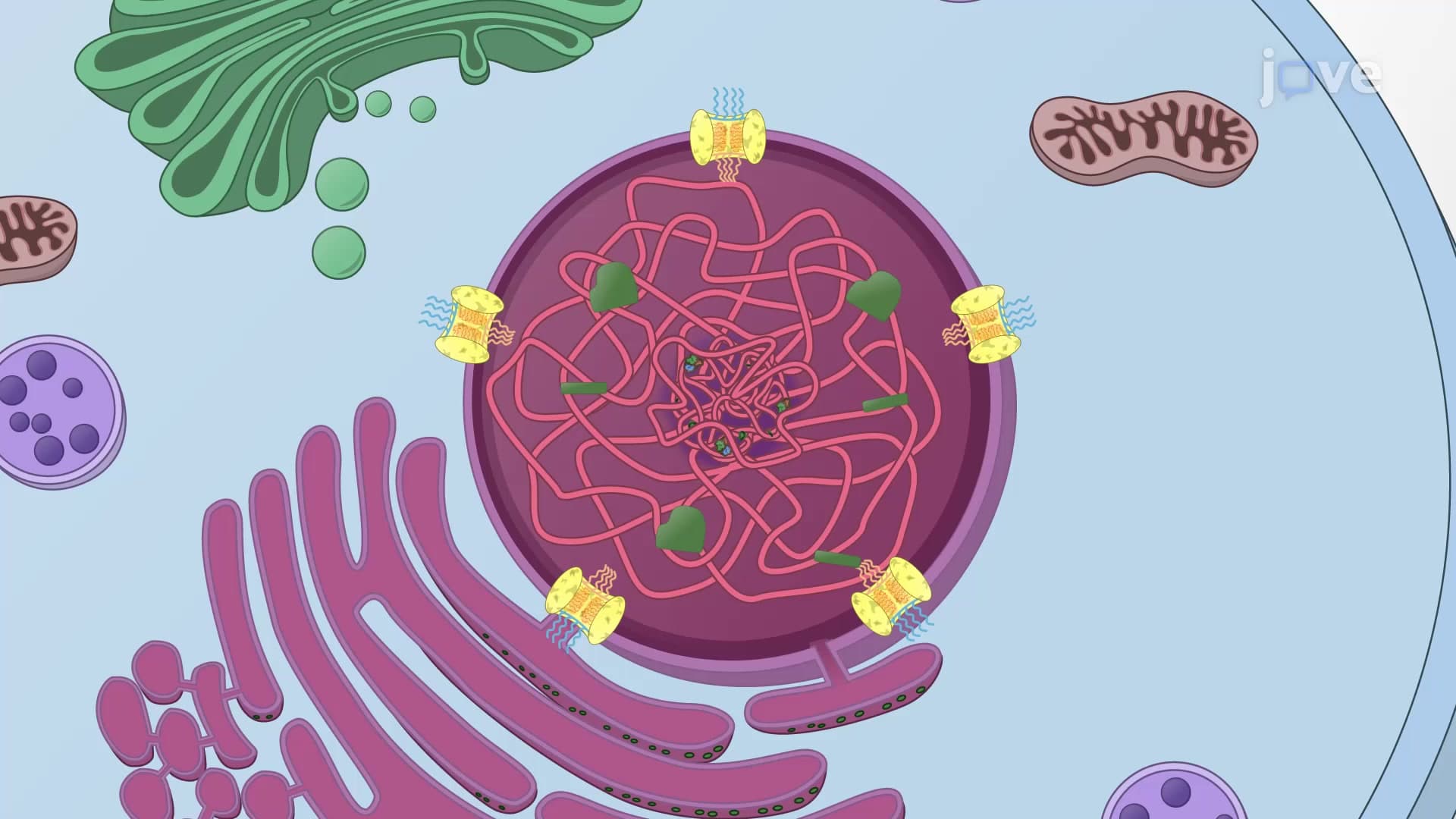

Video Summary: What Is the Nucleus
Did you know that a single human cell nucleus contains about 6 feet of DNA packed into a space smaller than a pinhead? The cell nucleus explained reveals how this remarkable organelle serves as the command center of every eukaryotic cell in your body. From the brain cells controlling your thoughts to the muscle cells powering movement in athletes at UCLA, What is The Nucleus demonstrates nature's most sophisticated information storage system. The nucleus manages everything from daily protein production to long-term genetic inheritance through its complex membrane structure and chromatin organization. Watch the full video on JoVE Coach to master this concept with expert-led visuals and step-by-step explanations.
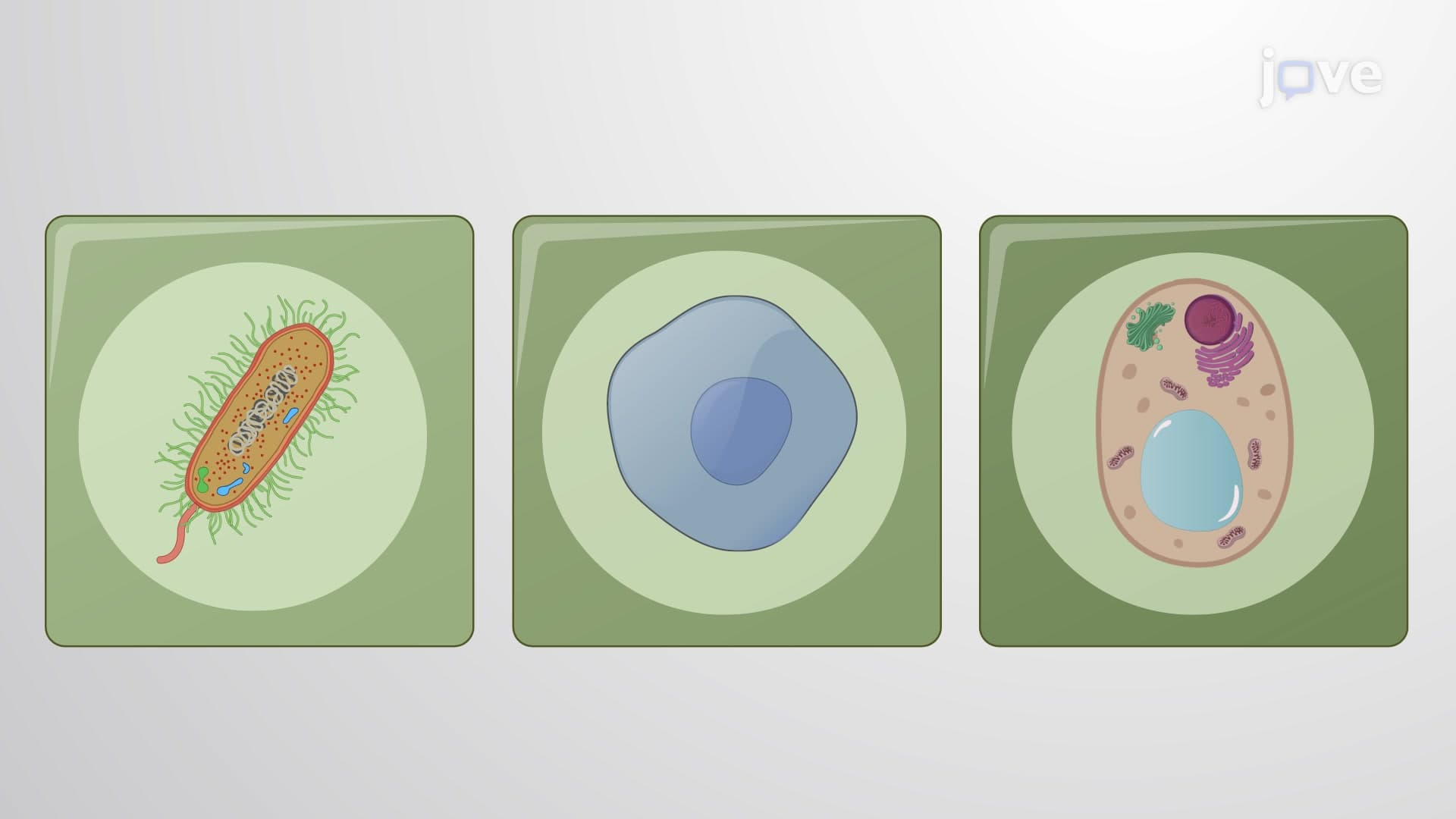
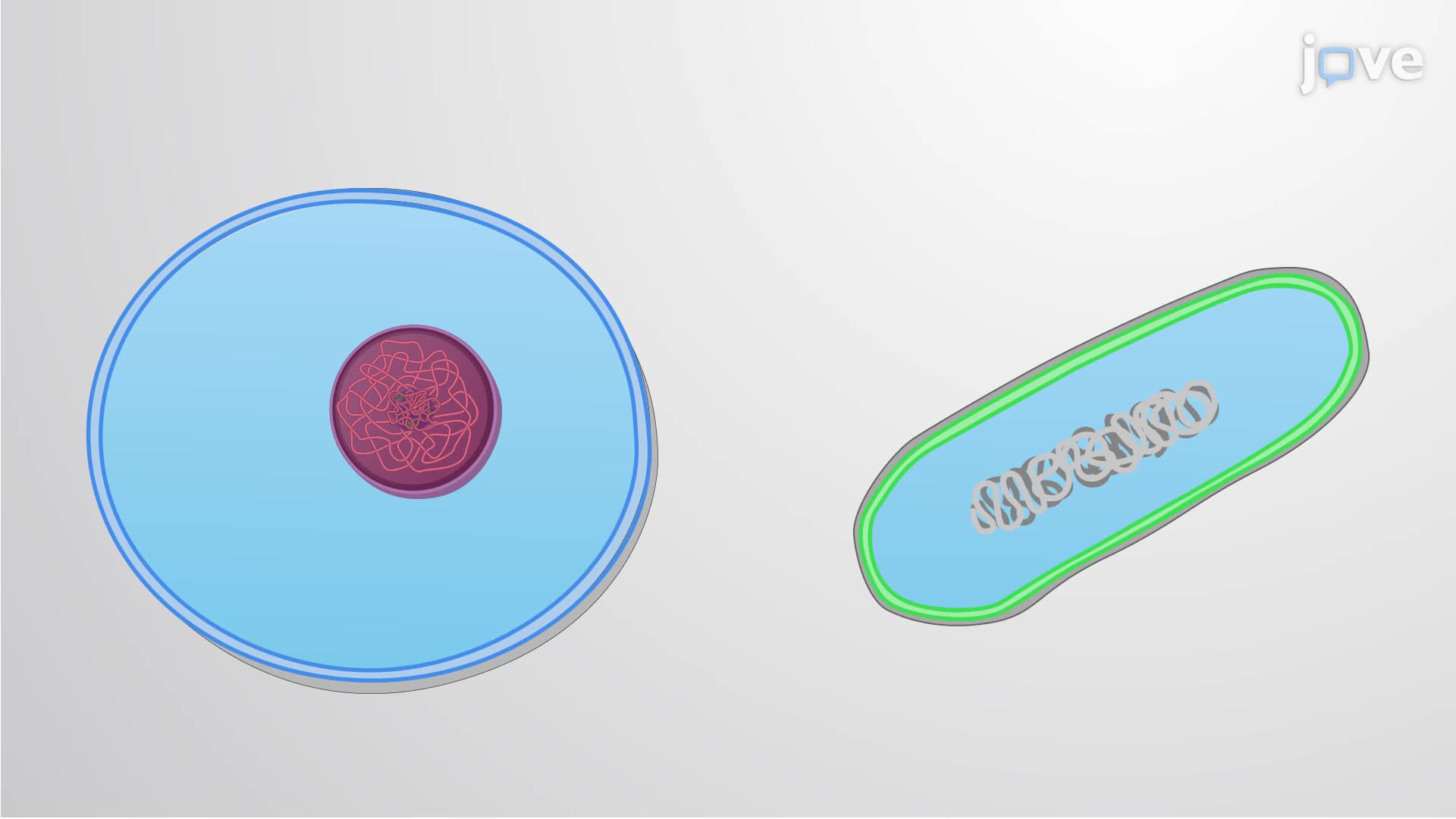
The cell nucleus explained begins with recognizing it as the defining feature separating eukaryotic cells from prokaryotic ones. This membrane-bound organelle houses nearly all cellular DNA, organized into chromosomes that contain the complete genetic blueprint for life. In human cells, the nucleus typically occupies 8-15% of total cell volume, making it easily visible under standard light microscopy-a characteristic that made it one of the first organelles discovered by scientists.
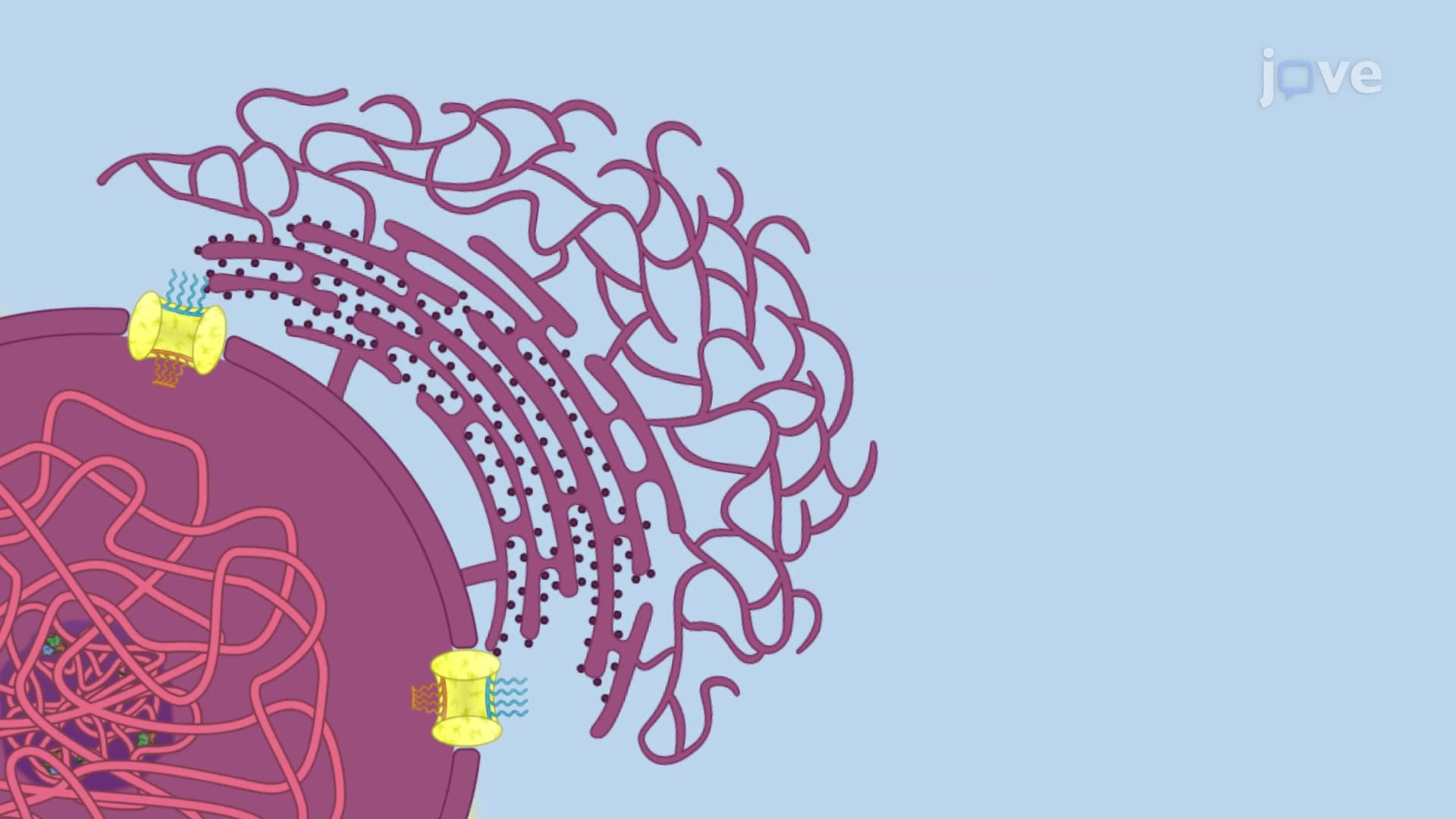
The nucleus function in cell biology depends critically on its double-membrane boundary system called the nuclear envelope. This barrier consists of inner and outer nuclear membranes separated by the perinuclear space. The outer membrane connects directly to the endoplasmic reticulum, creating a continuous membrane system throughout the cell. Most importantly, nuclear pore complexes-massive protein structures containing over 30 different proteins-pierce the envelope at regular intervals. These pores act like sophisticated gates, allowing passage of molecules up to 60 kilodaltons freely while actively transporting larger molecules like proteins and RNA.
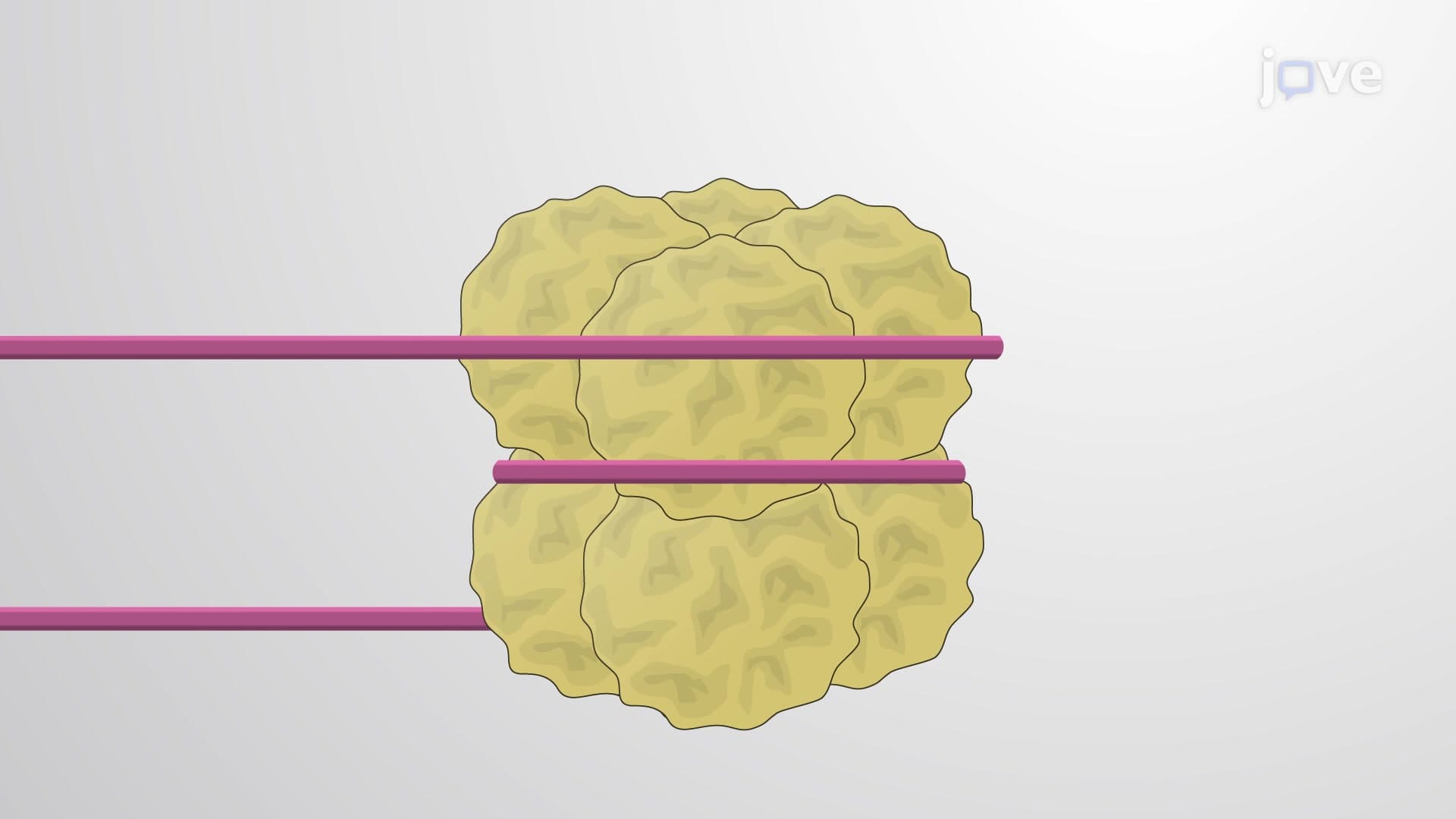
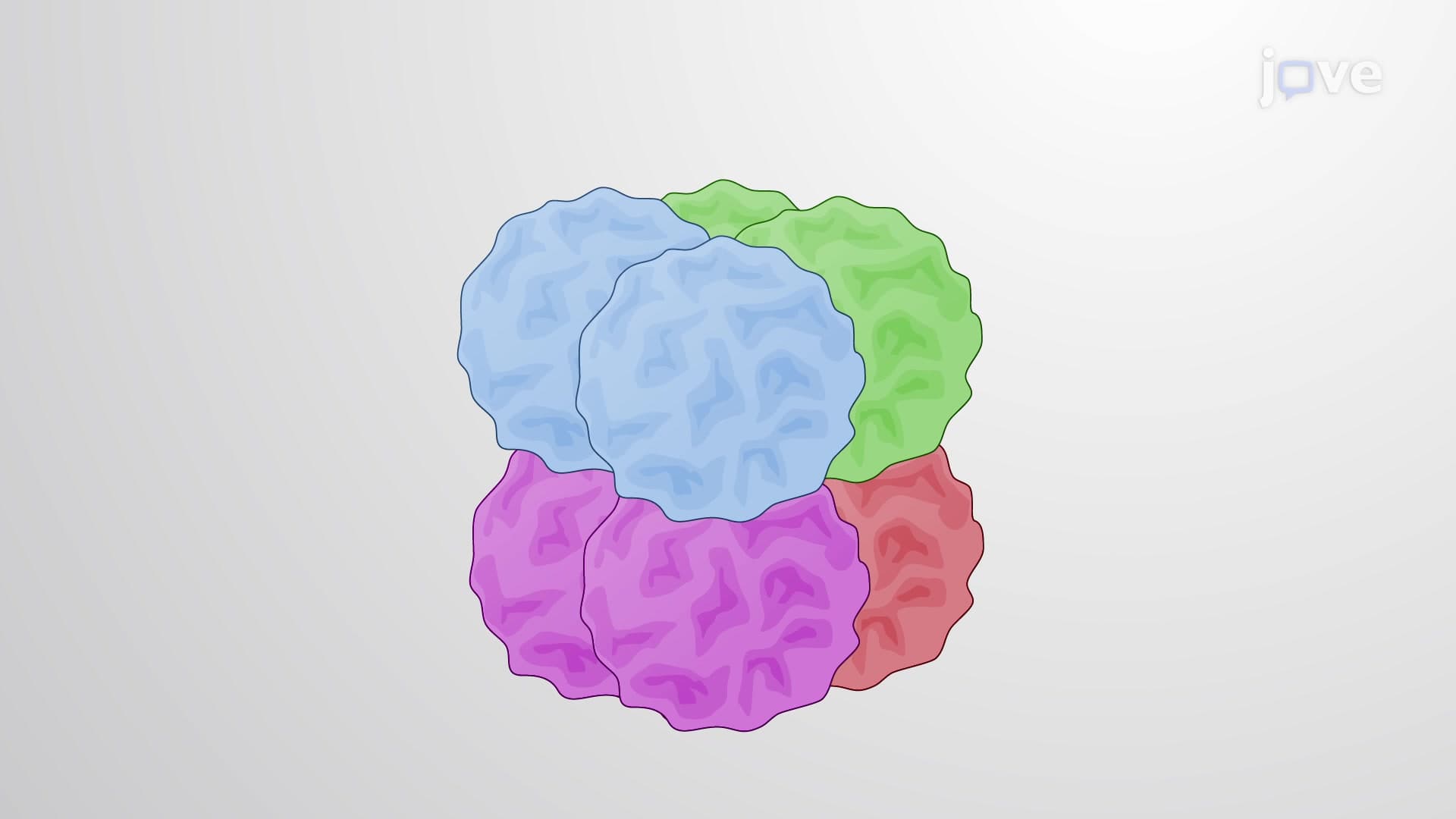
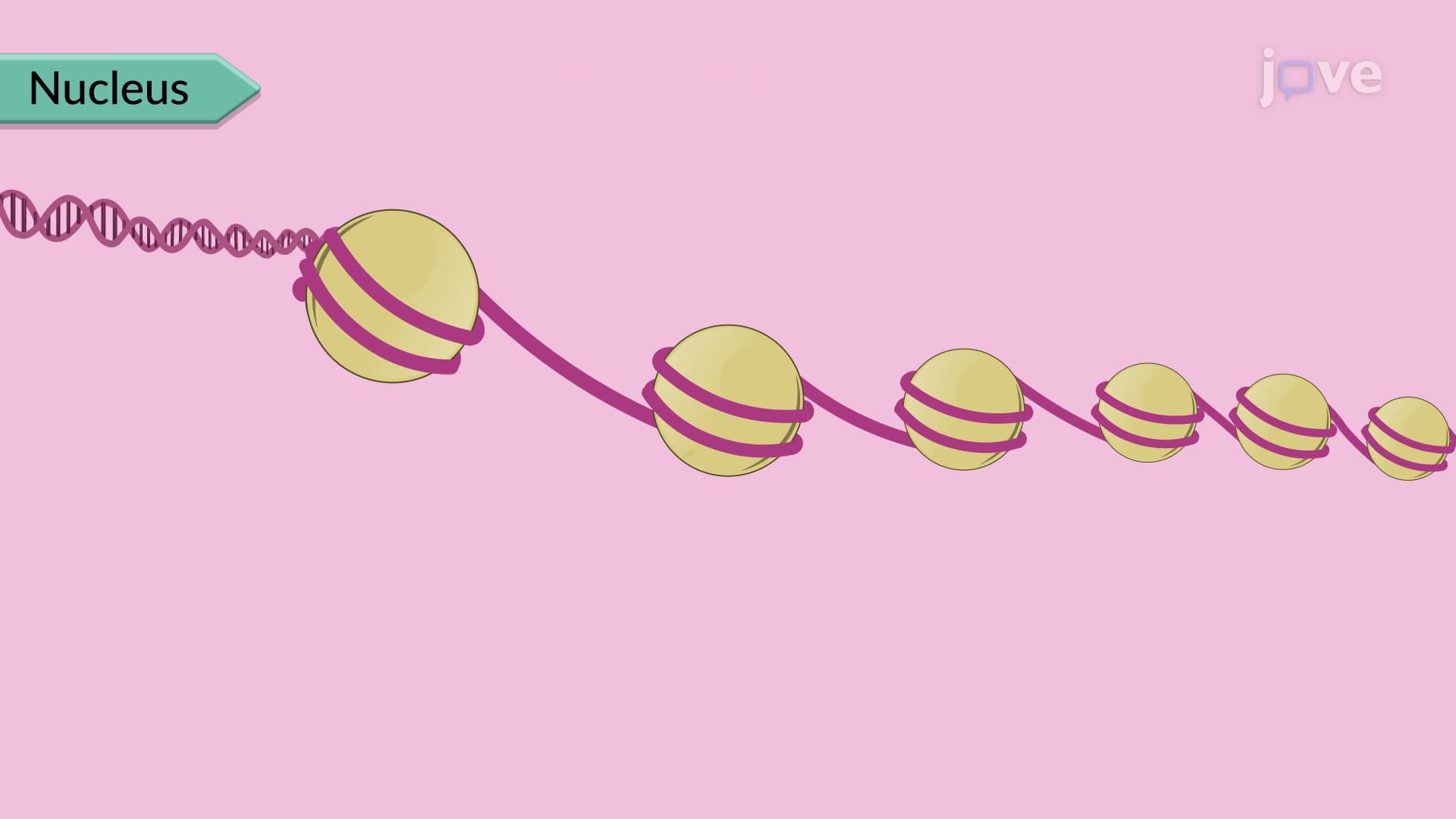
What is the nucleus in cell biology becomes clear when examining chromatin structure. DNA doesn't exist as naked strands but wraps around histone proteins forming nucleosomes-structures resembling beads on a string. This organization creates two distinct chromatin states: euchromatin (loosely packed, transcriptionally active) and heterochromatin (tightly packed, mostly inactive). During cell division, chromatin condenses further into visible chromosomes. This dynamic packaging system allows a human cell nucleus to fit over 3 billion base pairs of DNA into its tiny space while maintaining access for essential processes.
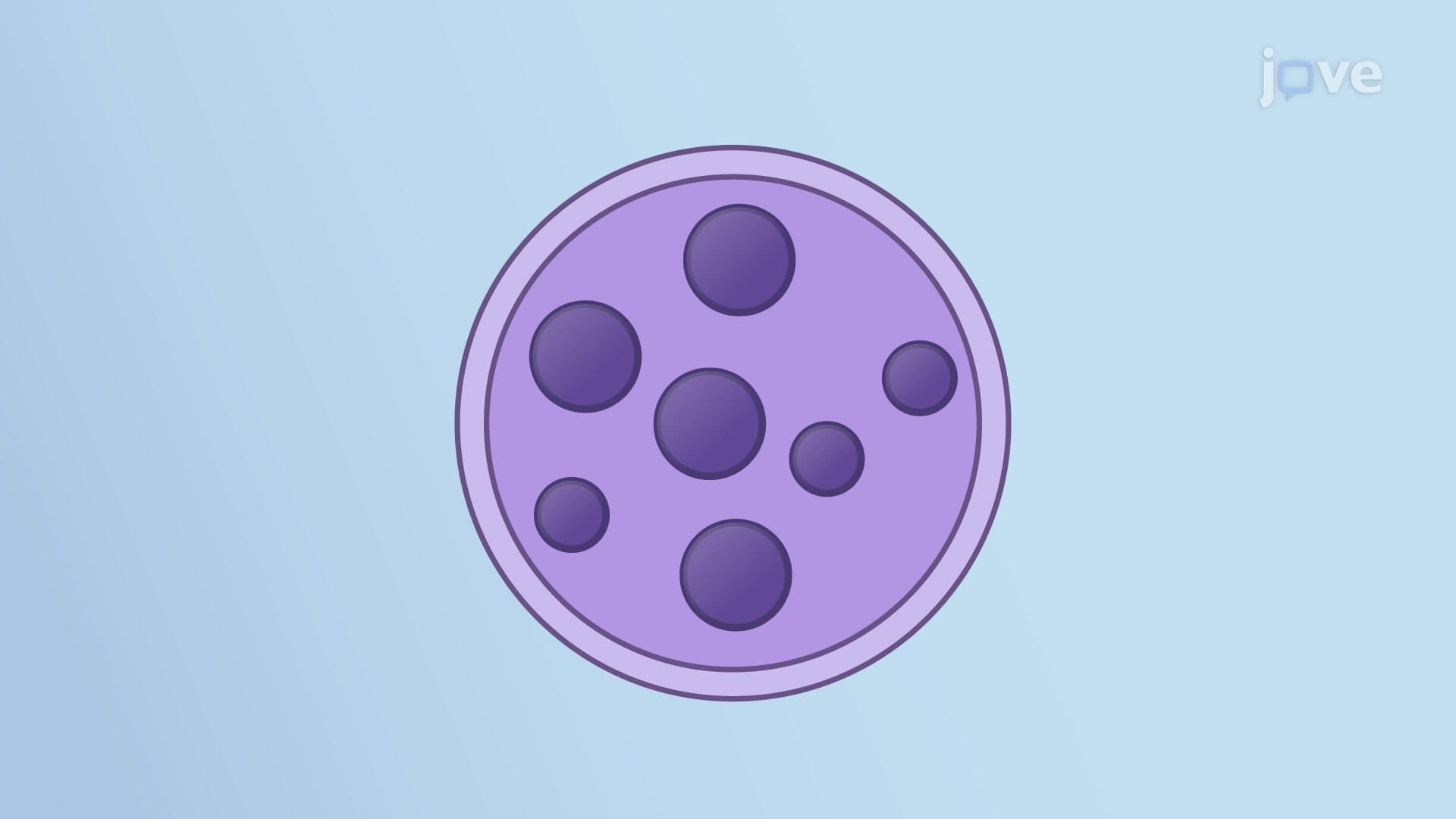
Within the nucleus lies the nucleolus, a non-membrane-bound structure where ribosomal RNA synthesis occurs. This "ribosome factory" represents the most transcriptionally active nuclear region, containing hundreds of ribosomal RNA genes. The nucleolus assembles ribosomal subunits that eventually export to the cytoplasm for protein synthesis. Students preparing for AP Biology or college cell biology courses should understand that nucleolar size correlates with cellular protein synthesis rates-larger in rapidly dividing cells like those found in bone marrow or developing tissues.
For MCAT preparation, focus on nuclear transport mechanisms and how they relate to cellular regulation. Understanding these concepts proves essential for advanced topics in molecular biology, genetics, and medical pathology courses at institutions like Harvard Medical School or Johns Hopkins University.
Related Micro-courses