Loading video…


 21 Concepts
 74.4K views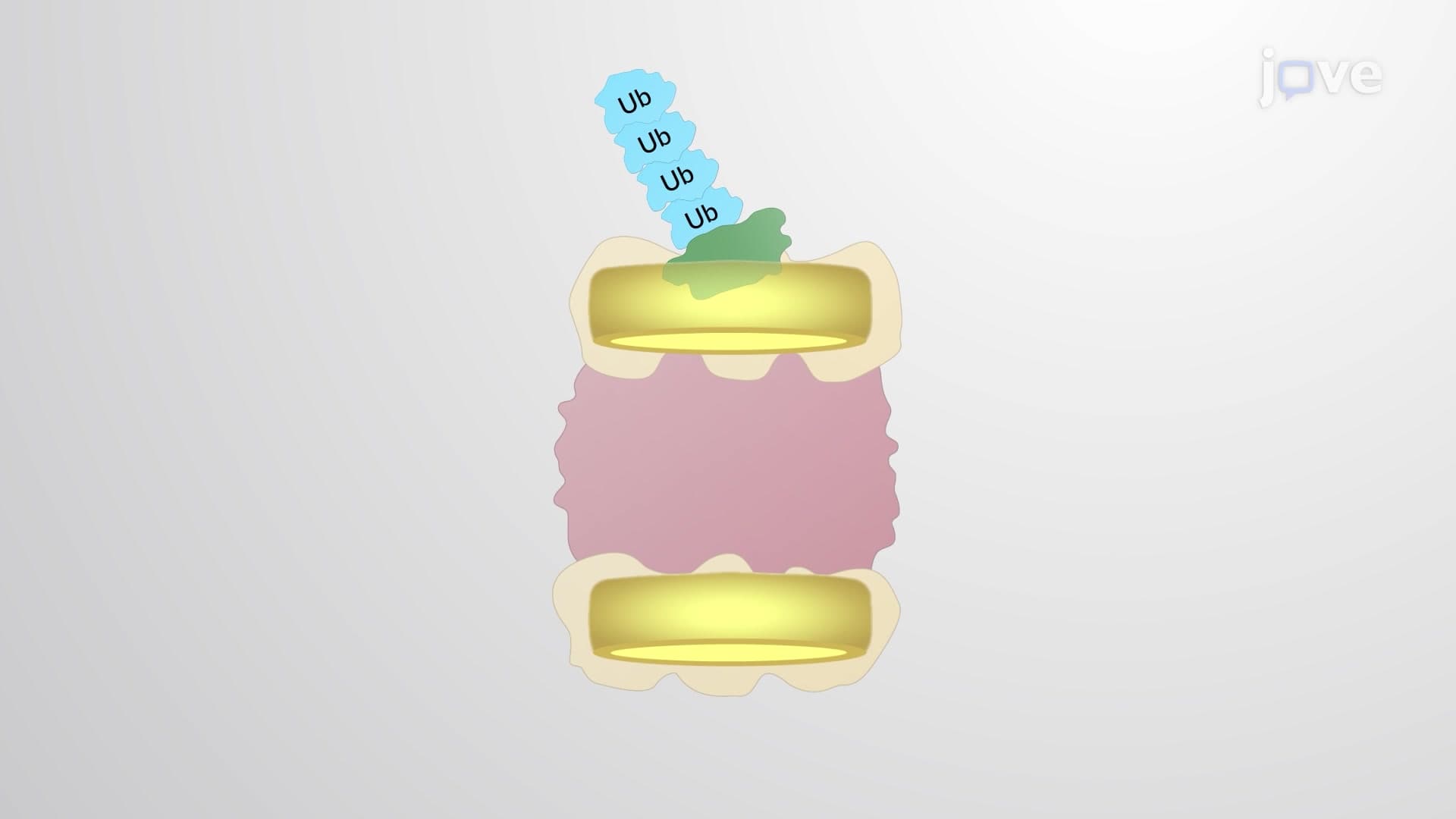

Video Summary: What Is the Proteasome Structure
Every second, thousands of damaged proteins in your cells could turn toxic-yet you remain healthy thanks to cellular "recycling centers" called proteasomes. The proteasome structure explained reveals a sophisticated molecular machine with two key components: regulatory 19S caps that recognize tagged proteins and a 20S catalytic core that breaks them down. This quality control system is so crucial that proteasome inhibitors like bortezomib are used in cancer treatment at major US medical centers including Johns Hopkins and Mayo Clinic. Watch the full video on JoVE Coach to master this concept with expert-led visuals and step-by-step explanations.
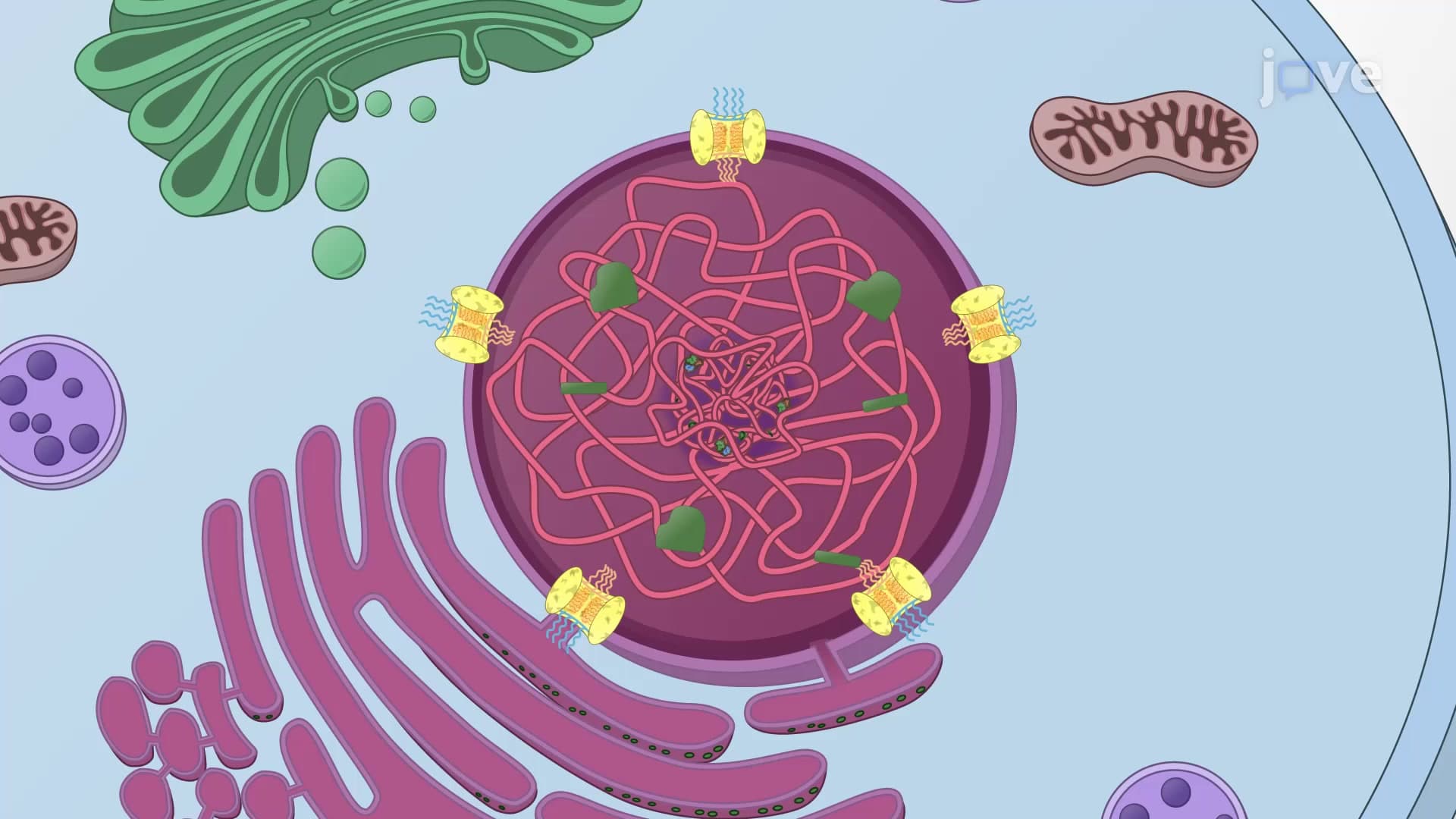
The proteasome structure explained begins with recognizing this cellular machine as one of biology's most elegant quality control systems. The 26S proteasome represents the fully assembled, active form found in eukaryotic cells, combining regulatory and catalytic components into a highly coordinated protein degradation system. This structure is essential for maintaining cellular health by eliminating misfolded, damaged, or regulatory proteins that have been marked for destruction.
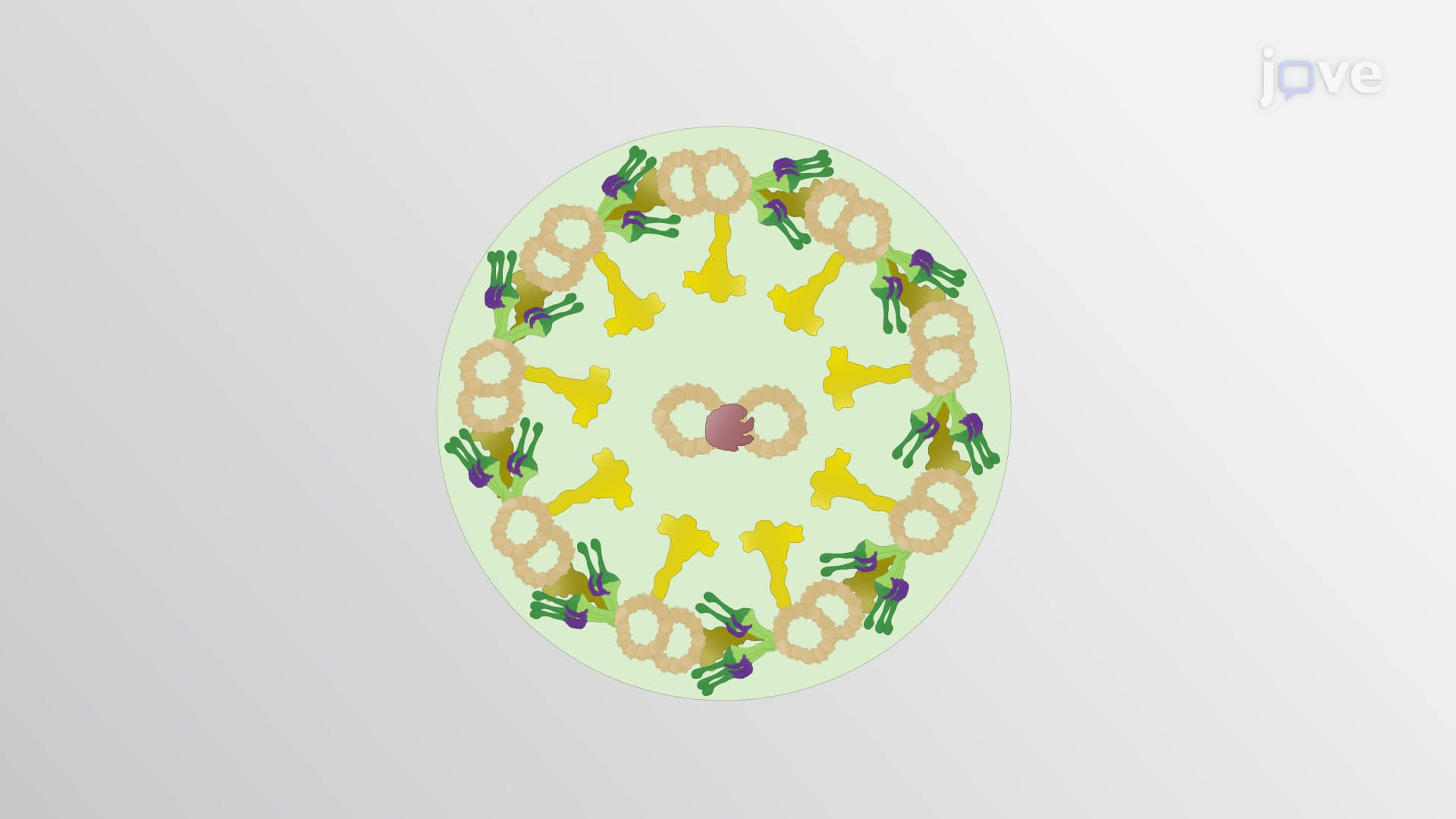
The 19S regulatory subunits function as sophisticated gatekeepers that control access to the proteasome's catalytic chamber. These cap structures contain multiple ATPase subunits that use energy from ATP hydrolysis to unfold target proteins, making them accessible to the proteases within the core. The regulatory particle also houses deubiquitinase enzymes that remove ubiquitin tags before proteins enter the 20S core-a crucial step that prevents ubiquitin itself from being degraded and allows for ubiquitin recycling.
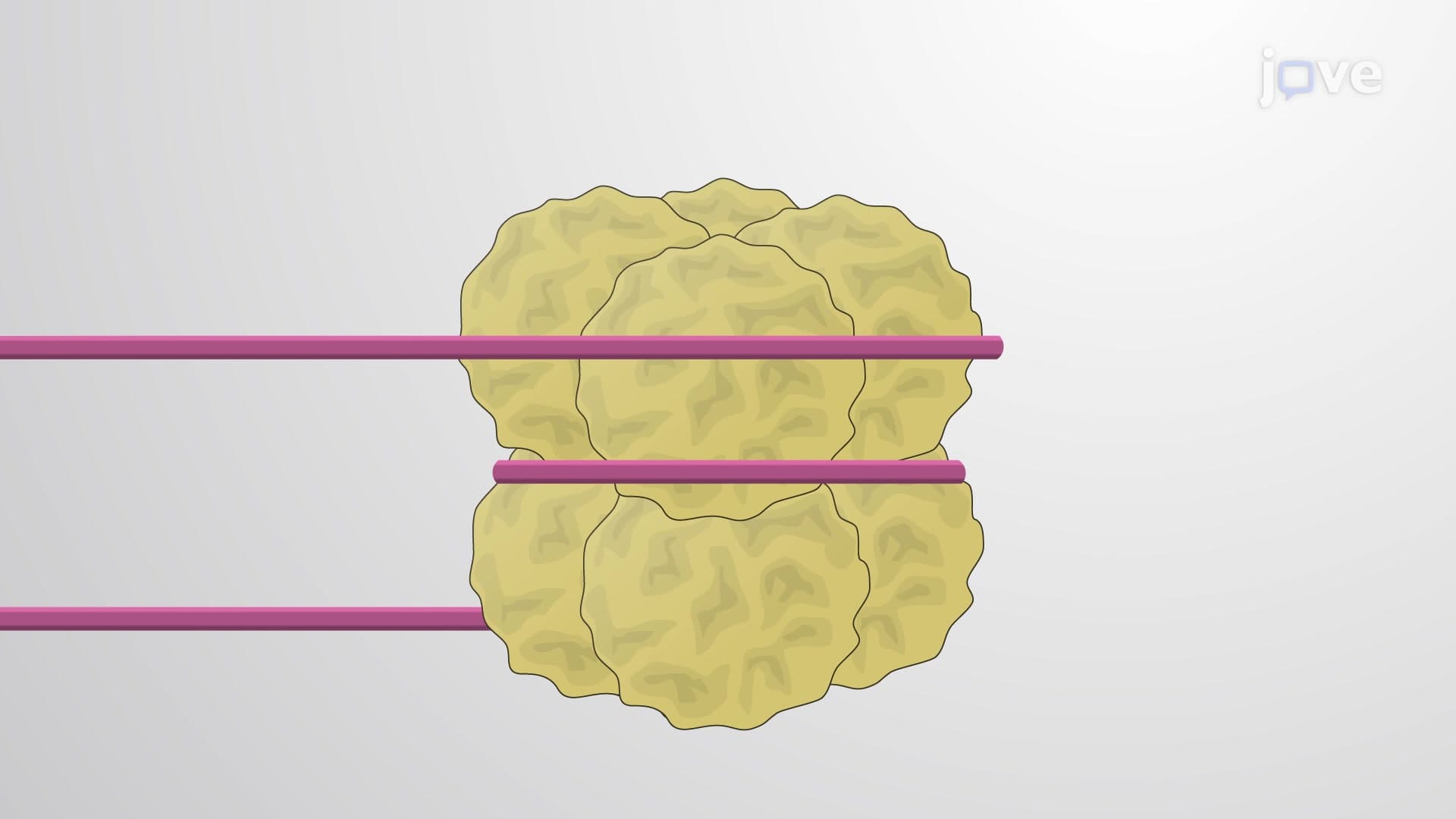
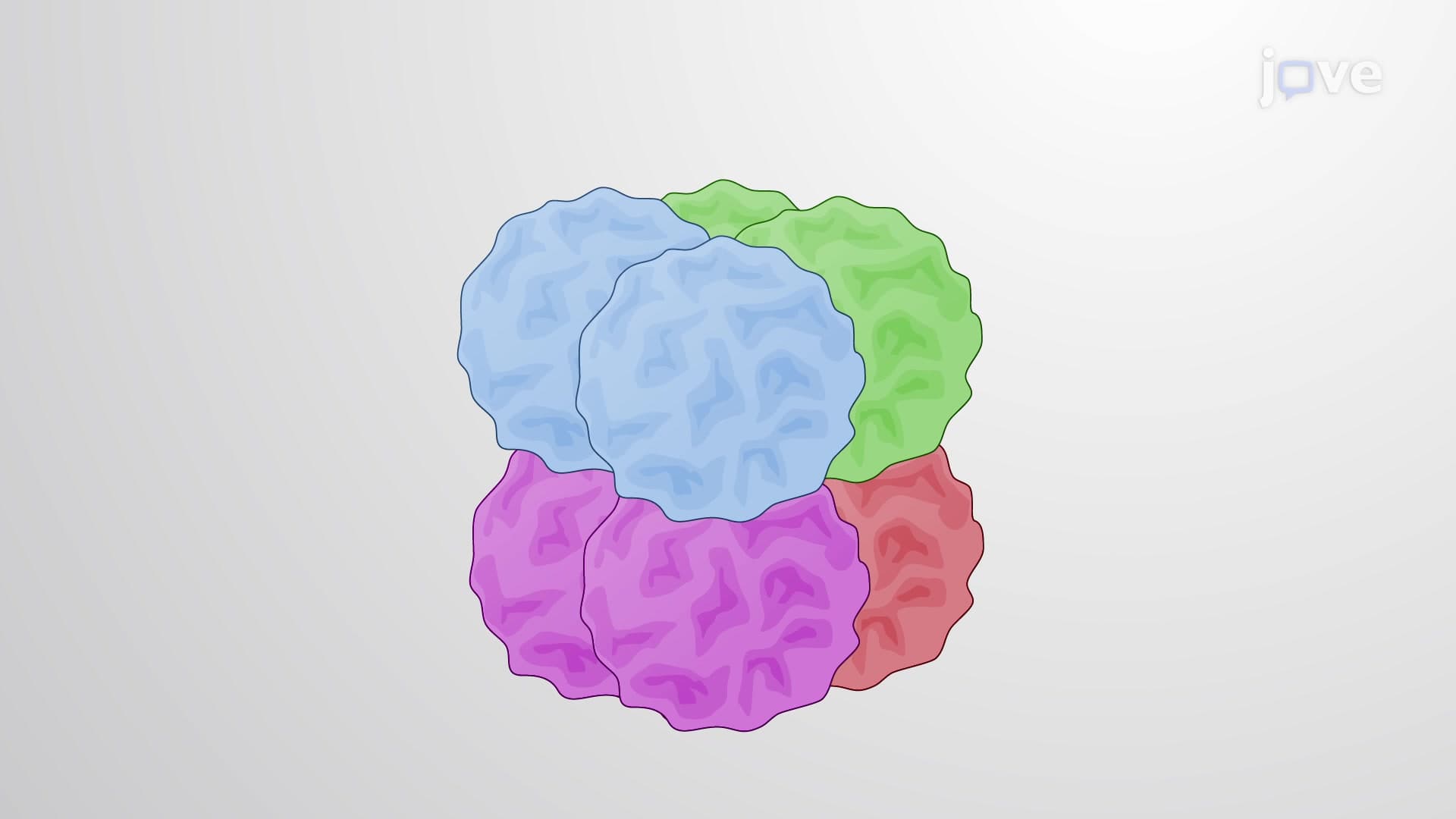
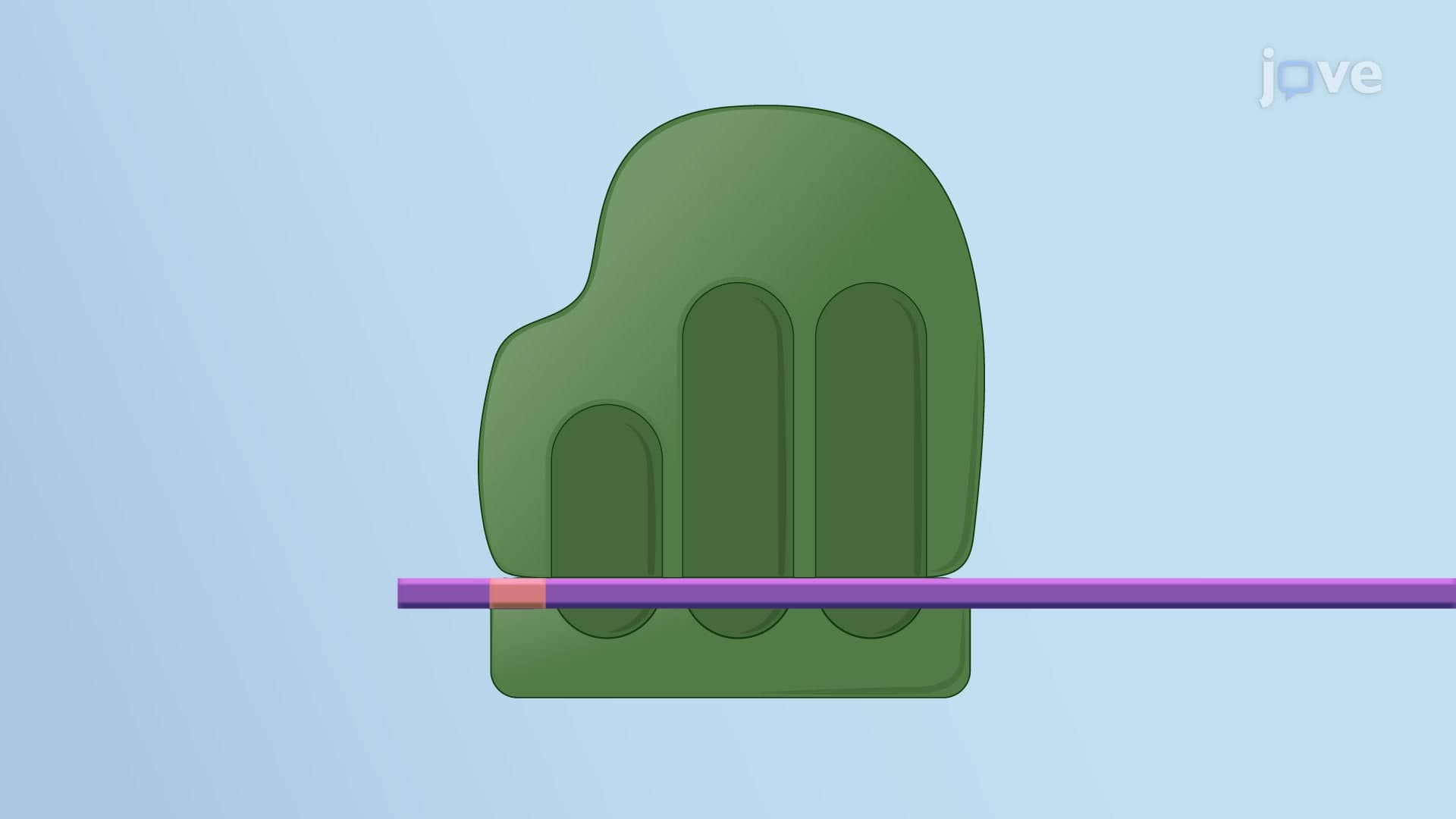
Proteasome structural biology reveals the 20S core as a hollow, barrel-shaped structure composed of four stacked rings. The outer rings contain seven different alpha subunits each, while the inner rings house seven beta subunits. Three specific beta subunits (β1, β2, and β5) possess proteolytic activity, creating the catalytic sites where proteins are cleaved into small peptides. This proteasome barrel structure ensures that protein degradation occurs in a controlled, enclosed environment.
Understanding proteasome subunit organization has direct applications in medicine and education. The FDA-approved drug bortezomib (Velcade) specifically targets the β5 catalytic subunit, making it effective against multiple myeloma and mantle cell lymphoma. Students preparing for the MCAT, AP Biology, or college biochemistry courses frequently encounter proteasome questions, particularly regarding its role in cell cycle regulation and protein quality control. Research institutions like Harvard Medical School and Stanford University continue advancing proteasome research, developing new therapeutic strategies based on structural insights.
Related Micro-courses