Loading video…


 8 Concepts
 10K views

Video Summary: Applying Bernoulli S Equation to Flow Along a Streamline
Ever wonder why airplane wings generate lift or why your shower pressure drops when someone flushes a toilet? Bernoulli's equation for flow normal to a streamline reveals how pressure, velocity, and elevation interact in moving fluids. This fundamental principle explains everything from how the Hoover Dam's spillways manage massive water flows to why NASCAR drivers experience drafting effects at 200 mph. Watch the full video on JoVE Coach to master this concept with expert-led visuals and step-by-step explanations.
Applying Bernoulli's equation to flow along a streamline represents one of fluid mechanics' most powerful and practical principles. This equation mathematically expresses energy conservation for flowing fluids, stating that the total mechanical energy per unit volume remains constant along any streamline under ideal conditions.
The complete Bernoulli equation takes the form: P + (1/2)ρv² + ρgh = constant, where P represents pressure energy, (1/2)ρv² represents kinetic energy per unit volume, and ρgh represents gravitational potential energy per unit volume. This elegant relationship reveals that as one form of energy increases along a streamline, the others must decrease proportionally.
For Bernoulli's equation to apply accurately, three fundamental assumptions must hold: steady flow (no time-dependent changes), incompressible fluid (constant density), and inviscid flow (negligible viscosity effects). While real fluids never perfectly meet these conditions, many practical situations approximate them closely enough for reliable engineering predictions.
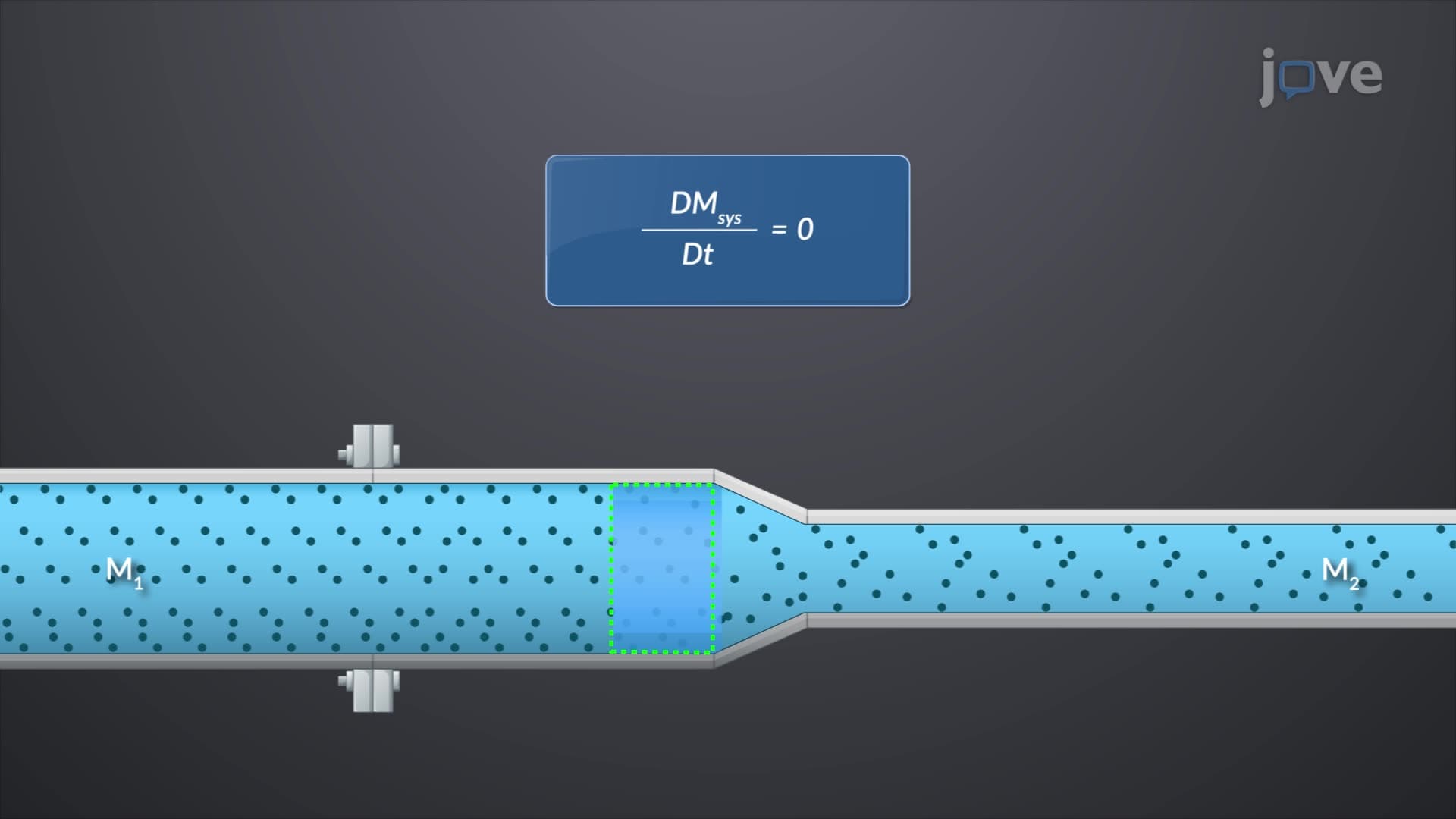
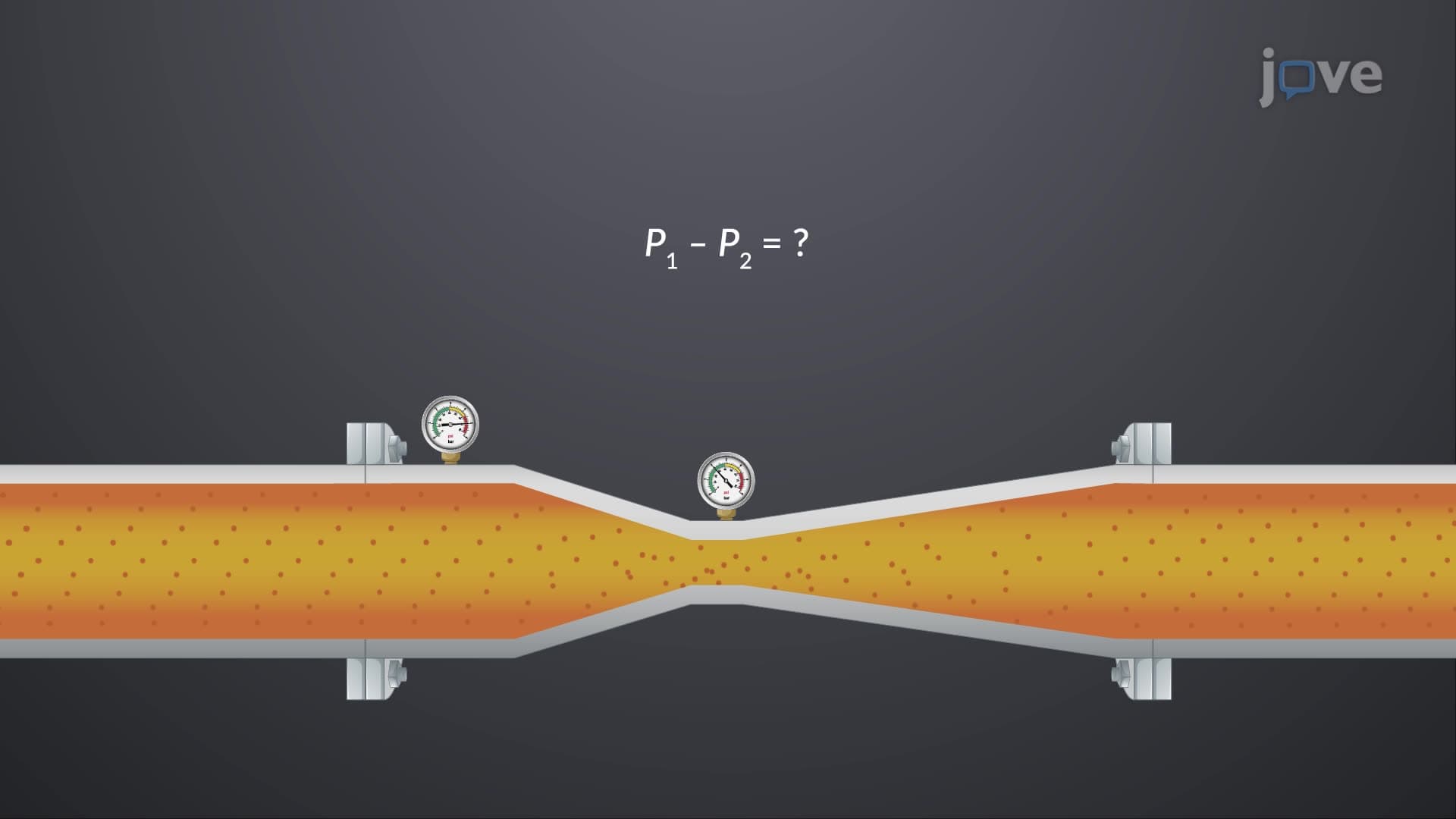
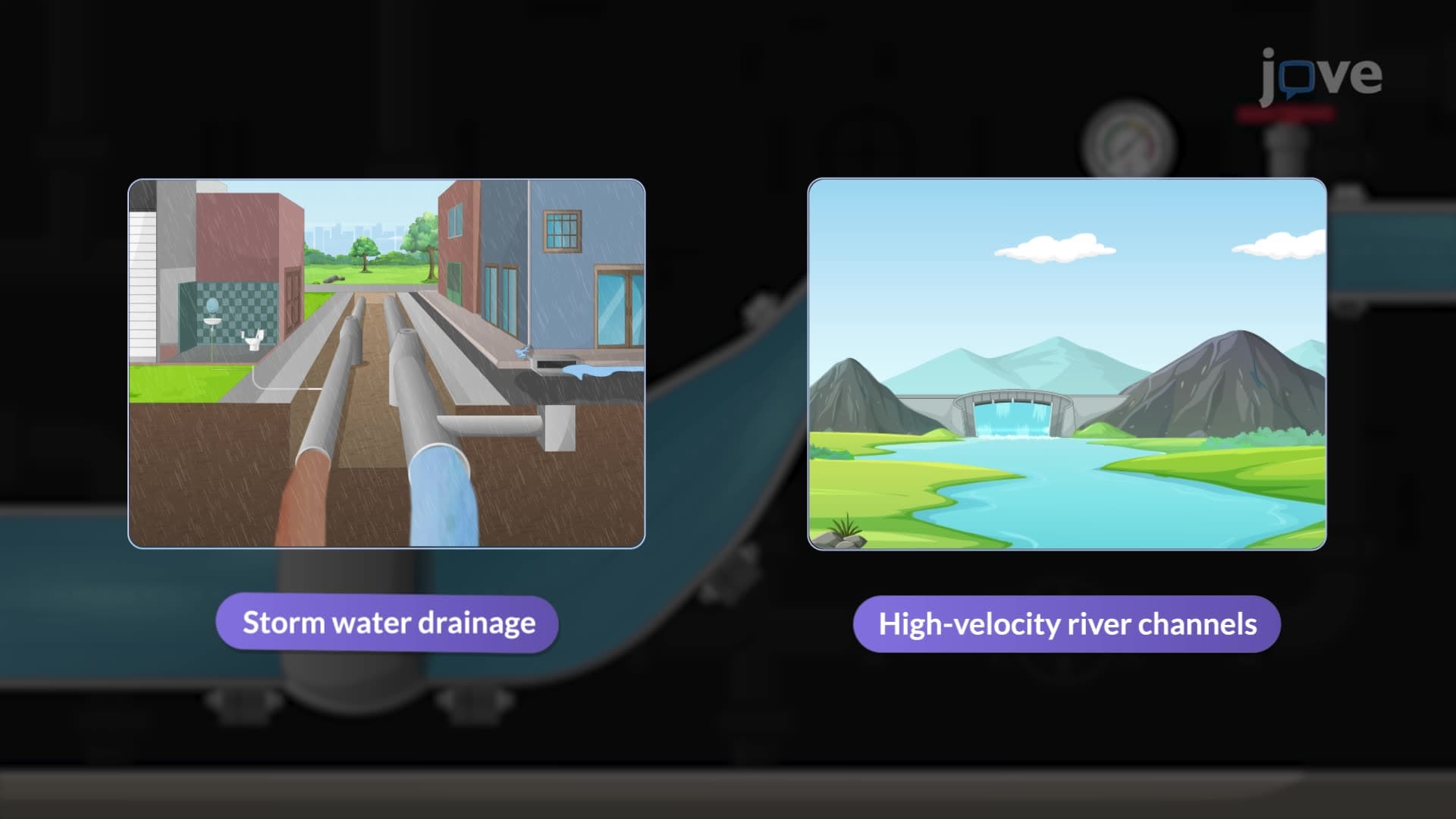
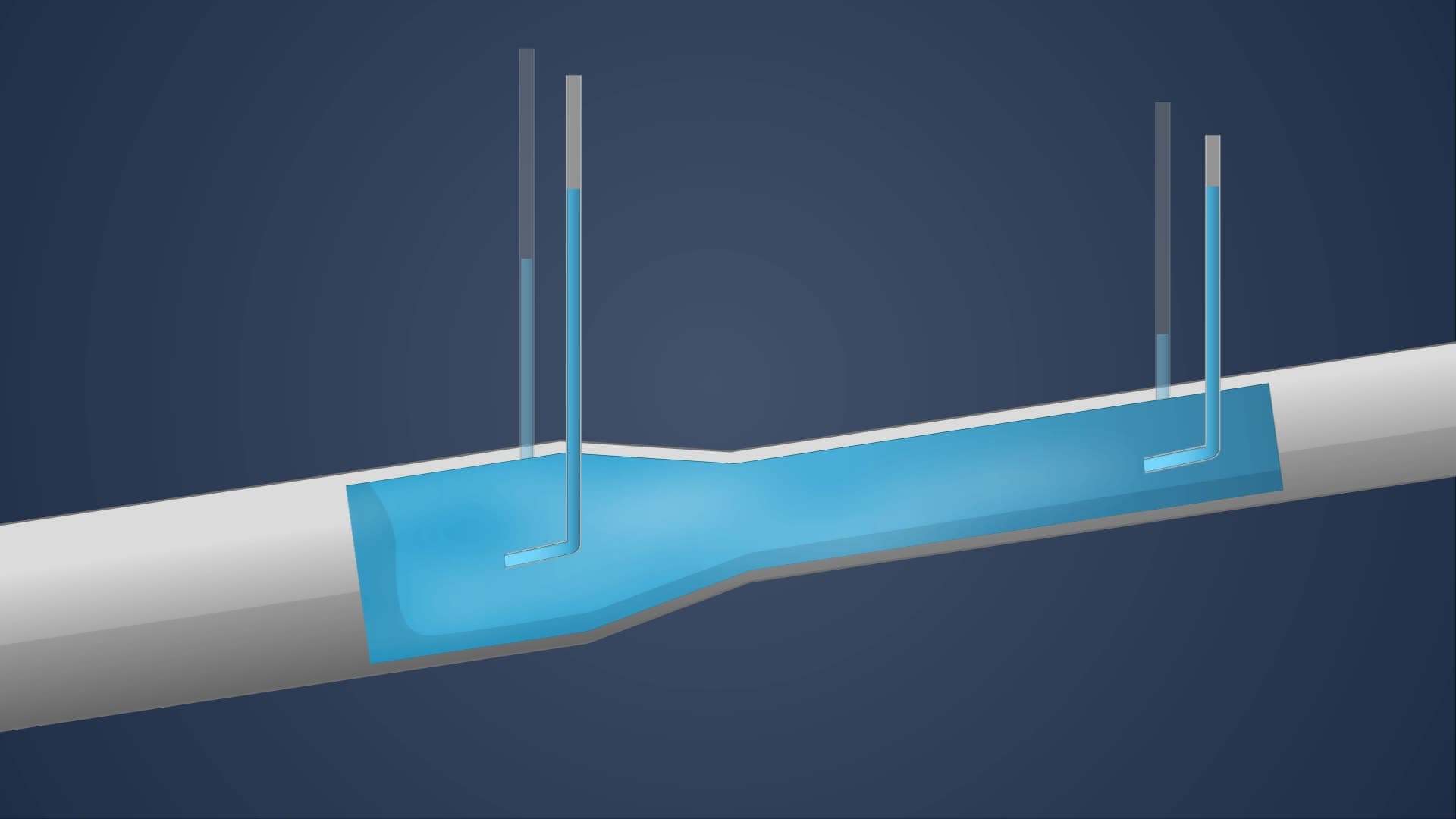
Consider the St. Lawrence Seaway locks, where water flows through massive chambers. Engineers use Bernoulli's equation to predict how water velocity increases and pressure decreases as flow accelerates through narrowed sections. Similarly, the spillways at Grand Coulee Dam demonstrate Bernoulli's principle as gravitational potential energy converts to kinetic energy, requiring careful design to prevent cavitation damage from low-pressure zones.
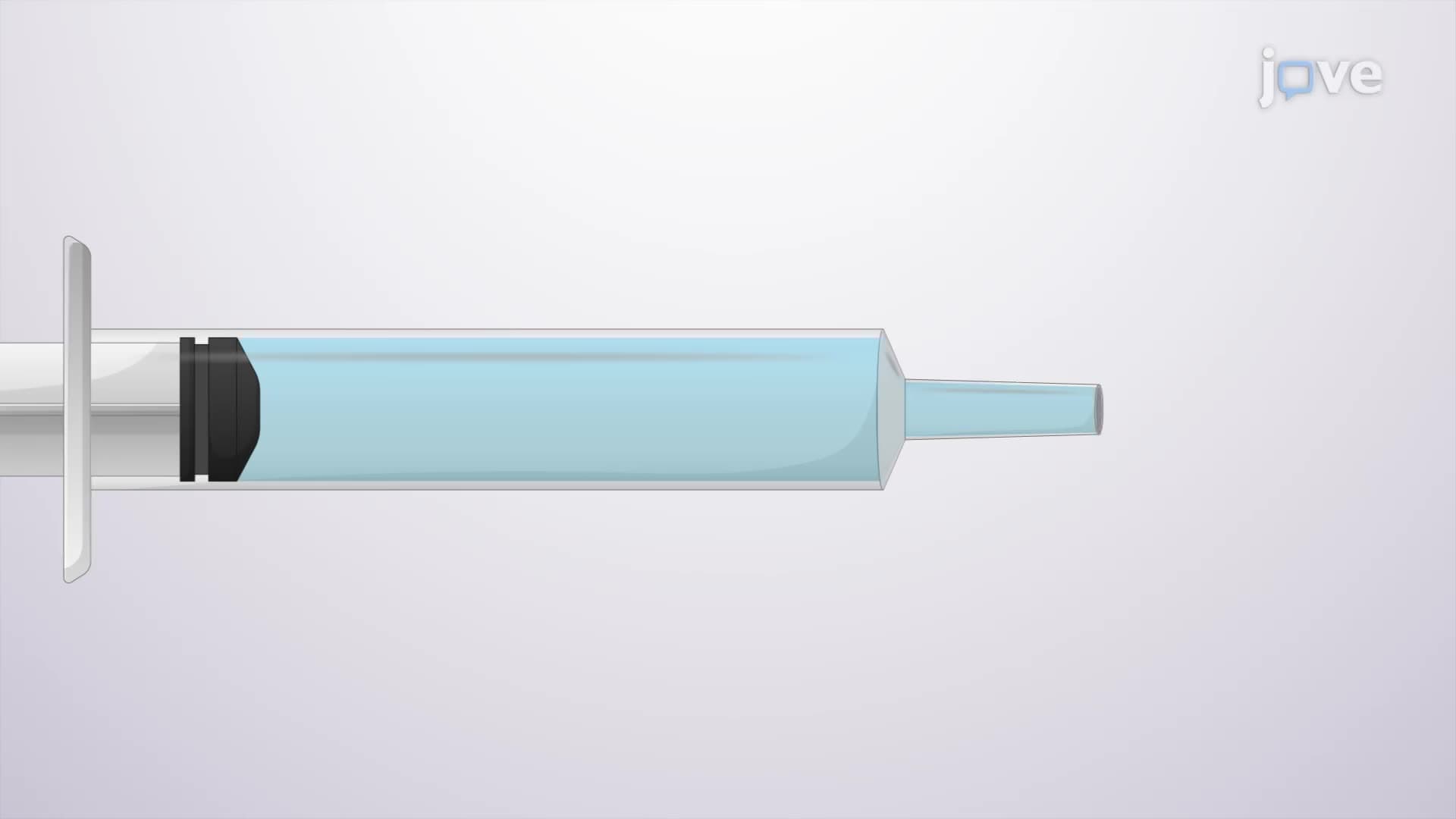
When solving streamline flow problems, identify two points along the same streamline and apply energy conservation. Point selection proves crucial-choose locations where you know several variables or where you need to find specific values. For example, in analyzing flow through a garden hose nozzle, compare conditions at the wide hose entrance with the narrow nozzle exit.
AP Physics C students encounter Bernoulli's equation in both mechanics and fluid dynamics contexts, while college engineering courses extend applications to complex systems. The MCAT includes Bernoulli principle questions in physics and biological sciences sections, particularly regarding blood flow and respiratory mechanics. Professional applications span aerospace engineering (wing design), civil engineering (hydraulic systems), and biomedical engineering (artificial heart valves).
Understanding streamline flow analysis provides essential preparation for advanced fluid mechanics courses and professional engineering practice, where these principles govern everything from municipal water systems to aircraft performance optimization.
Related Micro-courses