Loading video…


 8 Concepts
 10K views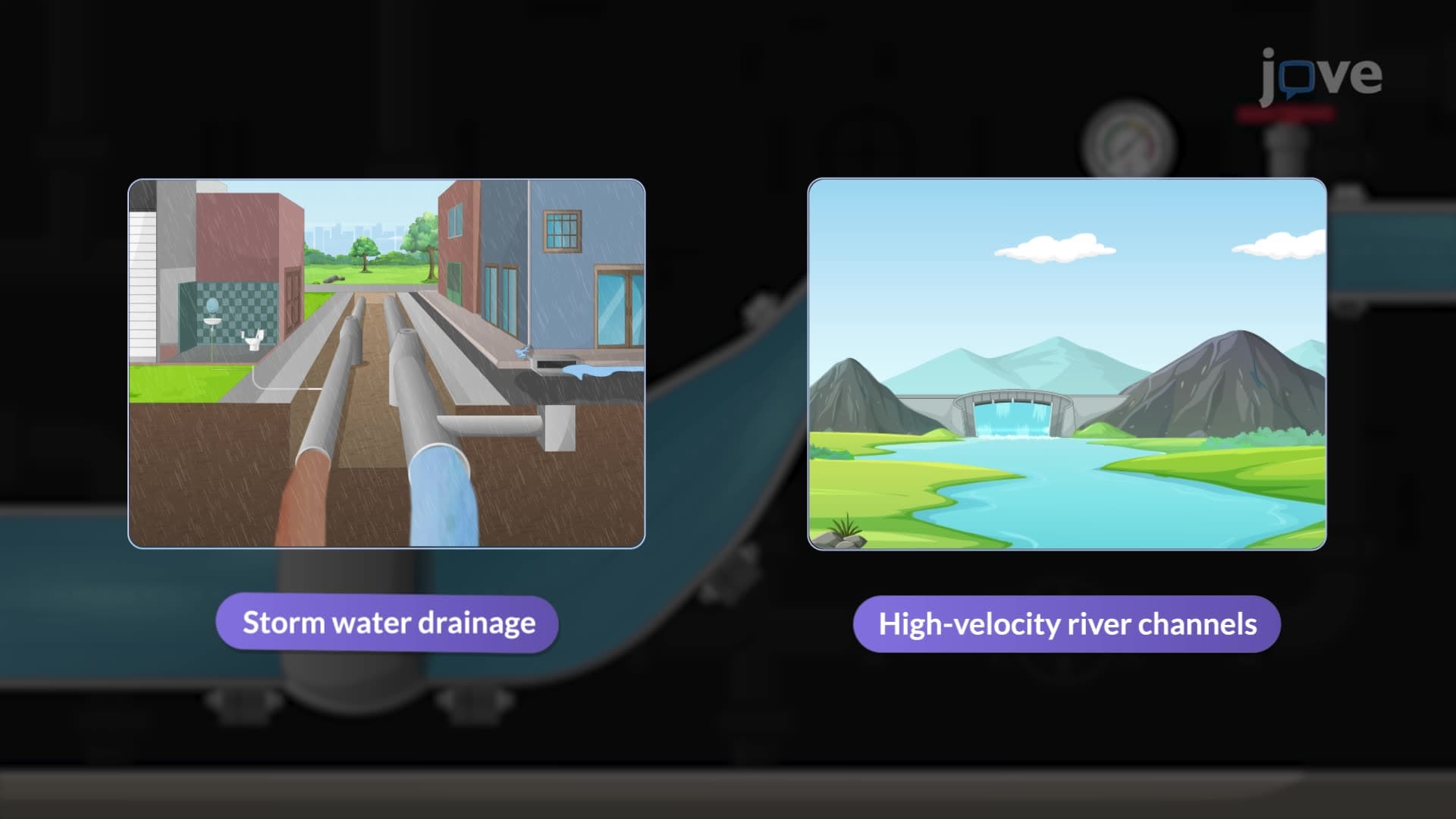

Video Summary: Static Stagnation Dynamic and Total Pressure Explained
Ever wonder how Boeing engineers calculate airspeed on commercial jets flying at 35,000 feet? A free jet of air flowing around aircraft creates distinct pressure zones that pilots must understand for safe navigation. Static Stagnation Dynamic And Total Pressure Explained reveals how Bernoulli's principle governs these pressure relationships in fluid systems, from the Hoover Dam's turbine chambers to New York City's water distribution networks. Watch the full video on JoVE Coach to master this concept with expert-led visuals and step-by-step explanations.
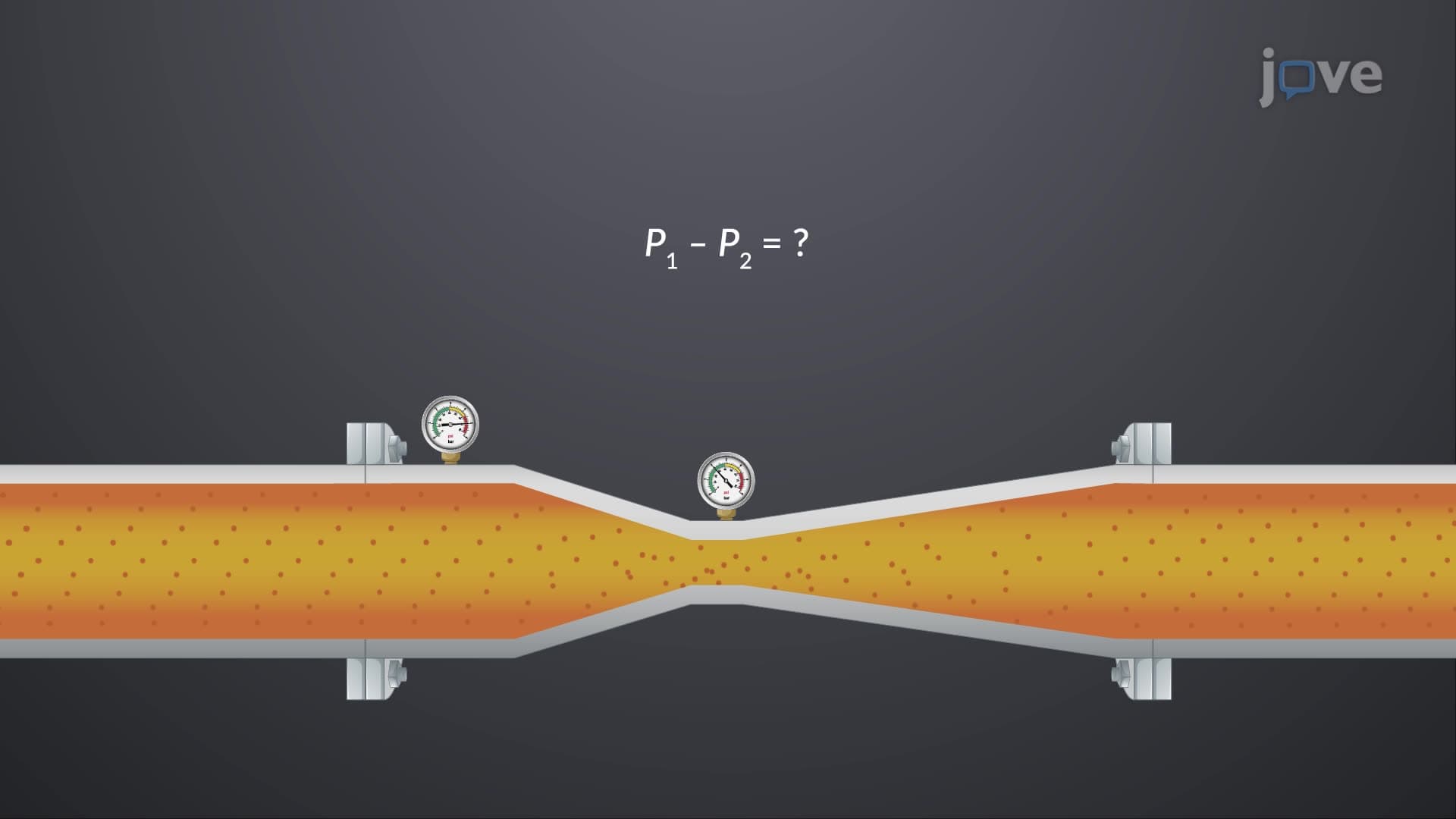
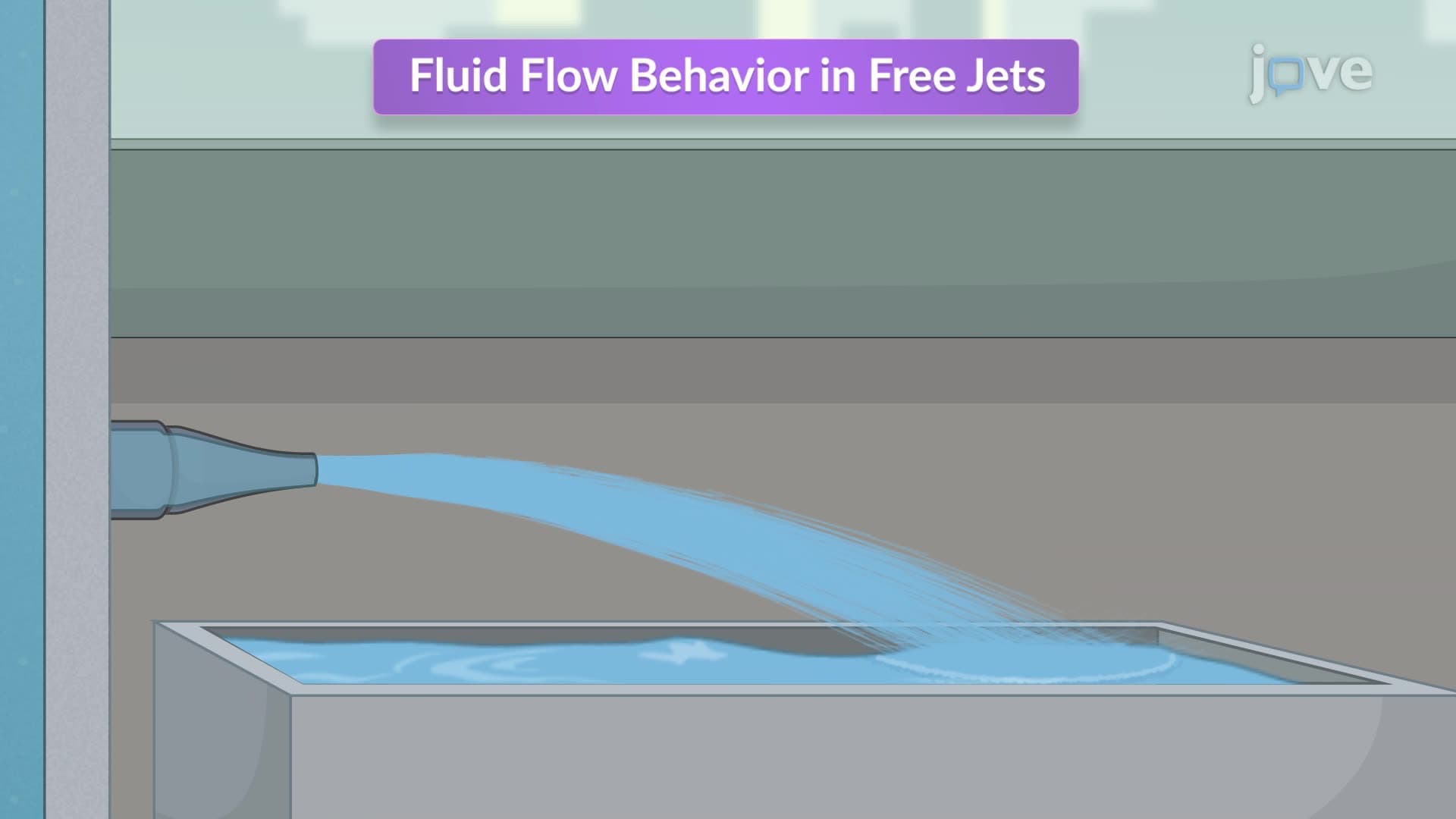
Pressure analysis in fluid mechanics requires mastering four interconnected concepts that govern how liquids and gases behave in engineering systems. Free jet flows exemplify these pressure relationships when water exits a nozzle or air flows around aircraft wings, creating distinct pressure zones engineers must quantify.
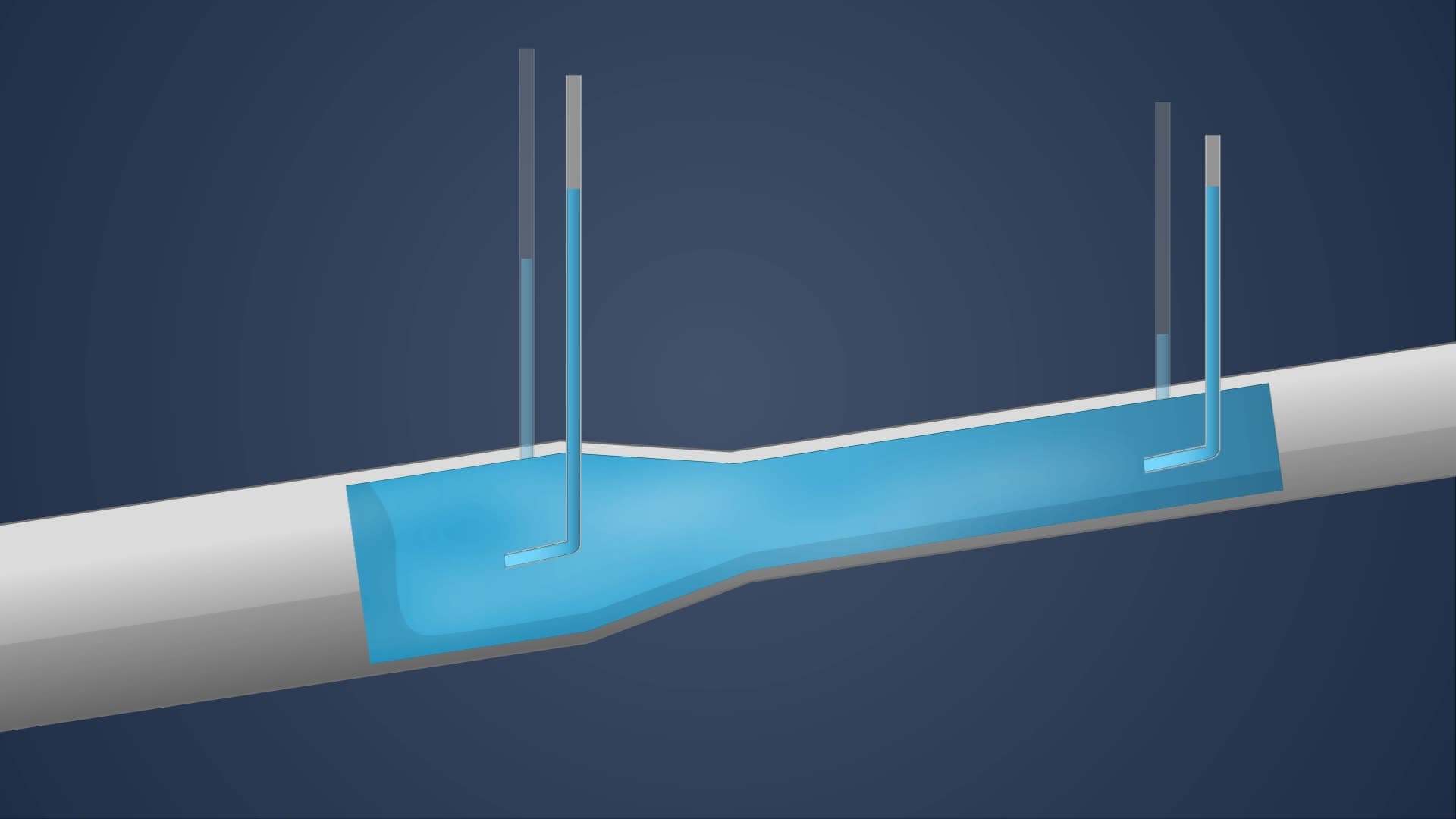
Static pressure represents the force fluids exert when at rest, measured perpendicular to surfaces. In Manhattan's skyscrapers, static water pressure increases by approximately 0.433 psi per foot of height, explaining why buildings need pressure-reducing valves on upper floors. This pressure exists regardless of fluid motion and forms the baseline for all pressure calculations.
Dynamic pressure emerges from fluid velocity, calculated using the formula: Dynamic Pressure = (1/2) × density × velocity². When studying free jet definition scenarios, this pressure component explains why high-speed water jets can cut through steel in industrial applications. The Colorado River's flow through Grand Canyon rapids demonstrates how velocity changes create dynamic pressure variations that influence erosion patterns and navigation safety.
Stagnation pressure occurs when moving fluids encounter obstacles, combining static and dynamic components. At the Hoover Dam, engineers measure stagnation pressure where Colorado River water impacts turbine blades, converting kinetic energy to electrical power. This principle explains why aircraft experience maximum pressure at wing leading edges and why NASCAR drivers feel increased aerodynamic loads at high speeds.
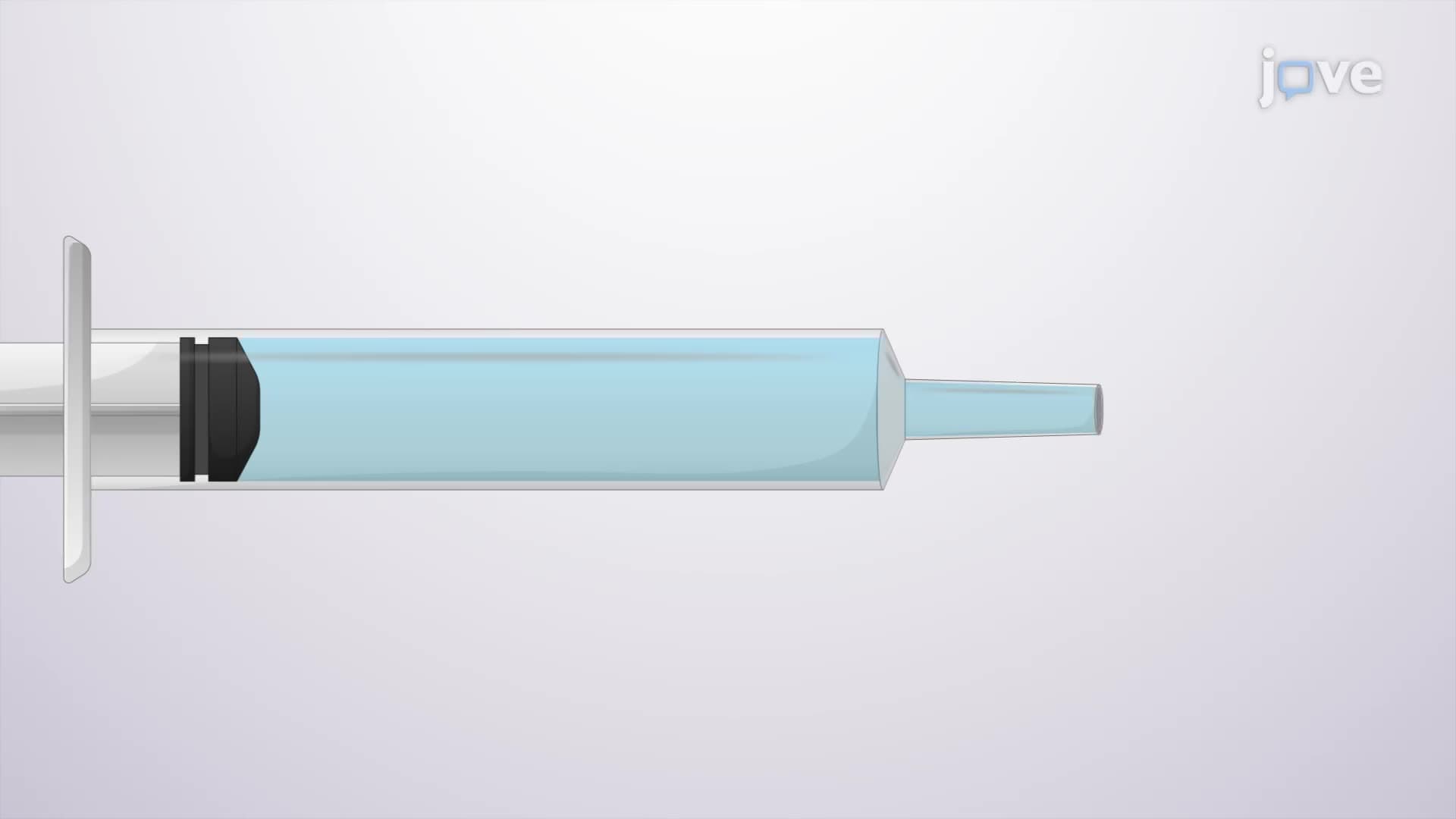
Understanding what is free jet in detail requires recognizing how pressure transforms as fluids exit confined spaces. When water leaves a fire hydrant nozzle, static pressure converts to dynamic pressure, creating the high-velocity stream firefighters depend on.
These pressure concepts appear frequently on AP Physics exams and college fluid mechanics courses. Students encounter problems involving Pitot tubes measuring aircraft airspeed, pressure drops in pipeline systems, and energy calculations for hydroelectric facilities like those at Niagara Falls. The Federal Aviation Administration requires commercial pilots to understand these principles for flight safety, making this knowledge crucial for aerospace engineering students.
Civil engineering applications include designing storm water management systems for cities like Houston, where understanding pressure relationships prevents flooding during hurricane season. The free jet concept helps engineers calculate water trajectory and impact forces for fountain design and industrial cleaning systems.
Related Micro-courses