Loading video…


 8 Concepts
 10K views

Video Summary: Design Example Designing Water Slide Explained
Ever wondered why Disney's Summit Plummet water slide at Blizzard Beach maintains thrilling speeds without becoming dangerous? Understanding eulerian and lagrangian flow descriptions is crucial for engineers designing safe water attractions across America's theme parks. These fundamental fluid mechanics concepts help predict how water behaves at different points along a slide's path versus tracking individual water particles through time. The Design Example Designing Water Slide Explained demonstrates how engineers apply these principles to calculate optimal slide heights and ensure visitor safety. Watch the full video on JoVE Coach to master this concept with expert-led visuals and step-by-step explanations.
The eulerian and lagrangian flow descriptions represent two fundamental ways engineers analyze fluid motion, each offering unique insights into how water behaves in complex systems like theme park attractions. These complementary approaches form the backbone of modern fluid mechanics education and are essential for students preparing for AP Physics, college-level engineering courses, and professional engineering exams.
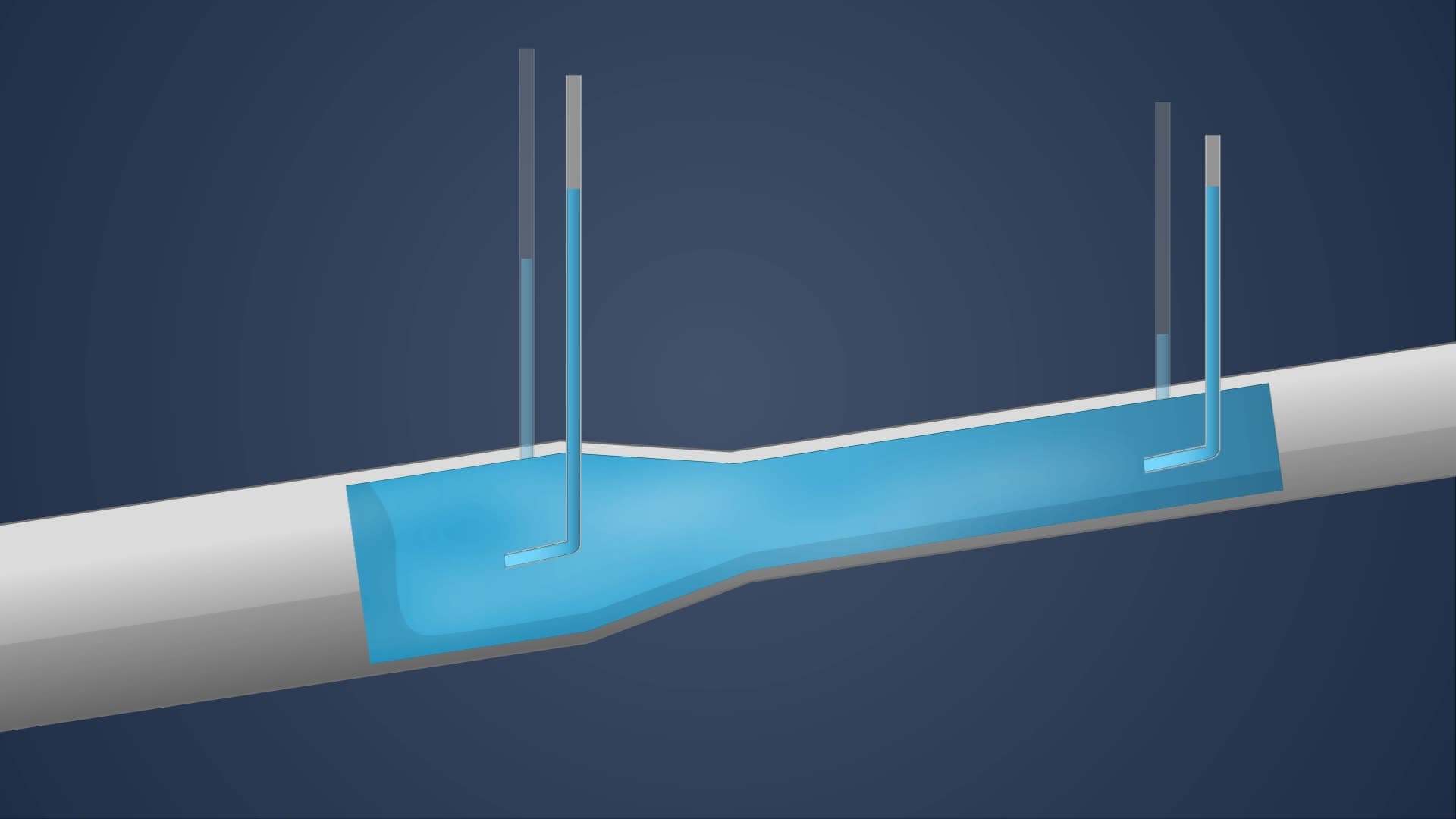
The Eulerian flow description treats fluid motion from a fixed reference frame, focusing on what happens at specific locations rather than following individual fluid particles. In our water slide example, an Eulerian analysis would involve placing sensors at predetermined points along the slide-perhaps at the 5-meter, 15-meter, and 25-meter marks-to measure water velocity, pressure, and flow rate at these fixed locations.
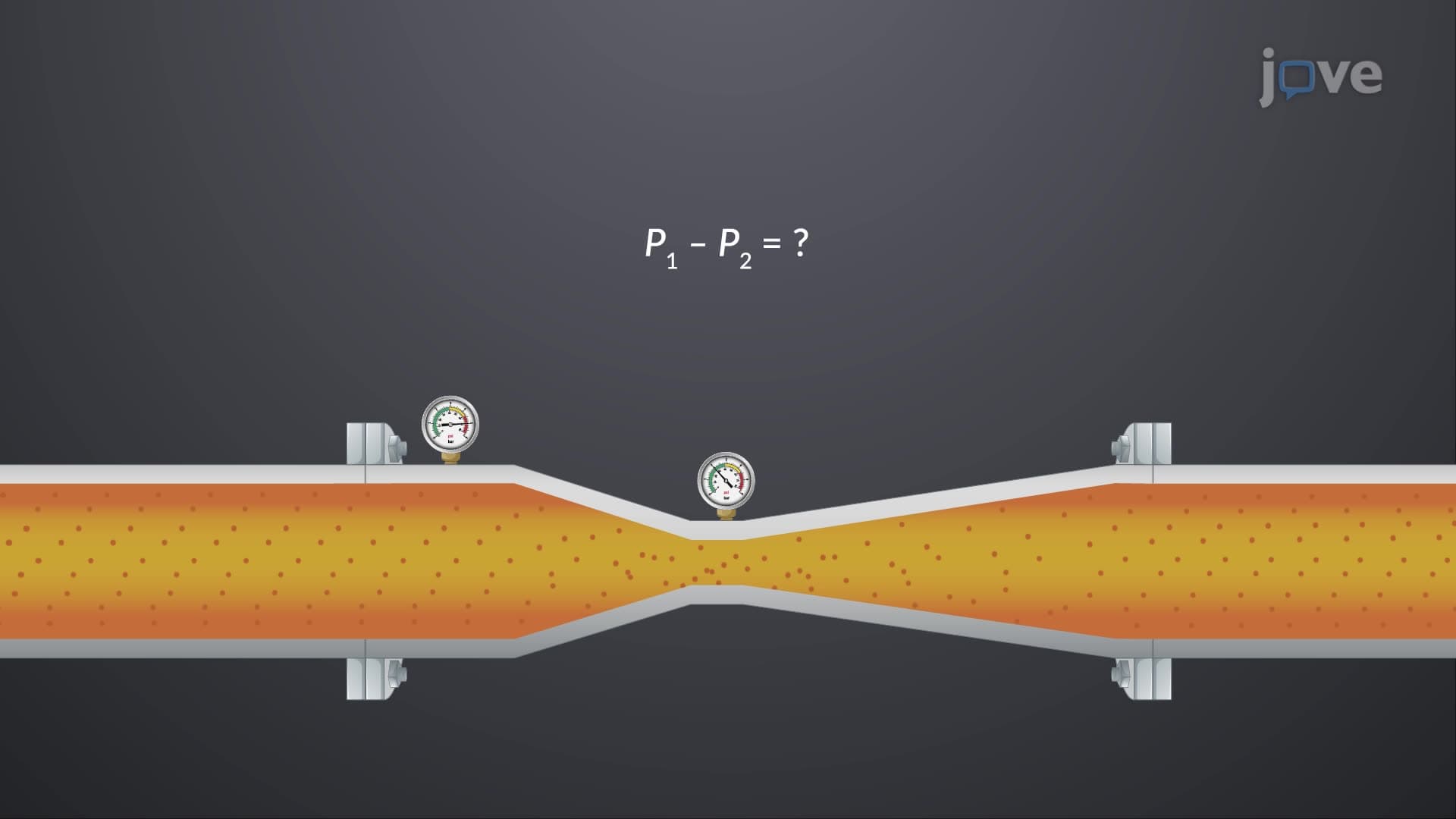
This approach proves invaluable for engineers designing Six Flags or Cedar Point water attractions because it provides steady-state information about flow conditions. When applying Bernoulli's equation using the Eulerian perspective, engineers examine the relationship between pressure (P), velocity (v), and elevation (h) at specific points: P1 + (1/2)ρv1² + ρgh1 = P2 + (1/2)ρv2² + ρgh2. The Eulerian method excels in scenarios where engineers need to understand flow patterns, identify potential bottlenecks, or ensure consistent water distribution across the slide's surface.
Conversely, the Lagrangian flow description tracks individual fluid particles as they move through the system over time. Imagine attaching a tiny GPS tracker to a water droplet at the slide's entrance and following its journey to the bottom. This particle-based approach provides insights into acceleration patterns, trajectory paths, and how long it takes specific water elements to traverse the entire slide.
For water park engineers, Lagrangian analysis helps optimize rider experience by understanding the complete journey each water particle-and by extension, each rider-experiences. This method proves particularly useful when analyzing complex slide geometries with loops, turns, or elevation changes, such as those found at Great Wolf Lodge or Kalahari Resort installations.
Both flow description methods appear frequently in standardized testing environments. AP Physics C: Mechanics exams often present problems requiring students to choose between Eulerian and Lagrangian approaches based on given information. Similarly, college-level fluid mechanics courses use these concepts as foundational building blocks for more advanced topics like computational fluid dynamics and turbulence analysis.
The water slide design example demonstrates how real engineers integrate both perspectives: Eulerian methods help establish safety parameters at critical points, while Lagrangian tracking ensures smooth, enjoyable rider experiences throughout the entire journey.
Related Micro-courses