Loading video…


 8 Concepts
 10K views

Video Summary: What Is Continuity Equation
Ever wonder how water flows faster through a garden hose when you partially cover the opening with your thumb? The energy line and hydraulic gradient line principles work alongside the continuity equation to explain this phenomenon in fluid mechanics. In the Mississippi River navigation system, engineers use the continuity equation to predict how water velocity changes as the river narrows or widens, ensuring safe passage for barges carrying billions of dollars in cargo annually. Watch the full video on JoVE Coach to master this concept with expert-led visuals and step-by-step explanations.
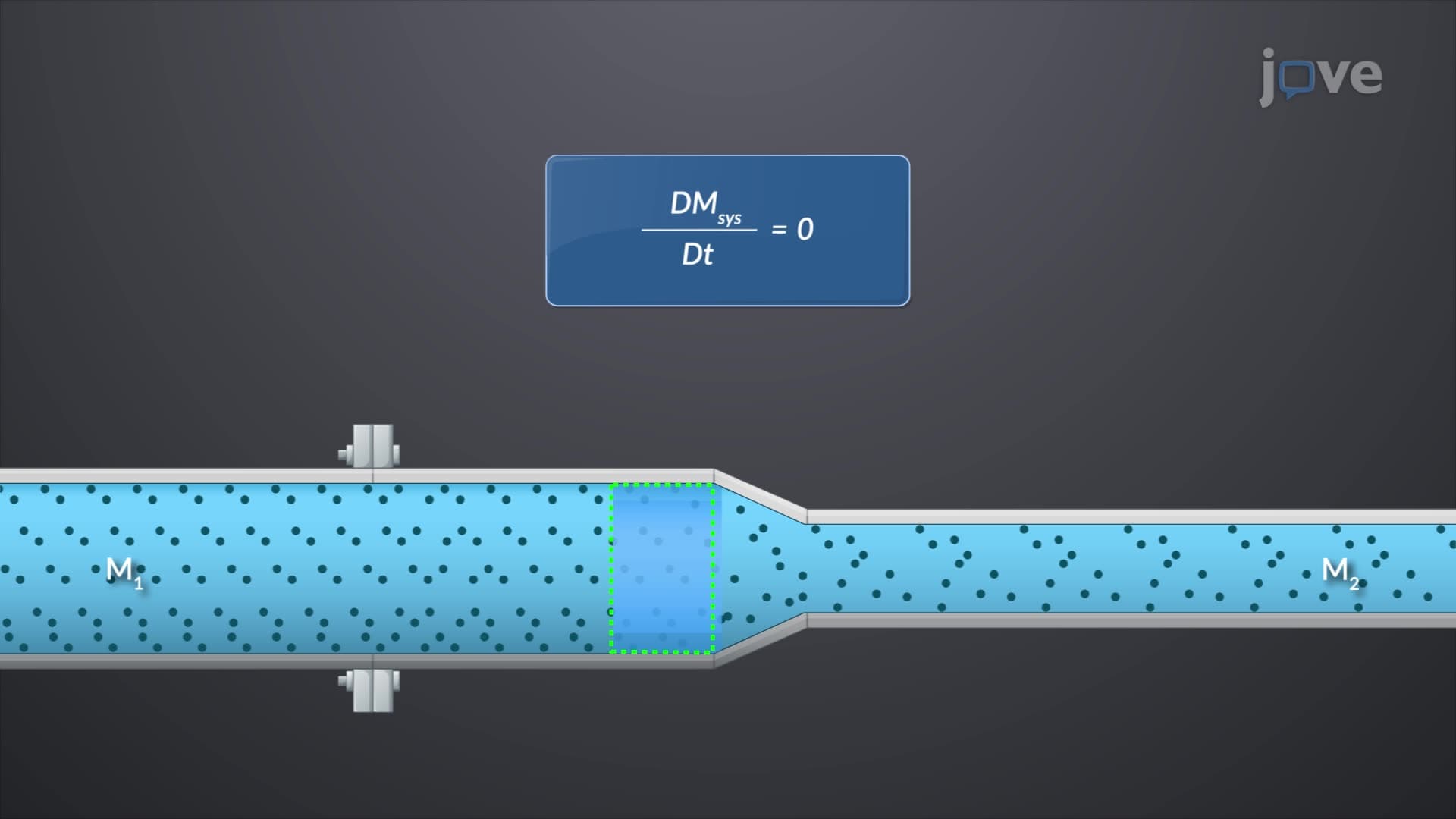
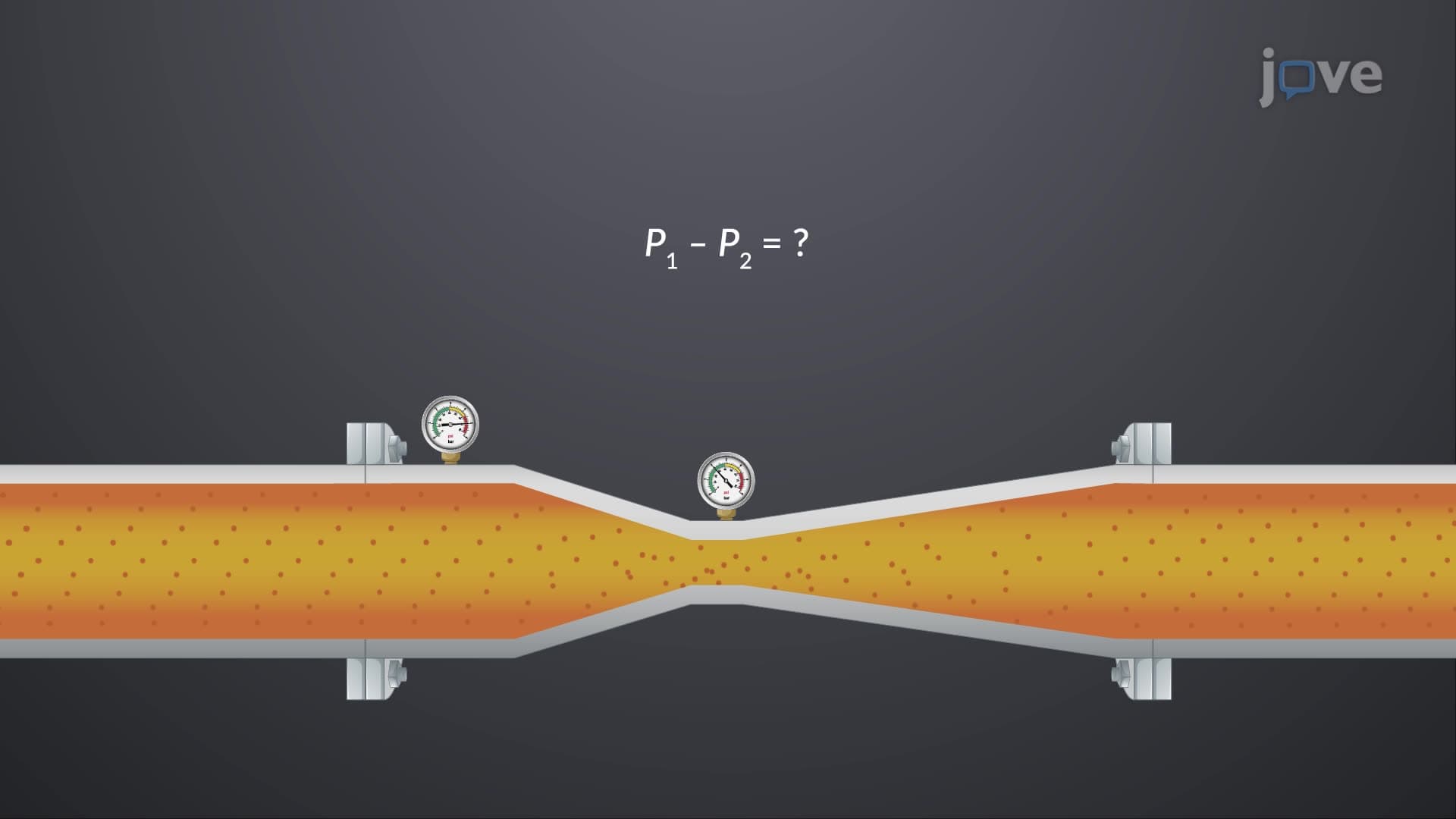
The continuity equation represents one of the most fundamental principles in fluid mechanics, rooted in the law of mass conservation. This principle states that mass cannot be created or destroyed within a flowing system-what flows in must flow out. For incompressible fluids like water, this translates to a beautifully simple relationship: A₁V₁ = A₂V₂, where A represents cross-sectional area and V represents velocity at different points in the flow path.
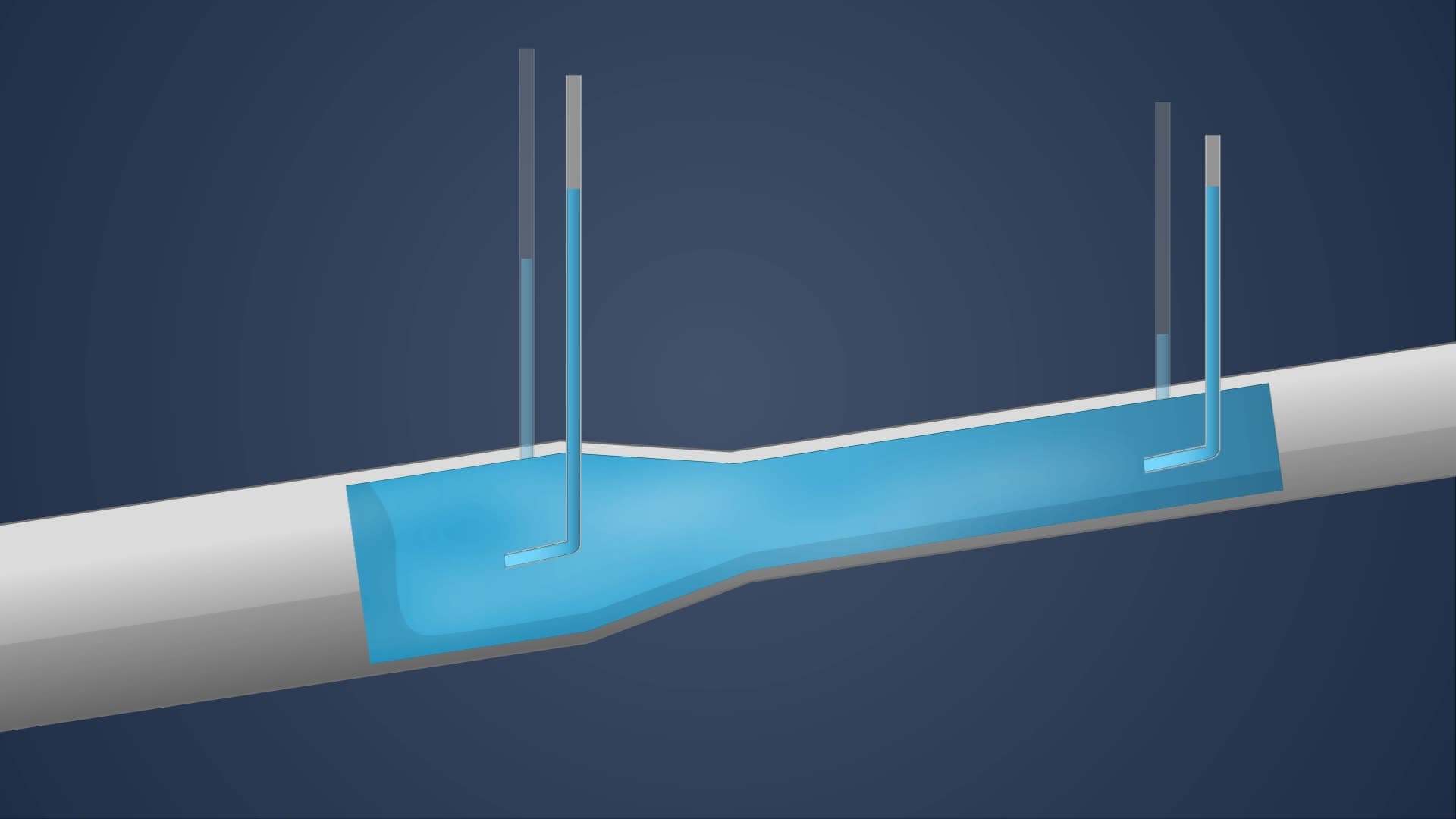
When studying energy line and hydraulic gradient line concepts, the continuity equation serves as a crucial building block. The energy line represents the total energy per unit weight of fluid, while the hydraulic gradient line shows the sum of pressure and elevation heads. These concepts frequently appear together on AP Physics exams and college fluid mechanics courses, where students must demonstrate understanding of how velocity changes affect energy distribution in piping systems.
Consider the California State Water Project, which transports water over 400 miles from Northern California to Southern California. Engineers use continuity equations to design aqueducts that maintain optimal flow rates despite dramatic elevation and cross-sectional changes. When water enters a narrower section, velocity increases proportionally to maintain constant volumetric flow rate.
Municipal water distribution systems across the United States rely heavily on continuity equation principles. In New York City's water supply system, which serves over 8 million people, engineers apply these concepts when designing pipe networks that branch from large transmission mains to smaller distribution lines. As water moves from 6-foot diameter tunnels to 12-inch residential service lines, the continuity equation predicts velocity increases that help maintain adequate pressure throughout the system.
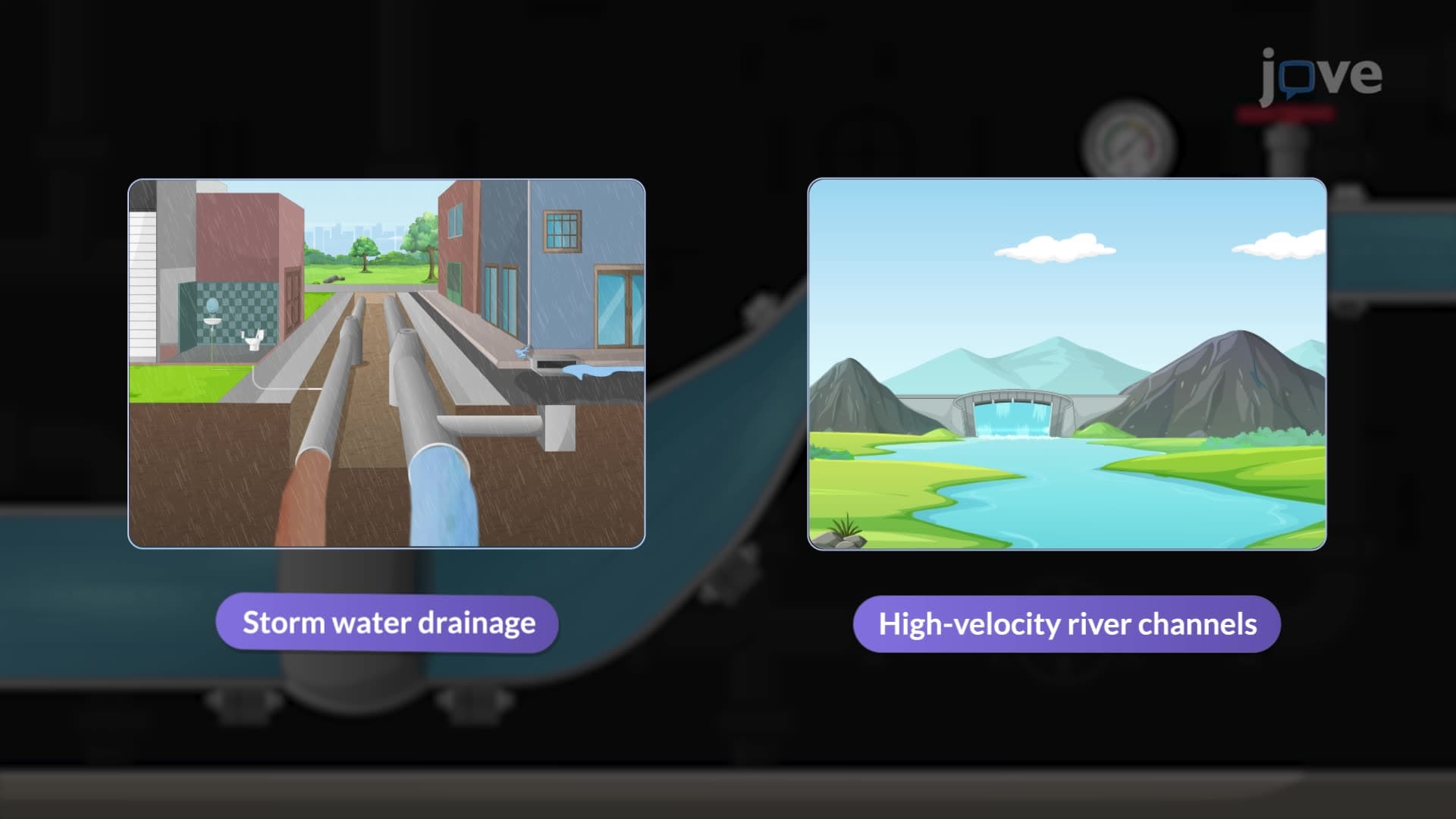
Stormwater management represents another critical application area. Houston's post-Hurricane Harvey flood control improvements incorporate continuity equation calculations to design detention basins that temporarily store excess runoff. The equation ensures that outflow rates match designed capacity limits, preventing downstream flooding while accommodating peak inflow rates during severe weather events.
Understanding the continuity equation provides essential preparation for advanced topics including Bernoulli's equation, friction losses, and pump system design. College engineering programs typically introduce this concept in introductory fluid mechanics courses, building toward more complex applications in senior-level hydraulic engineering and environmental systems design classes.
Related Micro-courses