Loading video…


 13 Concepts
 18.7K views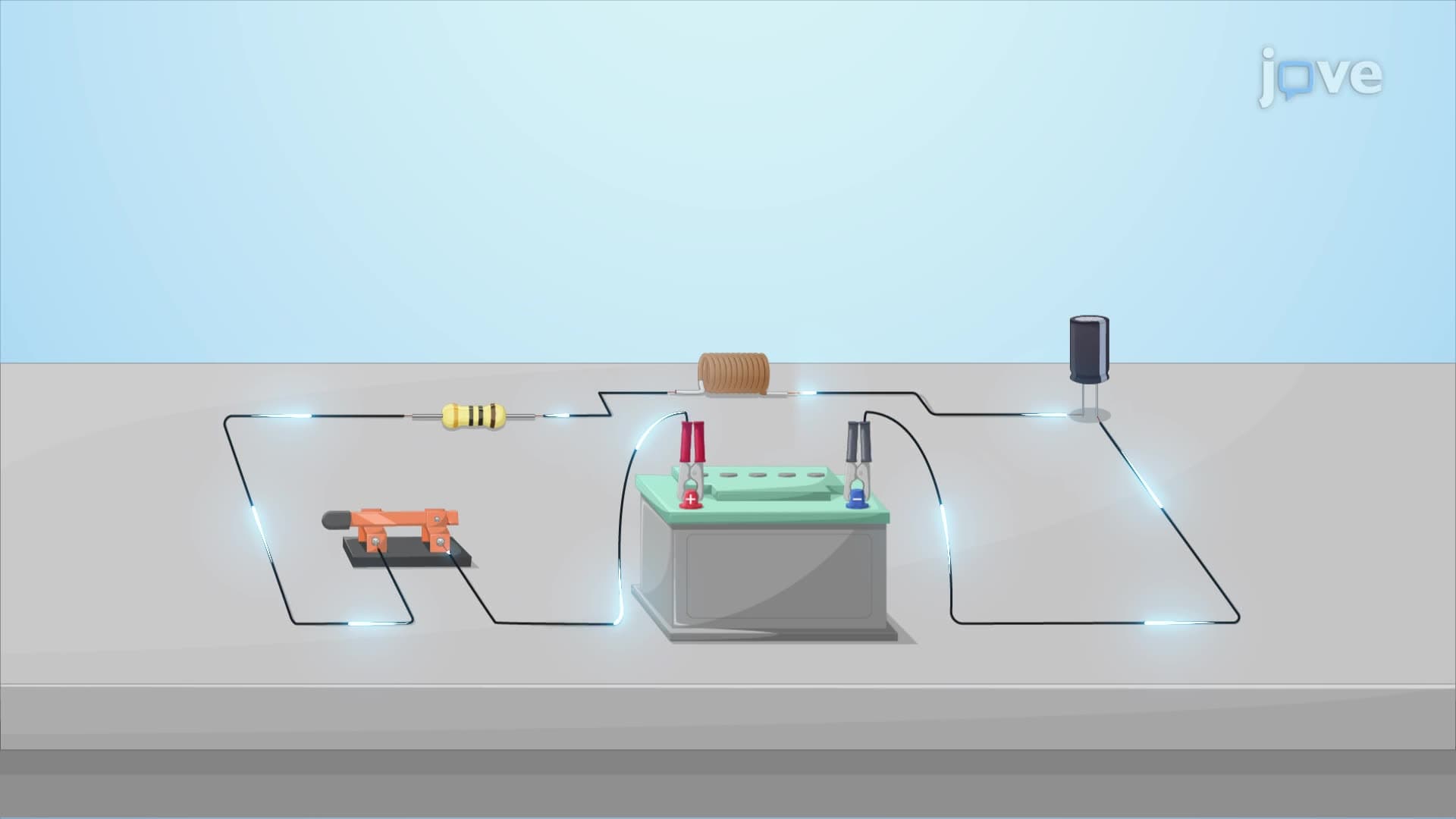

Video Summary: What are Second Order Circuits
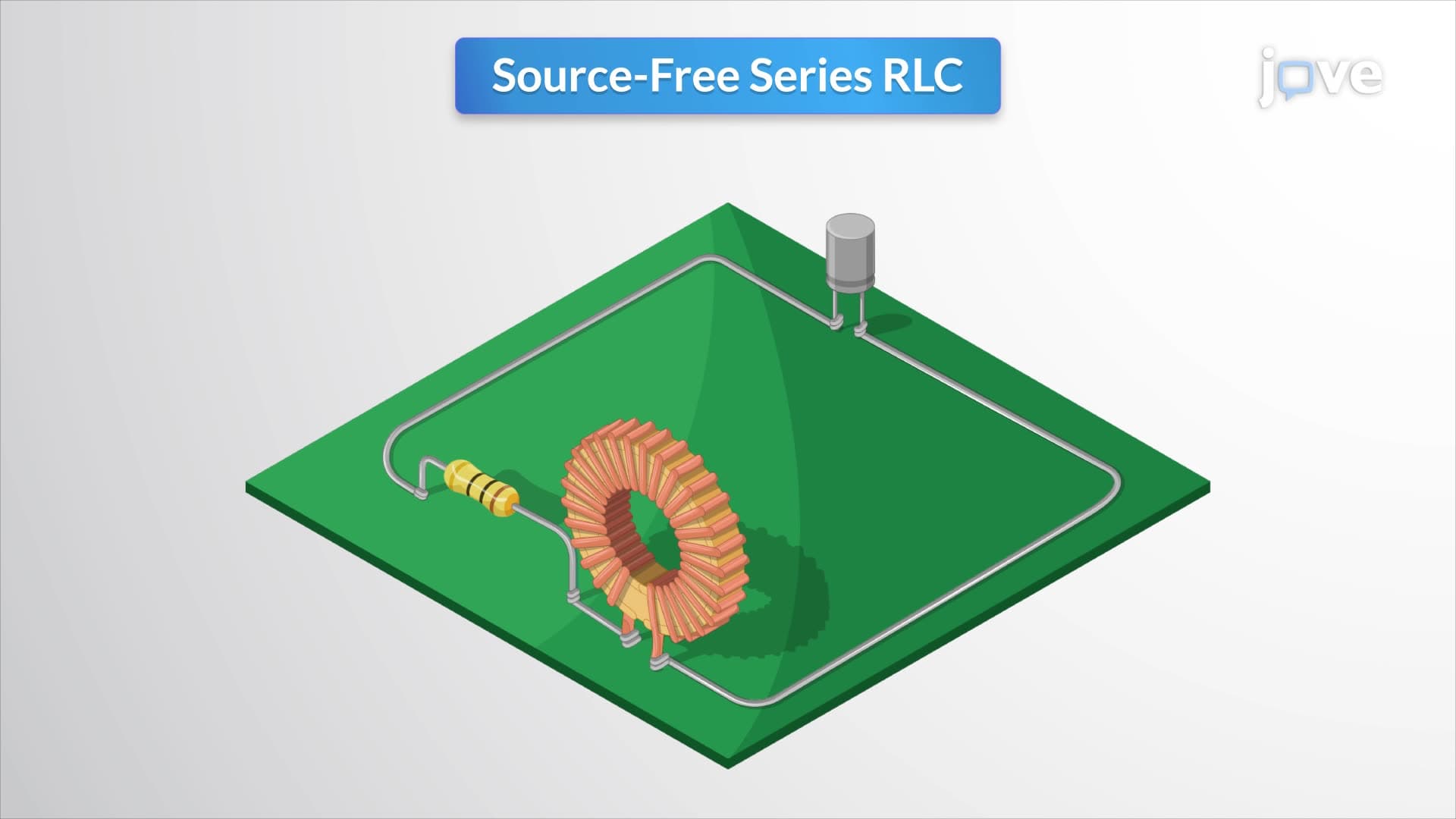
Ever wonder how your smartphone's charging circuit manages to deliver steady power despite fluctuating battery levels? A series RLC circuit without source demonstrates the fundamental energy storage principles behind such power management systems. These second-order circuits, found in everything from Tesla's regenerative braking systems to hospital defibrillators, store and exchange energy between capacitors and inductors through natural oscillations. Watch the full video on JoVE Coach to master this concept with expert-led visuals and step-by-step explanations.
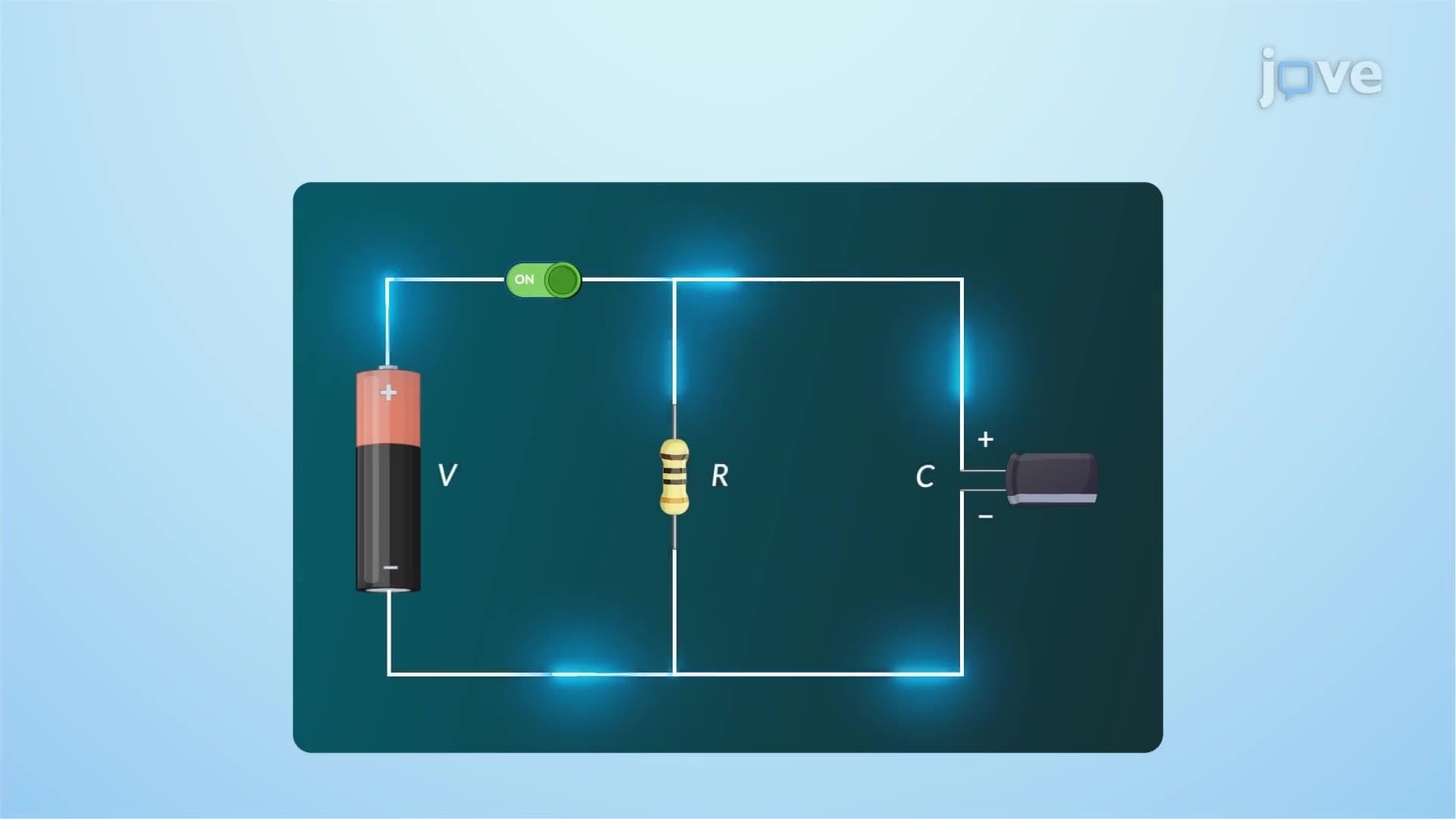
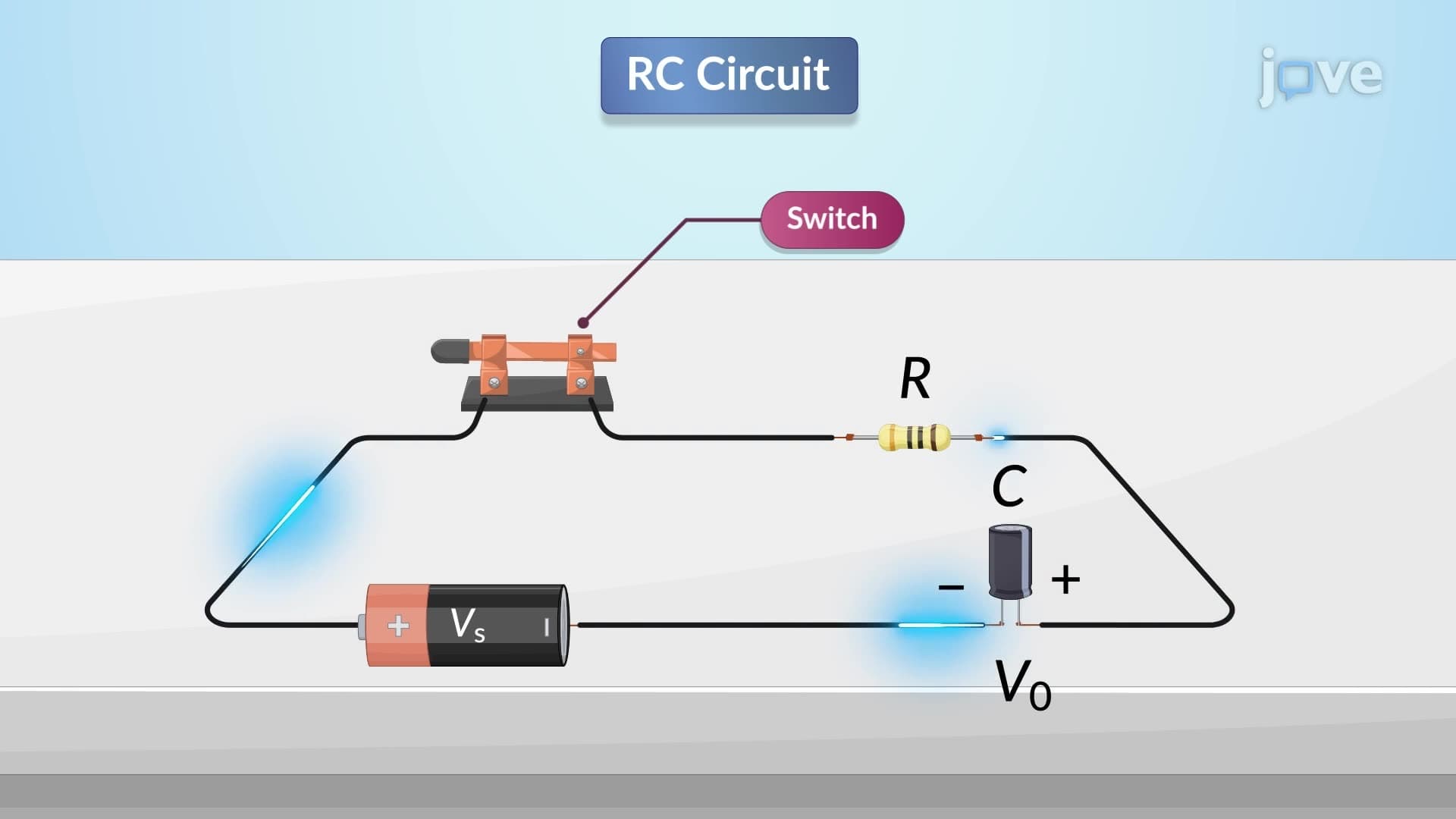
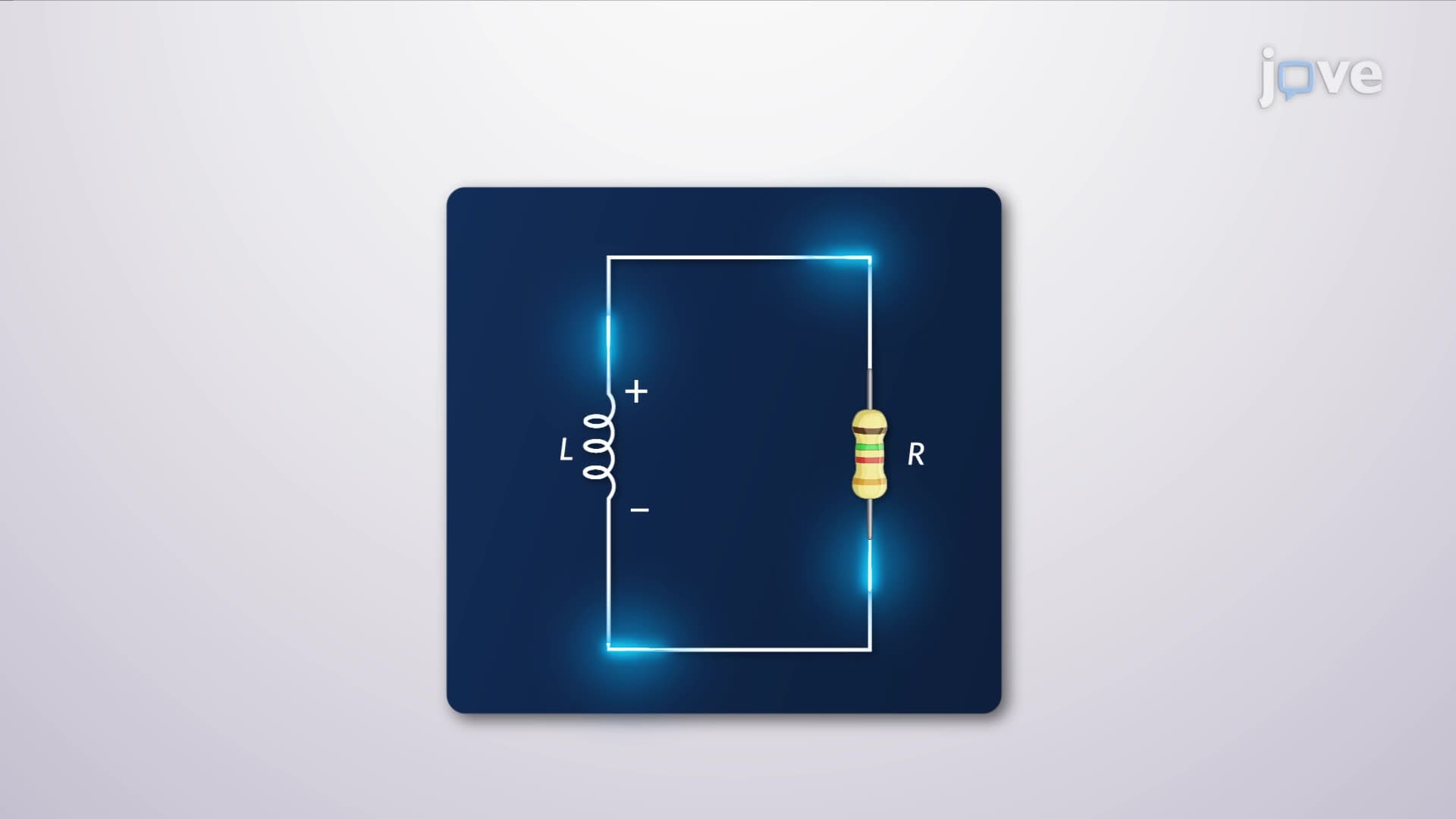
Second-order circuits represent a fundamental class of electrical networks containing exactly two independent energy storage elements-typically combinations of inductors (L) and capacitors (C). Unlike first-order RC or RL circuits with single energy storage components, second-order circuits exhibit more complex behavior characterized by oscillatory responses and energy exchange between storage elements.
The mathematical foundation rests on second-order differential equations, where the highest derivative term appears as d²/dt². For AP Physics C students, this connects directly to harmonic oscillator concepts in mechanics, making the circuit analysis more intuitive when viewed through energy conservation principles.
When analyzing a series RLC circuit without source, we examine the natural response after removing external voltage or current inputs. The circuit relies entirely on initial energy stored in the capacitor (½CV₀²) and inductor (½LI₀²). This scenario frequently appears on college midterm exams and AP Physics C: Electricity and Magnetism tests.
Consider a practical example: when lightning strikes near power lines, protective circuits momentarily isolate sections of the grid. The isolated RLC components then exhibit natural oscillations as stored energy dissipates through resistance-exactly the behavior we study in sourceless RLC analysis.
The damping coefficient (α = R/2L) determines how quickly oscillations decay. This parameter directly correlates with energy dissipation rates and appears prominently in MCAT physics sections. Three distinct behaviors emerge:
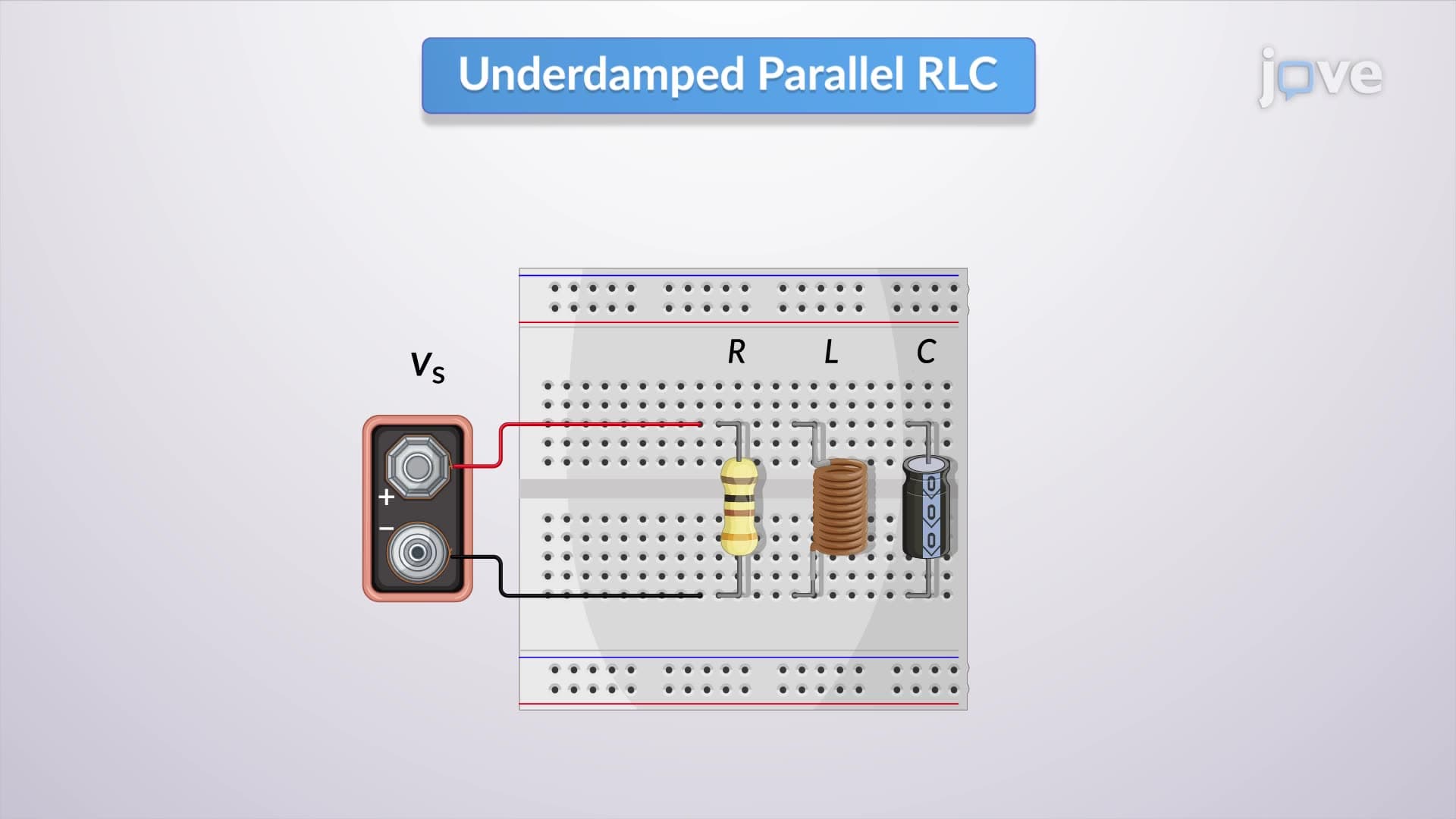
Underdamped systems (α < ω₀) produce oscillatory responses with exponentially decaying amplitude-like a guitar string gradually losing volume. Critically damped systems (α = ω₀) return to equilibrium fastest without overshooting, making them ideal for precision instruments. Overdamped systems (α > ω₀) approach equilibrium slowly without oscillation.
The natural frequency ω₀ = 1/√(LC) represents the oscillation frequency when resistance approaches zero. This concept proves crucial for understanding radio tuning circuits, where engineers deliberately design LC combinations to resonate at specific frequencies. AM radio stations like NPR (around 900 kHz) rely on precisely calculated LC values in receiver circuits to filter desired signals while rejecting interference.
For students preparing for electrical engineering courses at institutions like MIT or Stanford, mastering resonant frequency calculations provides essential groundwork for advanced topics including filter design and signal processing.
Related Micro-courses