Loading video…


 13 Concepts
 18.7K views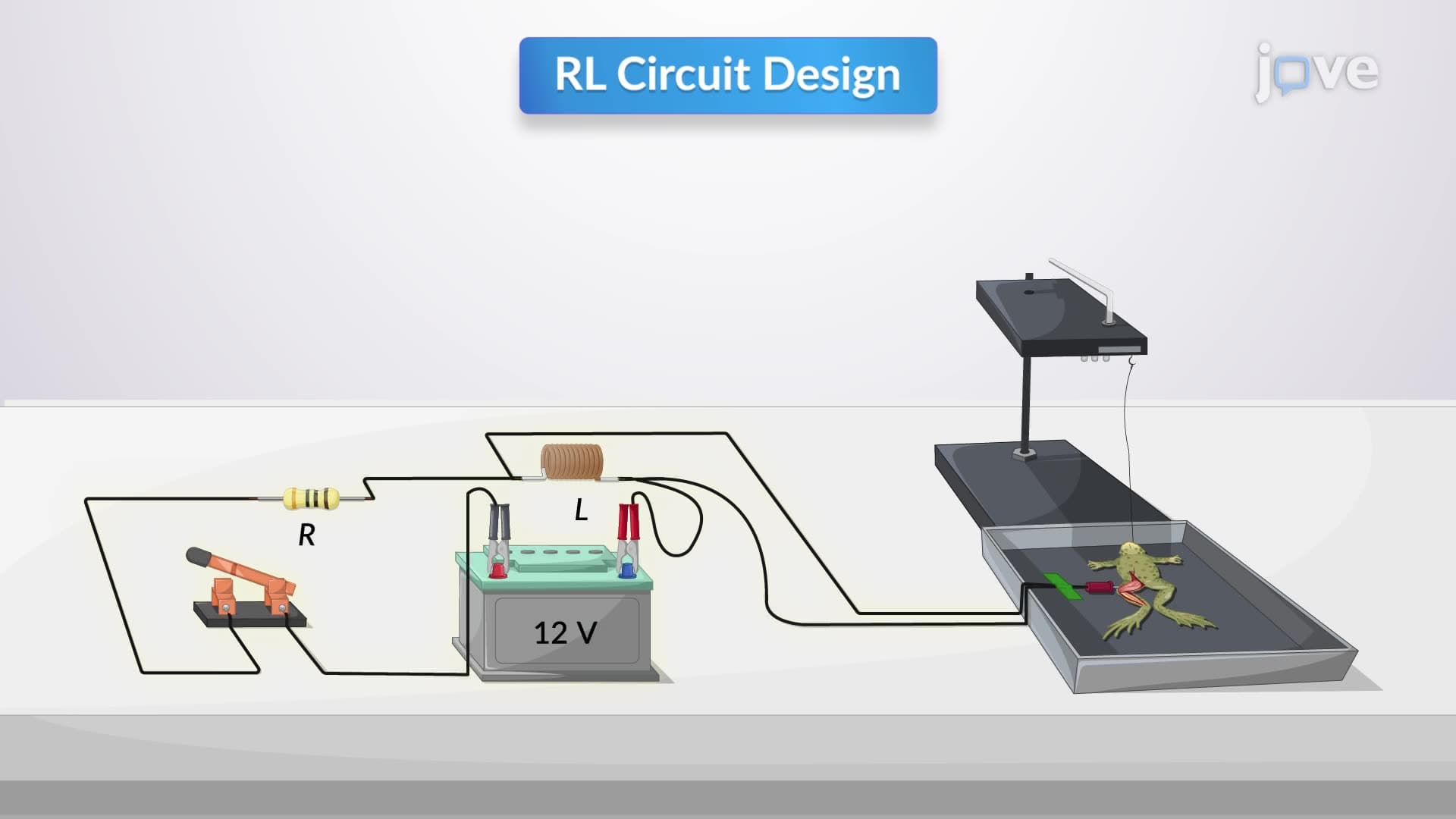

Video Summary: Design Example Frog Muscle Response Explained
Did you know that a frog's muscle can contract differently depending on how electrical current flows through it? Second order circuits help explain this fascinating biological response through precise electrical modeling. In biomedical engineering labs at universities like Johns Hopkins, researchers use similar RL circuit analysis to understand how electrical stimulation affects muscle tissue in prosthetic device development. The Design Example Frog Muscle Response Explained demonstrates how circuit theory applies to living systems through mathematical modeling and current analysis. Watch the full video on JoVE Coach to master this concept with expert-led visuals and step-by-step explanations.
The Design Example Frog Muscle Response Explained showcases how second order circuits model biological systems with remarkable precision. This example bridges electrical engineering principles with biomedical applications, demonstrating why circuit theory remains fundamental in modern healthcare technology development.
Second order circuits contain two energy-storage elements-typically capacitors and inductors-that create complex time-dependent behaviors. In this frog muscle example, the RL circuit represents one category of types of second order circuits commonly encountered in bioelectrical applications. When students ask what are second order circuits overview, this biological model provides an excellent starting point because it connects abstract mathematical concepts to observable physiological responses.
The circuit operates in two distinct phases: switch-closed and switch-opened conditions. During the closed-switch phase, the inductor acts as a short circuit at steady state, directing current through the 60-ohm external resistor while causing only mild muscle contraction. This represents the circuit's steady-state behavior, where energy storage elements have reached equilibrium.
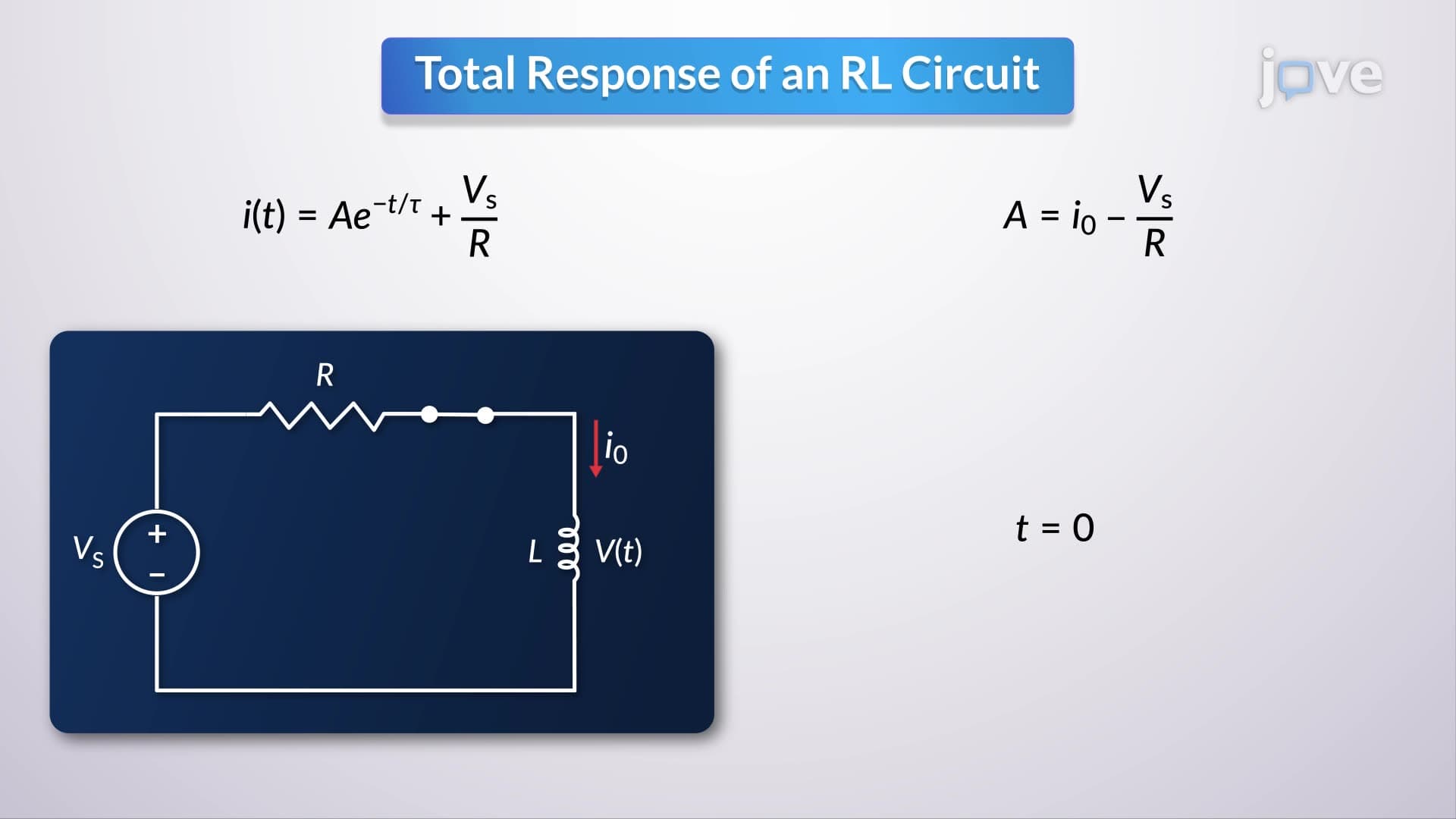
When the switch opens, the circuit transforms into a source-free RL configuration, triggering sustained muscle activity for 0.01 seconds. This transition exemplifies the transient response characteristic of second order circuits. The time constant τ = L/R becomes crucial for determining current decay patterns, directly correlating with the duration of muscle stimulation.
Students preparing for AP Physics or college-level circuits courses frequently encounter similar problems on exams. The mathematical analysis involves exponential decay functions, where current follows the pattern i(t) = i(0) × e^(-t/τ). Understanding this relationship proves essential for MCAT preparation, particularly in biophysics sections covering bioelectrical phenomena.
This second order circuits study guide concept appears extensively in medical device development across the United States. Companies like Medtronic and Boston Scientific apply similar circuit analysis principles when designing cardiac pacemakers, neurostimulators, and muscle rehabilitation devices. The precise control of electrical current timing and amplitude directly impacts patient safety and treatment effectiveness.
Engineering students at institutions like MIT and Stanford regularly analyze comparable biological circuit models in their biomedical engineering coursework. These problems appear on college midterm exams, requiring students to combine circuit theory with biological understanding to solve complex medical device challenges.
Related Micro-courses