Loading video…


 13 Concepts
 18.7K views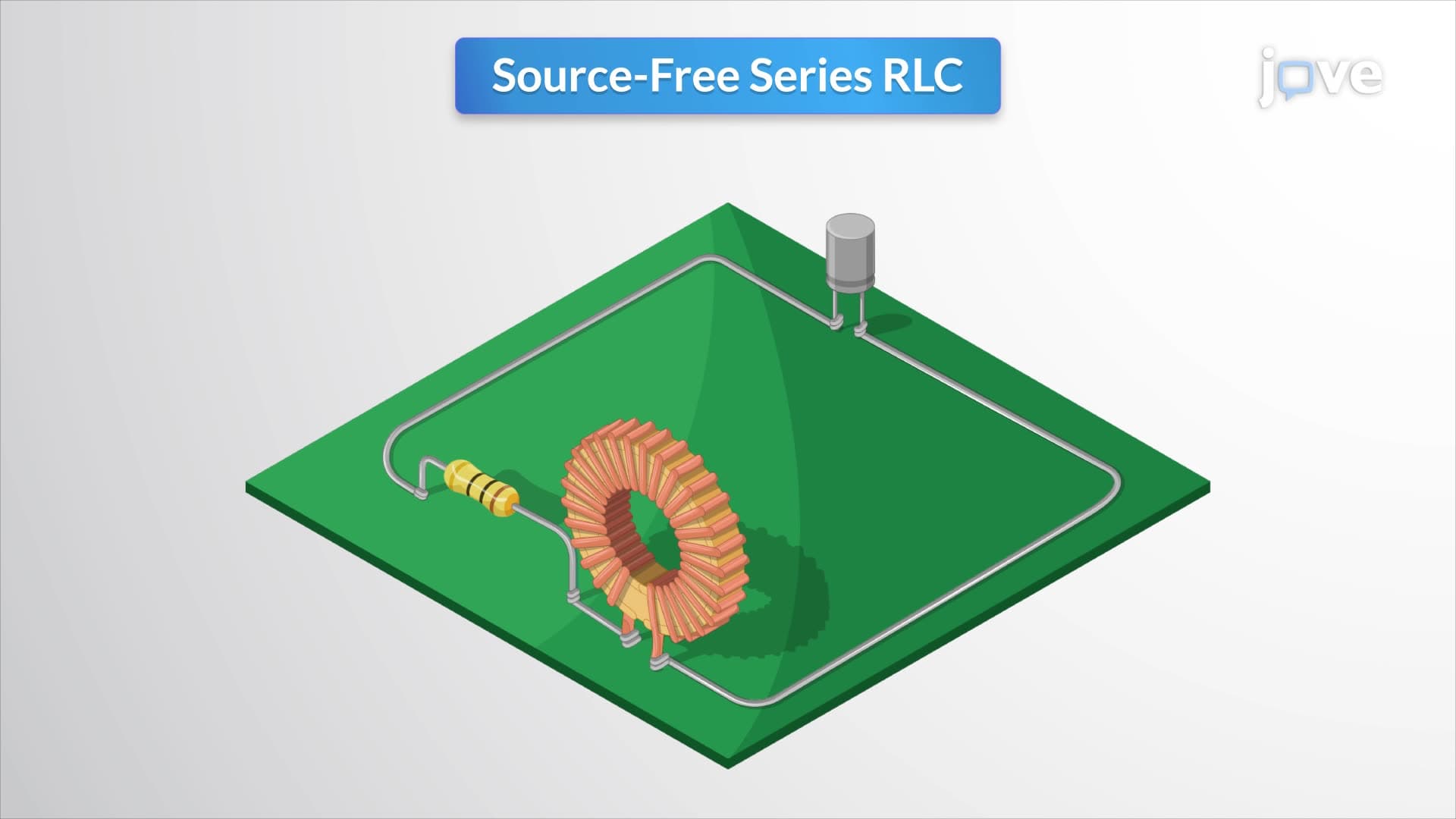

Video Summary: Series Rlc Circuit Without Source Explained
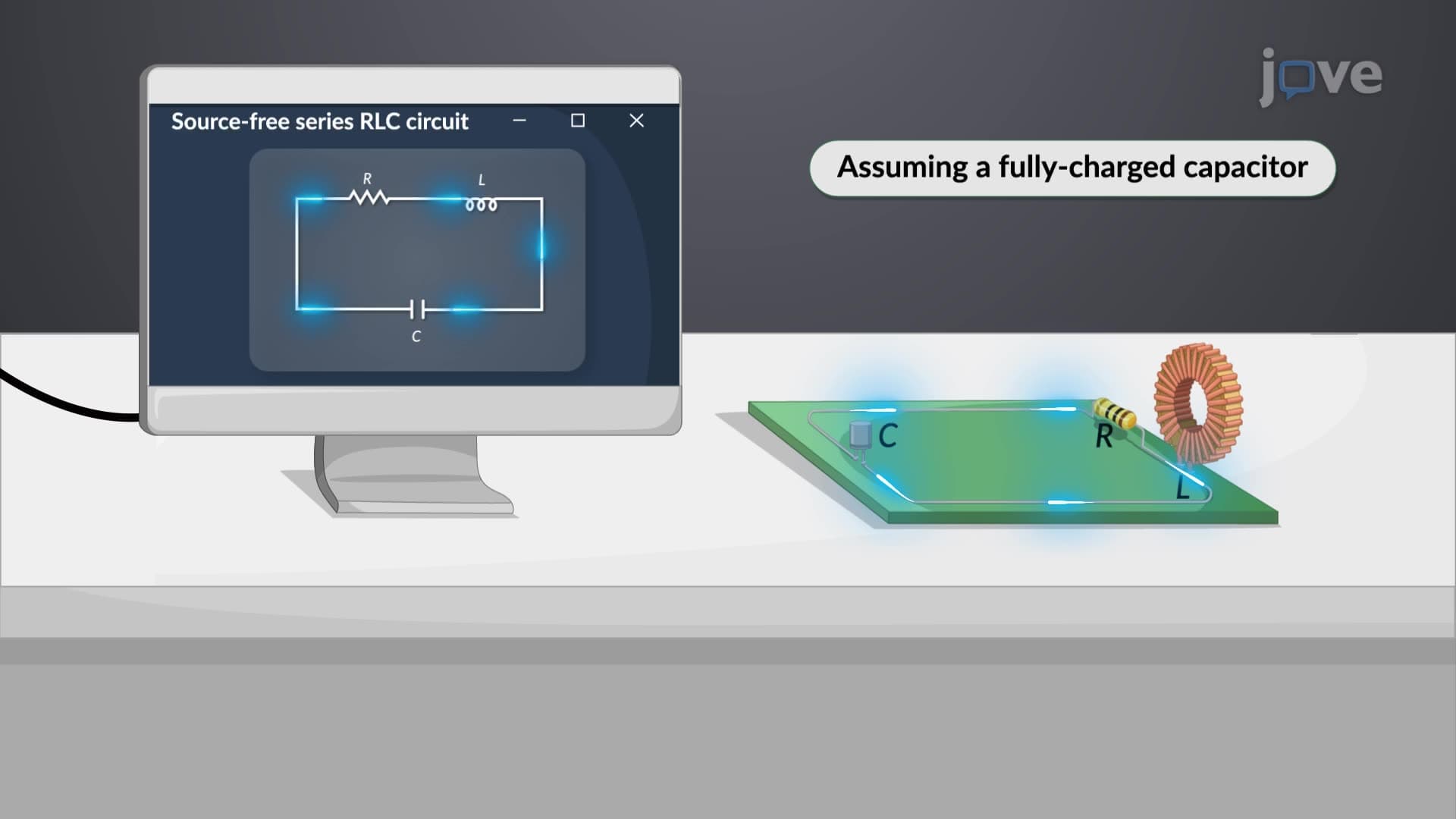
Ever wonder why your smartphone's battery eventually drains even when it's turned off? The types of responses of source-free RLC circuits explain this phenomenon perfectly. When electronic devices like cardiac pacemakers or Tesla's regenerative braking systems operate without external power, they exhibit distinct behavioral patterns based on their internal resistance, inductance, and capacitance values. A Series RLC Circuit Without Source Explained demonstrates how energy stored in capacitors and inductors creates three fundamental response types: overdamped, critically damped, and underdamped oscillations. Watch the full video on JoVE Coach to master this concept with expert-led visuals and step-by-step explanations.
A source-free RLC circuit represents one of electrical engineering's most elegant examples of natural system behavior. Unlike circuits powered by batteries or AC sources, these systems rely entirely on energy initially stored in their reactive components-capacitors and inductors. This concept appears frequently in AP Physics C exams and introductory college electrical engineering courses, making it essential for students pursuing STEM careers.
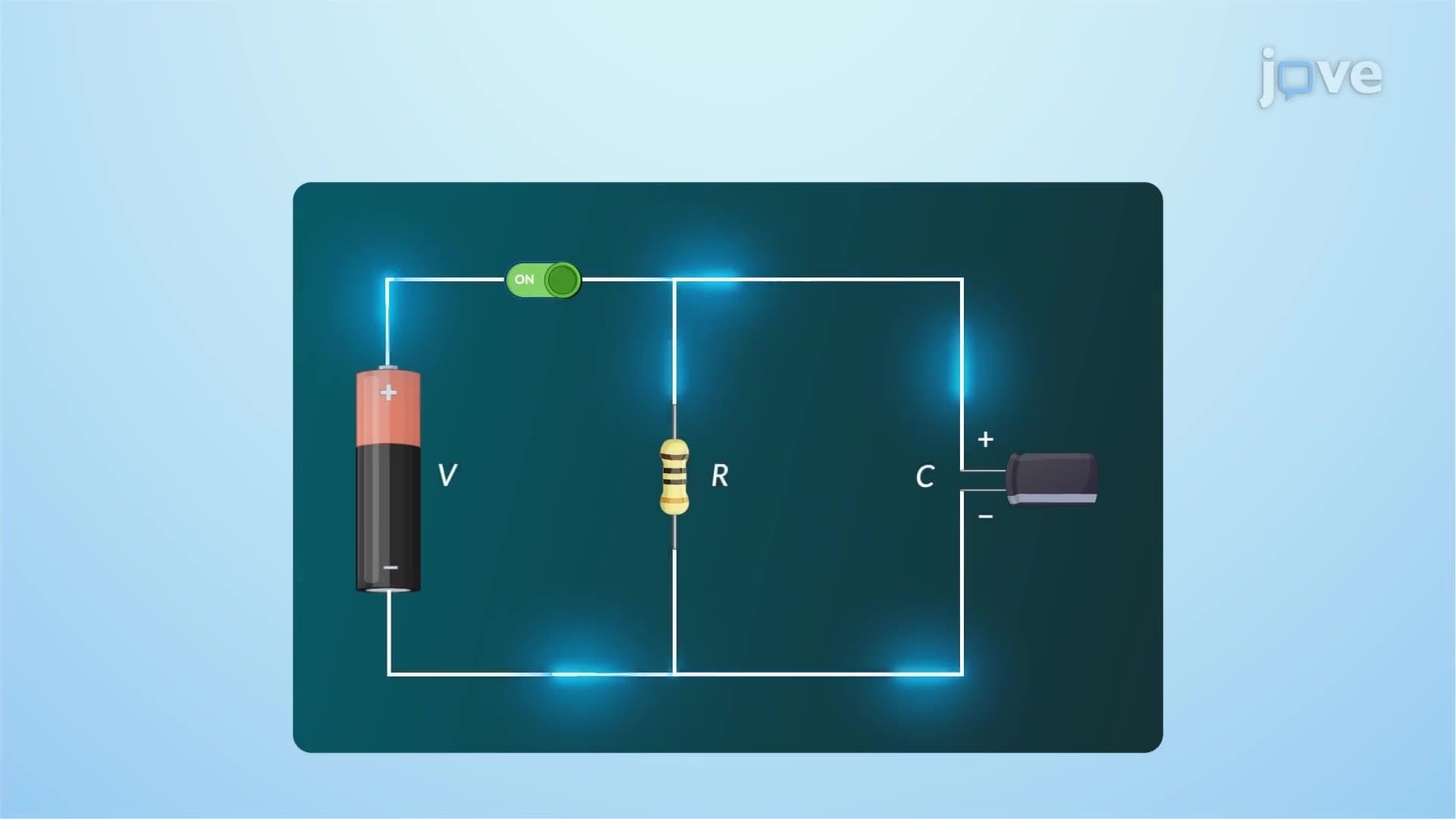
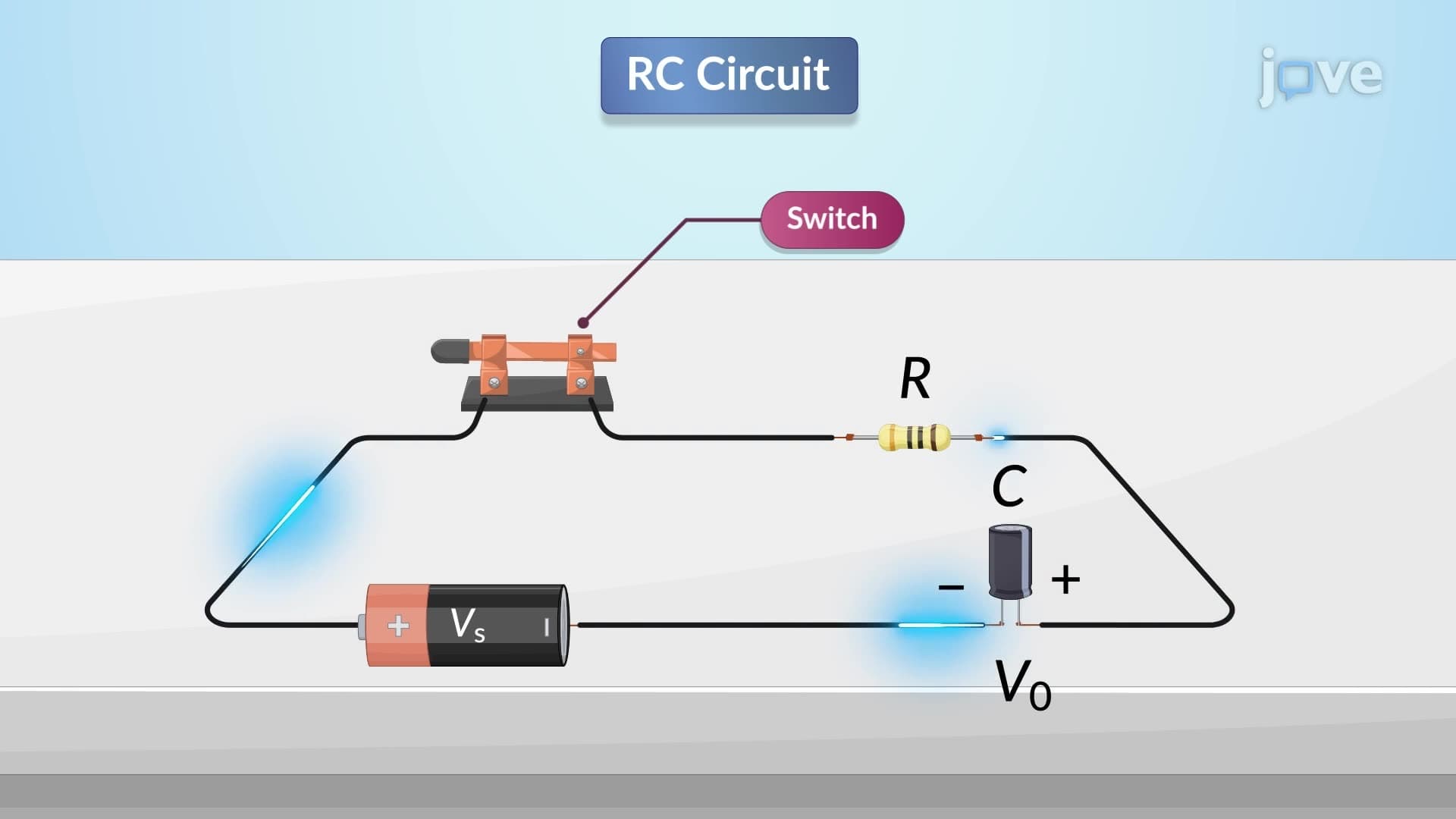
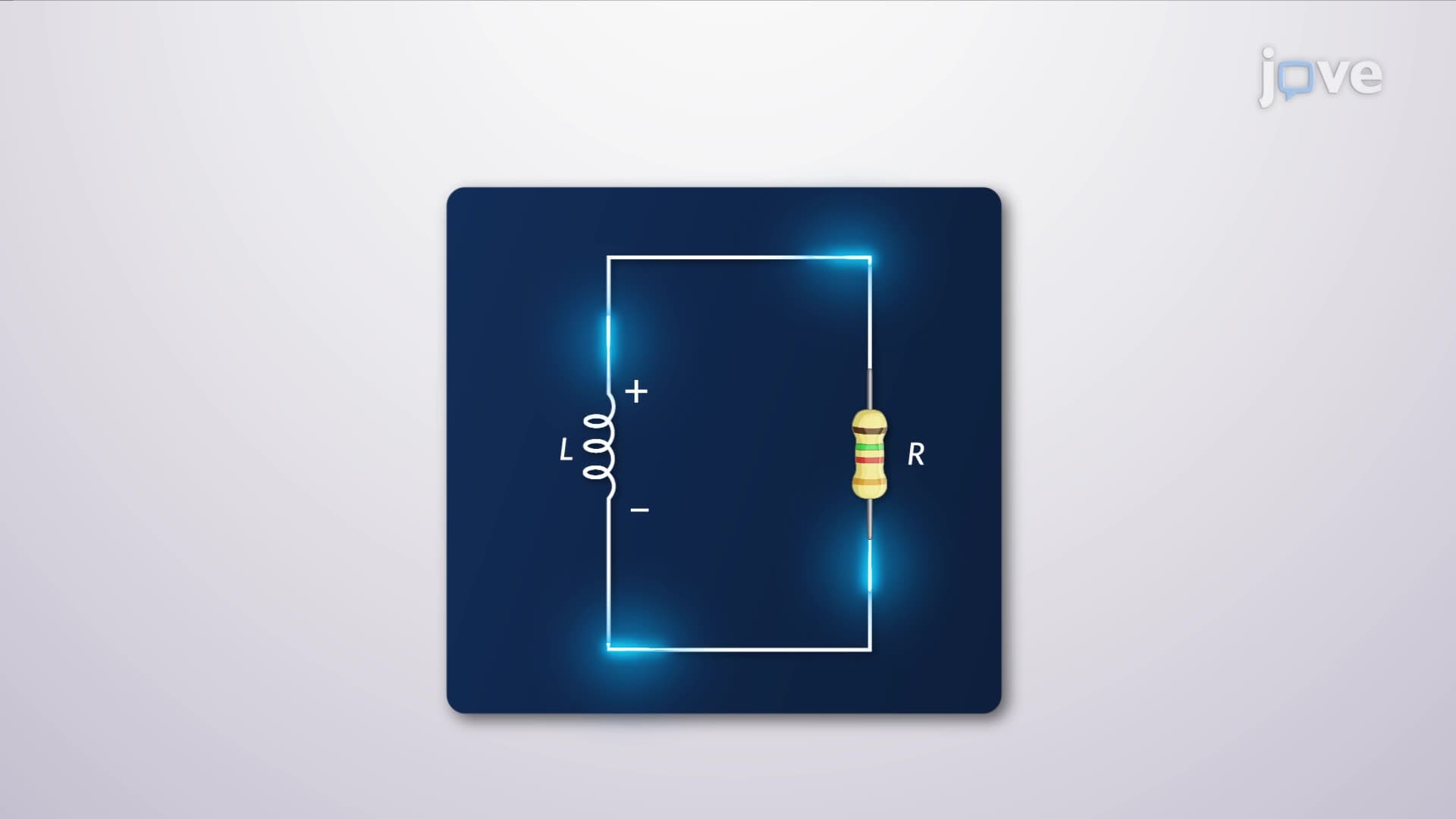
The circuit's behavior emerges from the fundamental relationship between three components: resistance (R) dissipates energy as heat, inductance (L) stores energy in magnetic fields, and capacitance (C) stores energy in electric fields. When external power disappears, these stored energies create the circuit's natural response.
The circuit's governing equation-a second-order linear differential equation-reveals why engineers classify responses into three distinct categories. The characteristic equation's discriminant determines which types of responses of behavior the system exhibits.
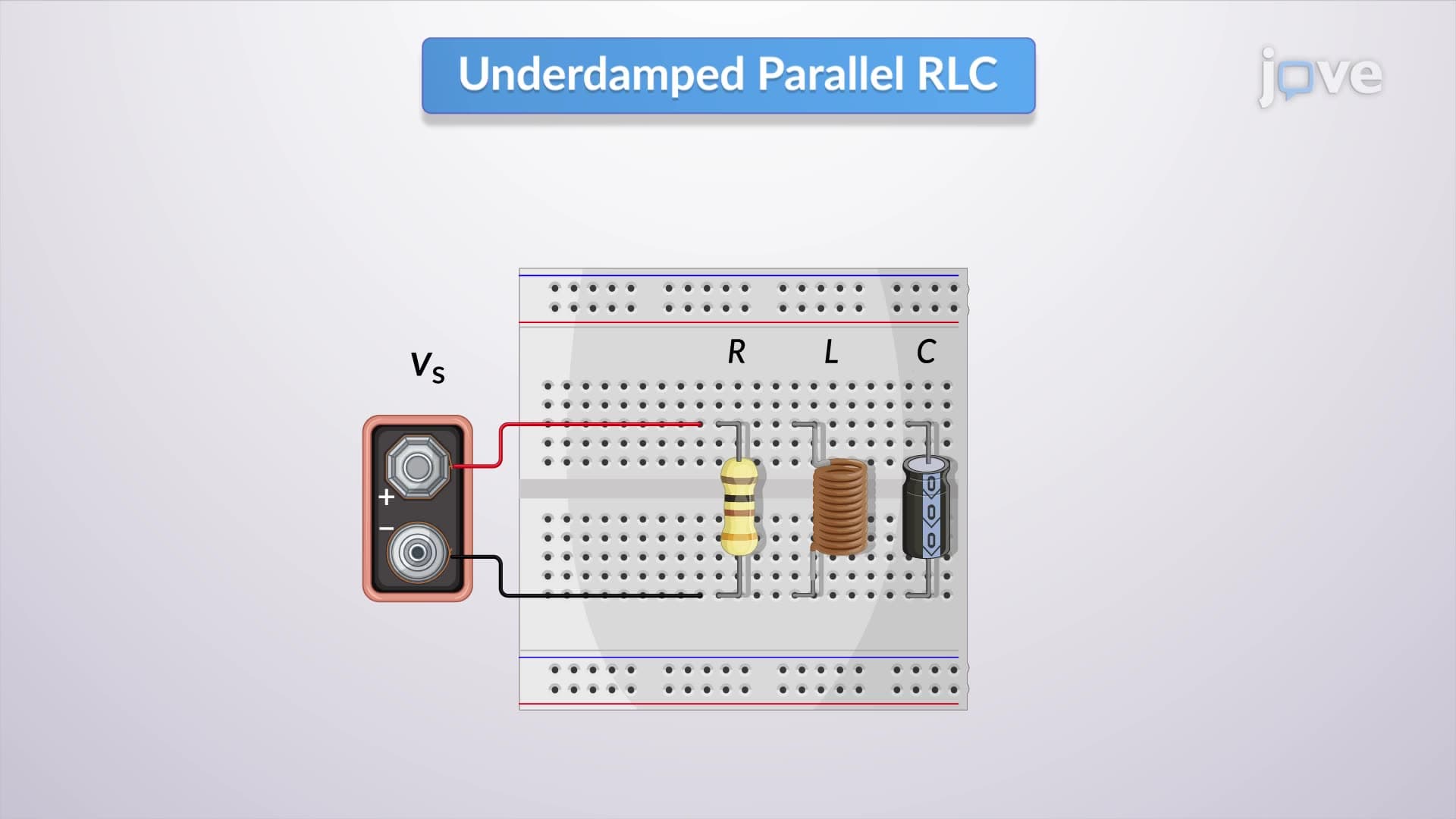
The damping factor α = R/(2L) and resonant frequency ω₀ = 1/√(LC) serve as the mathematical keys. When α > ω₀, the system exhibits overdamped response with two distinct real roots, causing slow, non-oscillatory decay-like a car's shock absorber preventing bounce. Critical damping occurs when α = ω₀, producing the fastest possible return to equilibrium without oscillation, optimal for precision instruments. Underdamped response (α < ω₀) creates oscillatory behavior with exponential decay, commonly seen in radio circuits and mechanical systems.
Understanding types of responses of source-free circuits proves crucial in numerous American industries. Tesla's regenerative braking systems use underdamped RLC behavior to efficiently capture kinetic energy. Medical devices like implantable cardioverter defibrillators rely on critically damped circuits to deliver precise electrical pulses to patients' hearts. Even household electronics benefit-your smartphone's wireless charging system uses carefully tuned RLC circuits to maximize power transfer efficiency.
Students encounter these concepts on standardized tests including AP Physics C: Electricity and Magnetism, MCAT Physical Sciences, and college electrical engineering midterms. Success requires memorizing the three damping conditions and practicing root classification techniques. Focus on identifying circuit parameters, calculating α and ω₀ values, and predicting long-term behavior patterns.
Related Micro-courses