Loading video…


 13 Concepts
 18.7K views

Video Summary: Second Order Op Amp Circuits Explained
Ever wonder how your iPhone's noise-canceling headphones eliminate background chatter during flights? The secret lies in sophisticated design example underdamped parallel RLC circuit configurations that power advanced audio filtering systems. Major US audio companies like Bose and Apple rely on Second Order Op AMP Circuits Explained principles to create crystal-clear sound experiences. These circuits use operational amplifiers with dual energy storage elements to achieve precise frequency response control in everything from medical equipment to automotive sound systems. Watch the full video on JoVE Coach to master this concept with expert-led visuals and step-by-step explanations.
Second Order Op AMP Circuits Explained represent a crucial advancement beyond basic first-order systems, incorporating two energy storage elements (typically capacitors) that create complex frequency-dependent behaviors. Unlike simple RC circuits, these configurations produce second-order differential equations that govern circuit response, making them invaluable for applications requiring precise frequency selectivity.
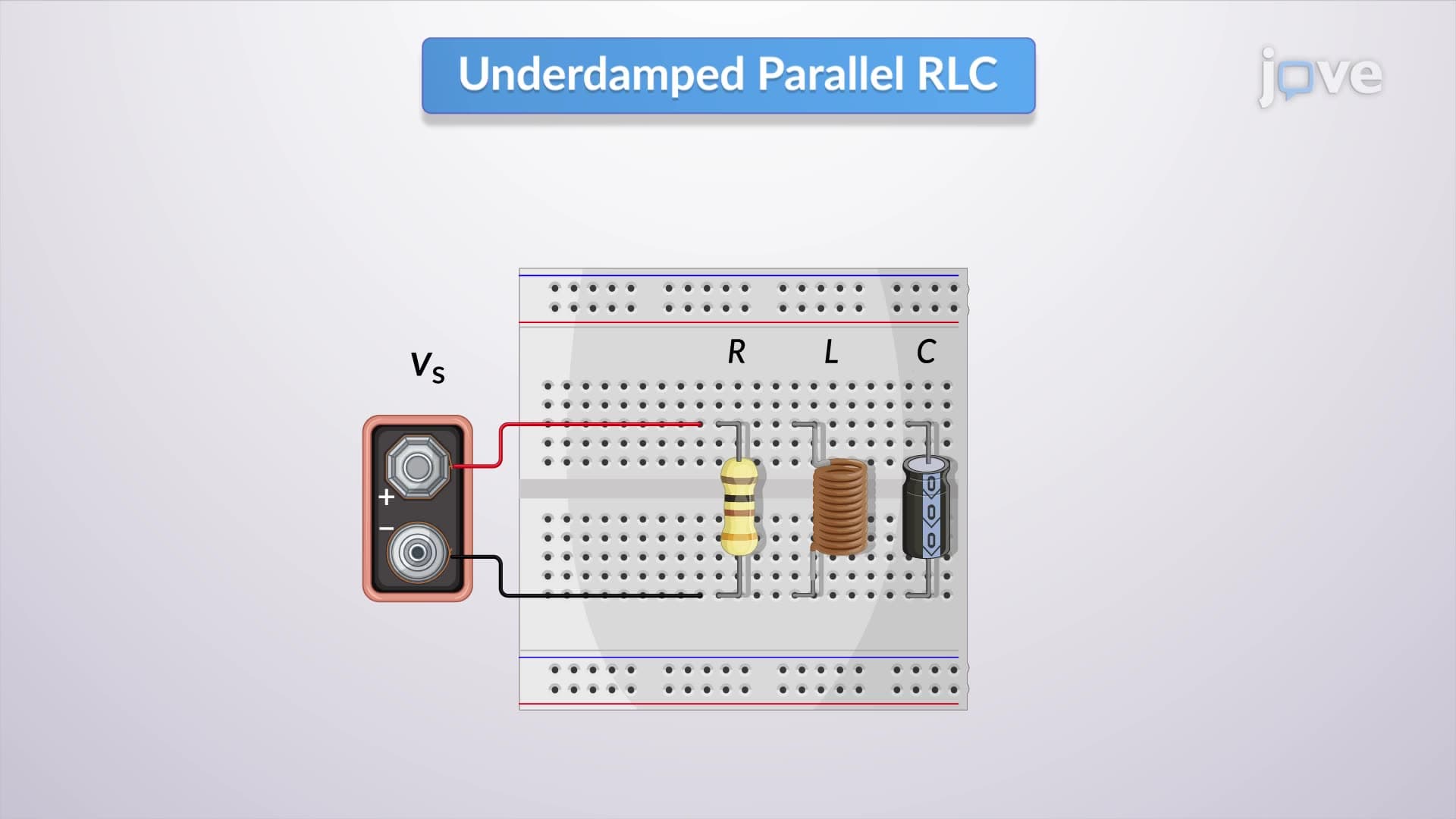
The mathematical foundation centers on applying Kirchhoff's current law at critical circuit nodes. When analyzing a design example underdamped parallel RLC circuit with operational amplifiers, engineers must account for current contributions from both capacitive elements and resistive paths. This analysis yields coupled differential equations where the voltage across the feedback capacitor relates directly to resistor voltage minus the secondary capacitor voltage.
The transient response characteristics determine how circuits behave during power-up, signal transitions, or disturbances. In design example underdamped parallel RLC circuit tutorial scenarios, three distinct response types emerge based on component values and circuit topology.
Overdamped responses occur when the circuit returns to steady-state gradually without oscillation-ideal for applications like precision medical instrumentation where stability is paramount. Companies like Medtronic utilize these characteristics in pacemaker circuits. Critically damped responses provide the fastest return to steady-state without overshoot, making them perfect for automotive control systems where rapid, stable response is essential.
Underdamped responses exhibit controlled oscillations before settling, which can be beneficial in applications requiring resonant behavior, such as wireless communication circuits used by companies like Qualcomm and Intel.
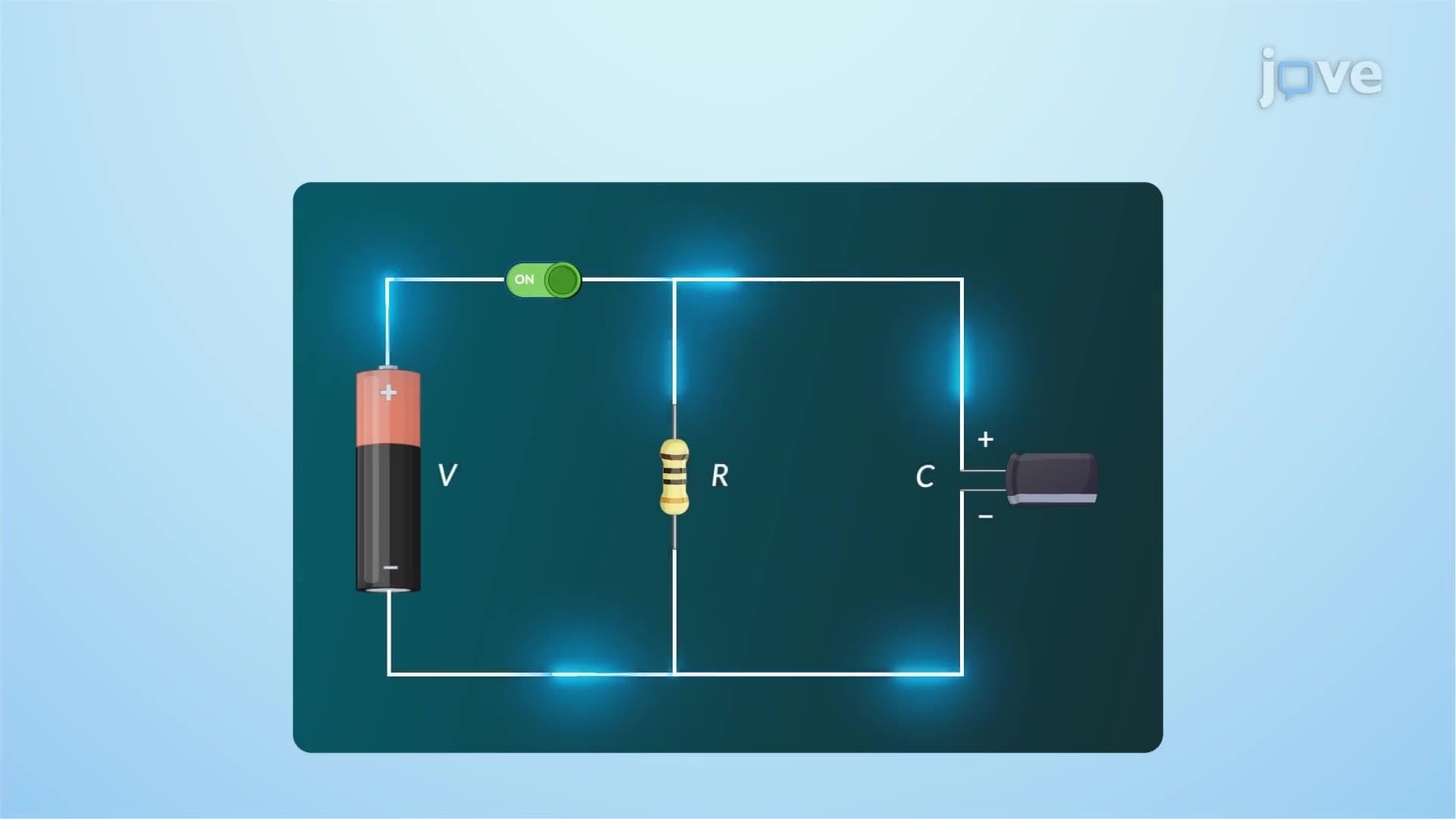
Understanding how design example underdamped parallel RLC circuit works in steady-state conditions reveals why these circuits excel in filtering applications. When circuits reach steady-state with DC inputs, capacitors effectively become open circuits, preventing current flow through resistive elements. This behavior ensures that the output voltage precisely matches the input voltage, creating unity gain characteristics essential for buffer applications.
This principle appears frequently on AP Physics C exams and college-level circuit analysis courses, where students must recognize that steady-state analysis simplifies complex circuits by eliminating reactive components.
Major US technology companies leverage these principles extensively. Texas Instruments incorporates second-order op-amp circuits in their precision analog products used in aerospace applications. Similarly, Analog Devices utilizes these concepts in automotive sensor interfaces and industrial automation systems.
Students preparing for the MCAT or engineering coursework encounter these circuits in biomedical instrumentation contexts, where precise signal conditioning is crucial for devices like EKG machines and patient monitoring systems used in hospitals across the United States.
Related Micro-courses