Loading video…


 13 Concepts
 18.7K views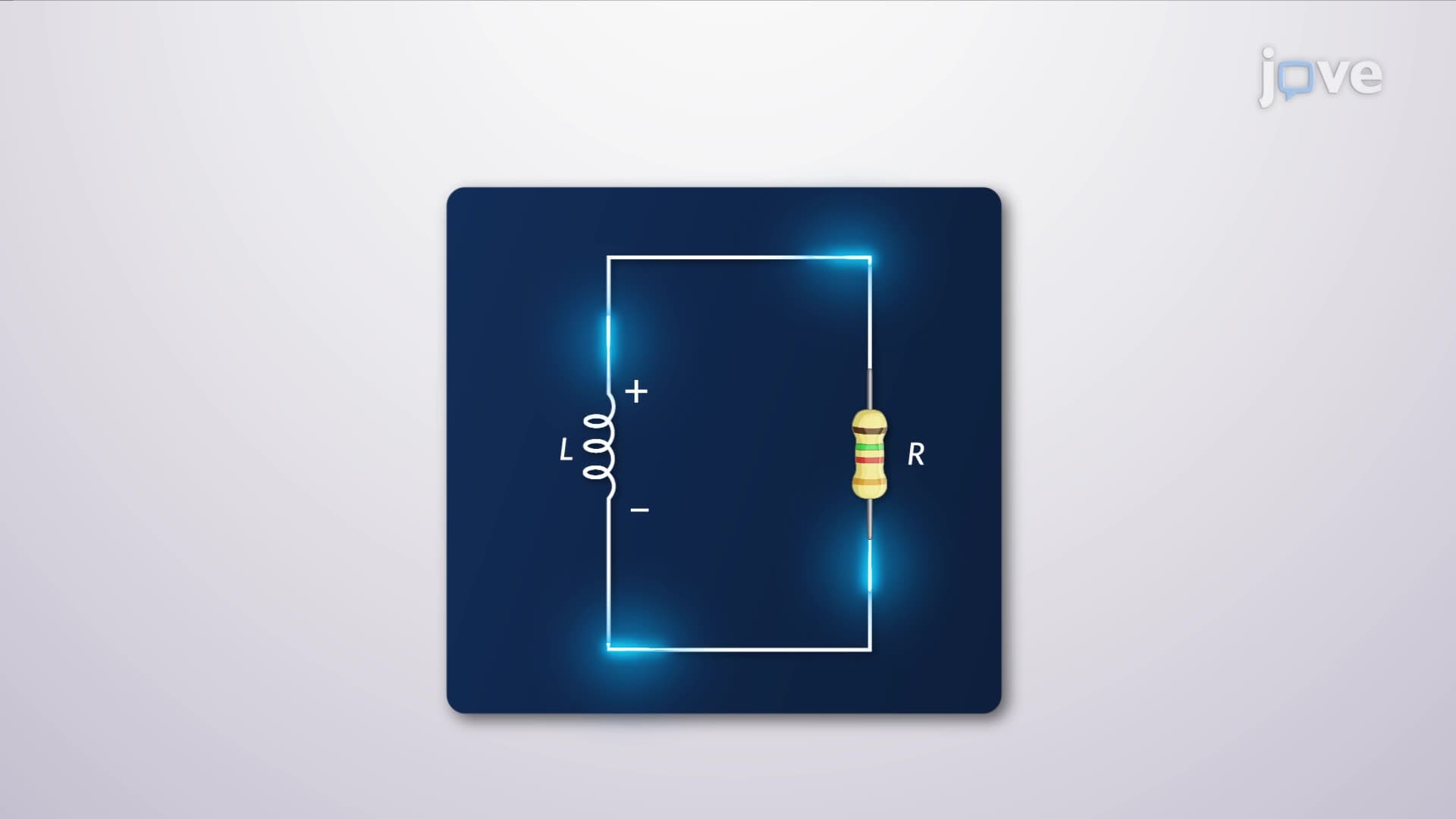

Video Summary: What Is Rl Circuit Without Source
Ever wonder why your car's headlights dim slowly after you turn off the engine? An RL circuit without source demonstrates this exact phenomenon through electromagnetic energy storage and release. When a DC power supply suddenly disconnects from a resistor-inductor circuit, the stored magnetic energy in the inductor creates a decaying current that follows predictable exponential patterns. This concept appears frequently in automotive electrical systems, where inductors in ignition coils gradually release stored energy. Watch the full video on JoVE Coach to master this concept with expert-led visuals and step-by-step explanations.
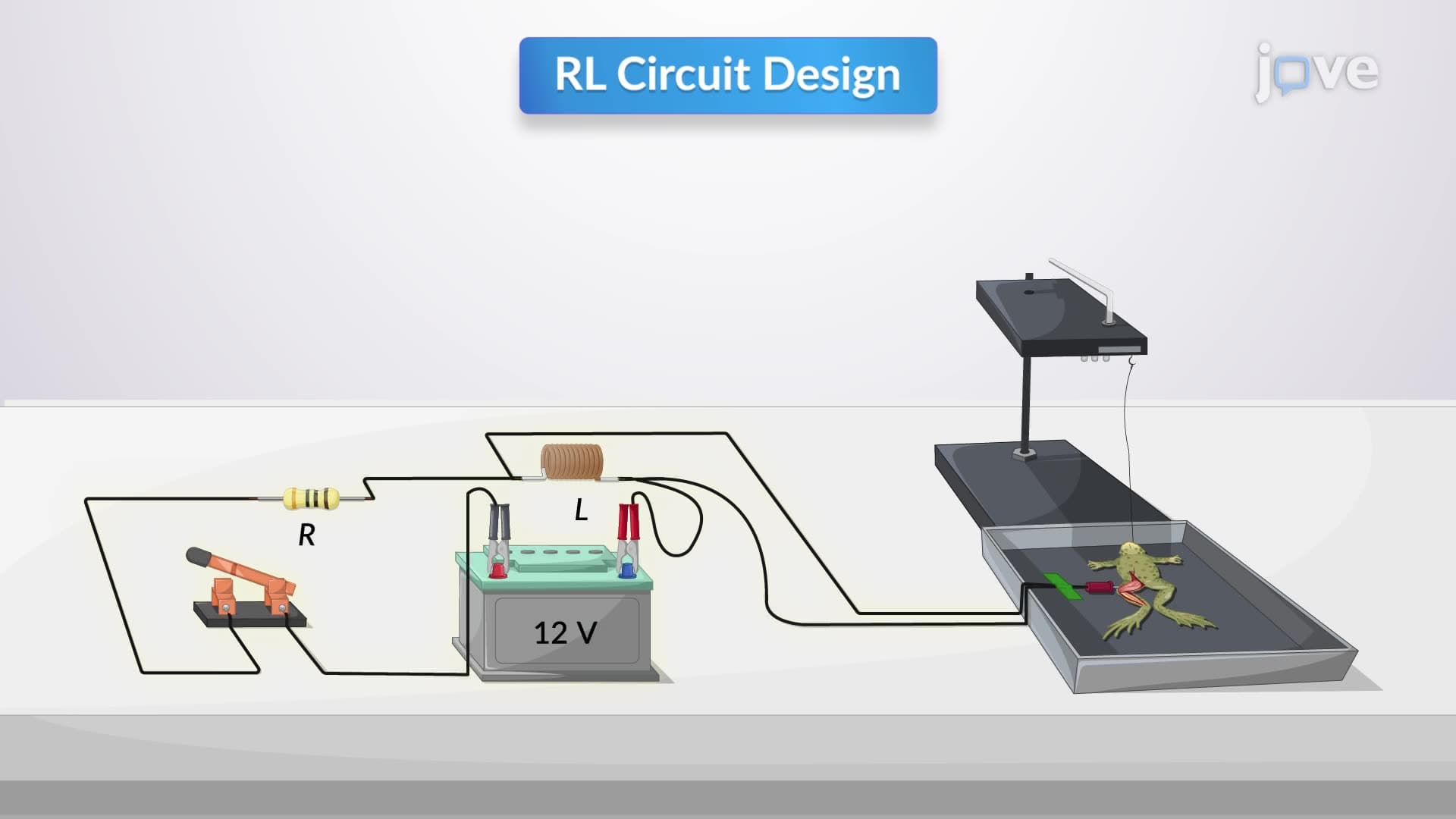
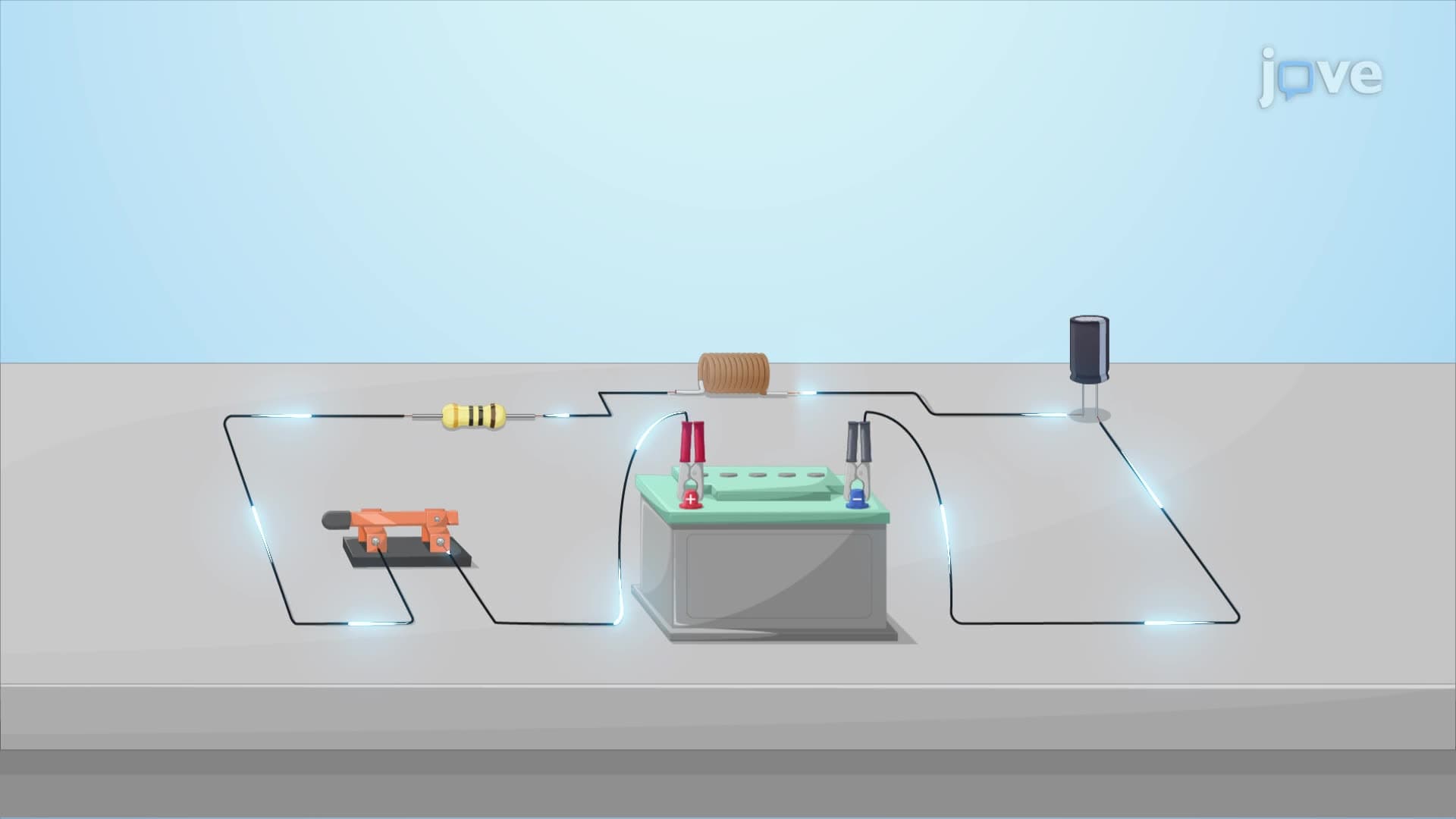
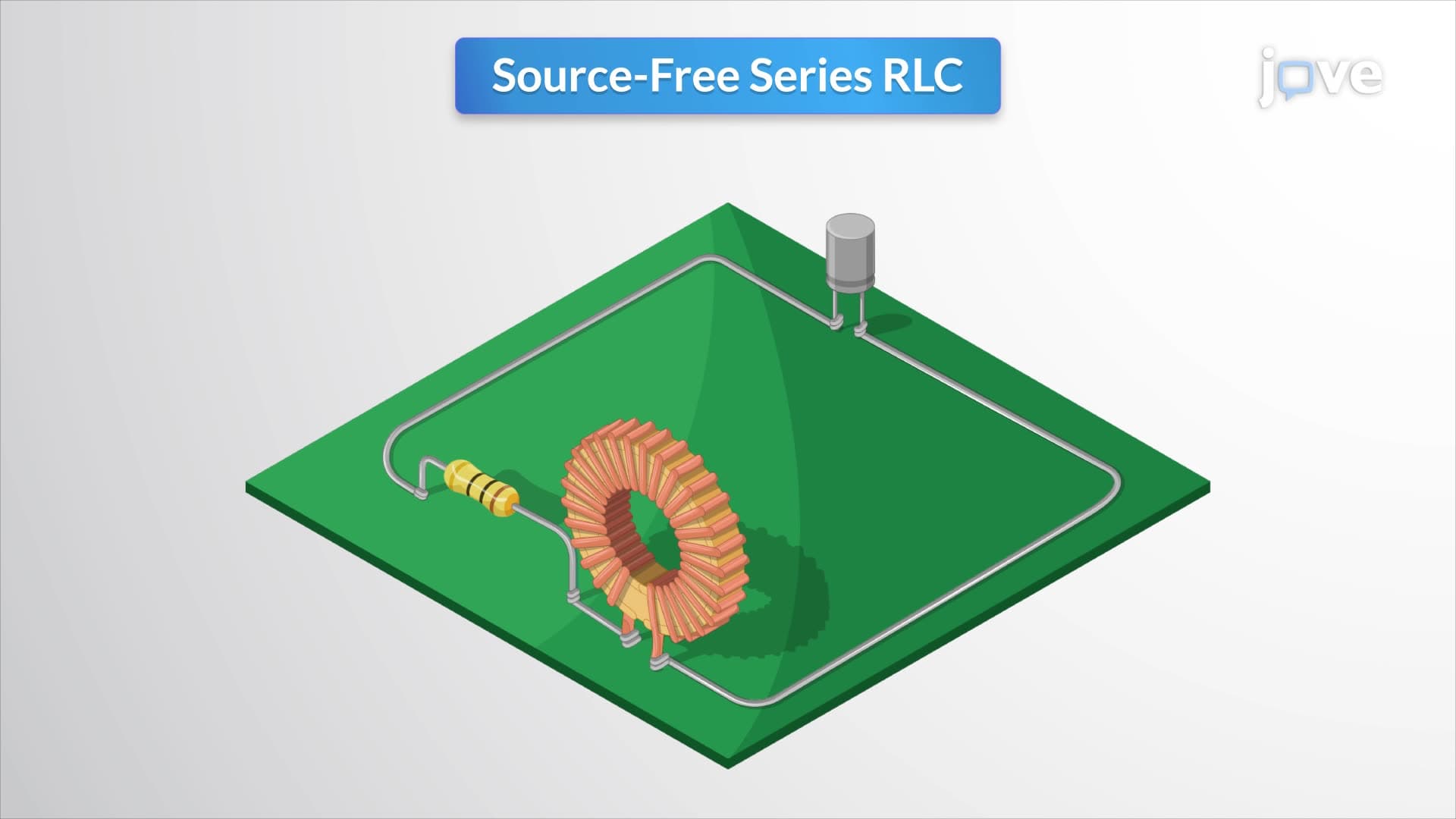
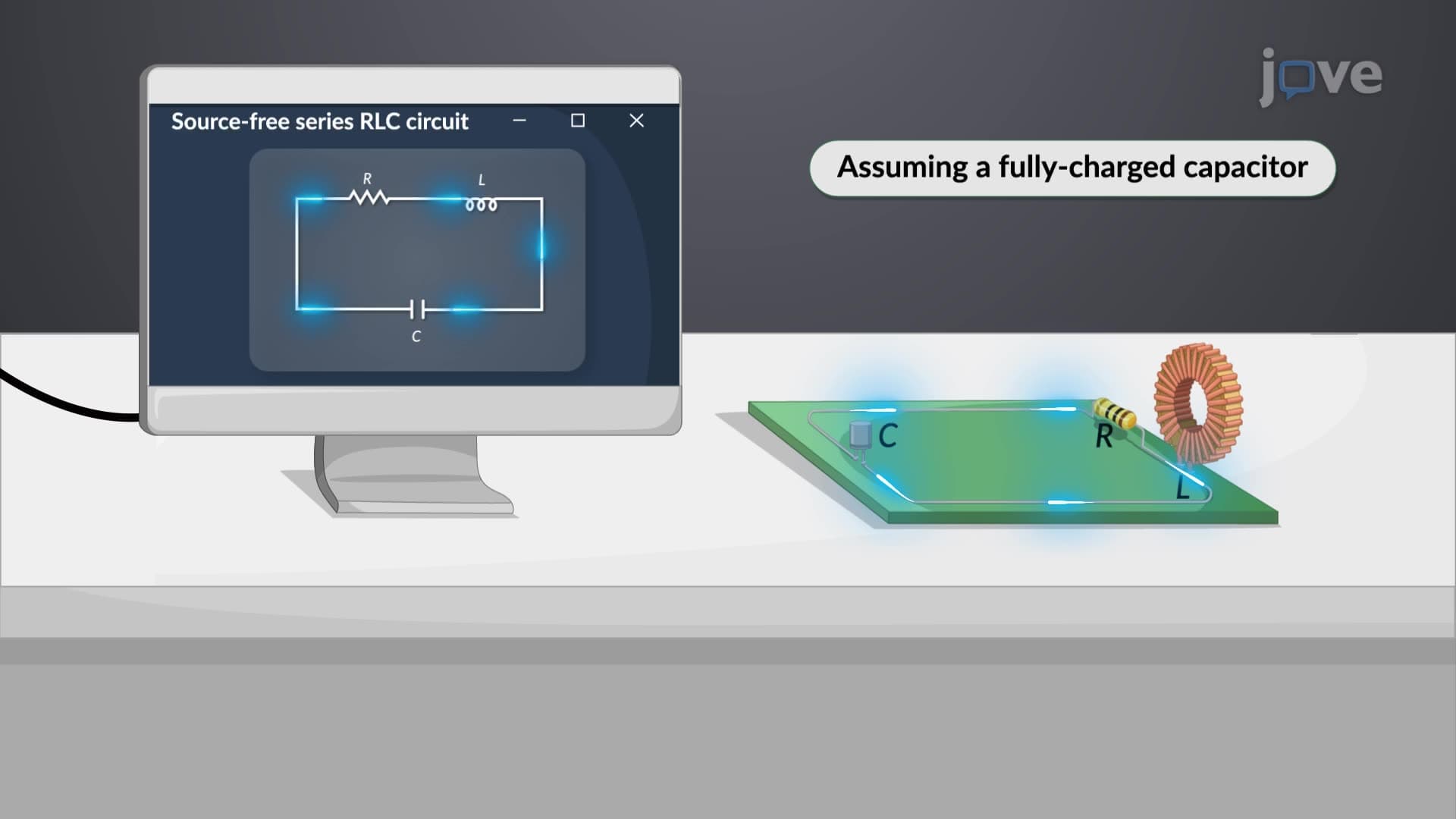
An RL circuit without source represents a fundamental concept in electrical engineering where a resistor-inductor combination operates independently after disconnection from its power supply. Unlike powered circuits that maintain steady-state conditions, source-free RL circuits exhibit transient behavior governed by energy stored in the inductor's magnetic field. This phenomenon regularly appears on AP Physics C exams and college-level circuit analysis courses, making it essential for students pursuing STEM careers.
When engineers design automotive ignition systems at companies like General Motors or Ford, they must account for RL circuit behavior to ensure proper spark timing and energy delivery. The inductor in an ignition coil stores energy when connected to the battery, then releases this energy exponentially when the circuit opens, creating the high-voltage spark needed for combustion.
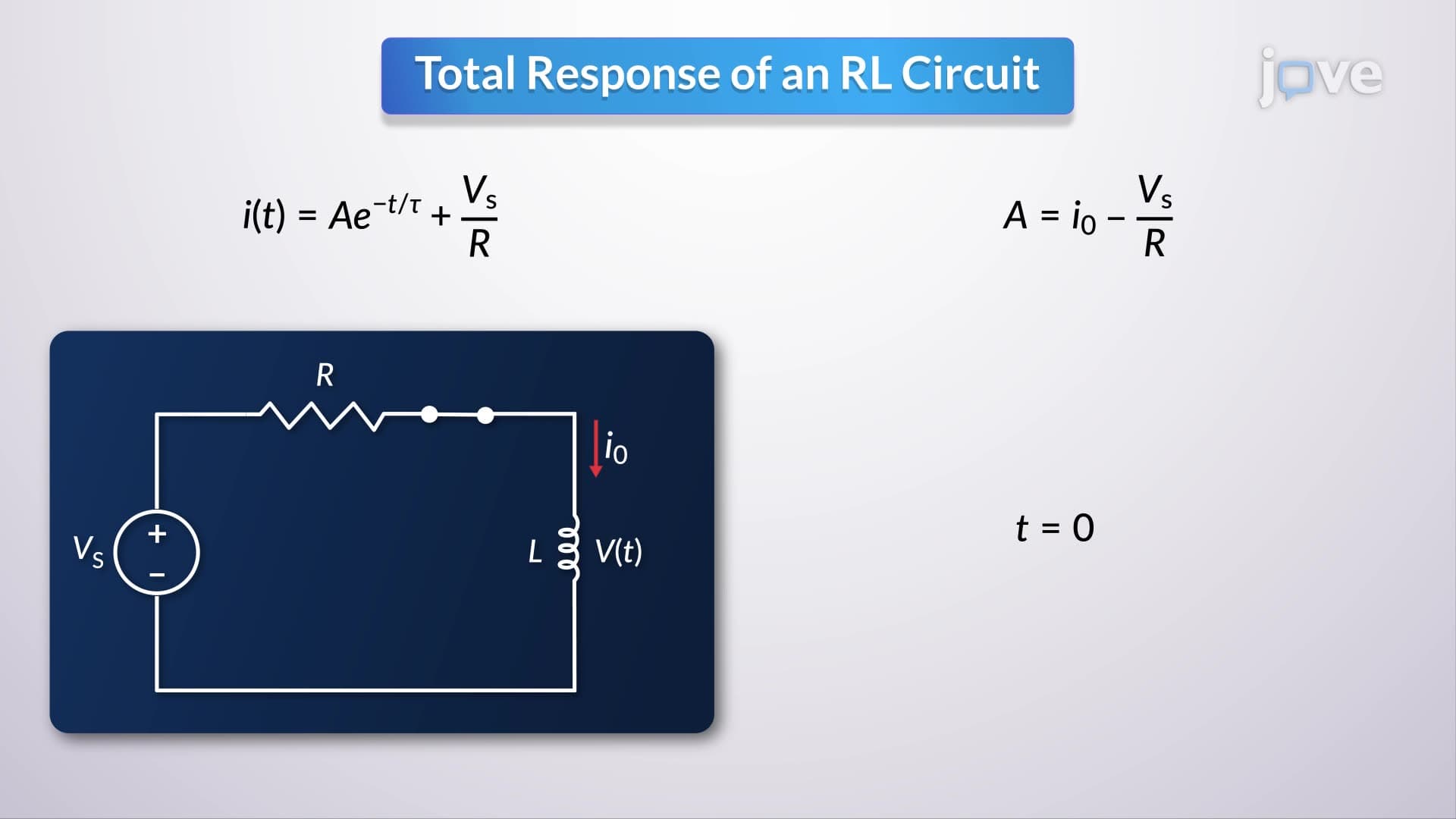
The mathematical foundation begins with Kirchhoff's voltage law applied around the source-free loop. Since the sum of voltage drops equals zero, we get: L(di/dt) + Ri = 0. This first-order linear differential equation describes how current changes over time in the circuit.
Rearranging terms yields di/dt = -(R/L)i, which separates into di/i = -(R/L)dt. Integration from initial conditions (t=0, i=i₀) to any time t produces ln(i/i₀) = -(R/L)t. Taking the exponential of both sides gives the natural response: i(t) = i₀ × e^(-Rt/L).
This exponential decay equation appears frequently on MCAT physics sections and electrical engineering midterms at universities like MIT and Stanford. Students must recognize that the negative exponent indicates decreasing current over time.
The time constant τ = L/R determines how quickly the circuit reaches equilibrium. After one time constant, current drops to approximately 37% of its initial value. After five time constants, current becomes negligible (less than 1% of initial value).
Energy analysis reveals conservation principles in action. Initially, the inductor stores energy E₀ = (1/2)Li₀². As current decays, this energy dissipates through the resistor as heat. The instantaneous power dissipation follows P(t) = i²(t)R = i₀²Re^(-2Rt/L). Integrating power over infinite time confirms that total dissipated energy equals initial stored energy, demonstrating energy conservation.
Healthcare equipment provides excellent examples of RL circuit applications. MRI machines at hospitals like Johns Hopkins use superconducting coils that behave as large inductors. When these systems power down, understanding natural response helps engineers design safe shutdown procedures that prevent dangerous voltage spikes.
Related Micro-courses