Loading video…


 11 Concepts
 5.6K views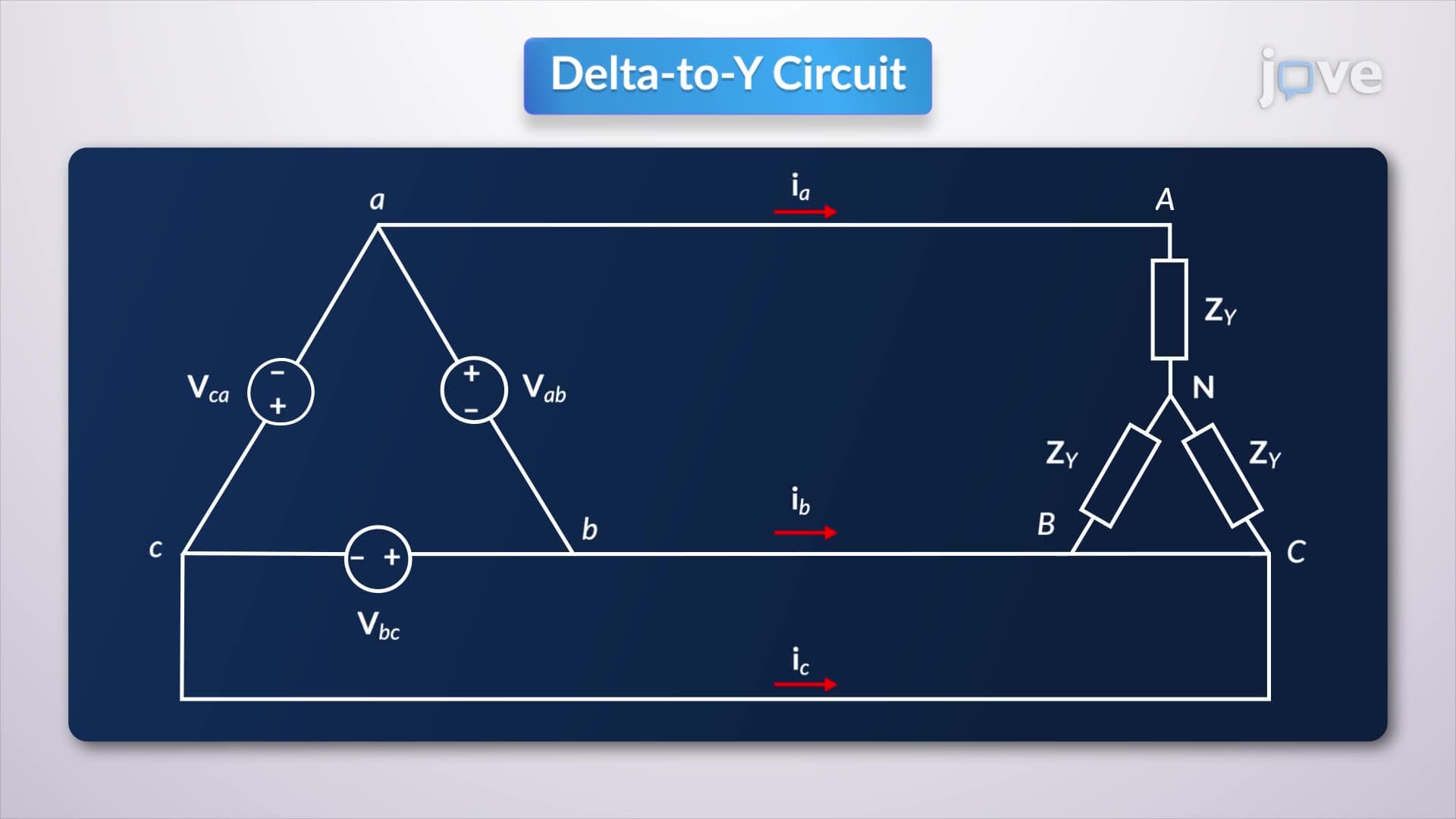

Video Summary: The Delta to Y Circuit Explained
Ever wonder why your smartphone charger works so efficiently? Power in a three phase circuit enables the compact, reliable electrical systems powering everything from Tesla's Gigafactory in Nevada to your local high school's HVAC system. The Delta to Y Circuit Explained demonstrates how engineers convert between delta and wye configurations to optimize electrical distribution. This transformation allows power companies like Pacific Gas & Electric to deliver electricity more efficiently across California's power grid. Watch the full video on JoVE Coach to master this concept with expert-led visuals and step-by-step explanations.
Power in a three phase circuit forms the backbone of modern electrical distribution, and delta-to-Y transformations represent one of the most crucial analysis techniques in electrical engineering. These circuit configurations appear everywhere from the power lines feeding Amazon's data centers to the motors driving assembly lines at Ford's Michigan plants.
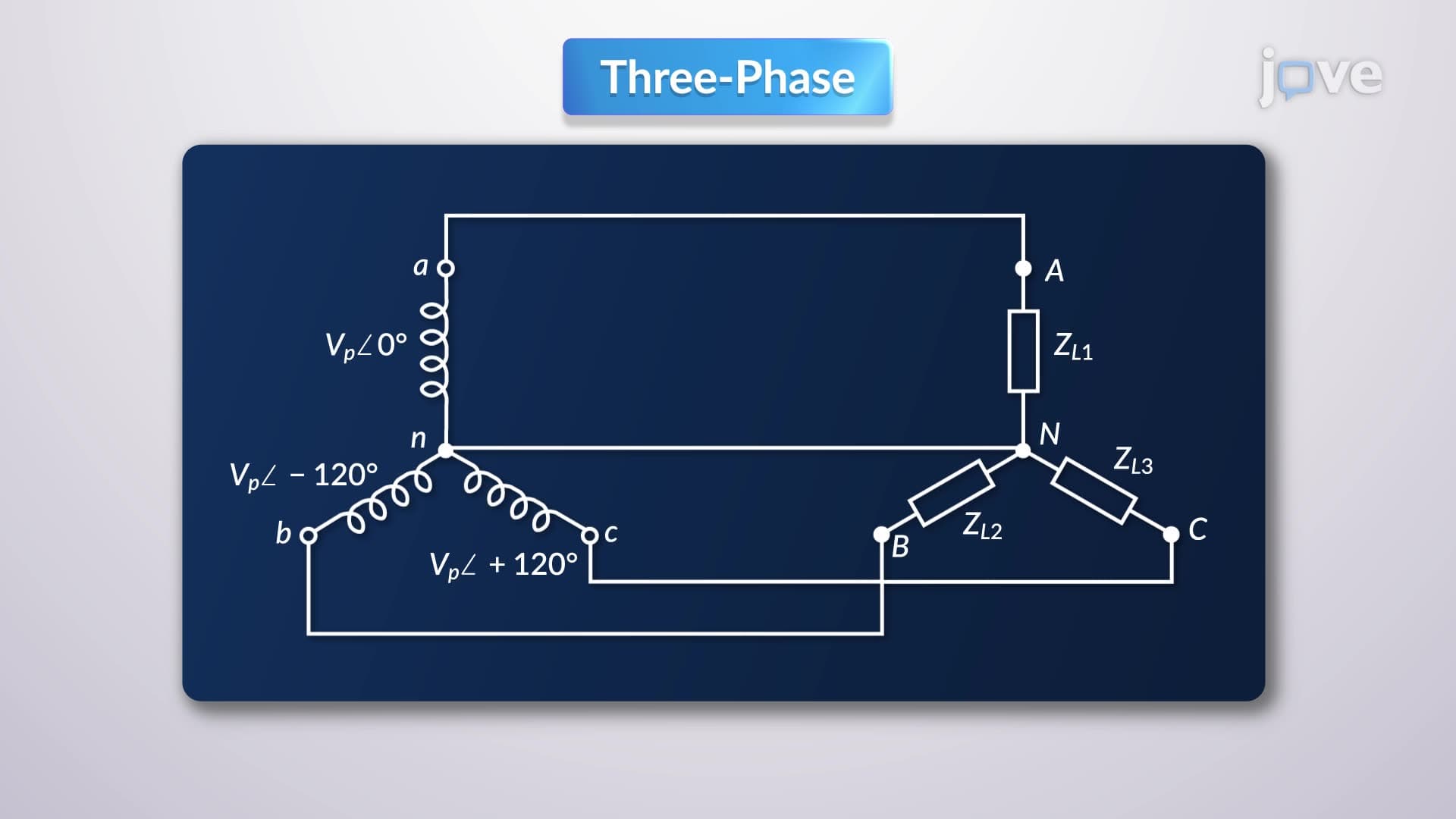
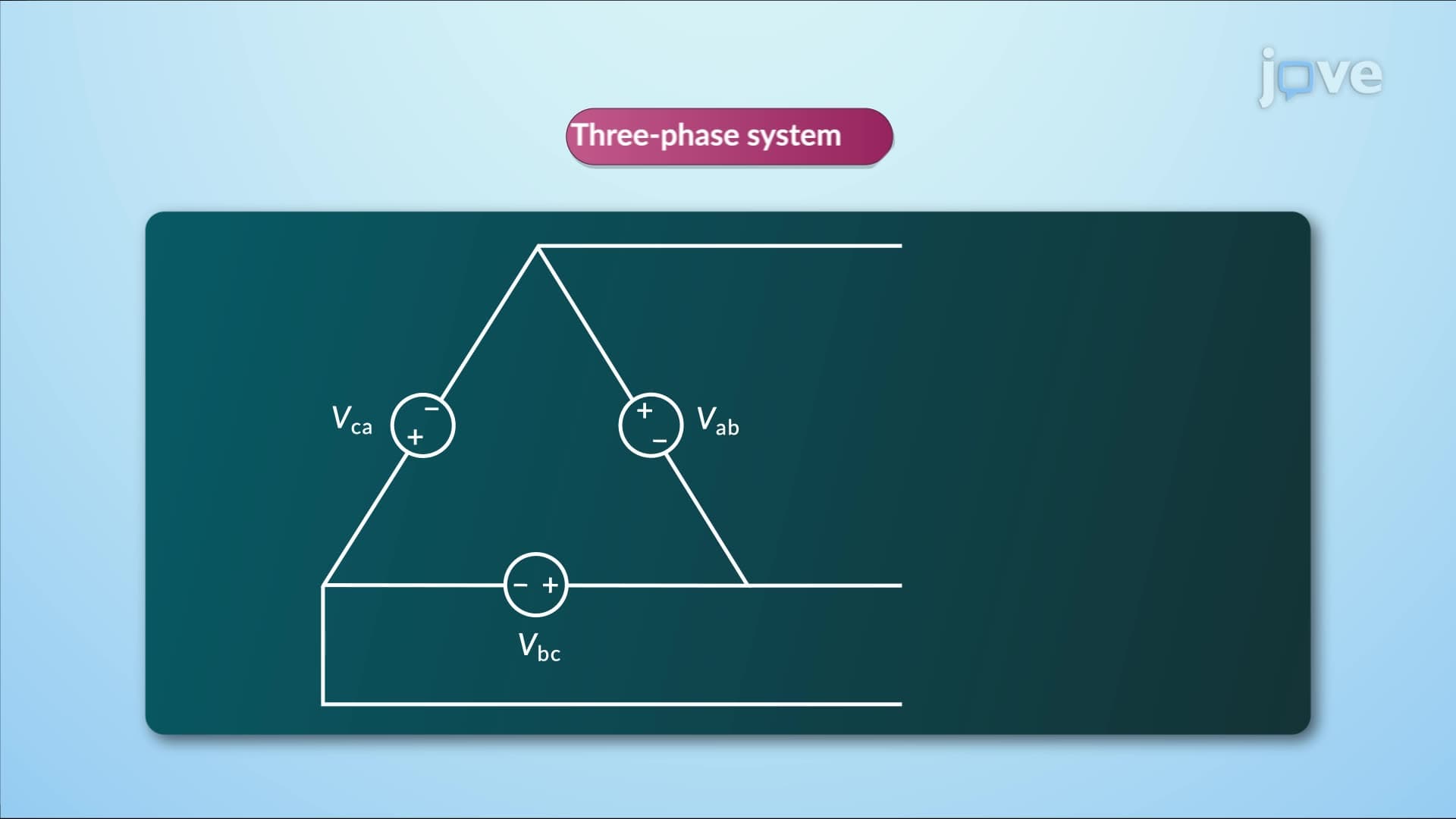
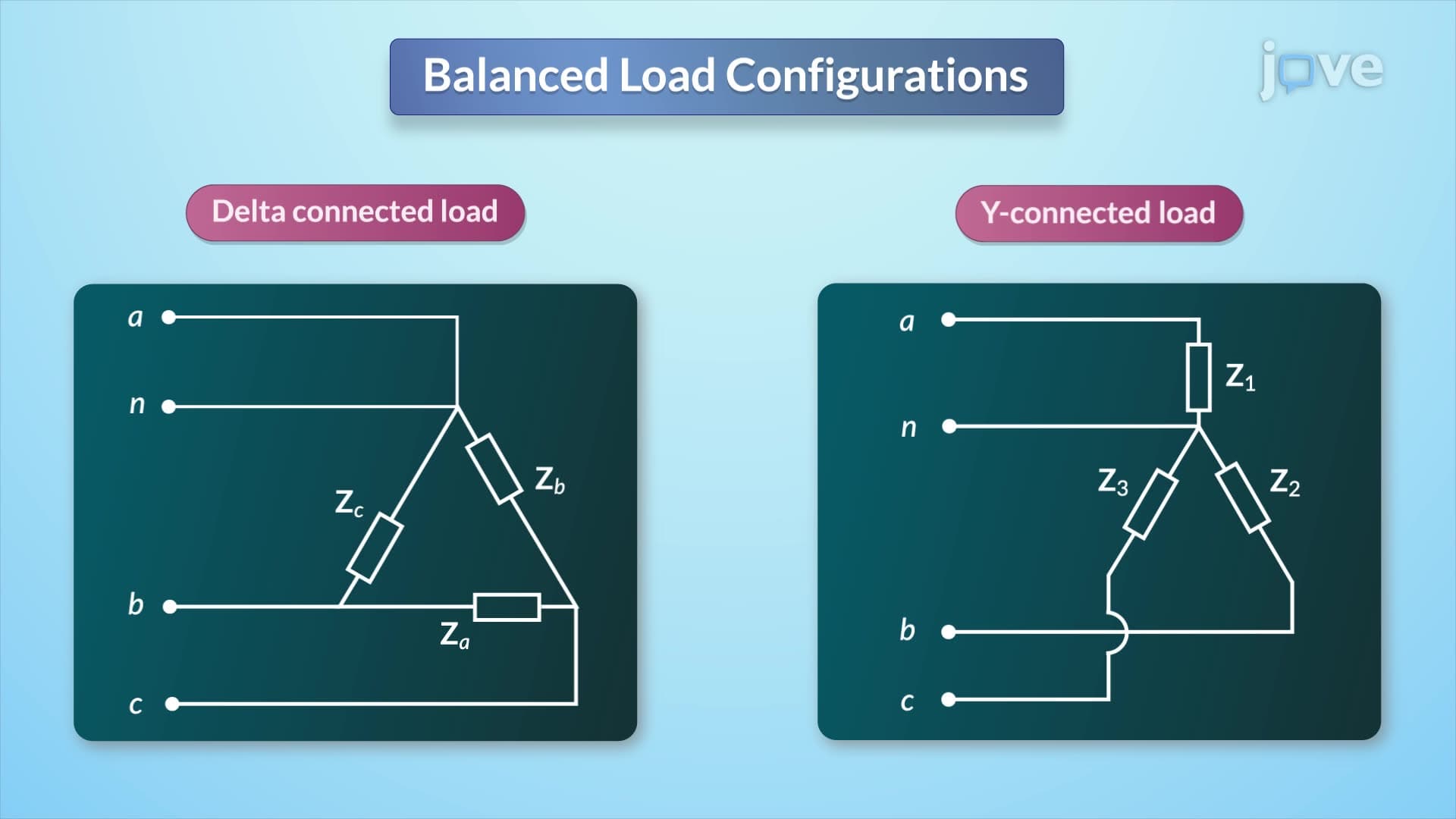
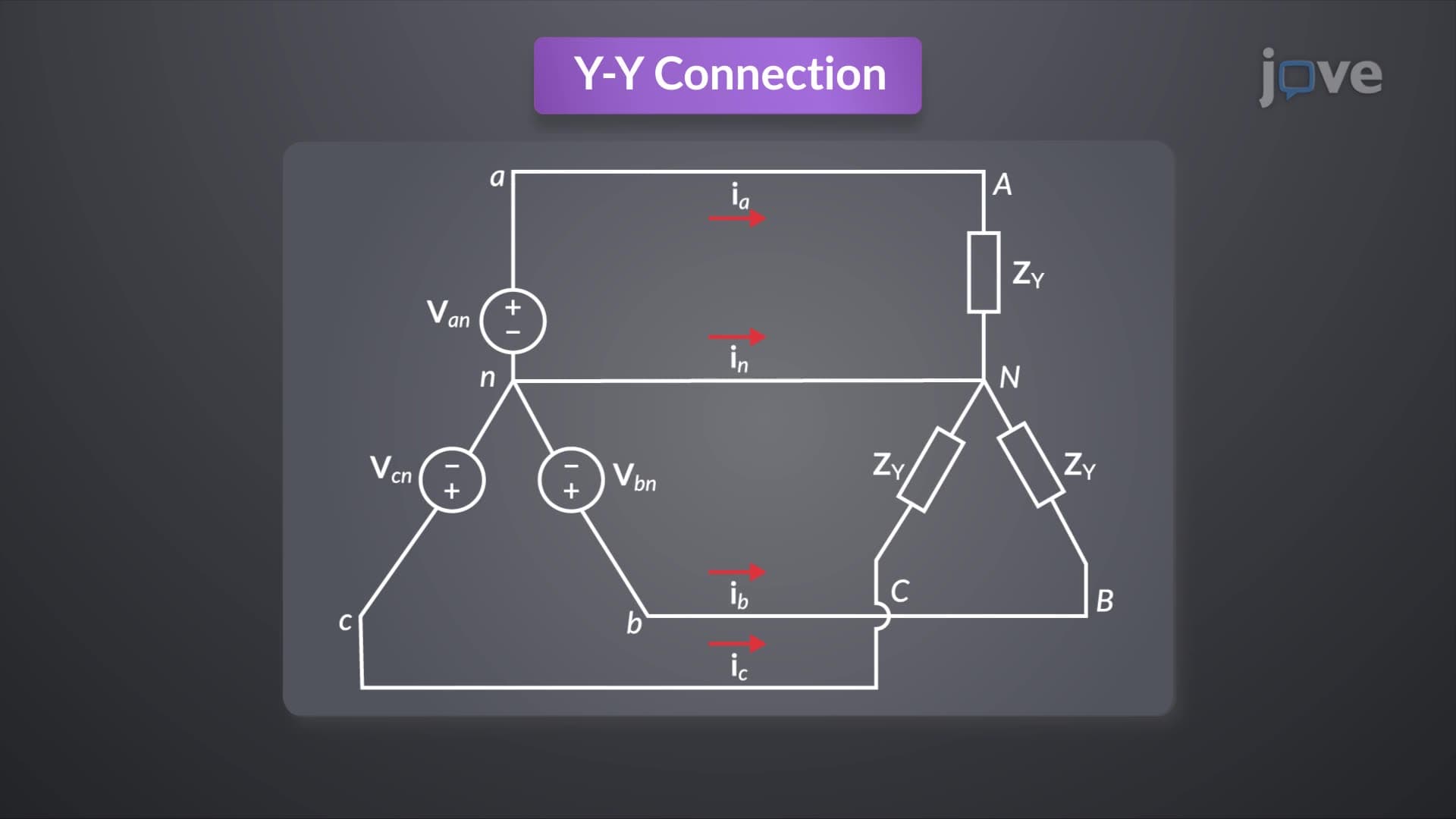
The delta configuration connects three components in a triangular pattern, where each component spans between two phases. In contrast, the Y (or wye) configuration connects components from each phase to a common neutral point. This fundamental difference affects how power in a three phase circuit tutorial approaches voltage and current calculations.
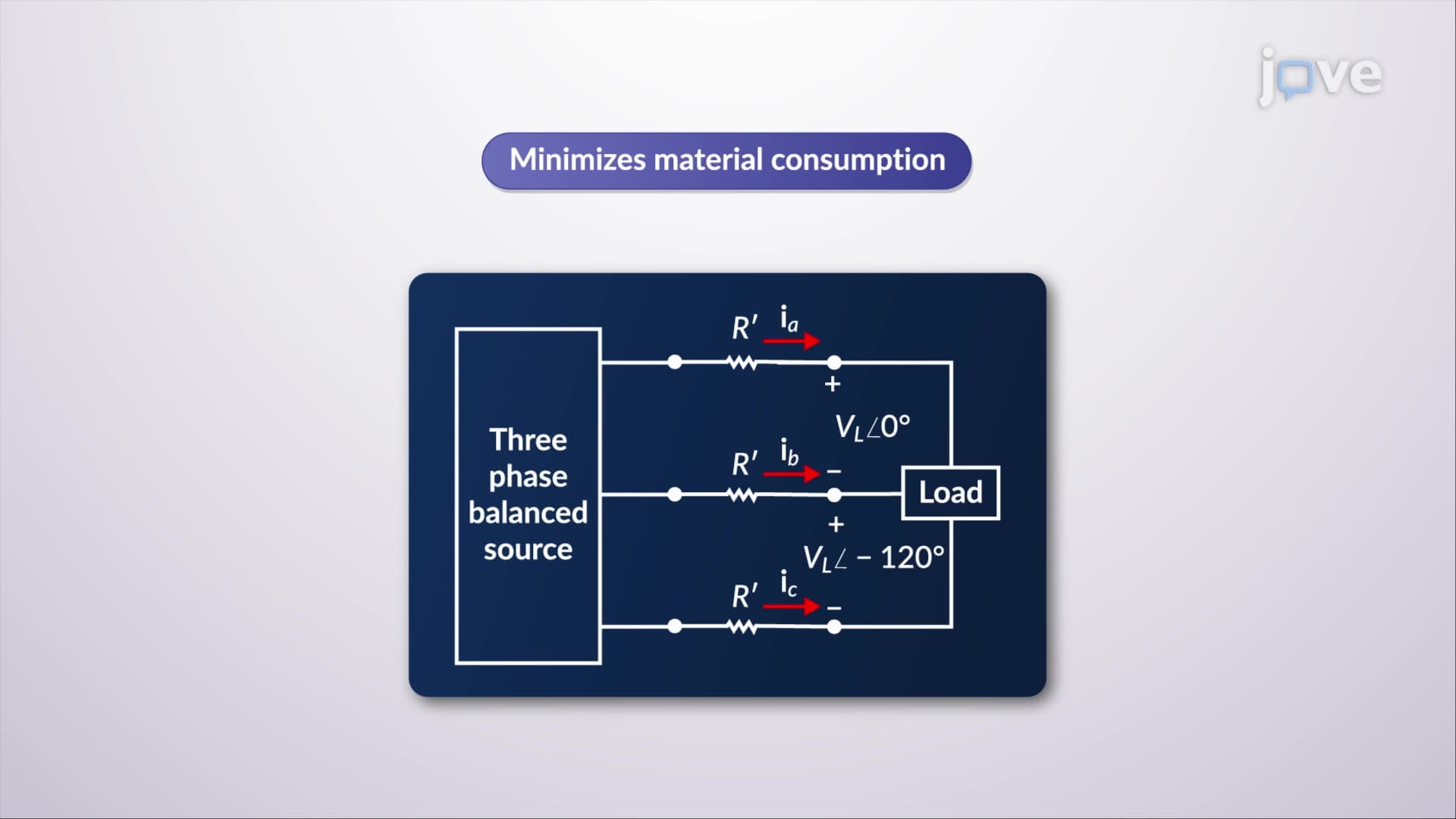
When analyzing balanced systems, engineers rely on the 120-degree phase relationship between line currents. This relationship stems from the fundamental nature of three-phase power generation, where generators produce sinusoidal voltages separated by one-third of a complete cycle.
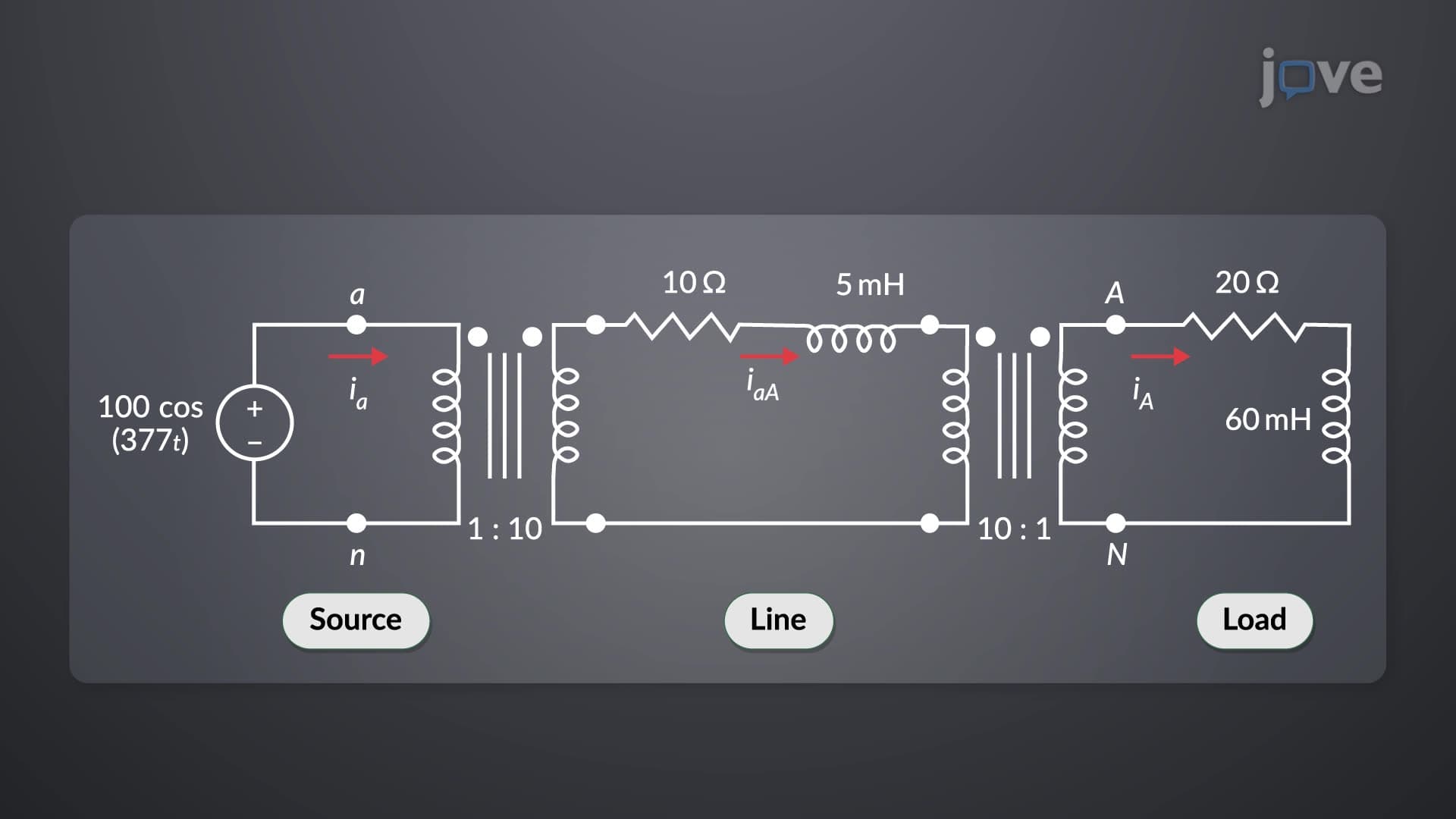
How power in a three phase circuit works becomes clearer when applying Kirchhoff's voltage law to delta-Y loops. Consider a typical industrial motor starter circuit used in manufacturing plants across Ohio's automotive corridor. The voltage drops around any closed loop must sum to zero, creating predictable relationships between line and phase quantities.
The ability to transform delta sources into equivalent Y sources provides enormous analytical advantages. This technique appears frequently on AP Physics C exams and college-level circuit analysis courses at institutions like MIT and Stanford. Students learn to replace complex delta configurations with simpler Y equivalents, maintaining the same terminal behavior while simplifying calculations.
Understanding power in a three phase circuit requires mastering these transformations because real power systems often combine both configurations. For instance, utility transformers might use delta primaries for robust operation while employing Y secondaries to provide neutral connections for residential service.
Delta-connected loads offer unique advantages in industrial settings, particularly for motor applications where individual load adjustments are necessary. Manufacturing facilities like Boeing's assembly plants utilize delta configurations because technicians can easily modify individual motor loads without affecting the entire system's balance.
The power in a three phase circuit concept extends beyond theoretical analysis into practical troubleshooting scenarios. Maintenance engineers regularly encounter situations where understanding delta-Y relationships helps diagnose power quality issues, voltage imbalances, and equipment failures in critical infrastructure systems.
Related Micro-courses