Loading video…


 11 Concepts
 5.6K views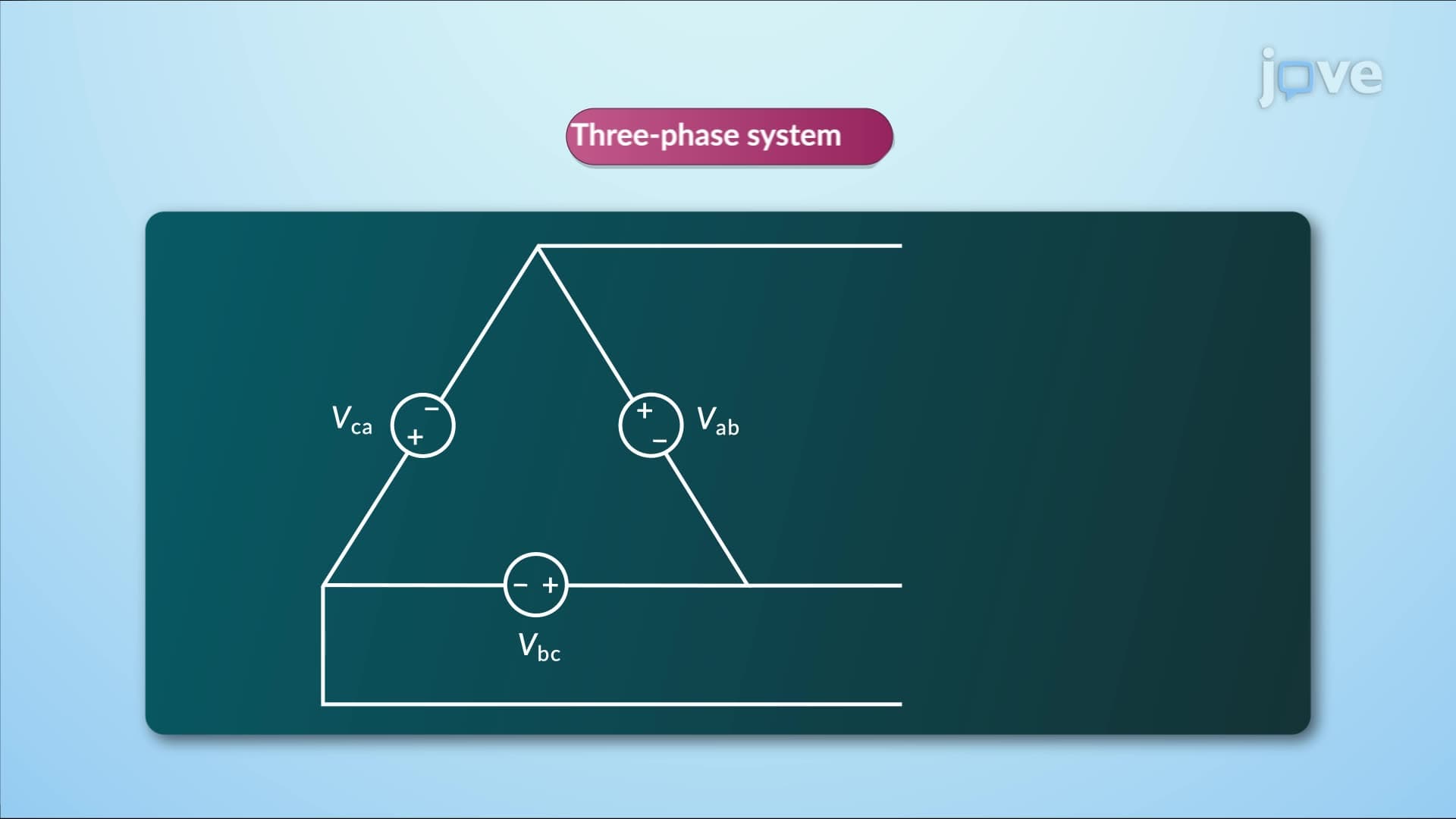

Video Summary: Generation of Three Phase Voltage Explained
Ever wonder how the massive wind turbines dotting Texas and California generate the electricity powering millions of homes? The answer lies in understanding three phase voltages and how they're created through electromagnetic induction. These systems use rotating magnets within stationary coils to generate three separate voltage sources, each 120 degrees out of phase, providing the stable power foundation for America's electrical grid. Watch the full video on JoVE Coach to master this concept with expert-led visuals and step-by-step explanations.
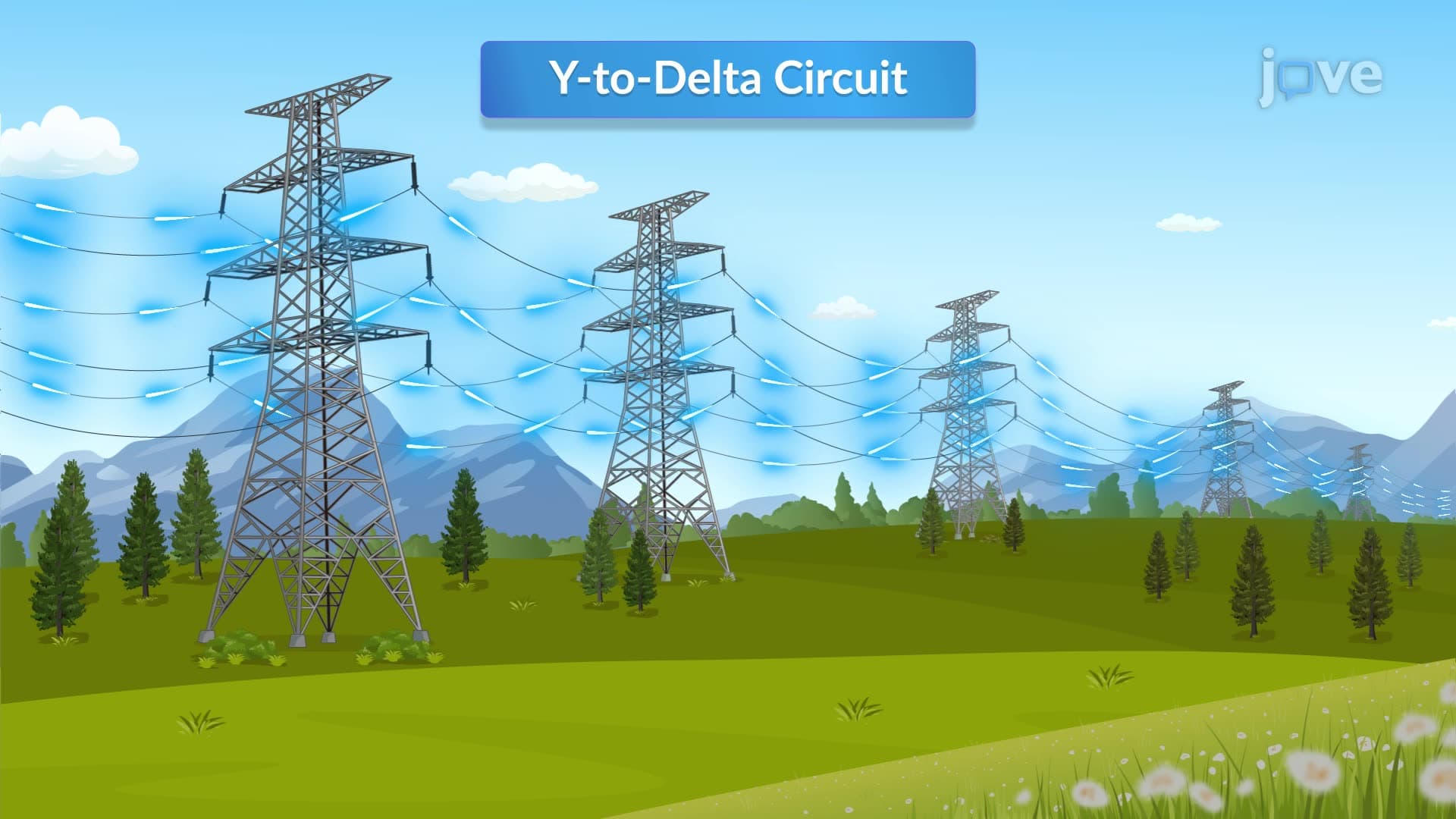
The generation of three phase voltage represents one of the most elegant solutions in electrical engineering, providing efficient power distribution across vast networks. Unlike single-phase systems that deliver power in pulses, three-phase systems maintain constant power flow, making them ideal for industrial applications and large-scale power transmission.
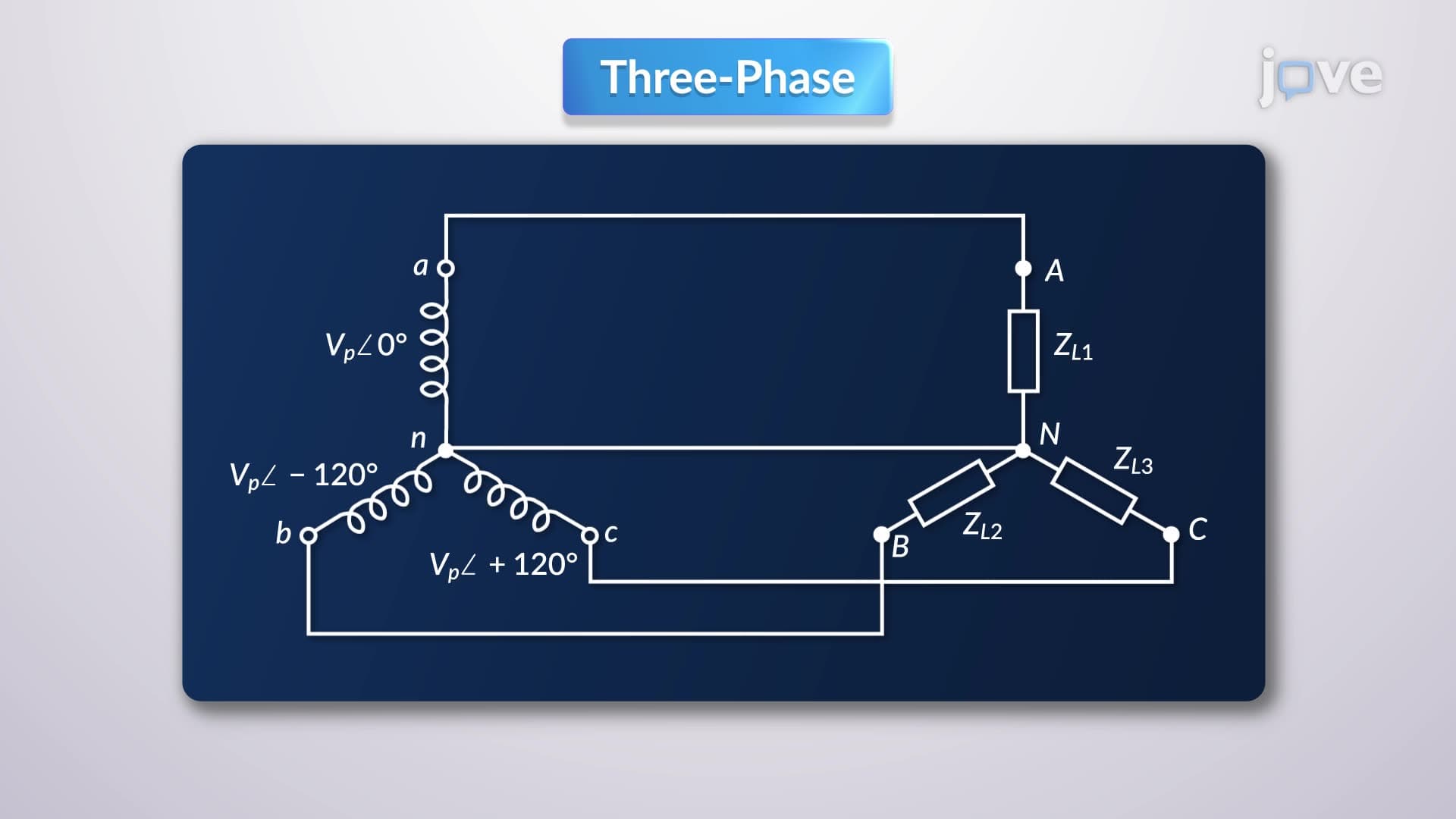
A three-phase generator consists of a rotating electromagnet (rotor) surrounded by three stationary coils (stator windings) positioned exactly 120 degrees apart. As the rotor spins, its magnetic field cuts through each coil at different times, inducing voltages that reach their peak values sequentially. This geometric arrangement ensures that when one phase reaches its maximum positive value, the other two phases are at different points in their cycles, creating a balanced system.
The three phase voltages definition encompasses both the physical arrangement and the electrical characteristics: three sinusoidal voltage sources of equal magnitude and frequency, separated by 120-degree phase angles. This configuration appears throughout American infrastructure, from the massive generators at Niagara Falls to the wind farms across the Great Plains.
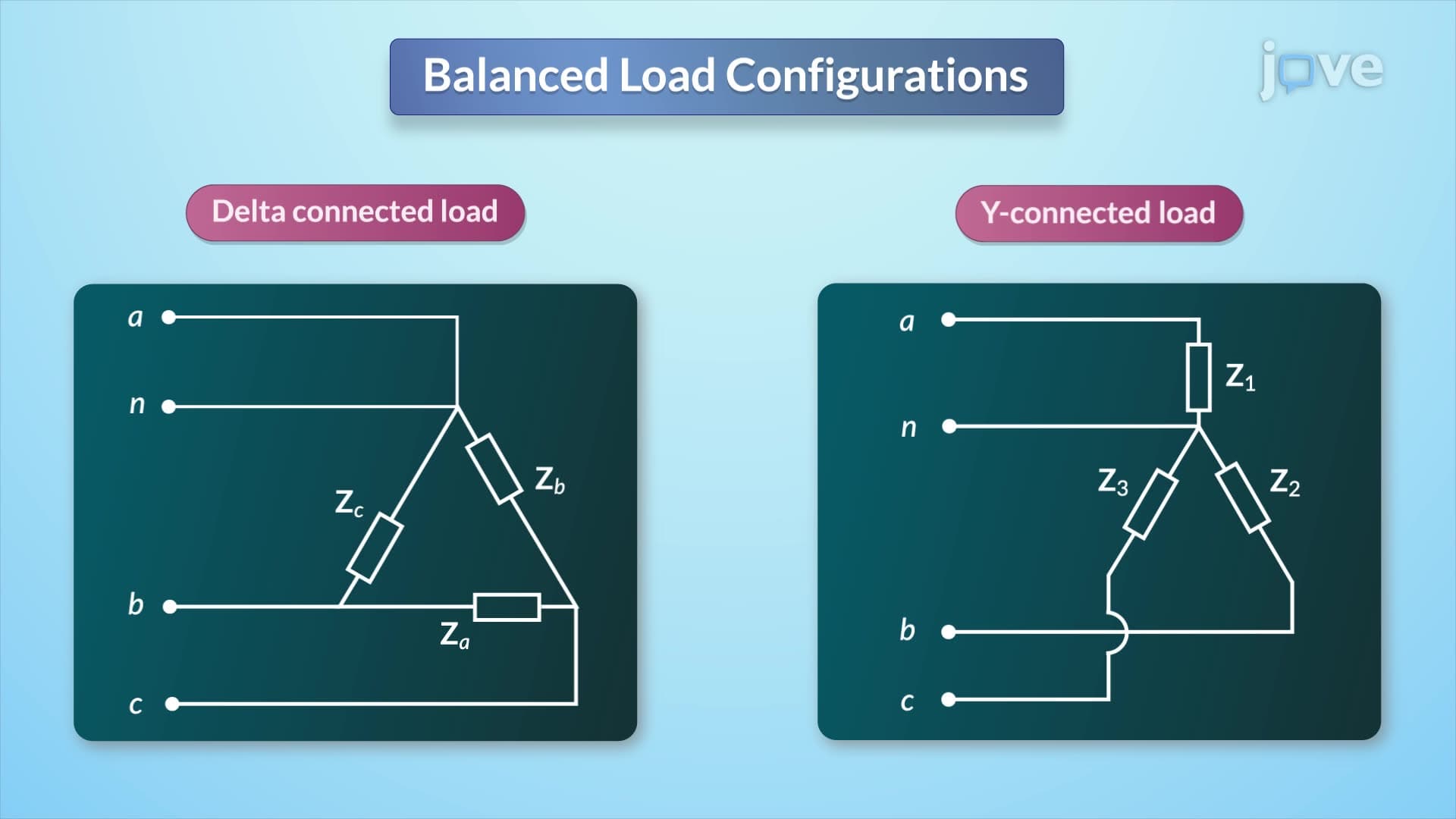
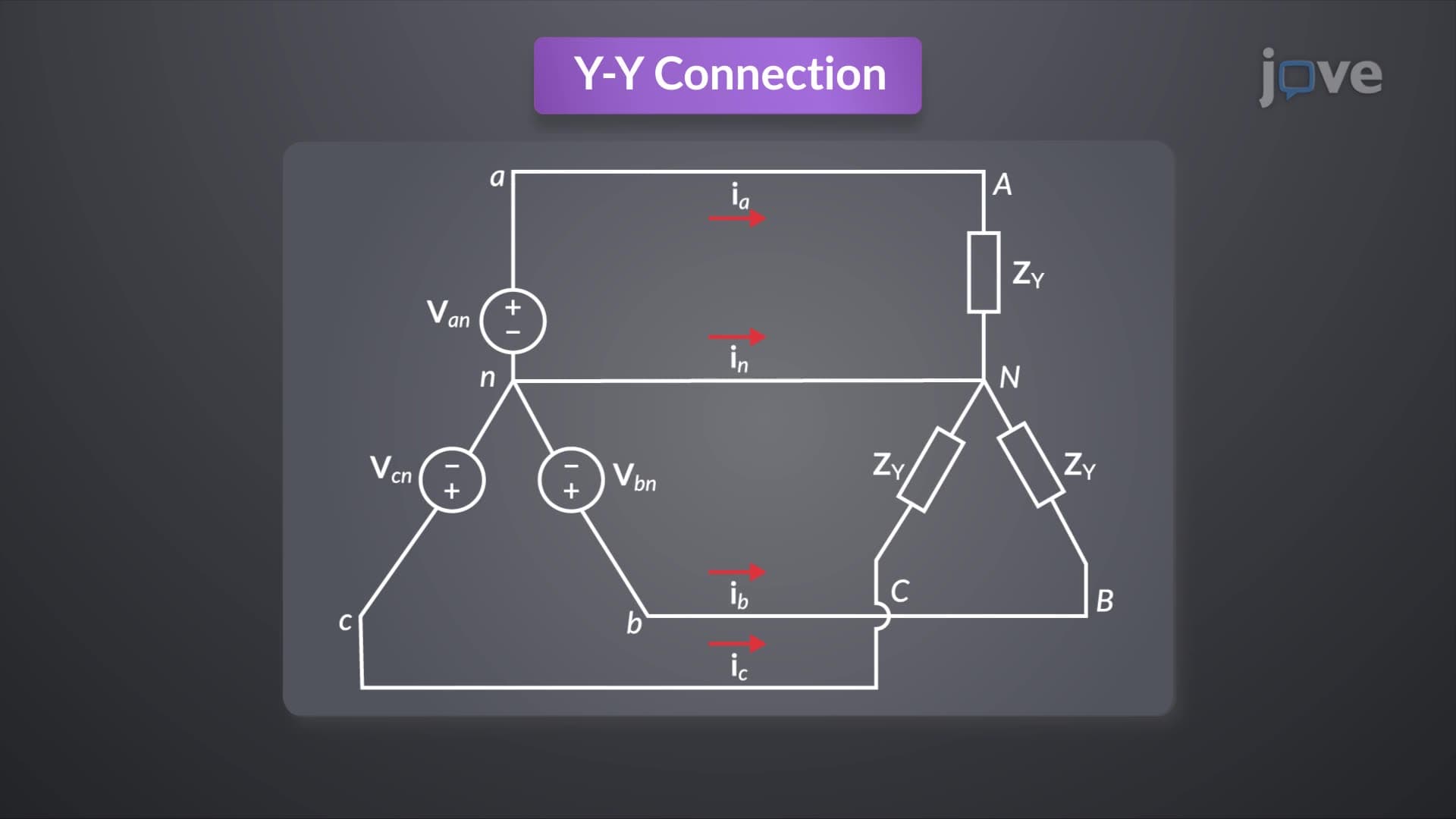
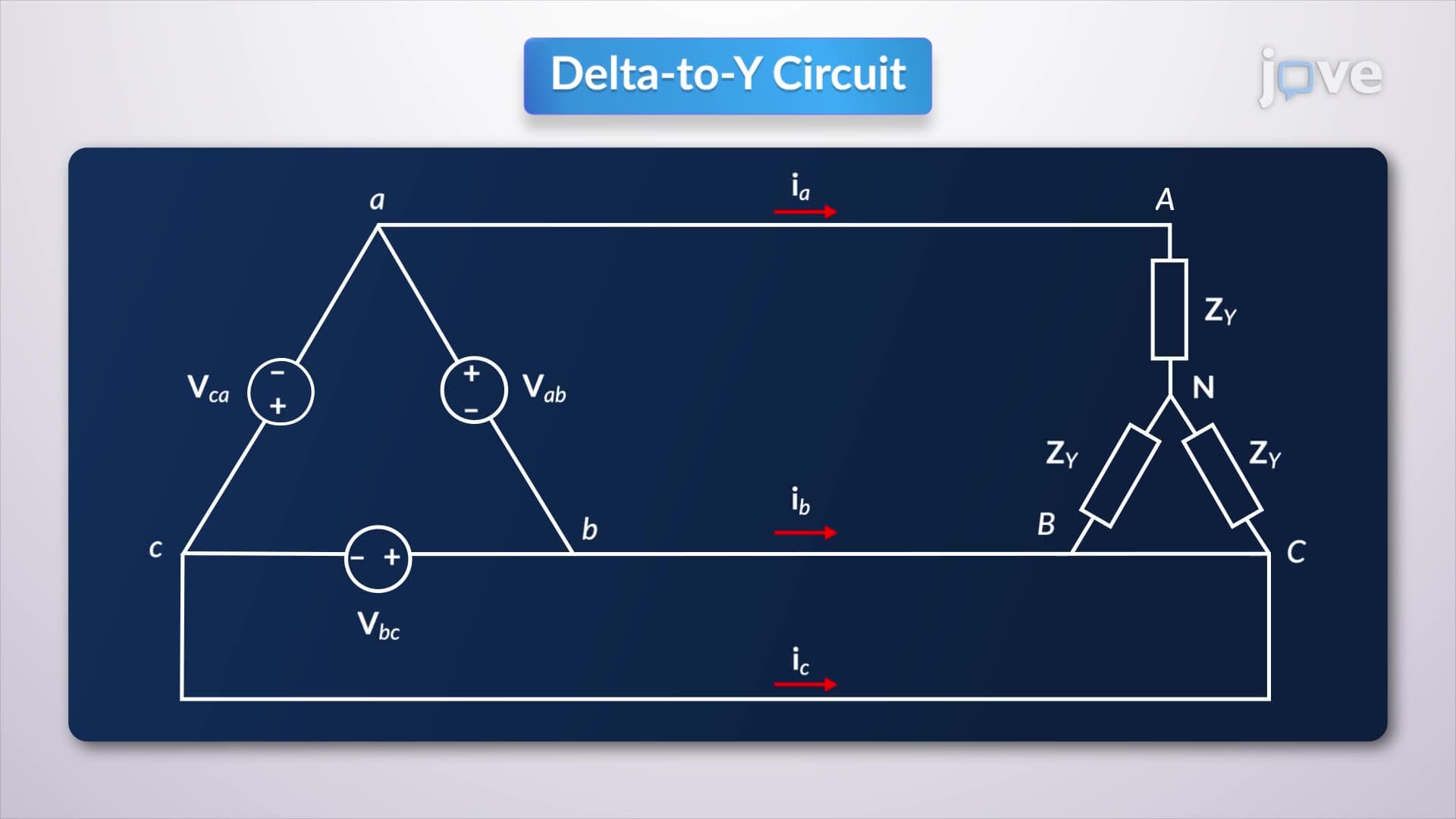
What is three phase voltages in detail involves understanding two primary connection methods: Y (wye) and delta configurations. In Y-connected systems, one end of each coil connects to a common neutral point, while the other ends form the line terminals. This arrangement provides two voltage levels: phase voltage (between any line and neutral) and line voltage (between any two lines). For a balanced Y-connected system, the line voltage equals √3 times the phase voltage.
Delta connections join the coils end-to-end, forming a closed triangle with no neutral point. While delta systems don't provide a neutral for single-phase loads, they offer advantages in certain industrial applications where high current capacity is required.
These principles directly impact AP Physics students studying electromagnetic induction and college engineering students analyzing power systems. The Tesla Model S factory in Nevada uses three-phase power throughout its manufacturing processes, while data centers across Silicon Valley rely on three-phase systems for efficient server operation.
For exam preparation, focus on calculating phase relationships, understanding phasor diagrams, and solving problems involving voltage and current relationships in both Y and delta configurations. Practice problems often involve determining line voltages from given phase voltages or calculating power in balanced three-phase systems.
Related Micro-courses