Loading video…


 11 Concepts
 5.6K views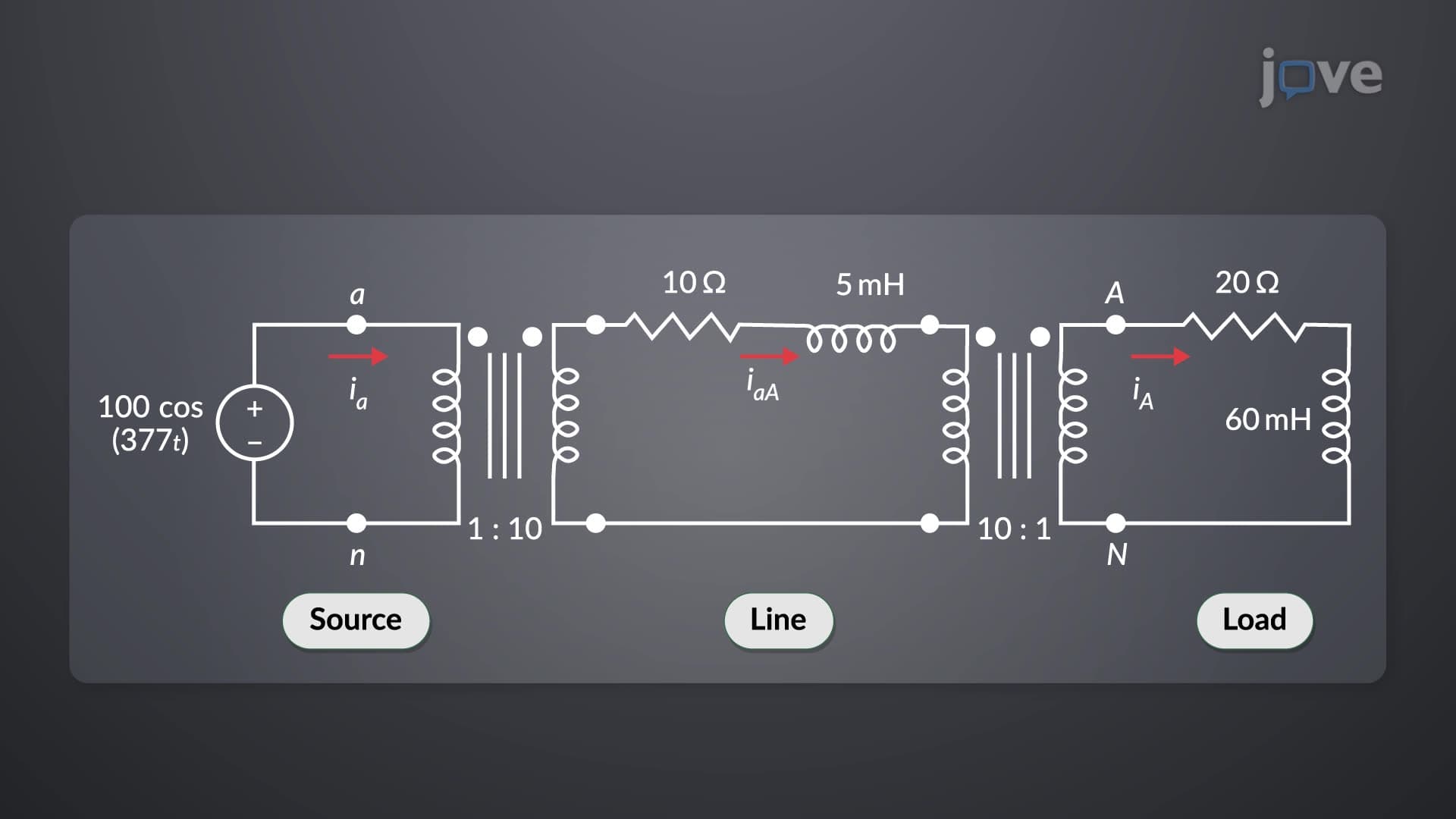

Video Summary: What Is Reducing Line Loss
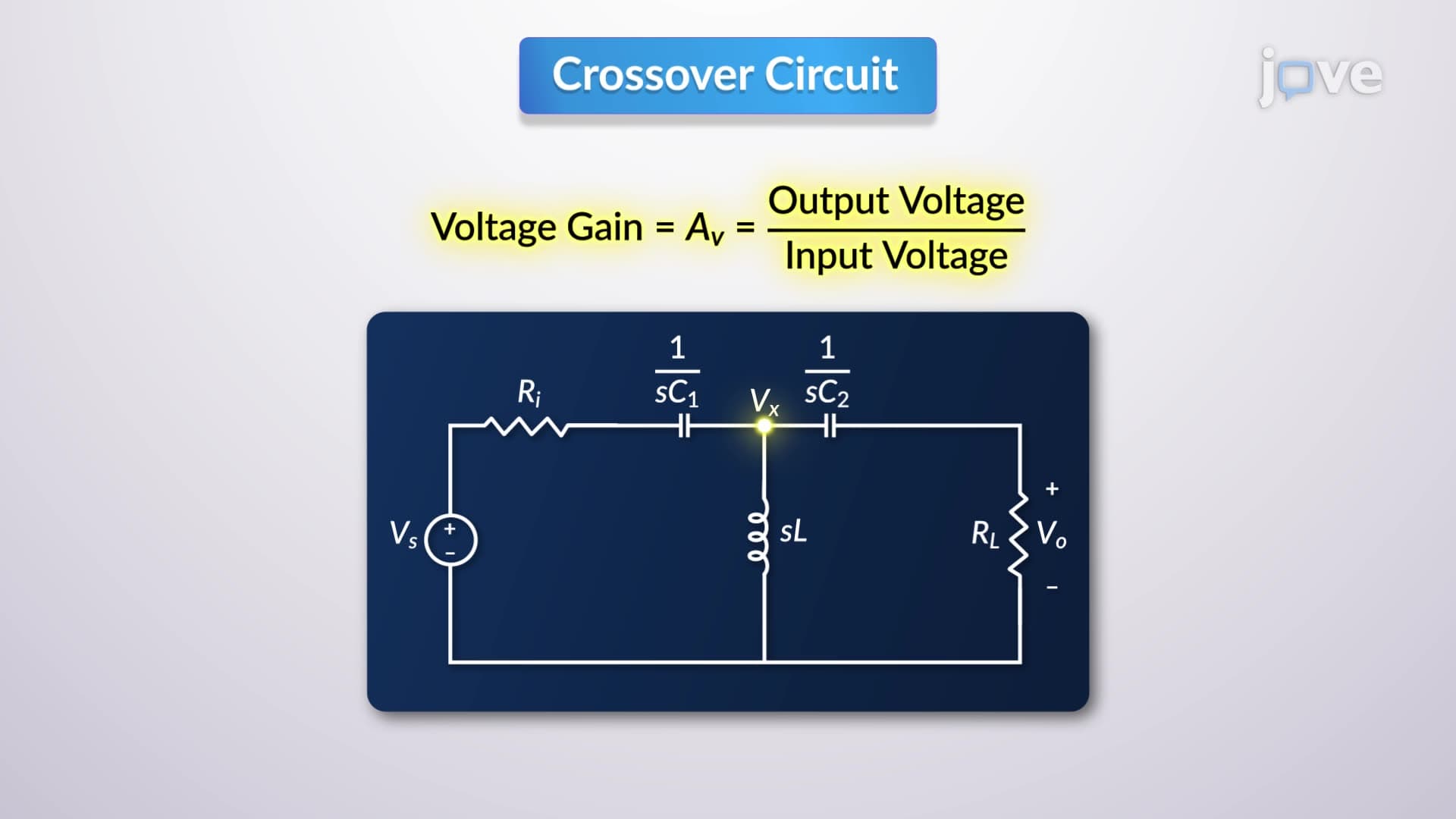
Ever wonder why your electric bill isn't even higher? Network function circuit analysis reveals how power companies prevent massive energy waste through strategic transformer placement. Understanding what is reducing line loss becomes crucial when you consider that the Tennessee Valley Authority alone saves millions of dollars annually by implementing step-up and step-down transformer systems in their transmission networks. This network function circuit concept demonstrates how 99.5% power transmission efficiency is achieved through inverse turn ratios and impedance transformation. Watch the full video on JoVE Coach to master this concept with expert-led visuals and step-by-step explanations.
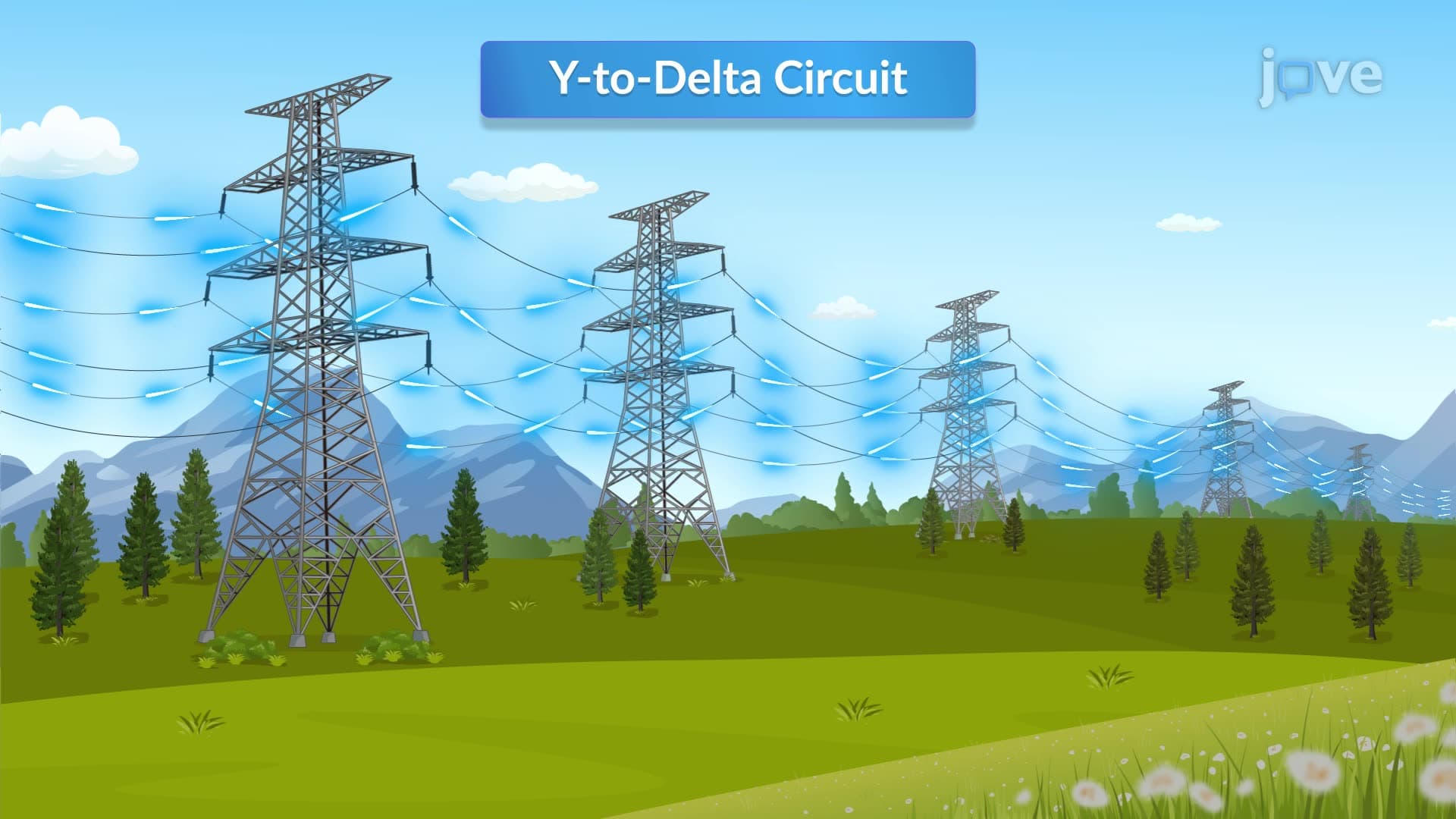
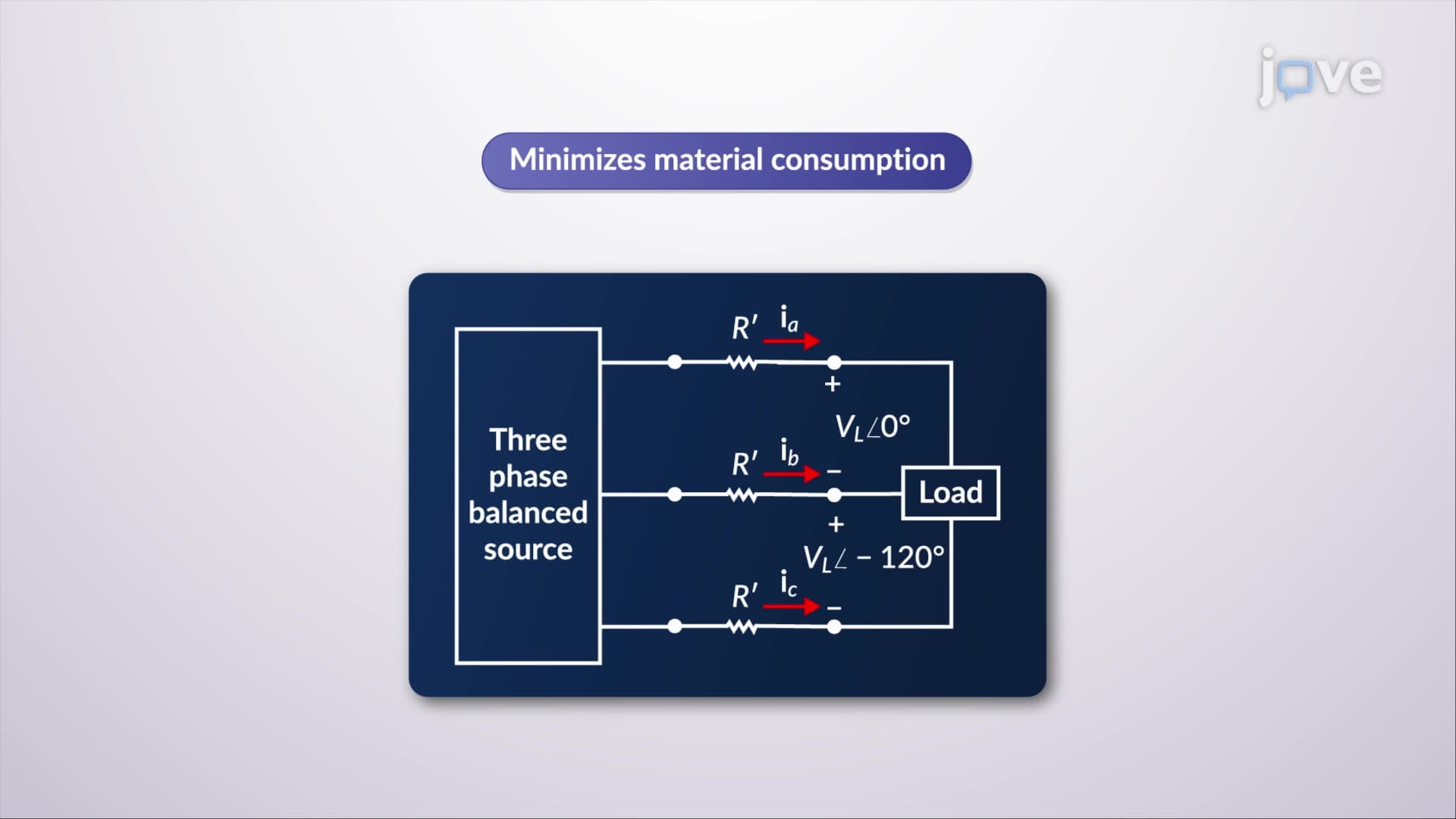
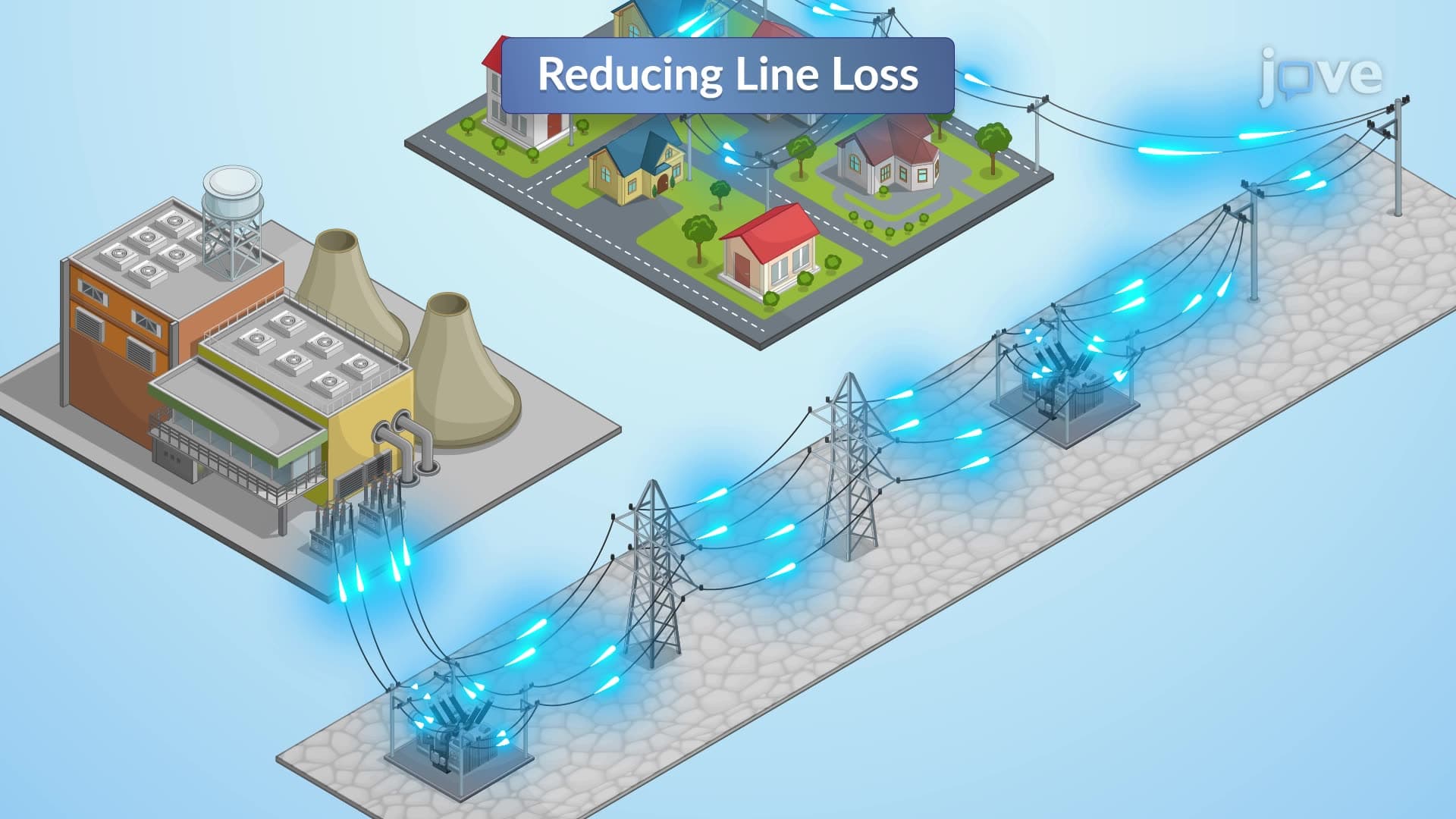
Reducing line loss represents a fundamental challenge in electrical power transmission that network function circuit analysis helps solve. When electrical power travels long distances-like from a hydroelectric dam in Washington State to cities in California-significant energy can be lost as heat in transmission lines. This phenomenon occurs because power loss equals I²R, where current squared multiplied by resistance creates waste heat.
The network function circuit definition encompasses the strategic use of transformer pairs to combat this energy waste. Power companies install step-up transformers at generation sources and step-down transformers near load centers. This approach leverages a crucial principle: when voltage increases by a factor of 10, current decreases by the same factor, reducing power loss by a factor of 100.
Consider Pacific Gas & Electric's transmission system. Their step-up transformers boost generator output from 25 kV to 500 kV for long-distance transmission. At destination substations, step-down transformers reduce voltage to safer distribution levels like 12 kV for neighborhoods. This network function circuit overview demonstrates how inverse turn ratios-where one transformer's 1:10 ratio pairs with another's 10:1 ratio-maintain system balance.
What is network function circuit analysis in detail? It involves understanding impedance transformation effects. When analyzing the circuit from the primary side of the step-down transformer, the secondary impedance appears multiplied by the square of the turn ratio. For a 10:1 transformer, secondary impedance appears 100 times larger from the primary perspective.
This network function circuit concept proves essential for AP Physics C students and college electrical engineering courses. Single-mesh analysis simplifies complex transformer networks by treating the entire system as one current loop, where mesh current represents actual line current throughout the transmission system.
Modern transmission systems achieve remarkable efficiency through these network function circuit basics. The 99.5% efficiency mentioned represents actual performance metrics from utilities like Con Edison in New York. Only 0.5% power loss means that for every 1000 MW generated, just 5 MW is lost as heat in transmission lines-a testament to effective line loss reduction strategies.
Related Micro-courses