Loading video…


 11 Concepts
 5.6K views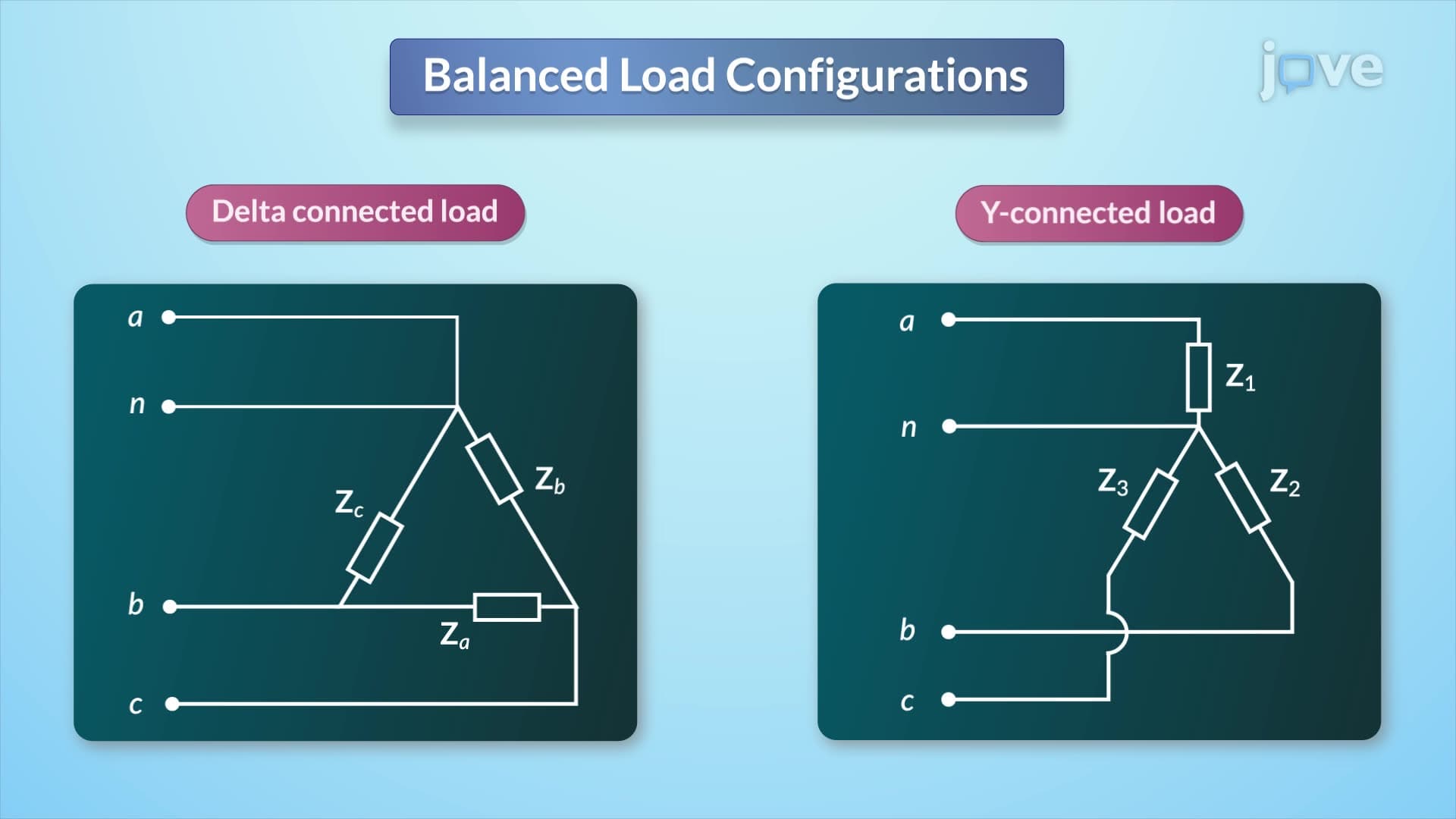

Video Summary: What Is Three Phase Voltages
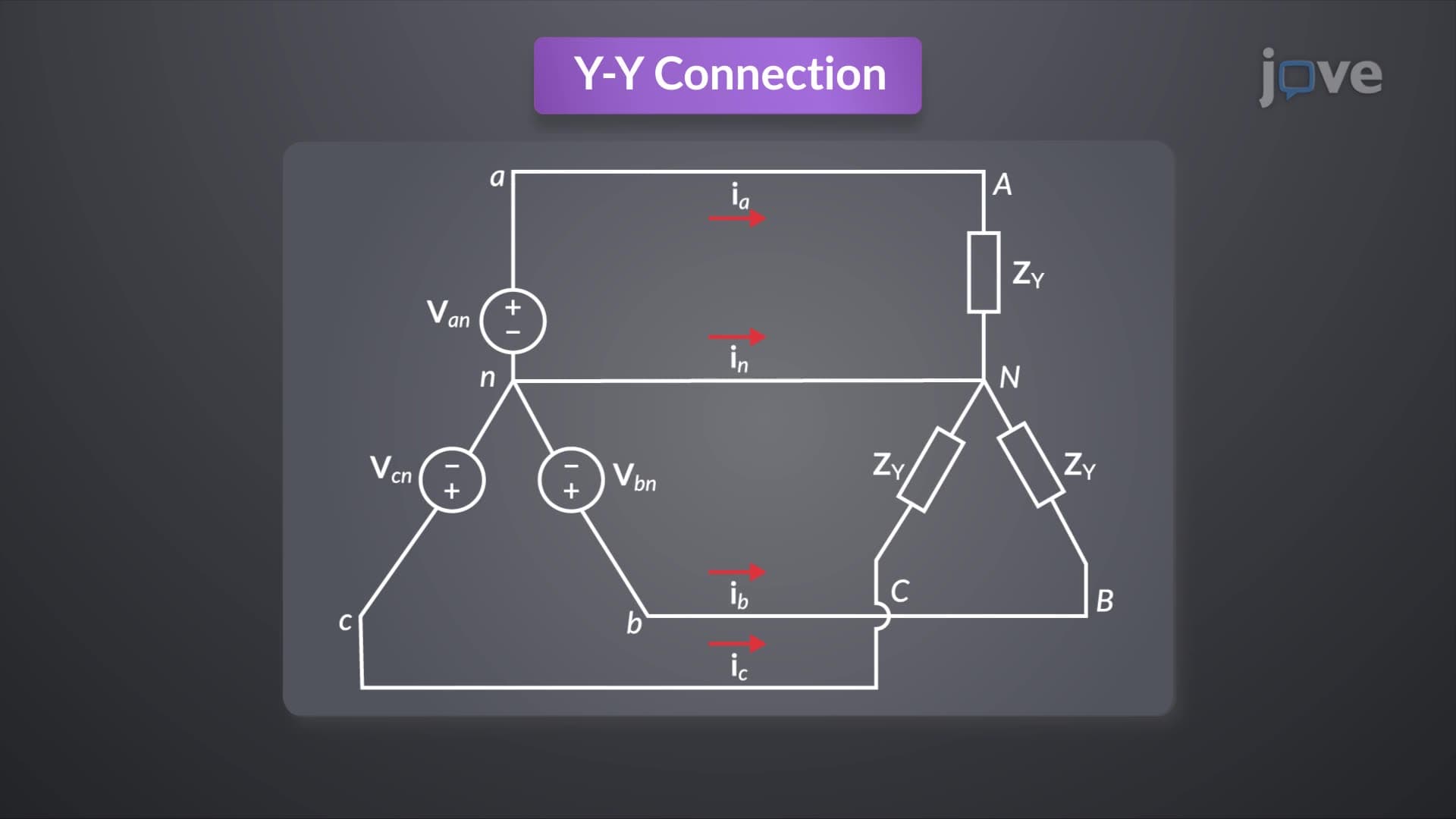
Ever wondered how the massive power grid delivers electricity to every home and business across America? The Y to Y circuit forms the backbone of three-phase power systems that keep everything from your smartphone charger to Tesla's Gigafactory running smoothly. This fundamental electrical configuration uses Y-connected voltage sources and loads to create balanced, efficient power distribution - the same system powering major US manufacturing plants like Ford's Dearborn facility. Watch the full video on JoVE Coach to master this concept with expert-led visuals and step-by-step explanations.
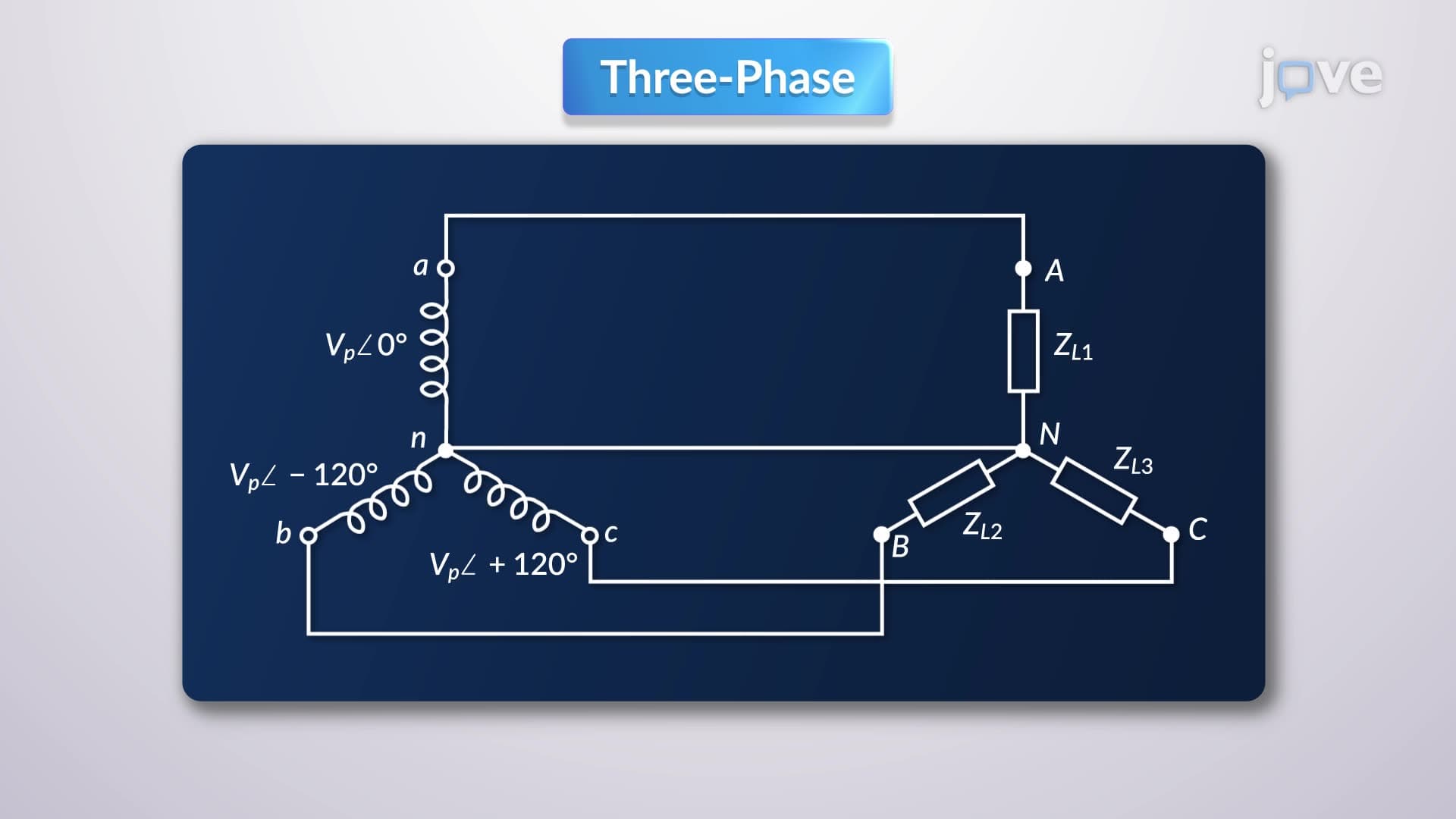
Three phase voltages represent one of the most efficient methods for generating, transmitting, and distributing electrical power. In a three-phase four-wire system, three Y-connected voltage sources work together to produce balanced phase voltages that maintain constant power delivery. This configuration forms the foundation of America's electrical infrastructure, from the massive generators at Hoover Dam to the distribution transformers in your neighborhood.
The Y to Y circuit tutorial begins with understanding phase sequences - the order in which voltage phasors reach their maximum values. The positive sequence (abc) occurs when phasors rotate counterclockwise, with Van leading Vbn, which leads Vcn. This corresponds to counterclockwise rotor rotation in generators. Conversely, the negative sequence (acb) features Van leading Vcn, which leads Vbn, corresponding to clockwise rotation. These concepts frequently appear on AP Physics exams and college electrical engineering courses, where students must identify phase relationships from phasor diagrams.
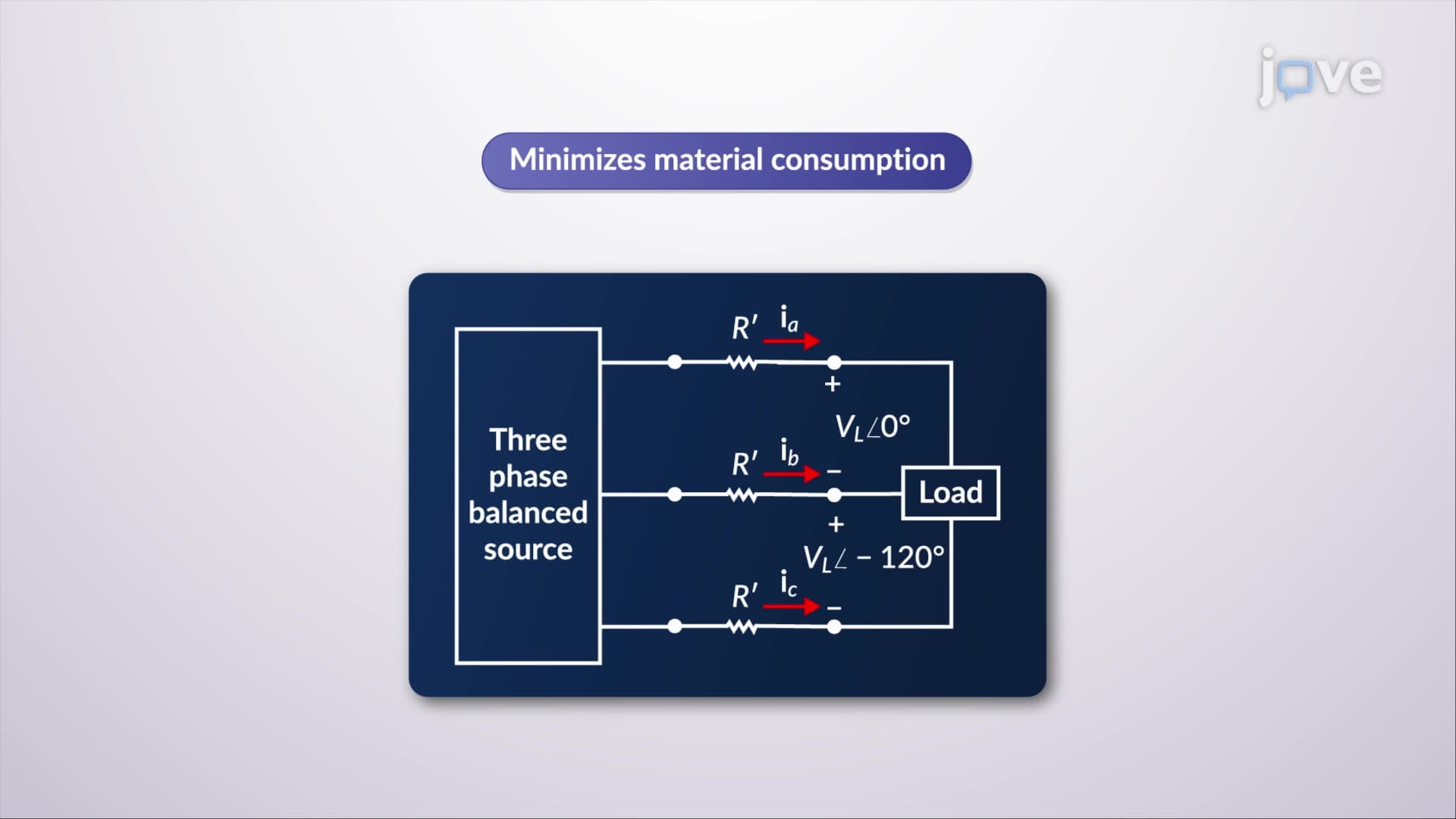
Understanding how the Y to Y circuit works requires grasping balanced load configurations. In balanced systems, all three phase impedances maintain equal magnitude and phase relationships. This balance ensures uniform current distribution and eliminates neutral current flow - a critical concept tested in college circuits courses and professional engineering exams. The mathematical relationship follows Kirchhoff's laws, where the sum of instantaneous currents equals zero in balanced conditions.
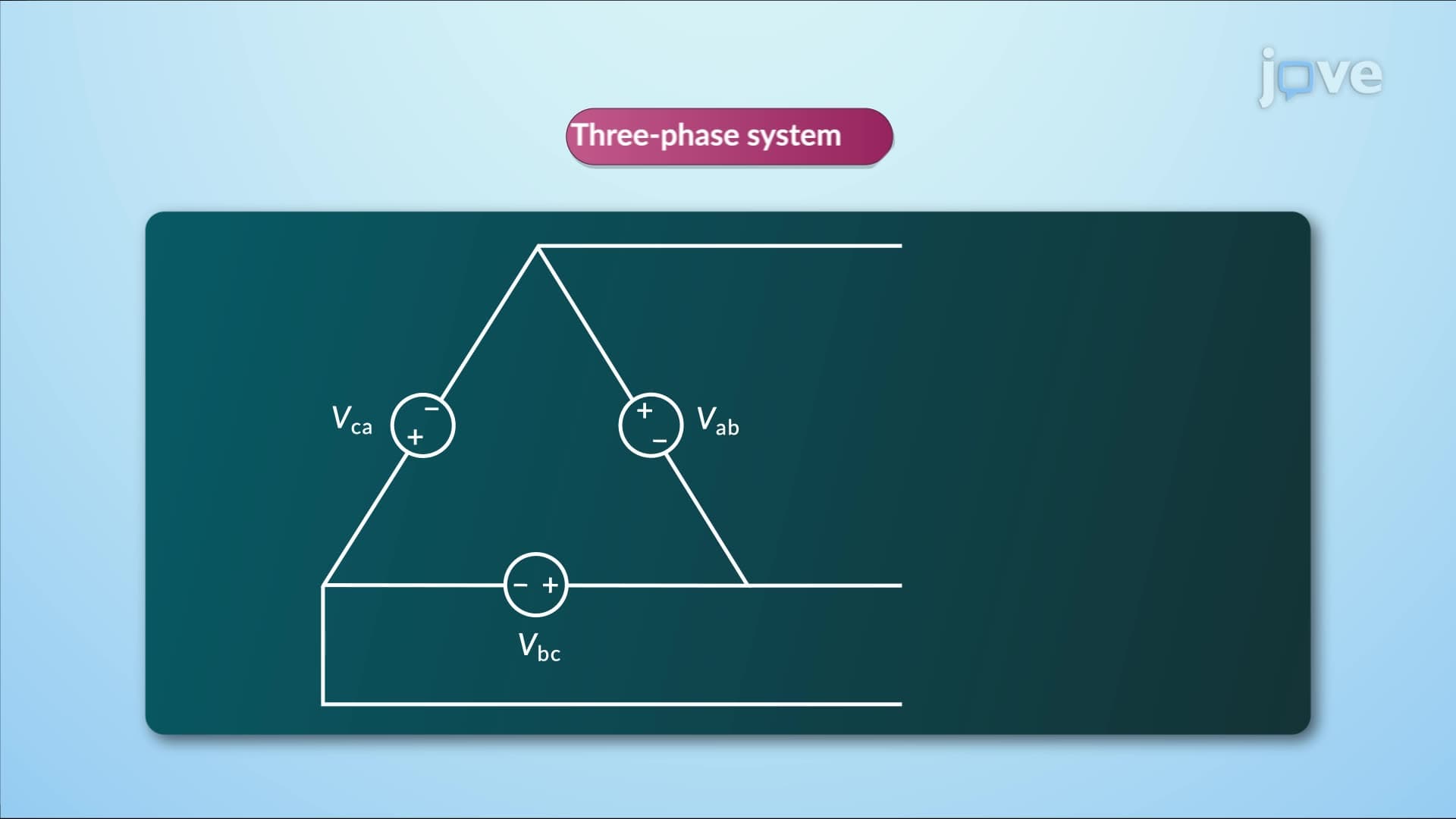
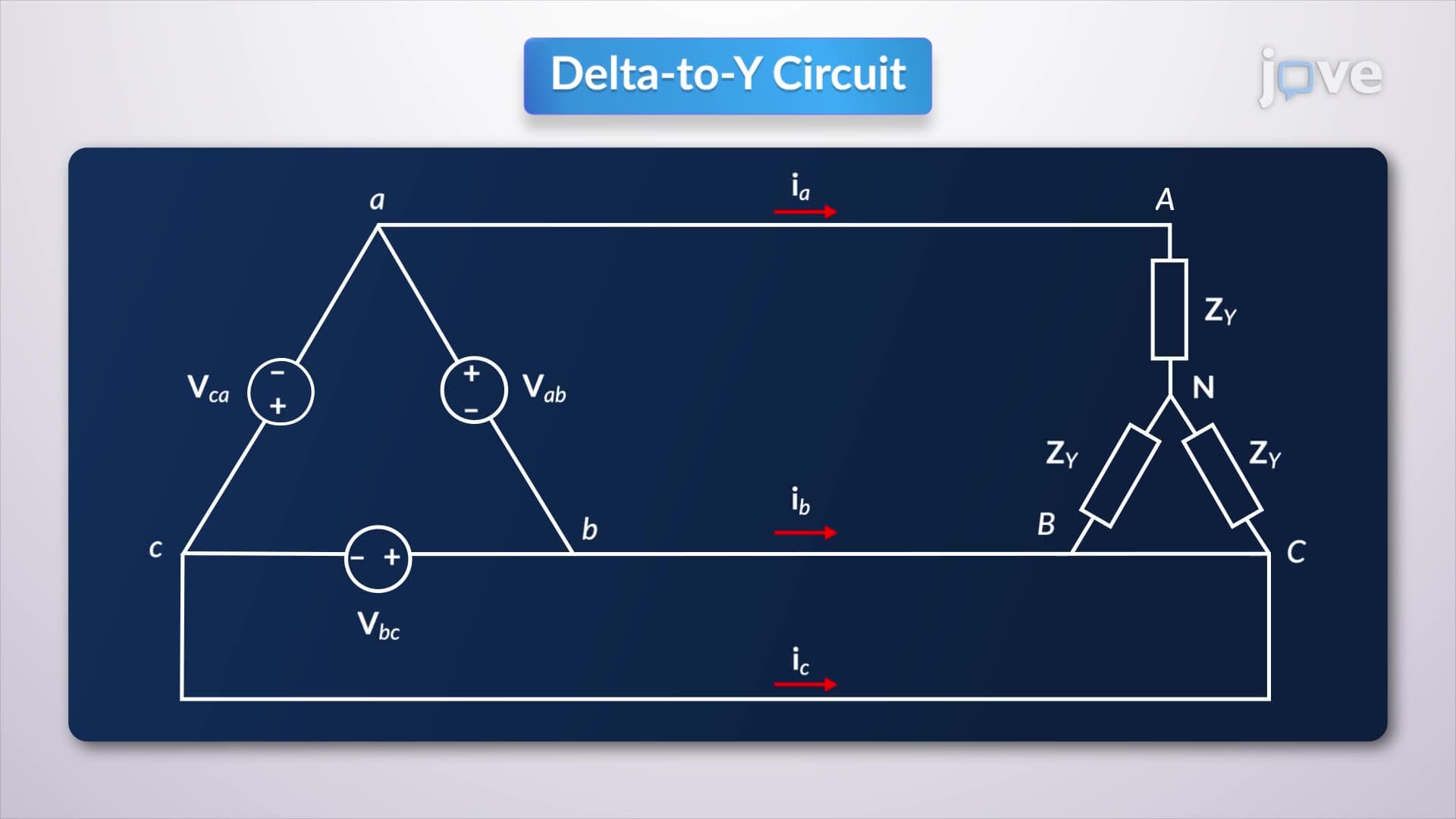
The Y to Y circuit overview reveals why certain configurations dominate different applications. Delta-connected loads offer easier maintenance since technicians can add or remove individual phases without creating system imbalances - crucial for industrial facilities like Boeing's aircraft manufacturing plants. However, Y-connected sources predominate because delta sources experience problematic circulating currents when voltages become slightly unbalanced, potentially damaging expensive equipment. This trade-off analysis commonly appears in engineering economics problems and power systems coursework at universities like MIT and Stanford.
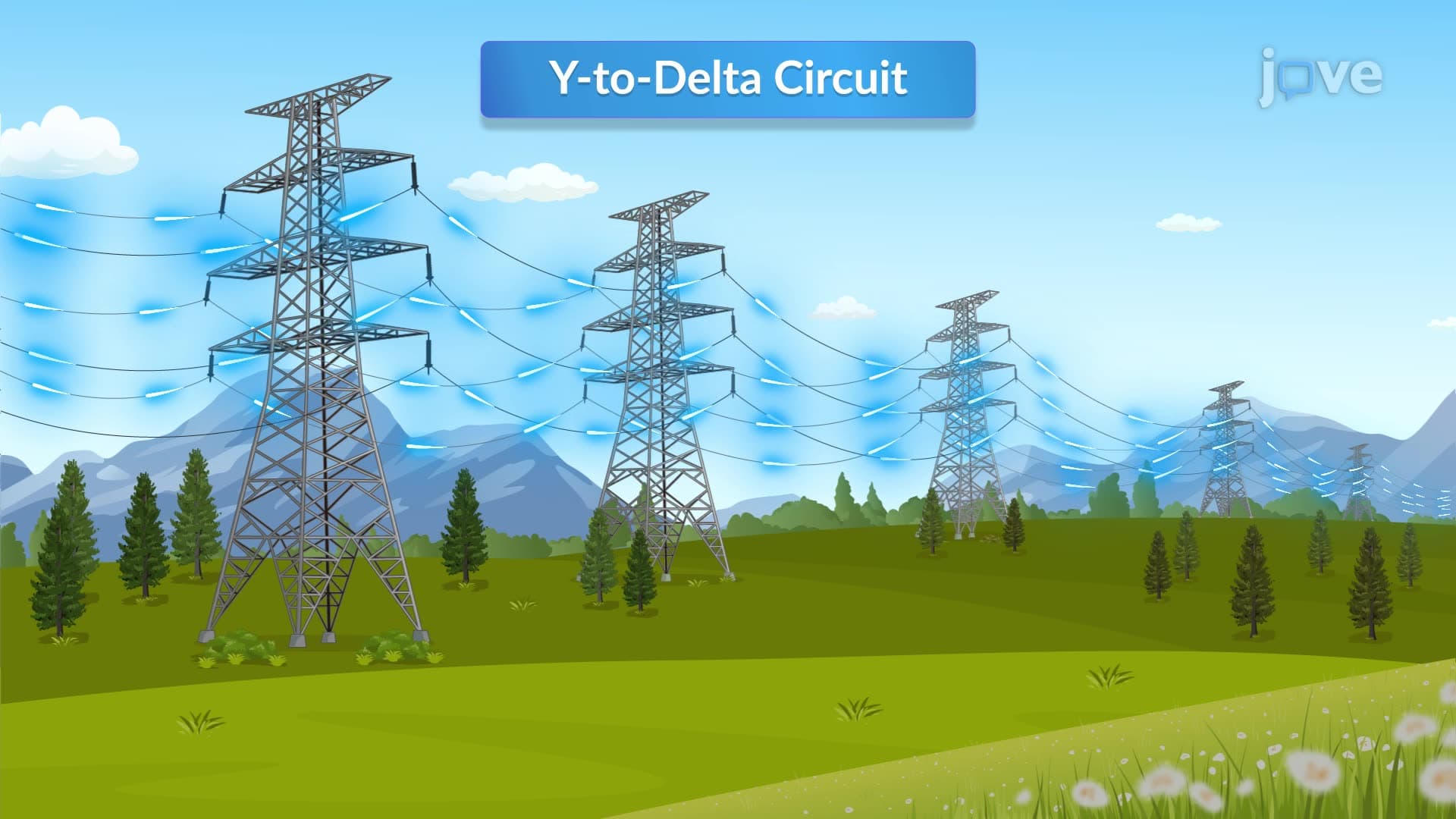
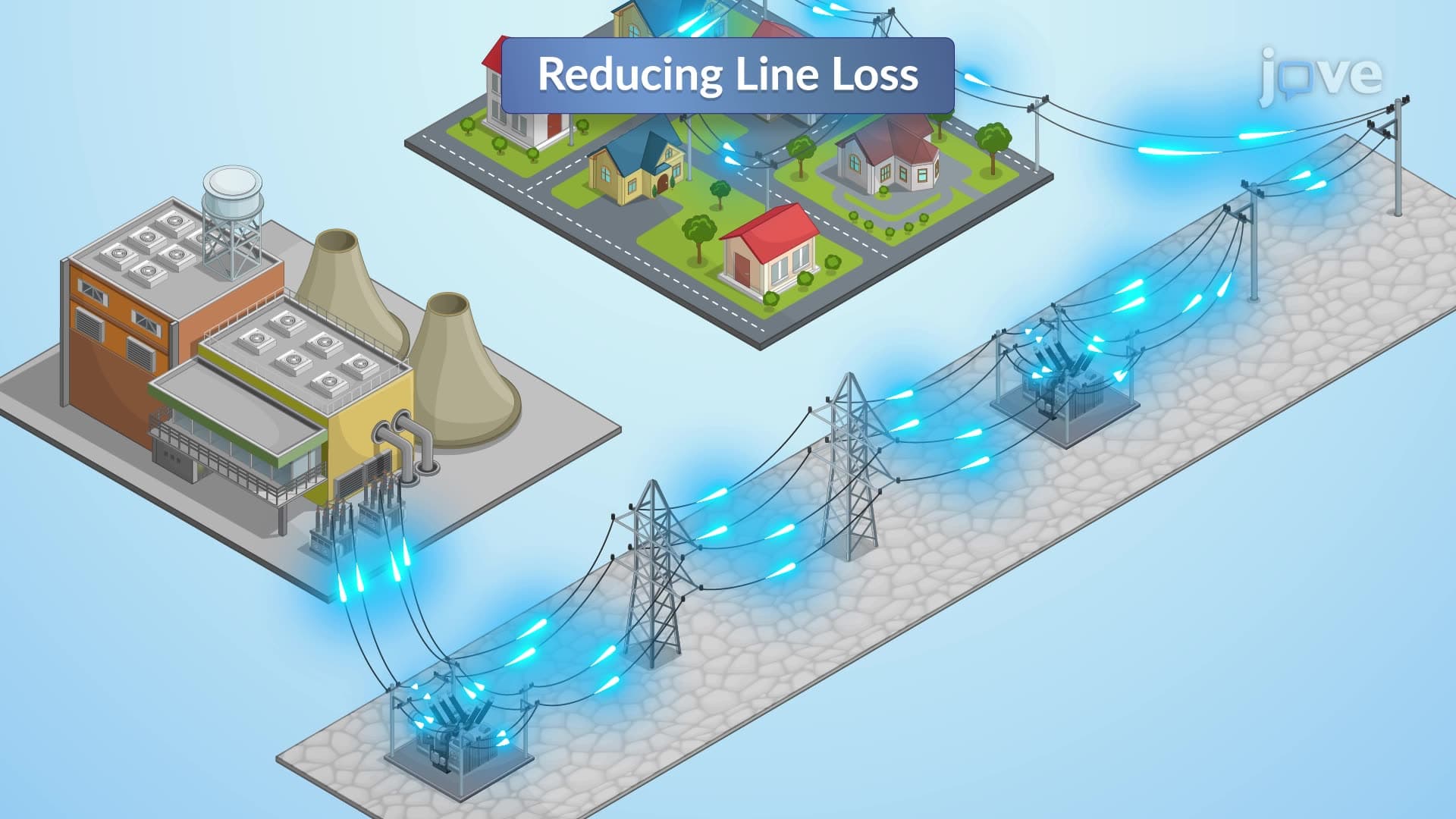
The Y to Y circuit study guide emphasizes practical implications that extend beyond textbook problems. Major US utilities like Pacific Gas & Electric rely on these principles to maintain grid stability across thousands of miles of transmission lines. Students preparing for the Fundamentals of Engineering (FE) exam must master these concepts, as three-phase analysis comprises approximately 15% of the electrical engineering portion. Understanding these fundamentals also proves essential for careers in renewable energy, where solar farms and wind installations must integrate seamlessly with existing three-phase infrastructure.
Related Micro-courses