Loading video…


 11 Concepts
 5.6K views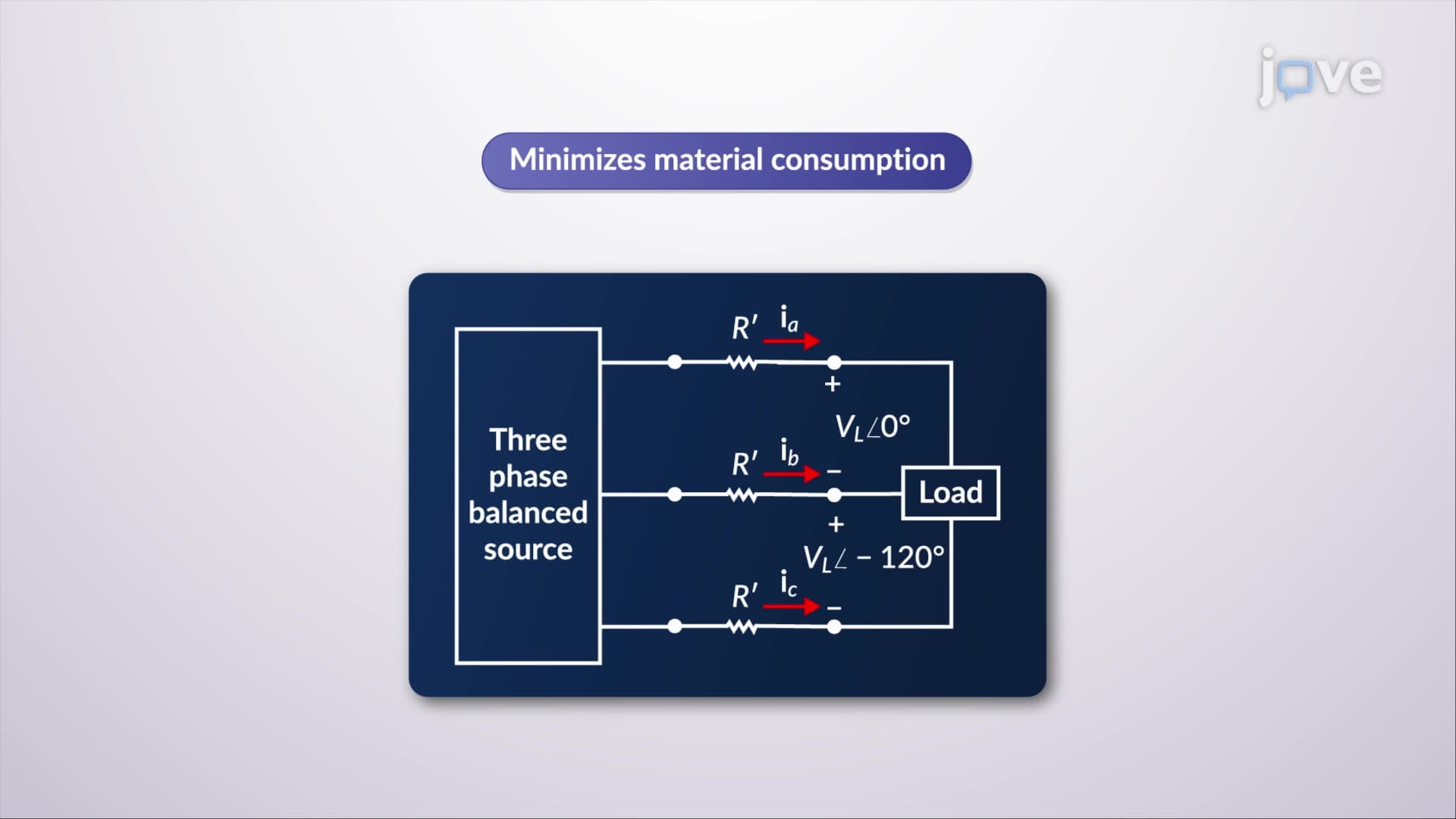

Video Summary: What Is Power Distribution
Did you know that line loss in America's electrical grid wastes enough energy annually to power millions of homes? Line loss occurs when electrical energy is converted to heat as current flows through transmission wires, reducing overall system efficiency. Consider how Pacific Gas & Electric manages power distribution across California-they must balance minimizing these losses while maintaining reliable service to both residential neighborhoods and industrial facilities. What is Power Distribution becomes crucial when comparing single-phase systems powering homes versus three-phase systems running factories. Watch the full video on JoVE Coach to master this concept with expert-led visuals and step-by-step explanations.
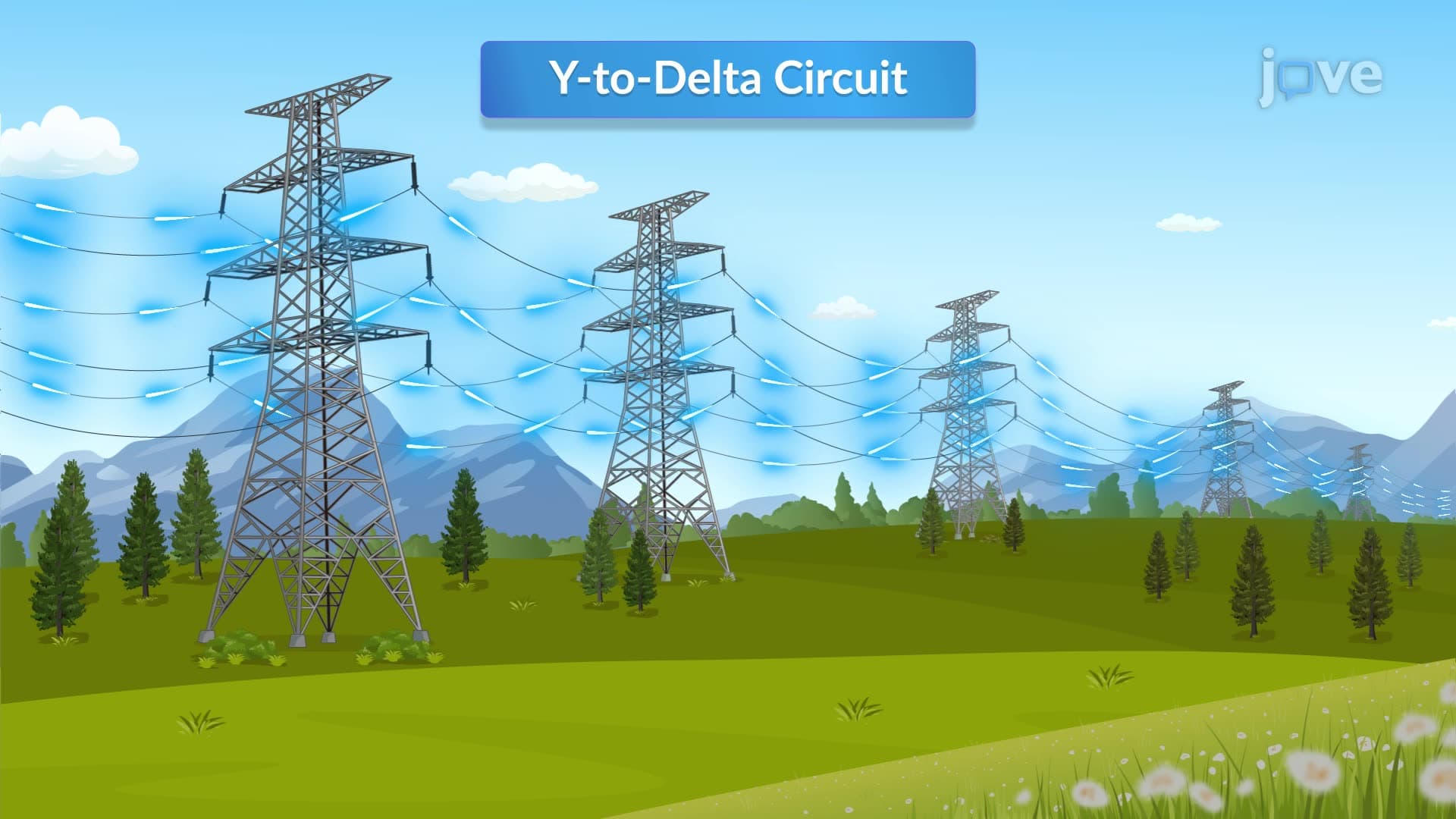
What is Power Distribution encompasses the methods and systems used to deliver electrical energy from generation sources to end users while minimizing losses. The line loss phenomenon represents one of the most critical challenges in electrical engineering, as it directly impacts both economic efficiency and environmental sustainability. In the United States, transmission and distribution losses account for approximately 5% of all generated electricity, equivalent to powering the entire state of Florida for a year.
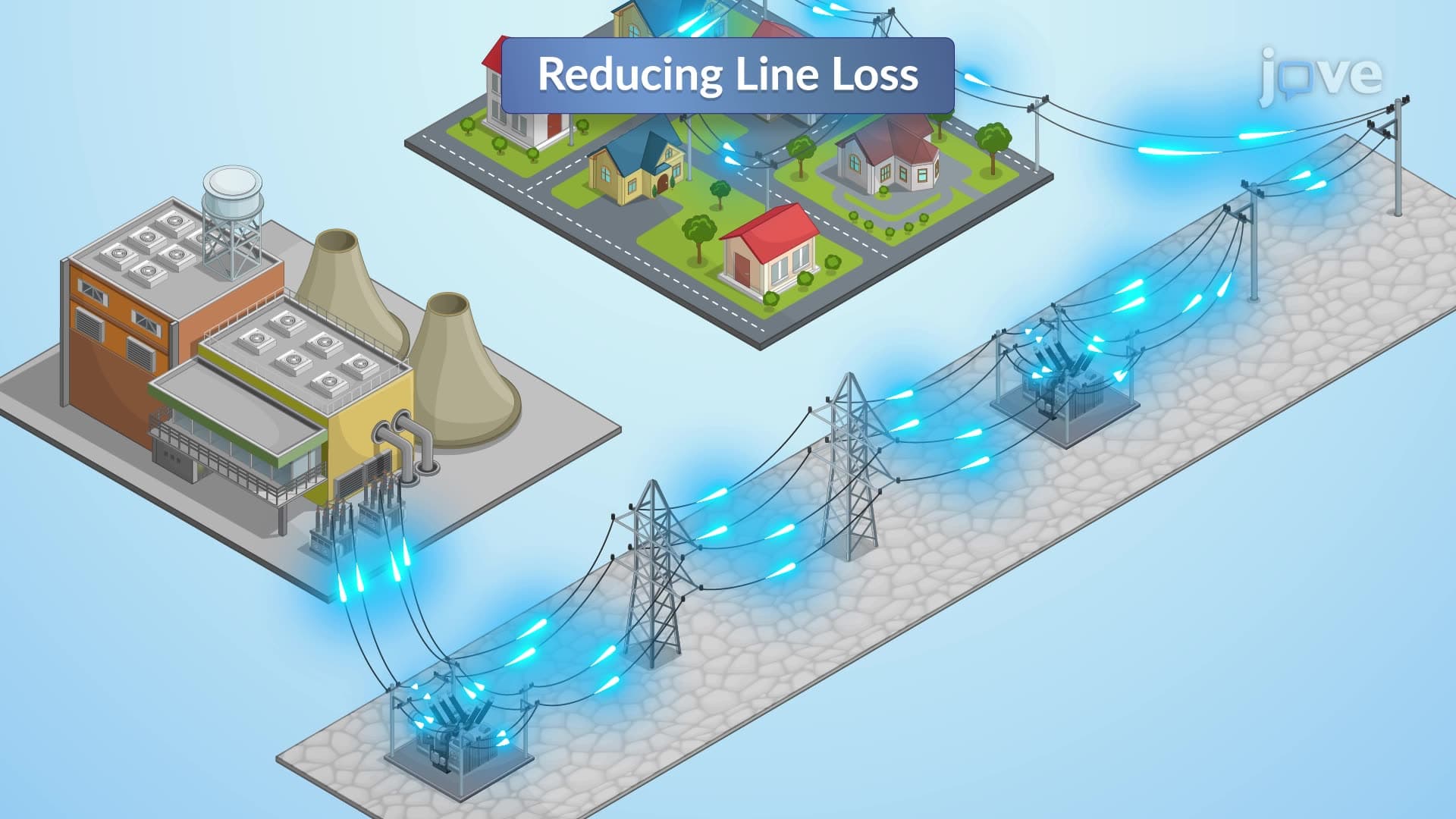
Line loss definition centers on the conversion of electrical energy into heat due to the resistance of conducting materials. When current flows through any conductor, the power loss follows the relationship P = I²R, where current squared multiplies by resistance. This quadratic relationship means that doubling the current results in four times the power loss, making current reduction a priority in distribution design.
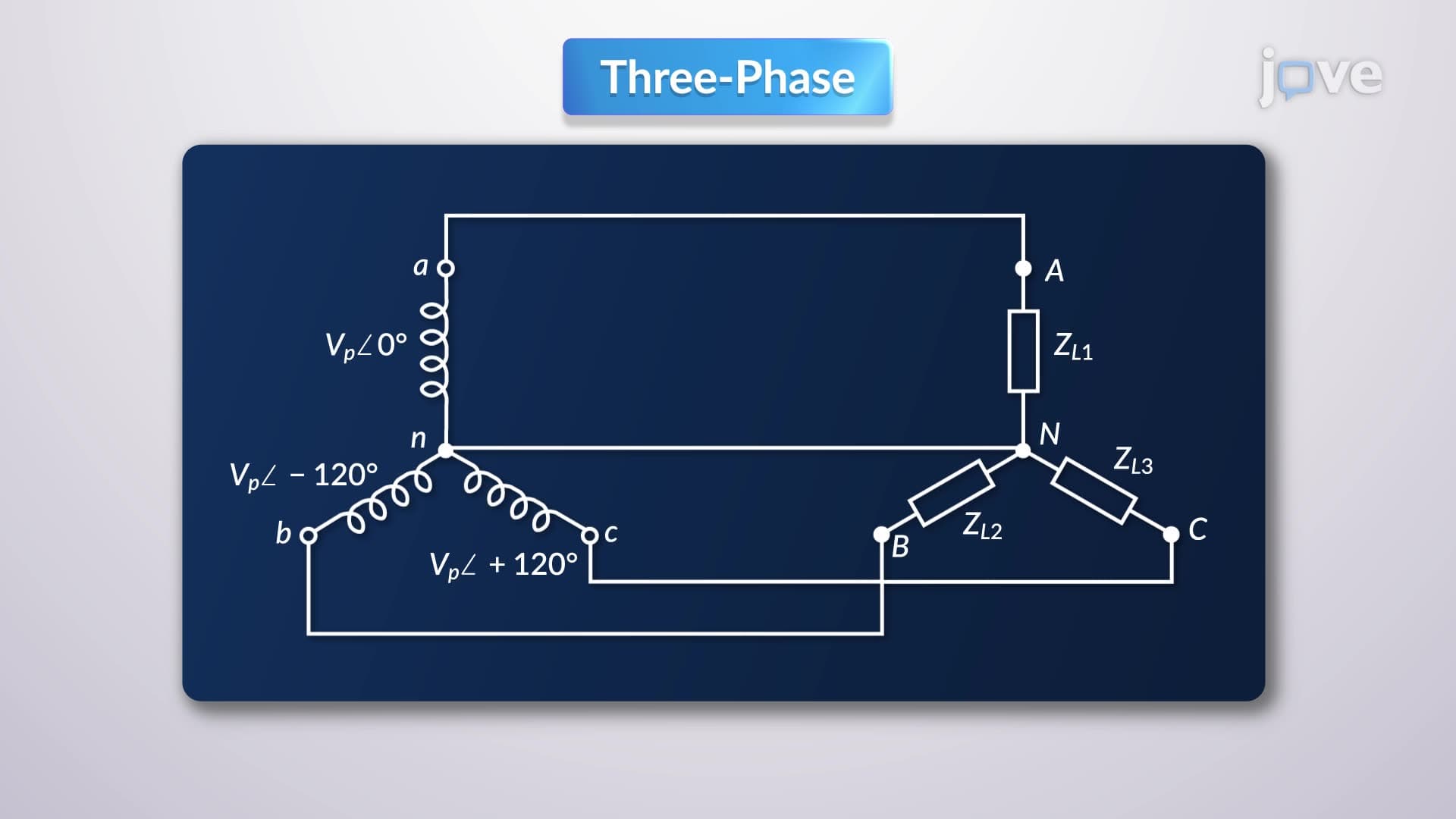
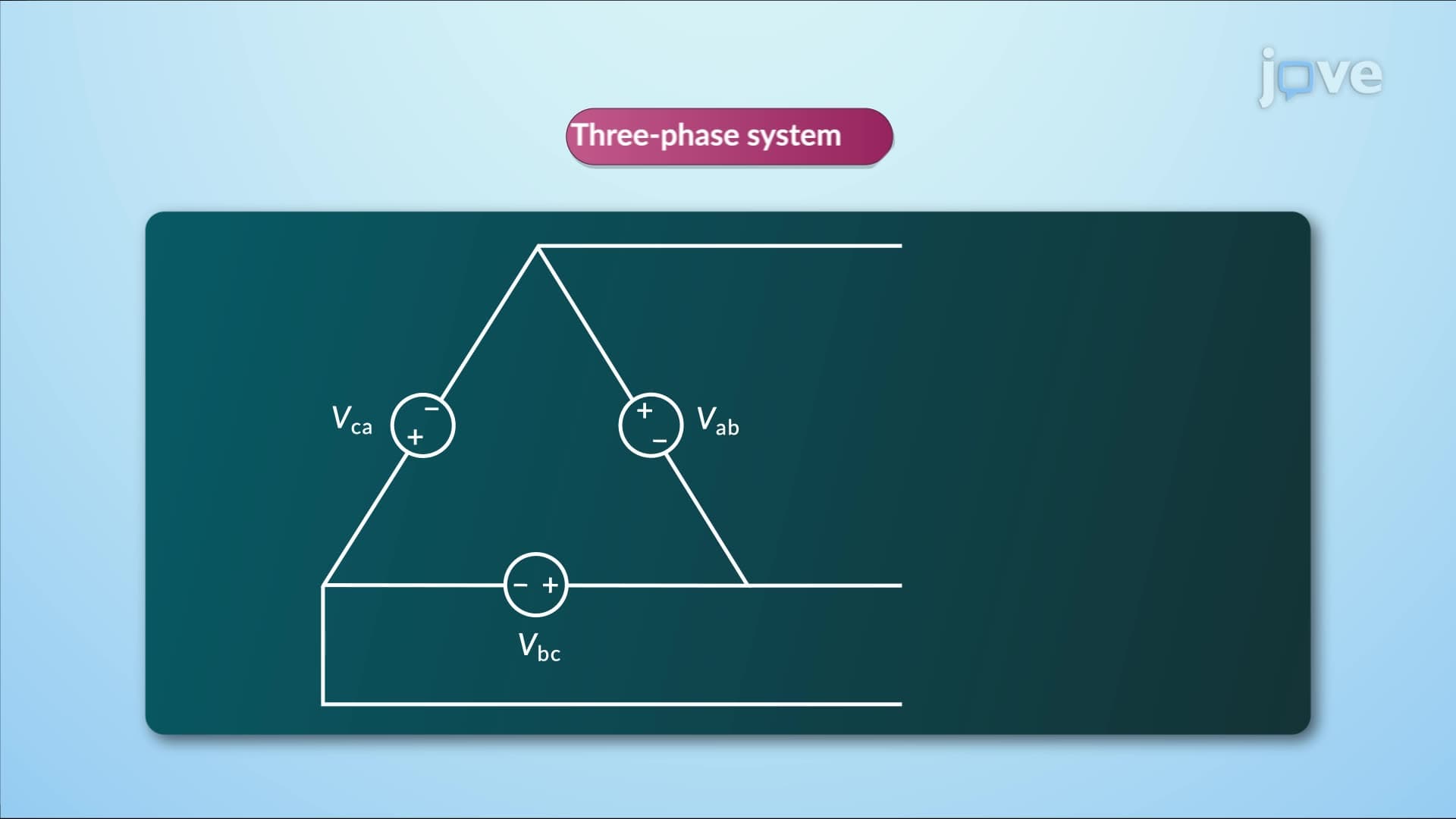
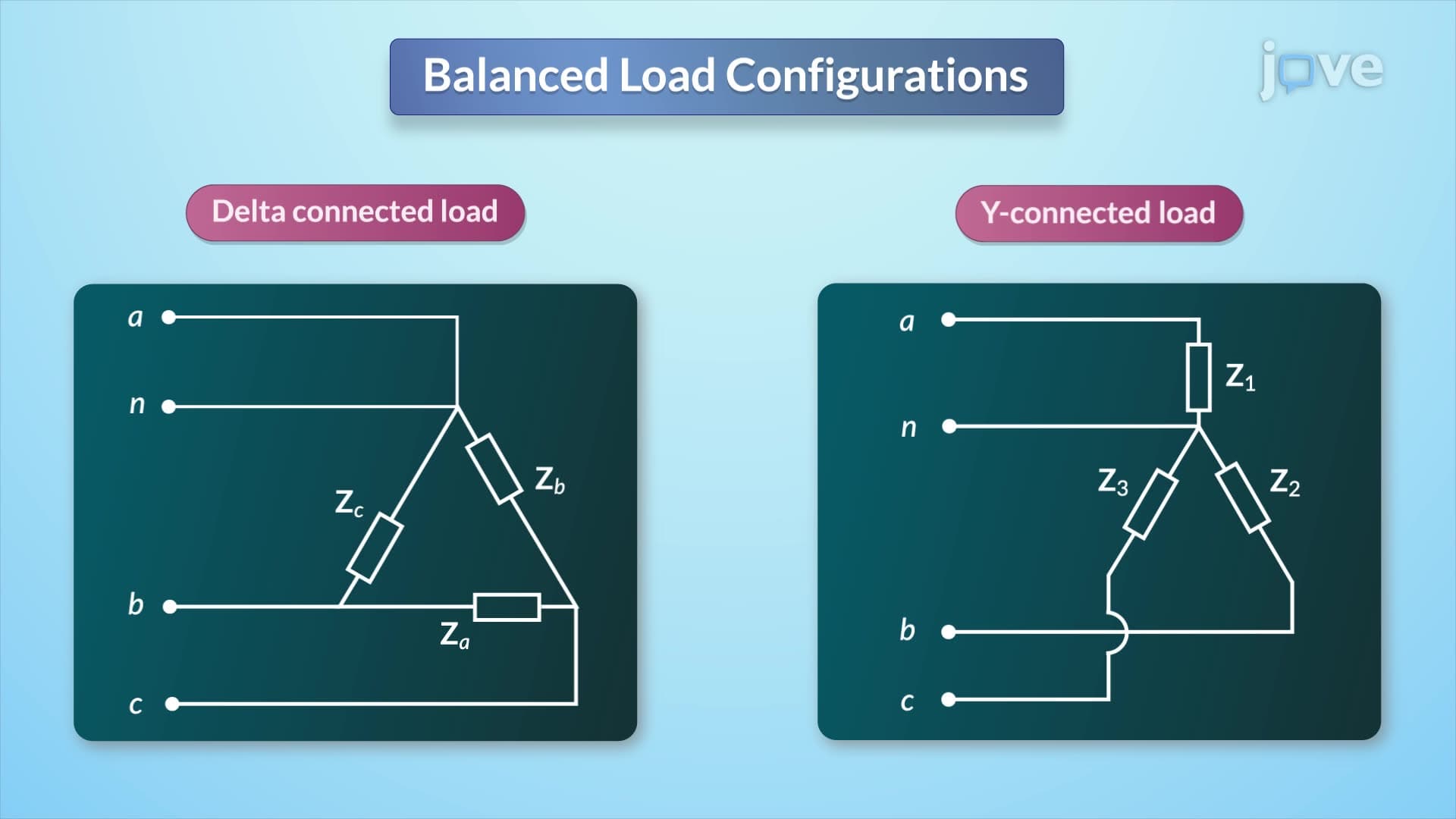
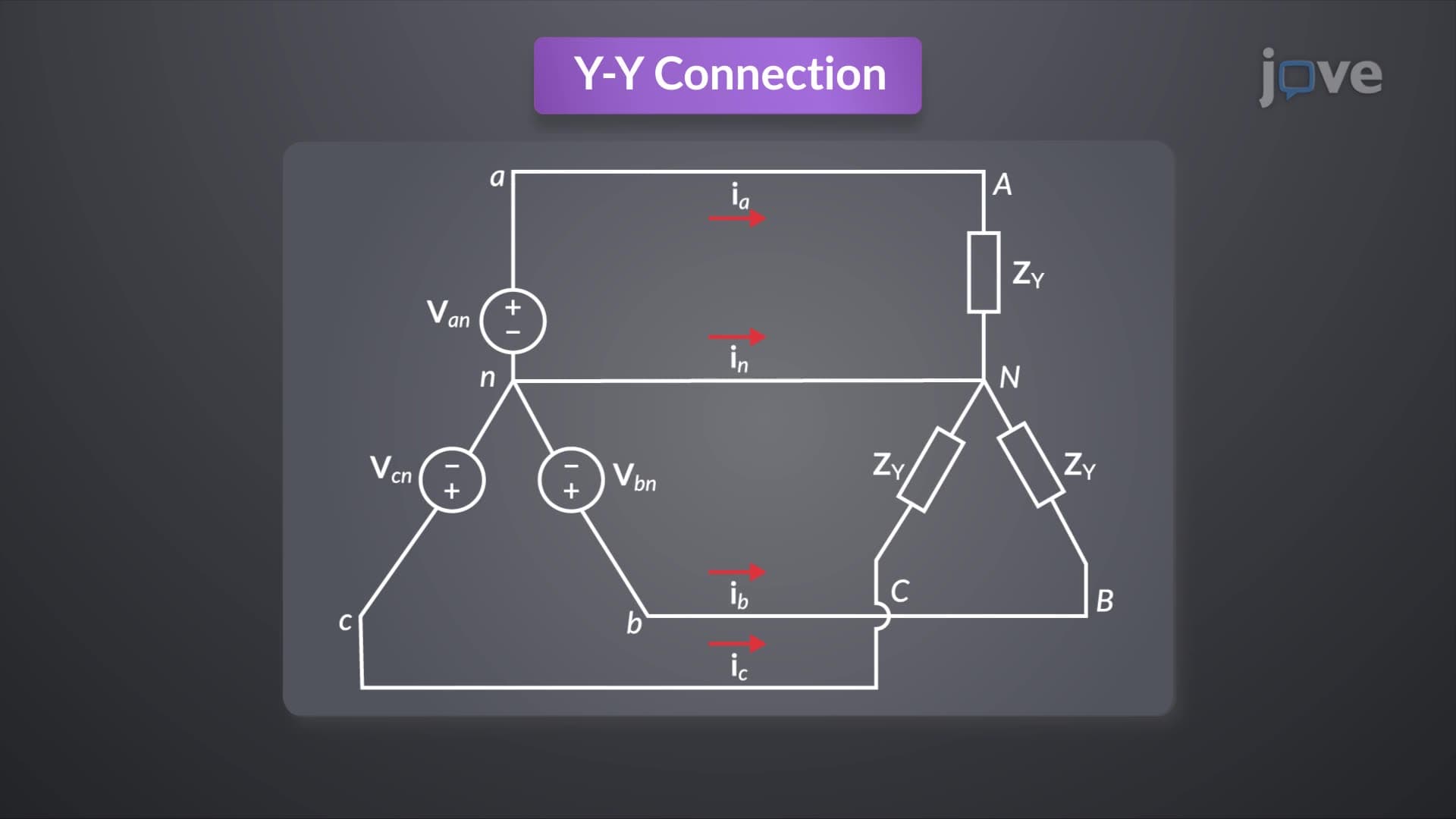
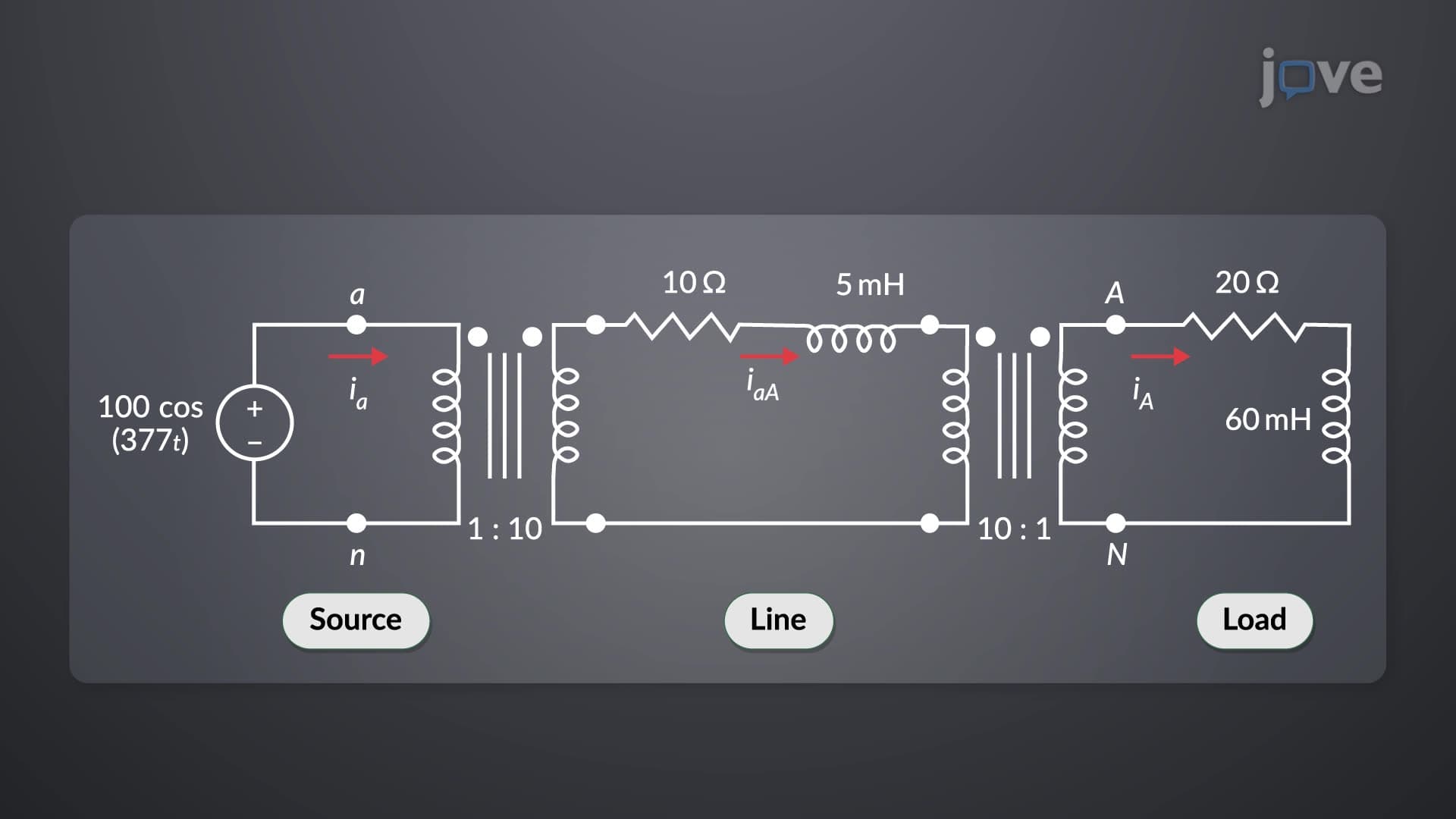
The line loss concept becomes more complex when comparing different distribution architectures. In single-phase systems typically serving American homes, the entire load current flows through two wires. However, three-phase systems distribute the same total power across three conductors, effectively reducing the current in each wire. This current division directly translates to reduced losses since power loss depends on current squared.
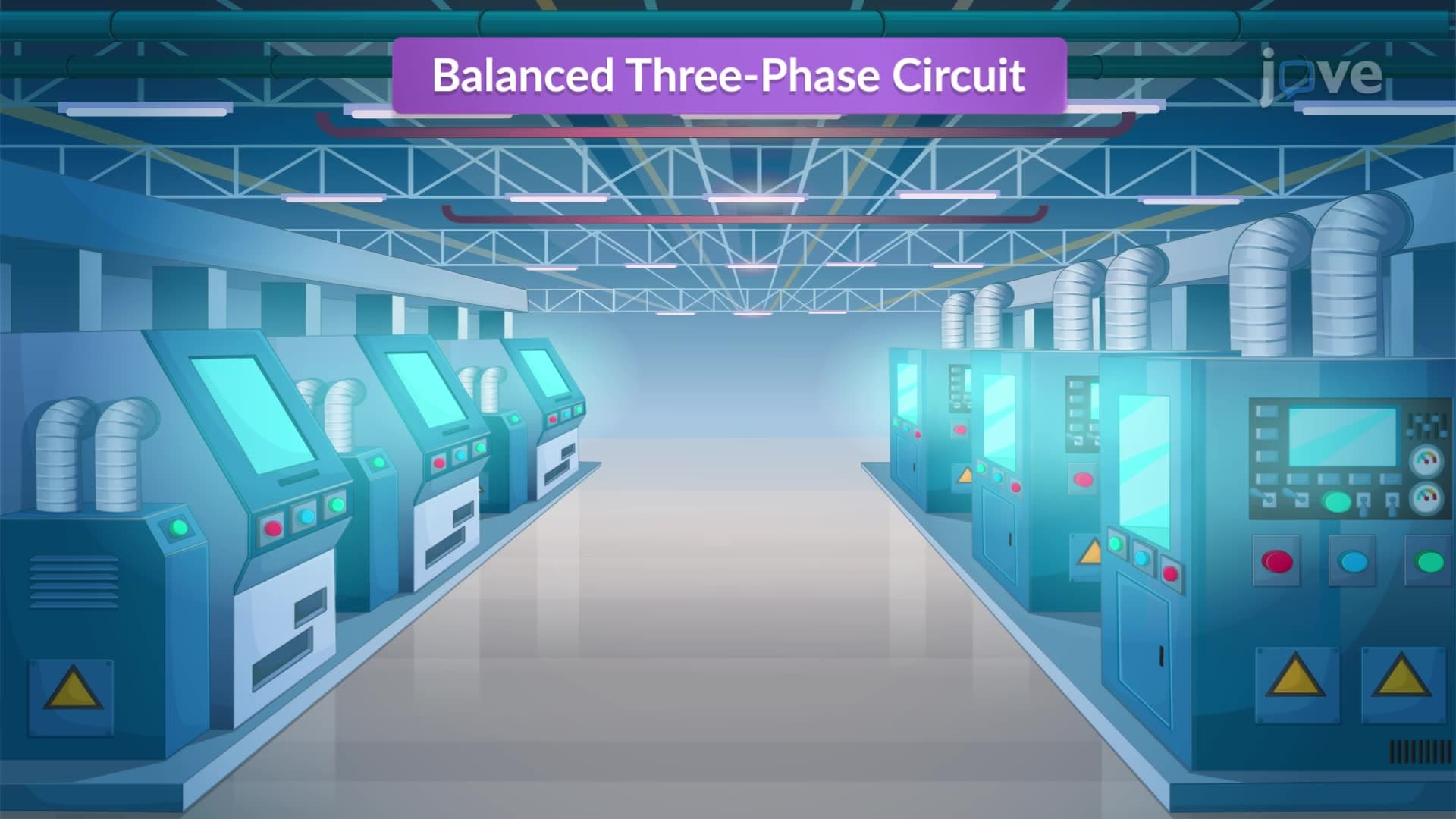
Understanding line loss requires examining how different system configurations affect material requirements and efficiency. Consider a Tesla Gigafactory in Nevada, which relies on three-phase power distribution to operate massive battery production equipment. The same power delivered through a single-phase system would require significantly larger conductors and result in higher losses.
The material advantage of three-phase systems becomes evident through wire sizing calculations. For identical power delivery and acceptable loss levels, single-phase systems require conductors with approximately twice the radius of three-phase system wires. This translates to roughly 33% more copper or aluminum consumption, directly impacting both initial installation costs and ongoing operational expenses.
Line loss basics frequently appear in Advanced Placement (AP) Physics examinations and electrical engineering coursework at universities like MIT and Stanford. Students encounter these concepts when analyzing power grid efficiency, renewable energy integration, and industrial facility design. The mathematical relationships governing line loss also connect to broader physics principles including Ohm's Law, power calculations, and energy conservation.
Utility companies across America, from Con Edison in New York to Southern California Edison, continuously optimize their distribution networks using these fundamental principles. Engineers must balance wire costs, right-of-way limitations, voltage regulation requirements, and loss minimization when designing new transmission corridors or upgrading existing infrastructure.
Related Micro-courses