Loading video…


 11 Concepts
 5.6K views

Video Summary: Power in a Three Phase Circuit Explained
Ever wondered why power distribution systems use three phases instead of just one? Major US manufacturing facilities like Ford's Dearborn plant rely on three-phase power systems because they deliver remarkably stable power output. Understanding power in a three phase circuit explained reveals how industrial equipment achieves consistent energy delivery through balanced voltage phases separated by 120 degrees, enabling efficient operation of heavy machinery and reducing power fluctuations that could damage sensitive equipment. Watch the full video on JoVE Coach to master this concept with expert-led visuals and step-by-step explanations.
Power distribution forms the backbone of modern electrical infrastructure, particularly in industrial and commercial settings. When we examine power distribution definition, it encompasses the systematic delivery of electrical energy from generation sources to end users through interconnected networks. Three-phase power systems represent the most efficient method for power distribution overview in large-scale applications.
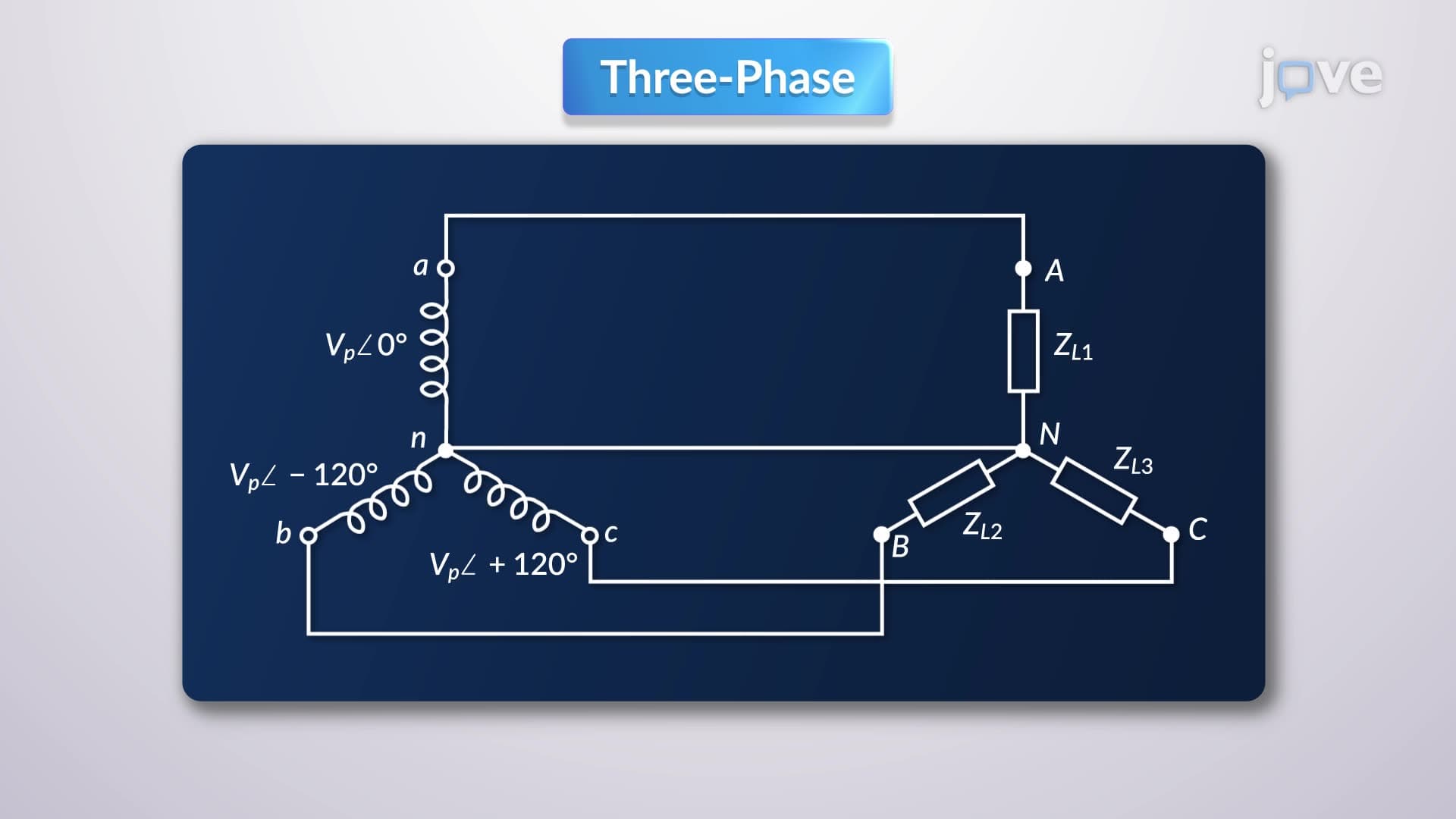
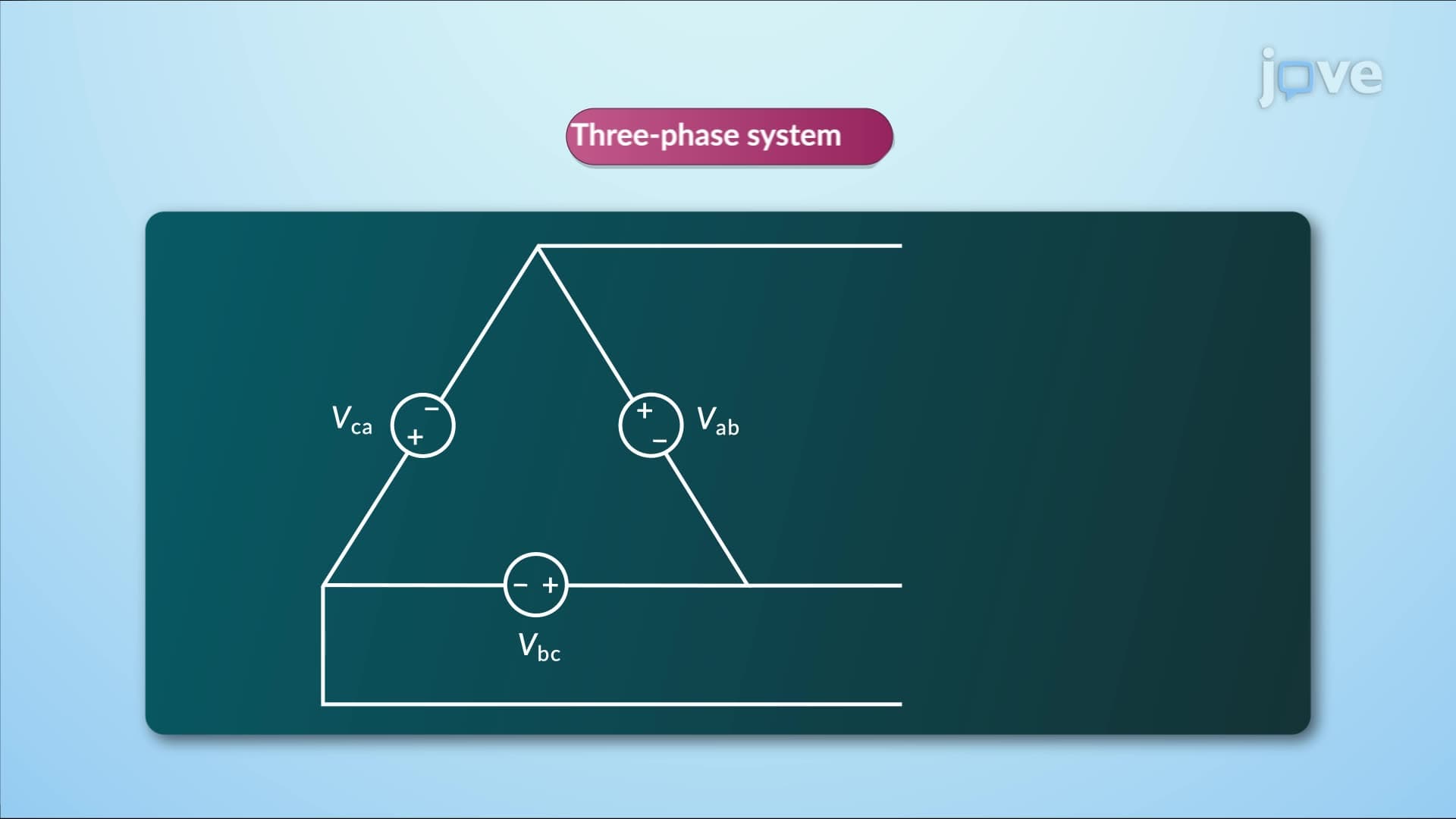
What is power distribution in detail when applied to three-phase circuits? Unlike single-phase systems common in residential applications, three-phase systems utilize three alternating current waveforms, each separated by 120 degrees. This configuration provides several critical advantages that make it the standard for power distribution basics in industrial settings.
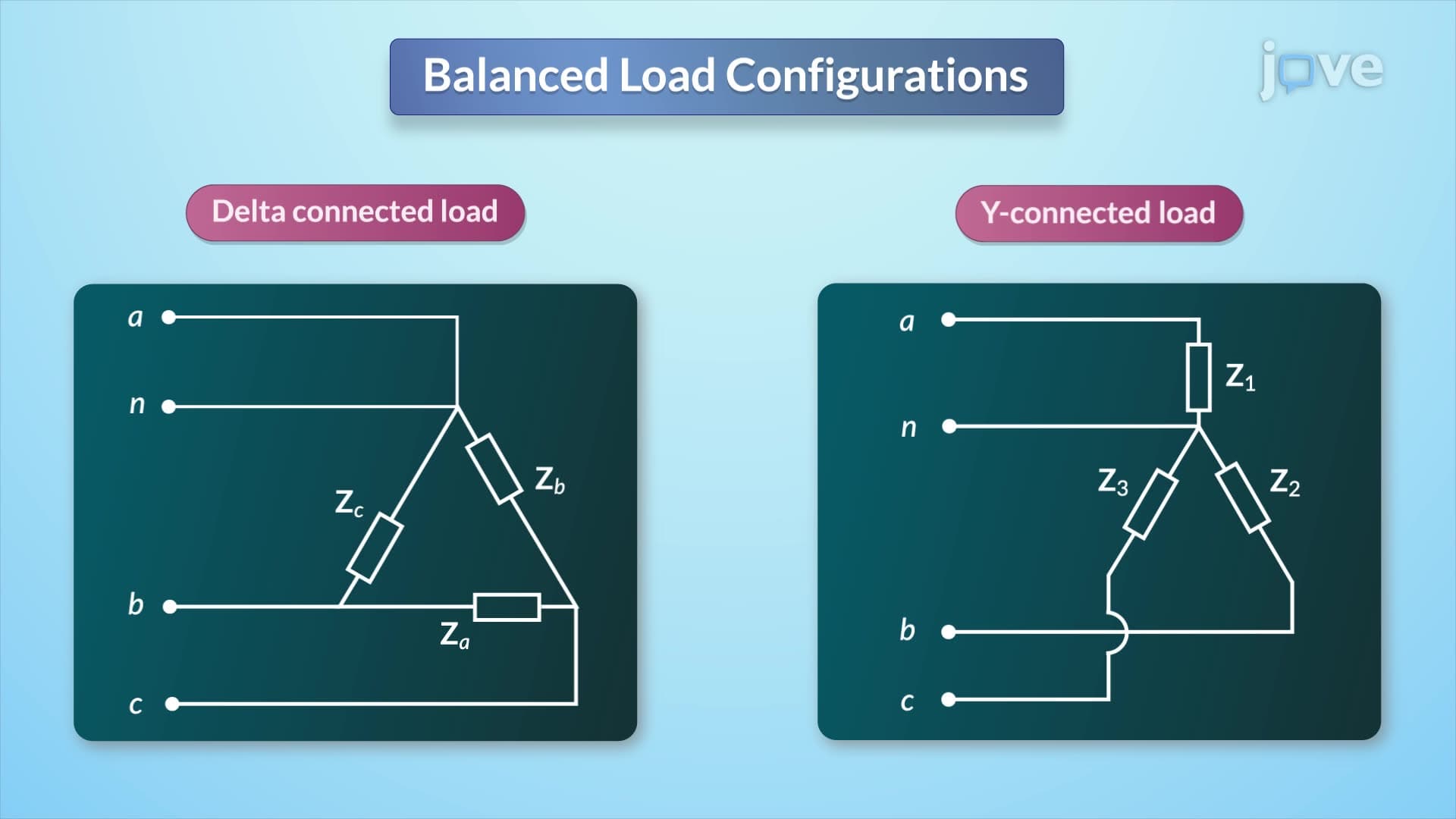
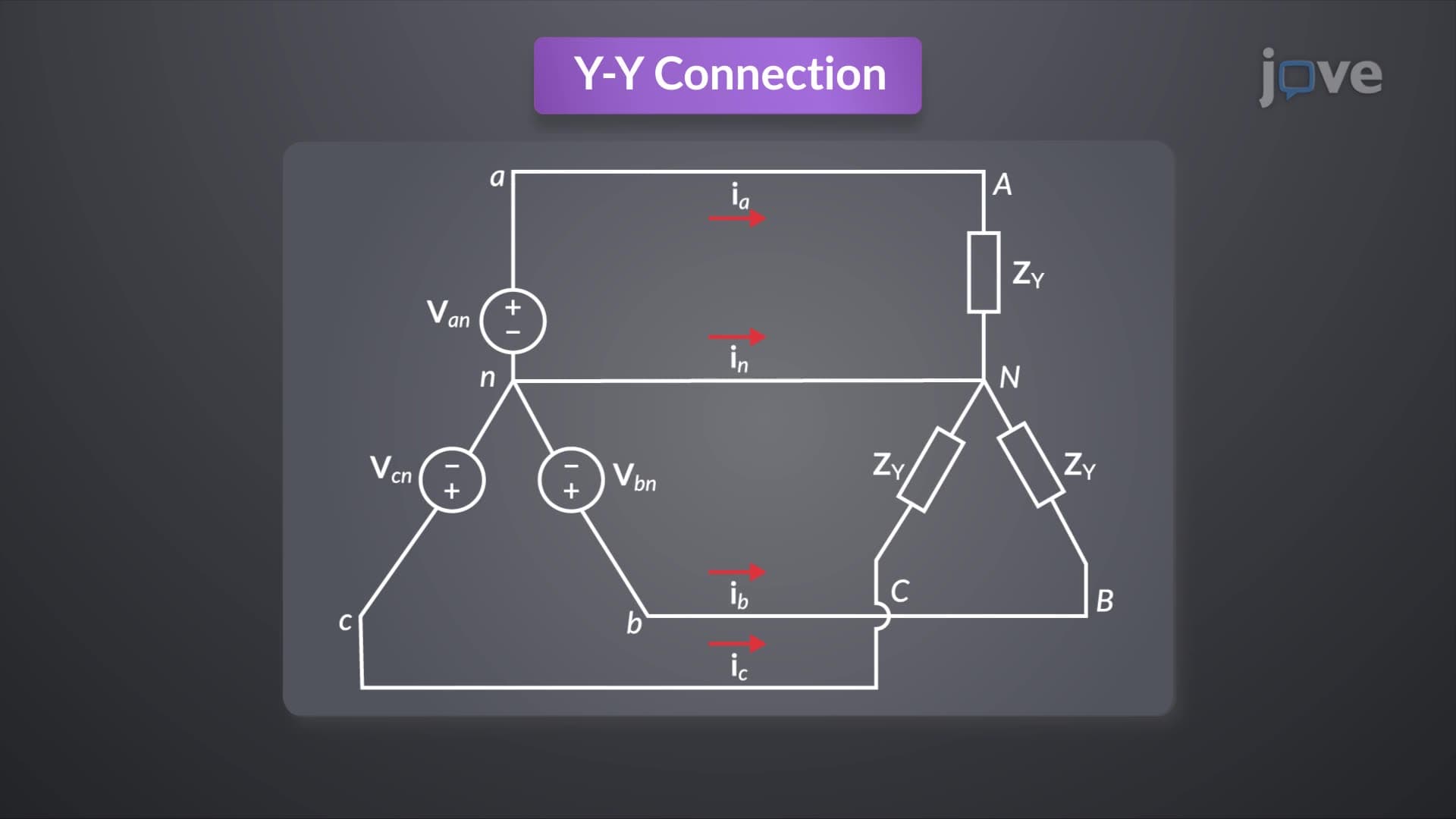
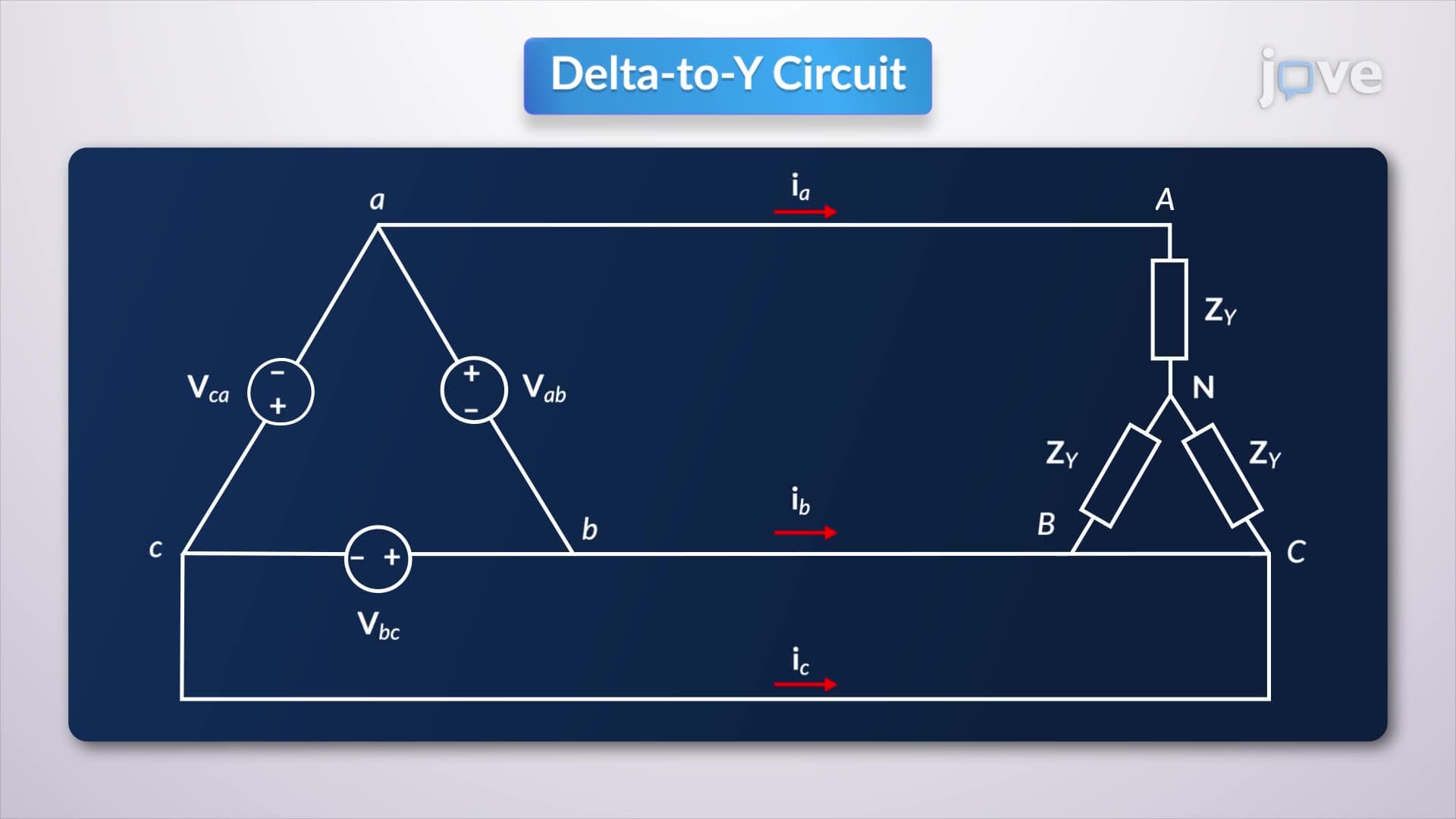
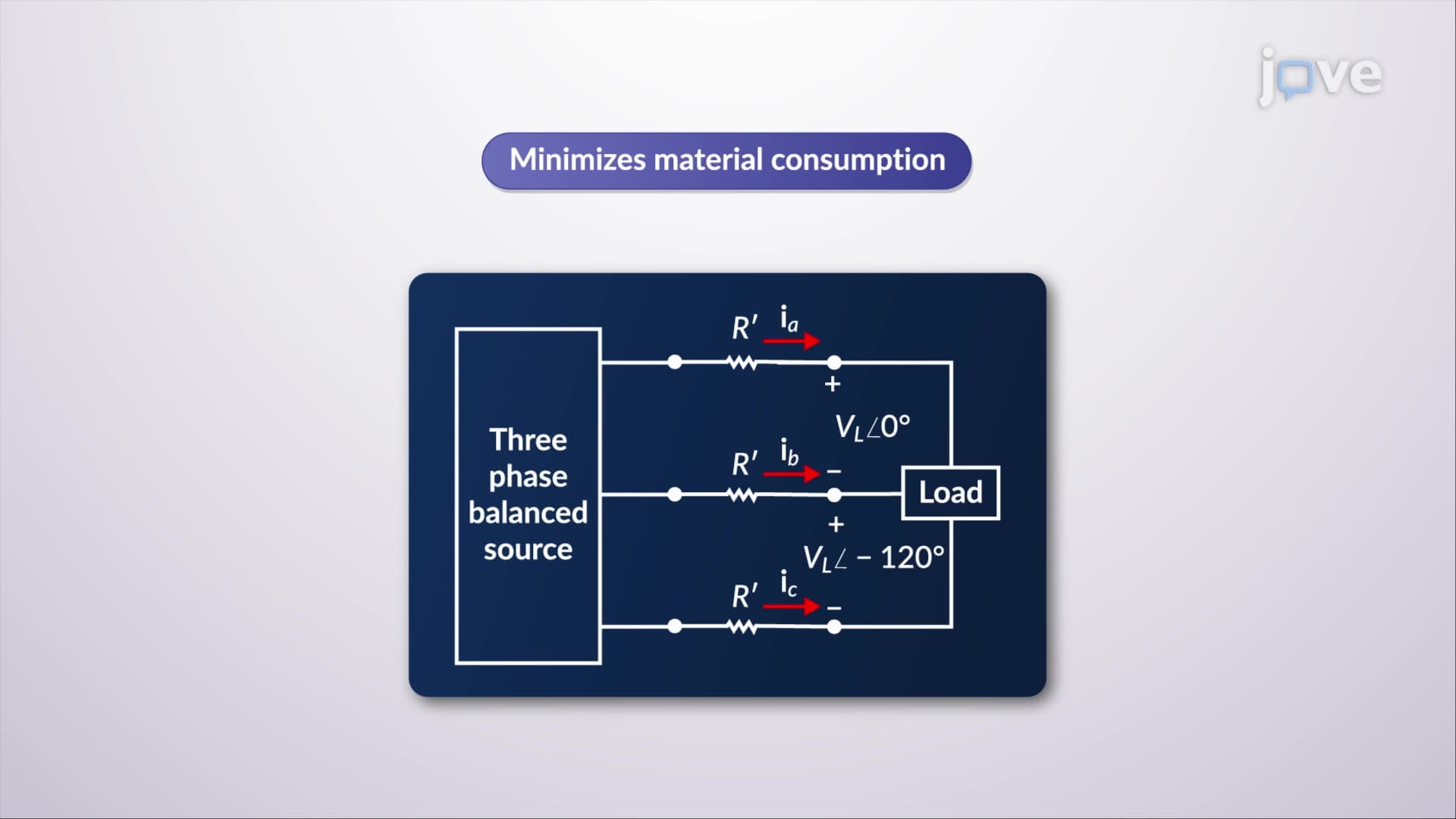
The mathematical foundation relies on balanced loads where each phase carries equal current magnitude. For a Y-connected system, phase voltages relate to line voltages through the relationship: V(line) = √3 × V(phase). This power distribution concept ensures optimal energy transfer while minimizing conductor requirements.
Power distribution study guide principles reveal that instantaneous power in three-phase systems exhibits remarkable stability. While single-phase power fluctuates at twice the frequency of the voltage waveform, three-phase systems maintain nearly constant total power. This occurs because when one phase experiences minimum power, the other phases compensate, creating smooth power delivery essential for industrial machinery.
Active power represents the actual energy consumed by loads, calculated as P = V × I × cos(φ) per phase, where φ represents the phase angle between voltage and current. Reactive power, Q = V × I × sin(φ), indicates the energy stored and released by inductive or capacitive loads without performing useful work. Apparent power combines both components: S = √(P² + Q²).
Understanding power distribution appears frequently in AP Physics C: Electricity and Magnetism exams, particularly in circuit analysis problems. College electrical engineering courses extensively cover three-phase systems in power systems analysis coursework. Students preparing for professional engineering (PE) exams encounter these concepts in power and electrical systems sections.
Major US facilities like General Electric's manufacturing plants in Schenectady, New York, demonstrate practical three-phase applications. These systems power everything from assembly line conveyors to precision machining equipment, where power interruptions could cost thousands of dollars per minute in lost production.
The balanced nature of three-phase systems also reduces harmonic distortion and electromagnetic interference, crucial factors in sensitive manufacturing processes like semiconductor fabrication at Intel facilities across the United States.
Related Micro-courses