Loading video…


 12 Concepts
 9.6K views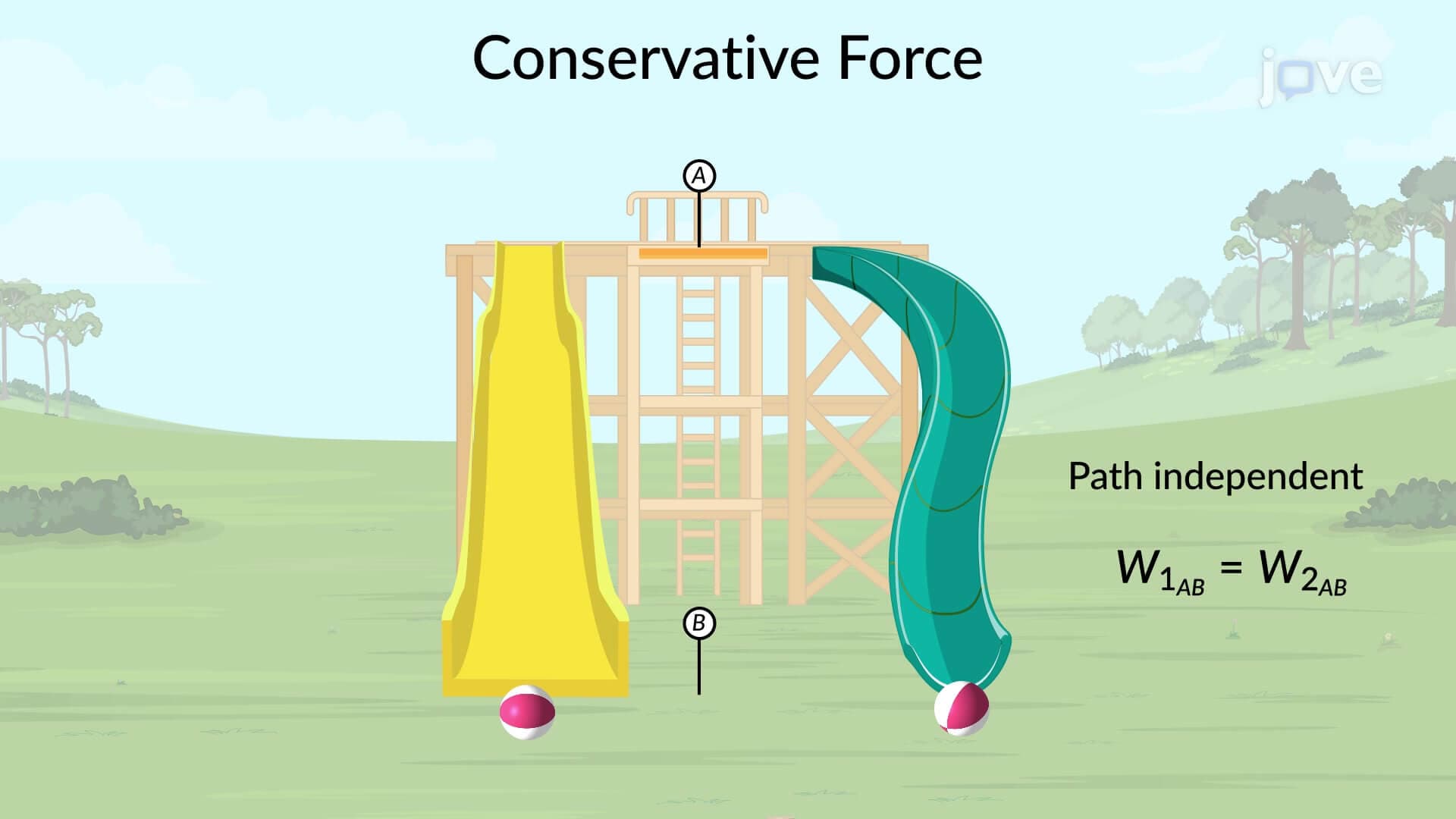

Video Summary: What are Conservative Forces
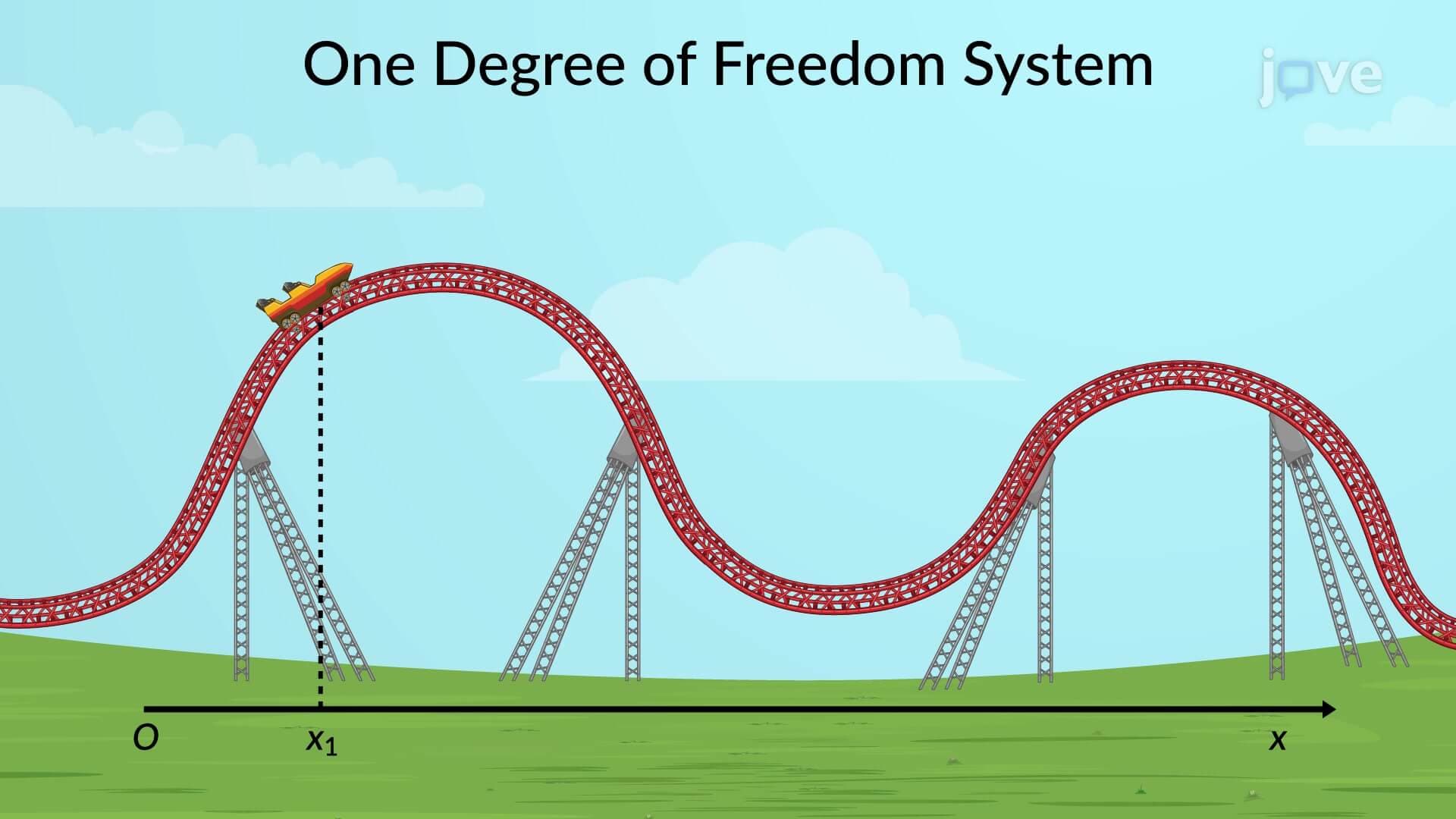
Ever wonder why a roller coaster car always returns to the same energy state regardless of which track it takes? Conservative forces are fundamental physics concepts where work depends solely on starting and ending positions, not the path traveled. Consider a construction crane lifting steel beams at a New York skyscraper-gravity performs the same work whether the beam moves straight up or follows a curved path. Understanding what are conservative forces helps explain everything from spring-loaded mechanisms in car suspensions to gravitational potential energy in hydroelectric dams across the Colorado River. Watch the full video on JoVE Coach to master this concept with expert-led visuals and step-by-step explanations.
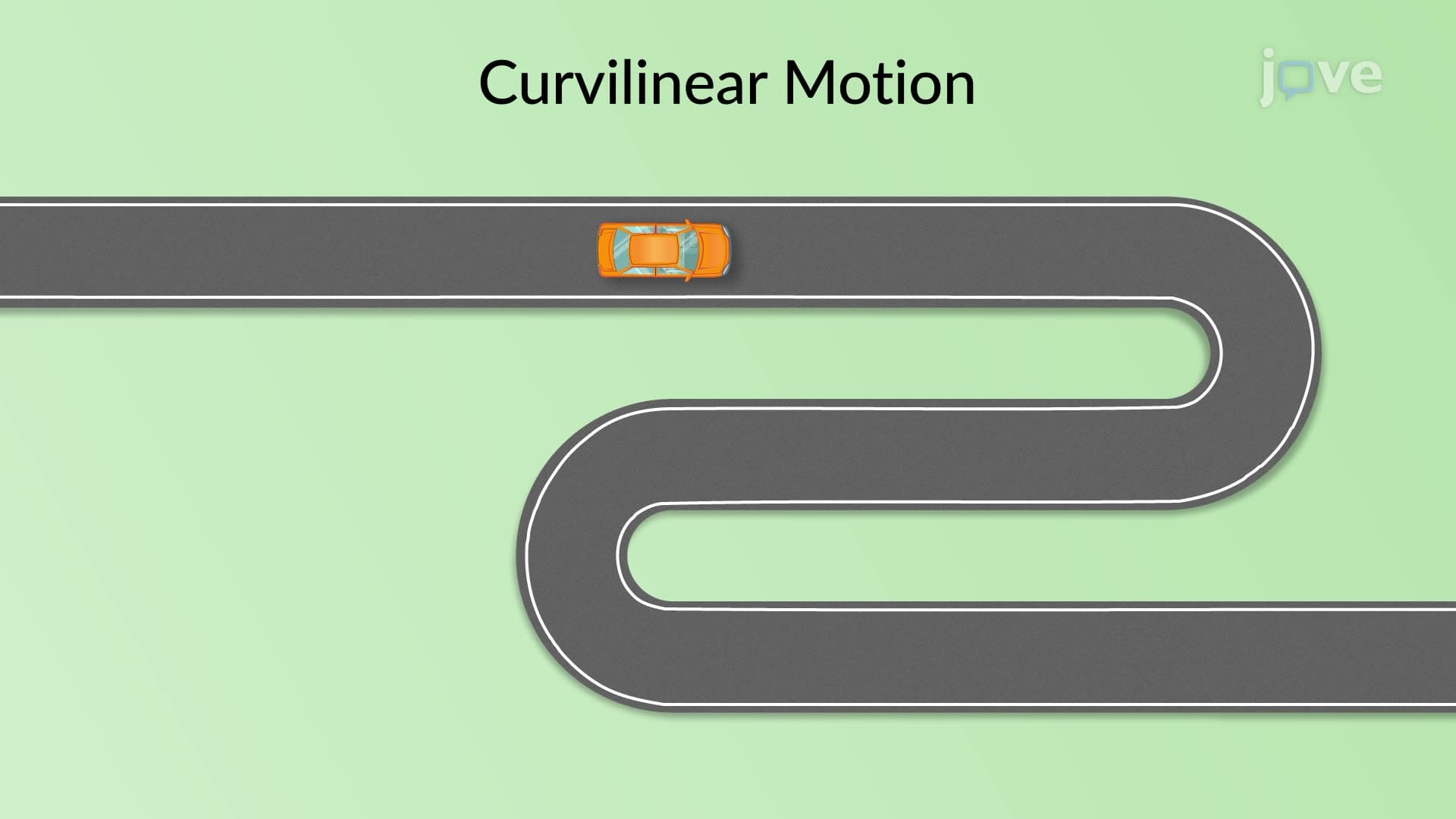
Conservative forces represent a fundamental classification in physics where the work performed depends exclusively on an object's initial and final positions, remaining completely independent of the specific path traveled between these points. This path-independence property distinguishes conservative forces from non-conservative forces like friction or air resistance, making them crucial for energy conservation analysis in mechanical systems.
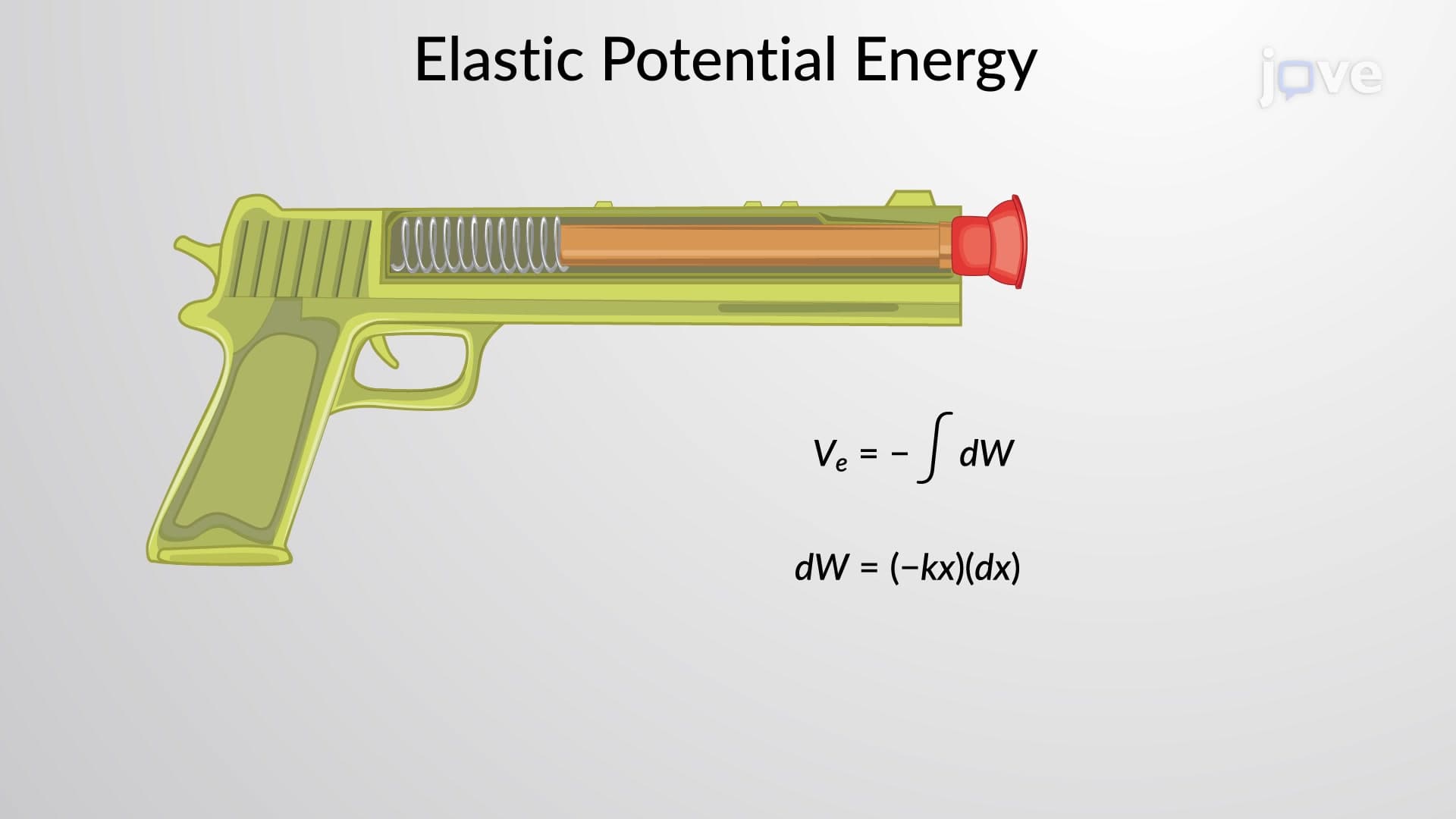
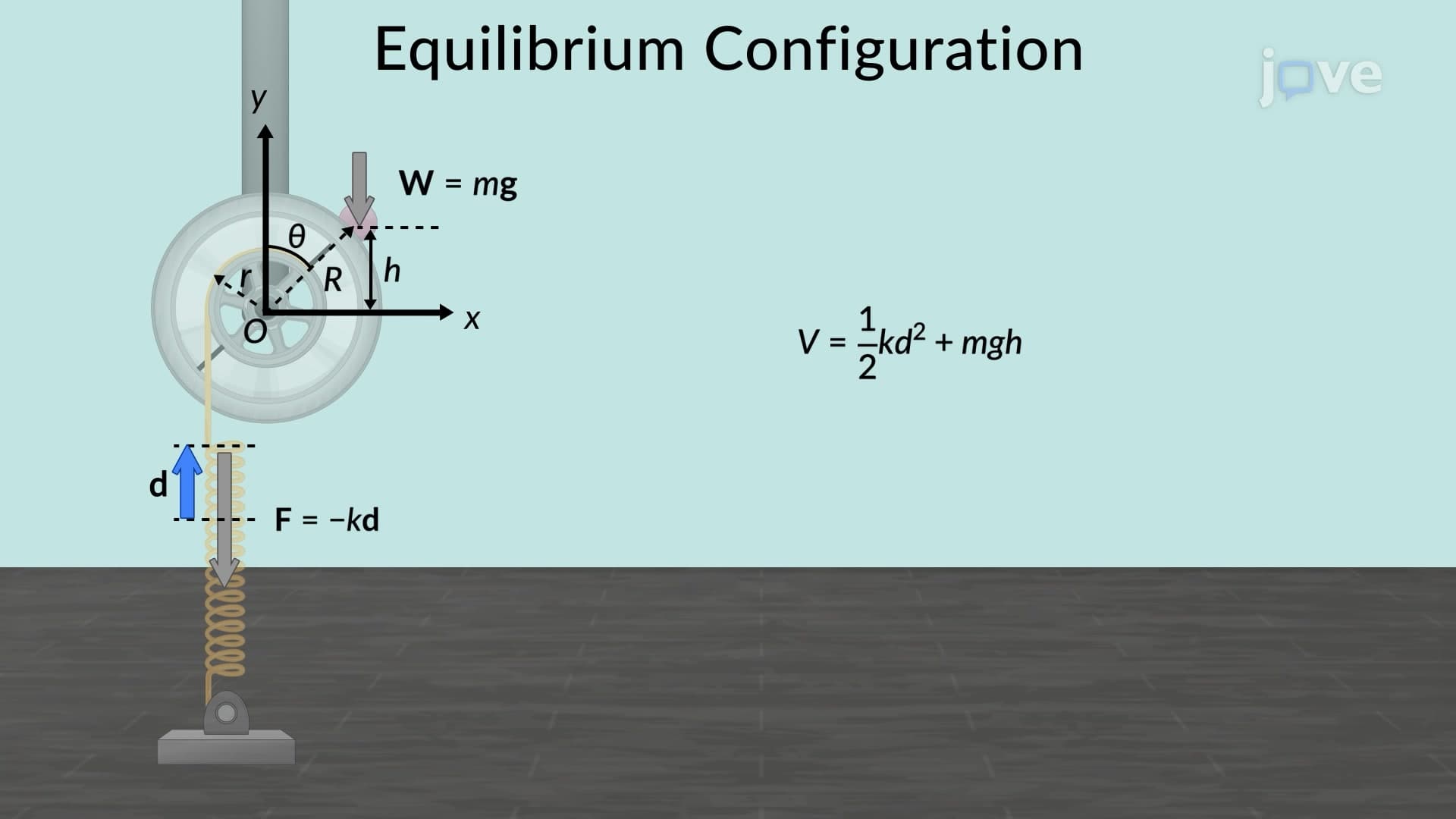
The types of conservative forces encountered most frequently include gravitational force and elastic spring force. Gravitational force, commonly experienced as an object's weight, demonstrates perfect path independence-whether a construction worker carries equipment straight up a Los Angeles high-rise's stairwell or takes a winding ramp, gravity performs identical work based solely on vertical displacement. Similarly, elastic spring forces in automotive suspension systems or industrial machinery exhibit conservative behavior, with work depending only on initial and final spring compressions regardless of loading sequence.
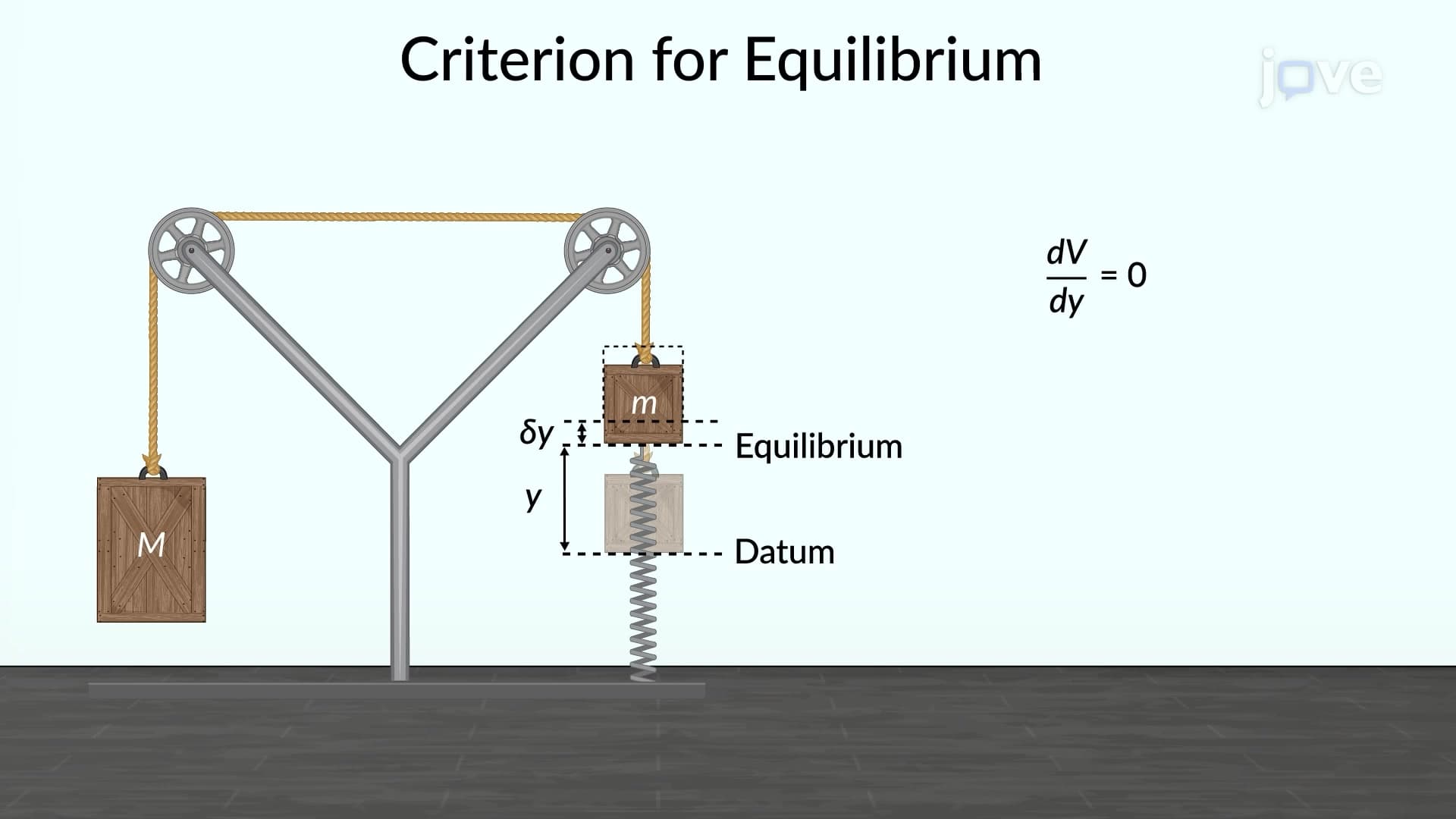
Conservative forces exhibit a crucial mathematical property: their work around any closed loop equals zero. This characteristic directly connects to potential energy functions, where conservative forces equal the negative gradient of potential energy. For gravitational systems, potential energy increases linearly with height (PE = mgh), while spring systems follow quadratic relationships (PE = ½kx²). These relationships prove essential for AP Physics students solving energy conservation problems and appear frequently on standardized exams.
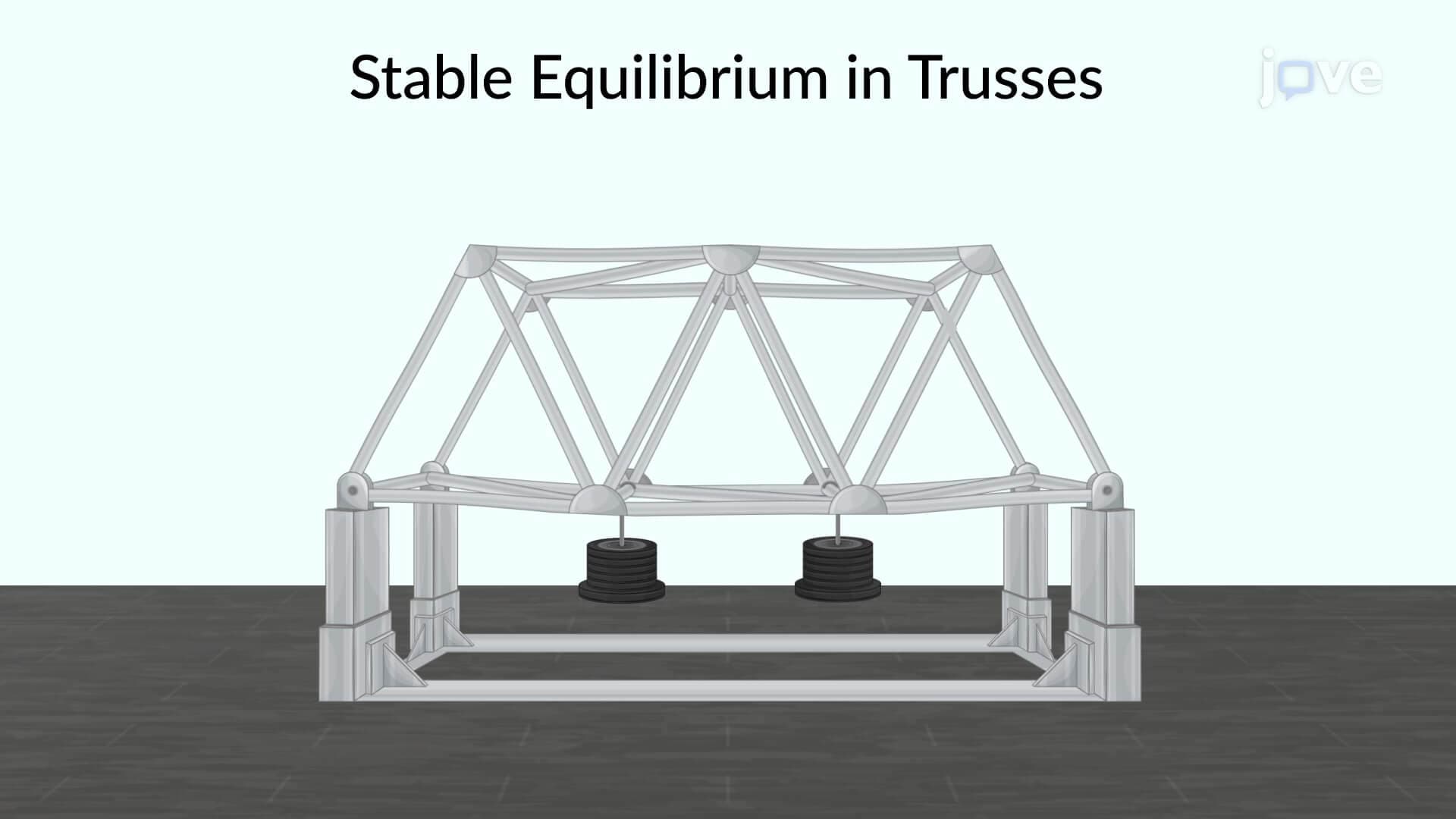
Understanding conservative forces enables analysis of complex mechanical systems from playground swings in Central Park to hydroelectric generators at Hoover Dam. When solving physics problems, identifying conservative forces allows application of mechanical energy conservation, significantly simplifying calculations compared to force-based approaches. Students preparing for MCAT physics sections or college mechanics courses should master recognizing conservative force scenarios, as these concepts frequently appear in both multiple-choice and free-response questions involving energy transformations and system analysis.
Related Micro-courses