Loading video…


 12 Concepts
 9.6K views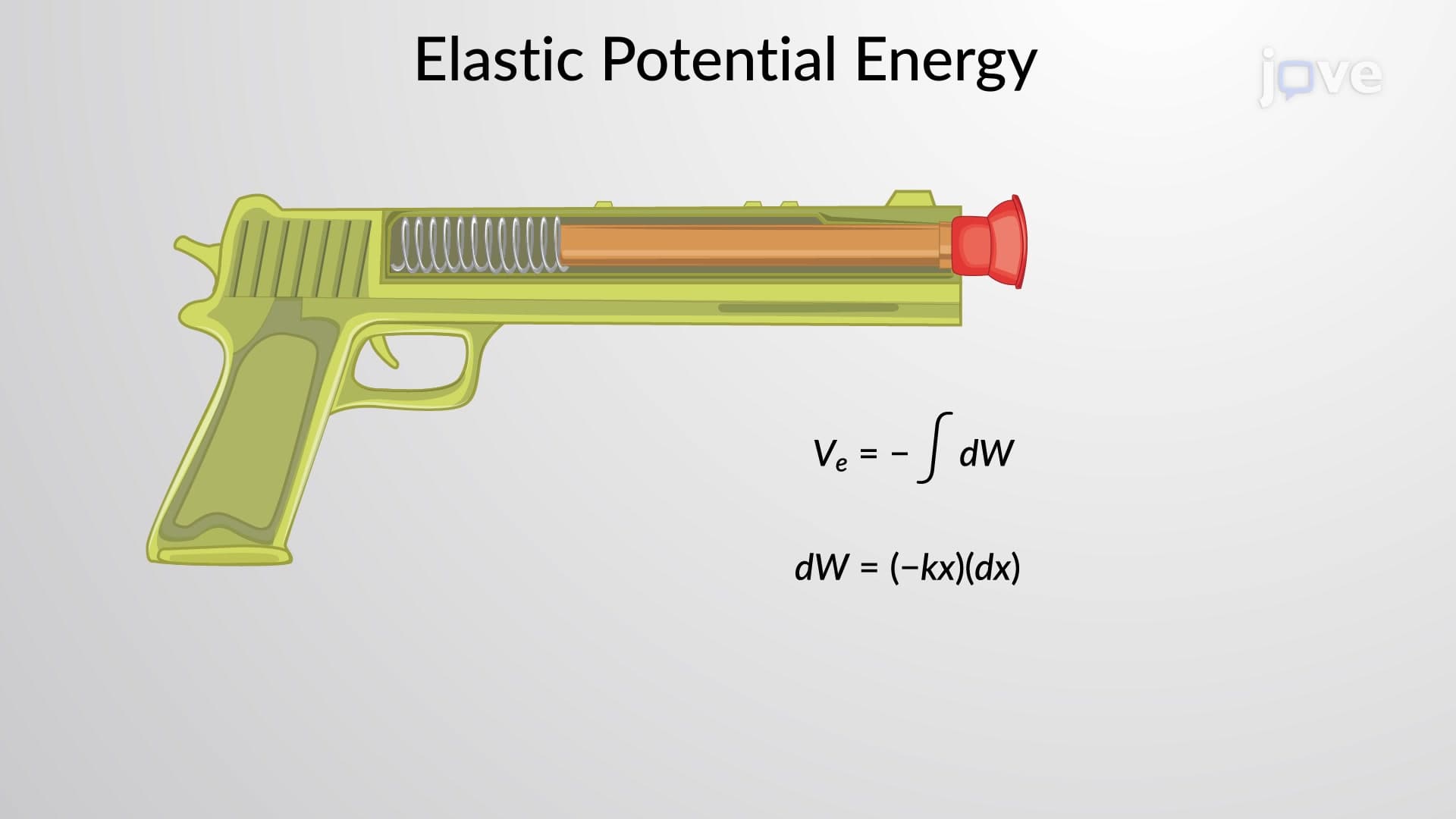

Video Summary: What Is Potential Energy
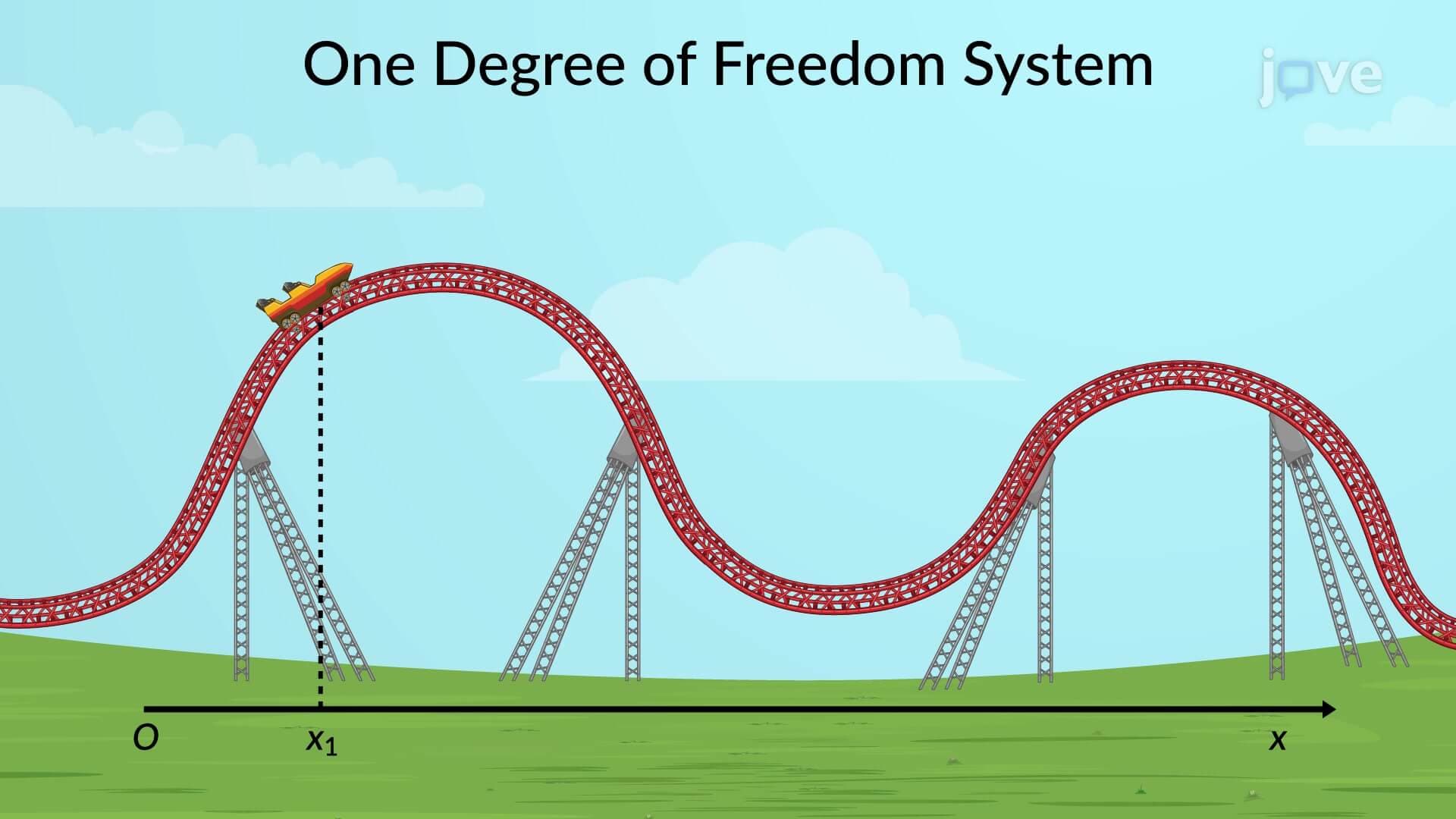
Ever wonder why a roller coaster climbs so high before that thrilling drop? Potential energy is the stored energy an object possesses due to its position or configuration, like a coaster car perched at the top of Cedar Point's Millennium Force. This fundamental physics concept explains how energy transforms between stored and active forms in everything from bouncing basketballs to compressed car springs. Watch the full video on JoVE Coach to master this concept with expert-led visuals and step-by-step explanations.
What is potential energy fundamentally comes down to stored energy waiting to be released. Unlike kinetic energy, which involves motion, potential energy exists purely because of where something is located or how it's configured. Think of a quarterback holding a football before throwing a touchdown pass-the ball possesses gravitational potential energy based on its height above the field, ready to convert into motion energy the moment it's released.
Gravitational potential energy depends entirely on an object's height relative to a chosen reference point. When you climb the stairs in the Empire State Building, you're literally storing energy in your body's position. The mathematical relationship follows PE(gravitational) = mgh, where m represents mass, g equals Earth's gravitational acceleration (9.8 m/s²), and h indicates height above the reference level.
Students preparing for AP Physics exams frequently encounter problems involving gravitational potential energy. A classic scenario might involve calculating energy changes as a 2-kg textbook falls from a 3-meter shelf. The key insight: as objects move upward against gravity, their potential energy increases because external work overcomes gravitational force. Conversely, descending objects convert stored potential energy into kinetic energy.
Elastic potential energy emerges when materials deform from their natural shape. Picture a basketball being dribbled-each compression stores elastic potential energy in the ball's material, which releases during the bounce back up. Springs provide the clearest example, following the relationship PE(elastic) = (1/2)kx², where k represents the spring constant and x indicates displacement from equilibrium.
This concept appears prominently in college physics courses and MCAT preparation. Understanding that compressed or stretched springs both store positive potential energy helps students solve complex oscillation problems. Whether you're analyzing shock absorbers in Ford trucks or playground trampolines, the same elastic energy principles apply.
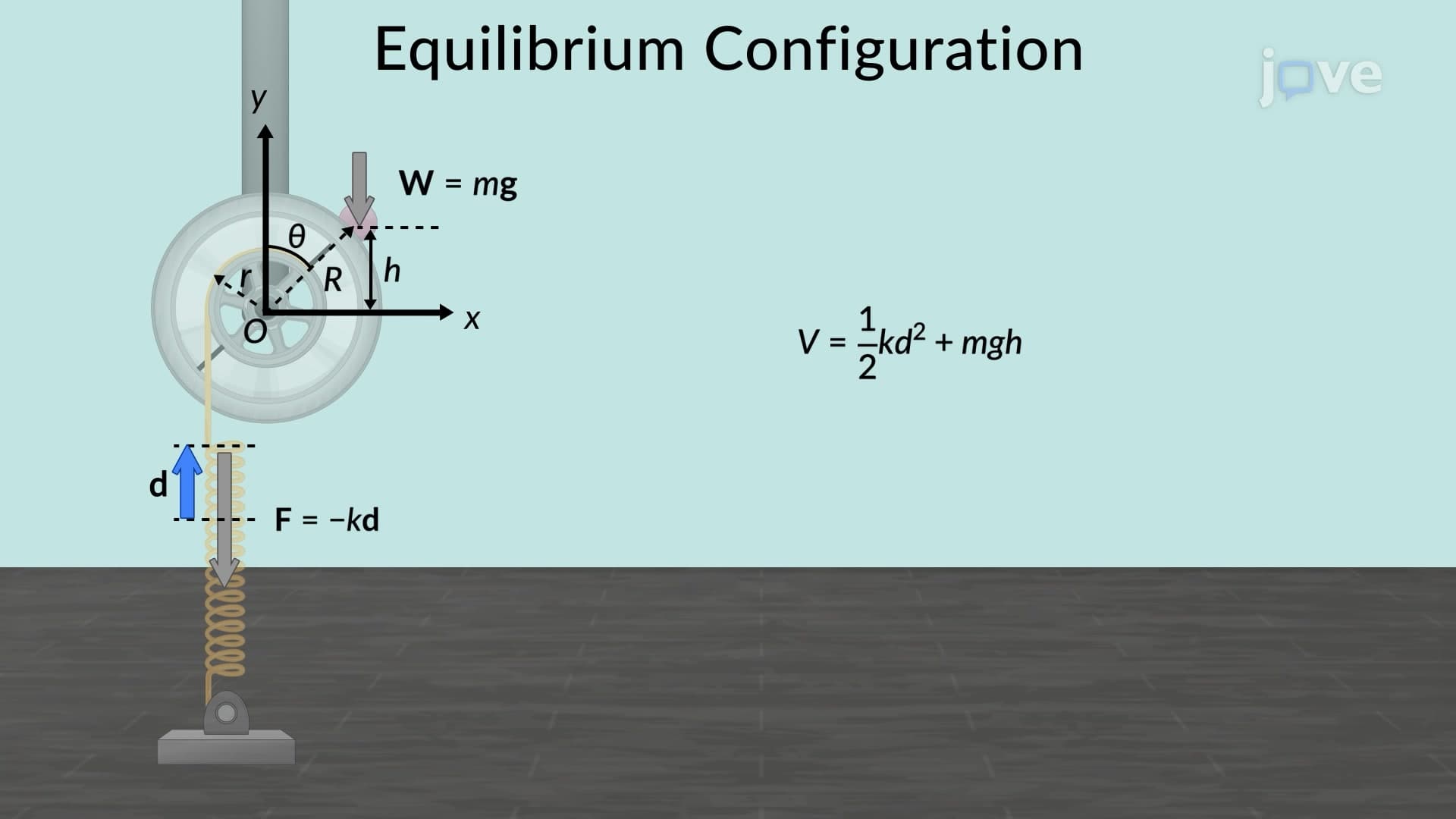
Many practical situations involve both gravitational and elastic potential energy simultaneously. Consider a pole vaulter using a flexible pole-gravitational potential energy increases with height while the bent pole stores elastic potential energy. The total system energy equals the sum of both components, demonstrating energy conservation principles essential for SAT Subject Test success and introductory physics courses at universities like MIT or Stanford.
Related Micro-courses