Loading subject page…

- Analytical Chemistry
- Atomic Spectroscopy
- Atomic Spectroscopy: Absorption, Emission, and Fluorescence
Micro-course: Atomic Spectroscopy
18,939 views
Learn key concepts and earn your certificate.

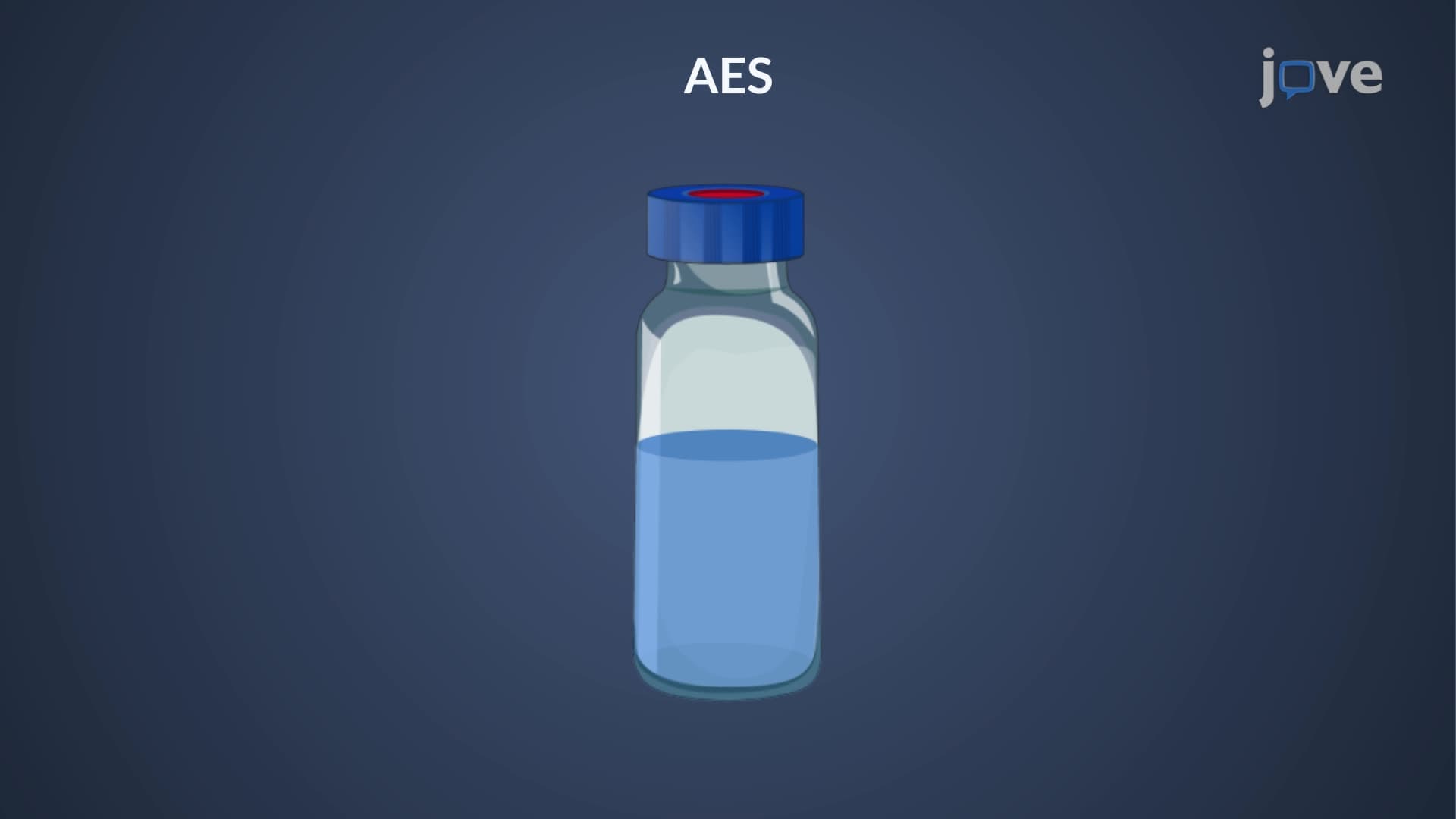
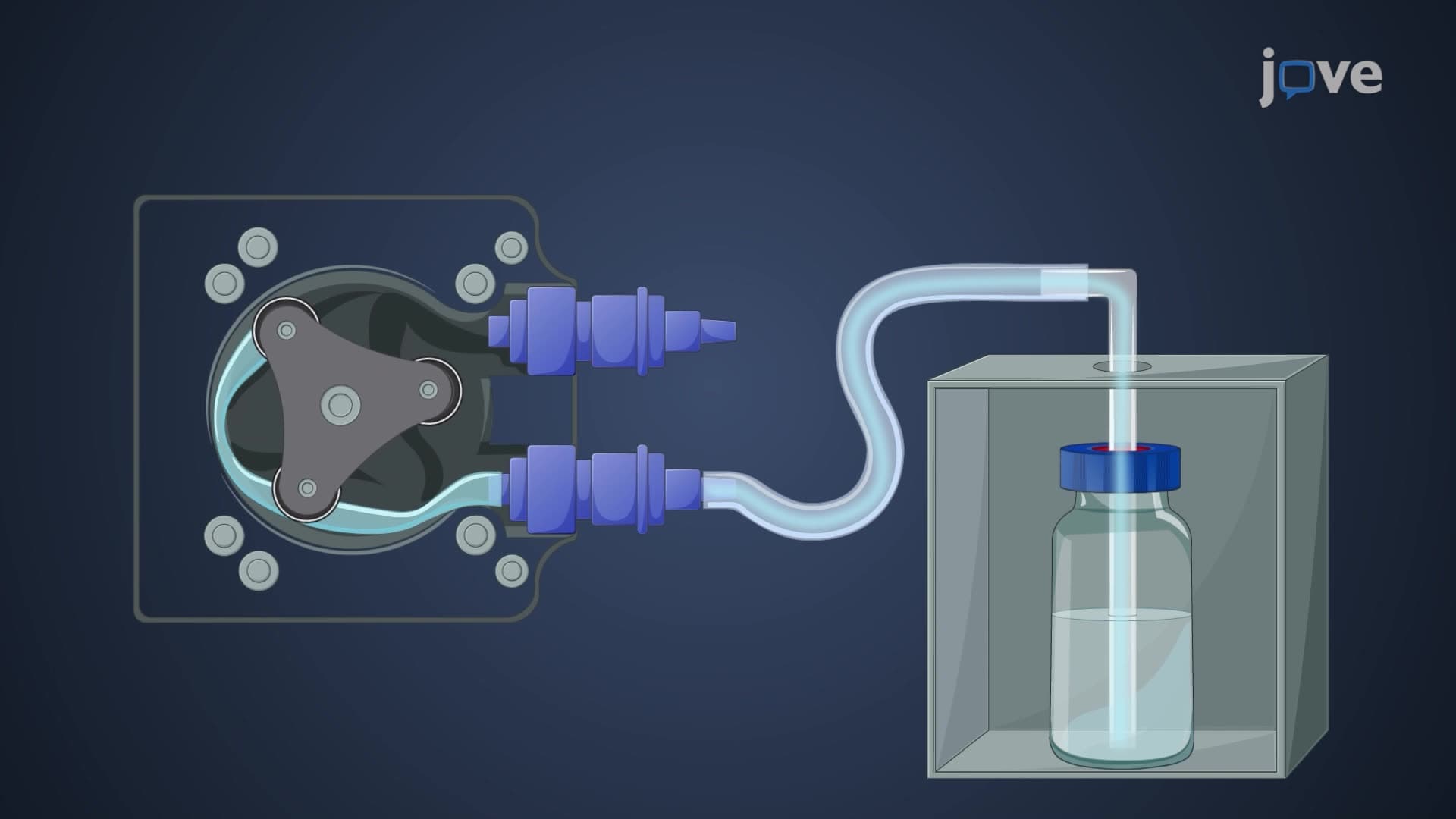
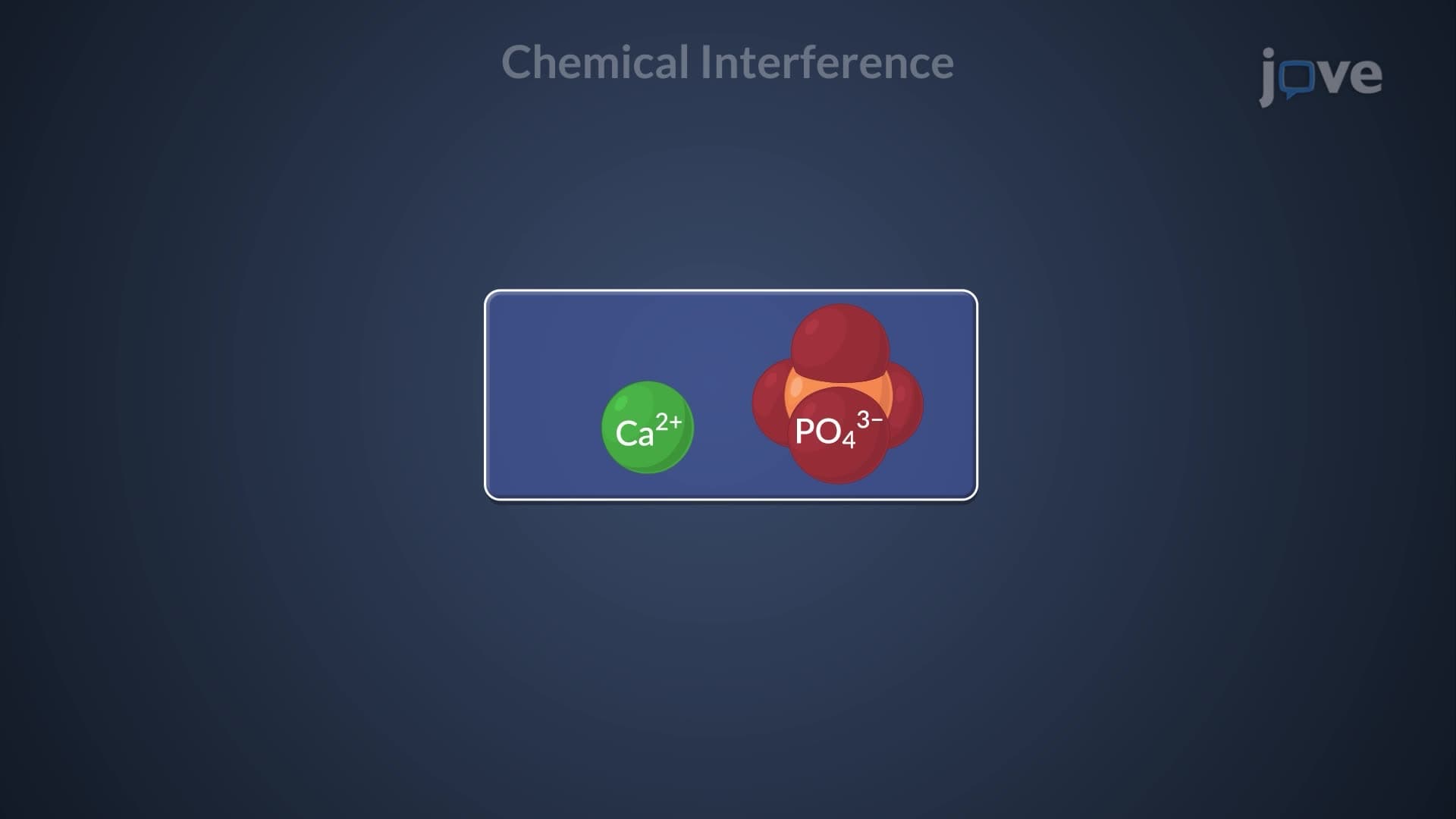
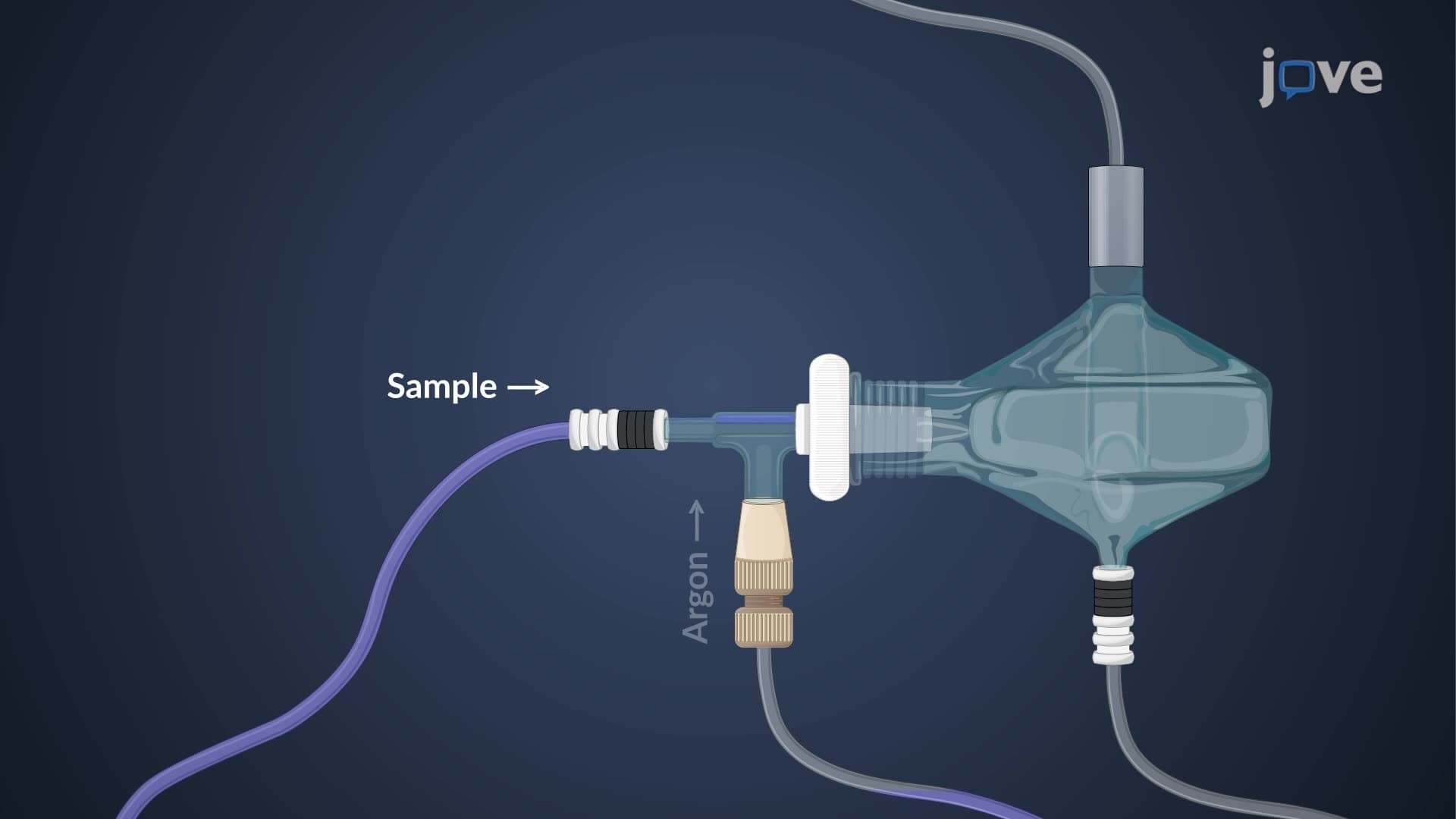

Atomic Spectroscopy: Absorption, Emission, and Fluorescence

00:00
01:23
Video Summary: Atomic Spectroscopy Absorption Emission and Fluorescence Explained
Ever wondered how scientists identify toxic lead in drinking water or detect traces of mercury in fish? Atomic spectroscopy methods make this possible by analyzing light interactions with individual atoms. The FDA uses these techniques daily to ensure food safety across America, employing atomic spectroscopy absorption emission and fluorescence explained principles to protect public health. These three complementary approaches-atomic absorption (AAS), atomic emission (AES), and atomic fluorescence (AFS)-each harness different light-atom interactions to identify and quantify elements with remarkable precision. Watch the full video on JoVE Coach to master this concept with expert-led visuals and step-by-step explanations.
- Understand the fundamental principles behind atomic spectroscopy absorption emission and fluorescence explained and how each method leverages distinct light-atom interactions for elemental analysis
- Identify the critical atomization step that converts liquid samples into gas-phase atoms, enabling all three spectroscopic techniques to function effectively
- Compare atomic absorption spectroscopy (AAS), atomic emission spectroscopy (AES), and atomic fluorescence spectroscopy (AFS) in terms of their energy sources and detection mechanisms
- Analyze how electronic transitions between ground state and excited state orbitals produce characteristic wavelengths unique to each element
- Apply knowledge of detector positioning and measurement principles to explain why AFS uses perpendicular detection while AAS measures transmitted light
- Recognize real-world applications of these techniques in environmental monitoring, pharmaceutical quality control, and food safety testing
- Evaluate the advantages and limitations of each spectroscopic method for different analytical scenarios
- Explore how atomic spectral line patterns serve as elemental "fingerprints" for qualitative and quantitative analysis
Understanding Atomic Spectroscopy Absorption Emission And Fluorescence Fundamentals
Atomic spectroscopy methods represent cornerstone analytical techniques in modern chemistry, enabling scientists to identify and quantify elements at incredibly low concentrations. These methods exploit the unique relationship between light and matter at the atomic level, where each element produces characteristic spectral signatures based on its electronic structure.
The foundation of all three techniques-atomic absorption (AAS), atomic emission (AES), and atomic fluorescence (AFS)-lies in atom excitation spectroscopy principles. When atoms absorb energy, their electrons jump from ground-state orbitals to higher-energy excited states. This process creates atomic transition spectroscopy patterns that serve as elemental fingerprints, allowing analysts to distinguish between different elements with remarkable specificity.
The Critical Atomization Process
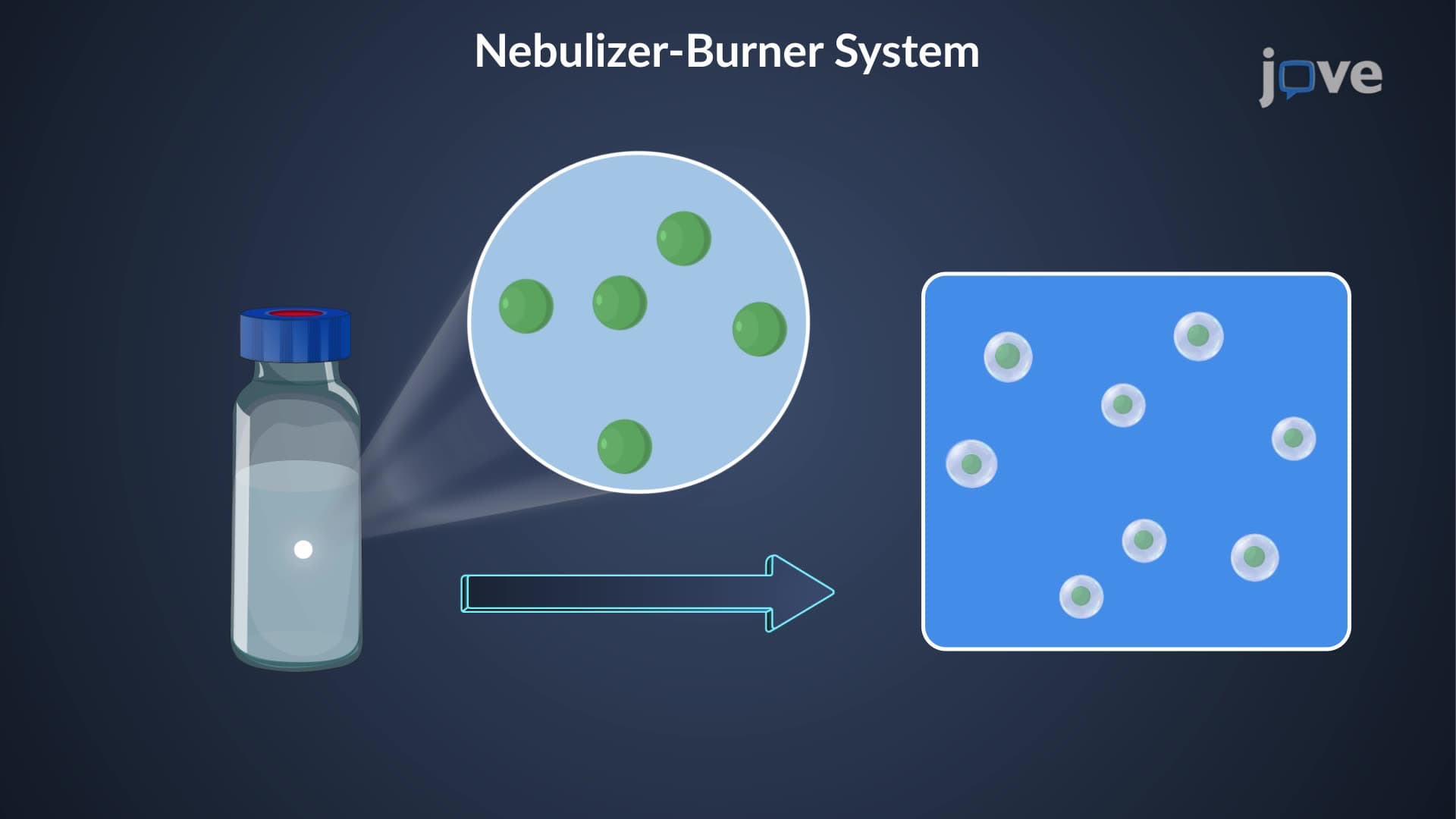
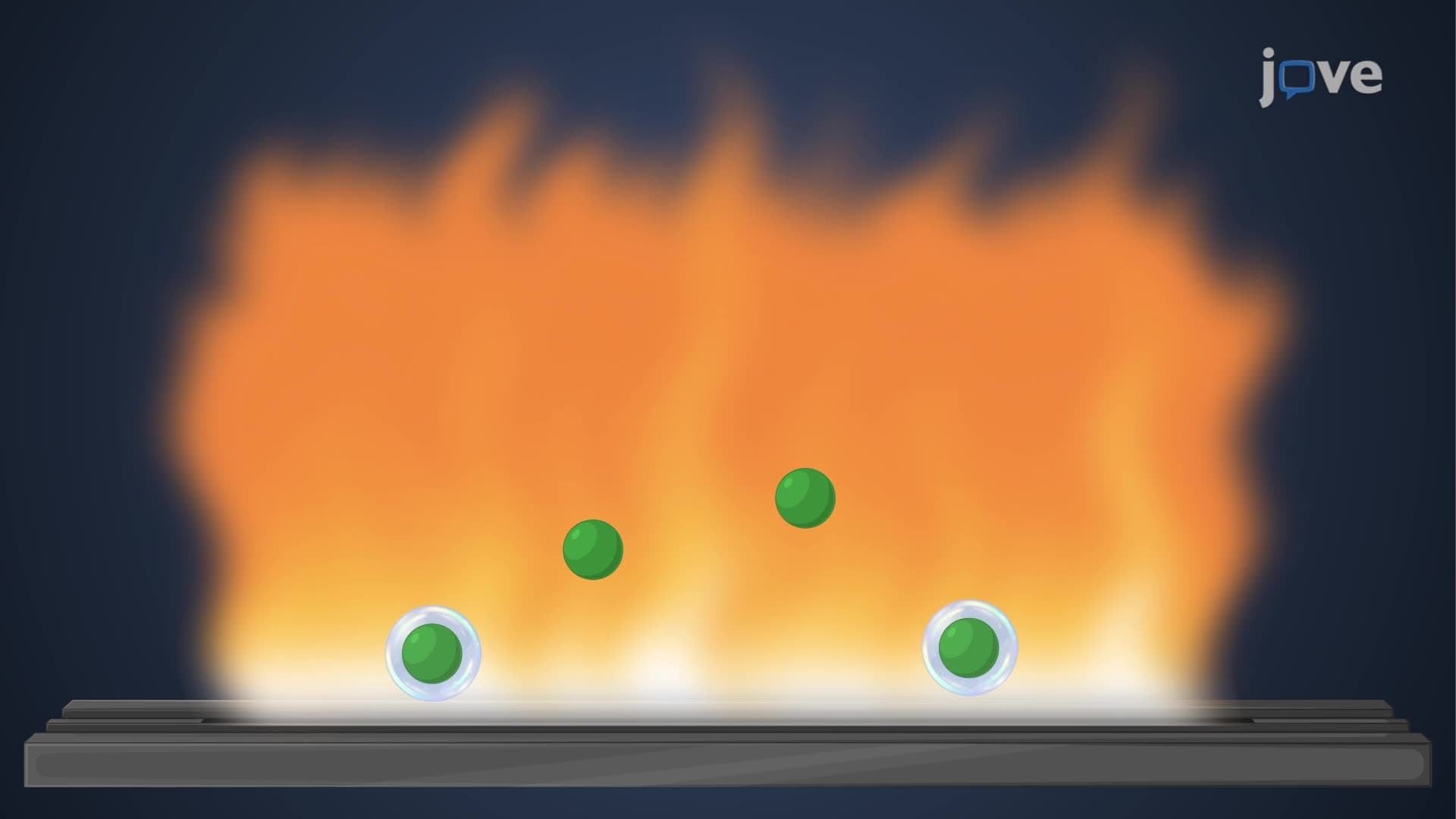
Before any spectroscopic analysis can occur, samples must undergo atomization-the conversion of liquid or solid samples into individual gas-phase atoms. This process typically involves high-temperature flames, graphite furnaces, or plasma sources reaching temperatures between 2000-6000°C. The efficiency of atomization directly impacts analytical sensitivity and accuracy, making this step crucial for reliable results.
In laboratory settings across American universities, students learning these techniques often use flame atomizers with acetylene-air mixtures reaching approximately 2300°C. This temperature effectively breaks molecular bonds, creating the free atoms necessary for atomic spectra analytical measurements.
Atomic Absorption Spectroscopy (AAS): Measuring Light Absorption
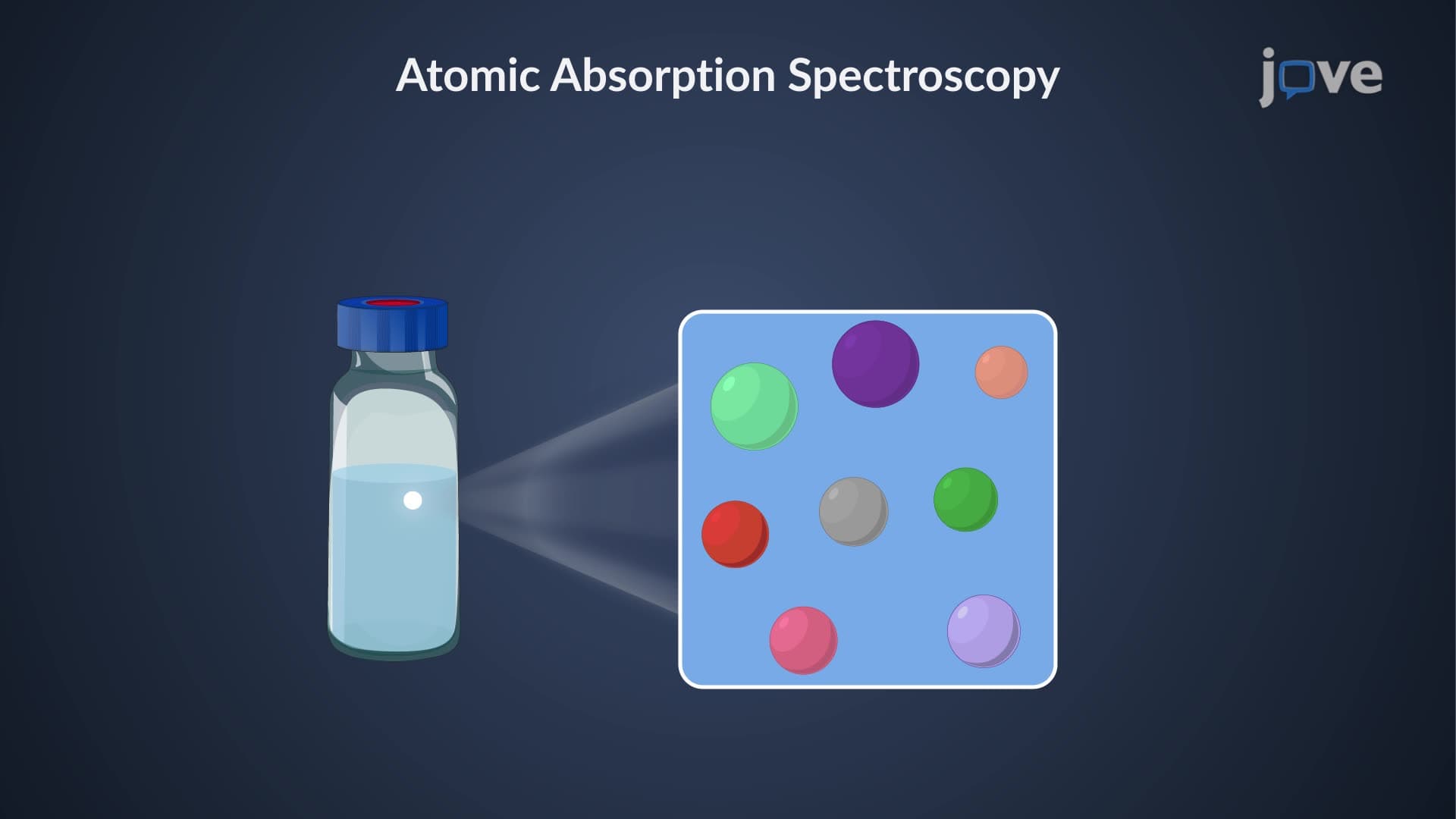
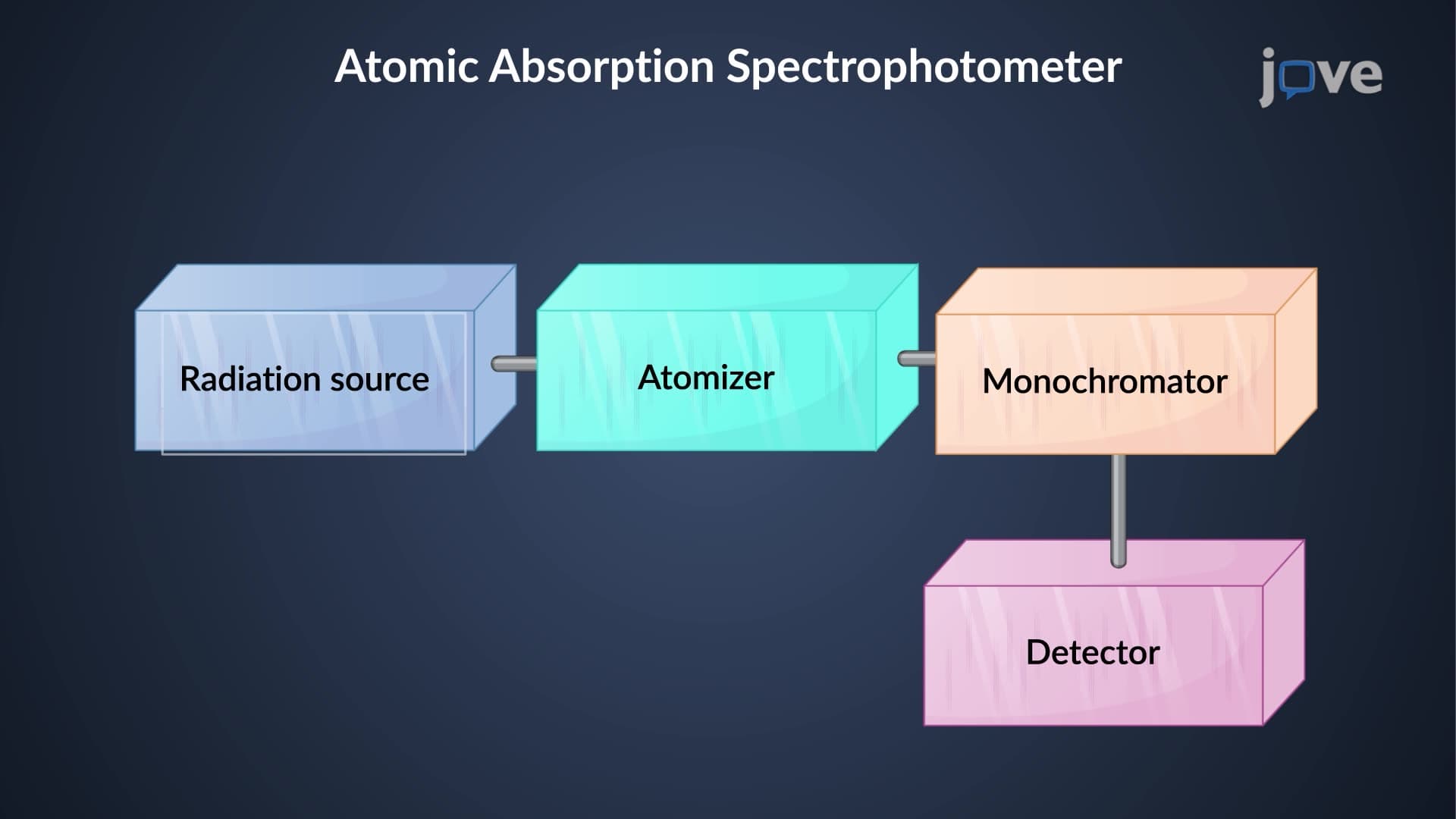
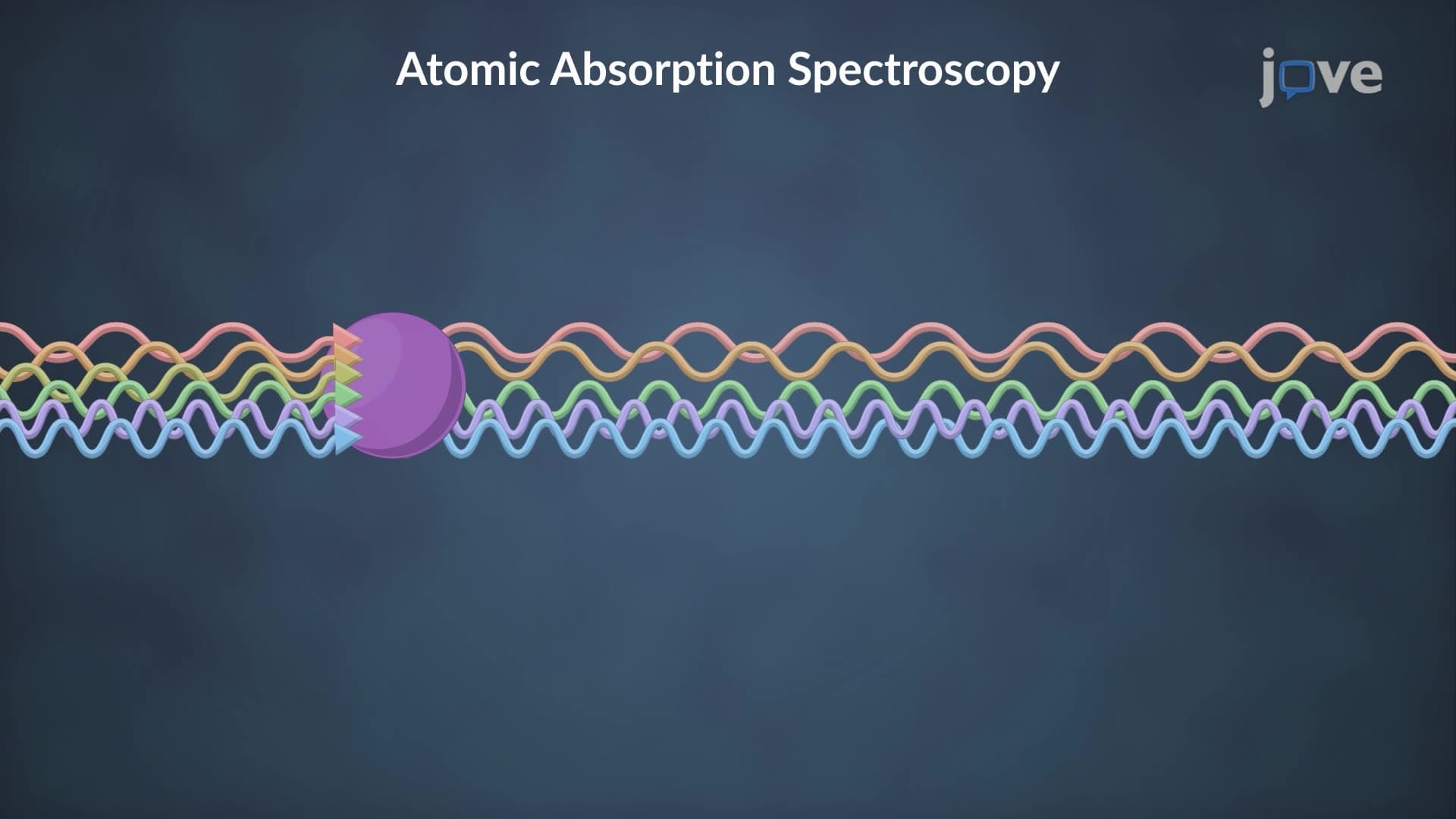
AAS operates on Beer's Law principles, where the amount of light absorbed by atoms is proportional to their concentration. A hollow cathode lamp provides monochromatic light specific to the target element, which passes through the atomized sample. Ground-state atoms absorb photons of characteristic wavelengths, promoting electrons to excited states.
The detector measures transmitted light intensity, and decreased transmission indicates higher elemental concentration. This technique excels for analyzing metals like lead in paint samples or calcium in biological fluids-applications frequently encountered in AP Chemistry laboratories and environmental science courses.
Atomic Emission Spectroscopy (AES): Analyzing Emitted Light
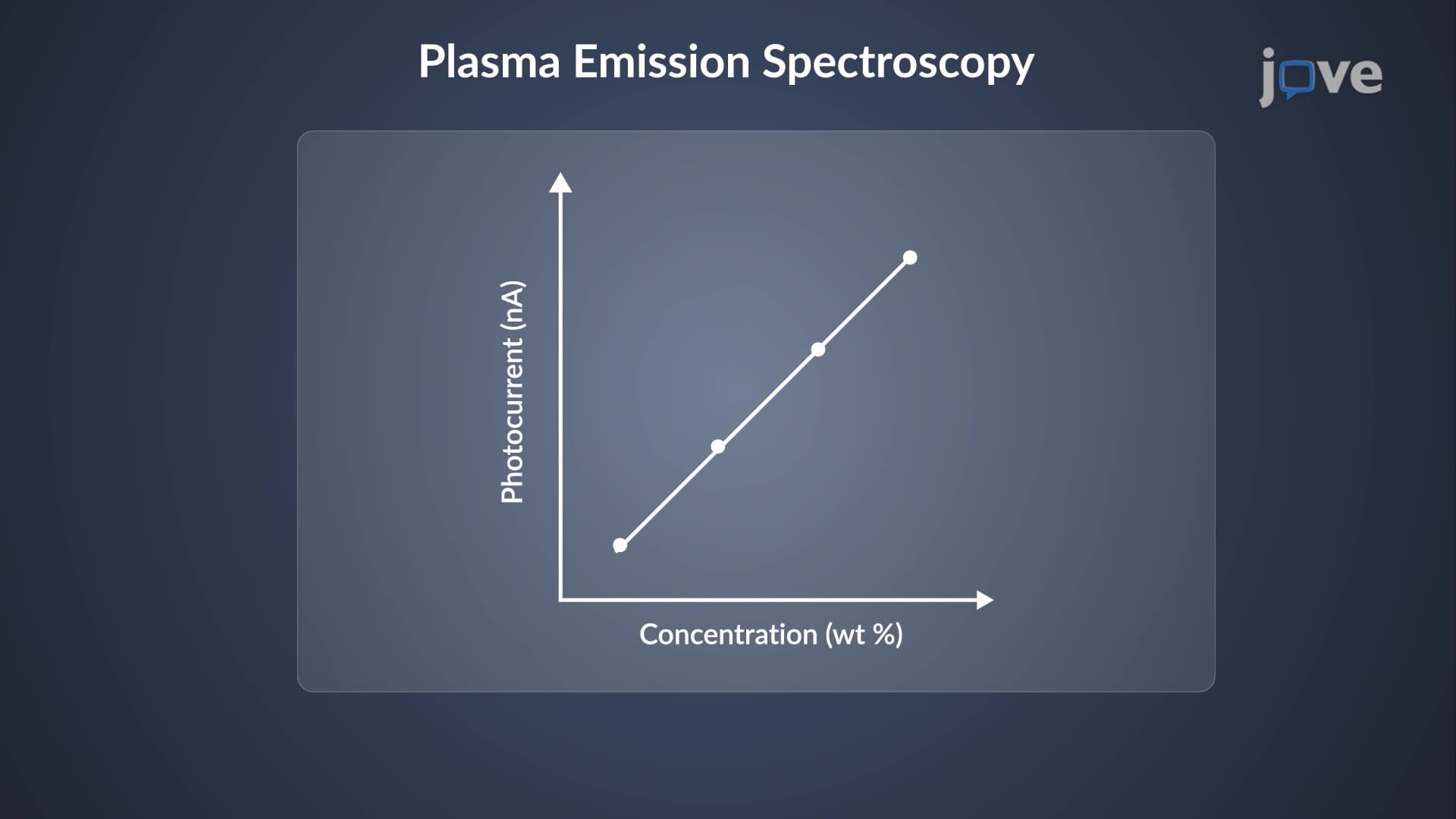
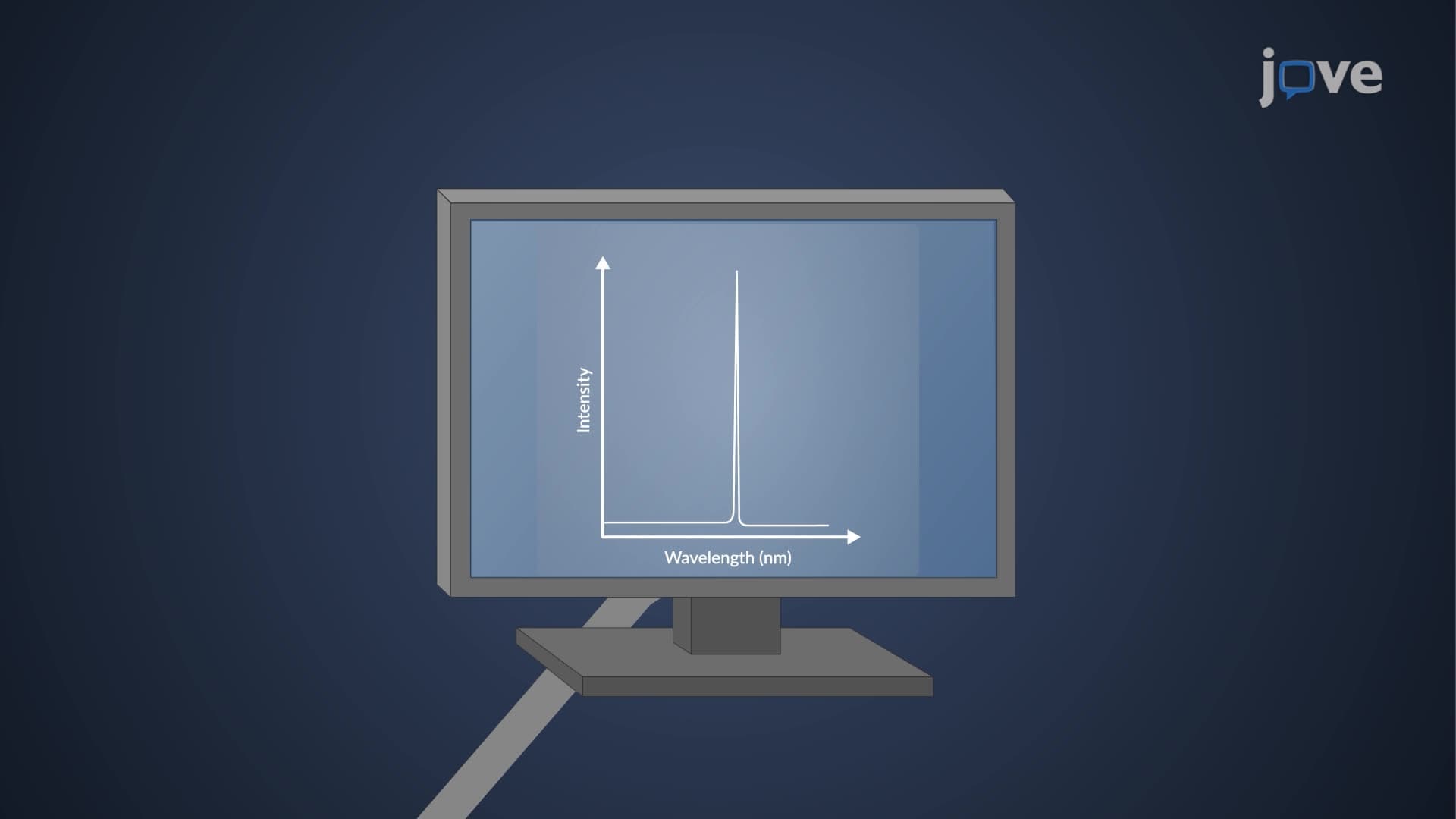
AES reverses the absorption process by supplying thermal or electrical energy to promote atoms to excited states. As excited atoms return to ground state, they emit photons at characteristic wavelengths. The intensity of emitted light correlates directly with elemental concentration.
Flame photometry, a common AES variant, is routinely used in clinical laboratories to measure sodium and potassium in blood samples-a procedure students may encounter in pre-med coursework or MCAT preparation. The technique's simplicity and cost-effectiveness make it ideal for routine analytical work.
Atomic Fluorescence Spectroscopy (AFS): Combining Absorption and Emission
AFS represents a hybrid approach where atoms first absorb light energy, then immediately re-emit photons as they return to ground state. The detector, positioned perpendicular to the excitation source, measures this fluorescent emission. This geometry minimizes background interference from scattered excitation light, enhancing sensitivity.
Mercury analysis in environmental samples represents a prime AFS application, particularly relevant given EPA regulations on mercury emissions from power plants-a topic often covered in environmental chemistry courses and AP Environmental Science curricula.
Frequently Asked Questions
Atomic spectroscopy encompasses three complementary analytical techniques that identify elements by their light interactions. AAS measures light absorbed by ground-state atoms, AES analyzes light emitted by thermally excited atoms, and AFS combines both processes by exciting atoms with light then measuring their fluorescent emission. Each method offers unique advantages for specific analytical challenges.
MCAT questions often focus on Beer's Law applications in AAS and electronic transition energy calculations. AP Chemistry emphasizes understanding atomic orbitals, electron configurations, and how energy level differences produce characteristic wavelengths. Students should practice identifying which technique suits different analytical scenarios and calculating photon energies from wavelength data.
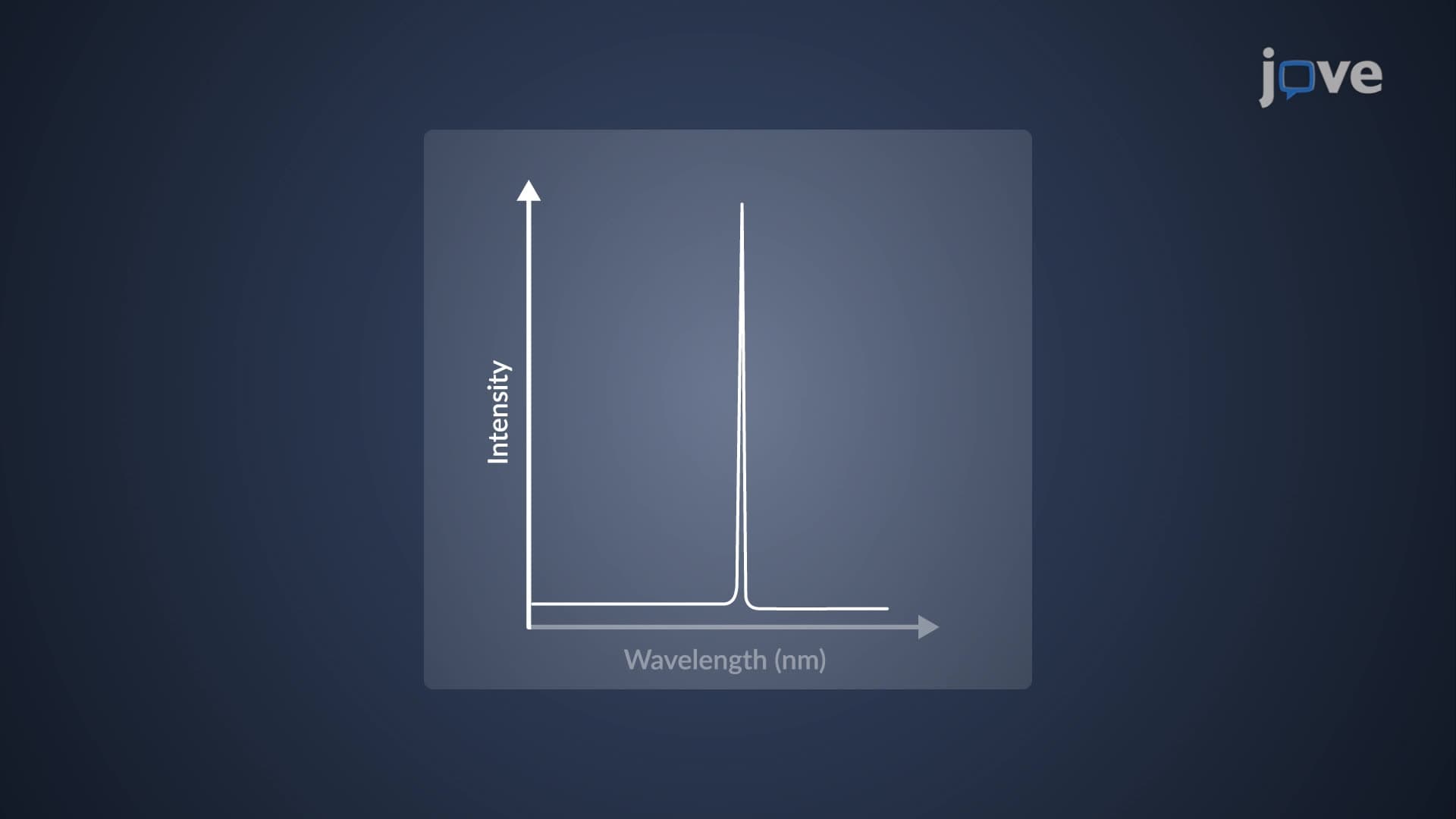
Atomization converts molecular compounds into individual gas-phase atoms, which is essential because spectroscopic techniques measure electronic transitions within isolated atoms. Without proper atomization, molecules would show broad, complex spectra rather than sharp atomic lines. The efficiency of this step directly affects analytical sensitivity, accuracy, and reproducibility across all three methods.
The EPA employs AAS for heavy metal analysis in drinking water, measuring lead, cadmium, and copper levels to ensure compliance with Safe Drinking Water Act standards. AES helps monitor atmospheric emissions from industrial sources, while AFS provides ultra-sensitive mercury detection in fish tissue and sediment samples. These applications protect public health through rigorous environmental monitoring.
Basic understanding of atomic structure, electron orbitals, and electromagnetic radiation provides sufficient foundation for grasping these concepts. Students with high school chemistry backgrounds can successfully learn these techniques. The mathematical aspects primarily involve Beer's Law and simple energy calculations, making the material accessible to motivated learners.
Focus on understanding the fundamental differences between absorption, emission, and fluorescence processes rather than memorizing details. Practice drawing energy level diagrams showing electronic transitions, work through Beer's Law calculations, and relate spectroscopic principles to everyday examples like flame colors or neon signs. Create comparison tables highlighting each technique's advantages and typical applications.
AFS typically provides the highest sensitivity, particularly for elements like mercury and arsenic, due to its perpendicular detection geometry that minimizes background interference. However, technique selection depends on the specific element, matrix effects, and required detection limits. Modern instruments often achieve parts-per-billion sensitivity across all three methods when properly optimized.
Consider studying inductively coupled plasma (ICP) techniques, which combine atomic emission with plasma atomization for enhanced sensitivity and multi-element capability. X-ray fluorescence spectroscopy and laser-induced breakdown spectroscopy represent cutting-edge developments. Understanding matrix effects, chemical interferences, and method validation procedures will deepen your analytical chemistry expertise.
Related Micro-courses

15 Concepts