Loading subject page…

- Analytical Chemistry
- Atomic Spectroscopy
- Atomic Spectroscopy: Effects of Temperature
Micro-course: Atomic Spectroscopy
18,939 views
Learn key concepts and earn your certificate.


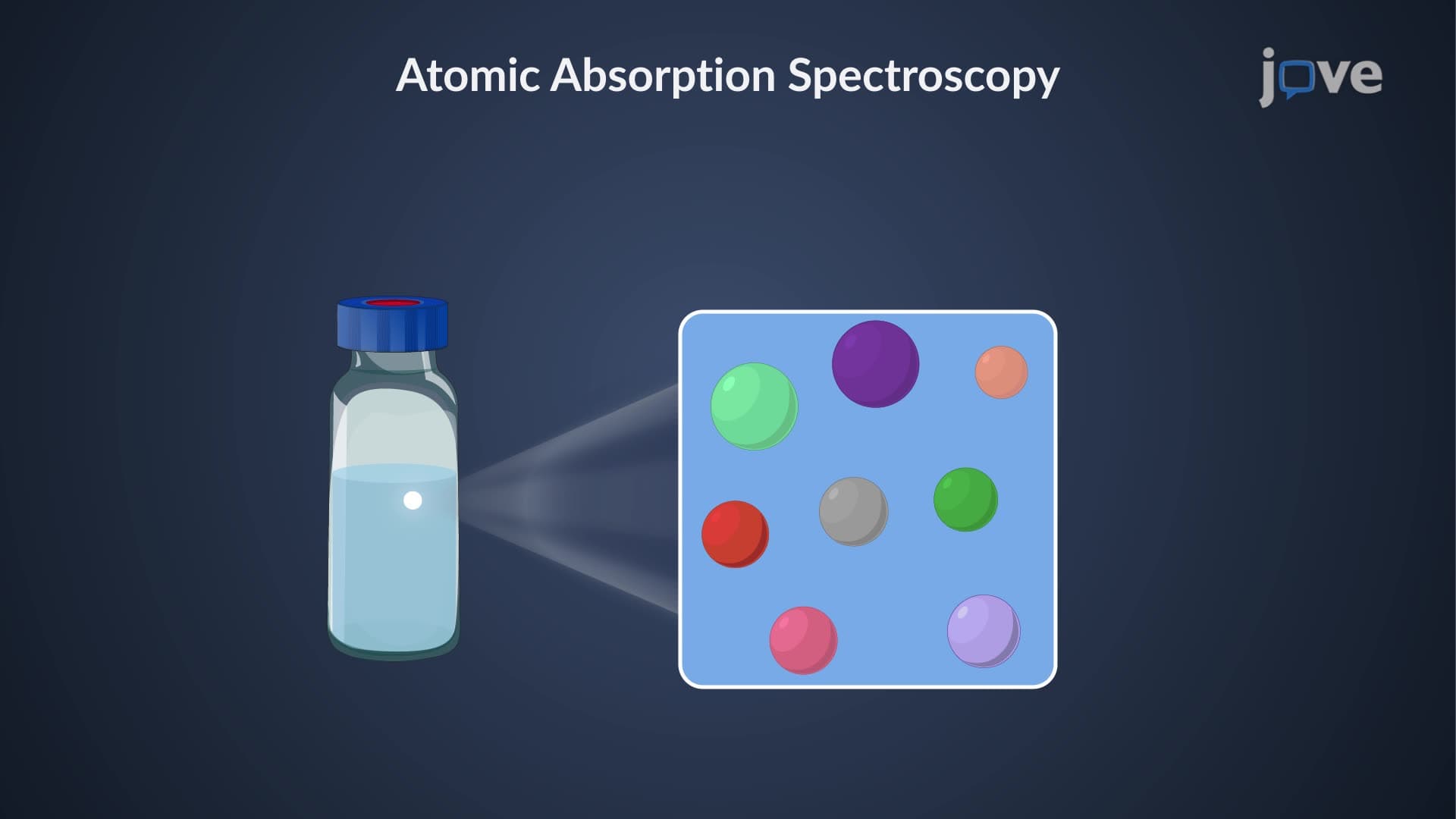
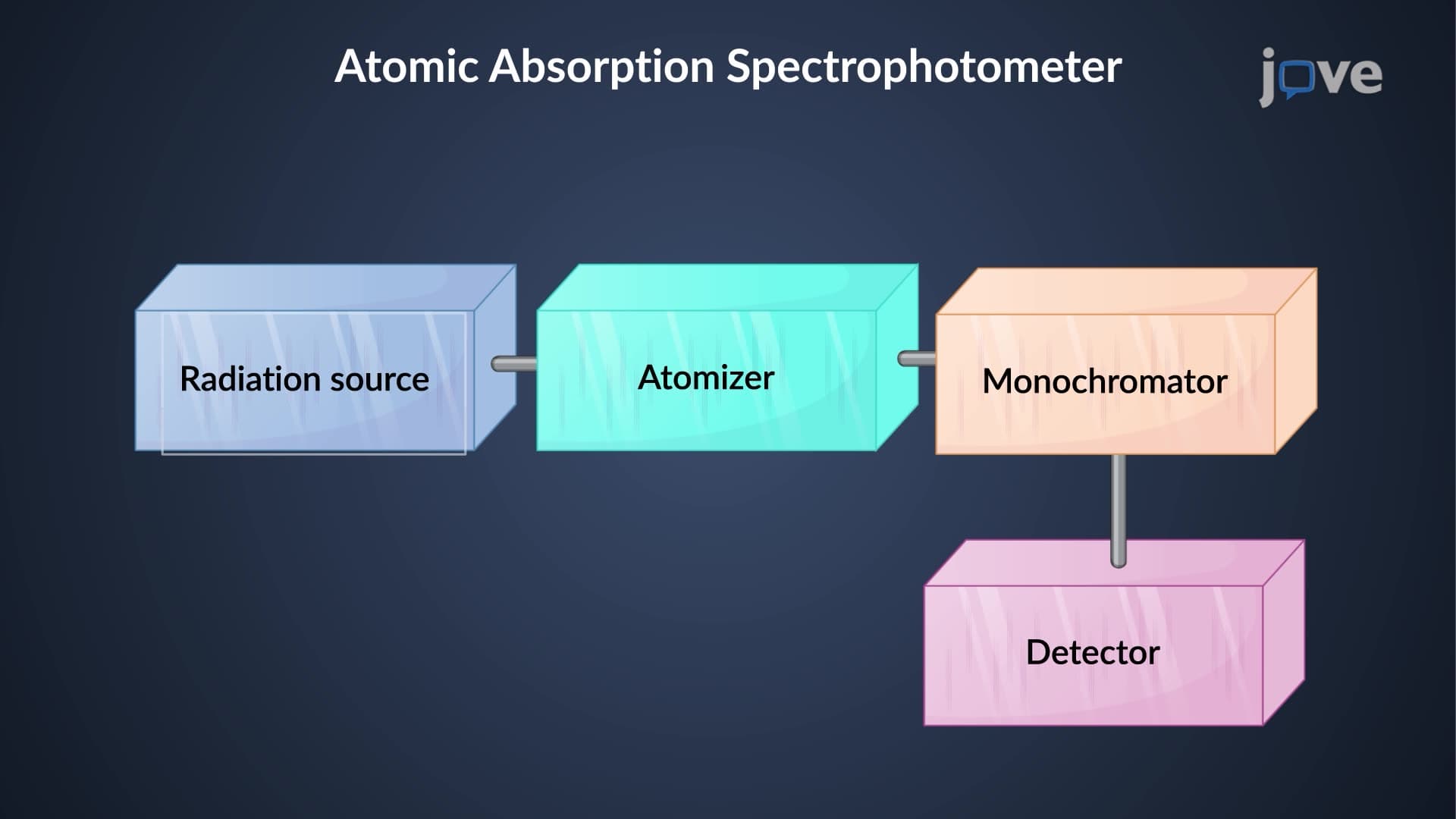



Atomic Spectroscopy: Effects of Temperature

00:00
01:27
Video Summary: Atomic Spectroscopy Effects of Temperature Explained
Ever wonder why analytical chemists at the FDA carefully control flame temperatures when testing food samples for trace metals? Temperature effects atomic spectroscopy results dramatically-a mere 100K increase can boost excited sodium atoms by 45% while broadening spectral lines through enhanced Doppler effects. Understanding Atomic Spectroscopy Effects of Temperature Explained is crucial for accurate measurements in everything from environmental monitoring to pharmaceutical quality control. Watch the full video on JoVE Coach to master this concept with expert-led visuals and step-by-step explanations.
- Understand how Atomic Spectroscopy Effects of Temperature Explained governs atomization efficiency and signal strength in analytical measurements
- Analyze the Maxwell-Boltzmann distribution to predict excited-state populations at different flame temperatures
- Compare temperature impacts on AES (atomic emission spectroscopy) versus AAS (atomic absorption spectroscopy) signal intensities
- Identify ionization interference effects that occur at elevated temperatures in flame atomization
- Evaluate spectral line broadening caused by increased Doppler effects at high temperatures
- Apply temperature control strategies to minimize measurement errors in quantitative atomic spectroscopy
- Recognize the relationship between thermal excitation and ground-state atom depletion
- Explore practical implications of temperature variations in real-world analytical laboratory settings
Understanding Atomic Spectroscopy Effects of Temperature Explained
Temperature serves as the driving force behind atomic spectroscopy, controlling both the atomization process and the distribution of atoms among energy states. In analytical laboratories across the United States-from EPA environmental testing facilities to pharmaceutical QC labs-precise temperature control determines measurement accuracy and reproducibility.
Flame Temperature Atomization and Energy State Distributions
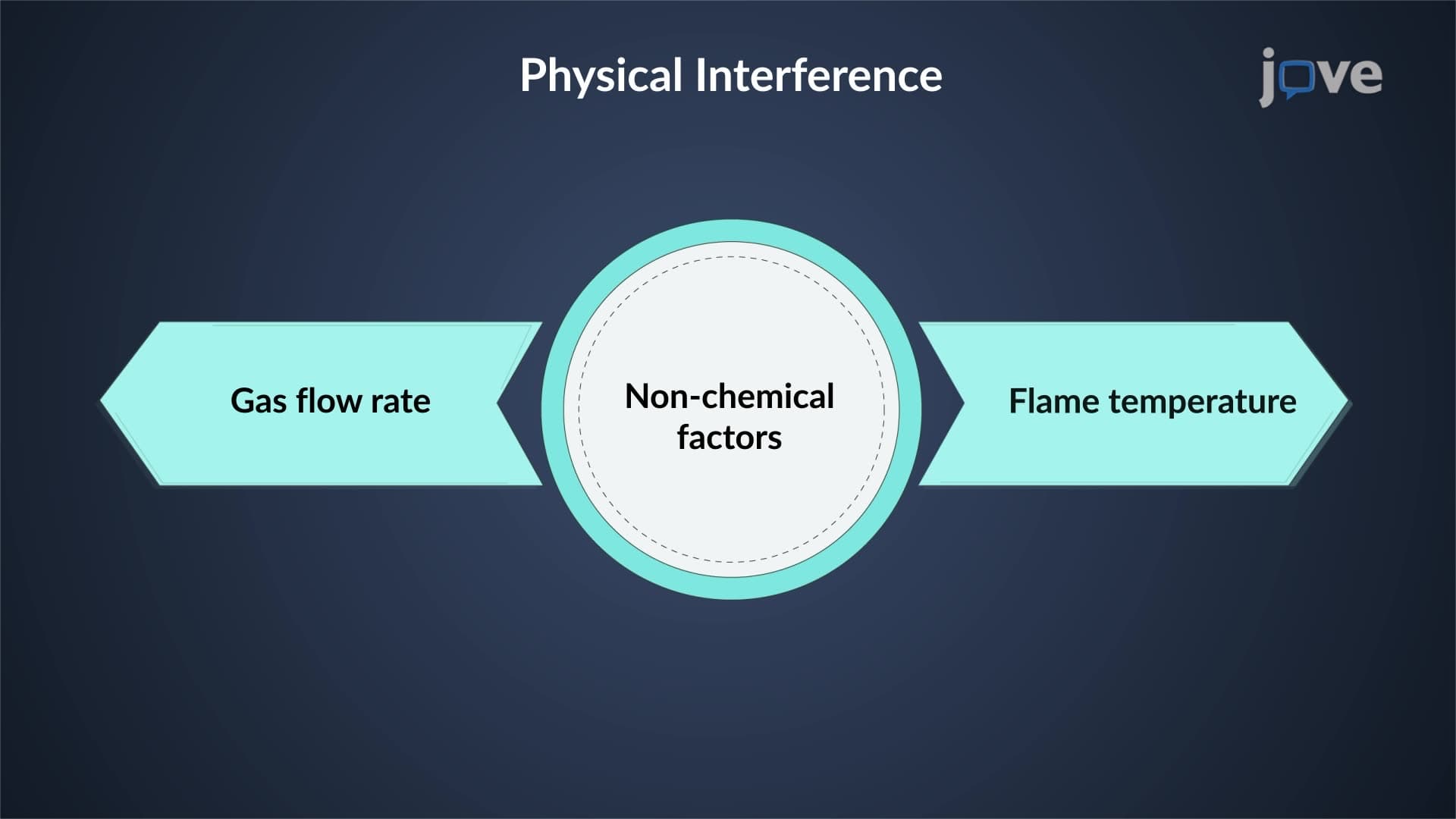
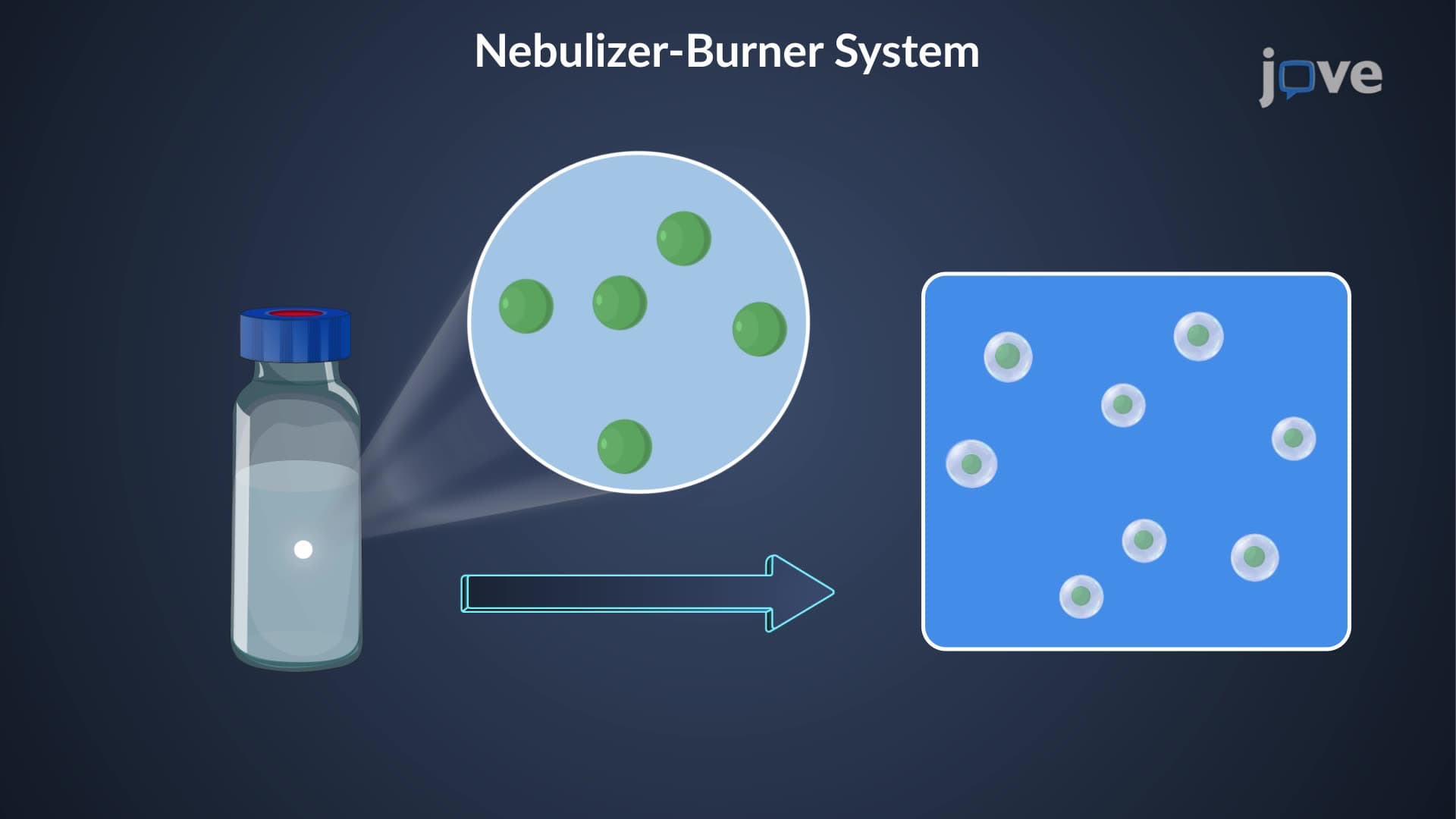
The atomization process transforms liquid samples into gas-phase atoms through thermal energy. Higher temperatures increase atomization efficiency, breaking molecular bonds more completely. Simultaneously, the Boltzmann distribution atomic populations shift dramatically with temperature changes. At typical flame temperatures around 2500K, only a tiny fraction (0.017%) of sodium atoms occupy excited states, but this percentage increases exponentially with temperature.
This relationship follows the Maxwell-Boltzmann equation: N(excited)/N(ground) = (g(excited)/g(ground)) × exp(-ΔE/kT), where ΔE represents the energy gap between states. Students preparing for AP Chemistry or college analytical chemistry courses should recognize that even small temperature increases (100K) can boost excited-state populations by 45%, fundamentally altering spectral intensities.
Effect of Temperature in Atomic Spectroscopy Techniques
Different atomic spectroscopy methods respond uniquely to temperature variations. Atomic Emission Spectroscopy (AES) benefits from higher excited-state populations, as these atoms emit characteristic wavelengths upon relaxation. Conversely, Atomic Absorption Spectroscopy (AAS) and Atomic Fluorescence Spectroscopy (AFS) depend on ground-state atom concentrations for signal generation.
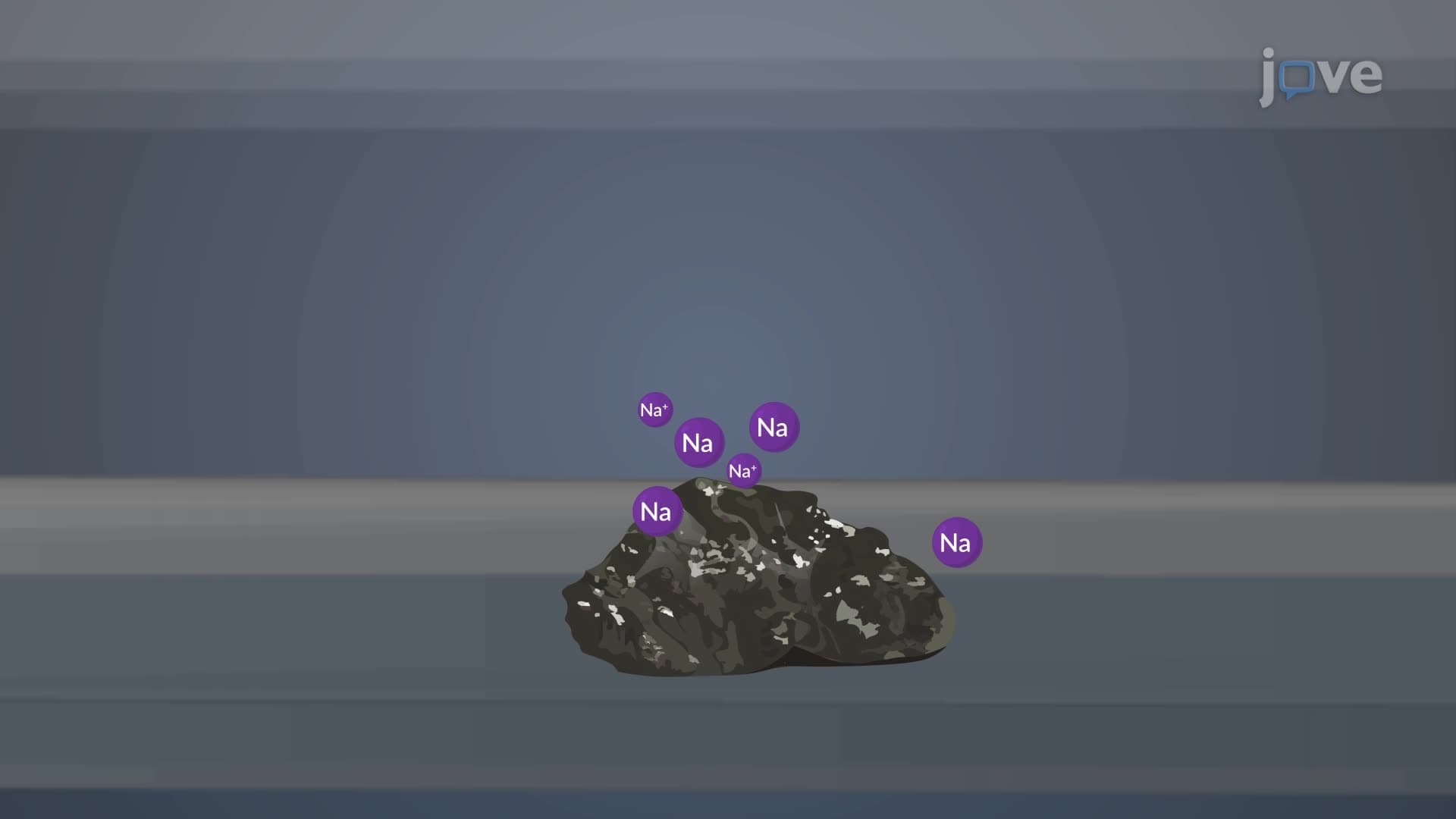
Ionization temperature spectroscopy effects become problematic at elevated temperatures. When thermal energy exceeds ionization potentials, atoms lose electrons, reducing the neutral atom population available for spectroscopic measurement. This interference particularly affects alkali metals like sodium and potassium, commonly analyzed in clinical laboratories.
Spectral Line Changes and Practical Implications
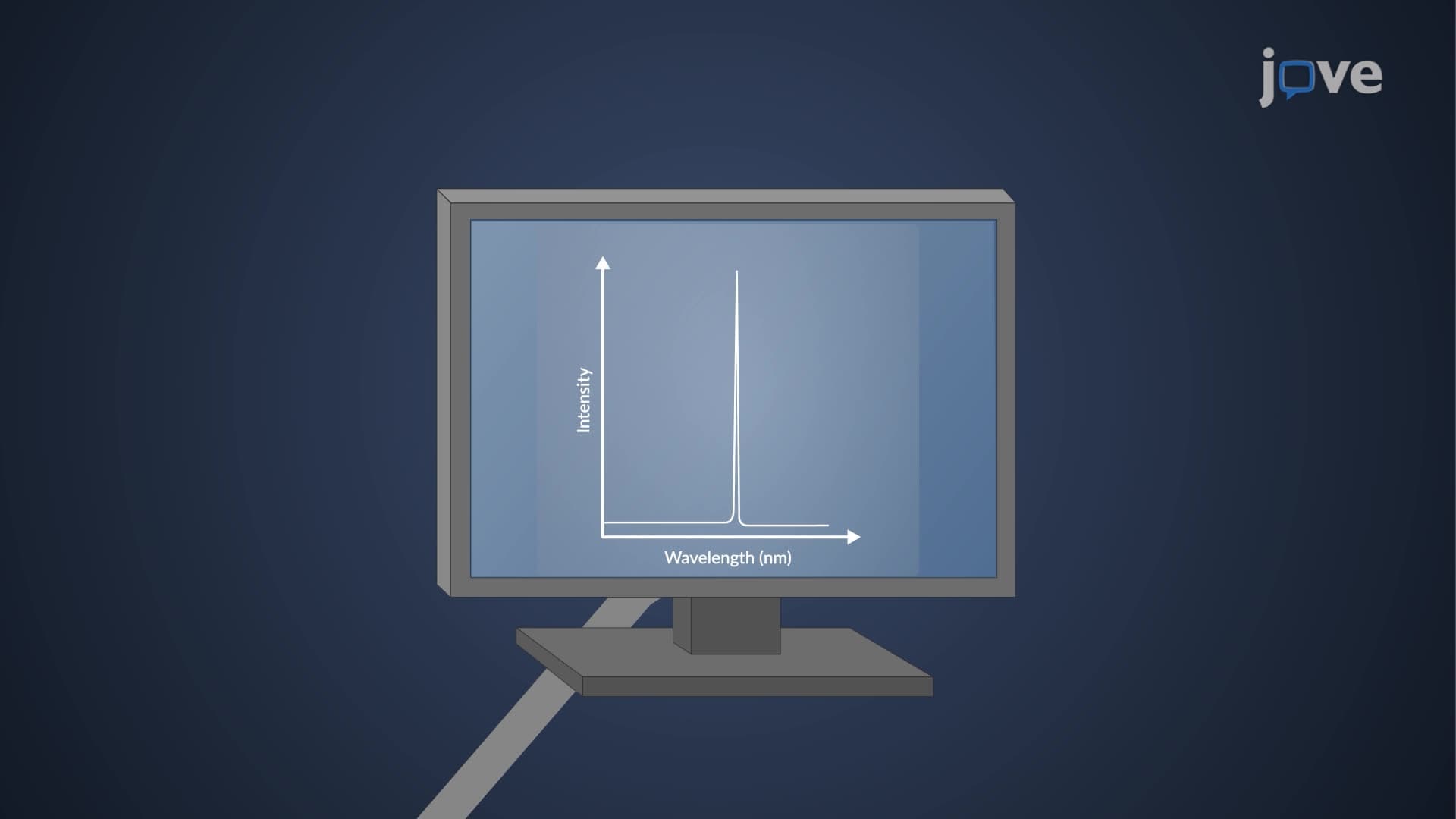
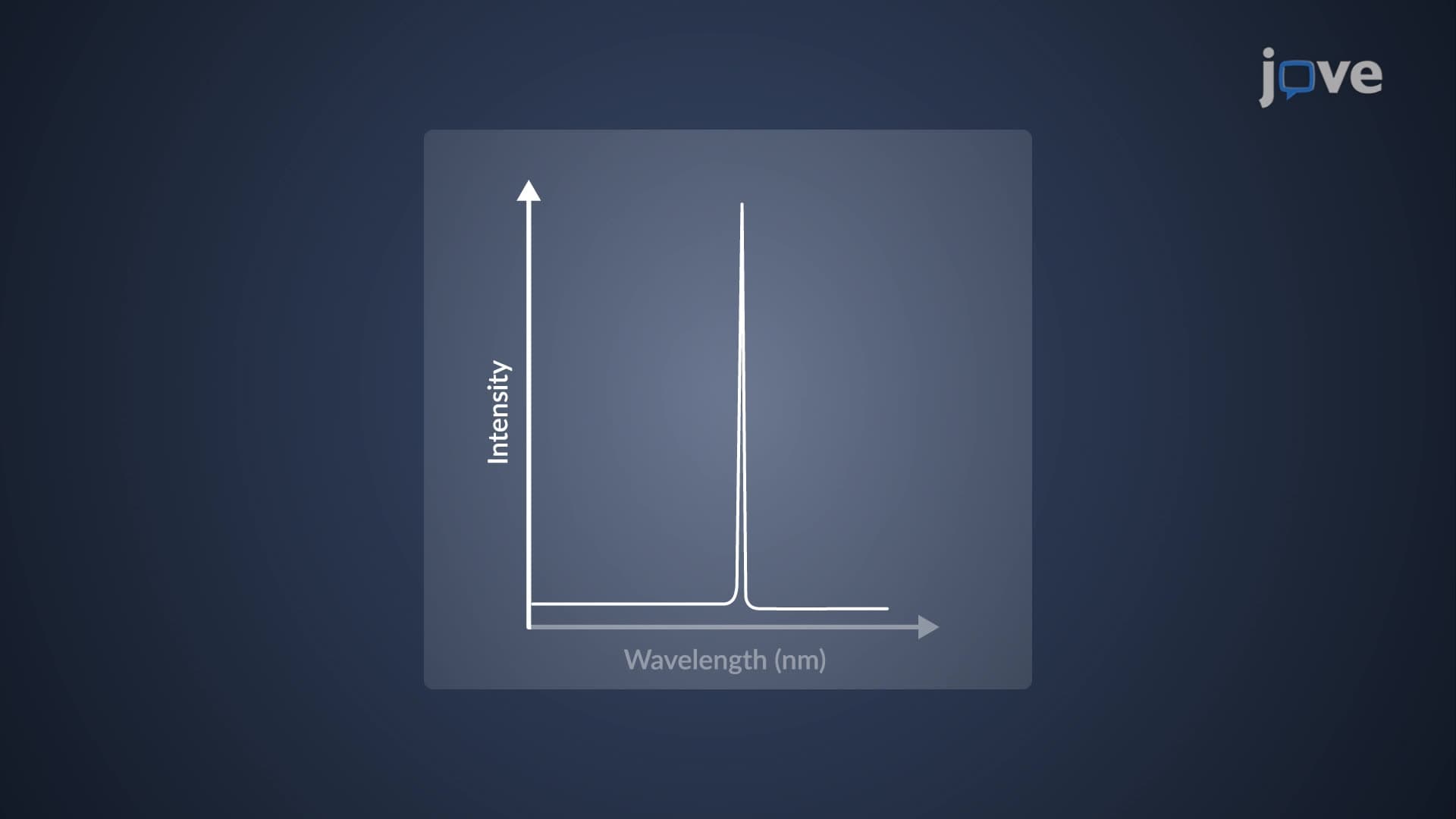
Higher temperatures intensify Doppler broadening as atoms move faster, spreading spectral lines and reducing peak heights. This phenomenon affects resolution and detection limits-critical considerations for trace element analysis in environmental samples or pharmaceutical impurity testing. MCAT students should understand that how temperature affects atomic spectroscopy signals directly impacts analytical method validation and regulatory compliance in industries like food safety and clinical diagnostics.
Frequently Asked Questions
Temperature affects atomization efficiency, energy state populations, and spectral line characteristics in atomic spectroscopy. Higher temperatures improve sample atomization but can cause ionization interference, excited-state population changes, and Doppler line broadening. These effects directly impact signal intensity and measurement precision in analytical applications.
Exam questions often focus on Maxwell-Boltzmann distributions, calculating excited-state populations at different temperatures, and explaining why flame temperature control is critical. Students might analyze how temperature changes affect AES versus AAS signals or predict ionization interference effects. MCAT questions may connect temperature effects to clinical analytical methods.
College courses emphasize quantitative analysis and instrumental methods where temperature precision directly affects data quality. While high school focuses on basic atomic structure, college students learn practical implications for real analytical work, including method validation, detection limits, and regulatory compliance requirements in professional laboratories.
FDA-regulated pharmaceutical manufacturers use precisely controlled flame temperatures when analyzing drug products for trace metal impurities like lead, mercury, and arsenic. Temperature variations can cause false positives or missed contamination, potentially affecting patient safety. Automated temperature monitoring ensures consistent, reliable results that meet regulatory standards.
The basic concepts are accessible to high school students with solid chemistry fundamentals. Start with simple energy diagrams showing ground and excited states, then gradually introduce the Maxwell-Boltzmann distribution. The mathematical relationships become clearer with practice, and real-world examples help connect theory to practical applications.
Focus on understanding the Maxwell-Boltzmann equation conceptually before memorizing formulas. Practice calculating excited-state populations at different temperatures, and create comparison charts showing how AES, AAS, and AFS respond differently to temperature changes. Connect concepts to clinical examples like blood metal analysis or environmental monitoring.
EPA laboratories analyzing water samples for toxic metals like cadmium and chromium rely on precise flame temperature control to ensure accurate measurements. Temperature variations can affect detection limits for regulated contaminants, potentially impacting public health decisions. Understanding these principles helps students appreciate the real-world importance of analytical precision.
Advanced students can investigate matrix effects, chemical interference mechanisms, and modern techniques like graphite furnace atomization with programmable temperature control. Explore how temperature gradients affect spatial atom distributions and study laser-based atomic spectroscopy methods that offer enhanced temperature precision for specialized applications.
Related Micro-courses

15 Concepts