Loading video…


 17 Concepts
 18.9K views


Video Summary: Principles of Inductively Coupled Plasma Atomic Emission Spectroscopy Icp Aes
What if you could analyze the exact composition of drinking water from any US city or identify trace metals in pharmaceutical drugs with incredible precision? ICP AES principles make this possible through high-temperature argon plasma that reaches temperatures of 6,000-10,000 K. The EPA relies on Principles of Inductively Coupled Plasma Atomic Emission Spectroscopy (ICP-AES) for environmental monitoring nationwide. Watch the full video on JoVE Coach to master this concept with expert-led visuals and step-by-step explanations.
The ICP AES principles center on creating an extremely hot, ionized gas environment that efficiently atomizes and excites sample elements. This analytical technique generates temperatures between 6,000-10,000 K using radiofrequency energy coupled to flowing argon gas. The resulting plasma provides ideal conditions for breaking molecular bonds and promoting electronic transitions that produce characteristic emission spectra.
The inductively coupled plasma formation relies on electromagnetic induction principles familiar from AP Physics courses. A water-cooled copper coil carrying radiofrequency current (typically 27.12 MHz) creates a fluctuating magnetic field around three concentric quartz tubes. When argon gas flows through these tubes, a Tesla coil spark initially ionizes a few argon atoms. These free electrons and ions interact with the oscillating magnetic field, generating eddy currents that produce ohmic heating through electrical resistance.
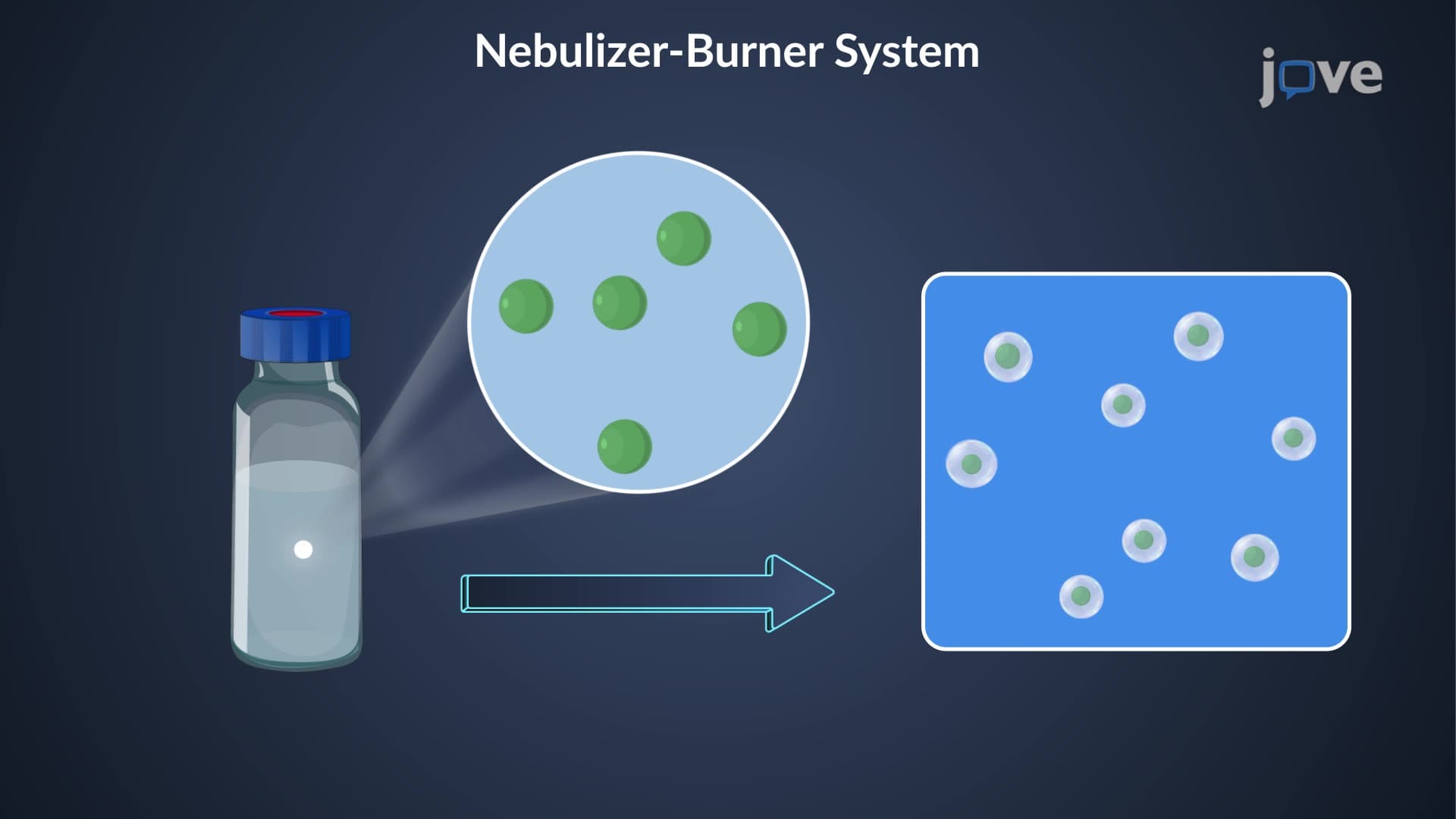
ICP AES spectroscopy principles explained include sophisticated sample delivery systems. Pneumatic nebulizers use the Bernoulli effect-where high-velocity argon creates low pressure zones-to draw liquid samples and form fine aerosols. Alternatively, electrothermal vaporization systems heat solid samples in graphite furnaces before argon carriers transport the vapor into plasma. This flexibility allows analysis of environmental water samples (EPA Method 200.7), geological specimens, and biological tissues.
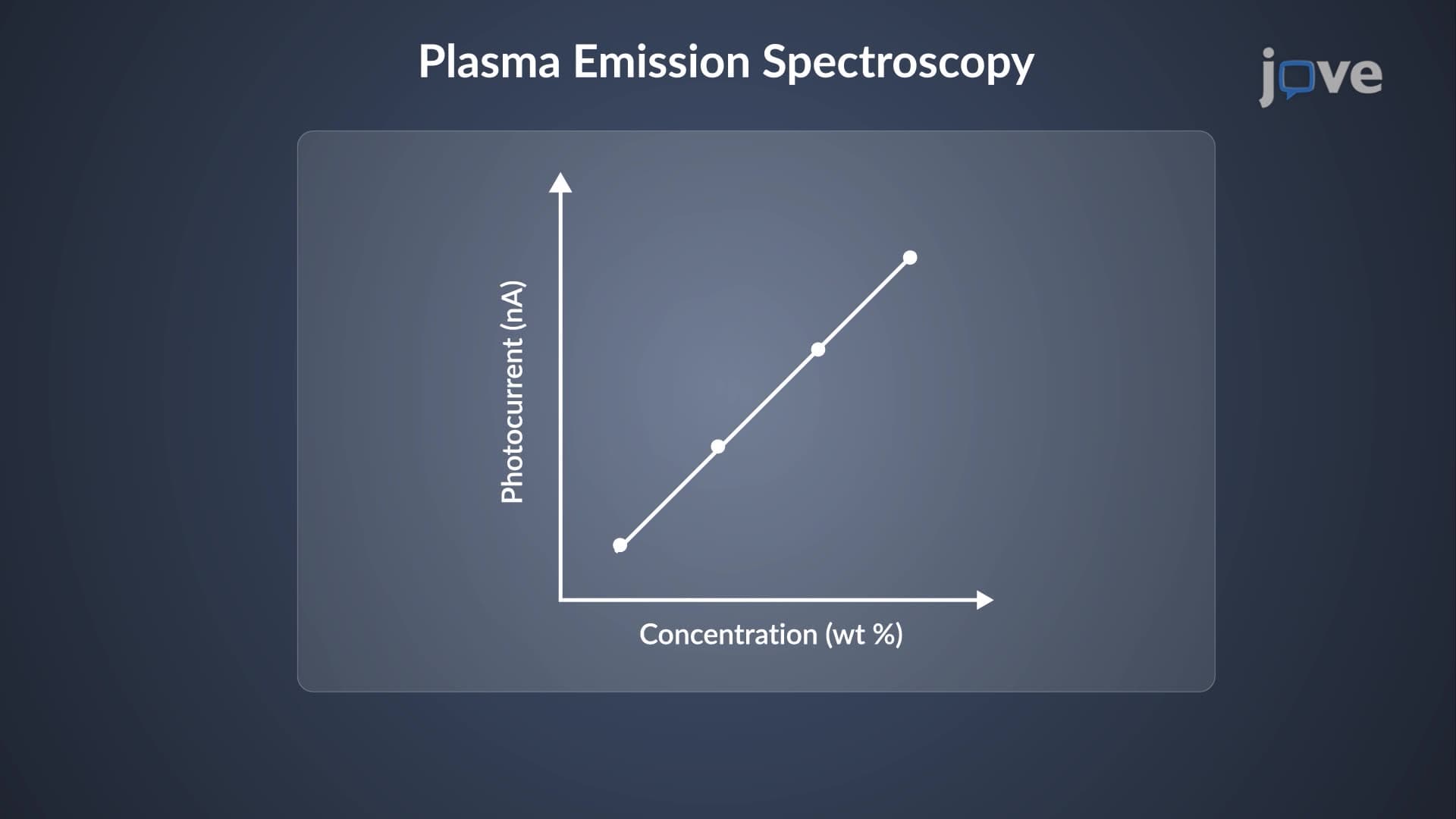
The chemically inert argon environment prevents refractory oxide formation that plagued earlier flame methods. This characteristic proves crucial when analyzing elements like aluminum, titanium, and rare earth metals in aerospace alloys or electronic components. The uniform temperature cross-section minimizes self-absorption effects where ground-state atoms reabsorb emitted photons, ensuring linear calibration curves essential for quantitative analysis. These principles appear frequently on MCAT chemistry sections and advanced placement exams testing spectroscopy fundamentals.
Related Micro-courses