Loading subject page…


18,939 views

Video Summary: Radiation Sources and Light in Atomic Absorption Spectroscopy
Ever wonder how scientists detect trace amounts of lead in drinking water or mercury in fish samples? AAS radiation light sources make this possible by emitting incredibly precise wavelengths that atoms can absorb. The EPA uses atomic absorption spectroscopy with specialized light sources like hollow cathode lamps to monitor environmental contaminants across thousands of US water treatment facilities. Understanding radiation sources and light in atomic absorption spectroscopy is crucial for accurate chemical analysis. Watch the full video on JoVE Coach to master this concept with expert-led visuals and step-by-step explanations.
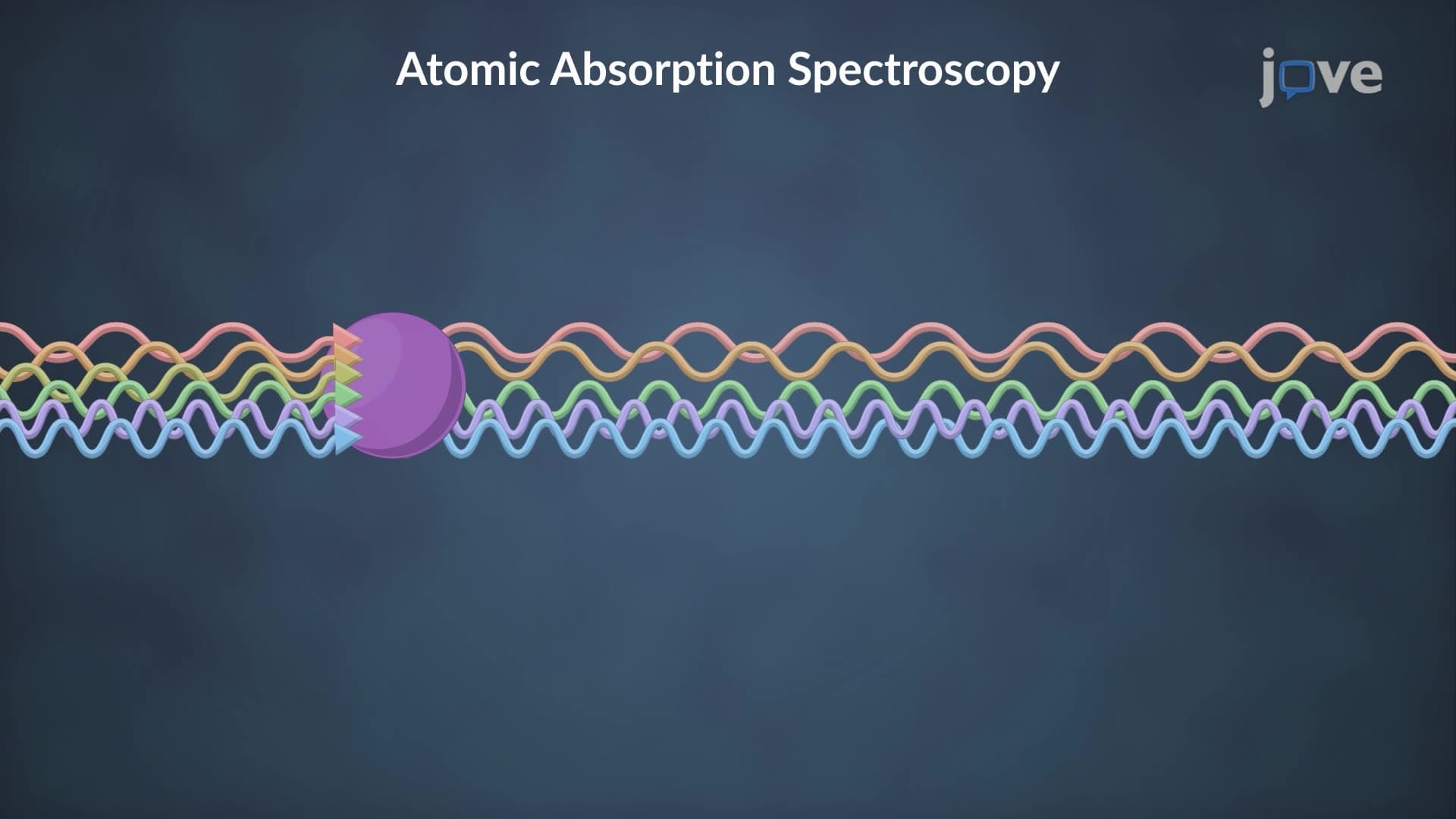
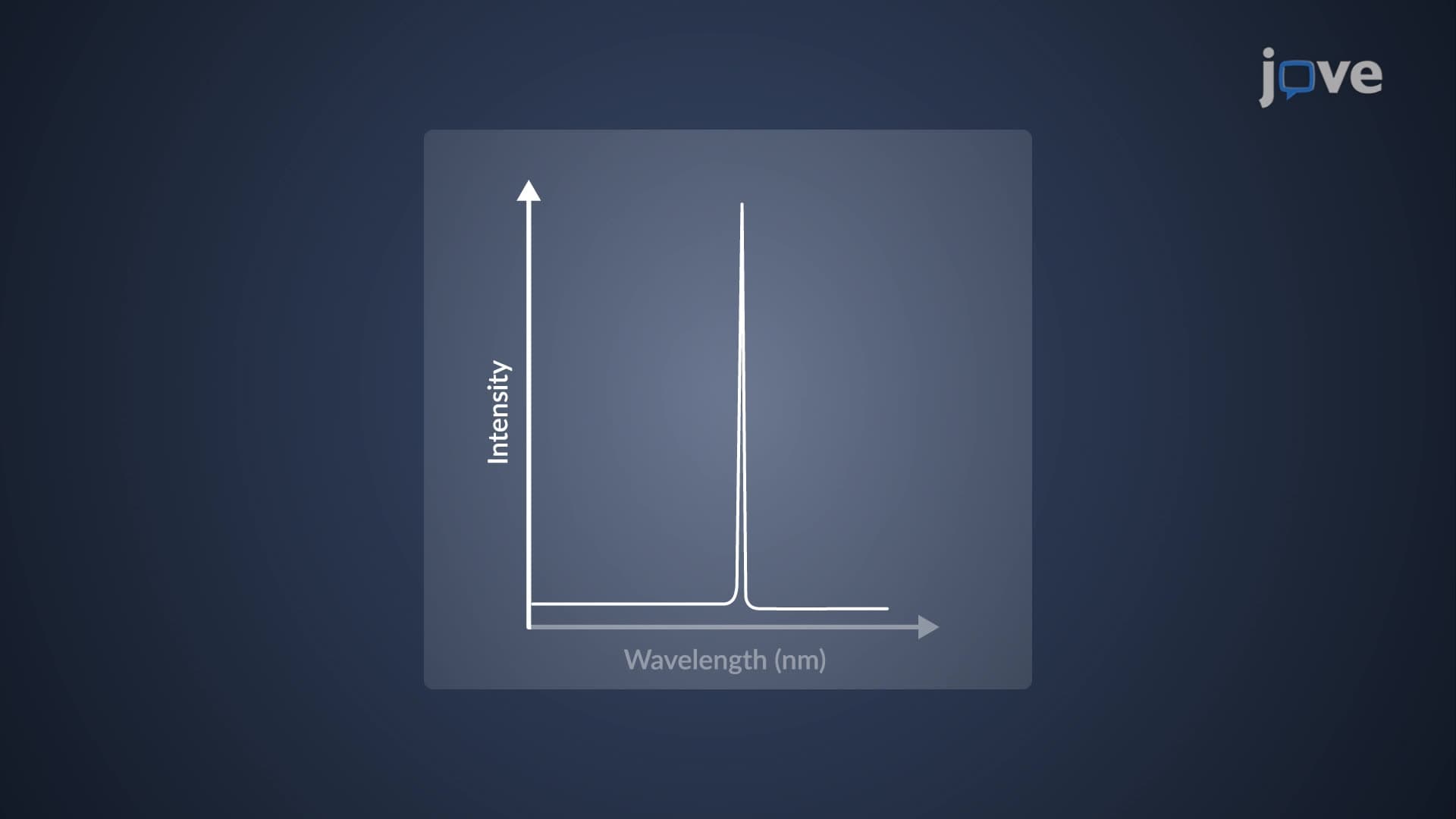
The foundation of accurate atomic absorption spectroscopy lies in selecting appropriate light sources that emit extremely narrow wavelength ranges. For AAS to follow Beer-Lambert law principles, the radiation source must produce wavelengths even more precise than what the analyte atoms naturally absorb. This precision requirement drives the use of specialized line sources rather than broad-spectrum continuum sources.
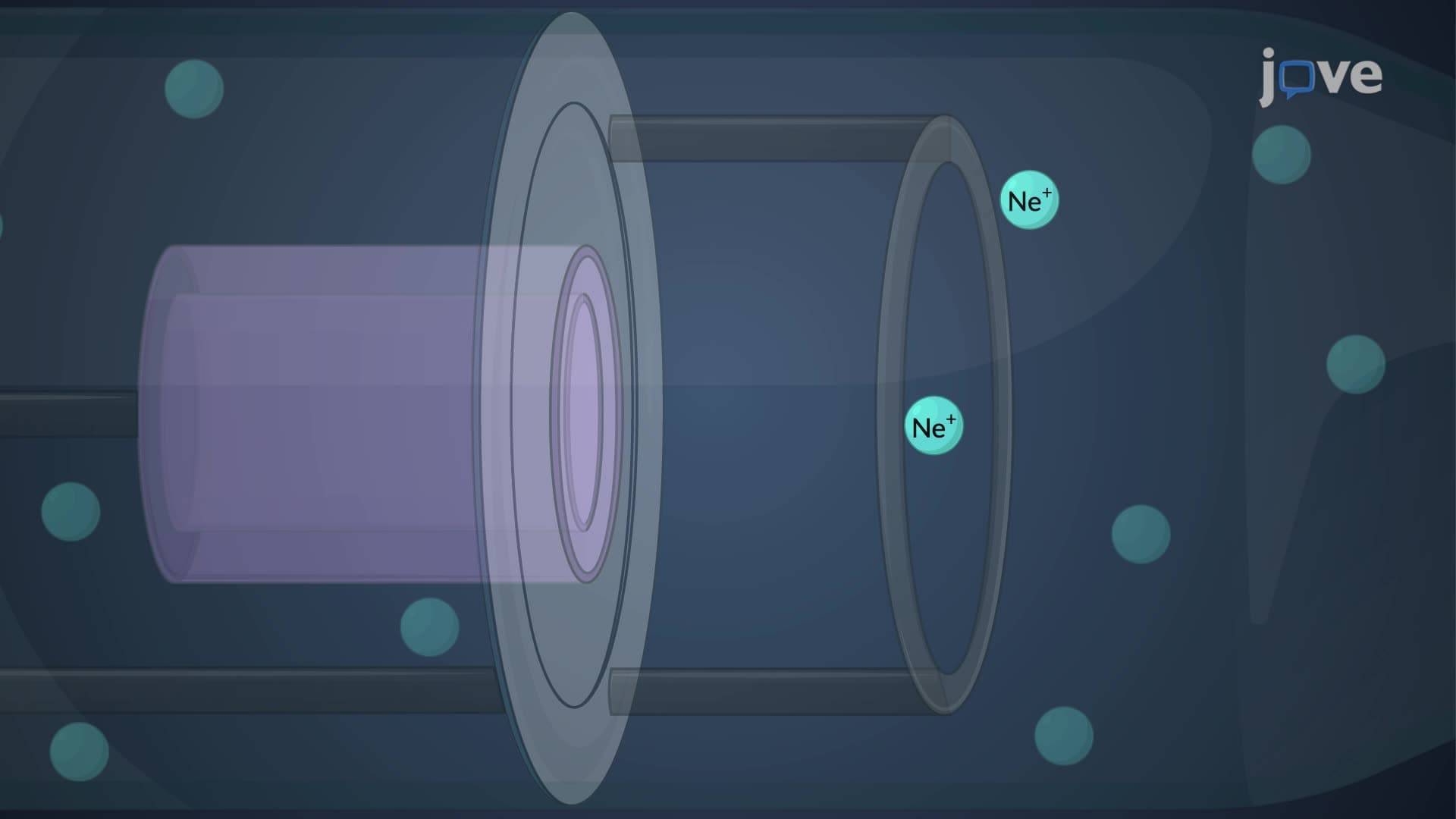
Hollow cathode lamps represent the most commonly used light sources in atomic absorption spectroscopy laboratories across US universities and analytical facilities. These lamps feature a cylindrical hollow cathode coated with the specific element being analyzed, paired with a tungsten or zirconium anode. The entire assembly sits within a glass tube containing inert gas at reduced pressure.
When voltage applies across the electrodes, the inert gas atoms ionize and bombard the cathode coating with high energy. This sputtering process ejects atoms from the cathode surface, and subsequent collisions excite these sputtered atoms. As excited atoms return to ground state, they emit characteristic radiation wavelengths specific to the element. US pharmaceutical companies routinely use HCLs for quality control testing, ensuring drug formulations meet FDA specifications.
Some elements require the superior intensity and precision offered by electrodeless discharge lamps. These advanced light sources consist of sealed quartz tubes containing inert gas and the analyte element or its salt. Instead of electrodes, EDLs use intense radio-frequency or microwave radiation fields to vaporize and excite atoms within the tube.
The resulting emission spectrum exhibits exceptional stability and intensity, making EDLs ideal for detecting elements like arsenic or selenium in environmental samples. The US Geological Survey employs EDLs when analyzing groundwater contamination, where detection limits must reach parts-per-billion levels.
The choice between HCLs and EDLs often depends on the specific analytical requirements and element properties. Students preparing for AP Chemistry or college analytical chemistry courses should understand that wavelength precision directly impacts measurement accuracy. For MCAT preparation, focus on how these light sources enable quantitative analysis in biological systems, such as measuring calcium levels in blood serum or detecting heavy metals in tissue samples.
Related Micro-courses