Loading subject page…

- Analytical Chemistry
- Atomic Spectroscopy
- Atomic Absorption Spectroscopy: Lab
Micro-course: Atomic Spectroscopy
18,939 views
Learn key concepts and earn your certificate.

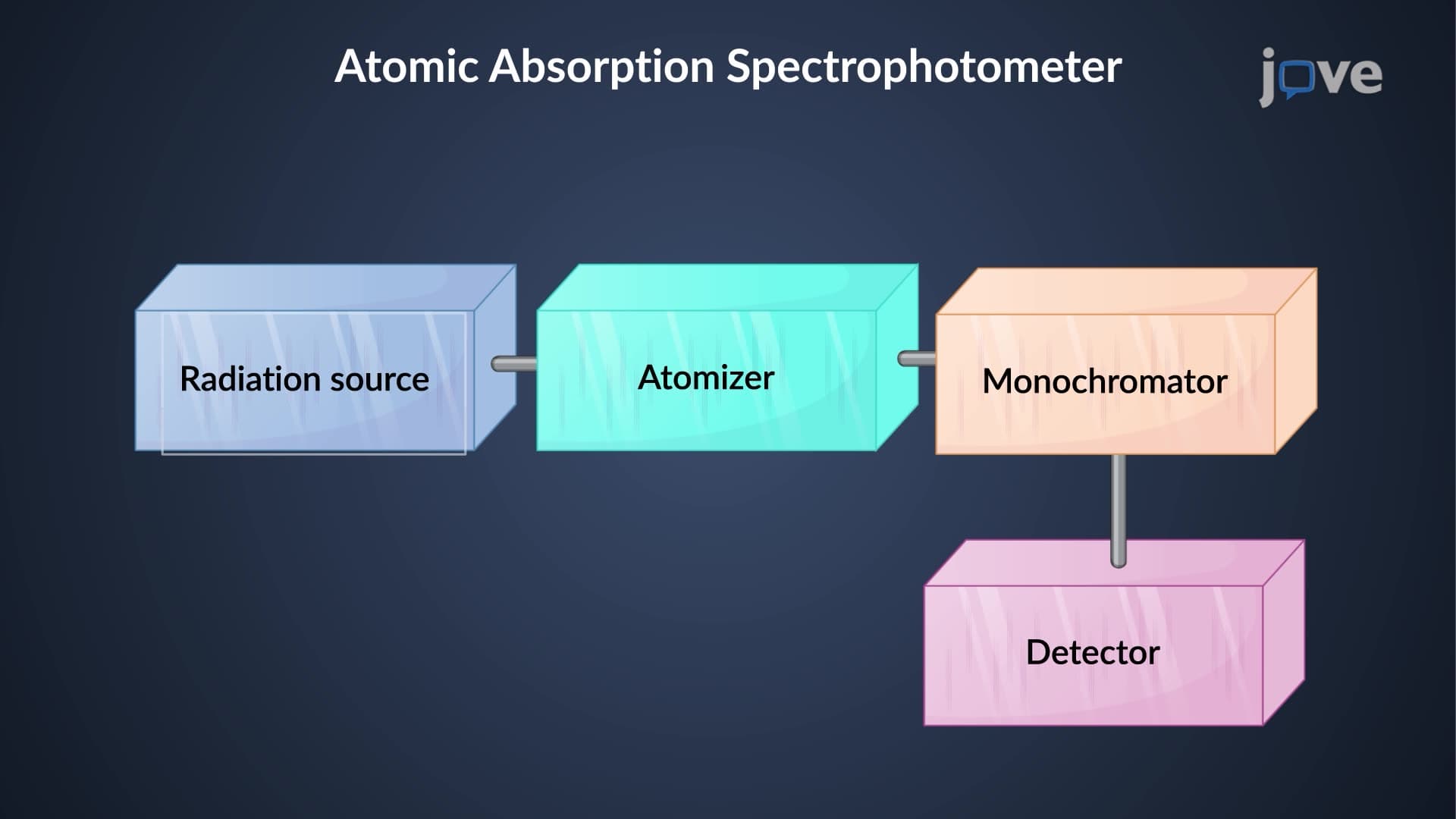
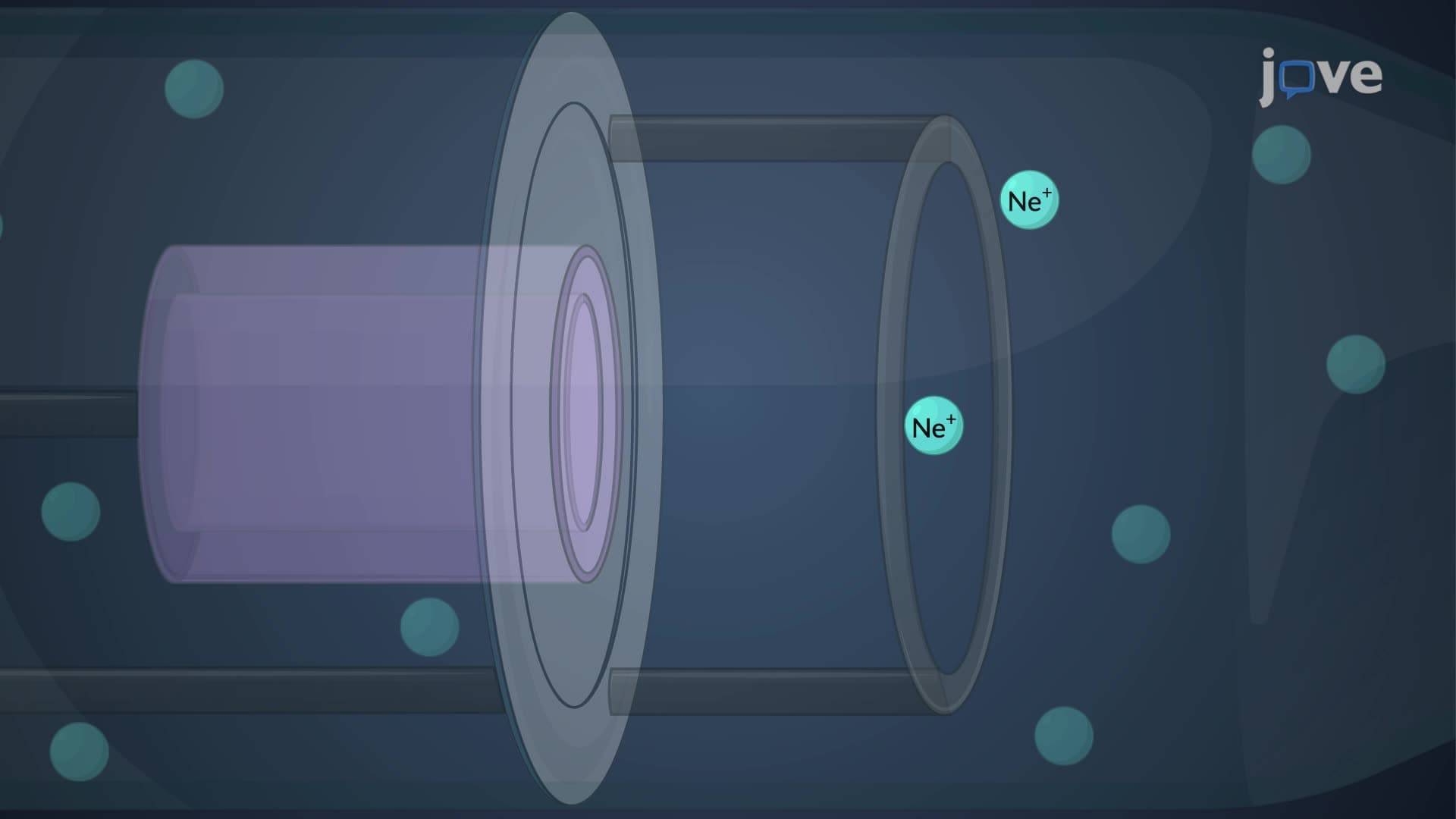
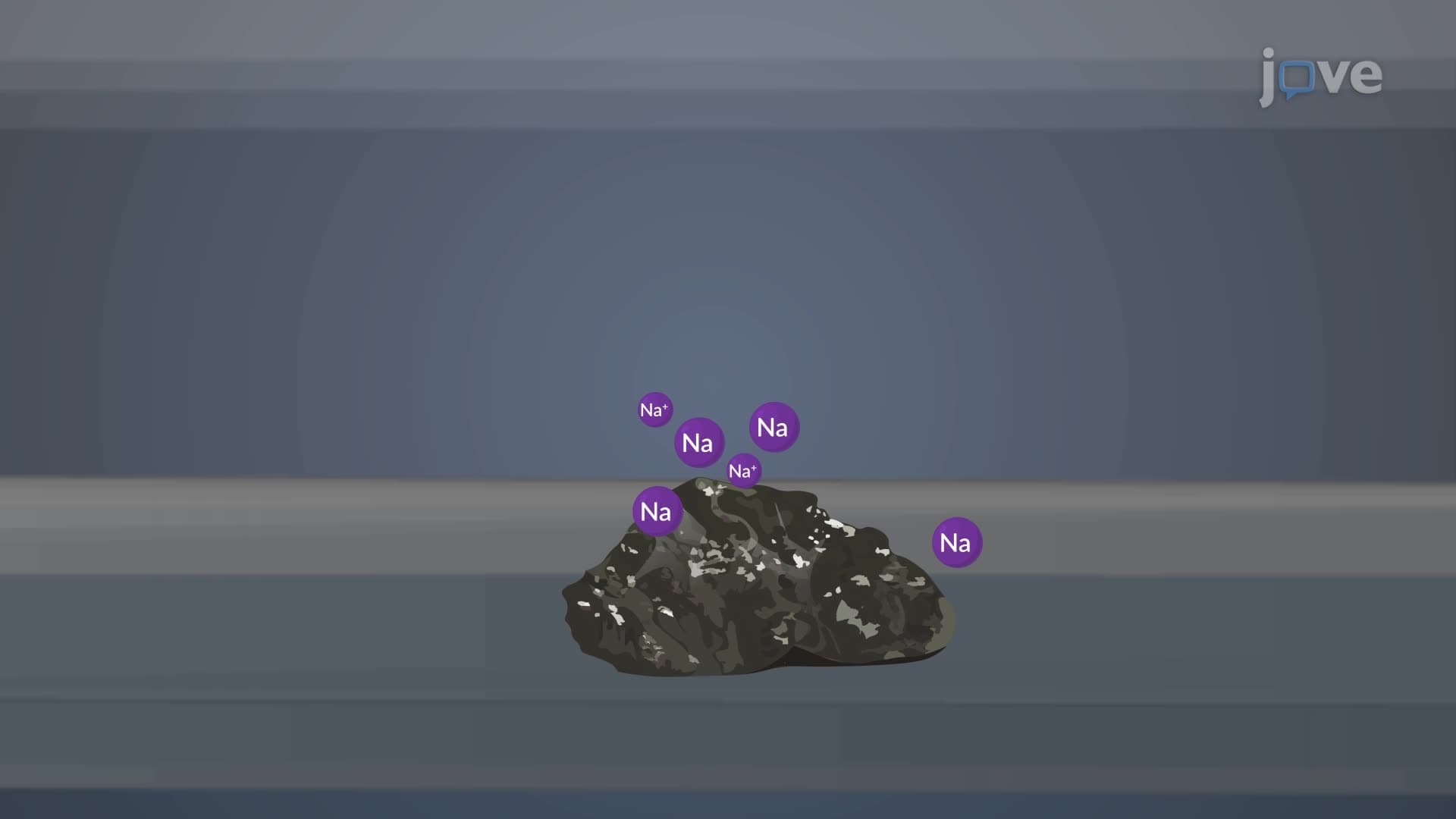
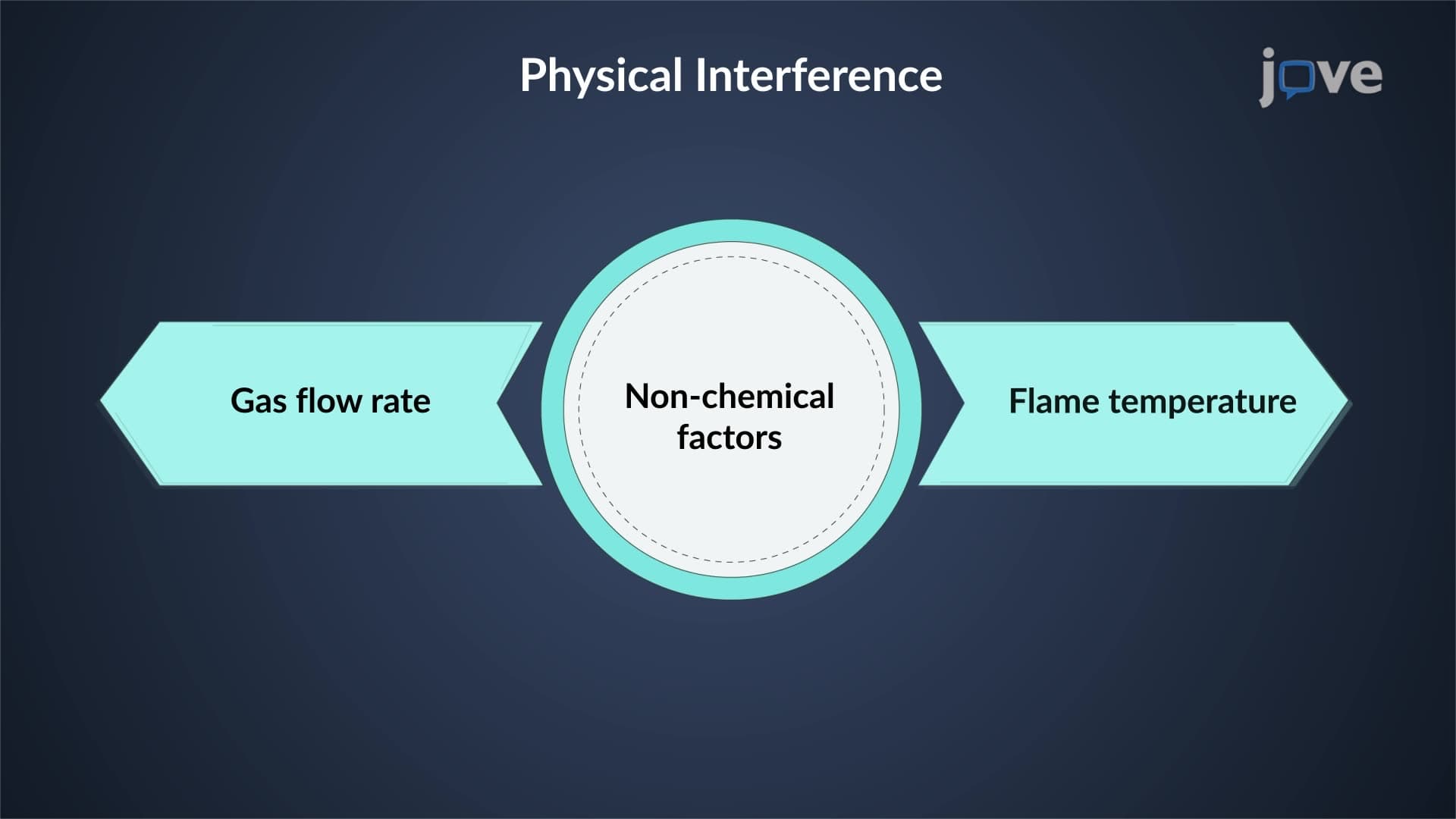
Atomic Absorption Spectroscopy: Lab

00:00
01:21
Video Summary: What Is Atomic Absorption Spectroscopy Lab
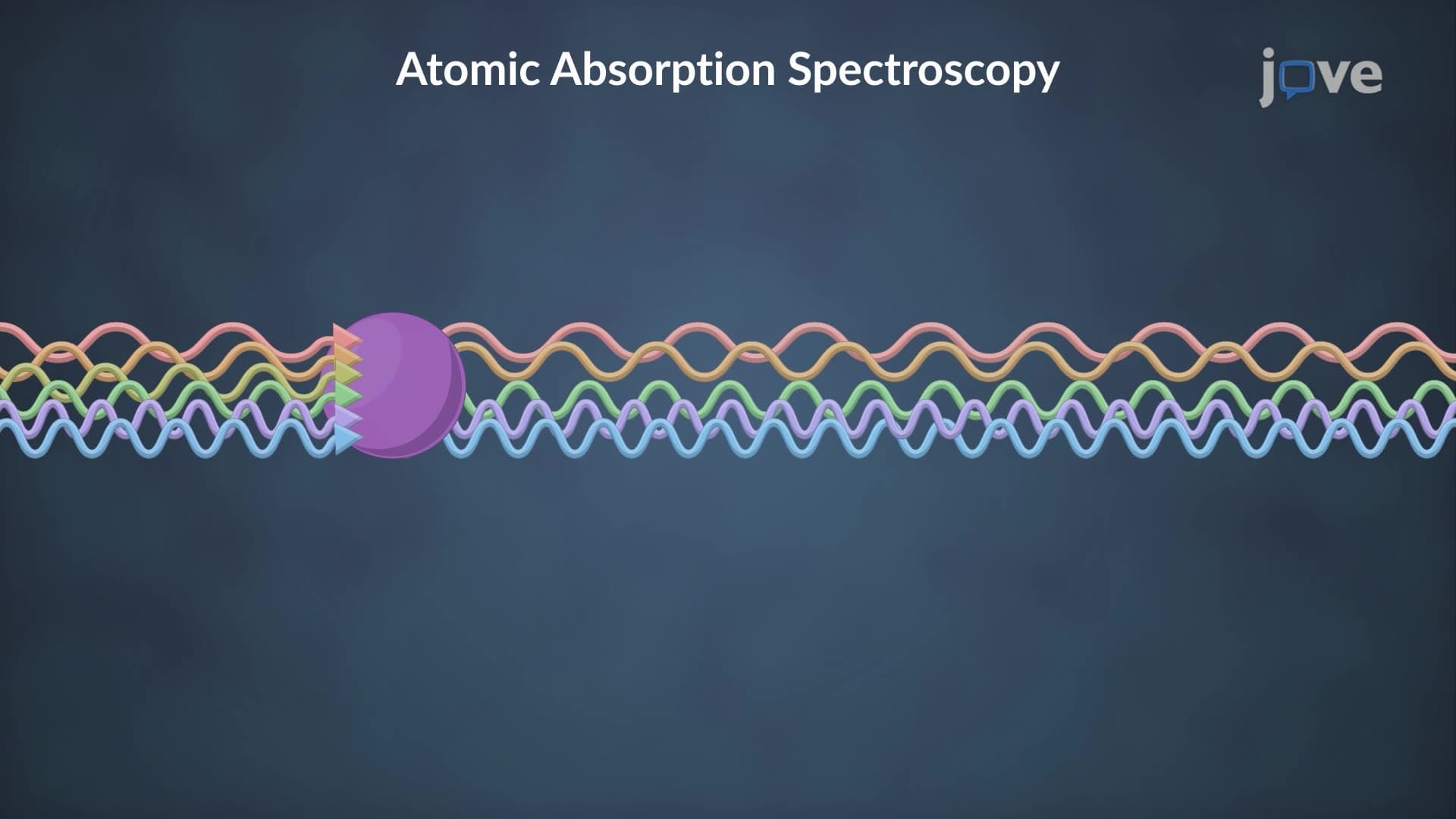
Did you know that the copper in a penny can be measured with precision down to nanograms using light absorption? AAS laboratory practice transforms this scientific marvel into hands-on learning, where students dissolve samples, create calibration curves, and quantify metals with remarkable accuracy. The EPA uses these exact techniques to monitor lead contamination in drinking water across American cities. Understanding What is Atomic Absorption Spectroscopy Lab opens doors to environmental testing, pharmaceutical quality control, and forensic analysis careers. Watch the full video on JoVE Coach to master this concept with expert-led visuals and step-by-step explanations.
- Understand What is Atomic Absorption Spectroscopy Lab fundamentals, including sample preparation methods and instrument operation principles
- Identify appropriate sample preparation techniques for solid samples, including acid digestion and microwave heating procedures
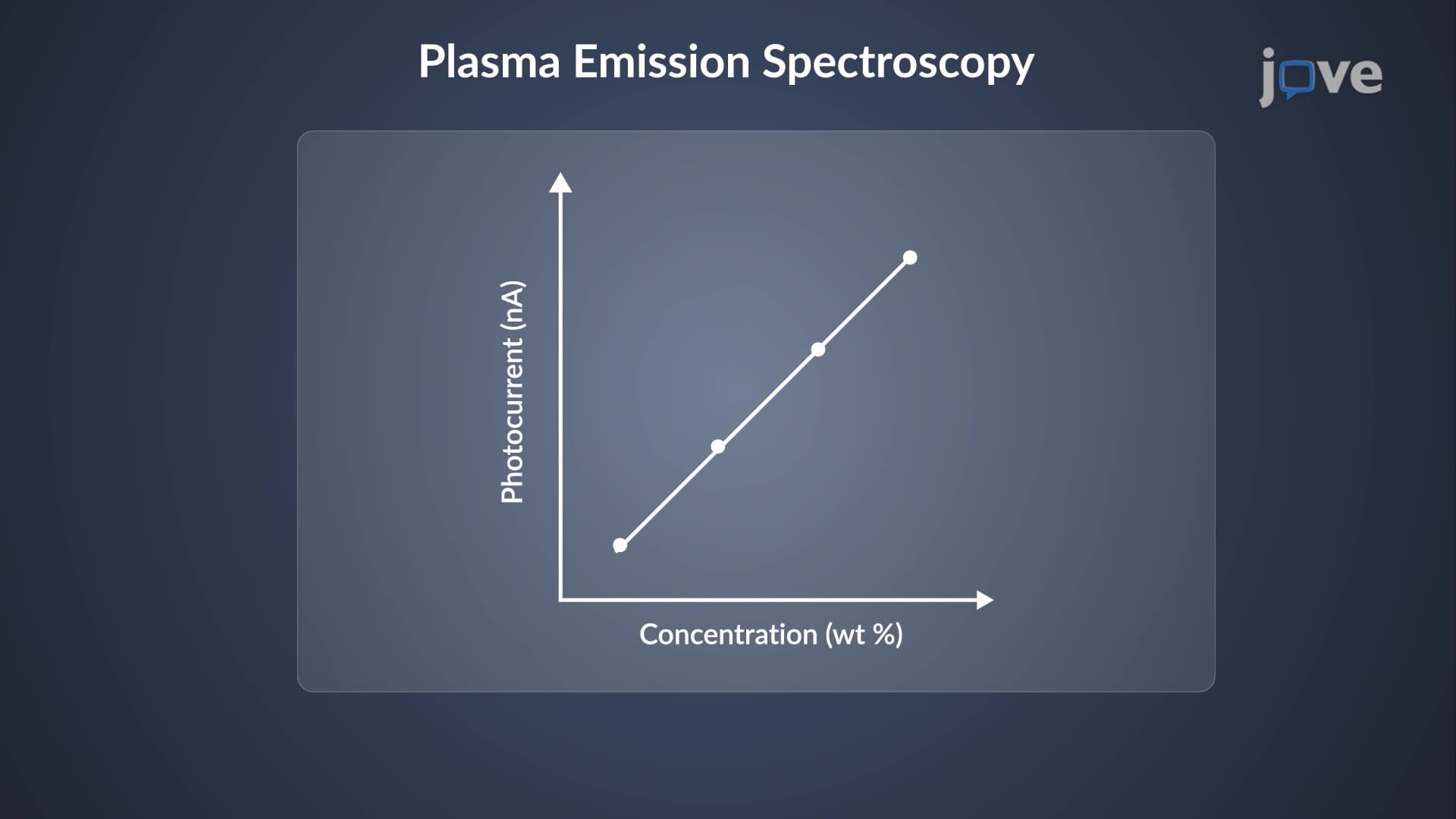
- Apply calibration curve construction using standard solutions to establish linear concentration-absorbance relationships
- Analyze matrix interference effects and implement standard addition methods to minimize measurement errors
- Compare detection limits between flame atomization (1-20 ng/mL) and electrothermal atomization (2-10 pg/mL) techniques
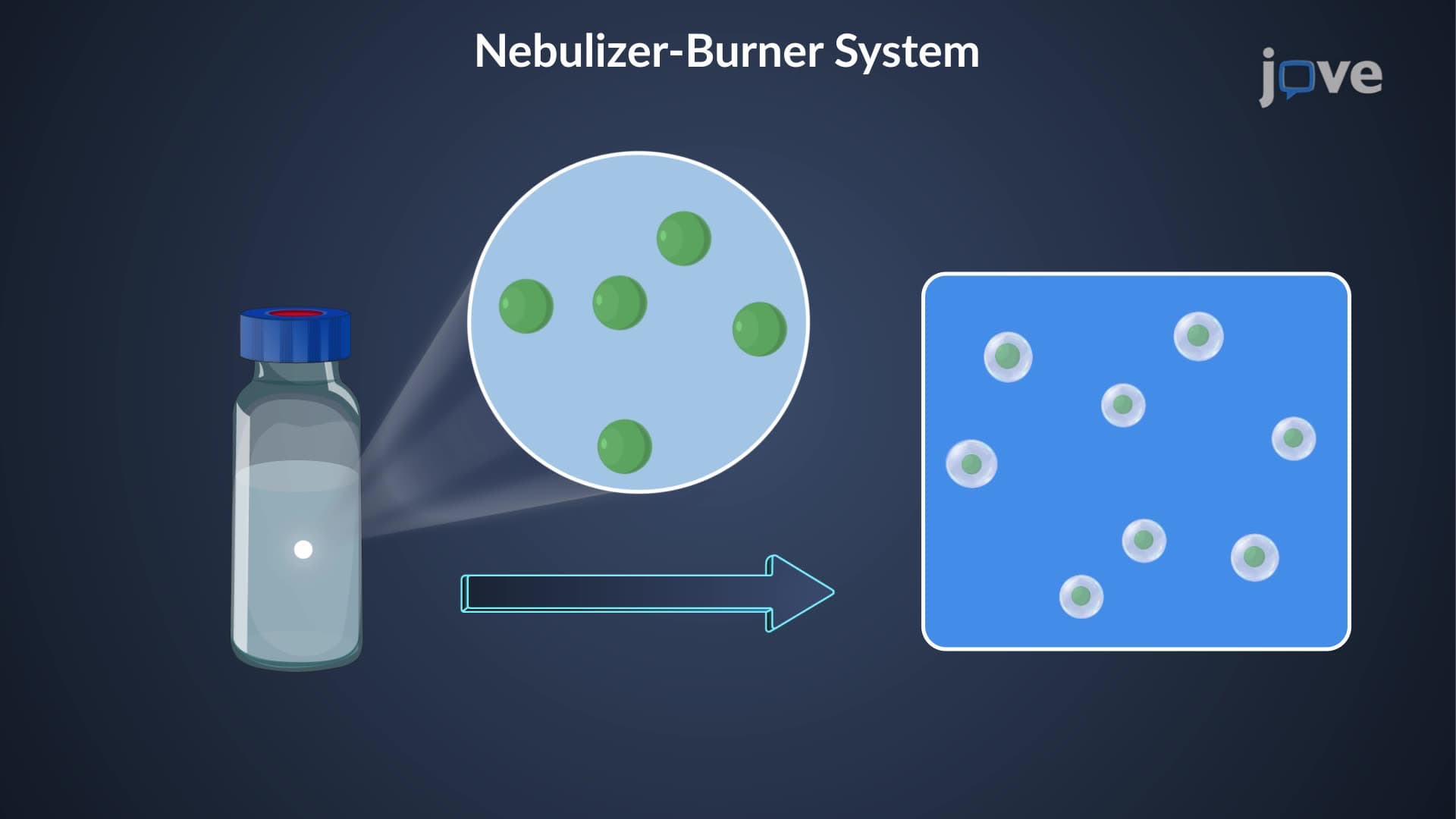
- Evaluate solvent selection criteria for optimizing nebulizer efficiency and reducing analytical interferences
- Recognize when extraction techniques are necessary to separate analytes from complex sample matrices
- Explore real-world applications in environmental monitoring, pharmaceutical testing, and materials analysis
Understanding What is Atomic Absorption Spectroscopy Lab Fundamentals
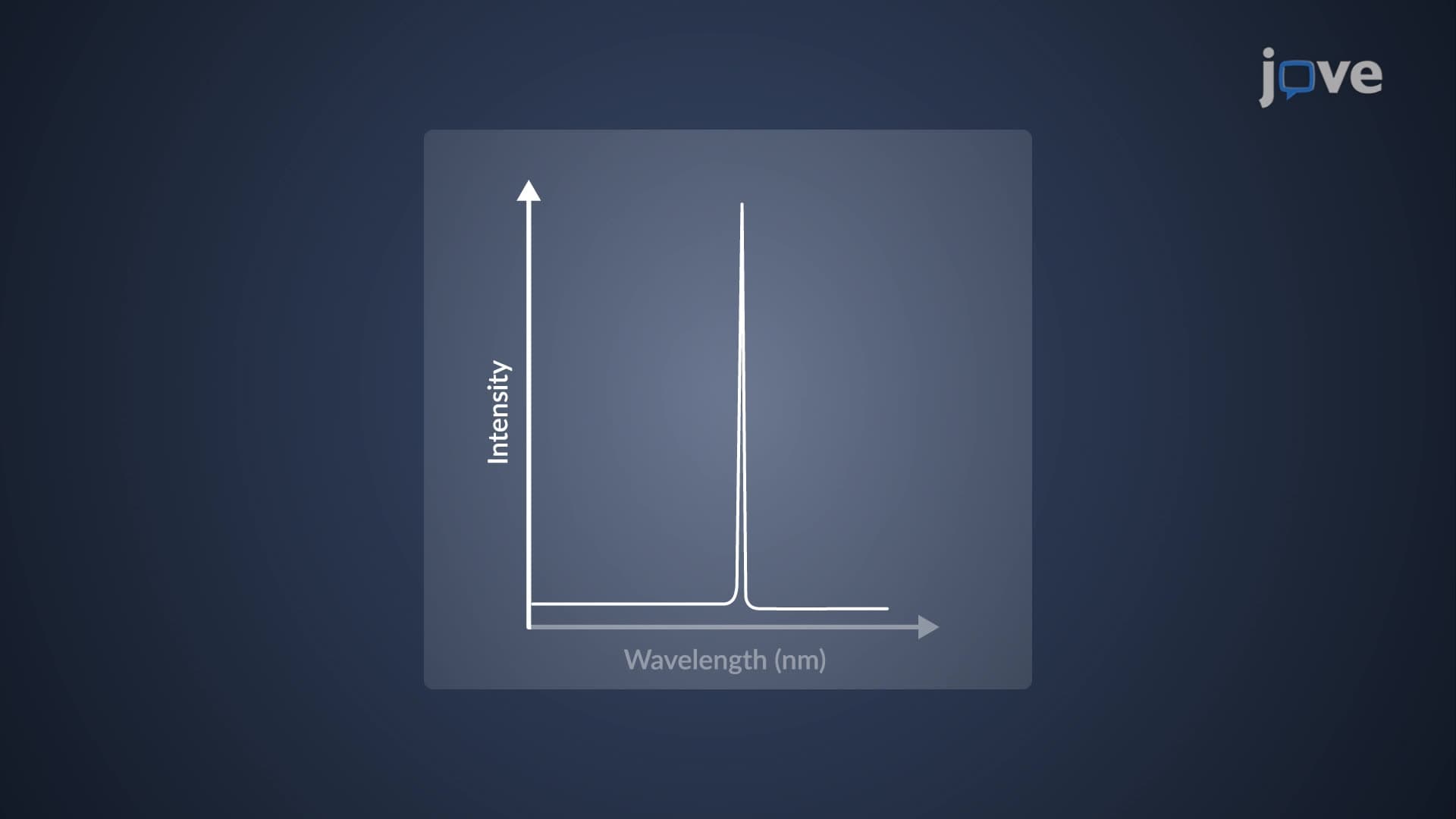
Atomic absorption spectroscopy laboratory practice represents one of the most widely used analytical techniques in chemistry education and professional laboratories. Students learn to measure the concentration of specific metals by observing how much light these elements absorb at characteristic wavelengths. Major universities like UC Berkeley and MIT incorporate AAS training into their undergraduate analytical chemistry curricula, preparing students for careers in environmental science, pharmaceuticals, and materials testing.
Sample Preparation Protocols in AAS Laboratory Practice
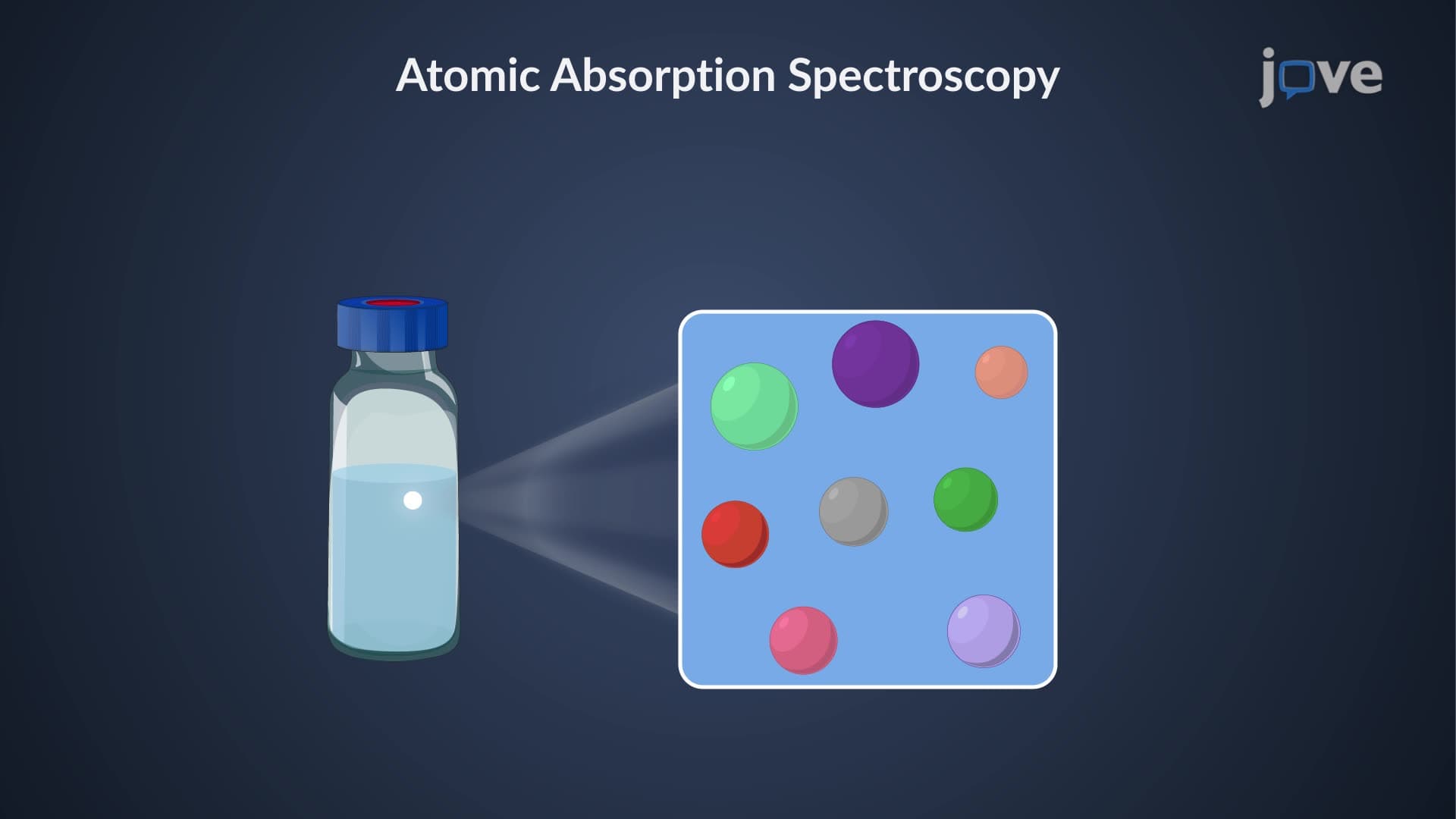
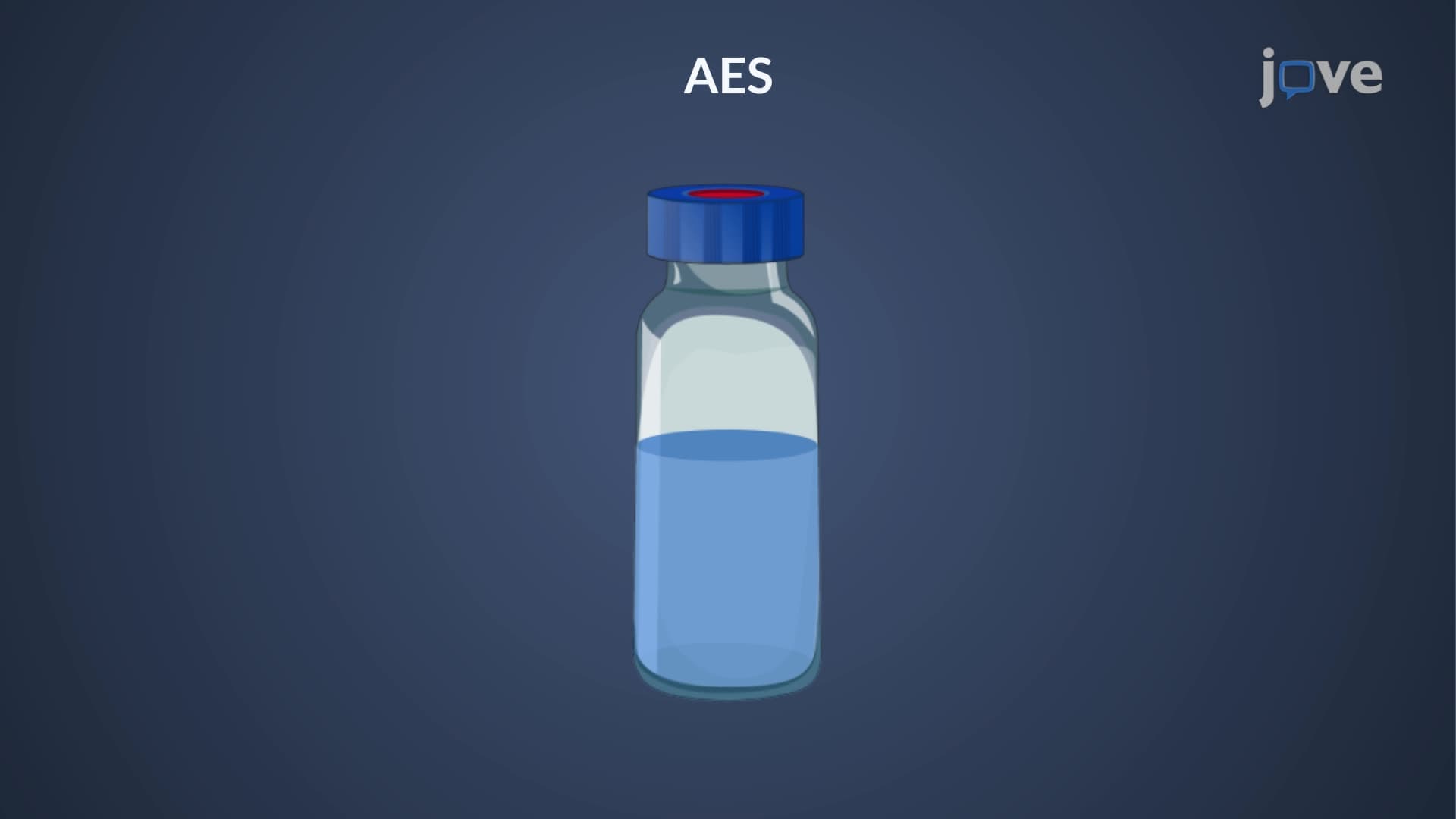
Successful atomic absorption spectroscopy lab procedure begins with proper sample preparation, the most critical step determining analytical accuracy. Solid samples require dissolution using hot mineral acids-typically nitric acid or hydrochloric acid-either through traditional hot plate heating or modern microwave-assisted digestion. The FDA's Center for Food Safety and Applied Nutrition uses these exact protocols when testing heavy metals in imported foods. Students learn that insoluble materials may require fusion with lithium metaborate at temperatures exceeding 1000°C, creating glass beads that dissolve completely in dilute acids.
Calibration and Interference Management
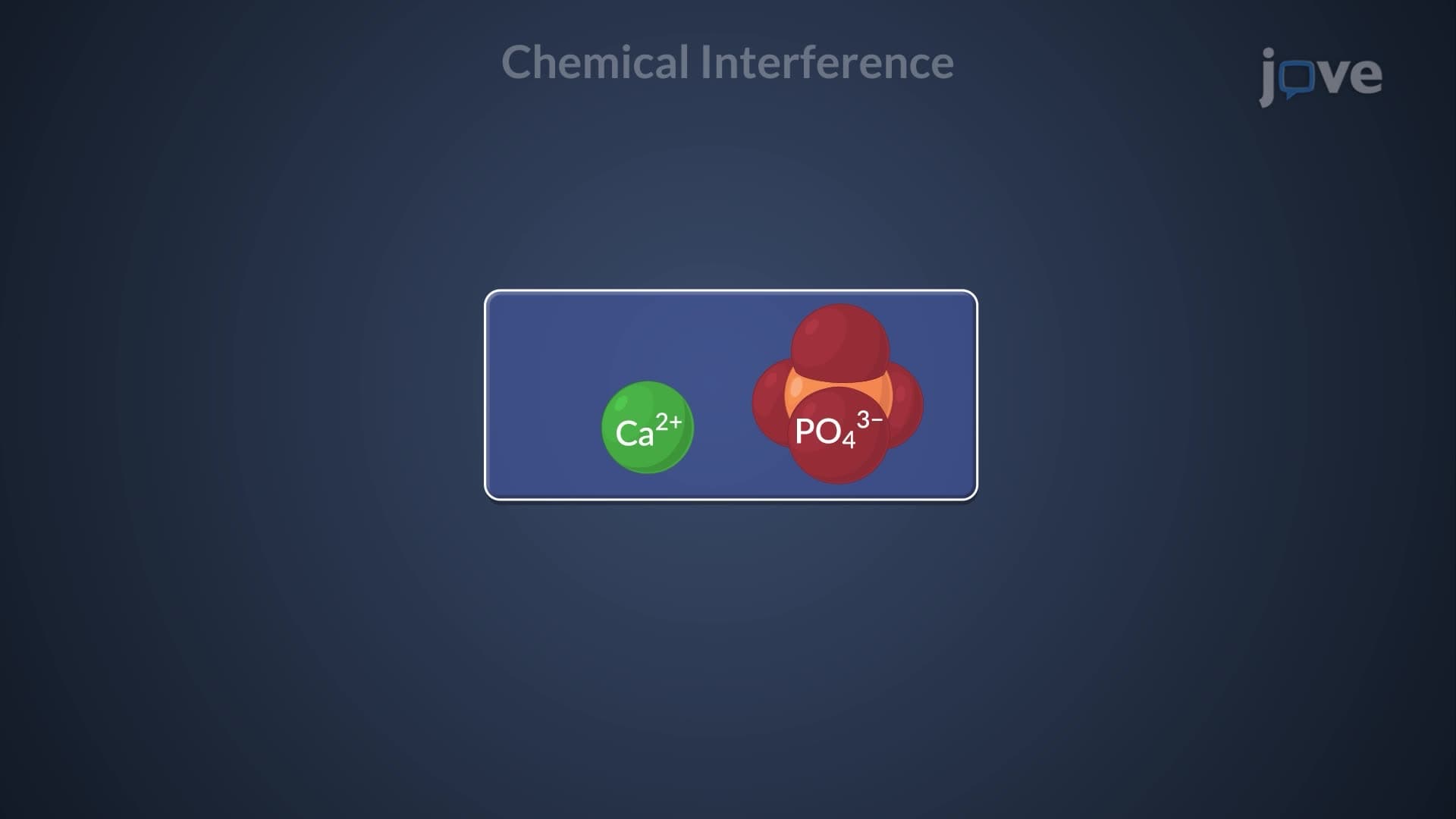
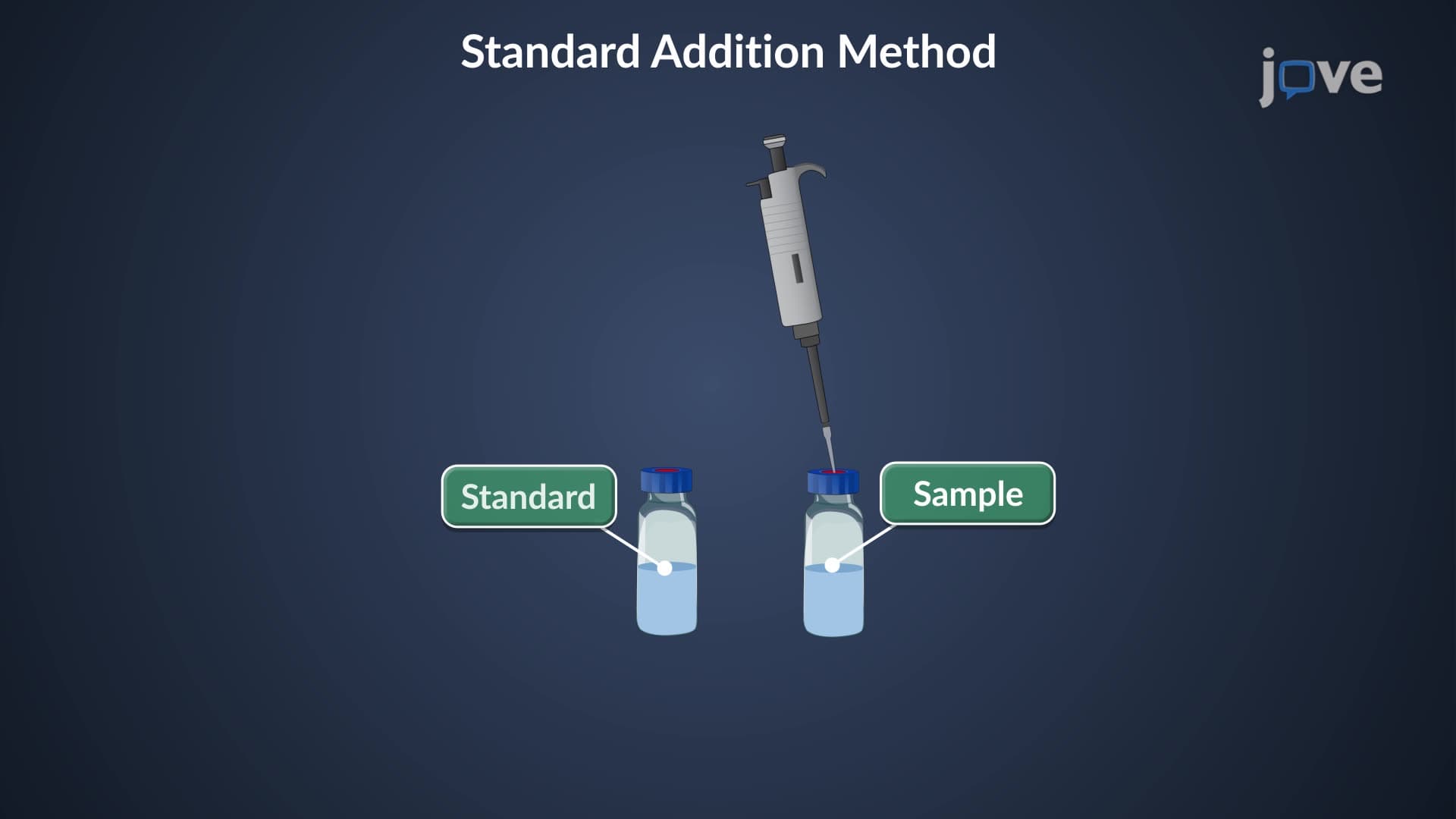
Understanding how is AAS performed in the laboratory requires mastery of calibration curve construction and interference recognition. Students prepare multiple standard solutions spanning the expected analyte concentration range, plotting absorbance versus concentration to establish linearity. The standard addition method proves essential when matrix effects interfere with accurate quantification-a technique regularly employed by state environmental laboratories monitoring groundwater contamination. AP Chemistry students encounter these concepts when studying Beer's Law applications, while college analytical chemistry courses dedicate entire lab sessions to interference studies.
Atomization Techniques and Detection Capabilities
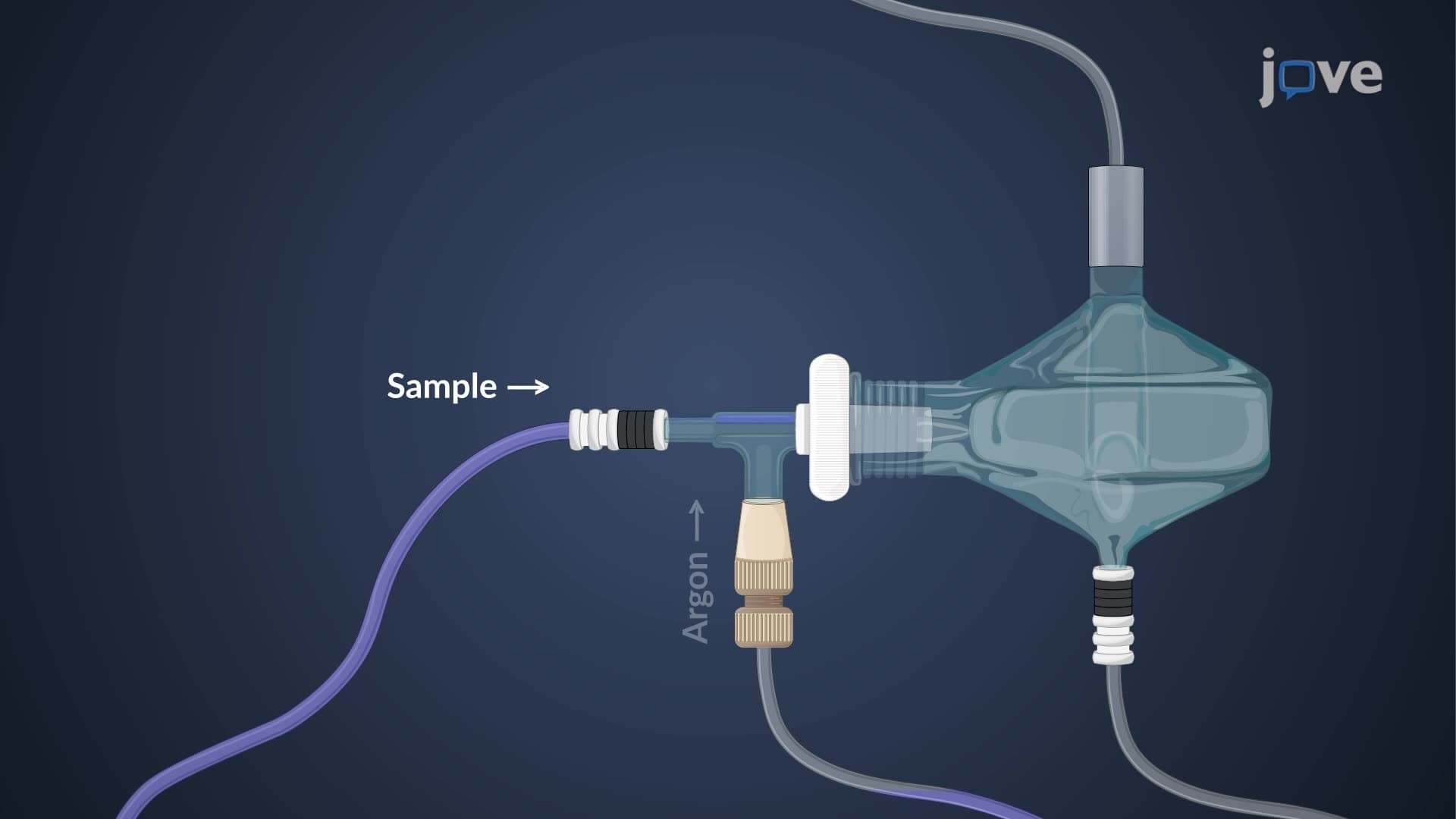
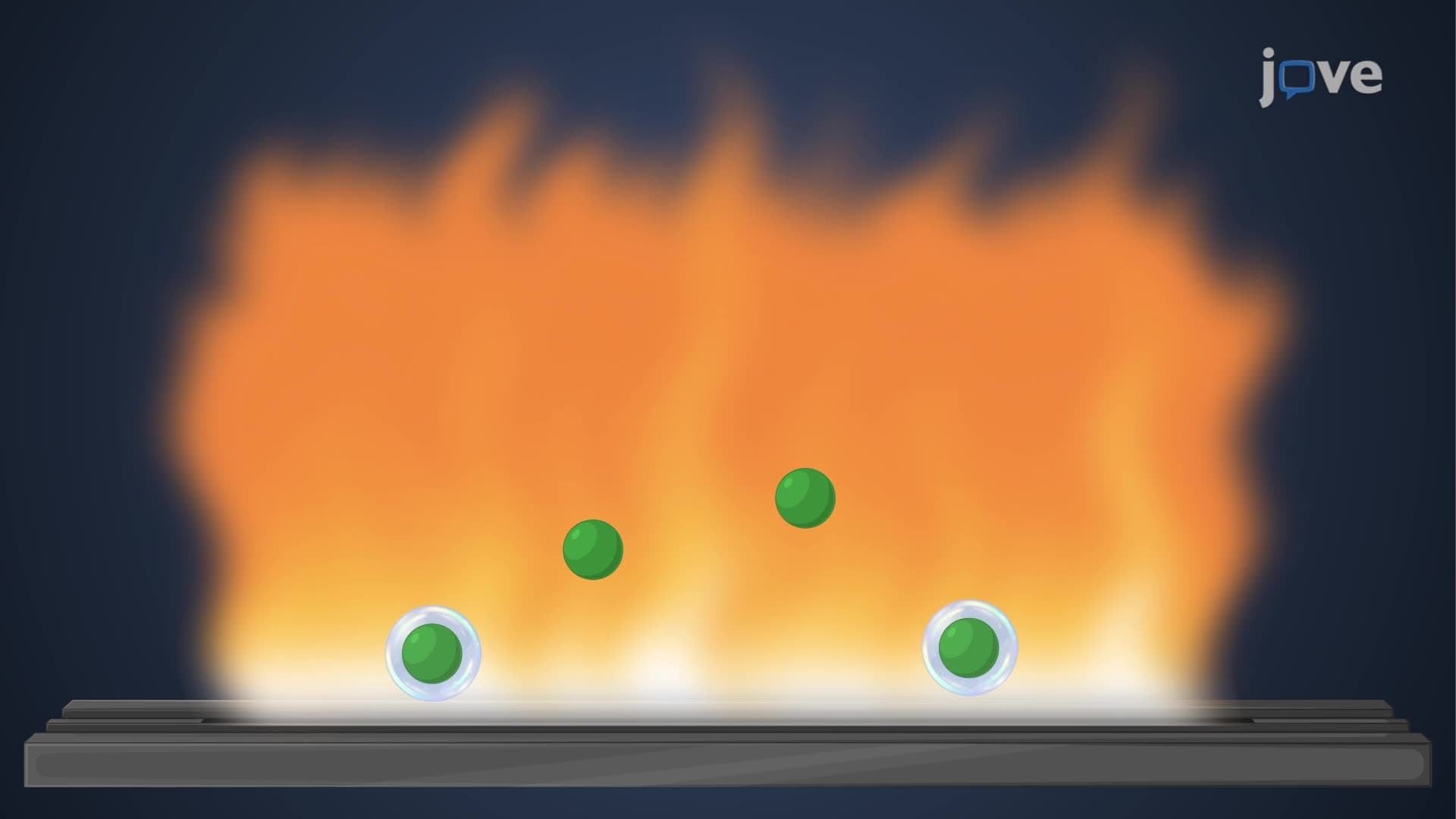
AAS flame operation and electrothermal atomization represent two primary approaches, each with distinct advantages and detection limits. Flame atomization, using air-acetylene or nitrous oxide-acetylene mixtures, provides detection limits of 1-20 ng/mL-sufficient for most routine analyses. Electrothermal atomization, employing graphite furnaces heated to 3000°C, achieves extraordinary sensitivity of 2-10 pg/mL, enabling trace metal analysis in biological samples. Medical laboratories analyzing lead in children's blood samples routinely achieve these ultra-low detection limits, supporting public health initiatives across American communities.
Frequently Asked Questions
Atomic absorption spectroscopy lab is a hands-on analytical chemistry course where students learn to quantify metal concentrations by measuring light absorption at specific wavelengths. This technique is crucial because it's widely used in environmental testing, pharmaceutical quality control, and forensic analysis. Students gain practical experience with professional-grade instruments used in EPA laboratories, pharmaceutical companies, and clinical testing facilities. The skills learned directly apply to careers in analytical chemistry, environmental science, and materials testing.
AAS laboratory experience strengthens MCAT preparation by reinforcing Beer's Law applications, spectroscopic principles, and quantitative analysis concepts tested in the Chemical and Physical Foundations section. Students develop problem-solving skills with concentration calculations, standard curves, and error analysis. The hands-on experience with calibration curves and matrix effects provides deeper understanding than theoretical study alone. Many MCAT questions involve spectroscopic data interpretation, making AAS lab experience particularly valuable.
AAS lab procedure is unique because it measures the absorption of light by free atoms in the gas phase, requiring high-temperature atomization. Unlike UV-Vis spectroscopy that works with molecules in solution, AAS converts samples to atomic vapor using flames or graphite furnaces. This process enables detection of specific elements with exceptional selectivity and sensitivity. The technique requires specialized hollow cathode lamps for each element, making it highly element-specific compared to other analytical methods.
Absolutely! Many advanced high school chemistry programs successfully incorporate AAS training, especially in AP Chemistry courses. The fundamental concepts build naturally on Beer's Law and solution chemistry already covered in general chemistry. Students need solid algebra skills and basic understanding of atomic structure, but the hands-on nature actually helps reinforce theoretical concepts. Community colleges often offer summer programs where high school students can gain AAS experience.
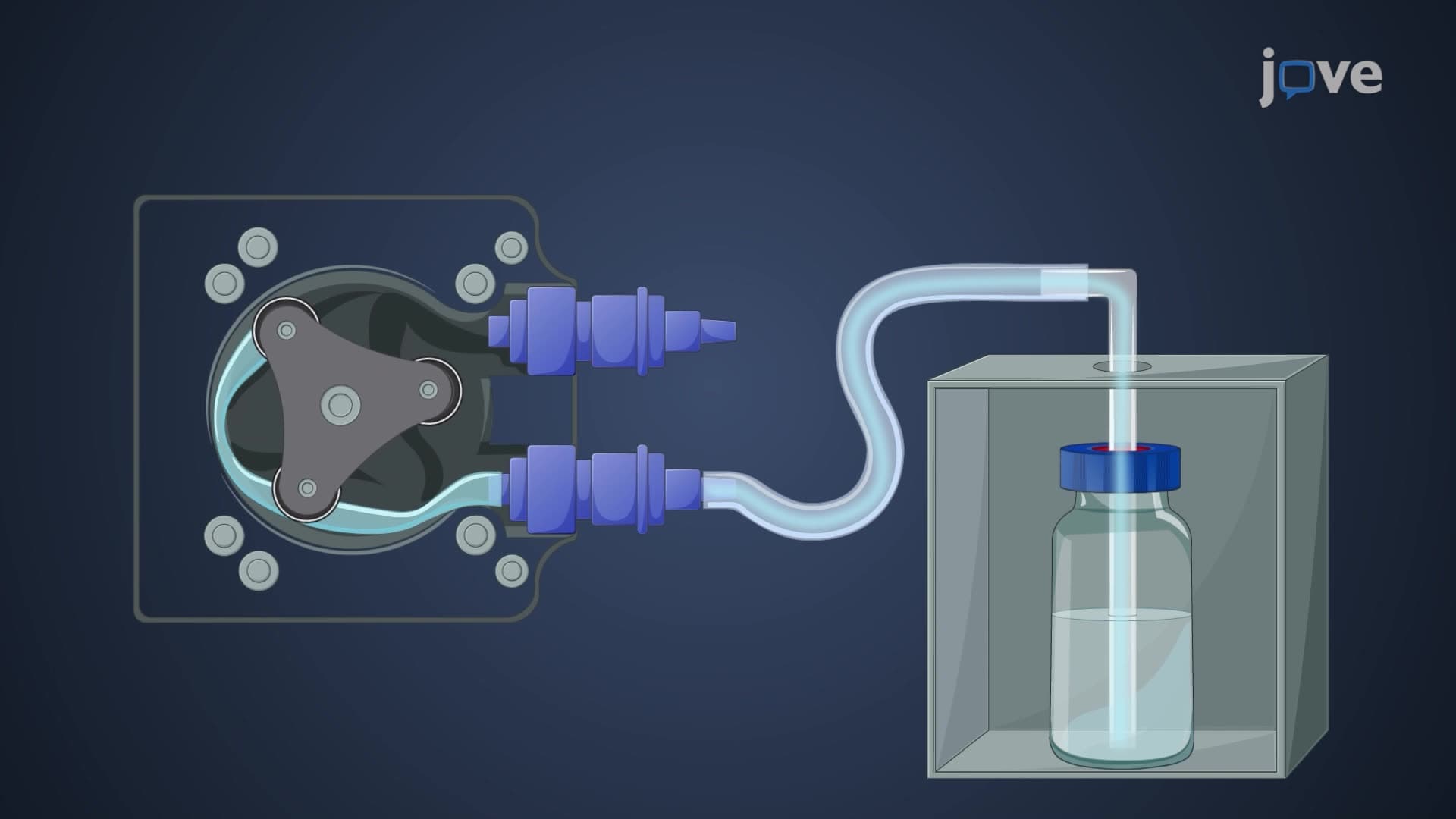
Environmental laboratories follow EPA Method 7000 series protocols for AAS water analysis, beginning with sample acidification and filtration. Technicians analyze metals like lead, copper, and chromium in drinking water samples collected from municipal systems nationwide. The process involves direct aspiration of prepared samples into an air-acetylene flame, with results compared to calibration standards. Detection limits easily meet EPA Maximum Contaminant Levels, making AAS the preferred method for regulatory compliance monitoring.
Focus on understanding the relationship between sample preparation, calibration, and final results rather than memorizing procedures. Practice concentration calculations and dilution problems regularly, as these appear frequently on practical exams. Create flowcharts showing decision trees for different sample types and preparation methods. Form study groups to discuss troubleshooting common problems like matrix interferences and contamination sources, as these scenarios often appear on laboratory practicals and standardized exams.
Students ready for advanced study should explore inductively coupled plasma (ICP) techniques, which offer simultaneous multi-element analysis capabilities beyond AAS limitations. X-ray fluorescence spectroscopy provides complementary solid-sample analysis without extensive sample preparation. Atomic fluorescence spectroscopy extends sensitivity for specific elements like mercury and arsenic. These advanced techniques are commonly used in graduate research and industrial laboratories, building naturally on AAS fundamentals.
Related Micro-courses

15 Concepts