Loading subject page…


18,939 views

Video Summary: What Is Atomic Emission Spectroscopy Instrumentation
Ever wondered how NASA identifies elements on Mars from millions of miles away? AES instrumentation explained through sophisticated component systems makes this possible right here on Earth too. Major US pharmaceutical companies like Pfizer use atomic emission spectrometer components daily to ensure drug purity and safety. Understanding what is atomic emission spectroscopy instrumentation reveals how samples transform from liquid solutions into precise elemental data through plasma excitation and wavelength detection. Watch the full video on JoVE Coach to master this concept with expert-led visuals and step-by-step explanations.
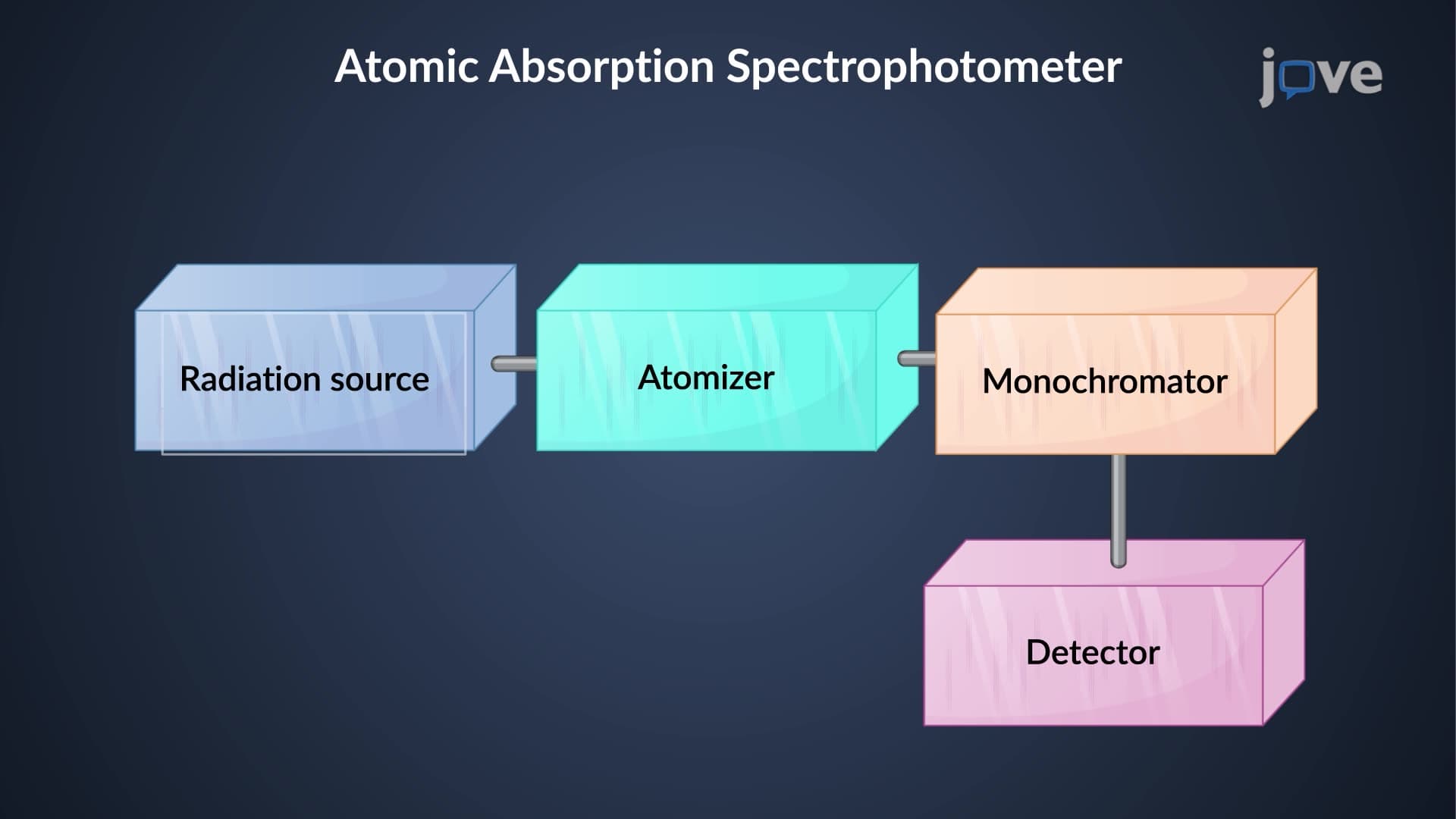
AES instrumentation explained begins with recognizing that atomic emission spectroscopy transforms liquid samples into quantitative elemental data through a sophisticated five-component system. Unlike simple optical instruments, atomic emission spectrometer components work synergistically to achieve detection limits in the parts-per-billion range. This makes AES invaluable for environmental monitoring by the EPA, pharmaceutical quality control, and metallurgical analysis across US industries.
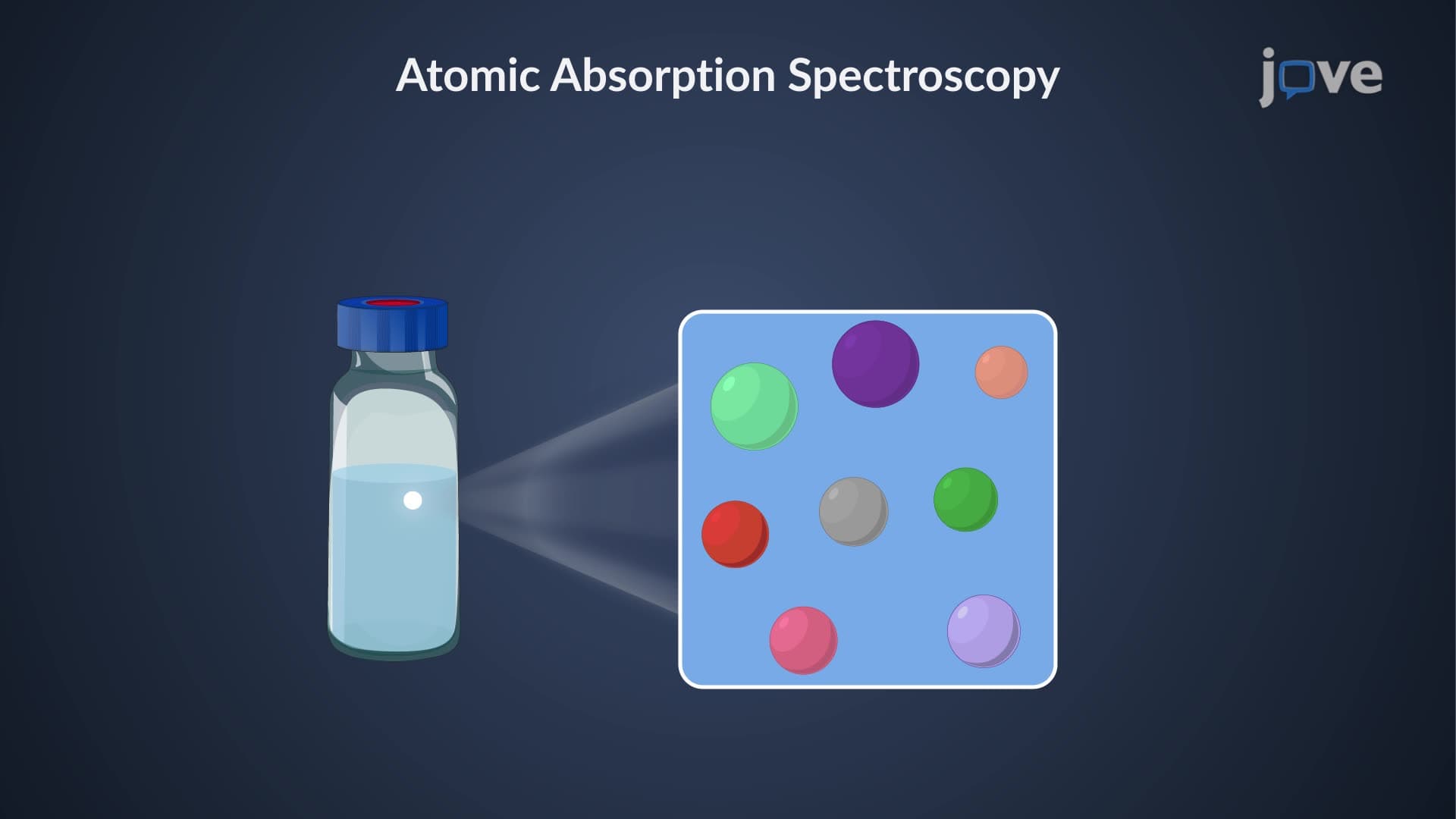
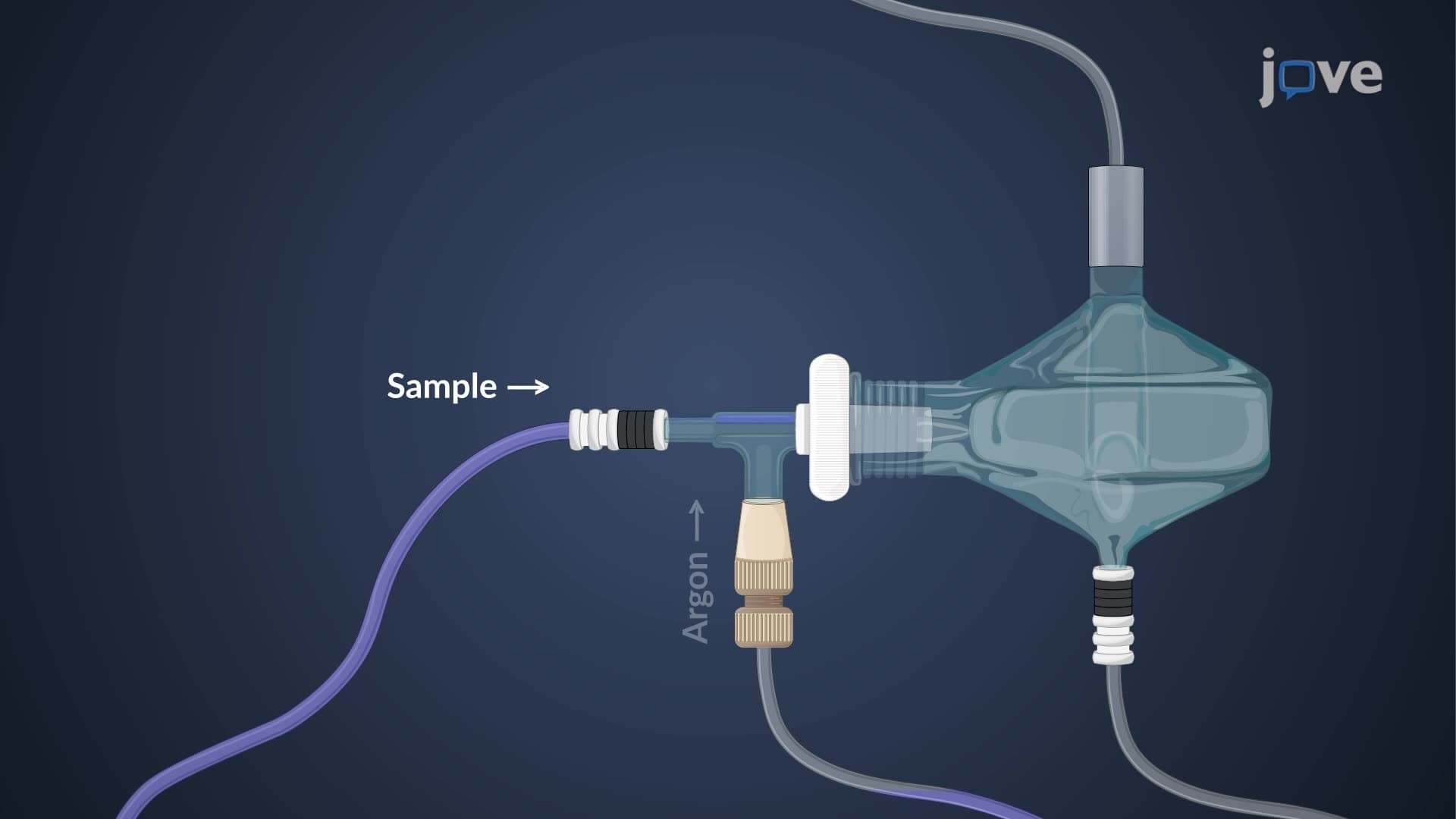
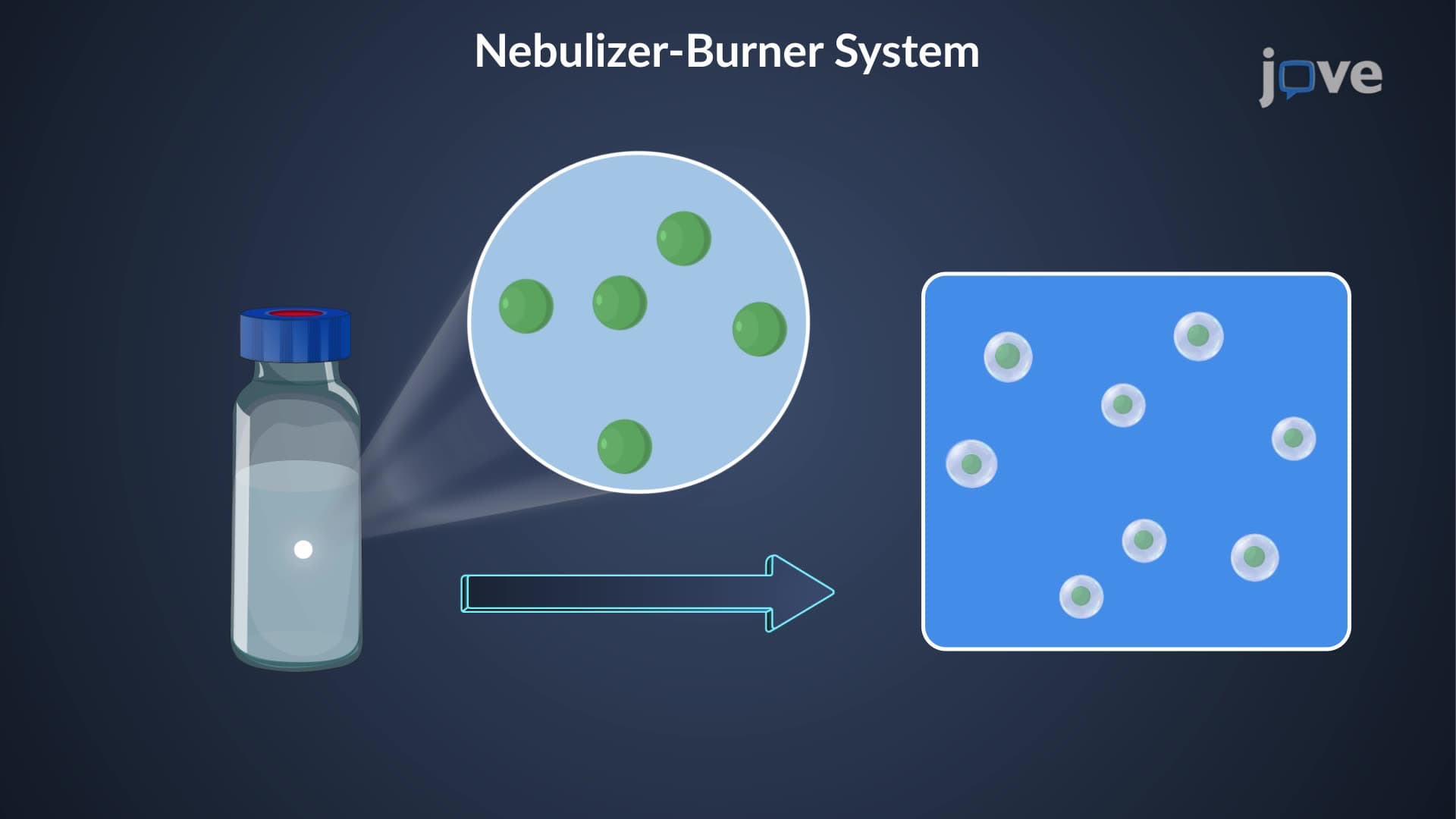
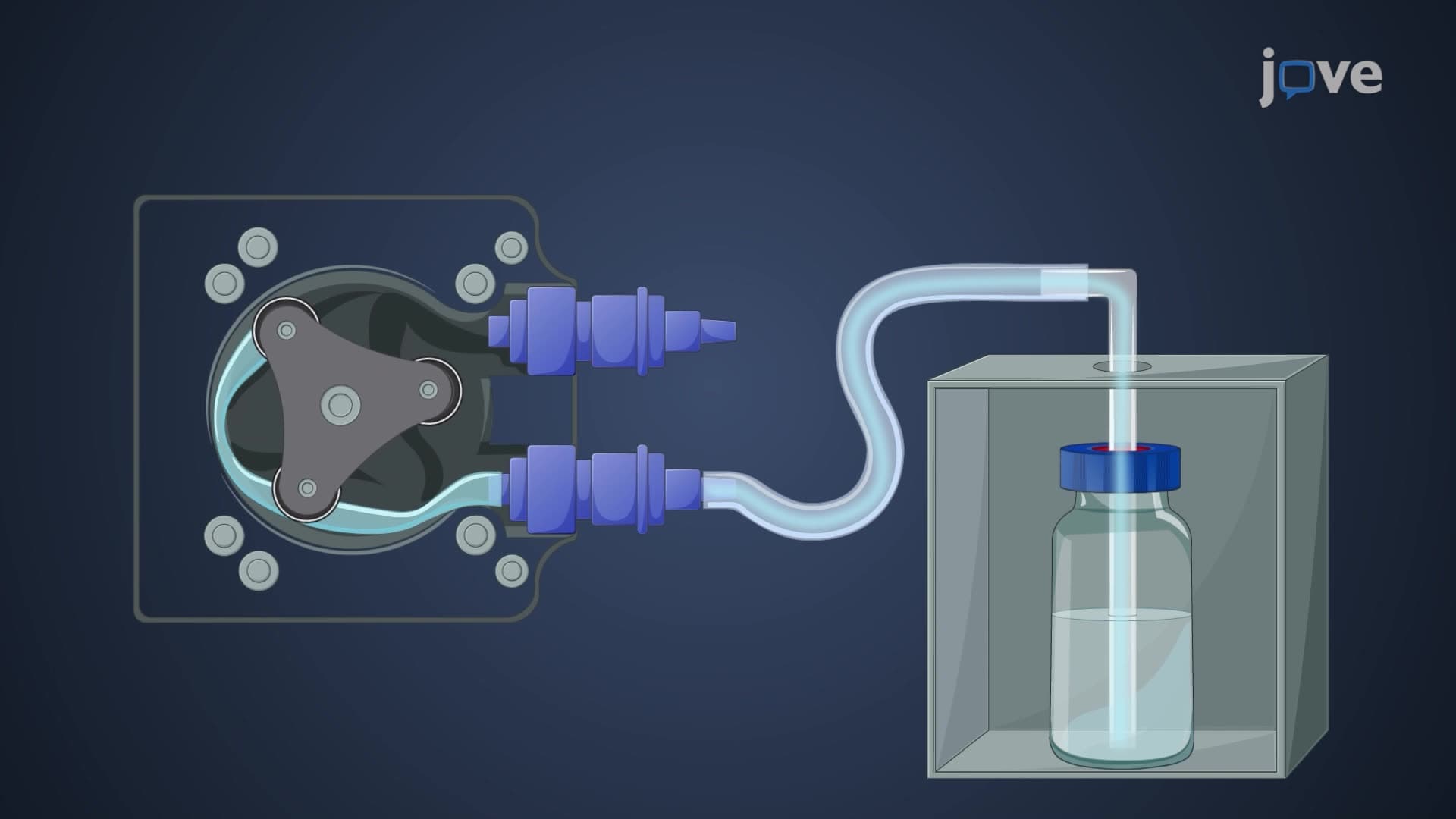
The sample introduction system represents the first critical stage where liquid samples become analyzable. A peristaltic pump draws sample solutions at controlled flow rates, typically 1-2 mL/minute, ensuring reproducible sample delivery. The nebulizer then converts this liquid into fine aerosol droplets through pneumatic or ultrasonic mechanisms.
Larger droplets (>10 micrometers) are removed via a spray chamber drain system, while fine droplets suitable for plasma introduction are carried forward by argon gas flow. This selective droplet transport ensures efficient sample atomization and reduces matrix interference effects commonly encountered in complex samples like seawater or biological fluids.
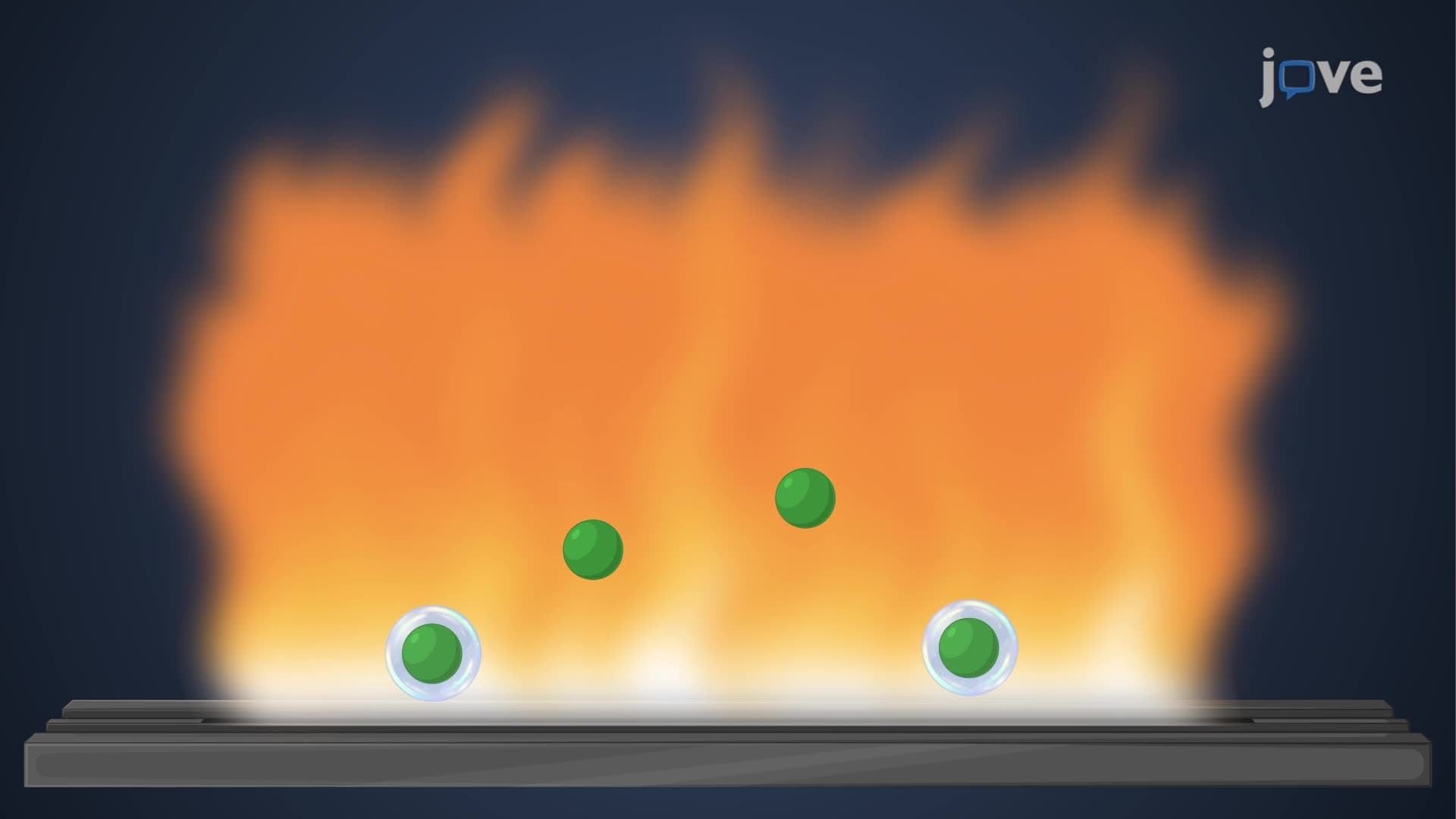
What are the components of AES instrumentation becomes clearer when examining plasma sources that provide the high-energy environment necessary for atomic excitation. Inductively Coupled Plasma (ICP) systems, operating at 27.12 MHz radiofrequency, generate temperatures exceeding 6000K-hotter than the Sun's surface. Direct Current Plasma (DCP) offers an alternative approach using electrical discharge between electrodes.
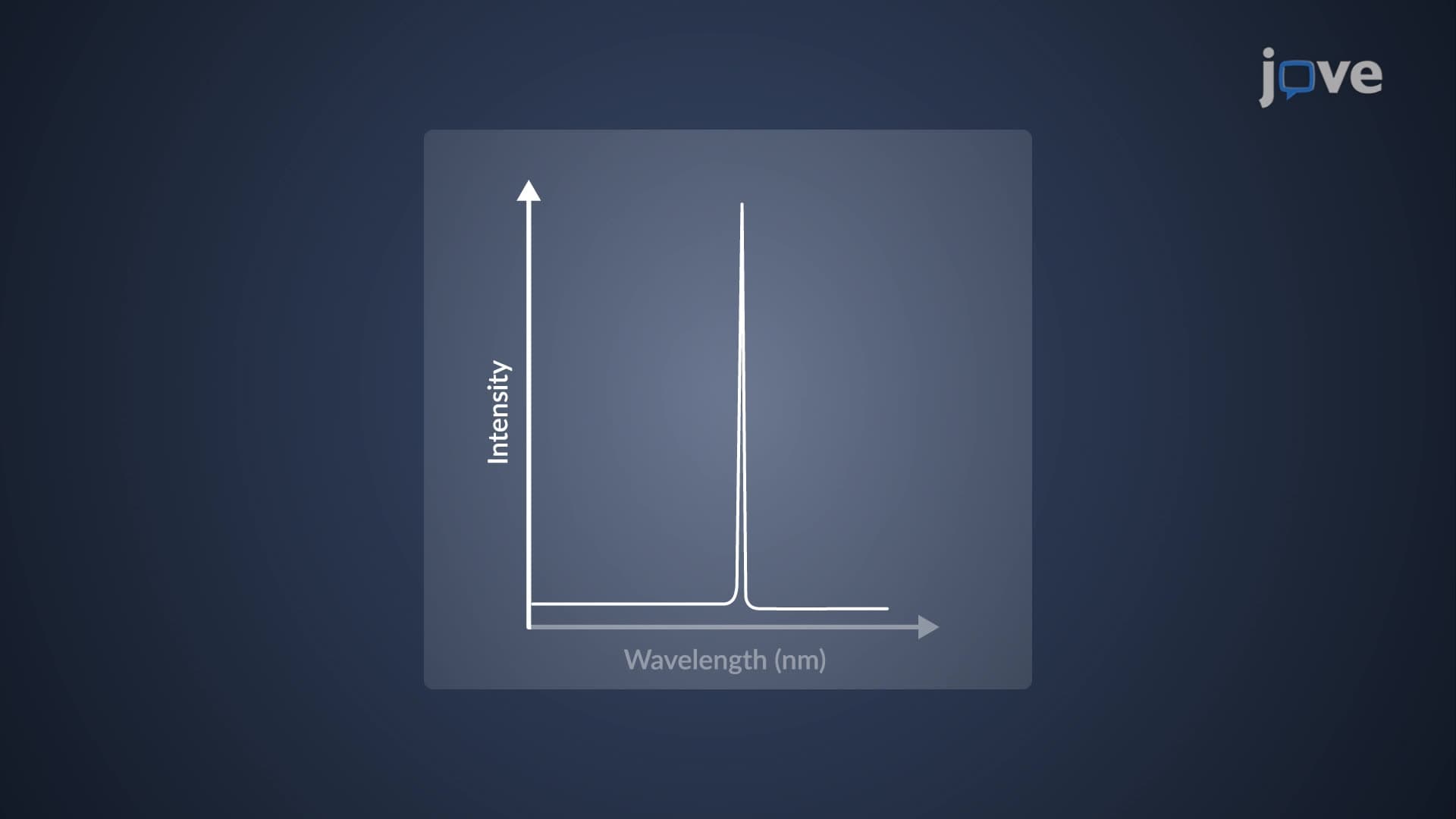
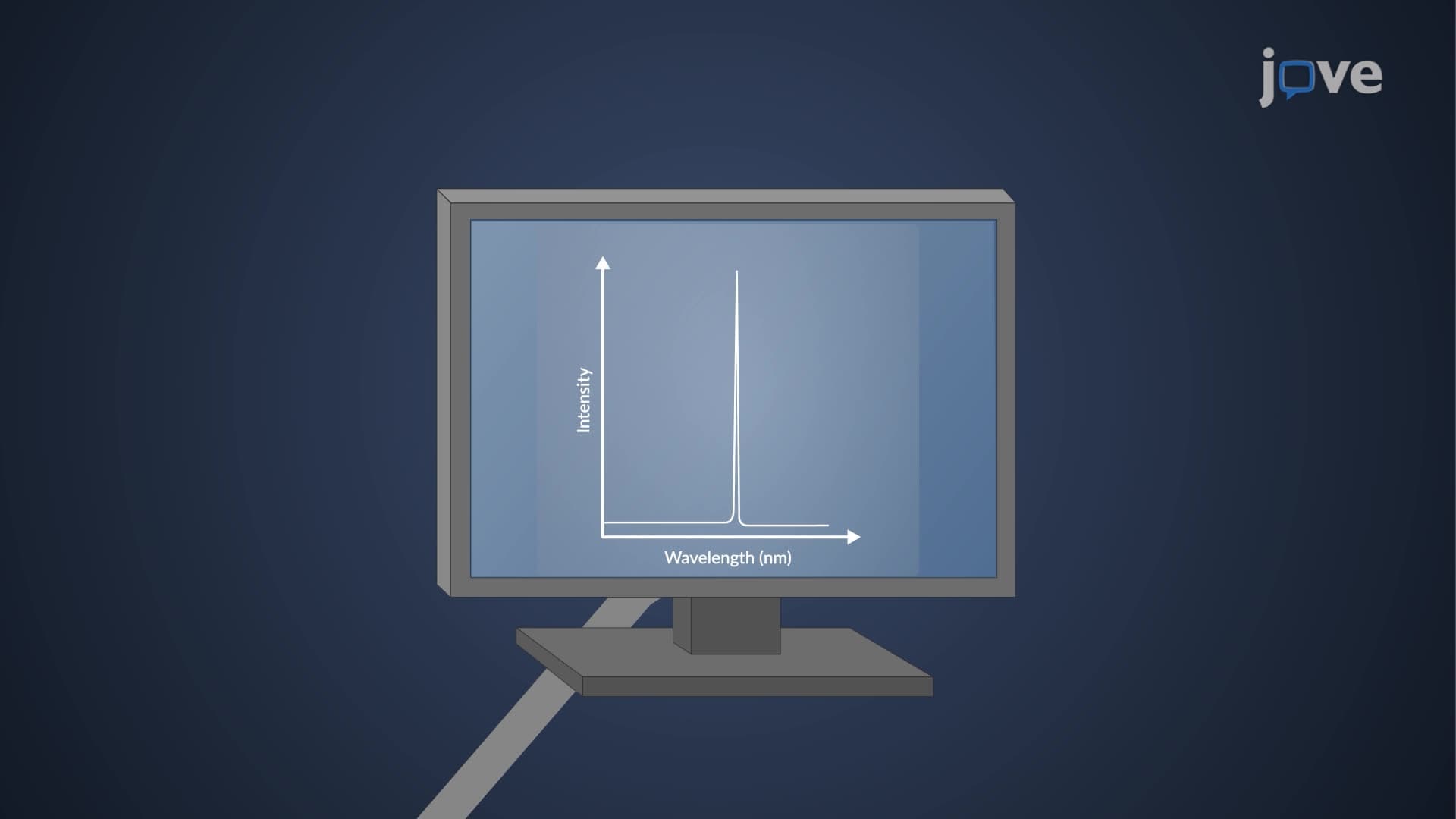
These extreme conditions completely atomize sample matrices, breaking molecular bonds and exciting atoms to higher energy states. When excited atoms return to ground states, they emit characteristic wavelengths that serve as elemental fingerprints. This process enables simultaneous multi-element analysis crucial for applications like soil contamination assessment required by CERCLA regulations.
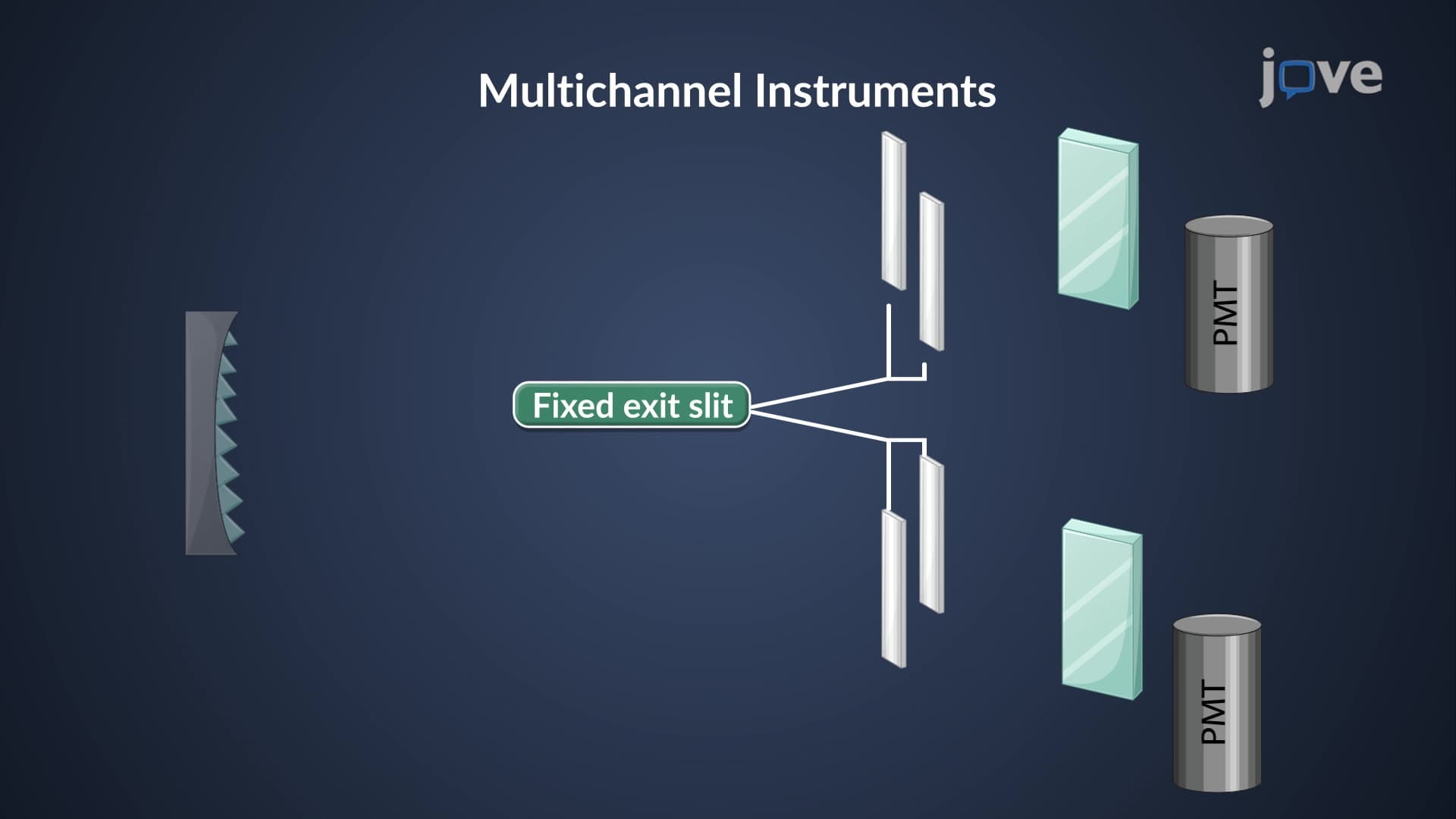
The optical system separates and quantifies emitted radiation through three primary approaches. Monochromators use diffraction gratings to isolate single wavelengths sequentially, making them ideal for scanning applications. Polychromators simultaneously monitor multiple predetermined wavelengths through fixed exit slits, enabling rapid multi-element analysis. Spectrographs capture entire wavelength ranges simultaneously using array detectors.
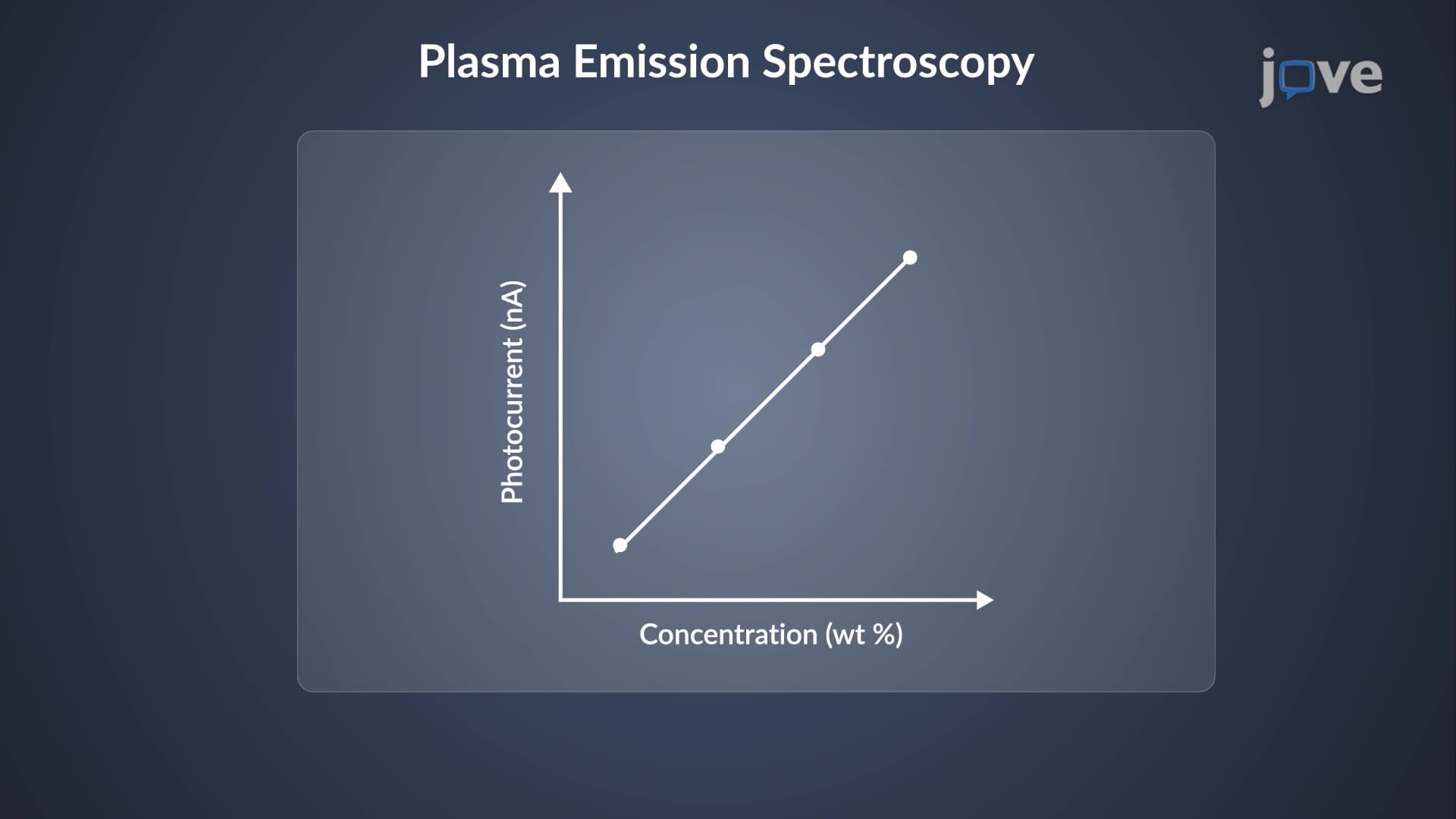
Modern AES detector array systems employ charge-coupled devices (CCDs) or photomultiplier tubes to convert optical signals into electrical responses proportional to elemental concentrations. This detection capability supports quantitative analysis from percentage levels down to trace concentrations, meeting analytical requirements for FDA pharmaceutical testing and ASTM materials characterization standards commonly encountered in AP Chemistry and college analytical chemistry courses.
Related Micro-courses