Loading subject page…

- Analytical Chemistry
- Atomic Spectroscopy
- Atomic Emission Spectroscopy: Interference
Micro-course: Atomic Spectroscopy
18,939 views
Learn key concepts and earn your certificate.

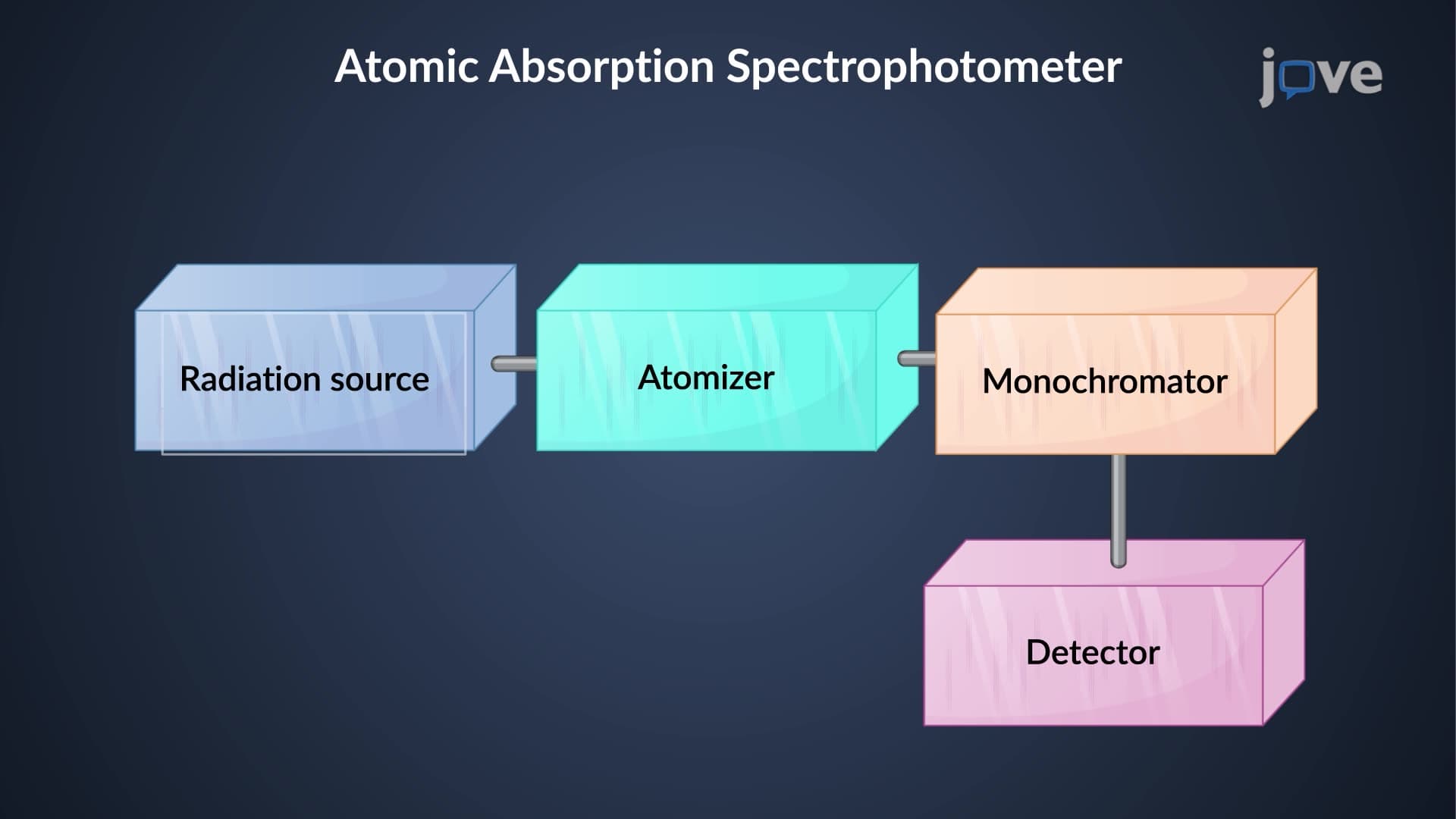
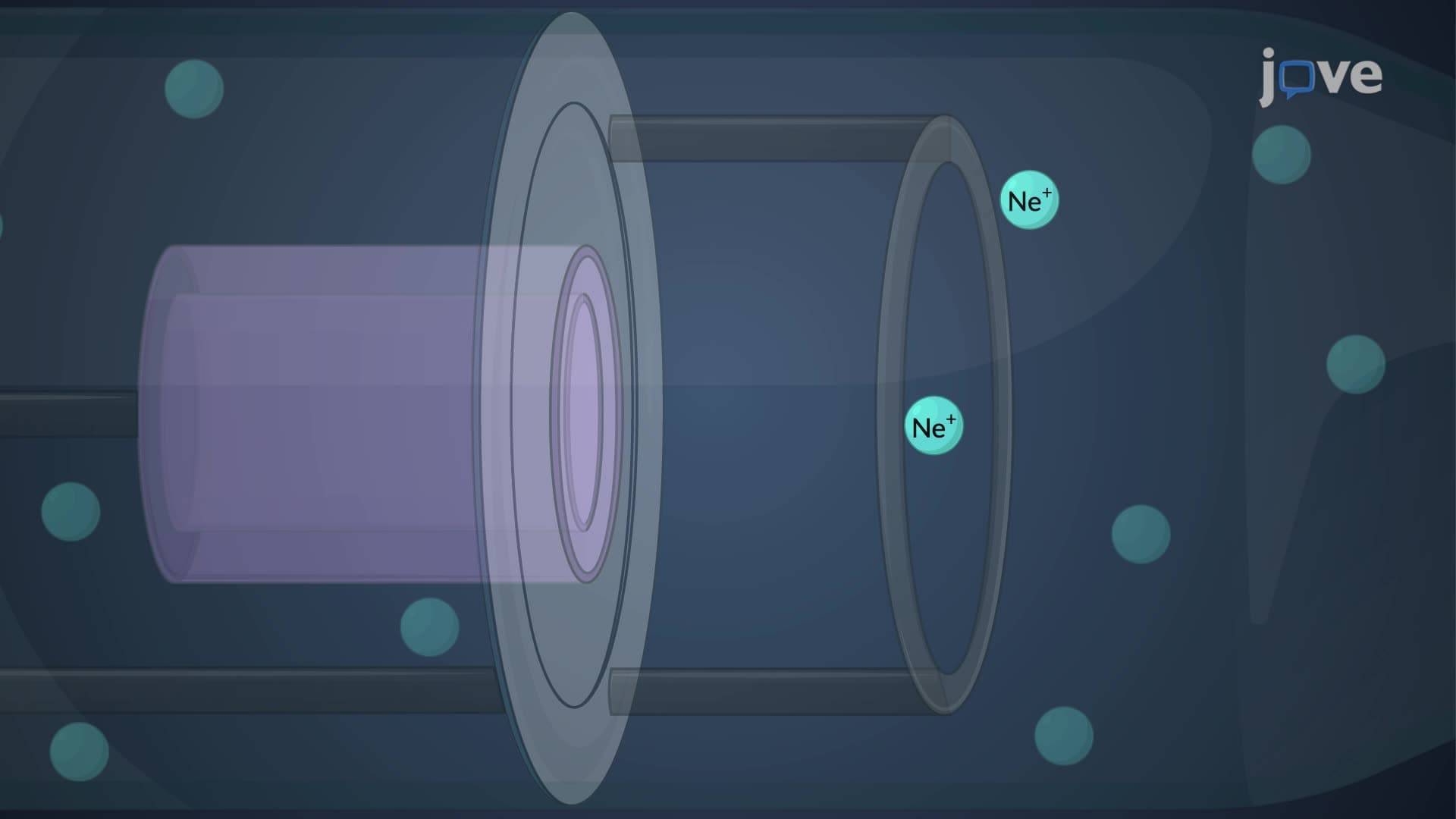
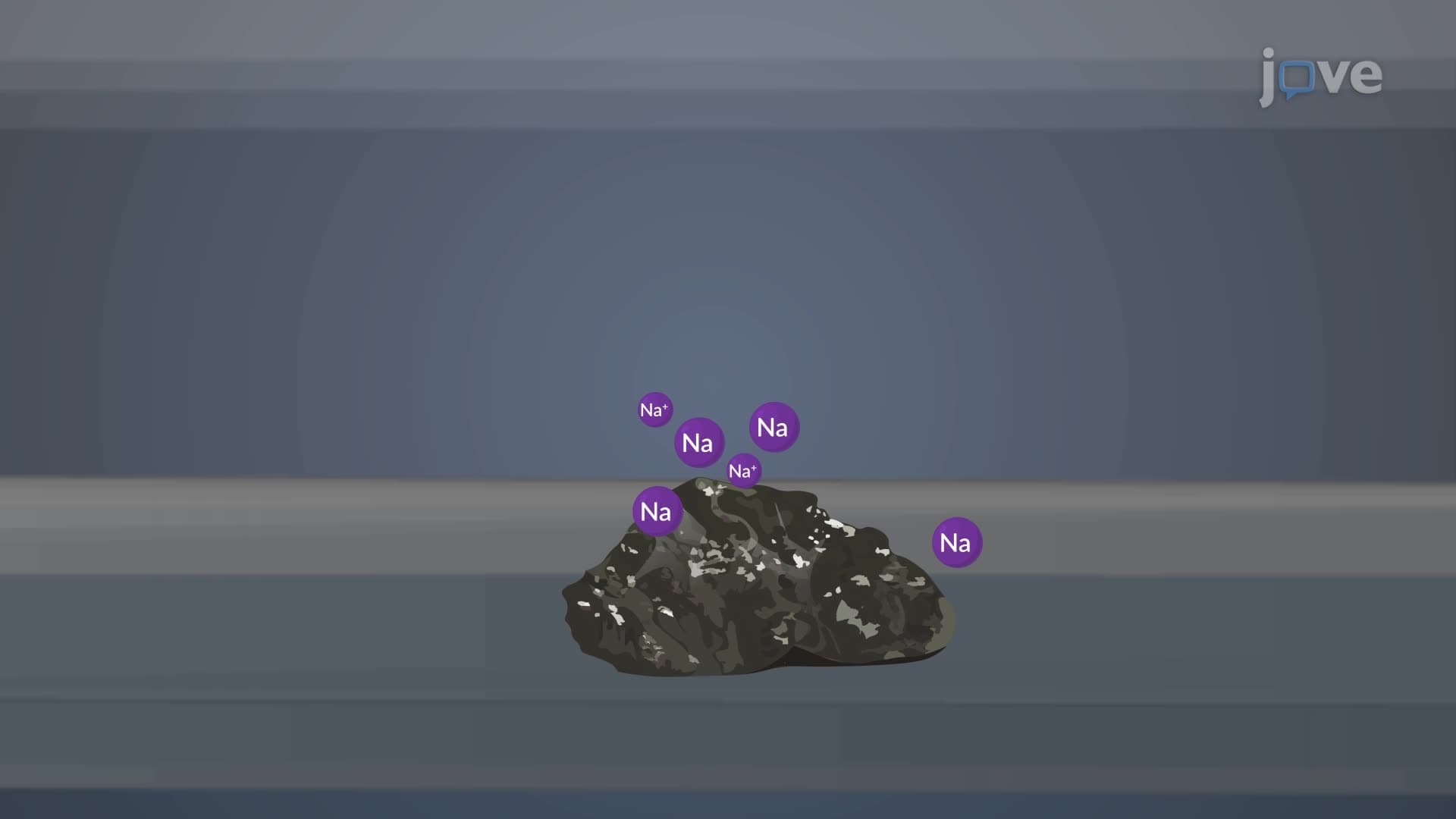
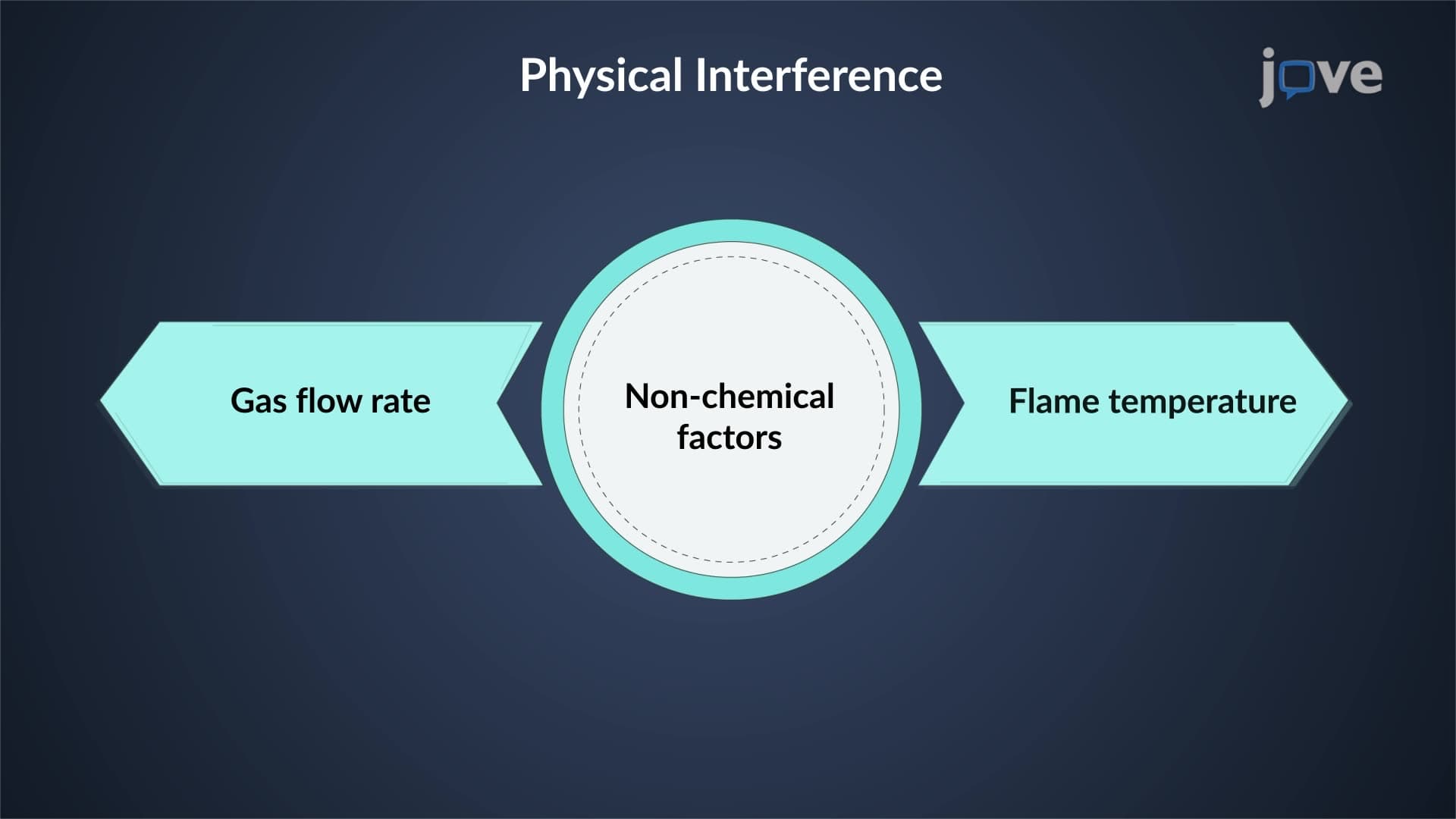
Atomic Emission Spectroscopy: Interference

00:00
01:30
Video Summary: What Is Atomic Emission Spectroscopy Interference
Ever wondered why EPA water testing labs can't just point an instrument at a sample and get perfect results? AES interference correction becomes critical when analyzing drinking water contaminants, as overlapping emission signals from different elements can mask toxic metals like lead or mercury. What is atomic emission spectroscopy interference reveals how high-temperature plasma sources create both challenges and solutions for accurate chemical analysis. Watch the full video on JoVE Coach to master this concept with expert-led visuals and step-by-step explanations.
- Understand what is atomic emission spectroscopy interference and how it differs from absorption spectroscopy interferences
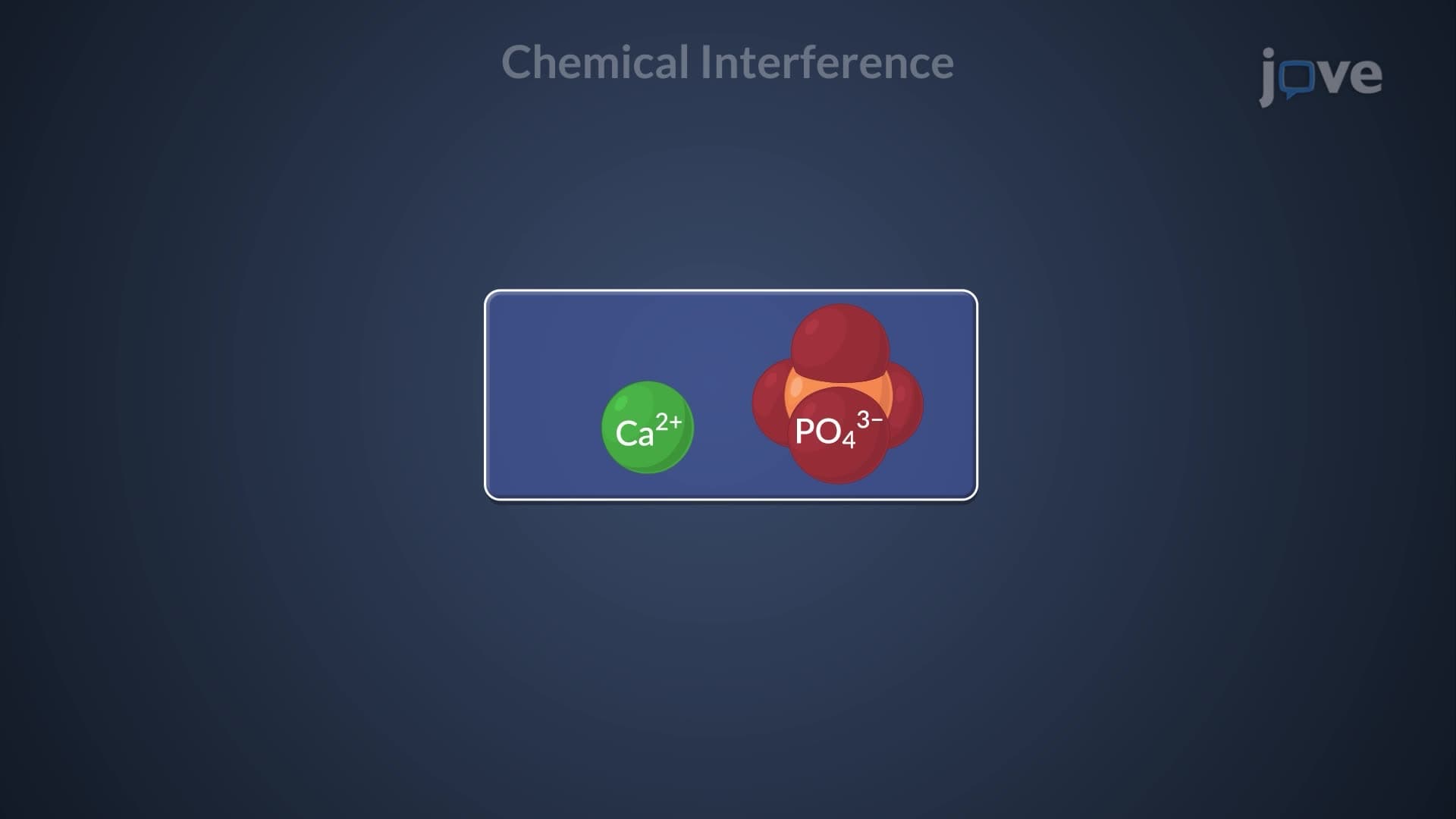
- Identify the two main categories of interferences in atomic emission spectroscopy: spectral and chemical interferences
- Analyze why high-temperature plasma sources reduce chemical interferences while increasing spectral complications
- Compare interference patterns between flame and plasma atomization methods in analytical chemistry
- Evaluate AES interference correction methods including resolution enhancement and background subtraction techniques
- Apply ionization buffer strategies to minimize matrix effects in quantitative analysis
- Recognize how path length and temperature uniformity affect self-absorption in emission spectroscopy
- Explore alternative emission line selection as a practical solution for spectral overlap problems
Understanding What is Atomic Emission Spectroscopy Interference
Atomic emission spectroscopy interference represents systematic errors that compromise analytical accuracy when multiple chemical species interact during the excitation and detection process. Unlike atomic absorption spectroscopy, AES operates at temperatures exceeding 6000K in plasma sources, fundamentally altering the interference landscape. This high-energy environment creates unique analytical challenges that analytical chemists must address through sophisticated correction strategies.
Spectral Interferences: The Primary Challenge in AES
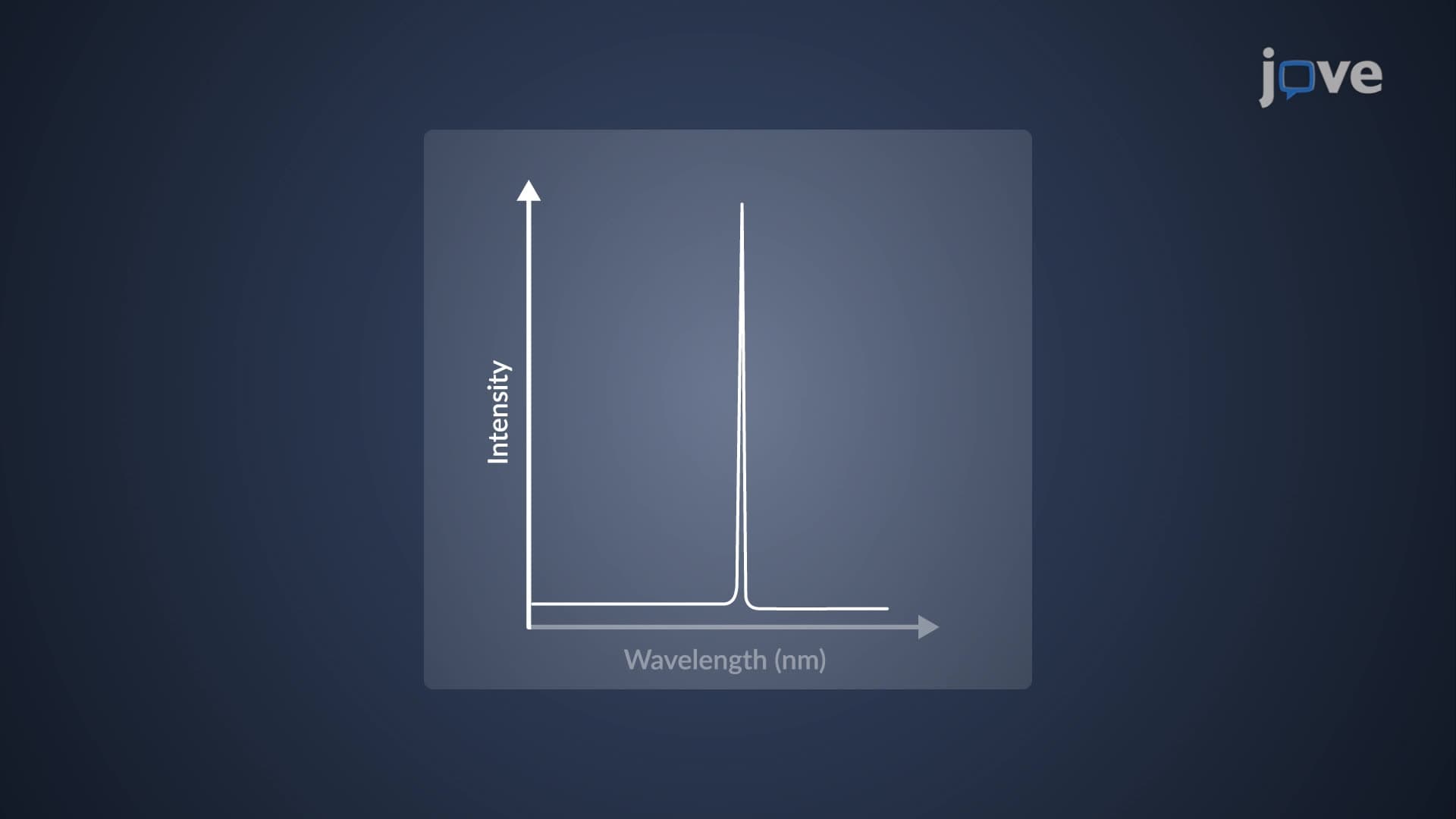
Spectral overlap AES problems intensify because plasma sources excite virtually every element present in a sample. When analyzing environmental samples for the EPA's Safe Drinking Water Act compliance, overlapping emission lines can cause false positives for regulated contaminants. For example, iron emission lines at 259.94 nm can interfere with manganese detection at 259.37 nm, potentially masking dangerous manganese levels in municipal water supplies.
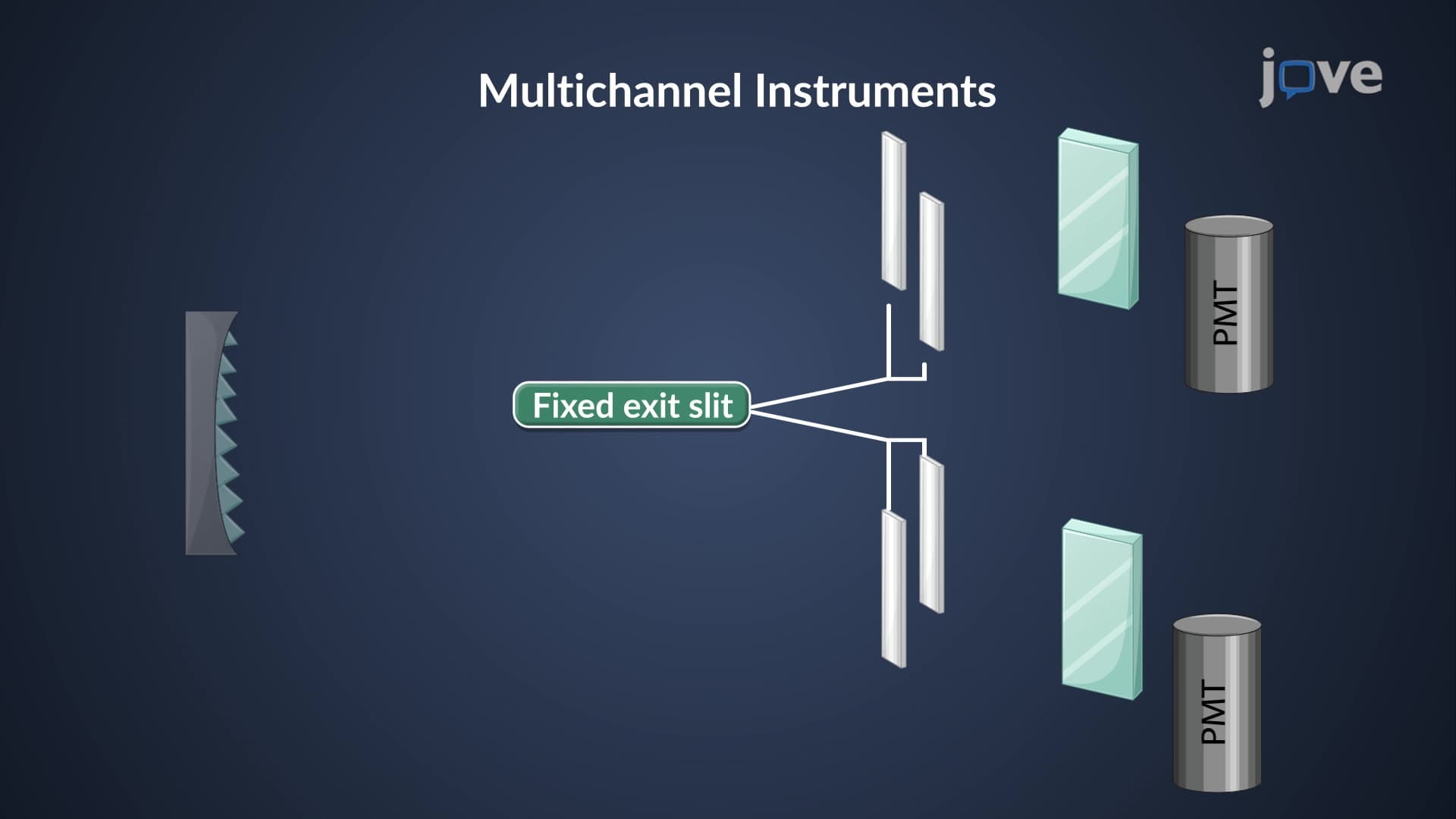
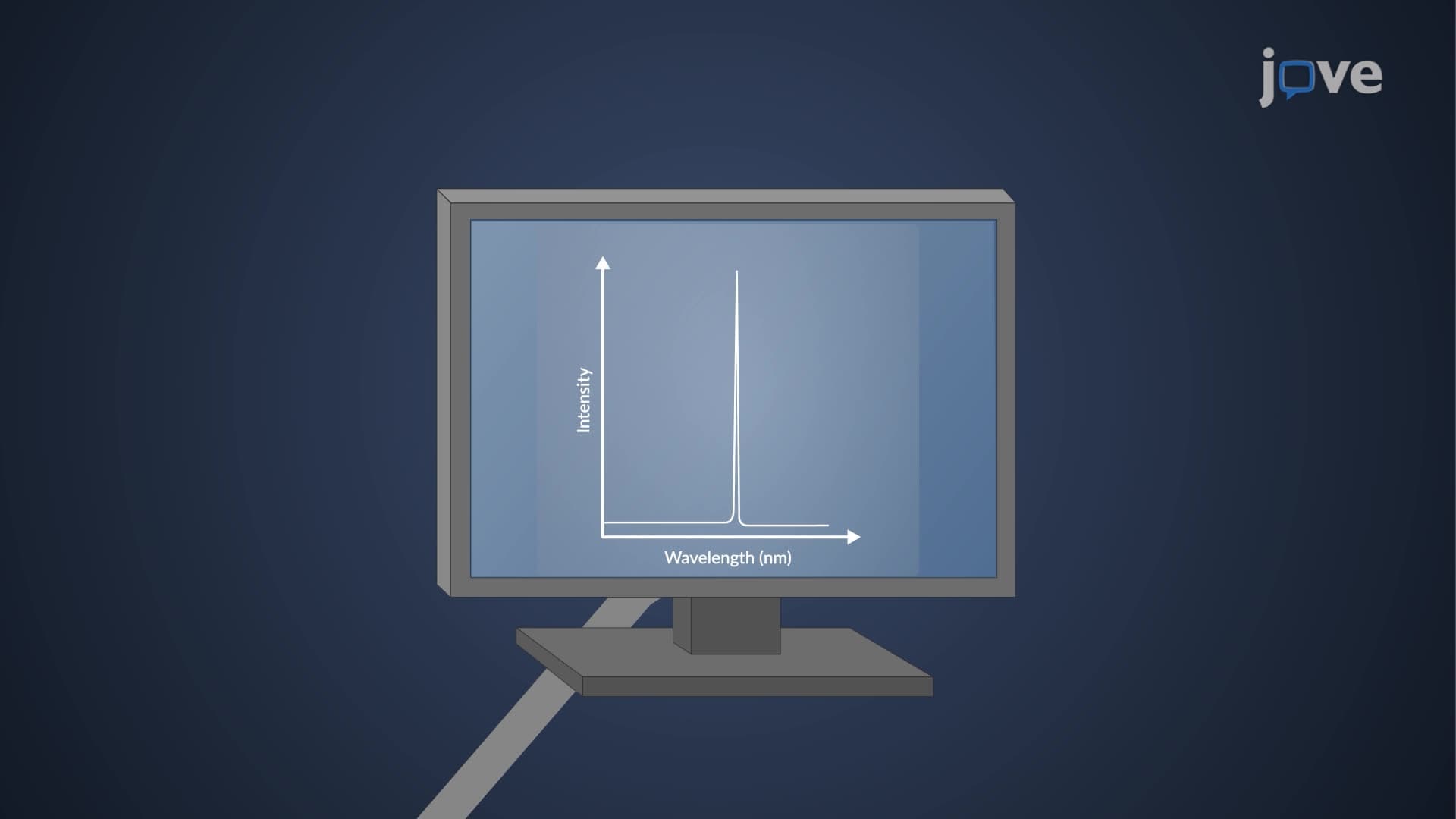
High-resolution spectrometers, often employing echelle gratings, provide the primary defense against these interferences. Background emission interference correction utilizes sophisticated algorithms that subtract plasma background signals from analyte peaks. Alternative wavelength selection offers another practical solution-choosing secondary emission lines with less spectral congestion, though often at the cost of reduced sensitivity.
Chemical Interferences: Minimized by Plasma Conditions
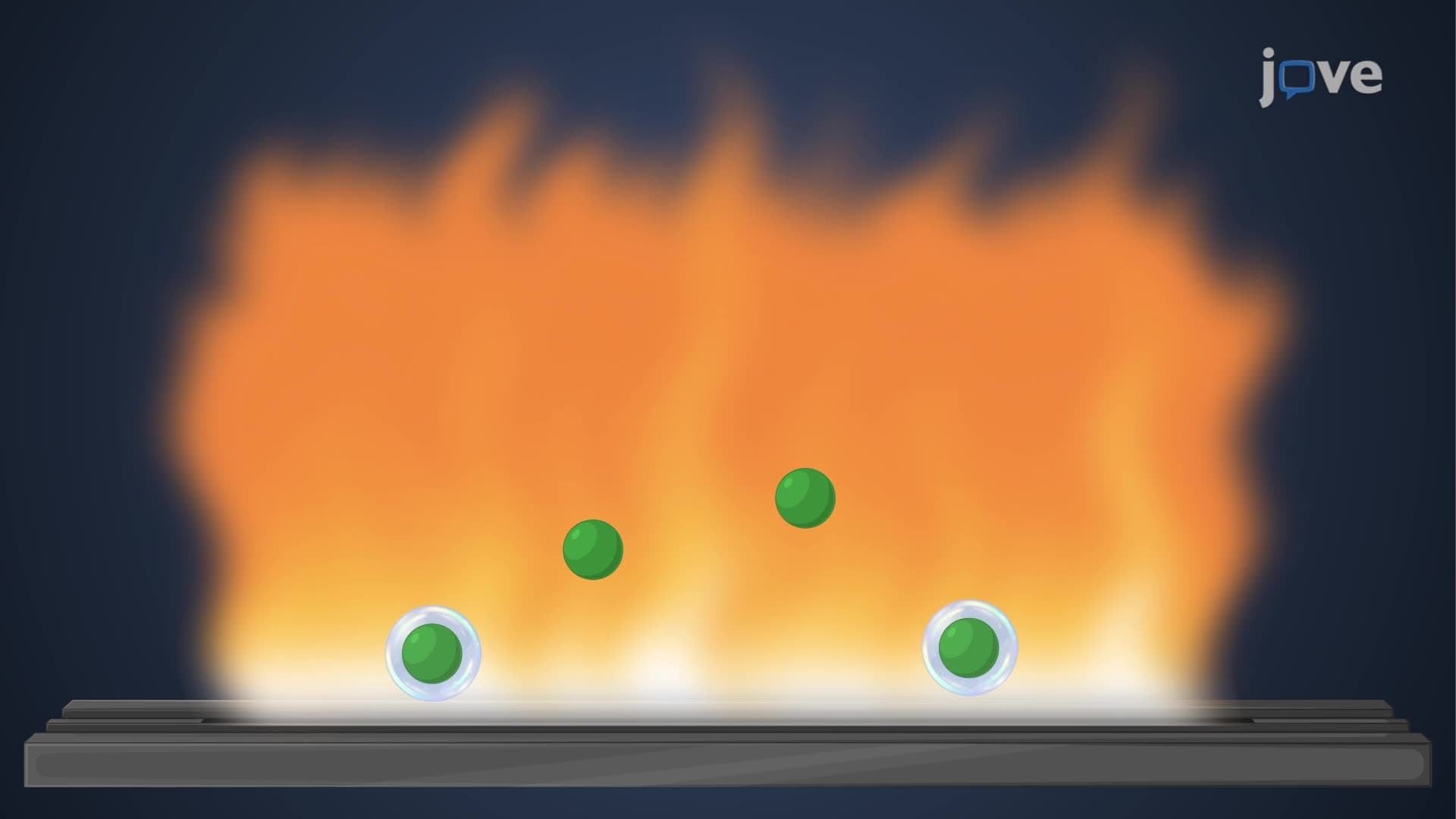
Matrix effect AES concerns differ dramatically from flame-based techniques. The extreme temperatures in inductively coupled plasma (ICP) sources break down most chemical compounds, reducing formation of stable interferent species. Organic solvents that create significant problems in flame atomization largely decompose in plasma environments, eliminating many chemical interference pathways.
Ionization interference emission becomes manageable through ionization buffer addition. Adding easily ionizable elements like cesium or potassium creates an electron-rich environment that suppresses analyte ionization. This technique proves essential when analyzing biological samples for trace metals, where sodium and potassium naturally present can affect calcium and magnesium quantification.
Practical AES Interference Correction Methods
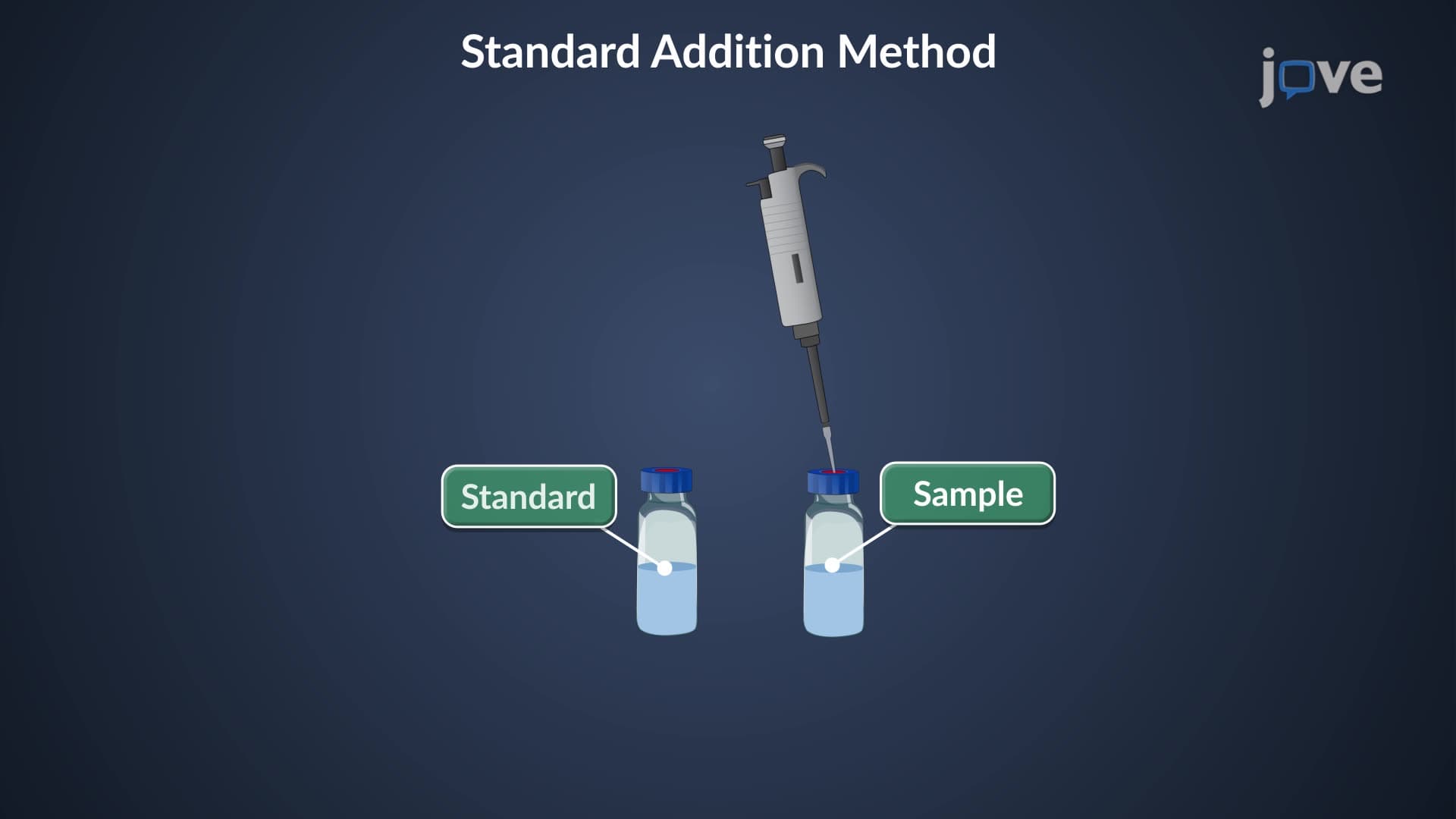
How to correct interferences in AES involves multiple complementary strategies. Internal standardization using elements with similar chemical properties compensates for matrix-induced signal variations. Standard addition methods validate results when matrix matching proves difficult. Modern instruments employ mathematical correction algorithms that account for known interference coefficients, automatically adjusting reported concentrations.
These concepts frequently appear on AP Chemistry exams, particularly in analytical chemistry units, and form foundational knowledge for pre-med students preparing for MCAT physical sciences sections.
Frequently Asked Questions
Atomic emission spectroscopy interference occurs when unwanted chemical species or spectral signals distort the measurement of target analytes, leading to inaccurate concentration determinations. These interferences can cause falsely elevated readings (positive interference) or suppressed signals (negative interference), compromising the reliability of quantitative analysis in applications ranging from environmental monitoring to clinical diagnostics.
AP Chemistry frequently tests interference concepts through data interpretation problems where students must identify anomalous results and suggest correction methods. Expect questions asking you to compare AES and AAS interference patterns, explain why plasma sources reduce chemical interferences, or calculate corrected concentrations using interference coefficients provided in the exam materials.
Focus on understanding ionization buffers, background subtraction, and alternative wavelength selection as primary correction methods. The MCAT emphasizes conceptual understanding over memorizing specific correction factors, so practice explaining why high-temperature plasma reduces chemical interferences while creating more spectral complications compared to flame atomization.
EPA-certified laboratories use AES interference correction when testing drinking water for the 23 regulated metals under the Safe Drinking Water Act. For example, municipal water testing facilities must account for iron interference when measuring manganese levels, using mathematical correction algorithms to ensure accurate public health protection.
Basic understanding of atomic structure, electromagnetic radiation, and solution chemistry provides sufficient foundation for grasping AES interference concepts. High school students who've completed chemistry coursework can master these principles through systematic study of emission processes and interference mechanisms.
Create concept maps linking interference types to their correction methods, practice interpreting spectral data with overlapping peaks, and work through quantitative problems involving interference coefficients. Focus on understanding the physical principles behind each correction strategy rather than memorizing procedural steps.
Mastering interference correction principles prepares you for instrumental analysis courses where you'll design analytical methods, validate procedures, and troubleshoot real analytical problems. These concepts directly apply to graduate research in environmental chemistry, forensic science, and pharmaceutical analysis where interference management determines method success.
Related Micro-courses

15 Concepts