Loading subject page…


18,939 views

Video Summary: What Is Atomic Emission Spectroscopy Lab
Ever wonder how NASA identifies elements in distant stars or how the EPA tests water contamination? The AES laboratory procedure uses plasma temperatures reaching 10,000K to make atoms emit characteristic light signatures. From analyzing soil samples at the USGS to quality control at pharmaceutical companies like Pfizer, atomic emission spectroscopy lab techniques provide precise elemental analysis of virtually any sample. Watch the full video on JoVE Coach to master this concept with expert-led visuals and step-by-step explanations.
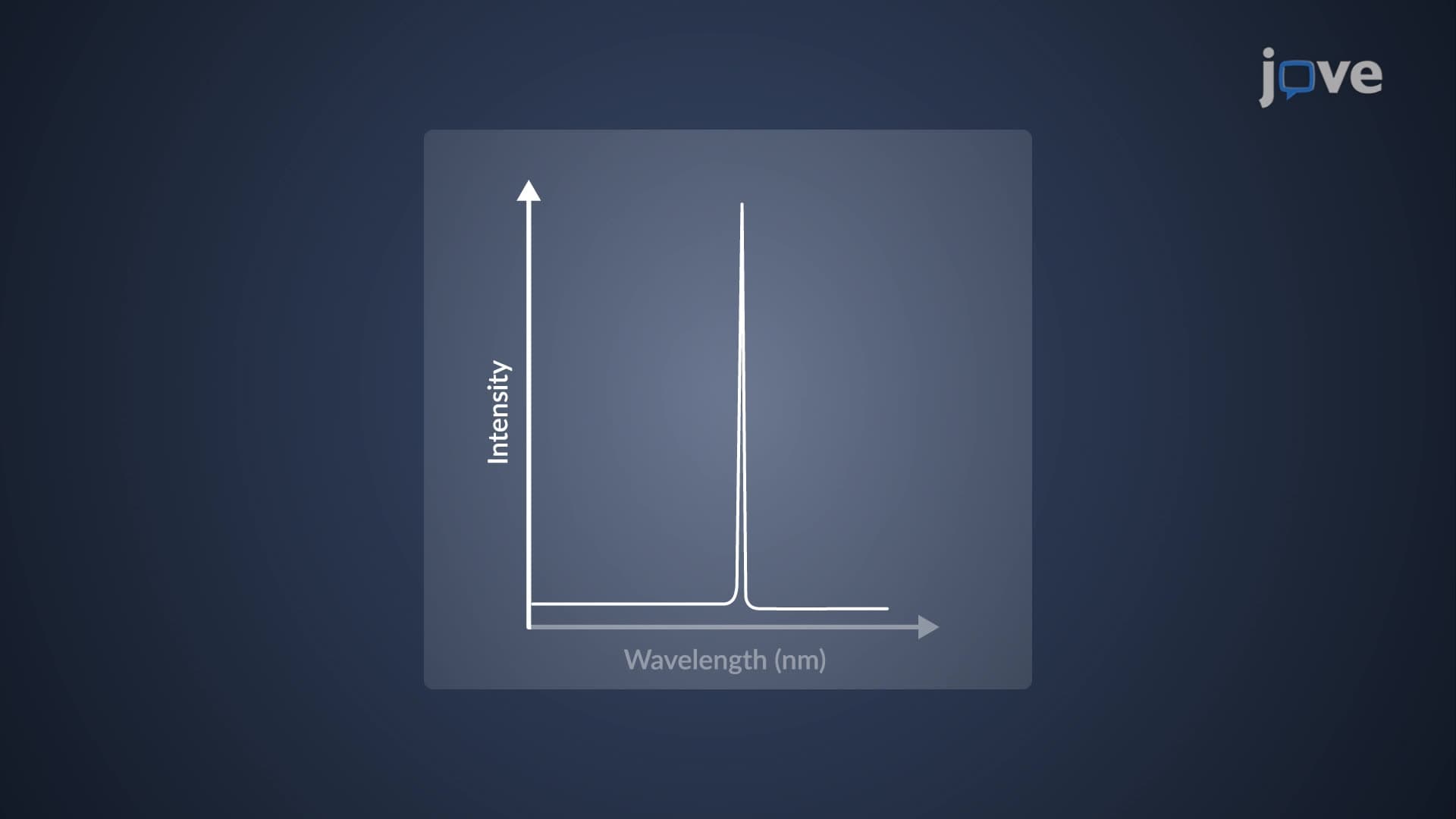
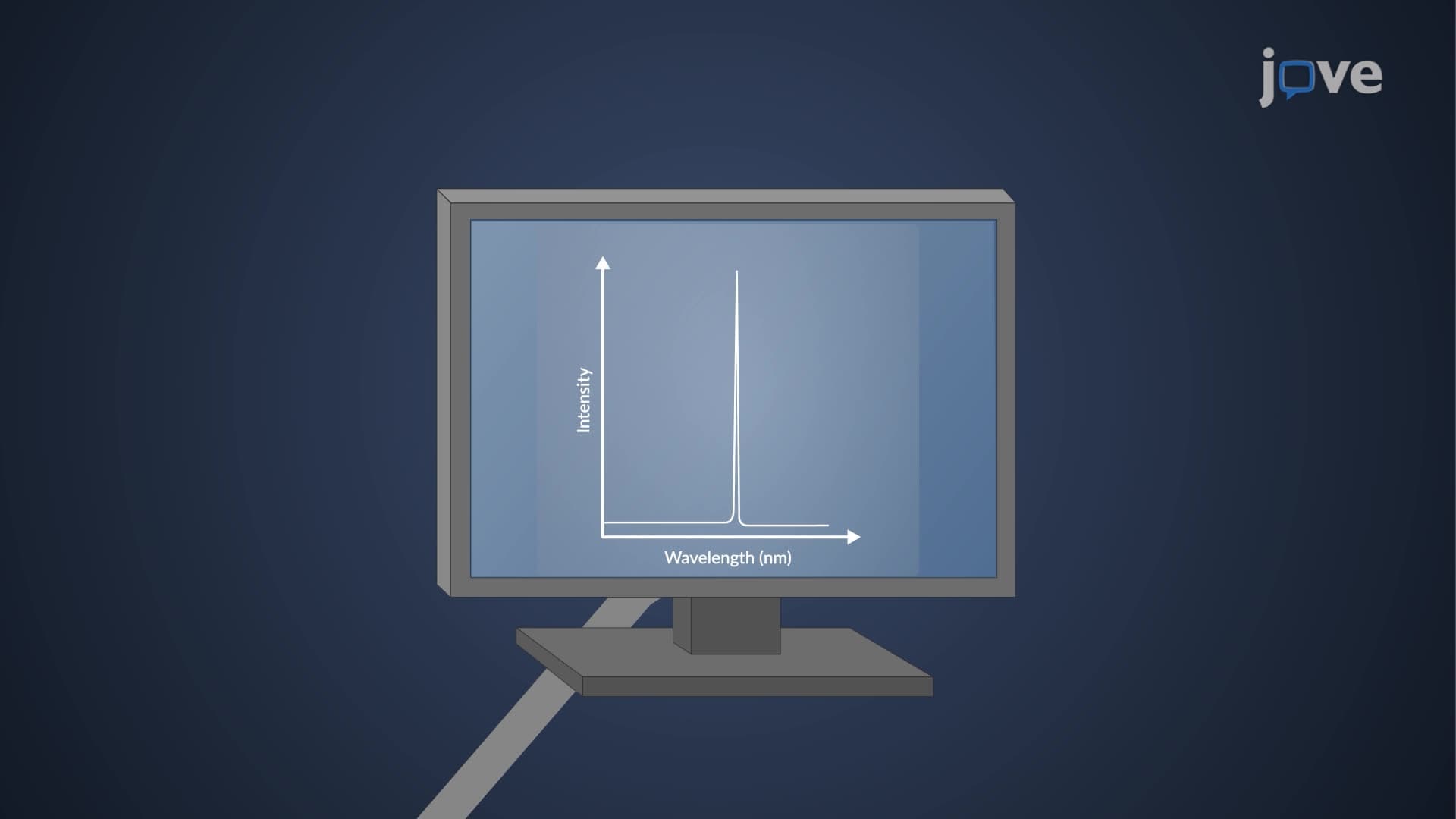
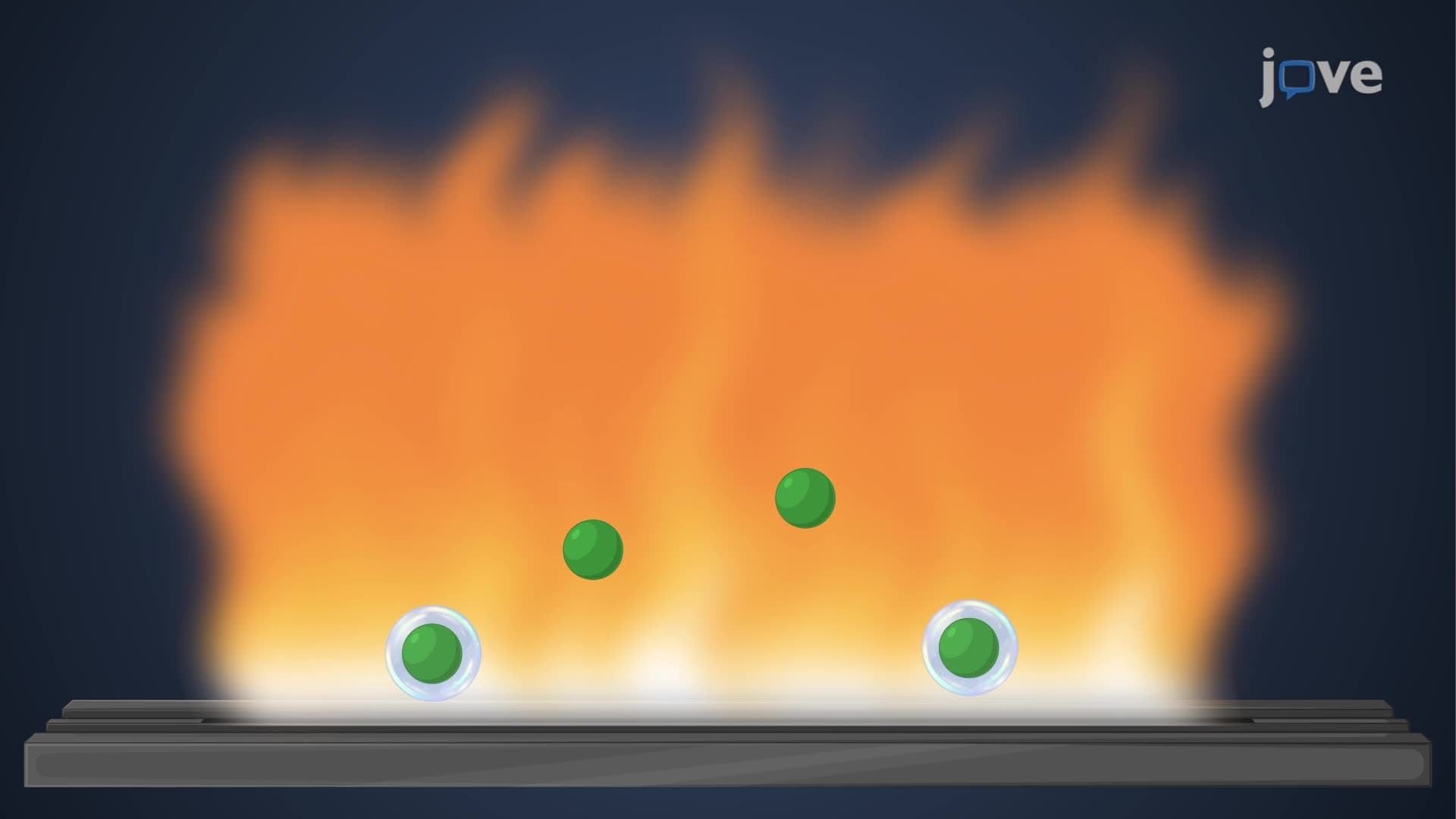
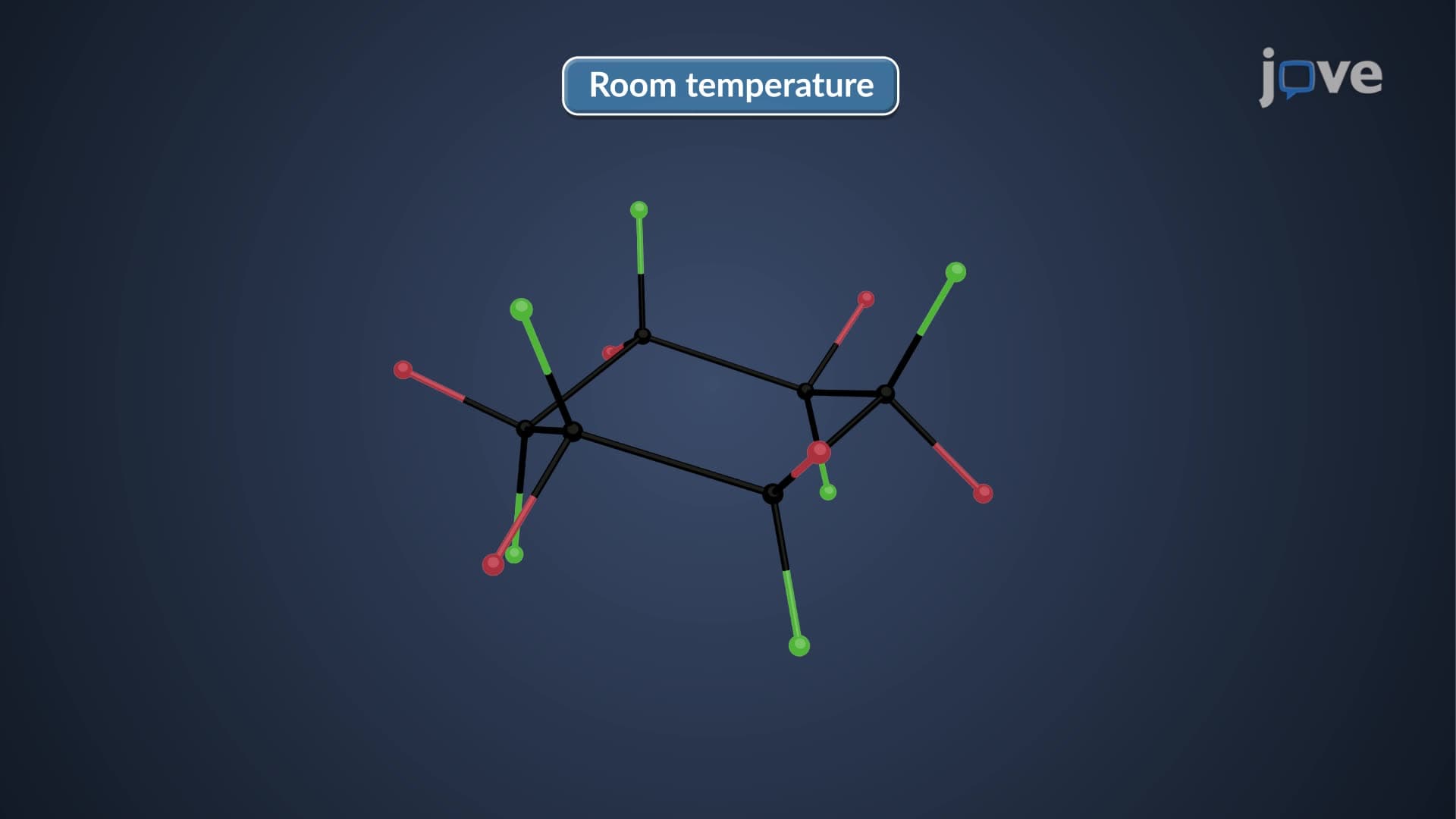
Atomic emission spectroscopy laboratory work centers on a fundamental principle: when atoms absorb energy, they emit light at characteristic wavelengths unique to each element. In AES laboratory procedures, samples are introduced into an extremely hot plasma (typically 6,000-10,000K) where atoms become excited and emit their distinctive spectral signatures. This technique forms the backbone of analytical chemistry courses at universities like MIT and Stanford, and frequently appears on AP Chemistry exams and MCAT questions testing spectroscopic analysis.
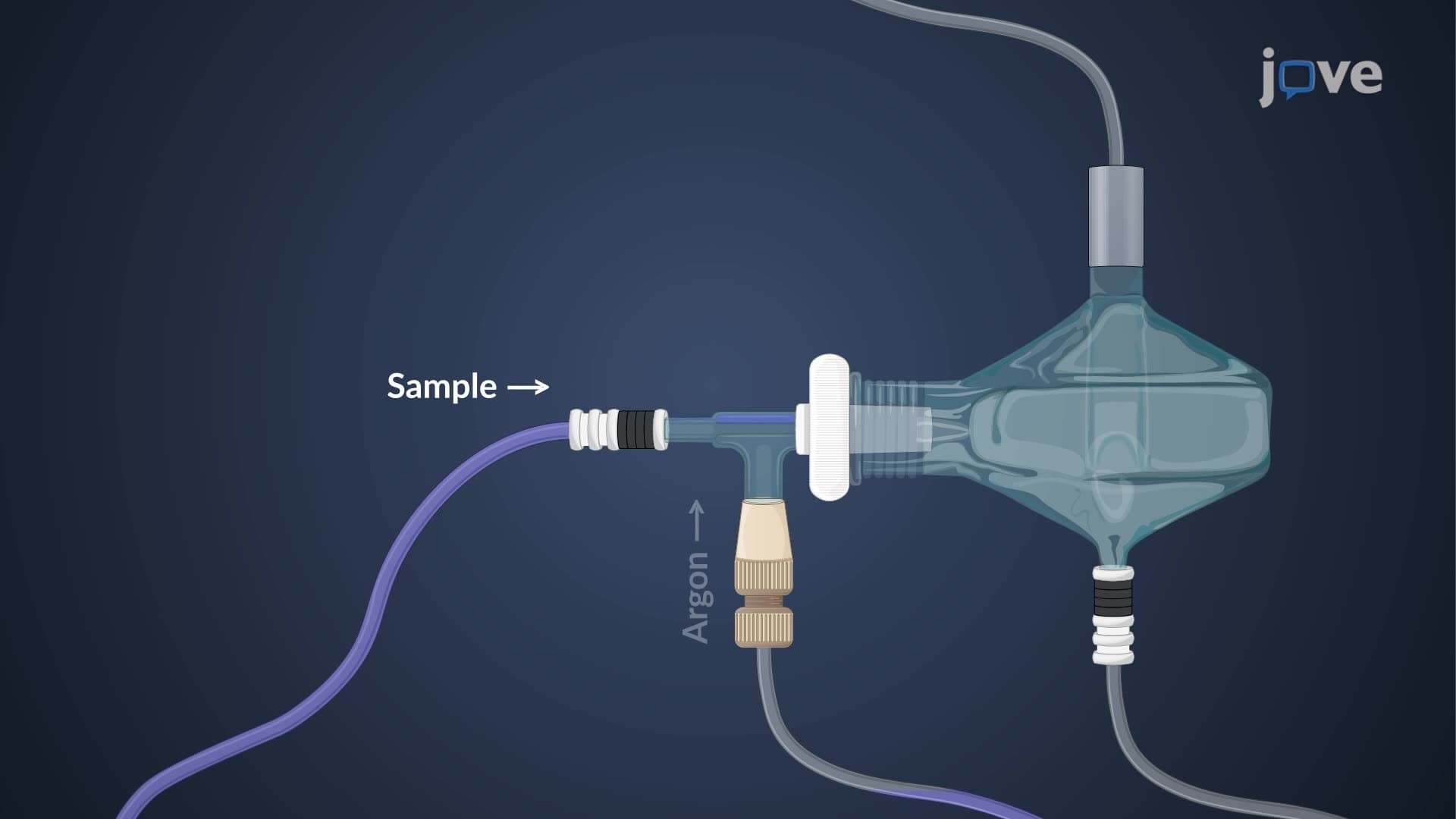
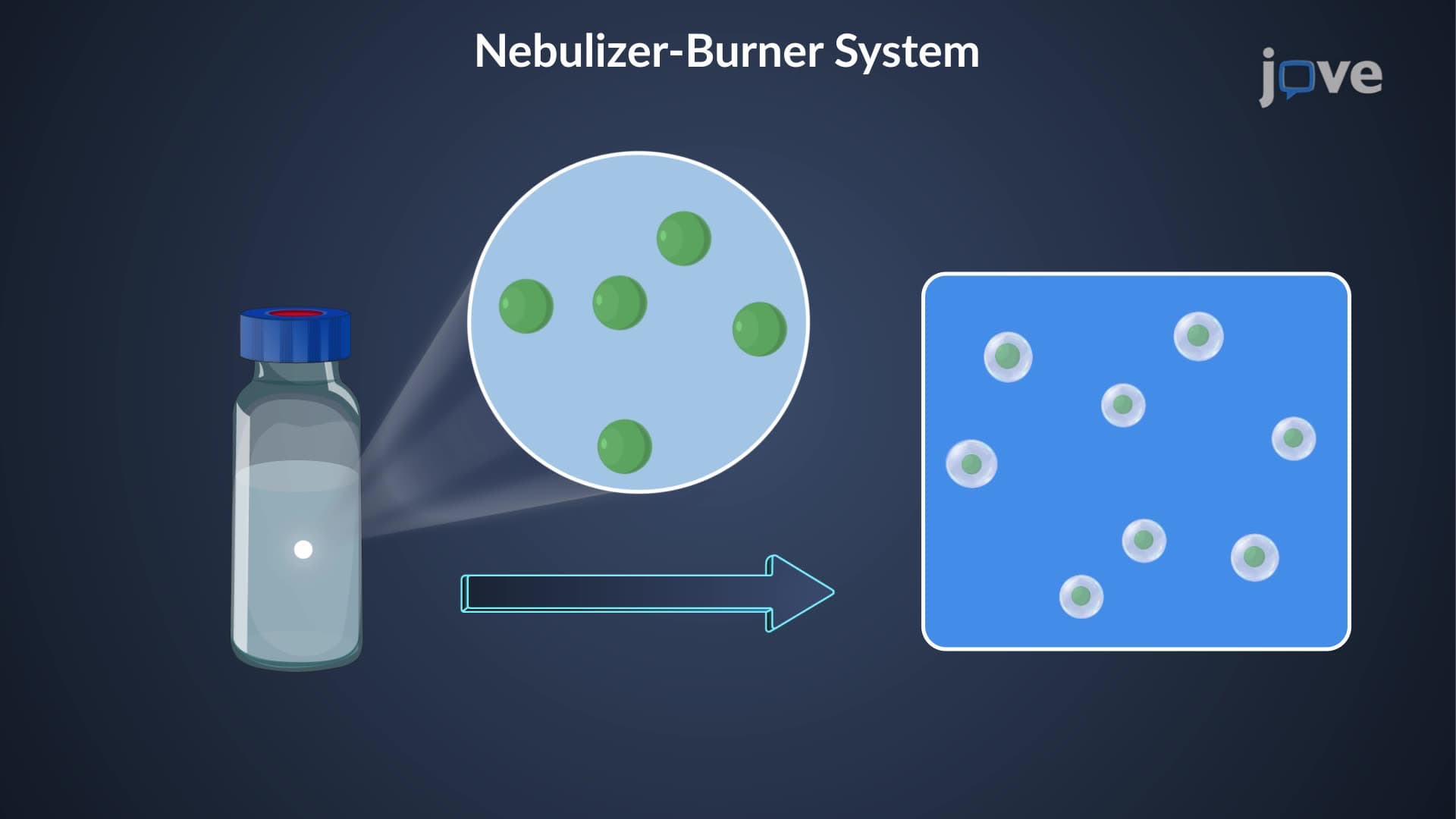
The Inductively Coupled Plasma serves as the gold standard for emission spectroscopy sample prep due to its exceptional stability and minimal interference characteristics. Unlike flame atomization methods, ICP systems maintain consistent temperatures and provide low background noise, making them ideal for trace element analysis. Major analytical laboratories, including those at the CDC and FDA, rely on ICP-AES systems for routine elemental analysis of everything from food products to pharmaceutical compounds.
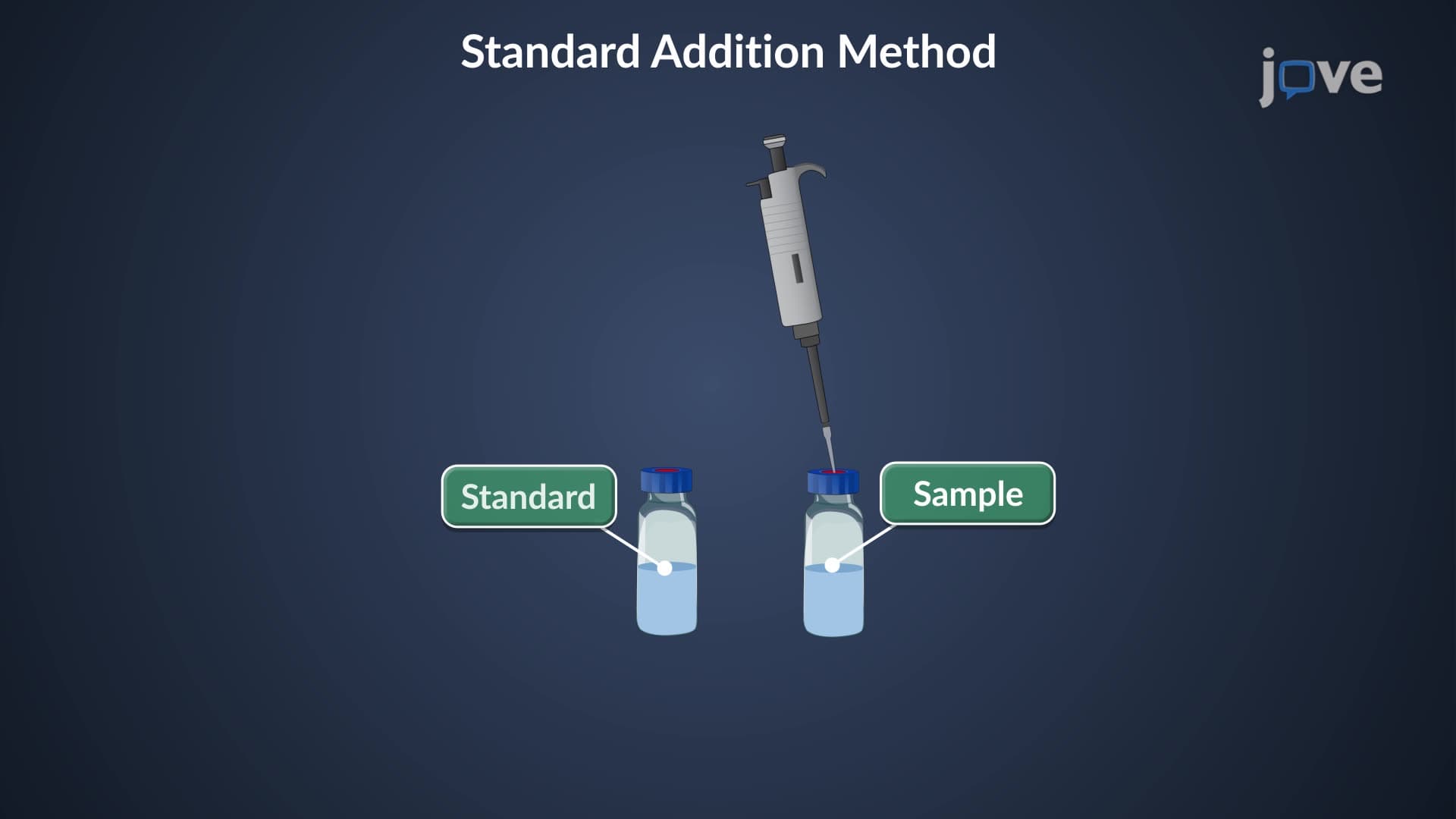
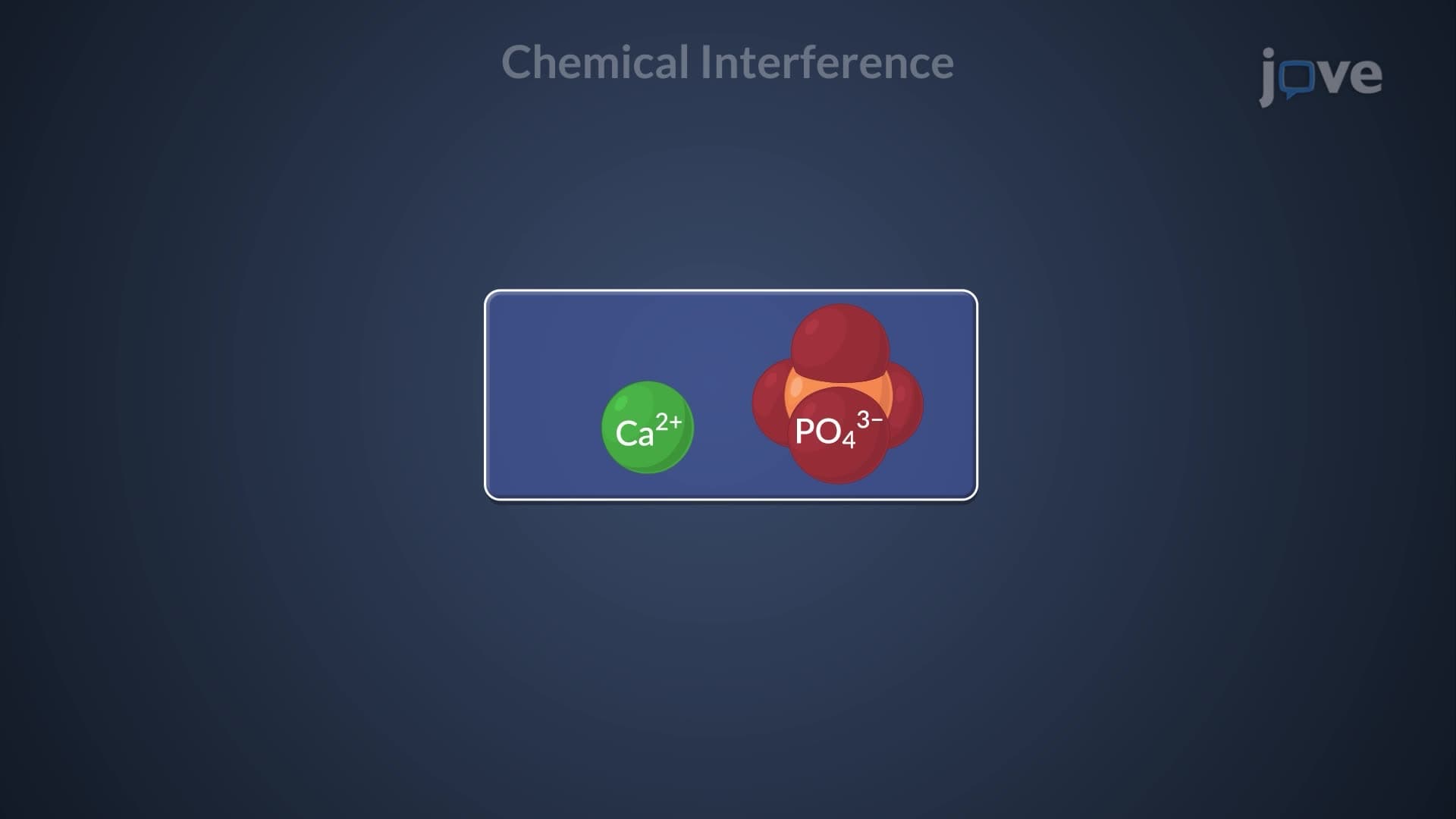
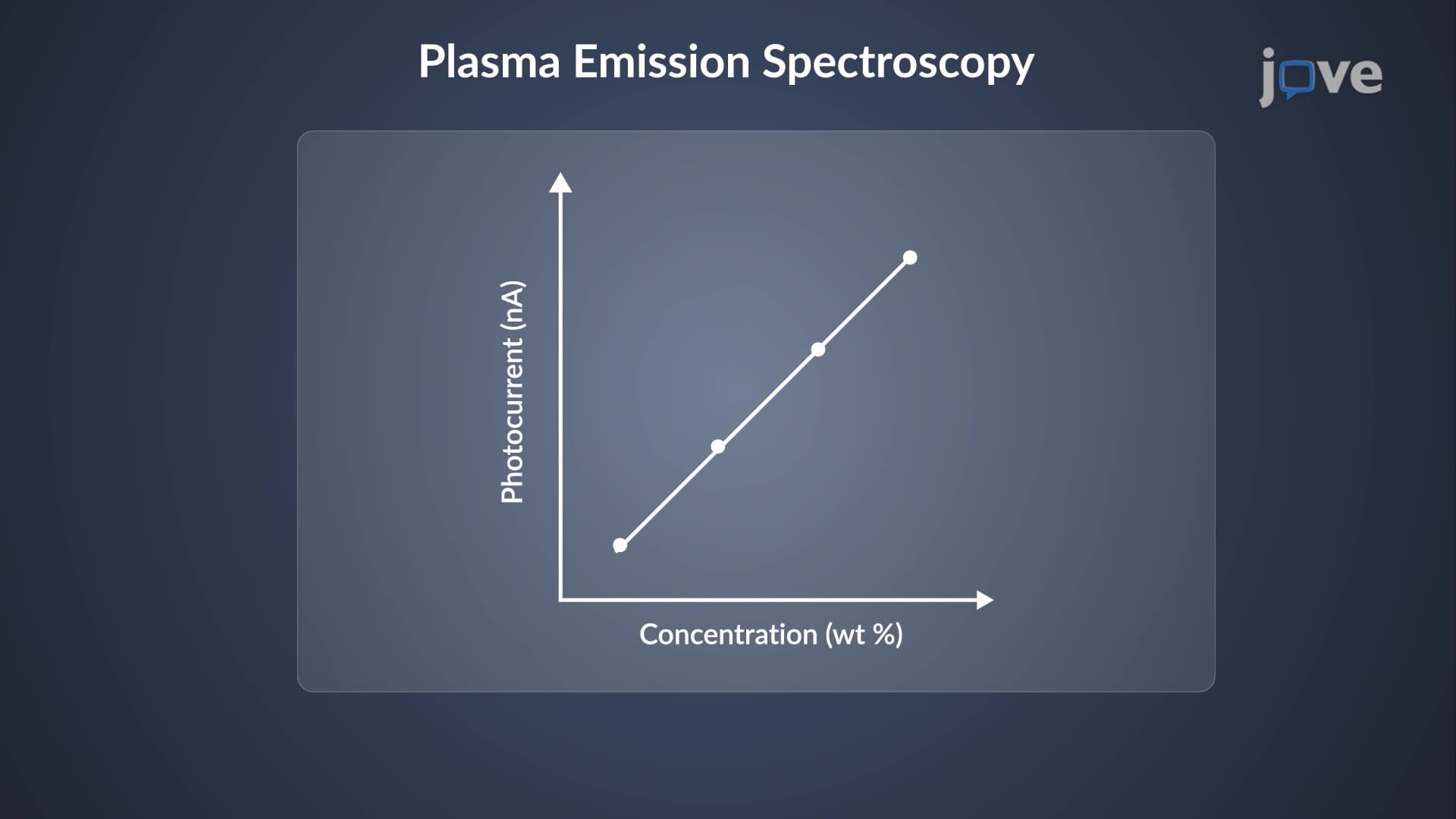
Successful AES quantitative lab analysis depends on proper calibration using linear relationships between emission intensity and analyte concentration. External standards involve preparing solutions with known concentrations of target elements, while internal standards incorporate elements with similar chemical properties and emission characteristics. The choice between these approaches often determines analytical accuracy - internal standards prove essential when plasma conditions fluctuate or when matrix effects influence atomization efficiency. Students preparing for analytical chemistry courses should master both calibration approaches, as questions about standard selection frequently appear on college midterms and graduate qualifying exams.
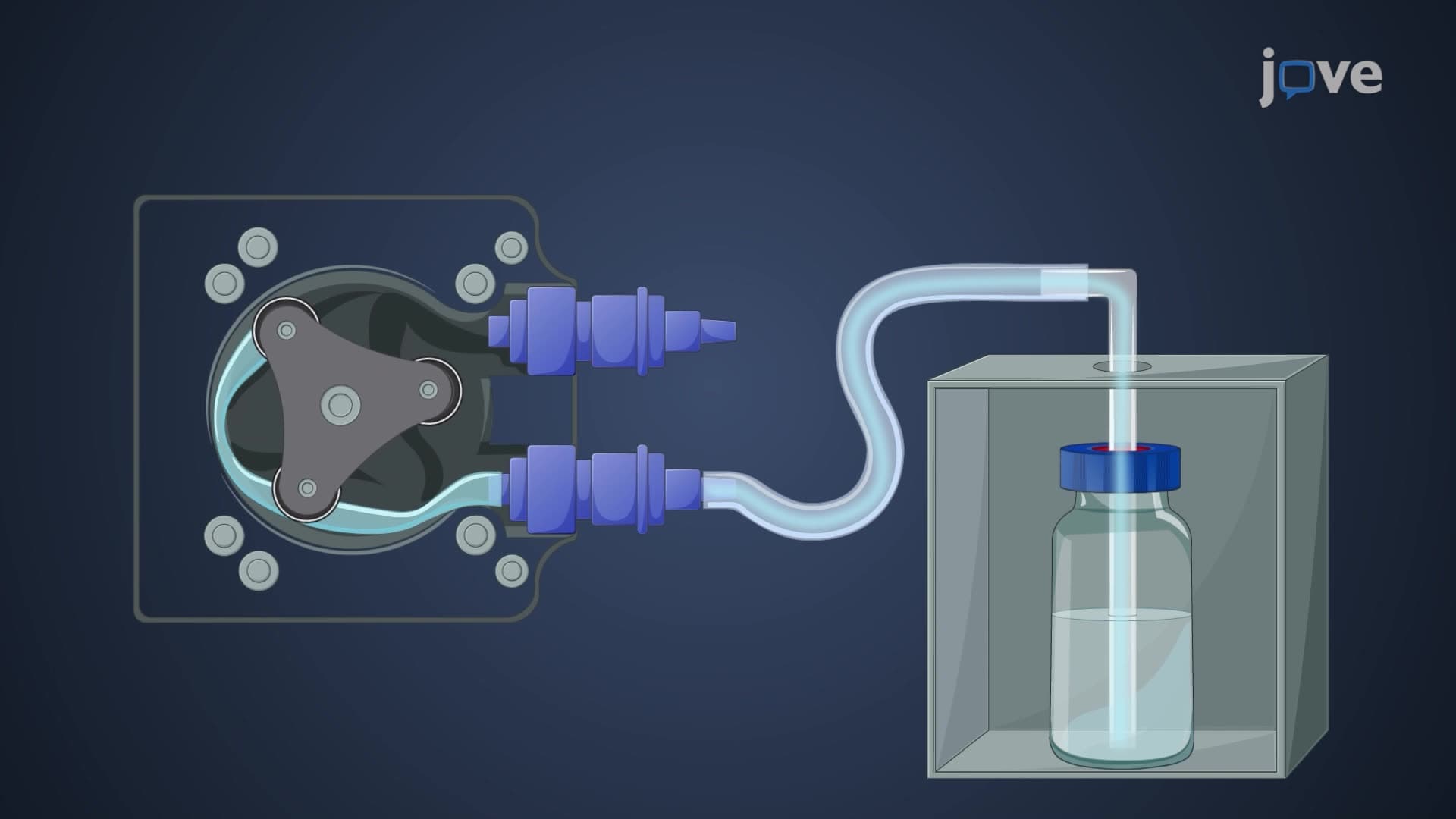
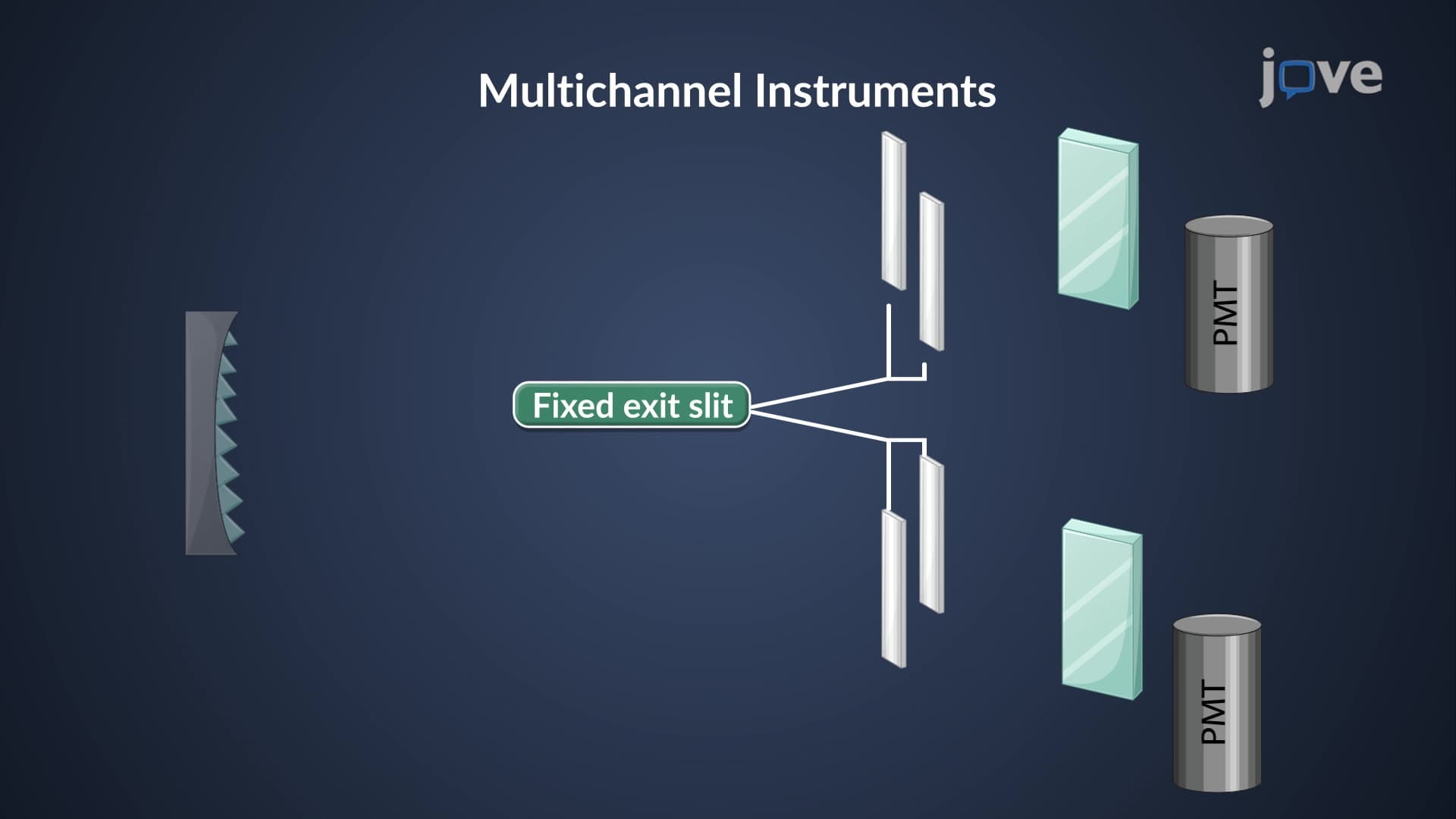
How atomic emission spectroscopy is performed in lab settings requires careful consideration of sample type and target elements. While solution samples represent the most straightforward approach, solid samples demand specialized introduction techniques like electrothermal vaporization or laser ablation. Analytical limitations become apparent with certain elements: boron, carbon, nitrogen, phosphorus, and sulfur emit below 180 nm, necessitating vacuum spectrometers to eliminate atmospheric interference. Alkali metals present additional challenges due to their near-infrared emission lines and sensitivity to plasma operating conditions. Understanding these limitations proves crucial for students tackling analytical chemistry problems on standardized exams.
Related Micro-courses