Loading subject page…


18,939 views

Video Summary: What Is Flame Photometry Lab
Ever wondered how hospitals instantly measure sodium and potassium levels in blood tests? Flame photometry laboratory techniques make this life-saving analysis possible in minutes. This analytical method uses the characteristic light emissions from excited atoms to quantify metal concentrations, with applications ranging from monitoring electrolyte imbalances at Cleveland Clinic to quality control in industrial cement production. Understanding what is flame photometry lab procedures is essential for students pursuing careers in clinical chemistry, environmental science, and materials testing. Watch the full video on JoVE Coach to master this concept with expert-led visuals and step-by-step explanations.
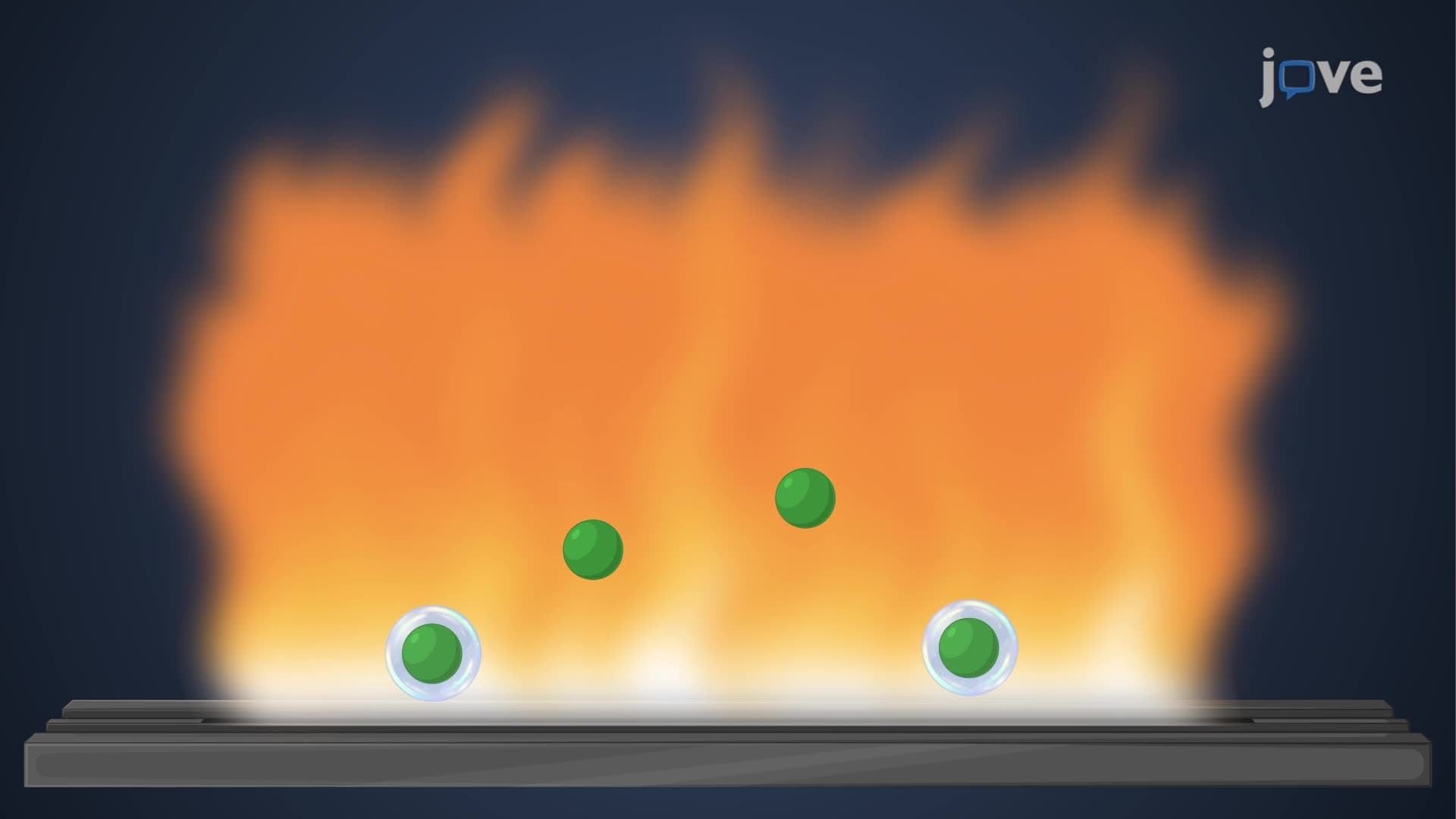
Flame photometry laboratory analysis represents one of the most elegant intersections of chemistry and physics in analytical science. This technique harnesses the principle that each element emits characteristic wavelengths of light when its atoms are excited in a flame. The process begins when a liquid sample is aspirated into a fine mist and introduced into a high-temperature flame, typically reaching 2000-3000°C using acetylene or propane fuel.
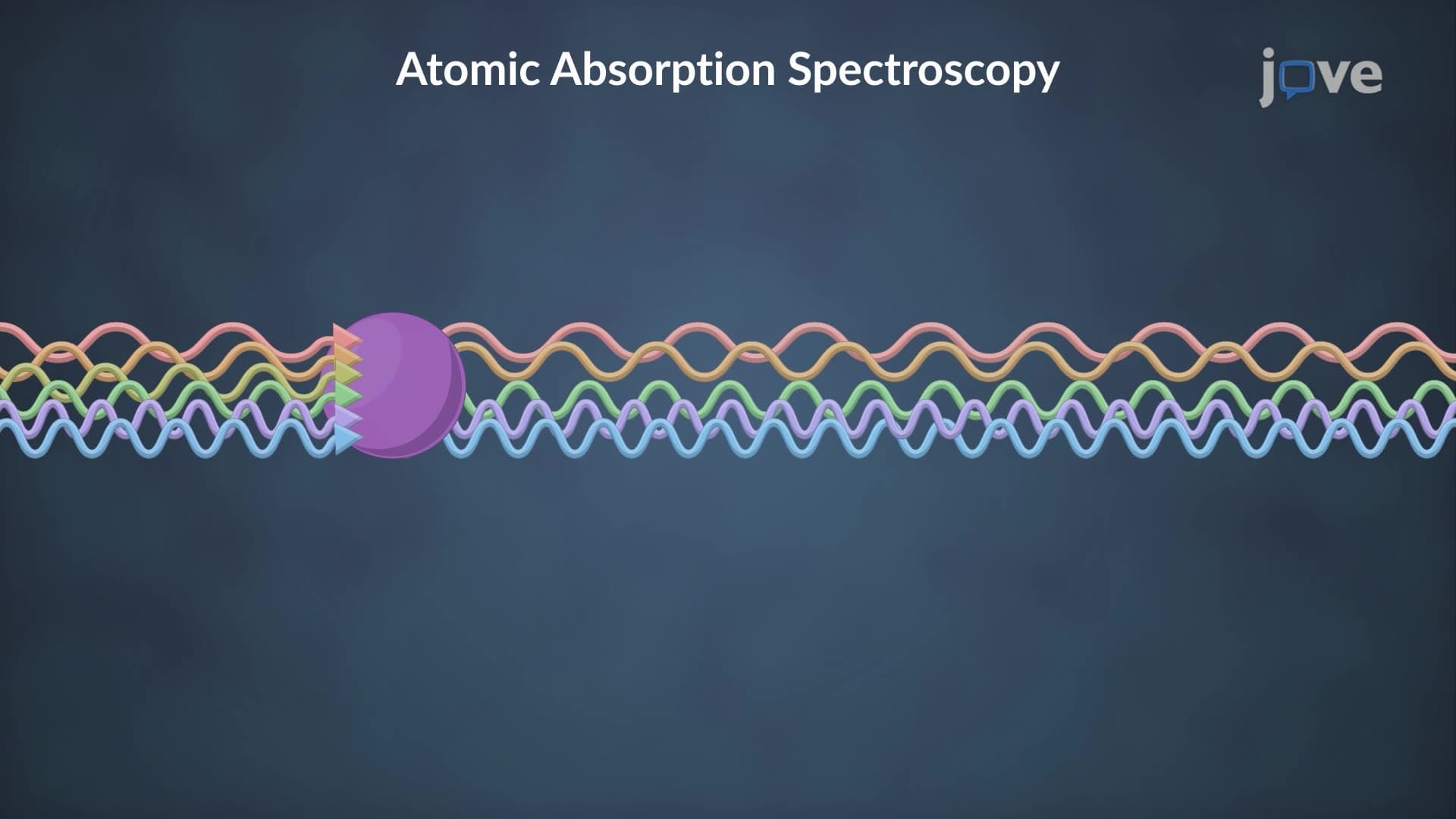
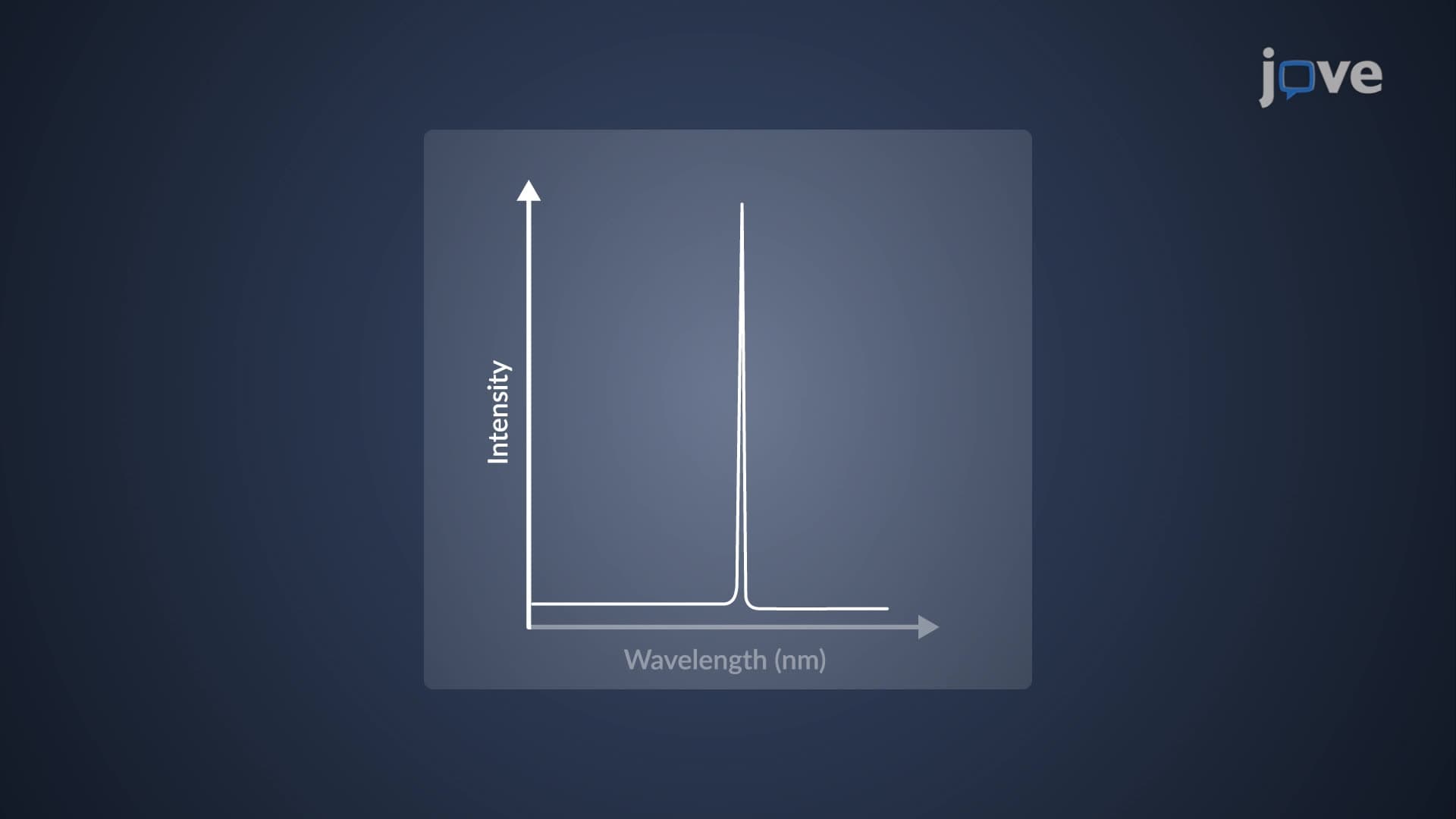
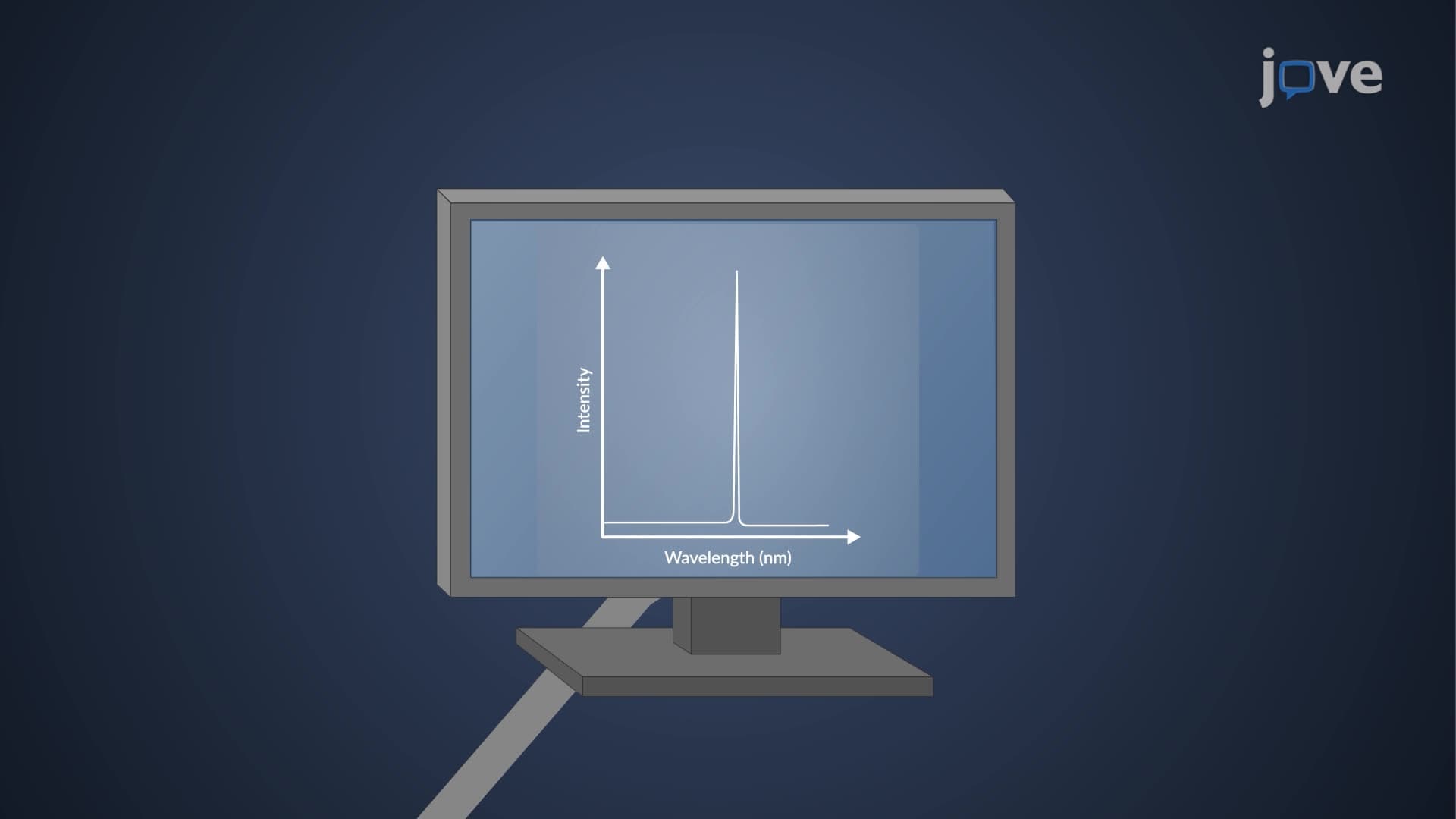
Students preparing for AP Chemistry or college-level analytical chemistry courses should understand that flame photometry operates on atomic emission spectroscopy principles. Unlike absorption techniques, this method measures the light given off by excited atoms as they return to their ground state. The intensity of this emitted light directly correlates with the concentration of the target element in the original sample.
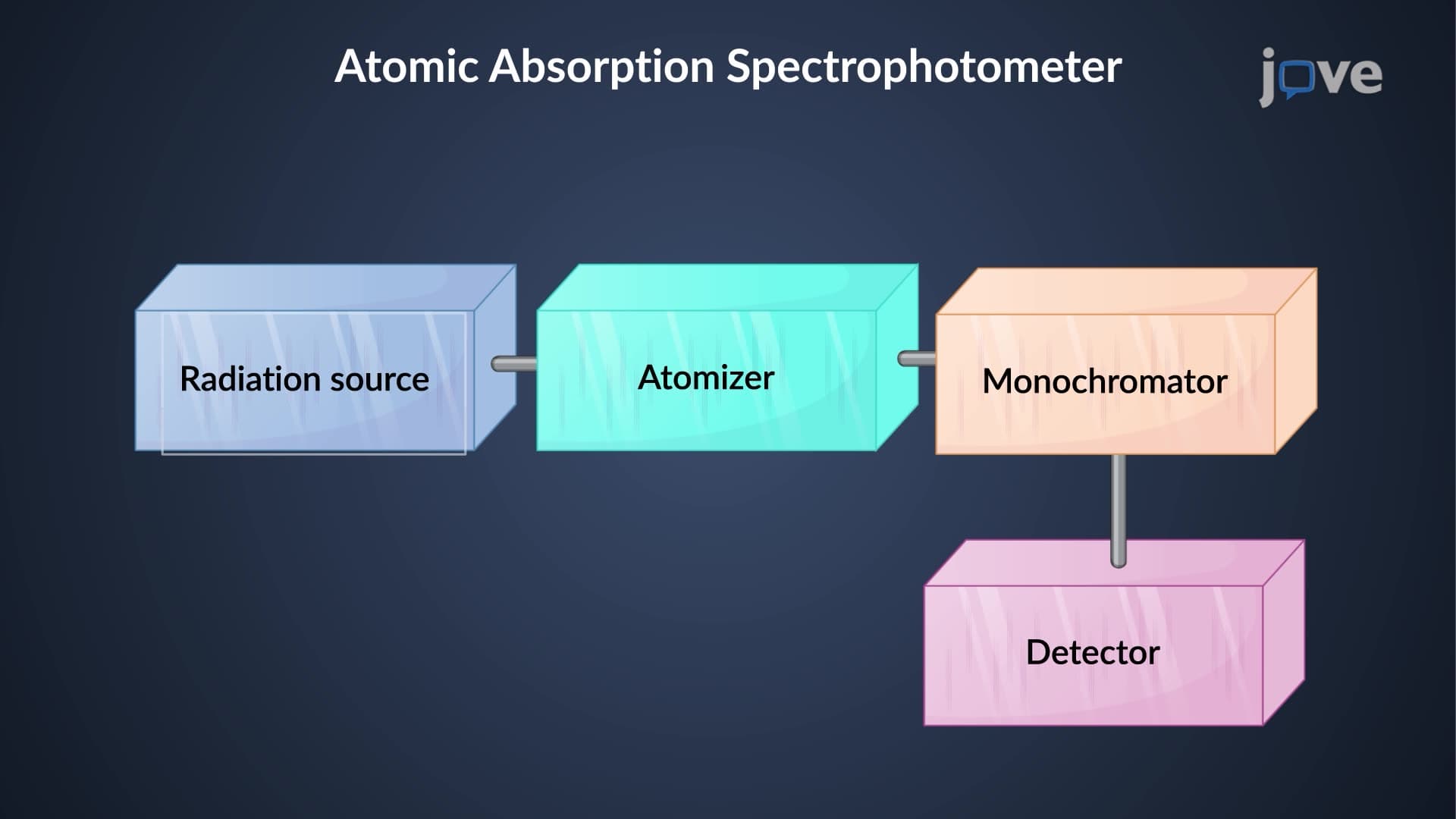
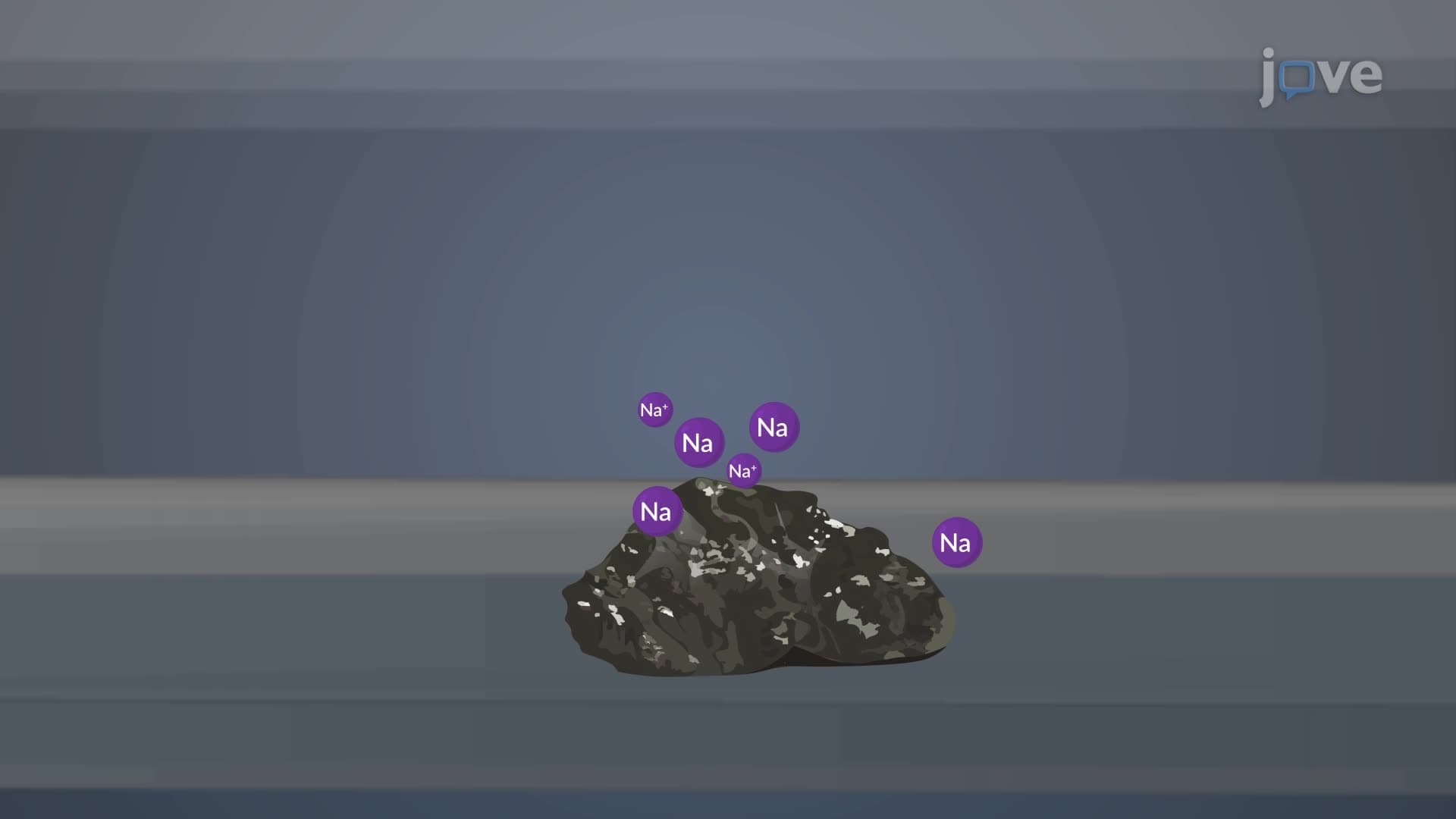
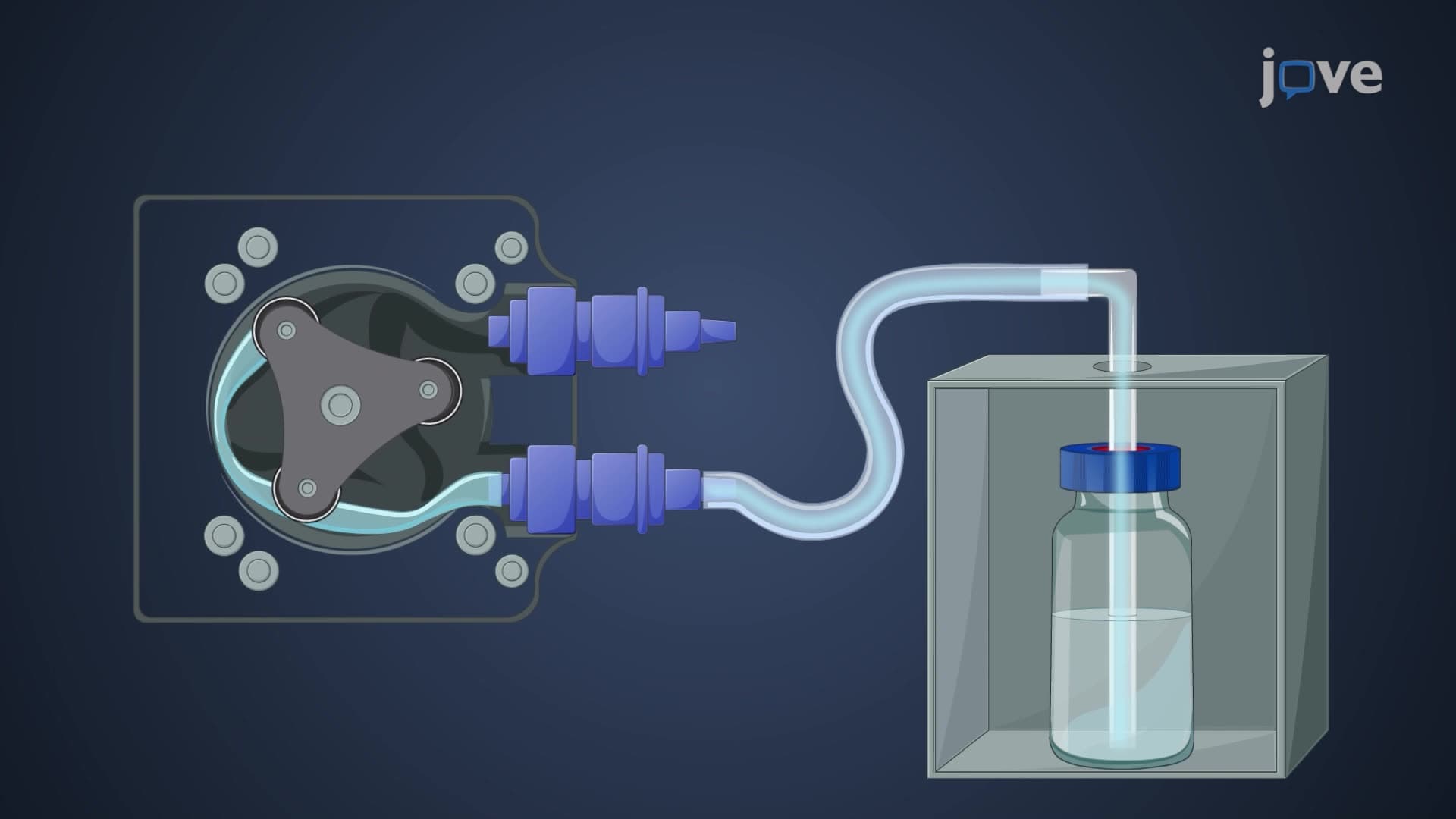
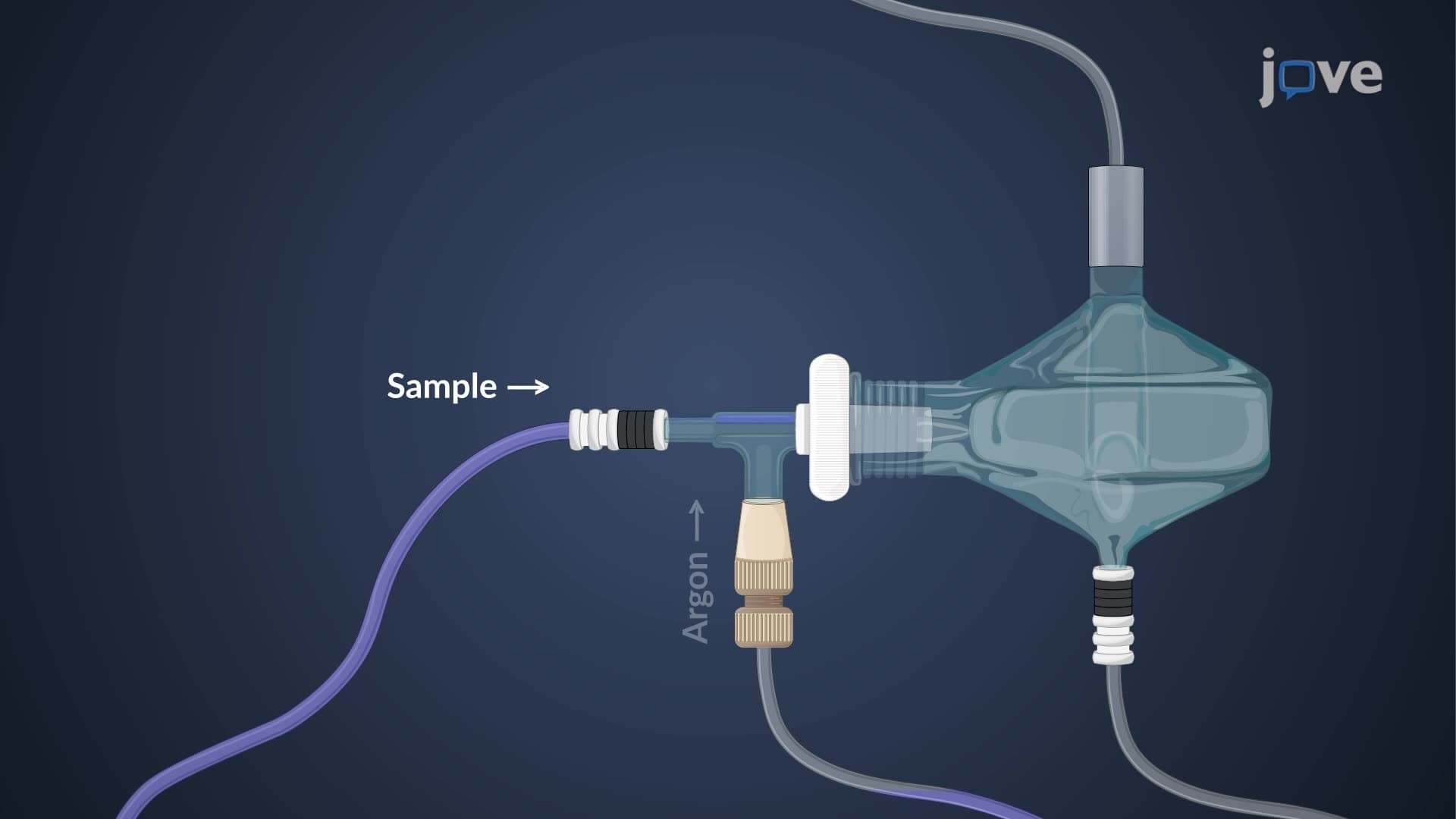
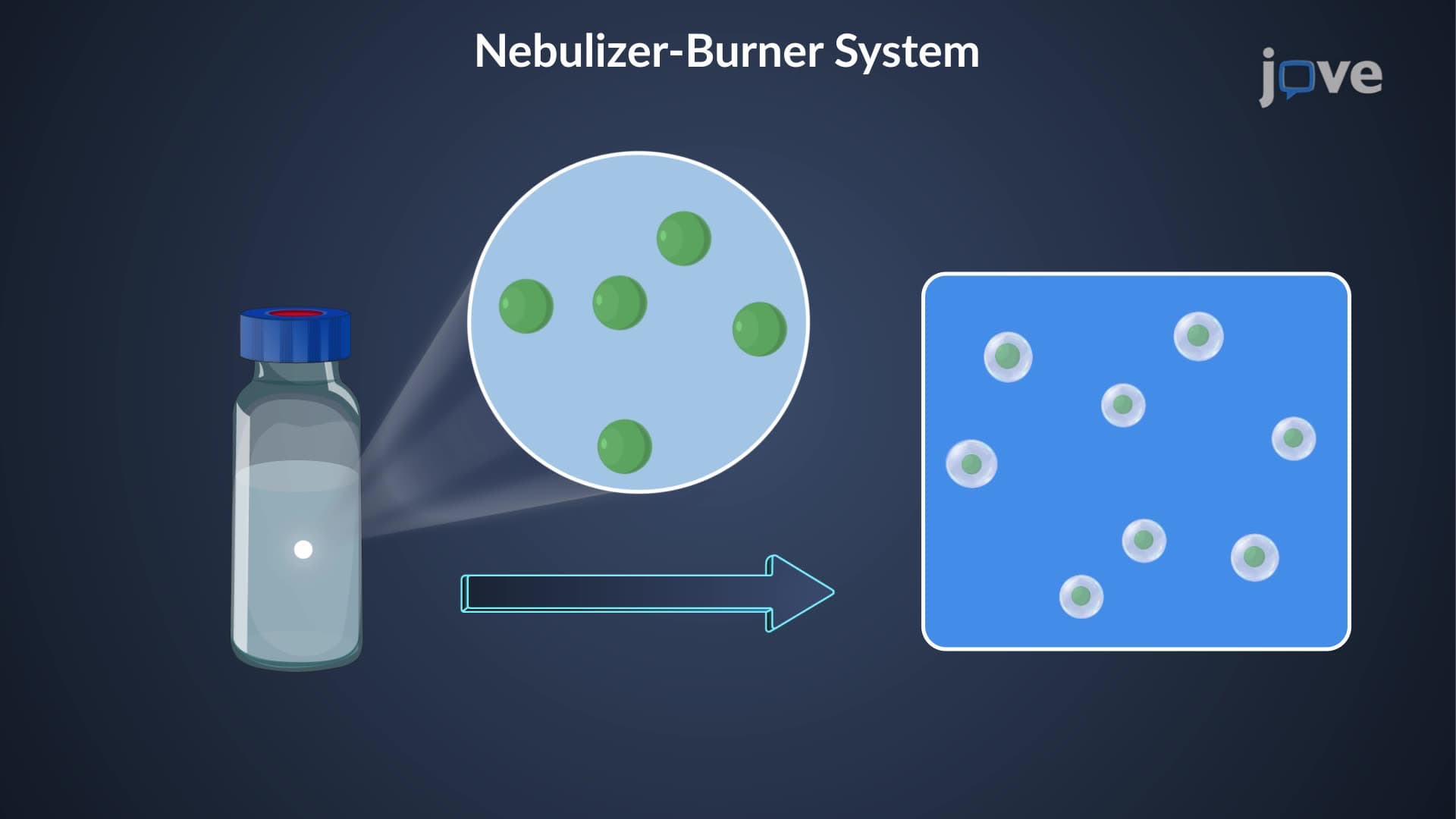
The flame photometry lab procedure involves several critical steps that students must master for laboratory success. First, samples undergo aspiration through a nebulizer, creating microscopic droplets that enter the flame. The intense heat causes solvent evaporation, leaving behind solid particles that decompose into individual gaseous atoms. These atoms absorb thermal energy from the flame, promoting electrons to higher energy levels.
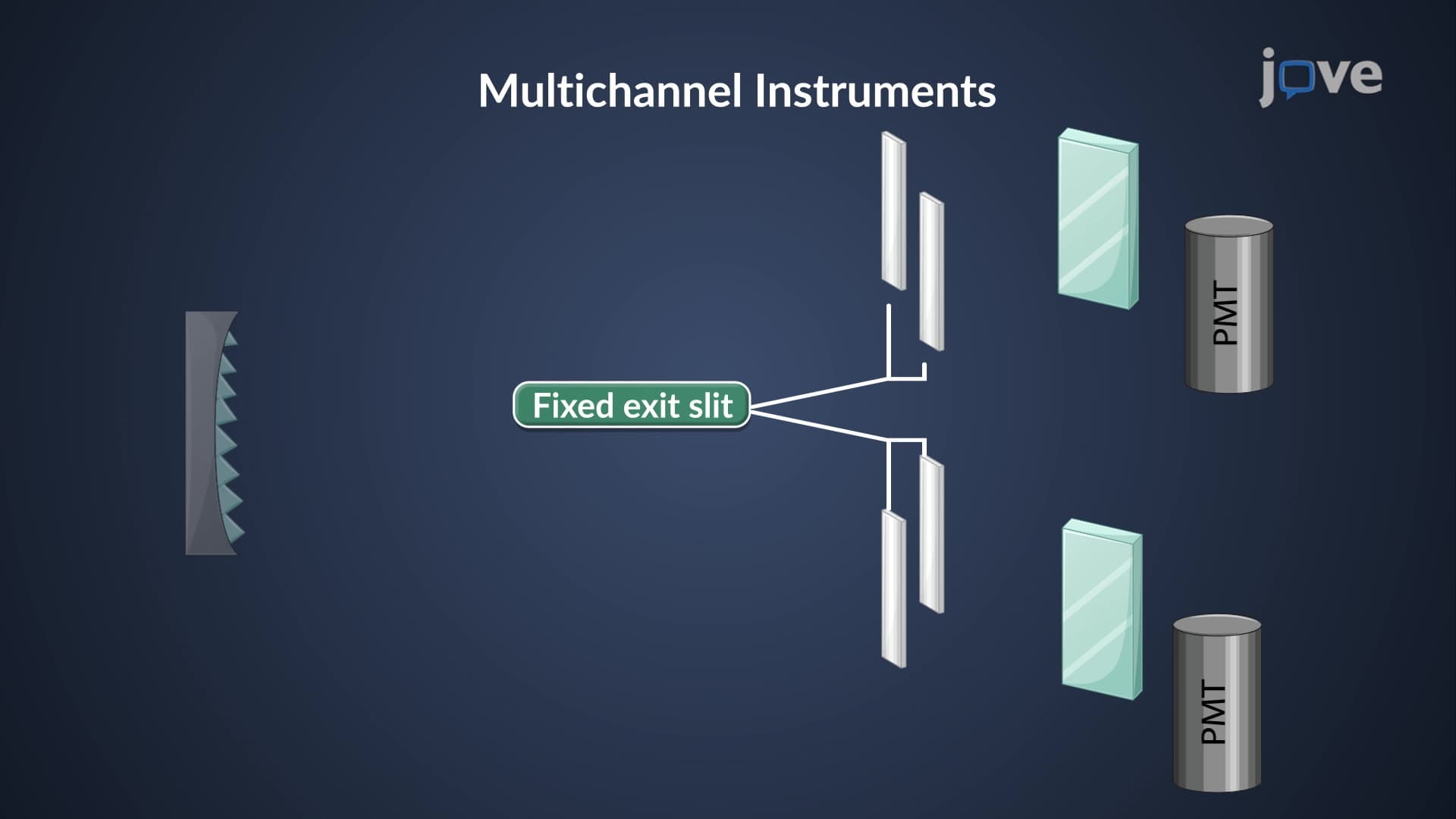
When performing how to perform flame photometry in the laboratory, timing becomes crucial. Excited atoms maintain their elevated energy state for only nanoseconds before returning to ground state and emitting photons. The emitted light passes through optical filters that isolate specific wavelengths characteristic of the target element. Photodetectors then convert this light energy into electrical signals proportional to the original concentration.
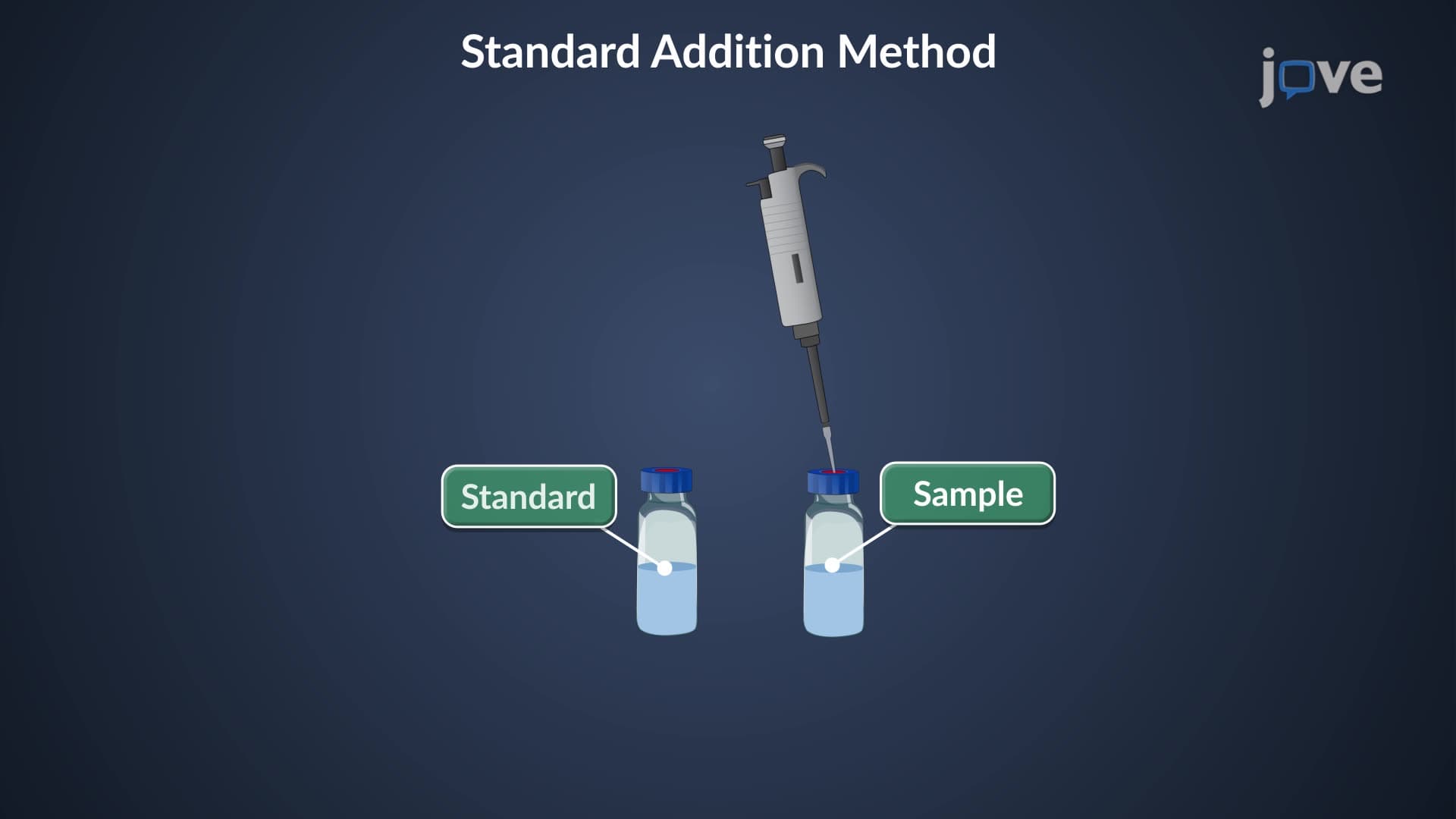
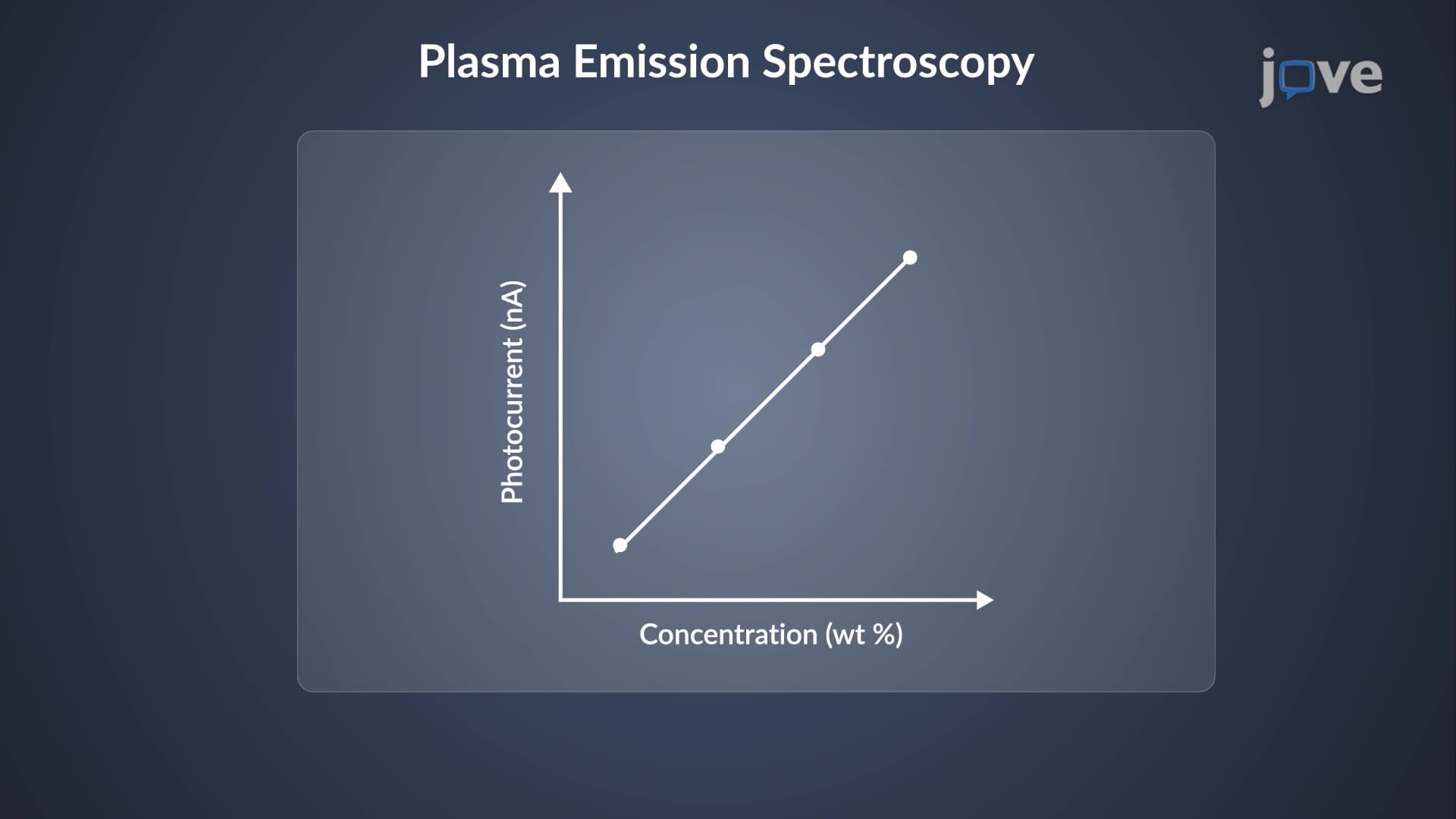
Successful flame photometry standard solutions preparation forms the backbone of accurate analysis. Students typically prepare a series of standard solutions with known concentrations, ranging from 0.1 to 100 ppm for elements like sodium and potassium. When plotting emission intensity versus concentration, the resulting flame photometry calibration curve should demonstrate linearity at lower concentrations.
However, students must recognize that deviations from linearity occur at higher concentrations due to self-absorption effects. Ground-state atoms in the flame can reabsorb emitted photons, reducing the signal reaching the detector. This phenomenon explains why sodium potassium flame lab experiments often show curved calibration plots at concentrations above 50 ppm.
Practical flame photometry extends far beyond academic laboratories into critical real-world applications. Clinical laboratories at institutions like Mayo Clinic use flame photometry for rapid electrolyte analysis in emergency medicine. Environmental monitoring agencies employ these techniques to assess water quality, measuring sodium and potassium contamination in drinking water supplies across states like California and Florida.
The biodiesel industry relies on flame photometry to ensure fuel quality meets ASTM standards, while cement manufacturers use this technique to verify composition consistency. Students pursuing careers in clinical chemistry, environmental science, or industrial quality control will encounter flame photometry regularly, making laboratory proficiency essential for professional success.
Related Micro-courses