Loading subject page…

- Analytical Chemistry
- Interpreting Nuclear Magnetic Resonance Spectra
- Spin–Spin Coupling: One-Bond Coupling
Micro-course: Interpreting Nuclear Magnetic Resonance Spectra
53,059 views
Learn key concepts and earn your certificate.


Spin–Spin Coupling: One-Bond Coupling
00:00
01:17
- Understand how Spin Spin Coupling One Bond Coupling Explained creates the strongest NMR interactions between directly bonded nuclei
- Identify why one-bond coupling constants (1J) are typically positive and have large magnitudes compared to longer-range couplings
- Analyze the relationship between orbital s-character and coupling strength in alkanes, alkenes, and alkynes
- Compare 1JCH values across different hybridization states and explain the underlying electronic principles
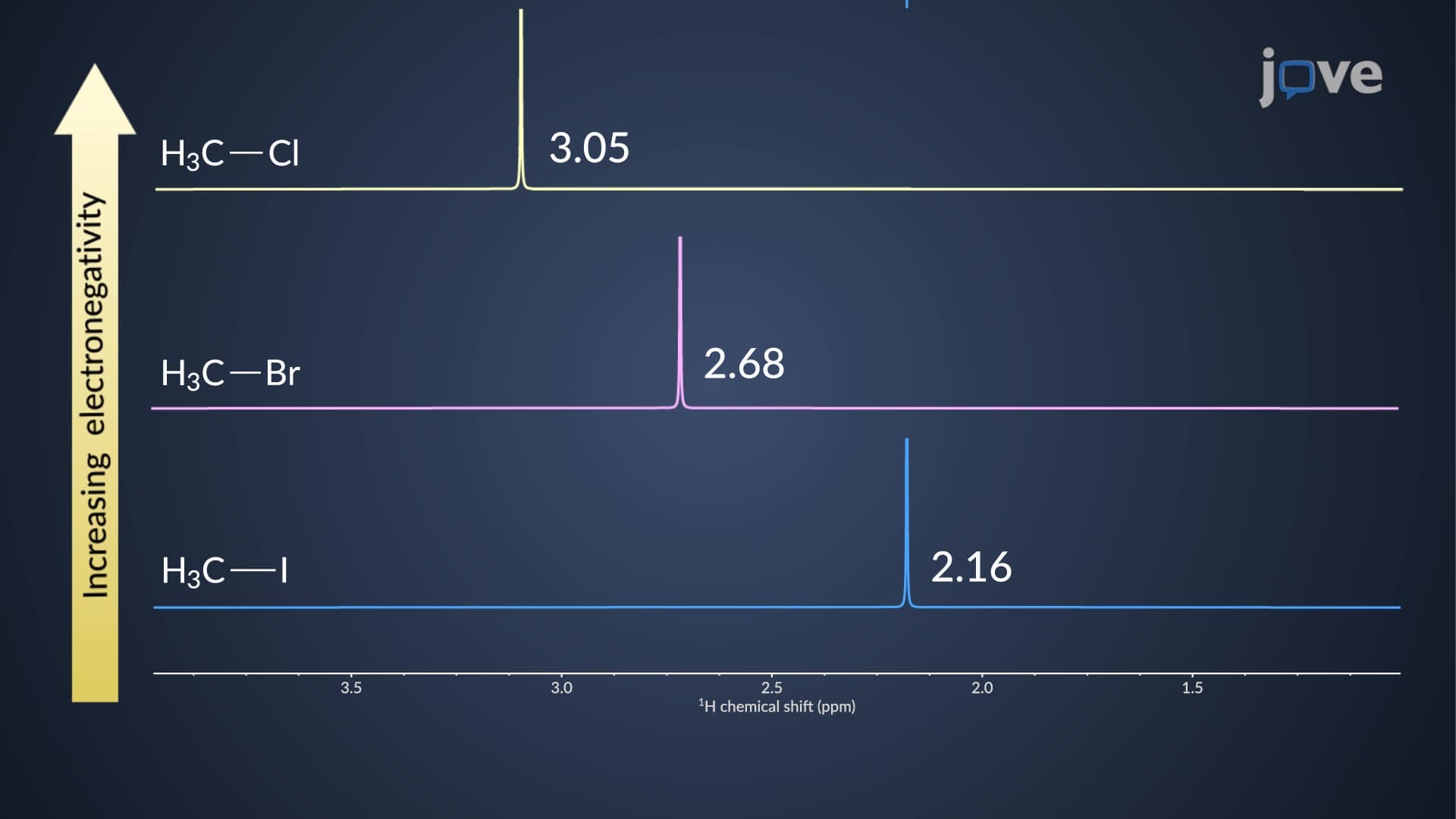
- Evaluate how electronegative substituents affect one-bond coupling constants in organic molecules
- Apply knowledge of direct C-H coupling to predict NMR splitting patterns in simple organic compounds
- Recognize why carbon-hydrogen coupling is rarely observed in routine proton NMR despite its strength
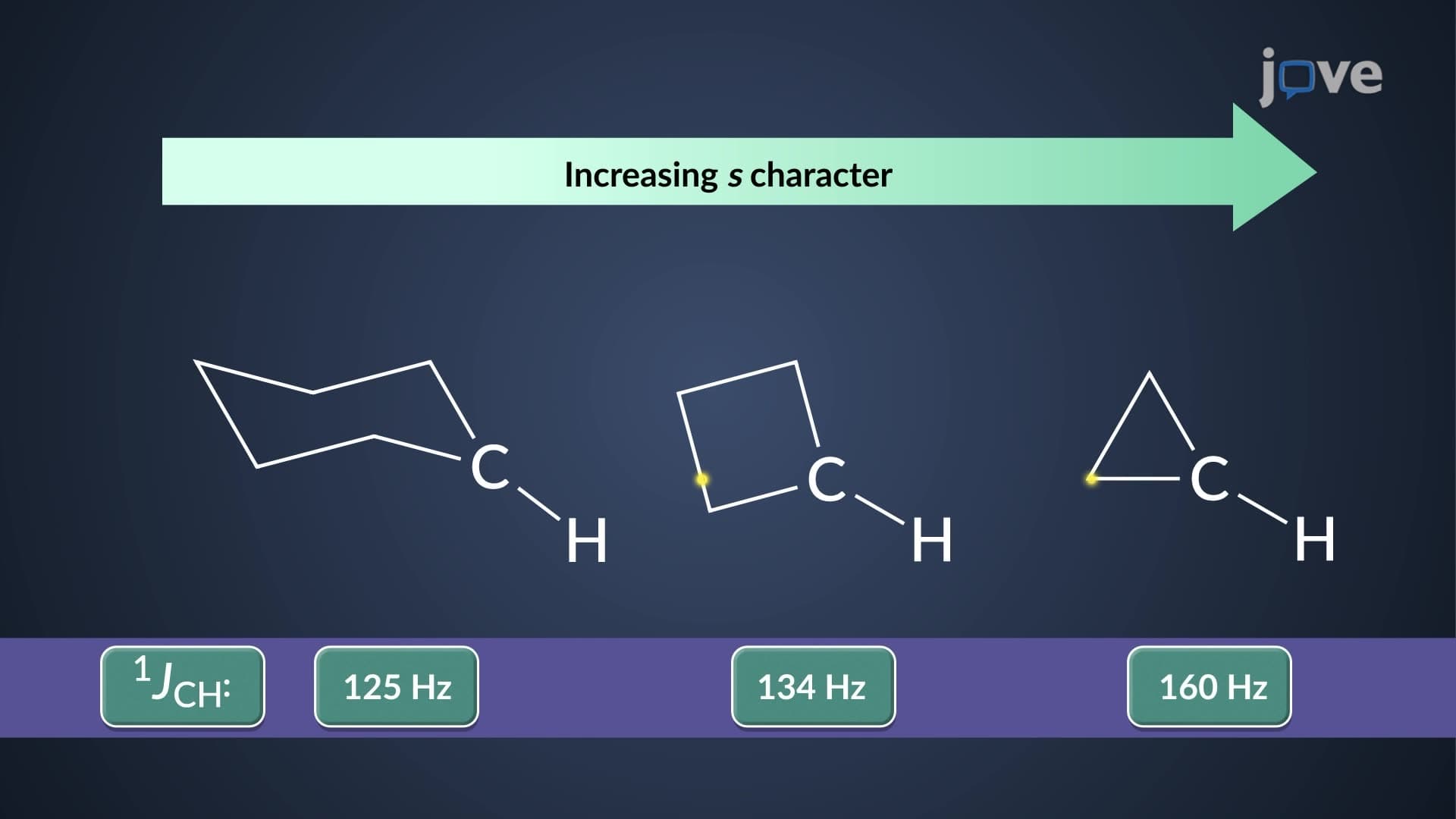
- Explore the connection between molecular strain and enhanced coupling constants in cyclic systems
Understanding Spin Spin Coupling One Bond Coupling Explained
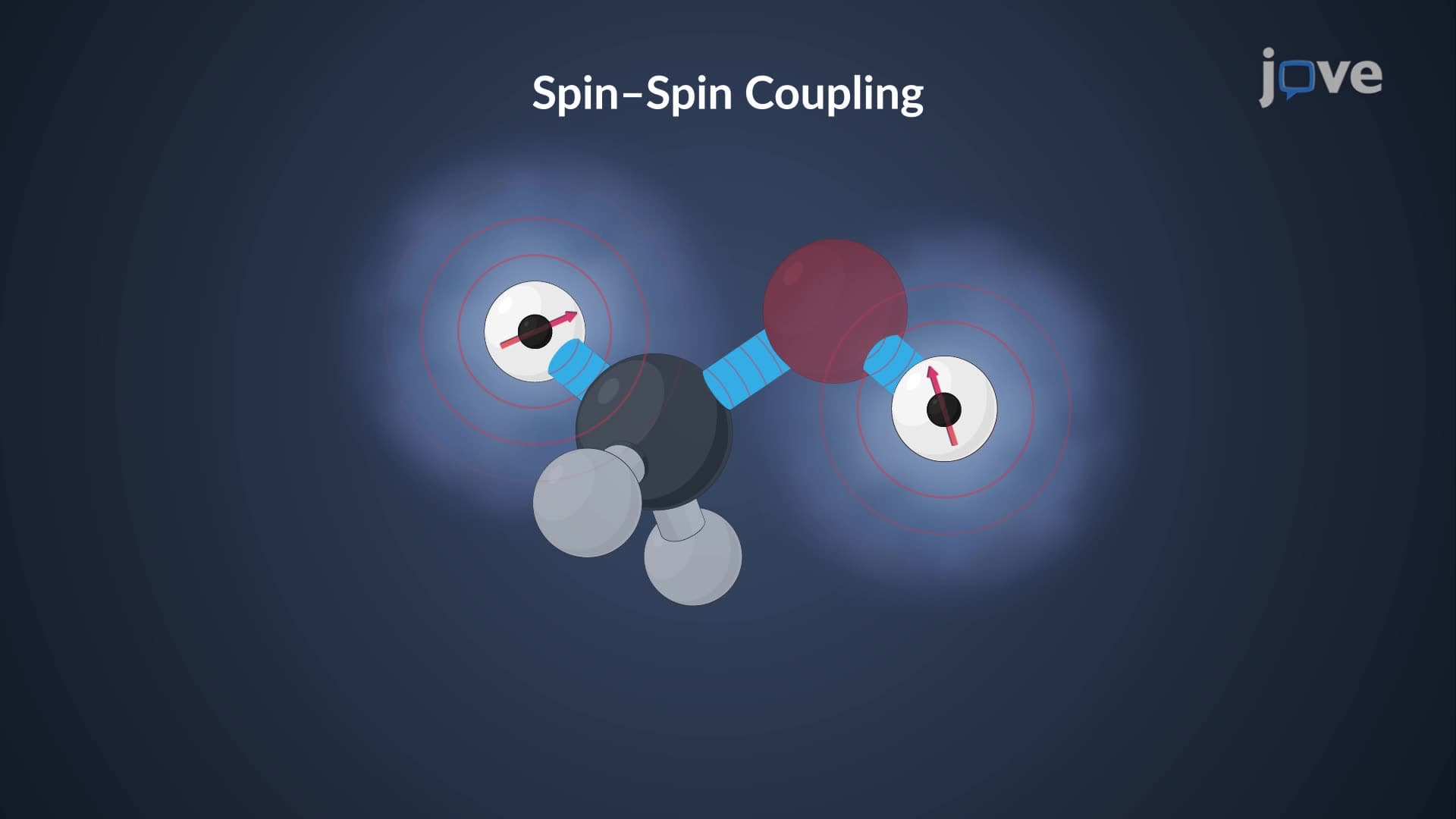
One bond coupling NMR represents the most direct form of nuclear spin communication in molecules. Unlike long-range coupling that relies on complex electron pathways, one-bond coupling occurs when two NMR-active nuclei share a chemical bond directly. This creates an intimate electronic connection where the spin state of one nucleus directly influences its bonded partner through the pair of bonding electrons.
The Electronic Mechanism of 1J Coupling Constant NMR
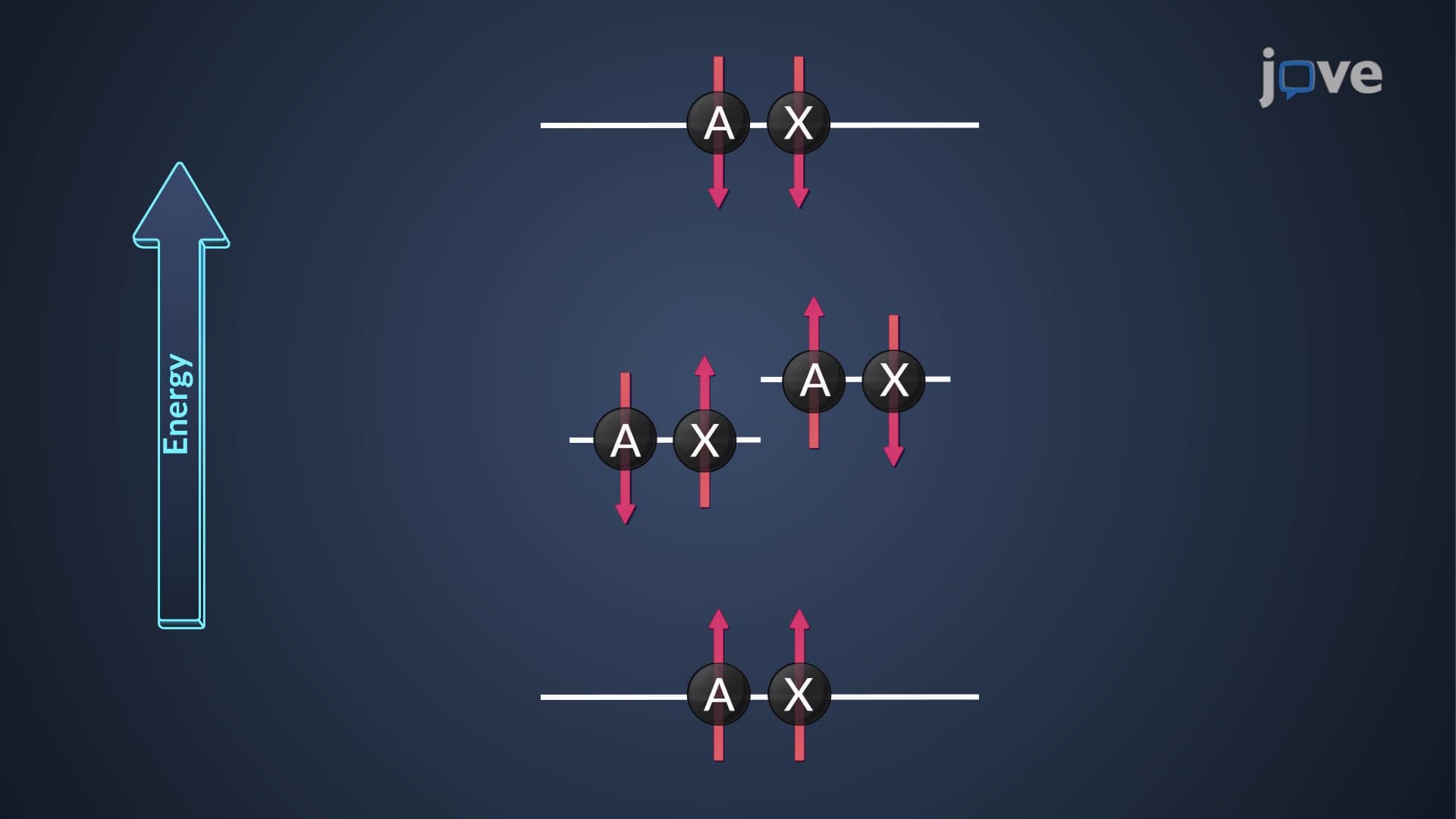
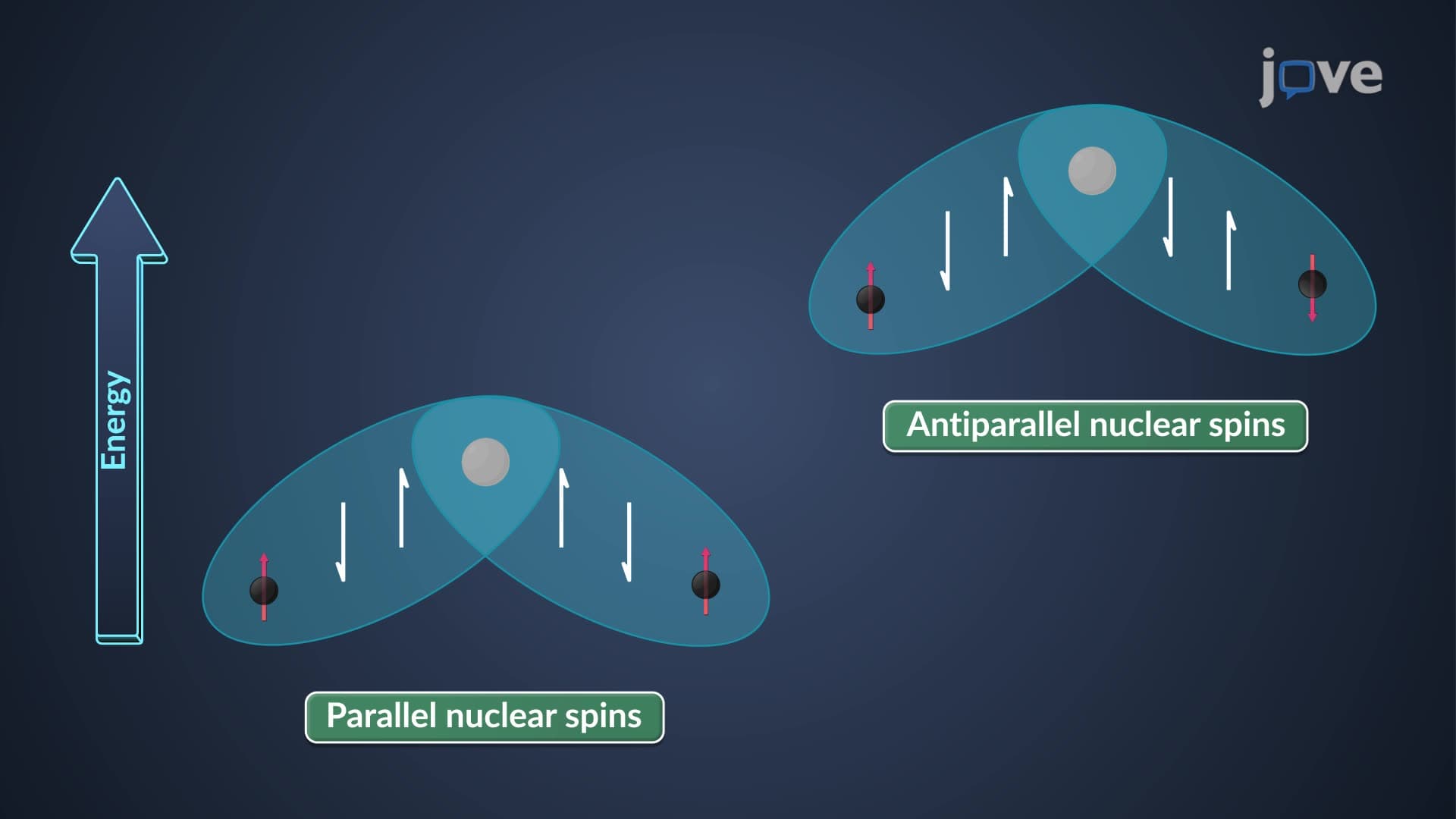
The strength of 1J coupling constant NMR stems from nuclear spin polarization of bonding electrons. When a nucleus adopts a particular spin state, it forces the nearby bonding electrons to adopt the opposite spin orientation. This electron polarization then influences the spin preference of the coupled nucleus, favoring antiparallel nuclear arrangements. Because this antiparallel configuration is energetically favorable, the coupling constant J appears as a positive value, typically ranging from 125-250 Hz for C-H bonds.
Orbital Hybridization and Coupling Strength
The magnitude of what is one bond spin spin coupling in NMR depends critically on orbital s-character. Higher s-character means electrons spend more time near the nucleus, creating stronger polarization effects. This explains why 1JCH values increase dramatically from sp3 (125 Hz in ethane) to sp2 (156 Hz in ethene) to sp (249 Hz in ethyne) hybridization. Students preparing for AP Chemistry or MCAT exams should remember this trend: more s-character equals stronger coupling.
Practical Applications and Exam Relevance
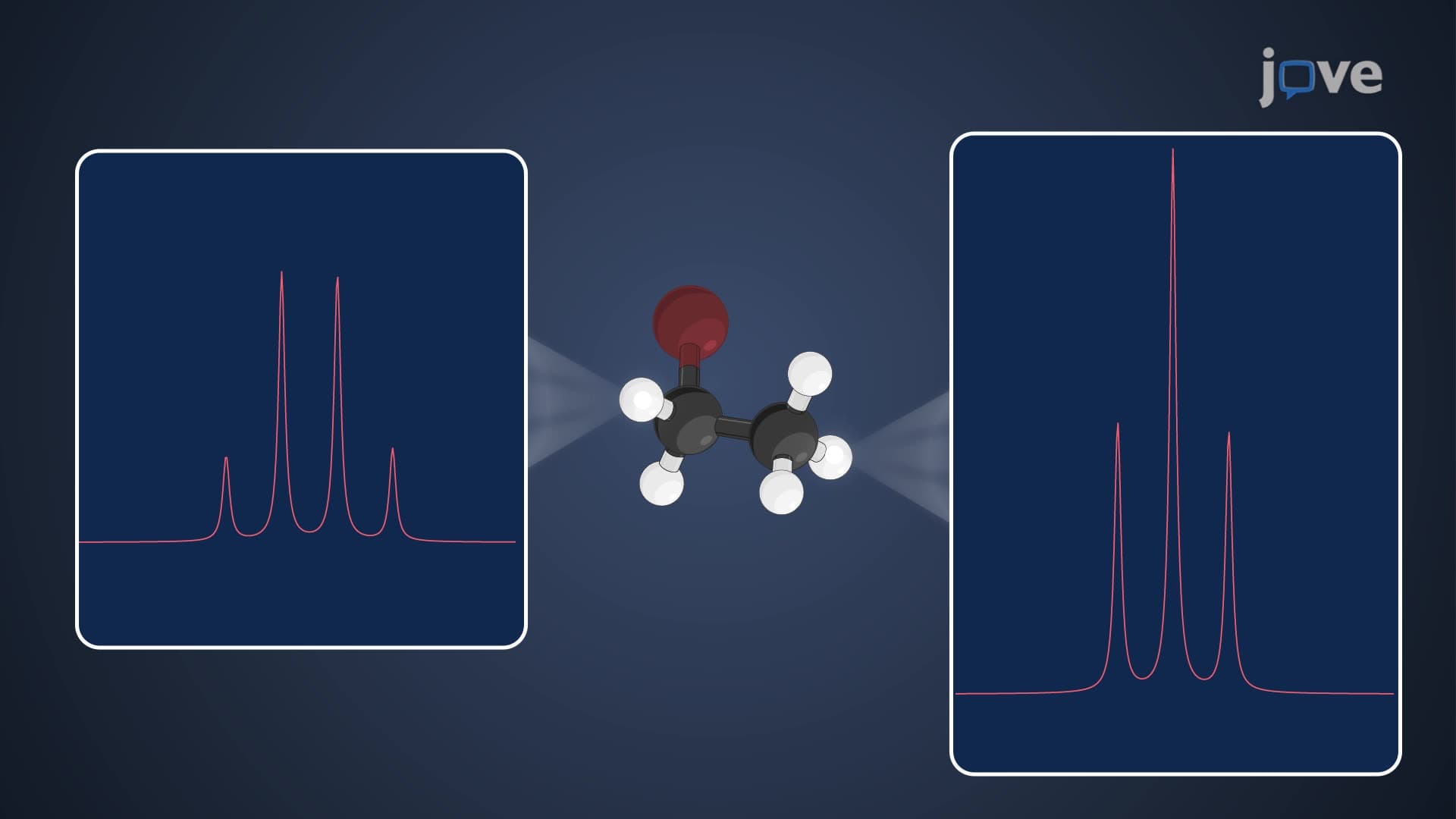
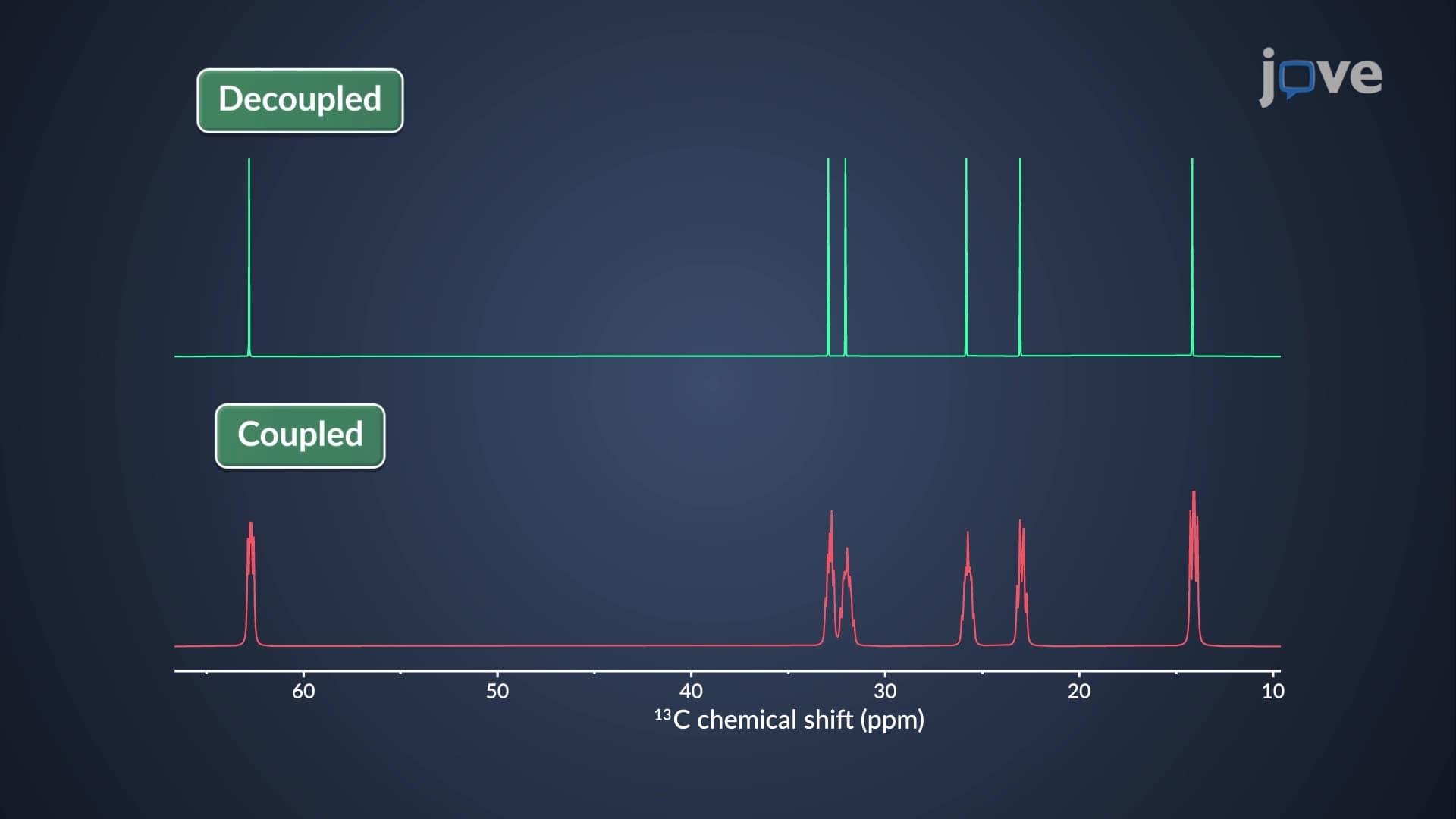
Understanding direct C-H coupling 1J helps explain why routine proton NMR spectra don't show carbon splitting. Carbon-13 has only 1.1% natural abundance, so most protons are bonded to carbon-12 (NMR-inactive). However, in carbon-13 NMR spectroscopy, C-H coupling creates complex multipets that are often removed through proton decoupling techniques. This concept frequently appears in organic chemistry courses at universities like UCLA, Stanford, and MIT, particularly when discussing advanced NMR techniques used in pharmaceutical and materials research.
Frequently Asked Questions
One bond coupling is the strongest type of NMR interaction where directly bonded nuclei communicate through shared electrons. The coupling occurs because nuclear spins polarize bonding electrons, creating energetically favorable antiparallel spin arrangements. This direct electronic connection produces large, positive coupling constants typically exceeding 100 Hz.
MCAT questions often test your understanding of coupling strength trends across hybridization states. You might see questions asking why acetylene shows stronger C-H coupling than ethane, or why electronegative substituents increase coupling constants. AP Chemistry exams may include NMR interpretation problems where understanding coupling helps identify molecular structures.
Universities like Harvard and Princeton include one-bond coupling in advanced spectroscopy courses because it's fundamental to NMR interpretation. Understanding 1JCH patterns helps identify hybridization states, detect electronegative substituents, and explain why certain NMR techniques like DEPT work. These concepts are essential for graduate school preparation and pharmaceutical industry careers.
Pharmaceutical companies like Pfizer and Merck use one-bond coupling analysis to verify drug structures and purity. The FDA requires detailed NMR characterization for new drug applications, where 1JCH values help confirm molecular identity. Academic research institutions across the US use these techniques to study everything from polymer materials to biological metabolites.
Not at all - the mathematical concepts involve basic proportional relationships and trend recognition. High school students with Algebra II background can master these ideas by focusing on qualitative trends rather than complex calculations. The key is understanding electronic principles and hybridization concepts from general chemistry.
Create comparison charts showing 1JCH values for different hybridization states and practice predicting coupling trends. Focus on the relationship between s-character and coupling strength, then work through practice problems involving electronegative substituents. Many students find success using molecular models to visualize orbital overlap and electron density changes.
Mastering one-bond coupling provides foundation knowledge for advanced techniques like 2D NMR, HSQC experiments, and carbon-proton correlation spectroscopy. These concepts become crucial in graduate-level physical chemistry, biochemistry, and materials science courses. Understanding coupling also helps with quantum mechanical descriptions of chemical bonding in advanced theoretical chemistry.
Progress to multi-bond coupling (2J, 3J) and learn how coupling information travels through sigma bonds. Explore topics like coupling in aromatic systems, stereochemical effects on coupling, and advanced NMR techniques used in structural biology and drug discovery research.
Related Micro-courses

17 Concepts
24 Concepts

27 Concepts
Related Subjects

Chemistry21 micro-courses
›