Loading subject page…

- Analytical Chemistry
- Interpreting Nuclear Magnetic Resonance Spectra
- Spin–Spin Coupling Constant: Overview
Micro-course: Interpreting Nuclear Magnetic Resonance Spectra
53,059 views
Learn key concepts and earn your certificate.


Spin–Spin Coupling Constant: Overview

00:00
01:08
Video Summary: What Is Spin Spin Coupling Constant
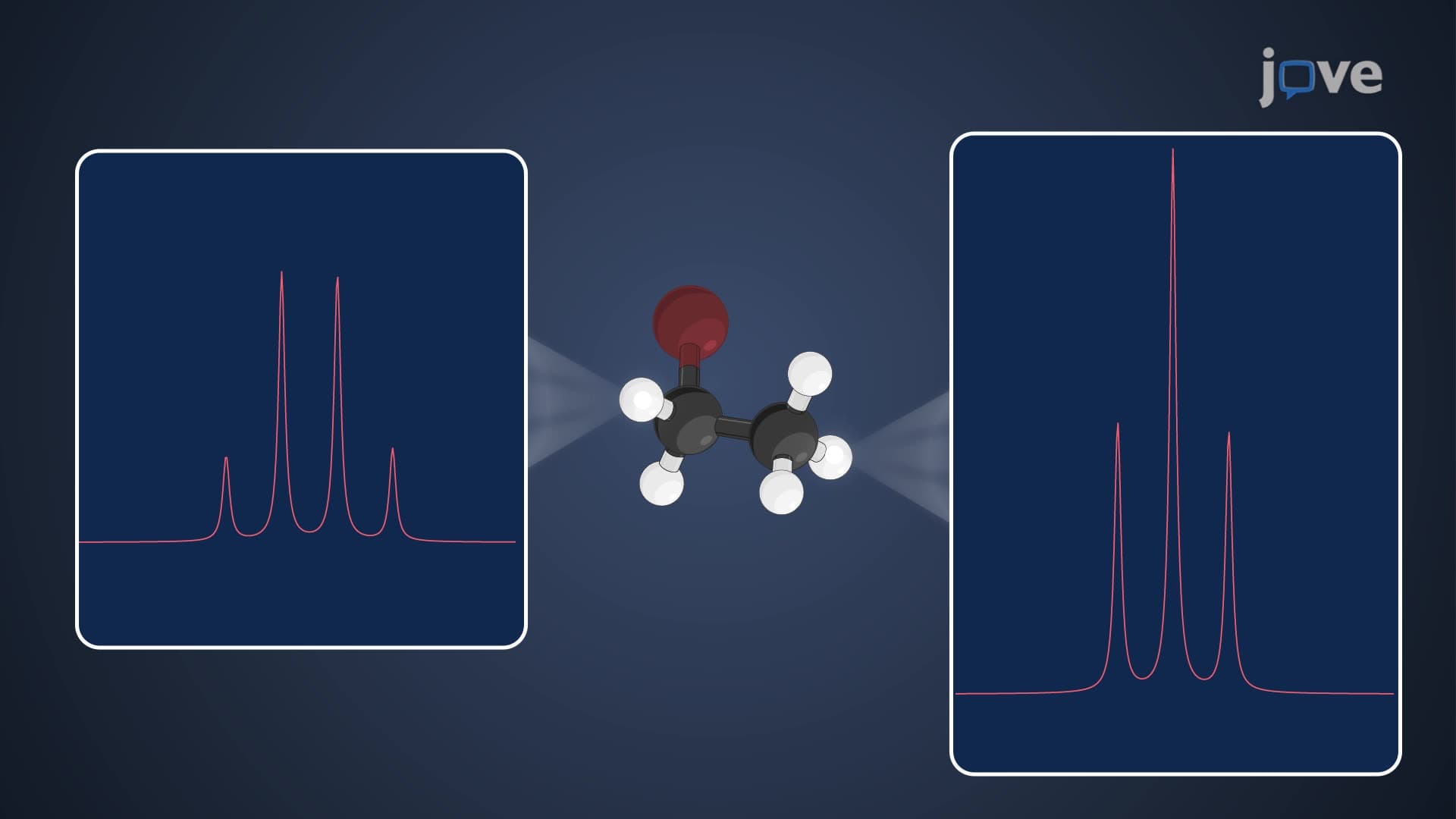
Ever wonder why NMR signals appear as distinct patterns rather than single peaks? The spin spin coupling constant explains this phenomenon by quantifying how neighboring protons influence each other's magnetic environment. In bromoethane analysis-commonly studied in organic chemistry labs at universities like UCLA and MIT-methyl protons create a triplet pattern while methylene protons form a quartet, separated by exactly 7.2 Hz. Watch the full video on JoVE Coach to master this concept with expert-led visuals and step-by-step explanations.
- Understand what is spin spin coupling constant and how it quantifies proton-proton interactions in NMR spectroscopy
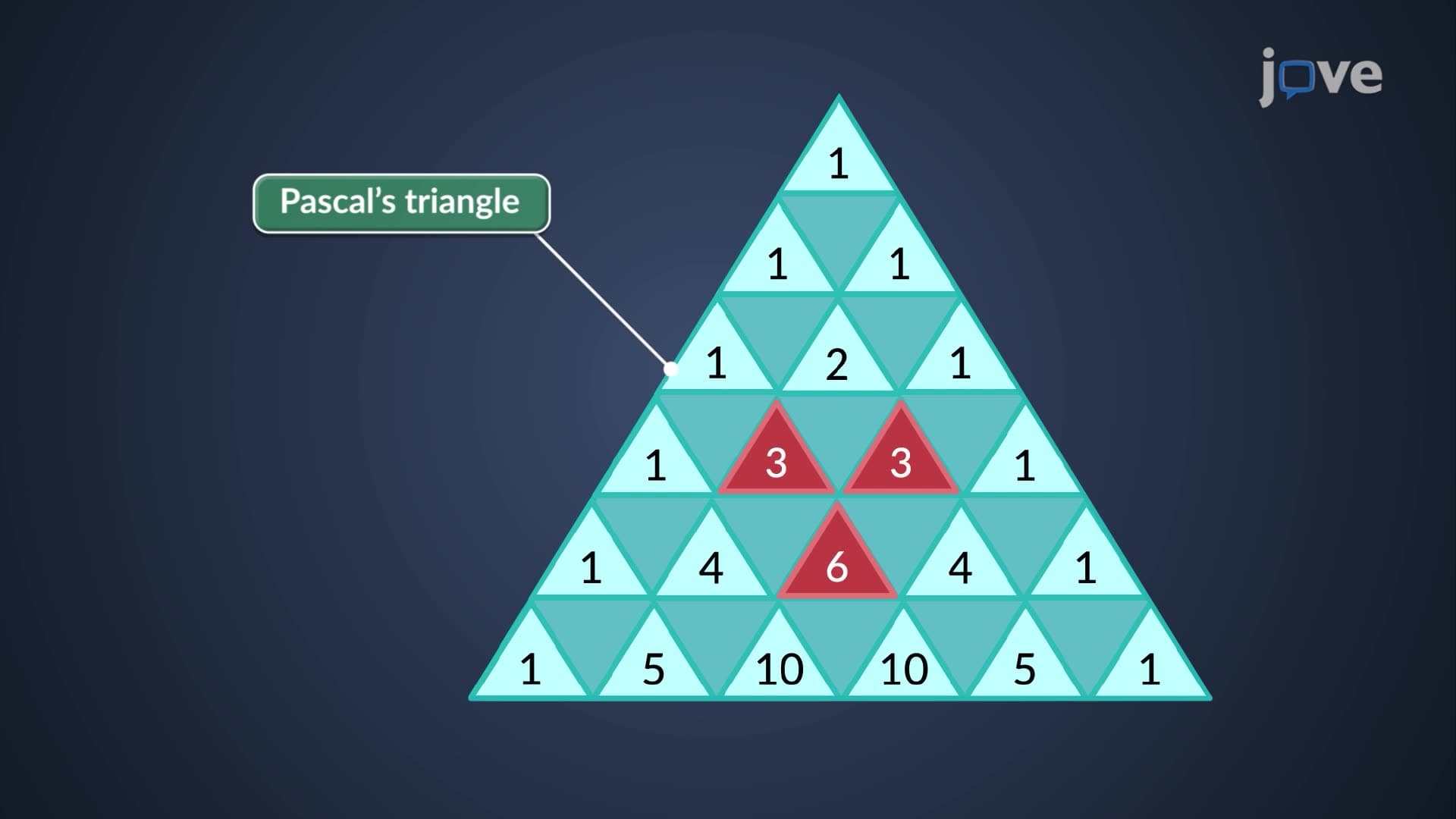
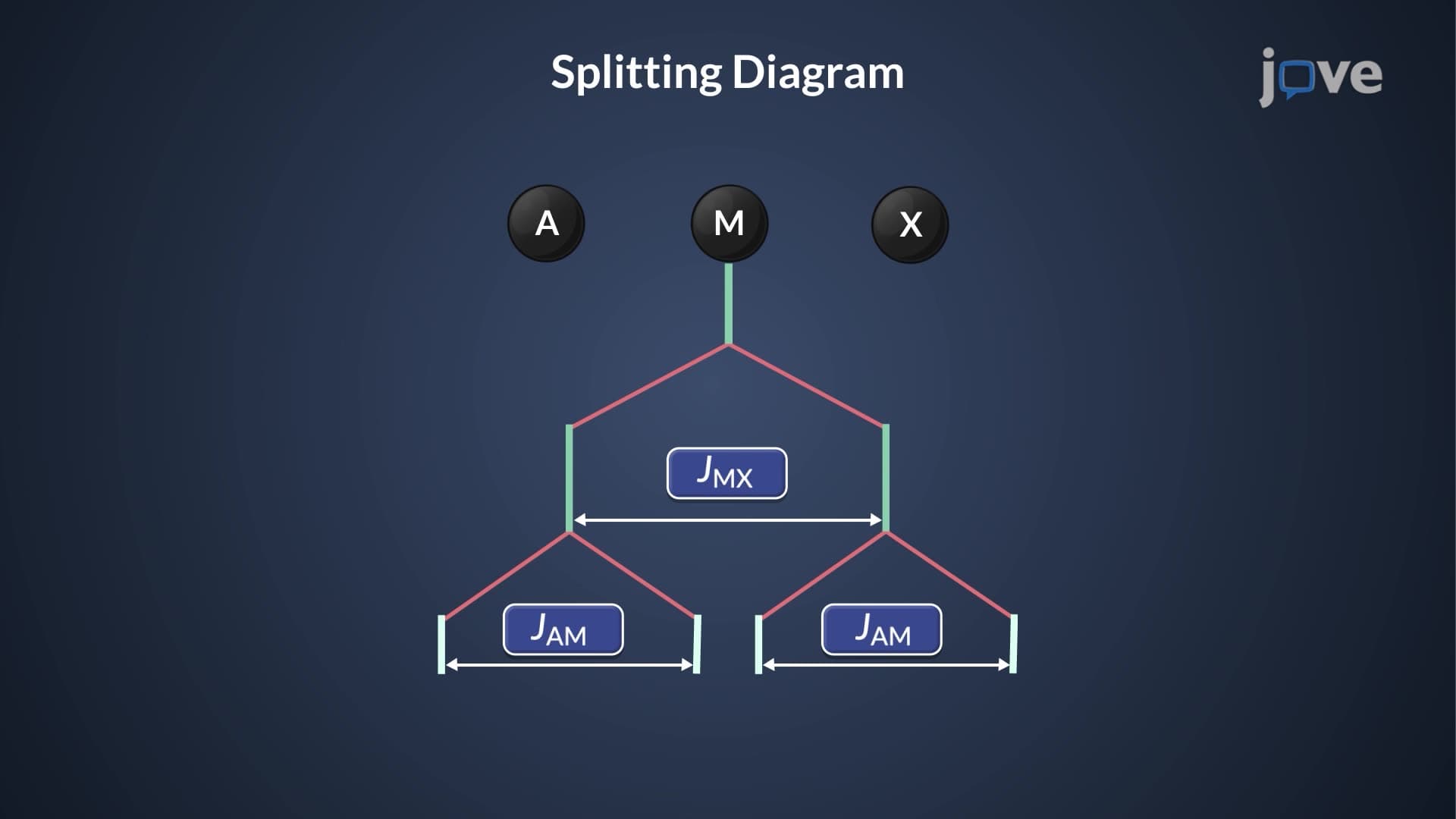
- Identify coupling patterns like triplets and quartets in NMR spectra based on neighboring proton counts
- Analyze J coupling constant NMR values to determine molecular structure and connectivity
- Compare geminal and vicinal coupling constants to predict signal splitting patterns
- Evaluate coupling constant measurement data to distinguish between different types of proton environments
- Apply coupling constant principles to solve structural elucidation problems on exams
- Recognize how field-independent coupling interactions affect signal appearance regardless of spectrometer strength
- Explore the relationship between electron spin polarization and observed coupling effects
Understanding What is Spin Spin Coupling Constant
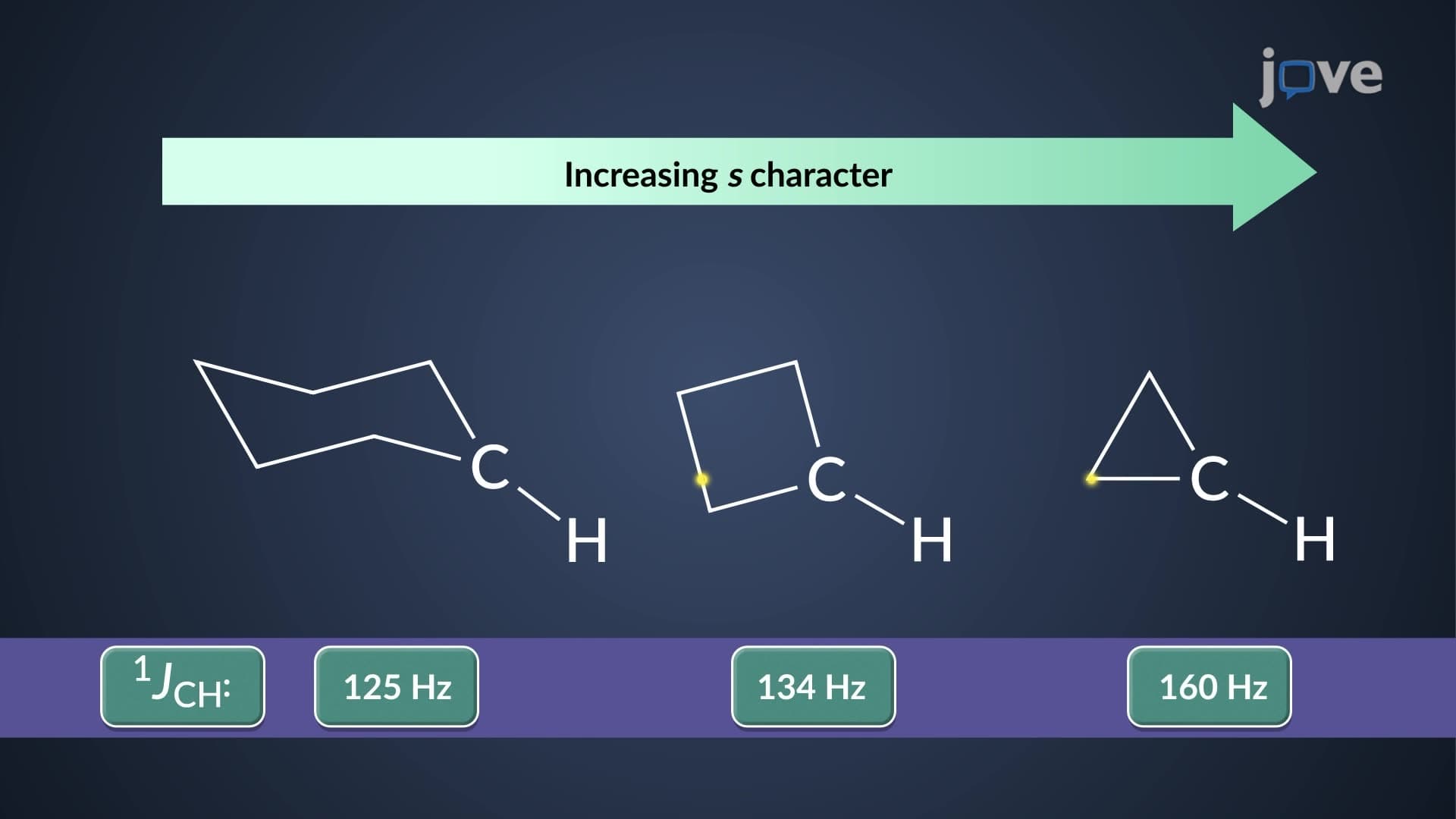
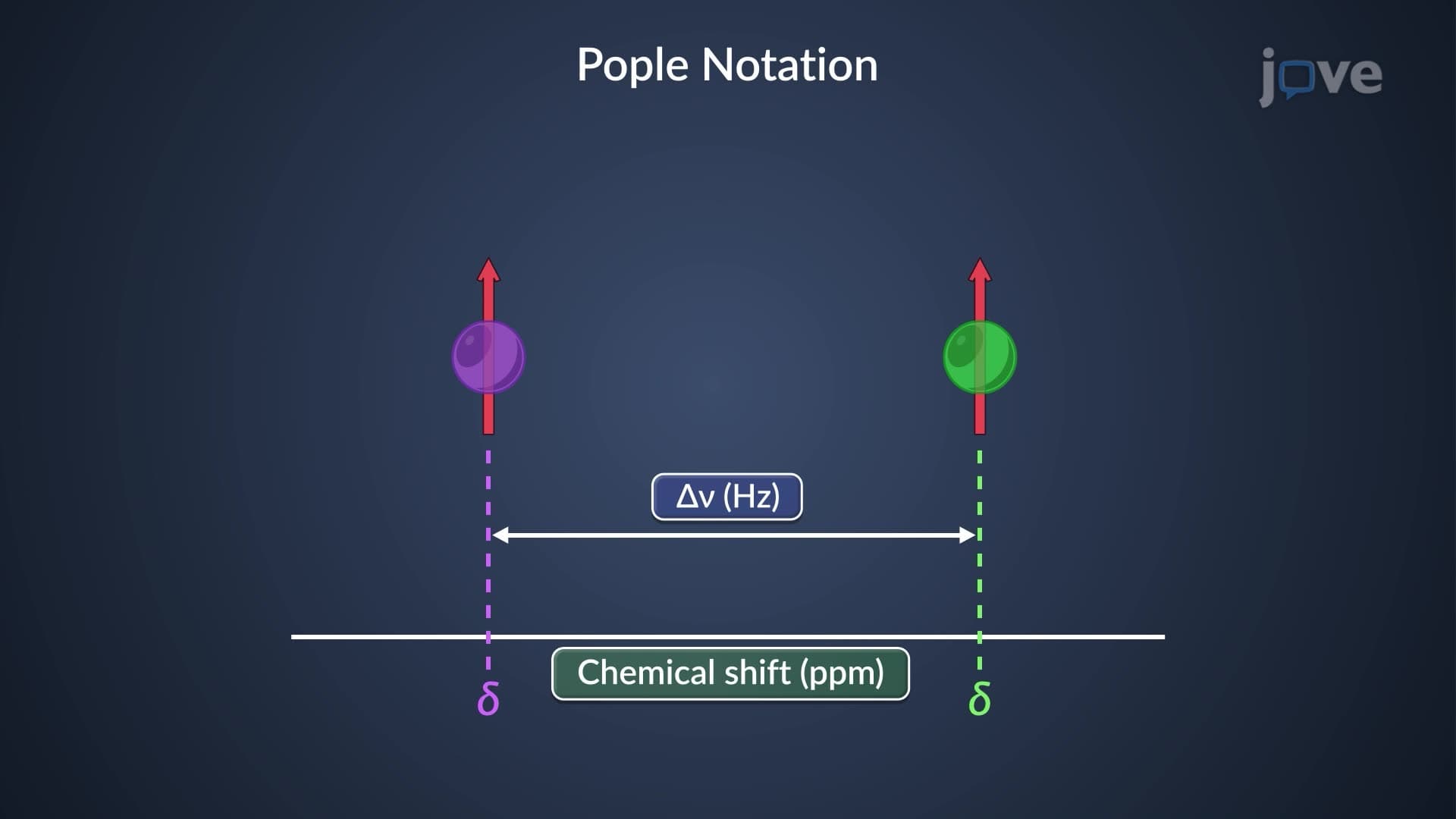
The spin spin coupling constant, denoted as J and measured in hertz (Hz), represents the magnetic interaction between nuclear spins through intervening bonds. Unlike chemical shifts that depend on magnetic field strength, J values remain constant regardless of spectrometer power-making them invaluable for structural determination in organic chemistry courses at institutions like Stanford and Harvard.
Mechanism of J Coupling in NMR Spectroscopy
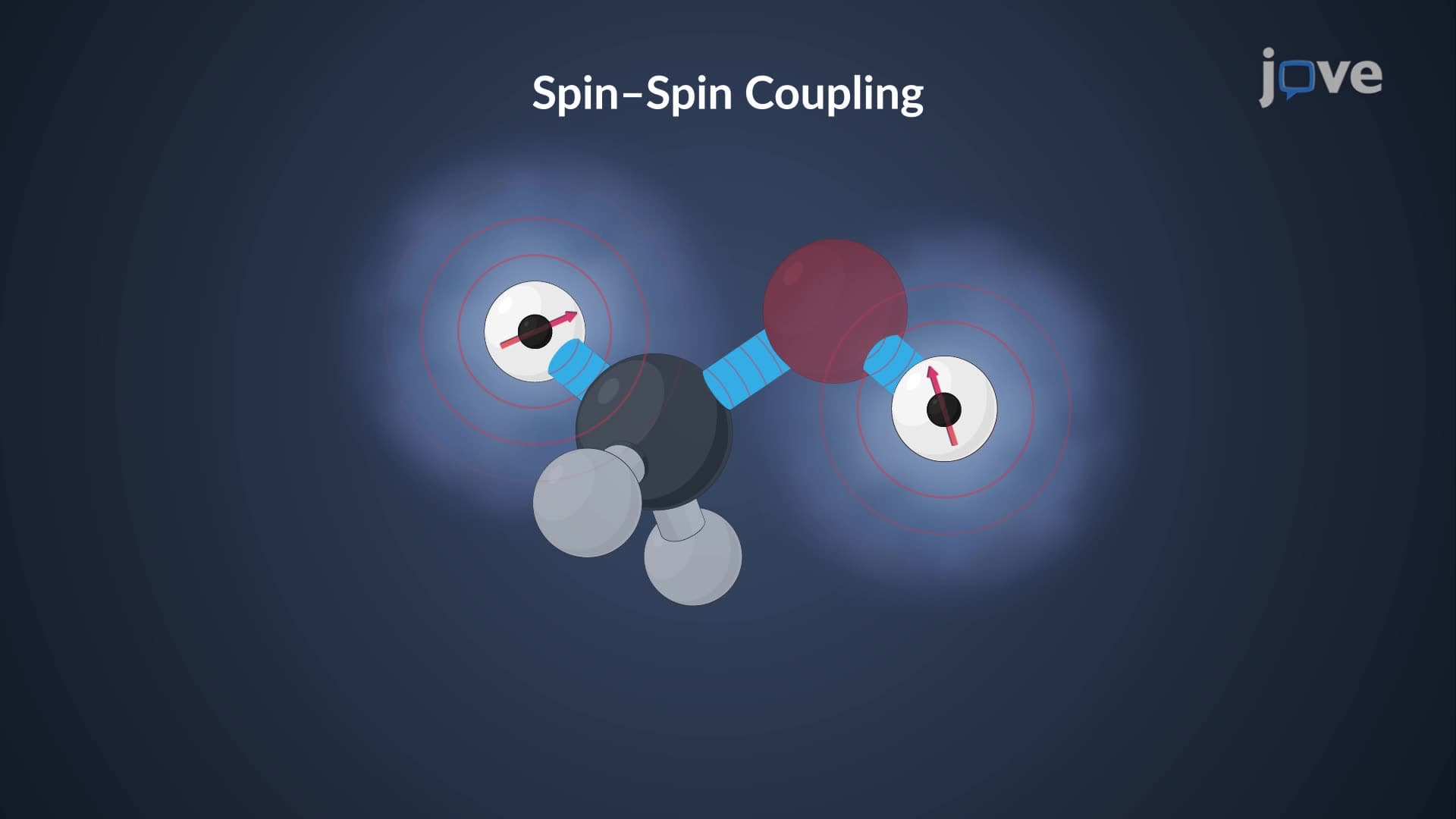
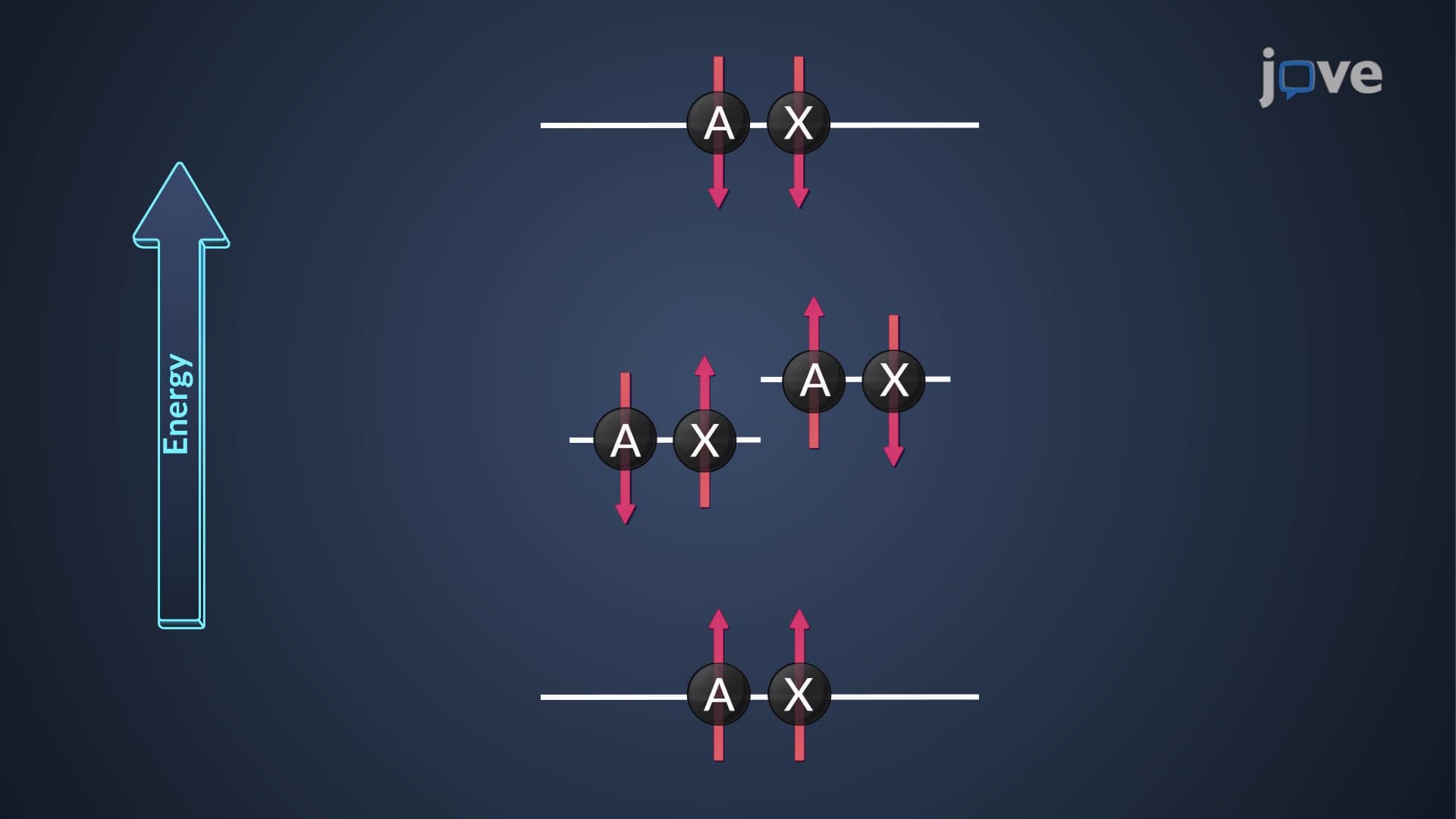
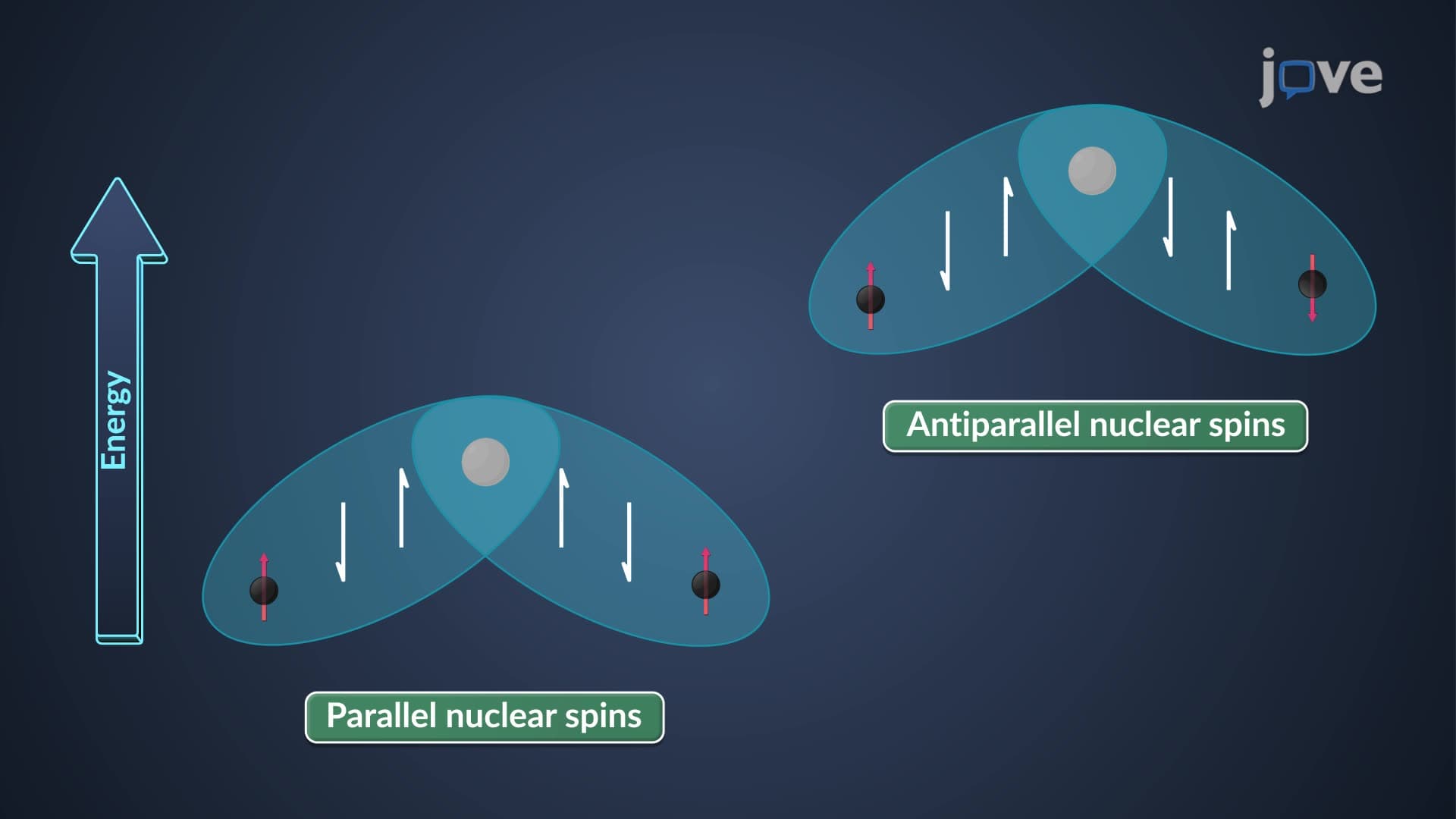
J coupling constant NMR interactions occur through electron-mediated spin polarization. When a proton adopts a specific spin state, it influences the spin orientation of bonding electrons, which subsequently affects neighboring nuclei. This effect typically extends 2-4 bonds away, creating characteristic splitting patterns essential for AP Chemistry and MCAT preparation.
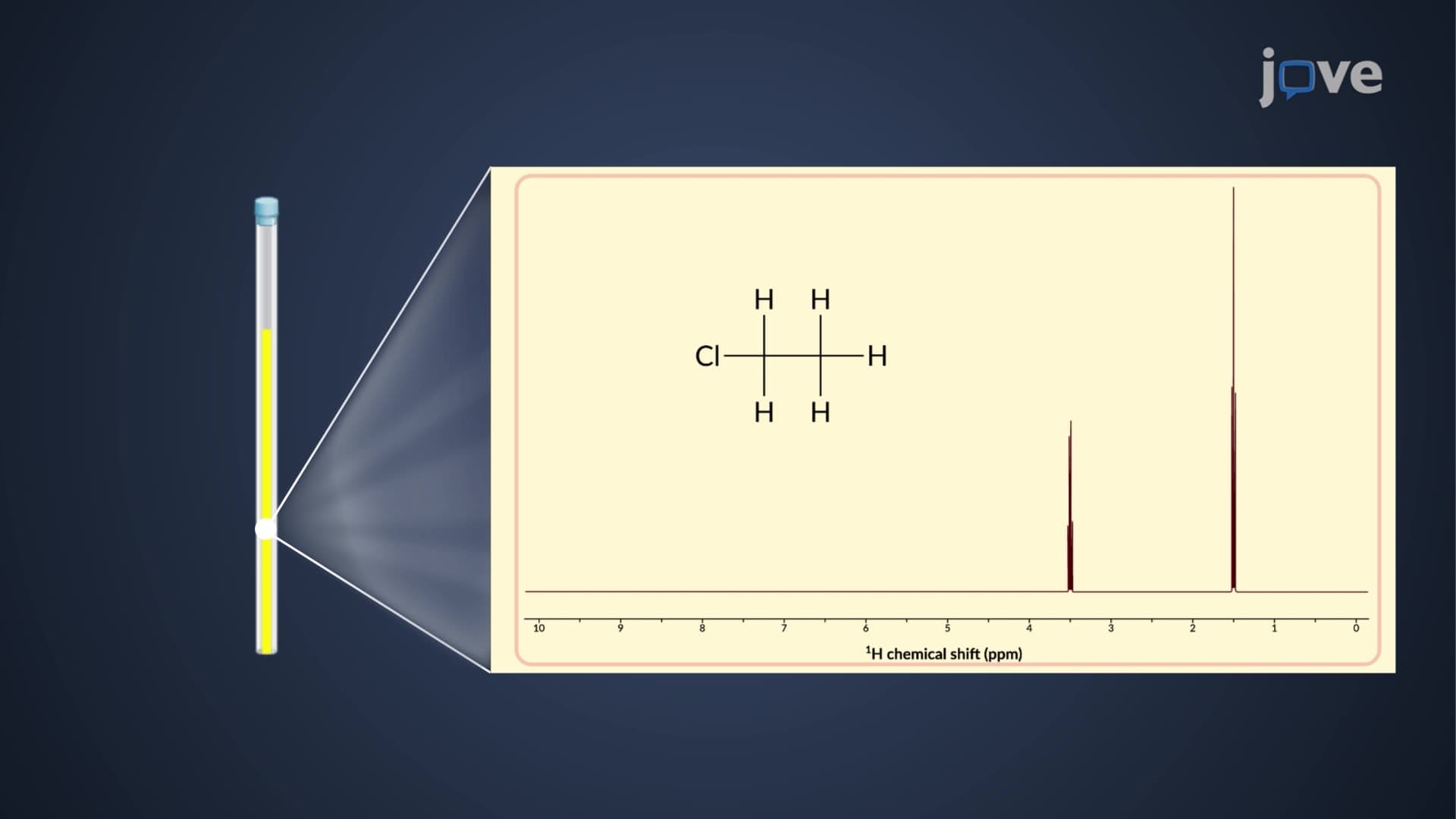
In bromoethane, the coupling mechanism operates through the C-C bond. The methyl protons (CH₃) couple with methylene protons (CH₂) across three bonds, producing a J value of 7.2 Hz. This coupling constant measurement enables chemists to determine molecular connectivity without additional experiments.
Types and Magnitudes of Coupling Constants
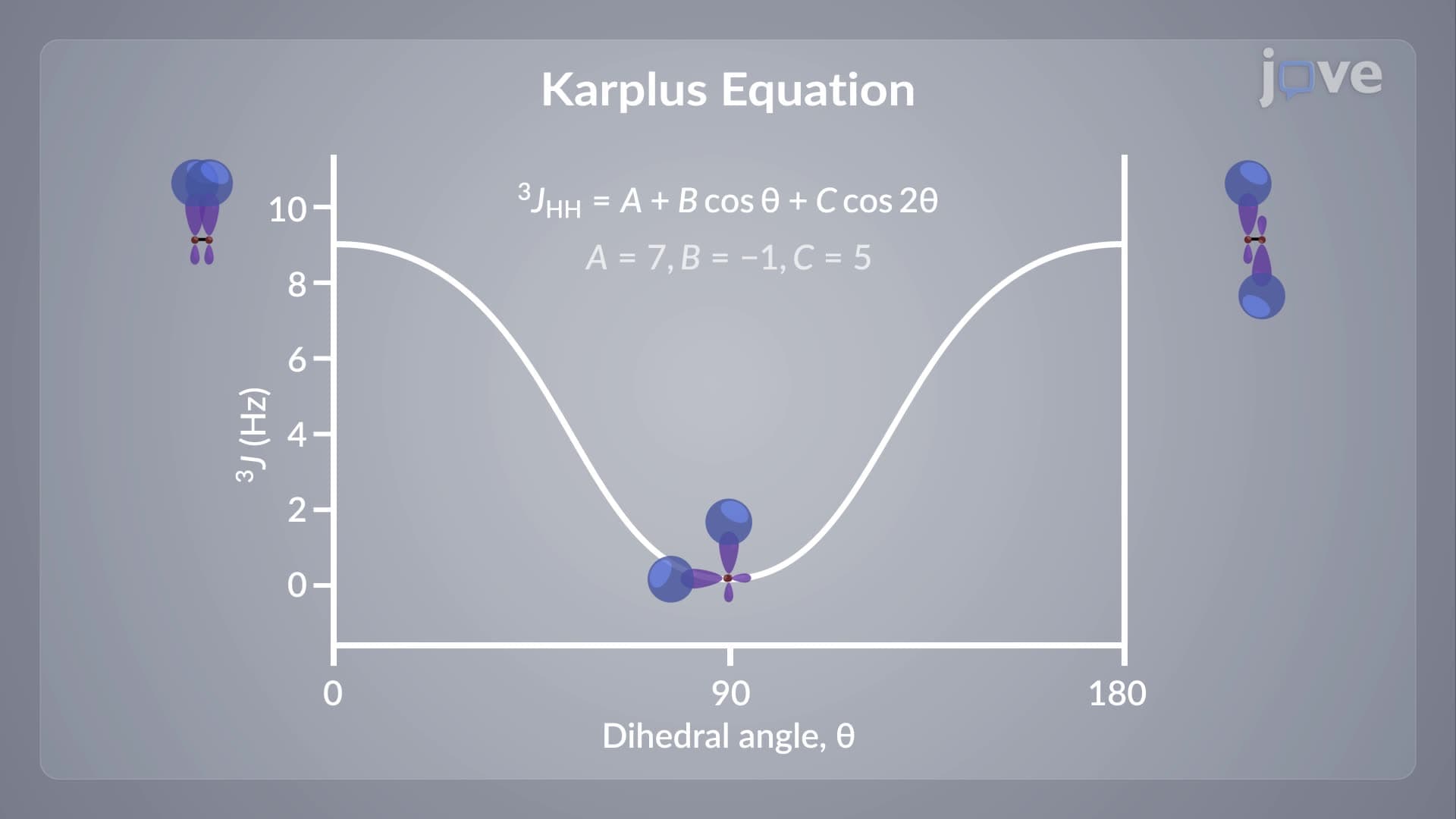
Geminal coupling occurs between protons on the same carbon atom, typically showing J values of 10-20 Hz. Vicinal coupling happens between protons on adjacent carbons, usually ranging 6-8 Hz for alkyl chains. These distinctions prove crucial for college organic chemistry exams and pharmaceutical research applications.
Long-range coupling can extend beyond three bonds in aromatic systems and alkenes, with J coupling magnitude NMR values decreasing with distance. Understanding these patterns helps students excel in advanced chemistry coursework and graduate school entrance exams.
Practical Applications in Structure Determination
Coupling constant determination serves as a powerful tool in drug discovery and quality control laboratories across the pharmaceutical industry. Companies like Pfizer and Merck routinely use J values to confirm synthetic compound structures and detect impurities.
For academic success, students should practice interpreting coupling patterns in complex molecules, as this skill frequently appears on standardized tests and laboratory practical exams throughout undergraduate chemistry programs.
Frequently Asked Questions
The spin spin coupling constant (J) measures how strongly neighboring protons influence each other's NMR signals, creating splitting patterns like doublets and triplets. It's expressed in hertz and remains constant regardless of magnetic field strength, making it a reliable structural fingerprint.
Measure the distance in Hz between adjacent peaks in a multiplet using the spectrum's scale. For a doublet, J equals the peak separation; for more complex patterns, measure between any two adjacent lines within the same multiplet.
Chemical shift (ppm) indicates the electronic environment around a proton and changes with field strength, while J coupling (Hz) measures proton-proton interactions and stays constant. Both appear on AP Chemistry FRQs requiring NMR interpretation.
Professors use J values to test structural reasoning skills, as coupling patterns reveal molecular connectivity. Students who master coupling constant analysis typically score higher on midterms and finals at competitive universities.
Drug companies like Johnson & Johnson use J values for quality control, confirming that synthesized compounds match expected structures. This prevents costly manufacturing errors and ensures patient safety in medications.
While the quantum mechanics seems complex, the practical application follows simple patterns-more neighboring protons create more signal lines. Focus on memorizing common splitting patterns rather than theoretical details.
Practice with real NMR spectra from textbooks, create flashcards linking splitting patterns to proton counts, and work through structure determination problems. Many students find drawing molecular structures while analyzing spectra particularly helpful.
Yes, graduate-level courses and research positions require understanding 4-bond and 5-bond coupling, especially in aromatic and alkene systems. This knowledge proves essential for medicinal chemistry and natural product synthesis careers.
Related Micro-courses

17 Concepts
24 Concepts

27 Concepts