Loading subject page…

- Anatomy and Physiology
- Cells and Their Components
- What are Cells?
Micro-course: Cells and their Components
74,359 views
Learn key concepts and earn your certificate.



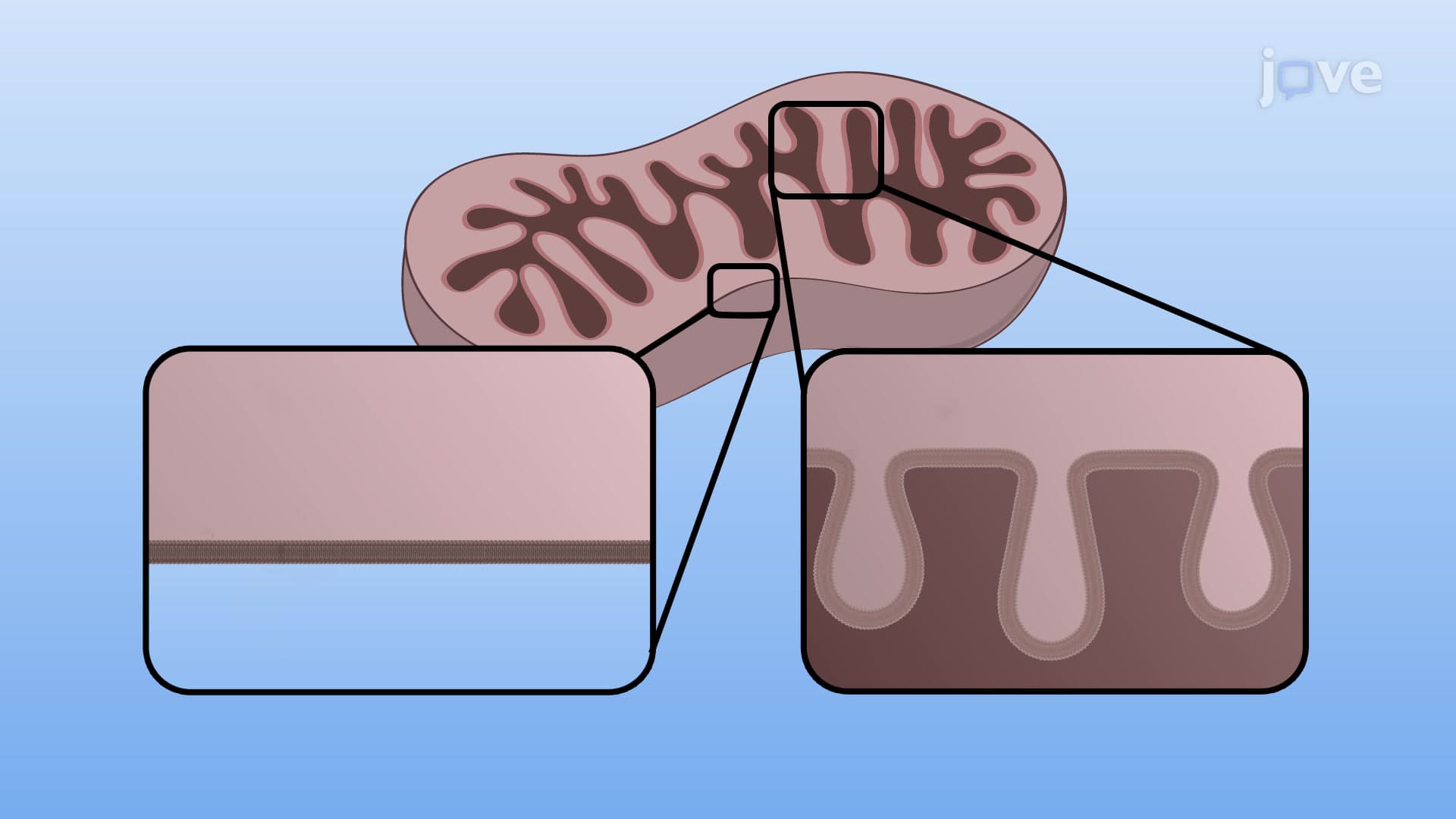
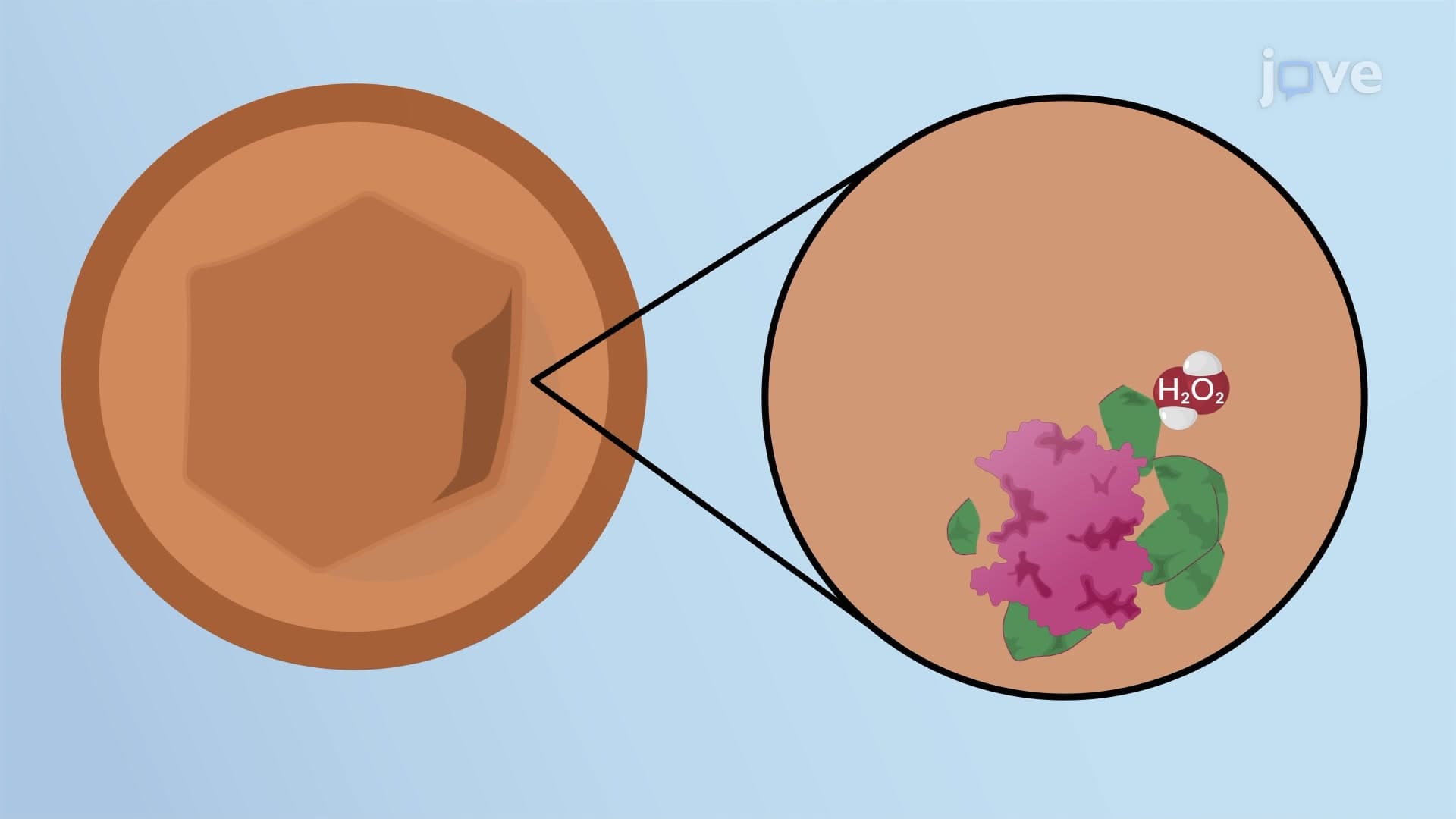
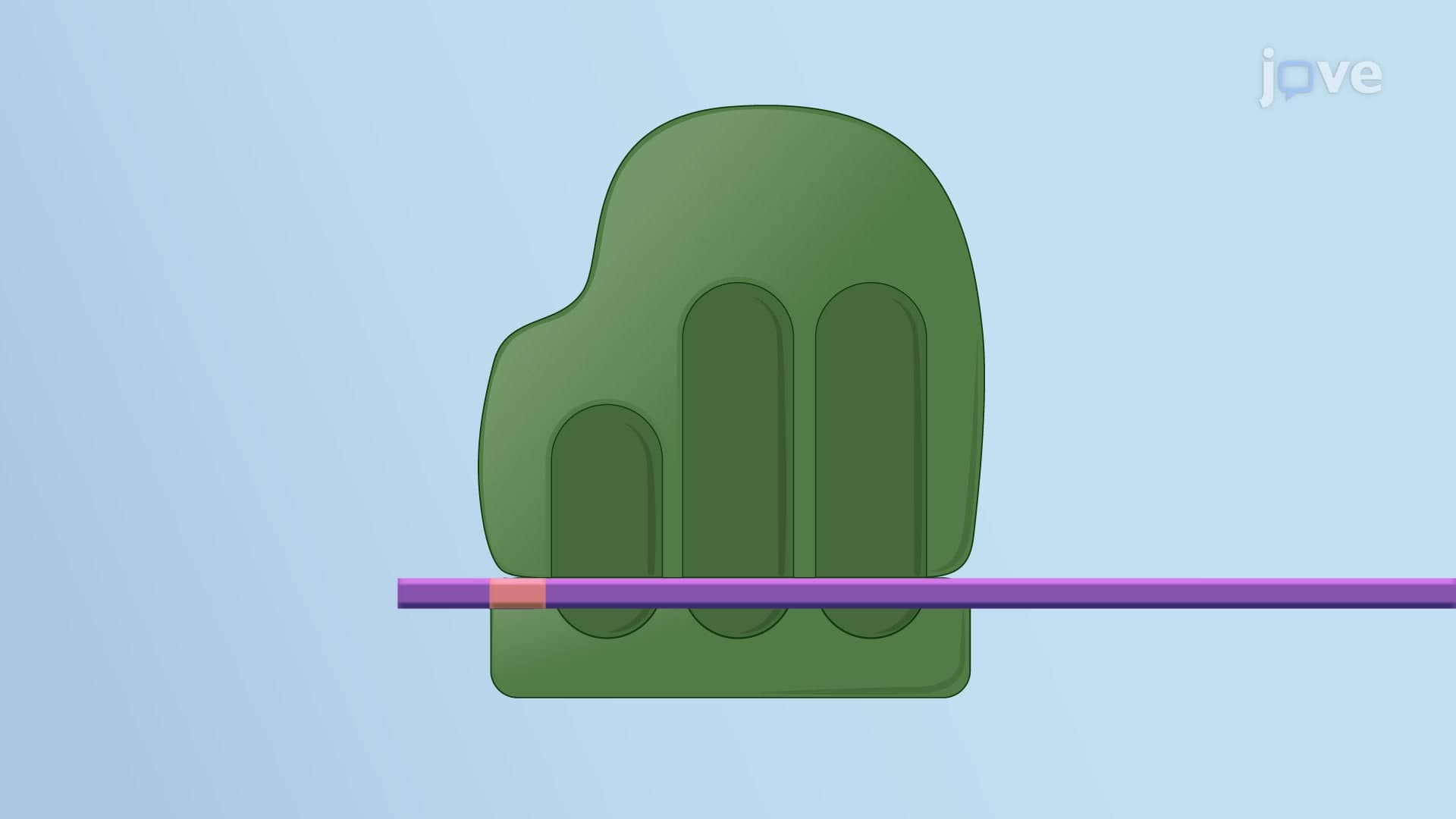
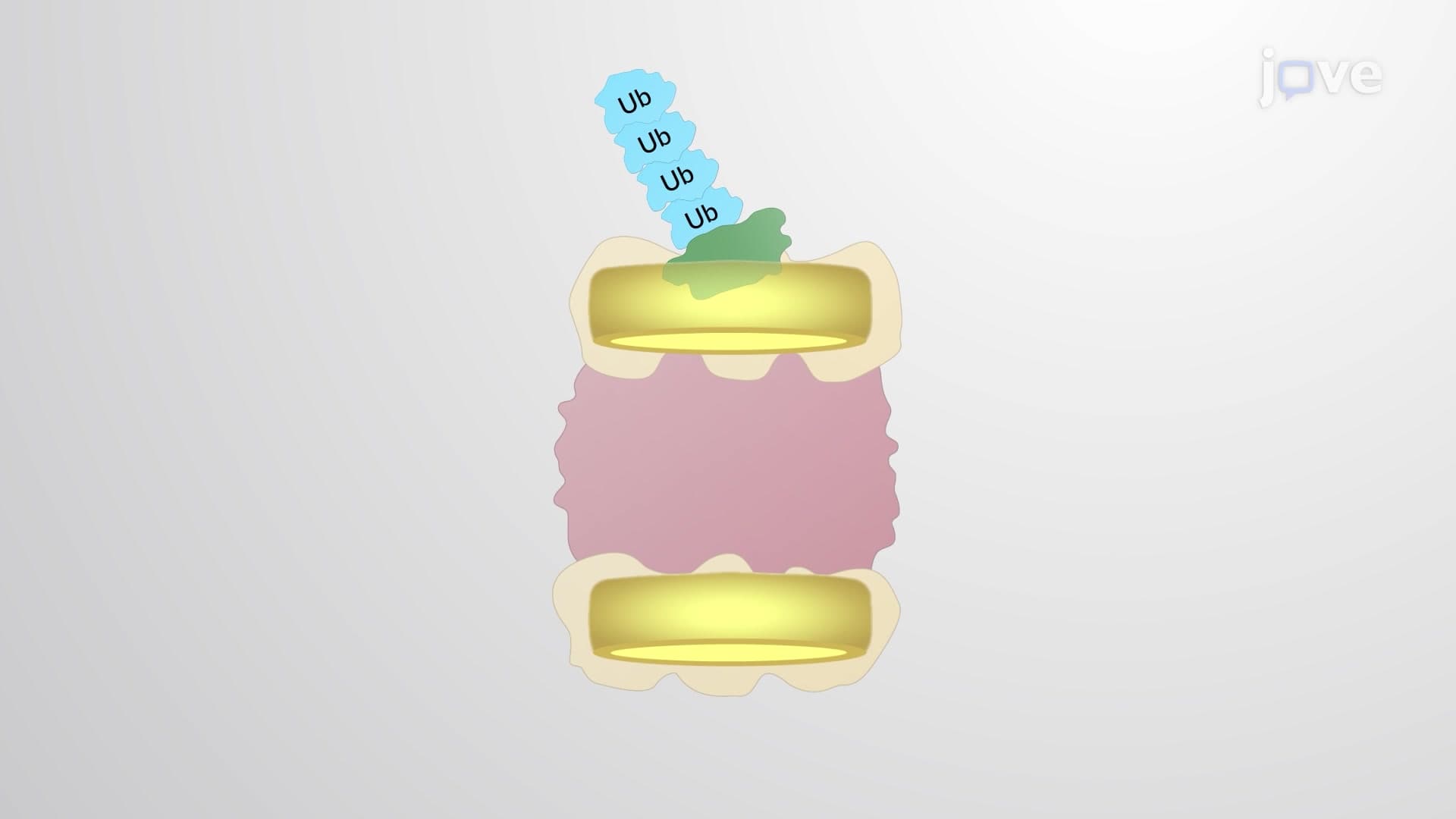
What are Cells?

00:00
01:15
Video Summary: What are Cells Structure Types and Functions
Your body contains approximately 37 trillion cells working together right now to keep you alive! Understanding cell structure types functions begins with recognizing that cells are the fundamental building blocks of all life on Earth. From the neurons firing in your brain to the muscle cells contracting in your heart, every biological process depends on cellular activity. The Mayo Clinic's groundbreaking cancer research relies heavily on understanding how normal cell division becomes disrupted in malignant tumors. Watch the full video on JoVE Coach to master this concept with expert-led visuals and step-by-step explanations.
- Understand what are cells structure types and functions as the fundamental units of life and their role in all biological processes
- Identify the three core principles of cell theory and explain how they apply to living organisms
- Compare prokaryotic and eukaryotic cell structures, highlighting key differences in organization and complexity
- Analyze the relationship between cell structure and function across different cell types
- Recognize common cellular components including plasma membrane, cytoplasm, and genetic material
- Apply knowledge of cell biology to understand disease processes like cancer and genetic disorders
- Evaluate how historical discoveries in cell biology shaped modern medical and biotechnology advances
- Explore real-world applications of cell biology in medical research, drug development, and biotechnology industries
Understanding Cell Structure Types Functions: The Foundation of Life
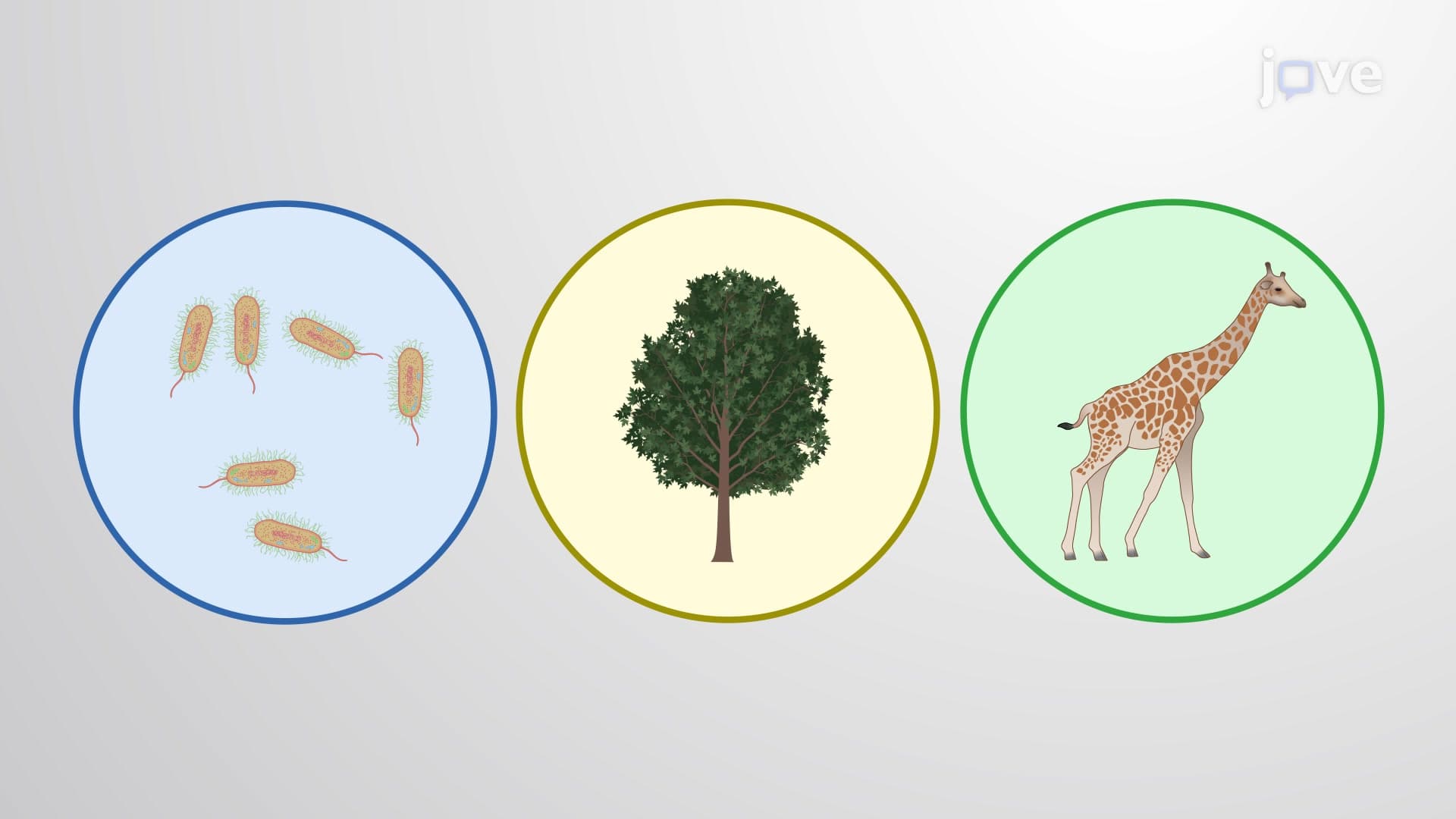
Cells explained biology starts with a fundamental truth: every living thing, from the smallest bacterium to the largest whale, is composed of one or more cells. This concept forms the cornerstone of biological sciences and directly impacts fields ranging from medicine to biotechnology. Students preparing for AP Biology or college-level anatomy courses must grasp that cells represent the smallest units capable of independent life.
The Three Pillars of Cell Theory
Cell theory, established in the 19th century, rests on three essential principles that continue to guide modern biology. First, all living organisms consist of one or more cells. Second, cells arise only from pre-existing cells through division processes. Third, cells contain and pass on hereditary material to their offspring. These principles explain phenomena from bacterial reproduction to human inheritance patterns, making them crucial for MCAT preparation and upper-level biology courses.
Prokaryotic vs Eukaryotic Cell Architecture
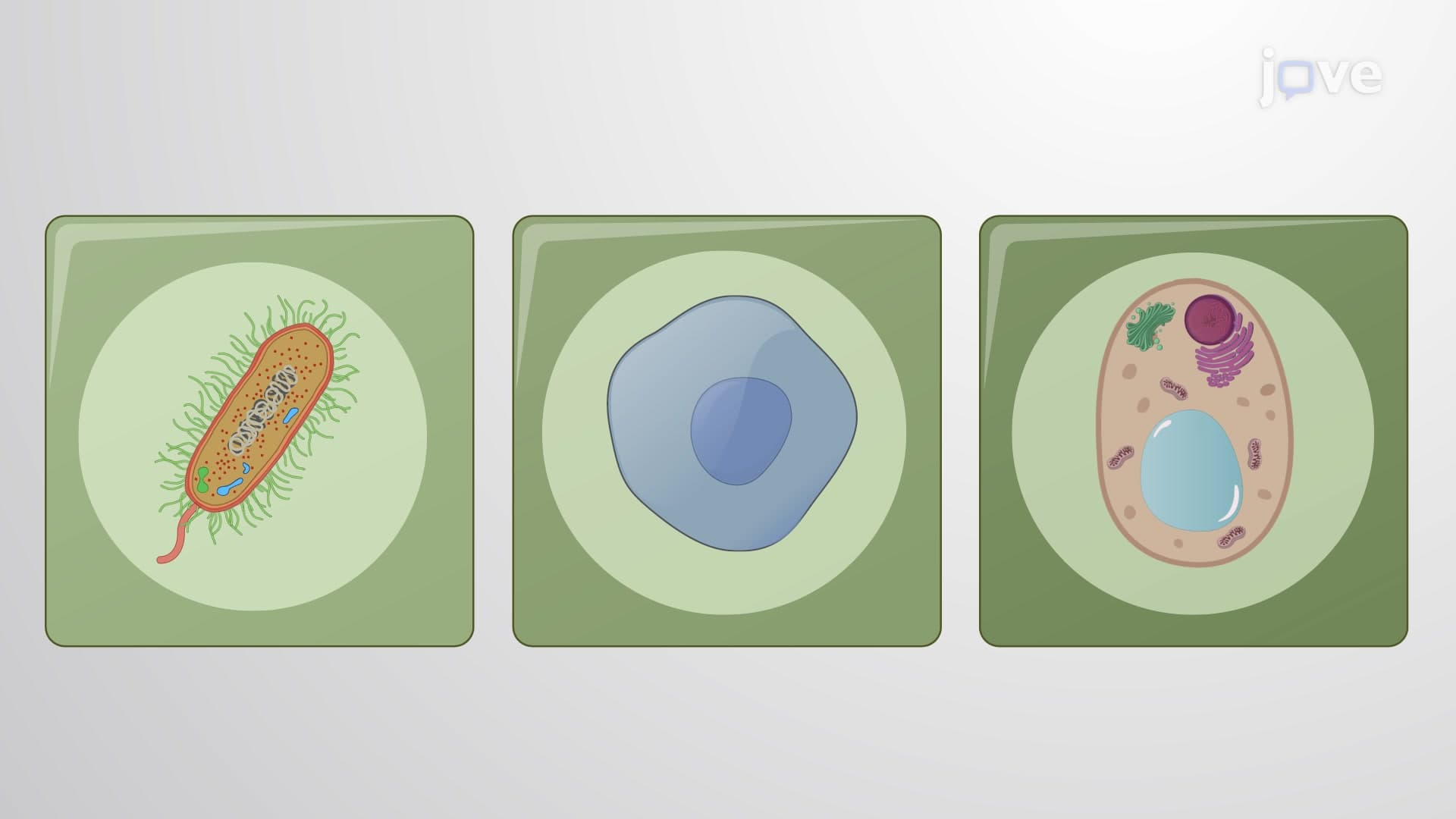
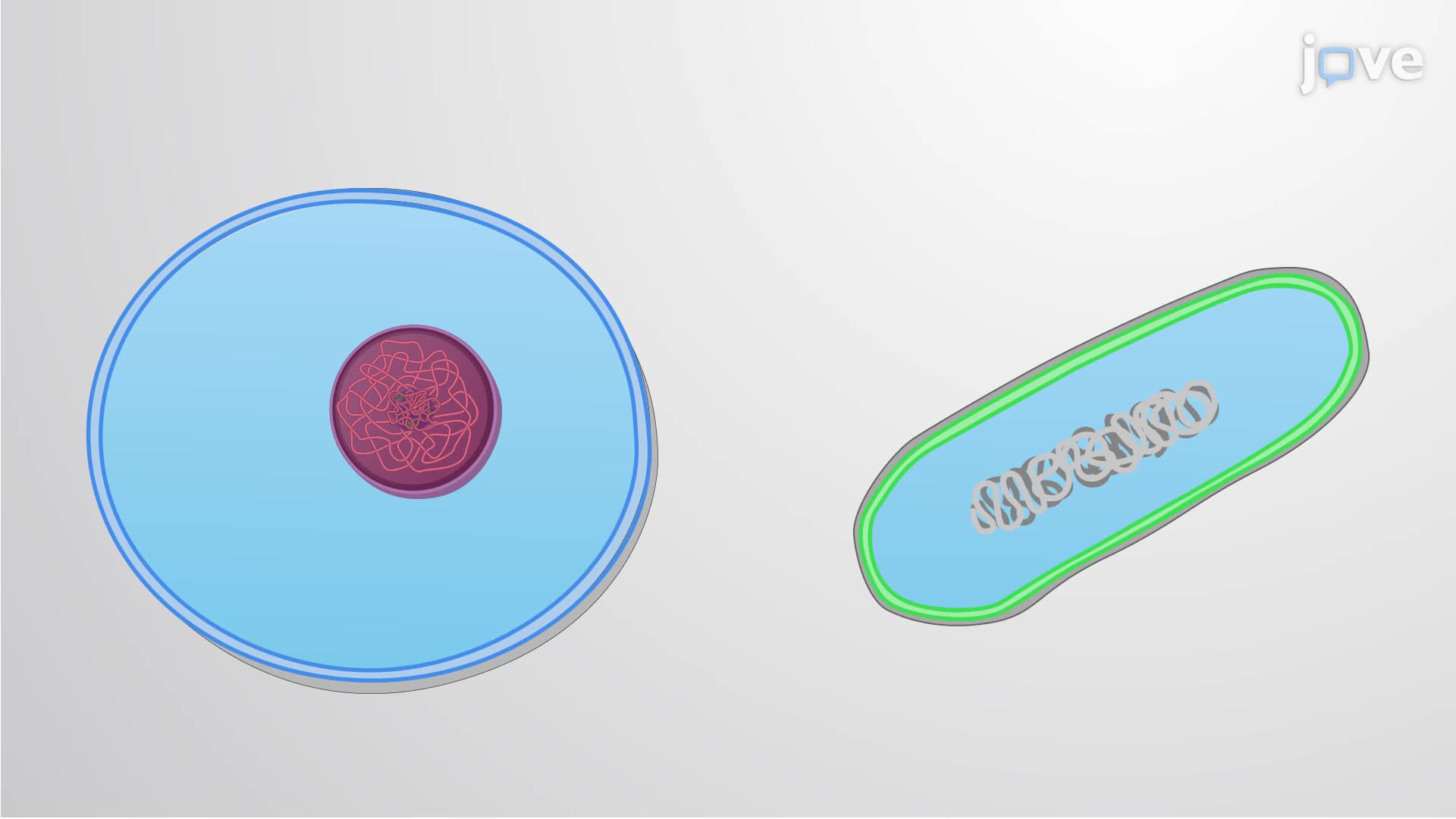
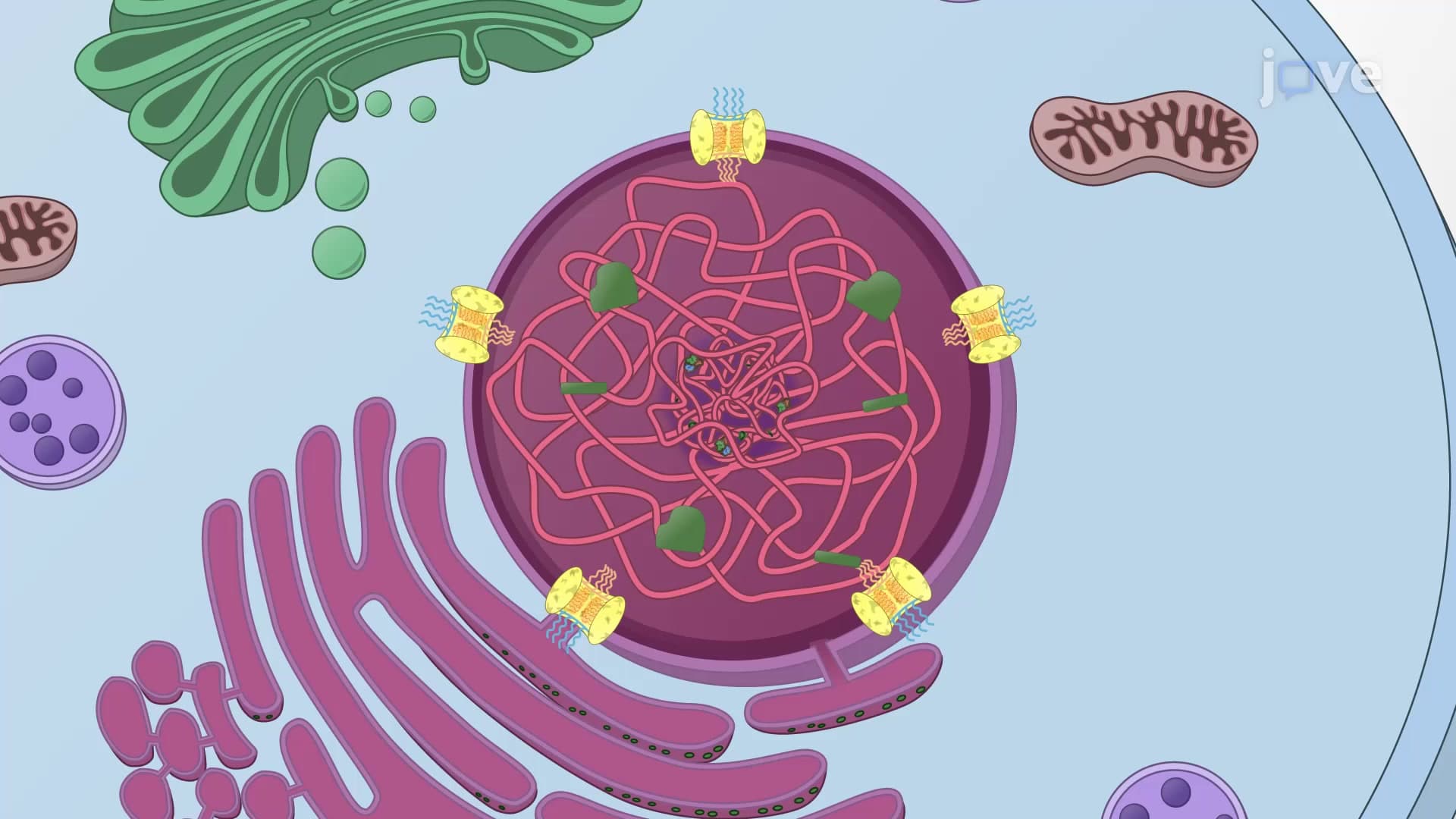
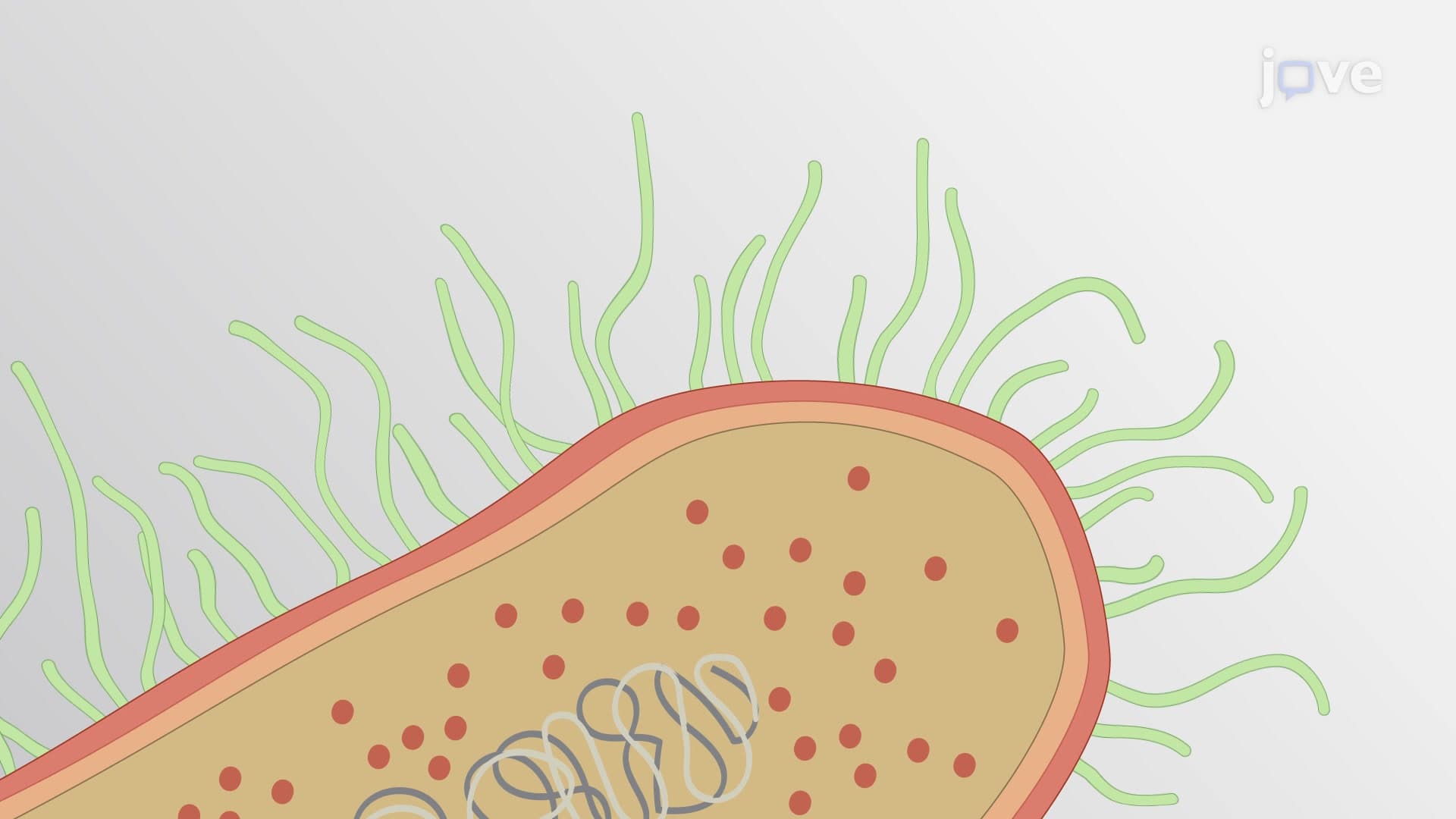
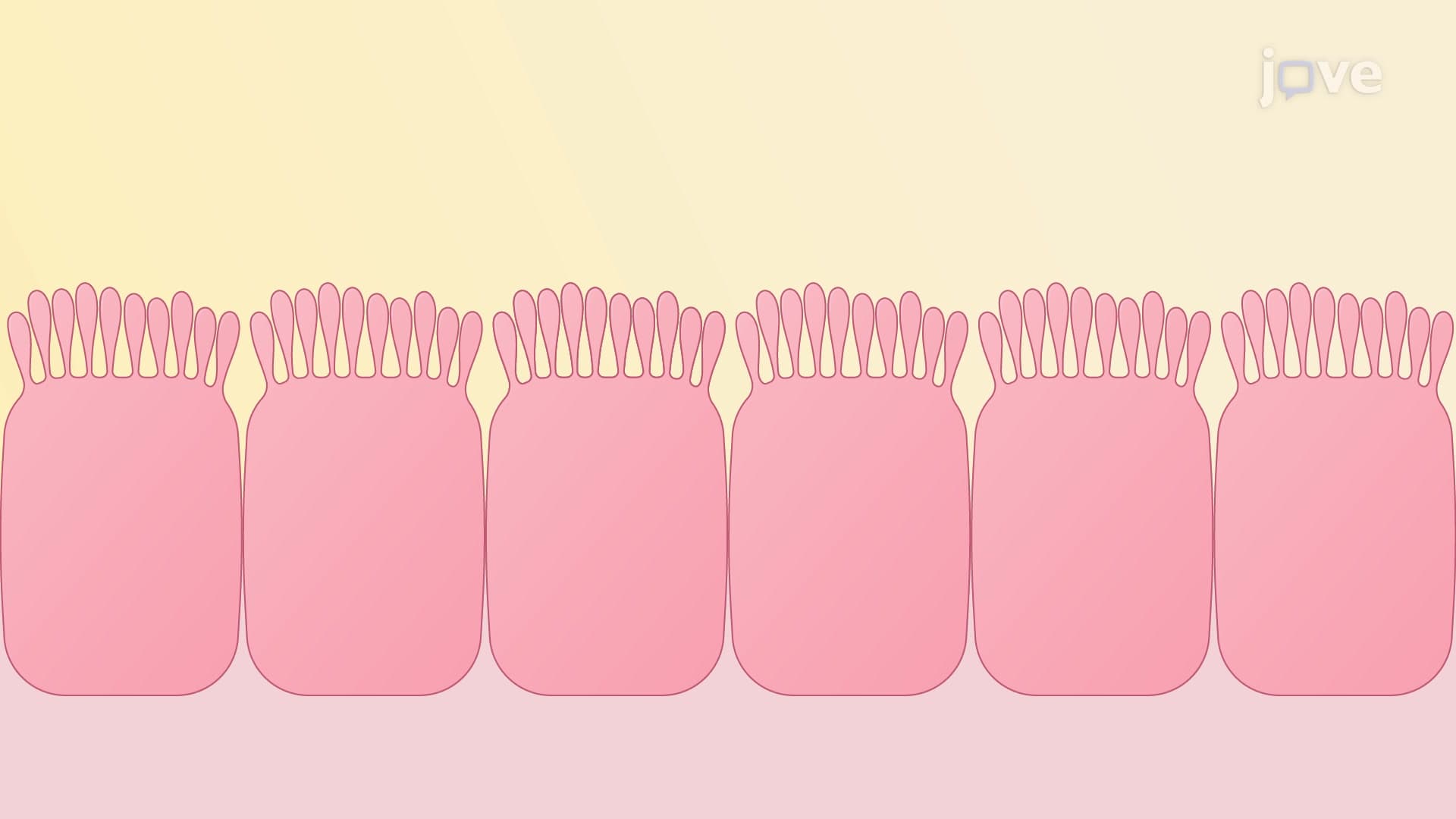
The distinction between prokaryotic eukaryotic cell types represents one of biology's most fundamental classifications. Prokaryotic cells, found in bacteria and archaea, lack membrane-bound organelles and maintain their genetic material freely within the cytoplasm. Conversely, eukaryotic cells-present in plants, animals, fungi, and protists-house their DNA within a membrane-bound nucleus and contain specialized organelles. The University of California system's research facilities extensively study these differences to understand evolutionary relationships and develop targeted medical treatments.
Real-World Applications in American Healthcare and Research
Understanding cell organelle function directly impacts modern medicine and biotechnology. The National Institutes of Health (NIH) funds extensive research into cellular mechanisms underlying diseases like Alzheimer's, where neuronal cell dysfunction leads to cognitive decline. Pharmaceutical companies like Pfizer and Moderna leverage cellular biology knowledge to develop vaccines and therapeutics. Cancer treatment centers across the United States, including MD Anderson and Johns Hopkins, base their therapies on understanding how normal cellular growth controls become disrupted in malignant cells.
Frequently Asked Questions
Cells are the smallest living units that make up all organisms, from bacteria to humans. They come in two main types: prokaryotic (without a nucleus) and eukaryotic (with a nucleus), each performing essential functions like metabolism, reproduction, and response to environment. Every cell contains a protective membrane, genetic material, and cytoplasm where chemical reactions occur.
AP Biology extensively tests cell structure, function, and processes, comprising roughly 25% of the exam content. Students encounter multiple-choice questions about organelle functions and free-response questions requiring explanations of cellular processes like photosynthesis and cellular respiration. The exam emphasizes connecting molecular mechanisms to broader biological concepts.
The MCAT Bio/Biochem section heavily emphasizes membrane structure, cellular metabolism, and organelle functions. Test-takers must understand how cells maintain homeostasis, process energy, and respond to environmental changes. Questions often integrate cellular concepts with organ system physiology and biochemical pathways.
American cancer centers like Memorial Sloan Kettering use cellular biology to develop targeted therapies that specifically attack cancer cells while sparing healthy tissue. Understanding how normal cell division controls fail in cancer allows doctors to design treatments that restore proper cellular function or eliminate malignant cells through apoptosis.
Cell biology builds naturally from basic chemistry concepts most students already understand. While the vocabulary may seem overwhelming initially, the fundamental principles follow logical patterns that become clearer with practice. Visual aids and microscopy labs help students connect abstract concepts to observable structures.
Create detailed diagrams labeling organelles and their functions, then practice drawing them from memory. Use active recall by explaining cellular processes aloud, and connect structure to function for each component. Focus on understanding how organelles work together rather than memorizing isolated facts.
Cell biology foundations support advanced topics like molecular biology, genetics, immunology, and neuroscience. Pre-med students build on cellular concepts in biochemistry and physiology courses, while those interested in research often pursue cellular and molecular biology specializations in graduate programs.
Medical schools integrate cellular concepts throughout anatomy, physiology, and pathology courses. Students learn how cellular dysfunction causes diseases, how medications work at the cellular level, and how diagnostic tests detect cellular abnormalities. This knowledge proves essential for understanding patient conditions and treatment mechanisms.
Related Micro-courses

15 Concepts
16 Concepts
26 Concepts