Loading subject page…

Micro-course: Cells and their Components
74,359 views
Learn key concepts and earn your certificate.



Lysosomes

00:00
01:31
Video Summary: What are Lysosomes
Ever wonder how your cells take out the trash and recycle damaged parts? Lysosomes explained biology reveals these tiny organelles as cellular recycling centers containing powerful digestive enzymes. What are lysosomes? They're membrane-bound compartments that break down waste, worn-out organelles, and harmful invaders like bacteria. For example, when someone has Tay-Sachs disease, defective lysosomes can't properly digest cellular waste, leading to dangerous accumulation. Watch the full video on JoVE Coach to master this concept with expert-led visuals and step-by-step explanations.
- Understand what are lysosomes and identify their key structural features as membrane-bound organelles containing hydrolytic enzymes
- Analyze lysosome function in cell biology, including their role in breaking down proteins, lipids, nucleic acids, and carbohydrates
- Recognize the importance of lysosomal enzyme digestion in maintaining cellular homeostasis and preventing waste accumulation
- Evaluate the relationship between autophagy lysosome processes and cellular recycling mechanisms
- Apply knowledge of lysosome pH acidic conditions to explain optimal enzyme function and cellular digestion
- Identify how waste digestion lysosome activity protects cells from harmful pathogens and damaged components
- Explore the connection between lysosomal storage disease conditions and defective enzyme function
- Compare normal lysosomal function with disease states like Tay-Sachs and Gaucher disease
Understanding What Are Lysosomes: Cellular Waste Management Systems
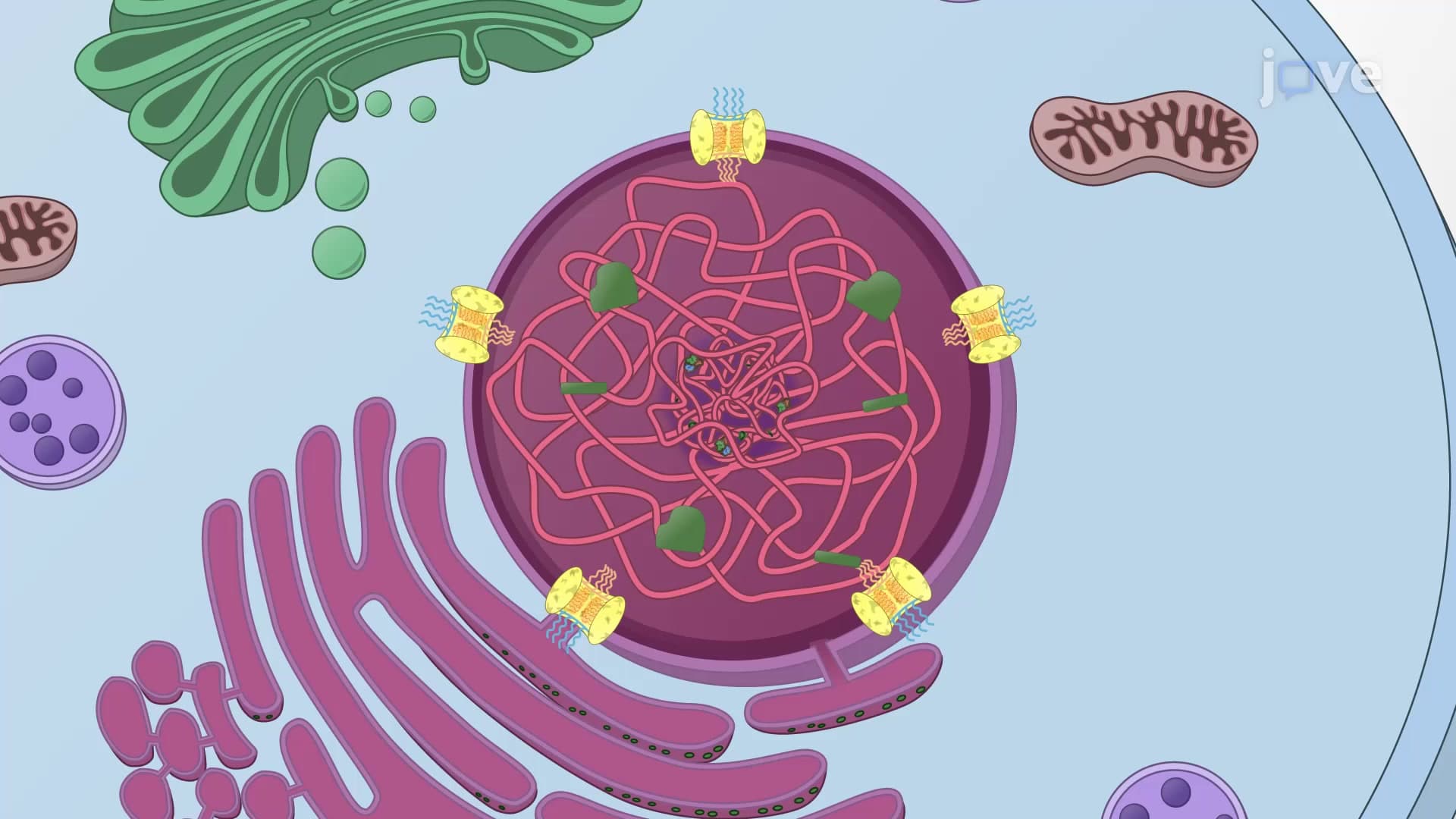
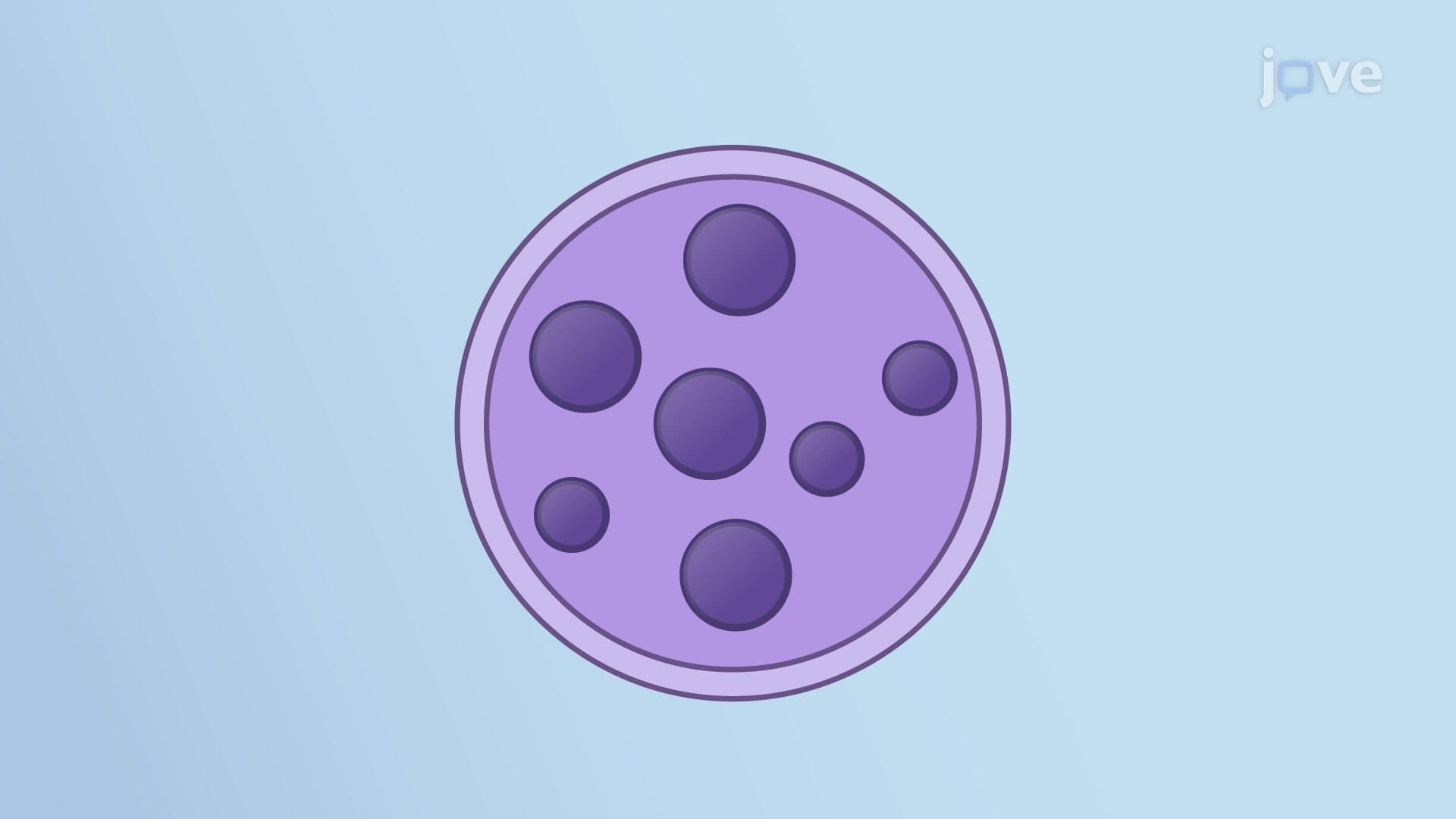
Lysosomes explained biology begins with recognizing these organelles as specialized compartments that function like microscopic recycling plants. Each lysosome is surrounded by a single membrane and filled with over 60 different hydrolytic enzymes capable of breaking down virtually any biological molecule. Think of lysosomes as cellular janitors equipped with powerful cleaning supplies-but instead of mops and detergent, they use enzymes and acid.
Lysosome Function in Cell Biology: Multiple Critical Roles
The lysosome function in cell biology extends far beyond simple waste disposal. These organelles participate in autophagy, where they digest worn-out mitochondria, damaged proteins, and other cellular debris. During phagocytosis, lysosomes fuse with vesicles containing bacteria or viruses, creating a hostile environment where lysosomal enzyme digestion destroys potential threats. This process is crucial for immune system function-when white blood cells engulf harmful bacteria, lysosomes provide the digestive power to eliminate the invaders.
The Science Behind Lysosome pH Acidic Environment
The lysosome pH acidic conditions (typically pH 4.5-5.0) are maintained by proton pumps that actively transport hydrogen ions into the organelle. This acidic environment is essential because lysosomal enzymes, called acid hydrolases, only function optimally at low pH levels. The acidic conditions also help unfold proteins, making them easier targets for enzymatic breakdown. Students preparing for the AP Biology exam should remember this pH requirement-it frequently appears in multiple-choice questions about organelle function.
Clinical Significance and Lysosomal Storage Disease
When waste digestion lysosome systems malfunction, the results can be devastating. Lysosomal storage disease conditions like Tay-Sachs affect approximately 1 in 320,000 births in the general US population, with higher rates among Ashkenazi Jewish populations. In these genetic disorders, missing or defective enzymes cause harmful substances to accumulate in cells, particularly affecting the nervous system. Gaucher disease, another lysosomal storage disorder, affects about 1 in 57,000 people and demonstrates how crucial proper lysosomal function is for cellular health.
Understanding lysosomes is fundamental for students pursuing healthcare careers, as these organelles play roles in drug metabolism, aging processes, and numerous disease mechanisms that appear regularly on MCAT and nursing entrance exams.
Frequently Asked Questions
Lysosomes are membrane-bound organelles containing digestive enzymes that break down cellular waste, damaged organelles, and harmful substances. They're essential for maintaining cellular health by preventing toxic buildup and recycling useful materials. Without functional lysosomes, cells would accumulate dangerous waste products, leading to cellular dysfunction and disease. Think of them as your cell's cleanup crew working 24/7 to keep everything running smoothly.
Lysosomes frequently appear in AP Biology questions about organelle function, cellular transport, and disease mechanisms. The MCAT often tests lysosomal enzyme activity, pH requirements, and their role in genetic disorders. Common question topics include autophagy processes, lysosomal storage diseases, and the relationship between lysosomal function and immune responses. Students should focus on understanding both structure and multiple functions rather than just memorizing definitions.
Lysosomal dysfunction causes storage diseases affecting thousands of Americans annually. For example, children with Tay-Sachs disease experience progressive neurological deterioration because their lysosomes can't break down specific lipids. Gaucher disease patients may develop enlarged organs and bone problems due to accumulated cellular waste. These conditions highlight why understanding lysosomal function is crucial for future healthcare professionals treating genetic disorders.
Basic high school chemistry is sufficient to grasp lysosomal concepts. Understanding pH, enzymes, and membrane structure provides the foundation needed. While advanced biochemistry helps with deeper mechanisms, introductory biology and chemistry courses adequately prepare students for most lysosome-related exam questions. Focus on connecting simple chemical principles to biological processes rather than memorizing complex molecular structures.
Create concept maps connecting lysosomes to related processes like autophagy, phagocytosis, and disease mechanisms. Practice drawing and labeling lysosomal structure while explaining enzyme function and pH requirements. Use real disease examples like Tay-Sachs to remember functional importance. Focus on understanding cause-and-effect relationships rather than isolated facts, as exam questions often test application of knowledge to new scenarios.
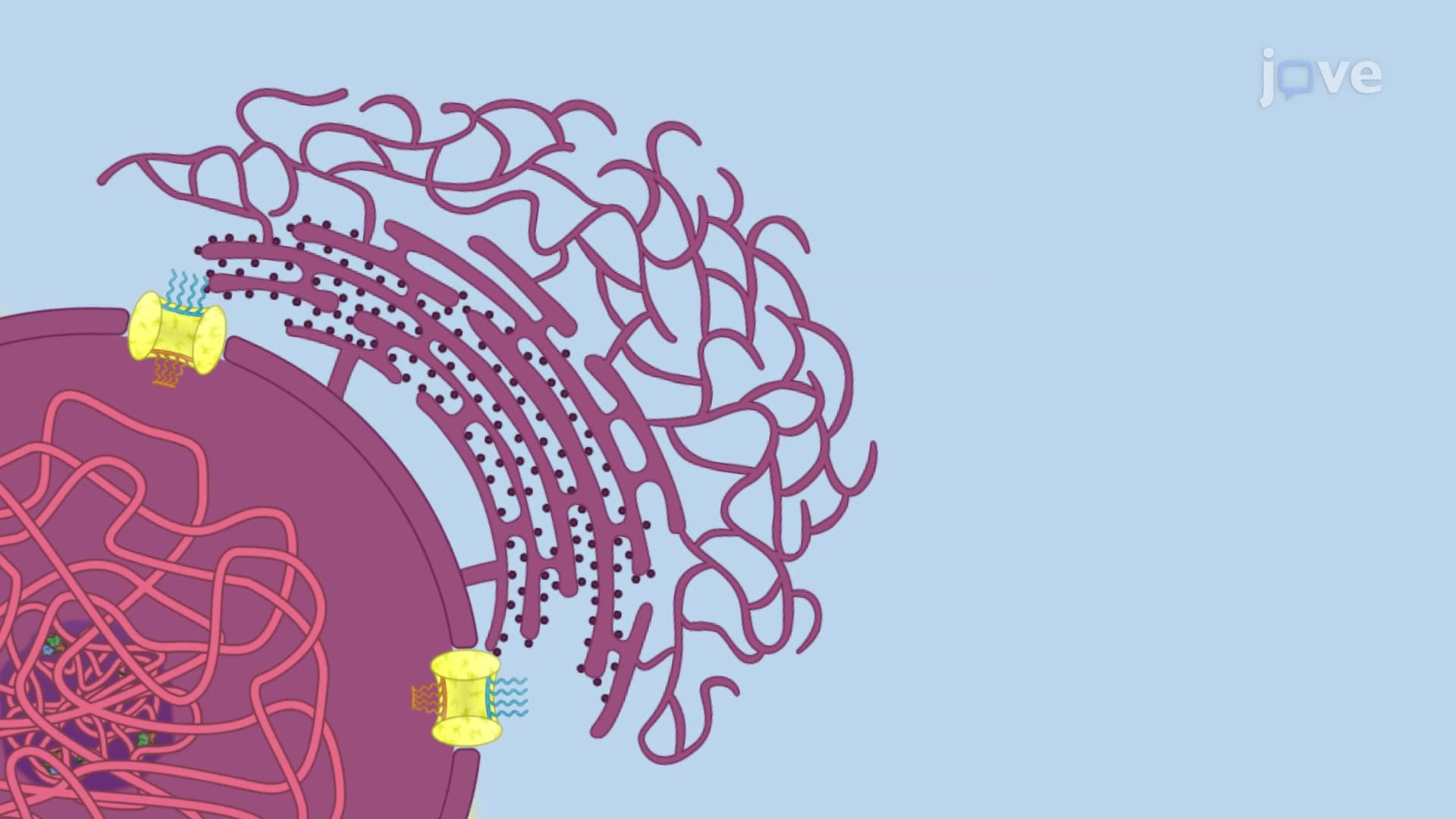
Lysosomes work closely with the endoplasmic reticulum and Golgi apparatus, which produce and modify lysosomal enzymes. They interact with mitochondria during autophagy and with endosomes during phagocytosis. Understanding these relationships helps explain cellular integration and appears frequently on comprehensive exams. Think of lysosomes as part of an interconnected cellular network rather than isolated structures.
Lysosomal research drives development of treatments for storage diseases and cancer therapies. Scientists at institutions like Johns Hopkins and Stanford are developing enzyme replacement therapies and gene therapies for lysosomal disorders. Some cancer treatments target lysosomal pathways to trigger tumor cell death. This active research area offers excellent opportunities for students interested in cell biology, genetics, or medical research careers.
After understanding lysosomes, explore autophagy mechanisms in detail, then study endocytosis and exocytosis pathways. Investigate how other organelles like peroxisomes handle cellular detoxification, and examine apoptosis (programmed cell death) where lysosomes play crucial roles. These interconnected topics frequently appear together on advanced exams and provide comprehensive understanding of cellular maintenance systems.
Related Micro-courses

15 Concepts
16 Concepts
26 Concepts