Loading subject page…

- Anatomy and Physiology
- Cells and Their Components
- Mitochondrial Membranes
Micro-course: Cells and their Components
74,359 views
Learn key concepts and earn your certificate.



Mitochondrial Membranes

00:00
01:45
Video Summary: What are Mitochondrial Membranes
Why do marathon runners' muscles contain thousands more mitochondria than couch potatoes'? The answer lies in mitochondrial membranes explained through their remarkable double-membrane structure that powers every cell in your body. These specialized barriers work like a hydroelectric dam, creating the energy gradient that fuels ATP production in muscle cells during intense exercise like those seen in Boston Marathon runners. What are mitochondrial membranes and how do they generate the cellular energy that keeps us alive? Watch the full video on JoVE Coach to master this concept with expert-led visuals and step-by-step explanations.
- Understand what are mitochondrial membranes and identify their two distinct structural components: the outer membrane and inner membrane
- Analyze the mitochondria membrane structure function relationship, particularly how cristae folding maximizes surface area for ATP synthesis
- Compare the permeability differences between outer and inner mitochondrial membranes and their roles in cellular respiration
- Evaluate how the intermembrane space contributes to proton gradient formation and chemiosmotic ATP production
- Apply knowledge of membrane potential and electron transport chain function to explain oxidative phosphorylation
- Recognize the clinical significance of mitochondrial membrane dysfunction in metabolic diseases and aging
- Explore the connection between membrane dynamics, mitochondrial fission/fusion, and cellular health
- Identify key membrane proteins including ATP synthase, cytochrome complexes, and porins in metabolic processes
Understanding Mitochondrial Membranes: The Cell's Power Plant Architecture
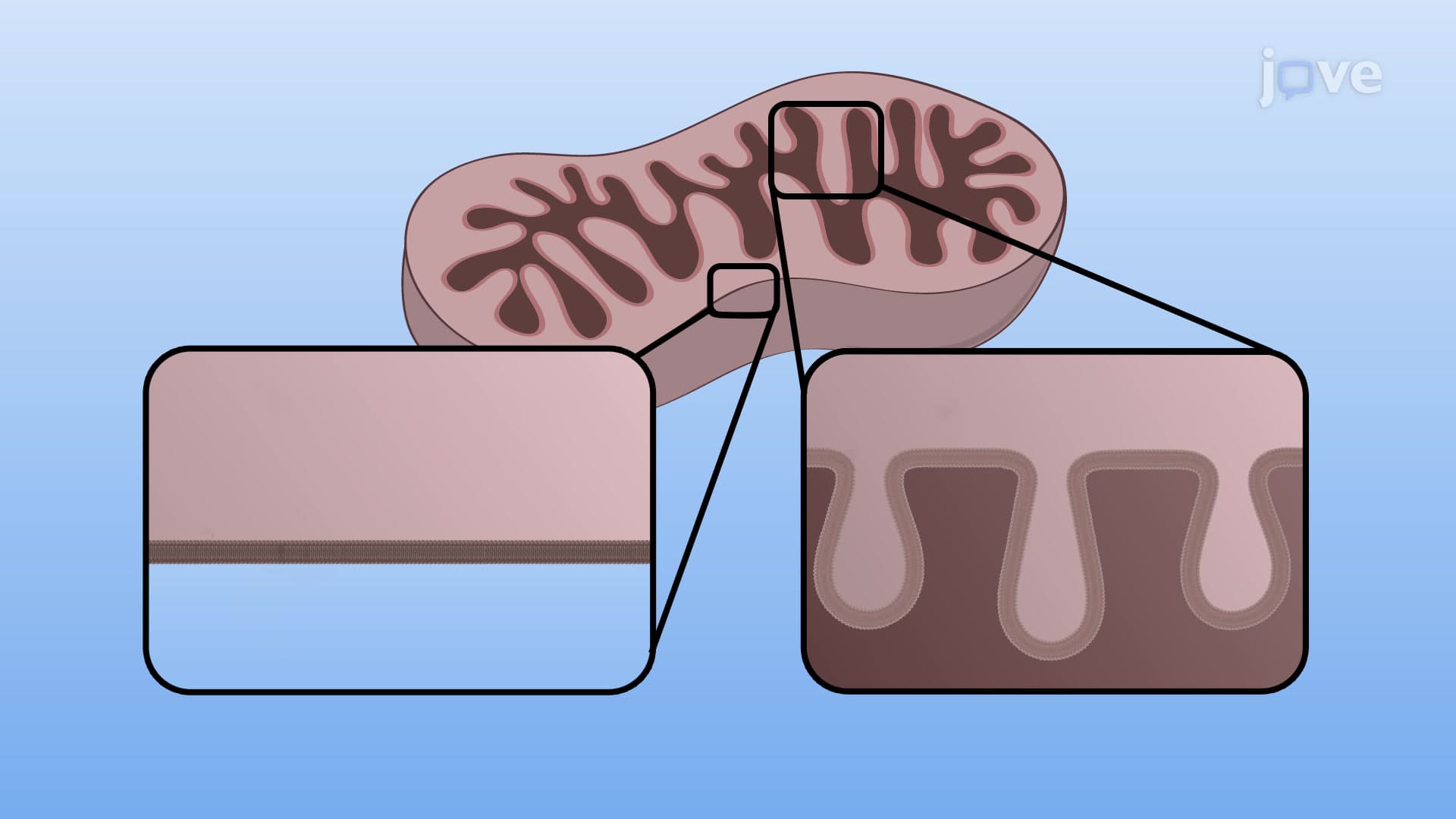
Mitochondrial membranes explained reveals one of biology's most elegant engineering solutions. These organelles possess two functionally distinct membranes that work together like a sophisticated power generation system, similar to how the Hoover Dam uses water pressure differentials to generate electricity for millions of Americans.
Outer Membrane: The Cellular Gateway
The outer membrane mitochondria serves as the organelle's interface with the cytoplasm. This relatively permeable barrier contains porins-protein channels that allow molecules up to 5,000 daltons to pass freely. Think of it like airport security's pre-check lane: most small molecules like glucose, pyruvate, and ions move through easily, while larger proteins require special transport mechanisms. This permeability is crucial for metabolite exchange, allowing substrates for cellular respiration to enter while permitting products to exit.
Inner Membrane: The Energy Conversion Powerhouse
The inner membrane cristae mitochondria represents where the cellular magic happens. Unlike its outer counterpart, this membrane is virtually impermeable to most ions and molecules. Its extensive folding into cristae-imagine the surface area of a crumpled piece of paper versus a flat sheet-increases the available space for energy conversion by up to 5-fold. This is where the electron transport chain membrane complexes (I, II, III, and IV) plus ATP synthase create what biochemists call the "respiratory chain."
Intermembrane Space: The Proton Reservoir
The mitochondrial intermembrane space functions like a battery's positive terminal. As electrons move through the transport chain complexes, protons get pumped from the mitochondrial matrix into this narrow space, creating the membrane potential mitochondria needs for ATP synthesis. This electrochemical gradient-typically around -180mV-drives ATP synthase like water turning a turbine.
Students preparing for AP Biology or college biochemistry exams should focus on understanding how this proton-motive force converts ADP to ATP through chemiosmosis. On the MCAT, expect questions connecting membrane structure to energy yield calculations, particularly comparing aerobic versus anaerobic respiration efficiency.
Clinical Relevance and Real-World Applications
Mitochondrial membrane dysfunction underlies numerous diseases affecting Americans today. Patients with mitochondrial myopathies often show exercise intolerance because their muscle cells cannot generate sufficient ATP. Research at institutions like Johns Hopkins and Mayo Clinic has linked membrane abnormalities to neurodegenerative conditions including Parkinson's disease, where substantia nigra neurons show decreased Complex I activity in their inner mitochondrial membranes.
Frequently Asked Questions
Mitochondrial membranes are two specialized barriers that surround the mitochondria: a permeable outer membrane and a highly selective inner membrane. Cells need both because they work together like a hydroelectric system-the outer membrane allows substrate entry while the inner membrane maintains the proton gradient essential for ATP production through oxidative phosphorylation.
AP Biology frequently tests cristae structure and surface area calculations, electron transport chain organization, and chemiosmosis mechanisms. Expect free-response questions asking you to explain how membrane folding increases ATP yield, compare aerobic vs anaerobic energy production, or analyze experimental data showing membrane potential changes during cellular respiration.
MCAT Biological and Biochemical Foundations heavily emphasize electron transport chain complexes, proton-motive force calculations, and ATP synthase mechanisms. You'll encounter passages linking membrane dysfunction to metabolic diseases, questions about uncoupling proteins, and problems calculating theoretical ATP yields from glucose oxidation through membrane-based processes.
Mitochondrial membrane disorders cause symptoms ranging from muscle weakness to neurological problems, commonly seen in pediatric units at hospitals like Boston Children's and CHOP. Patients may experience exercise intolerance, developmental delays, or organ dysfunction because their cells cannot generate adequate ATP through faulty membrane-based energy conversion systems.
Basic high school chemistry concepts like electrochemical gradients, pH differences, and protein structure provide sufficient foundation. Focus on understanding proton movement, electron flow direction, and how concentration gradients drive ATP synthesis rather than memorizing complex biochemical pathway details.
Create a visual flow chart showing electron movement from NADH through Complexes I-IV to oxygen, with proton pumping at each step. Use mnemonics like "Never Quit Fighting Oxidation" for NADH, CoQ, Cytochrome c, and Oxygen, while connecting each component's location to specific membrane regions.
Progress to cellular respiration integration (glycolysis, citric acid cycle connections), mitochondrial genetics and inheritance patterns, or comparative metabolism across different cell types. Advanced students can explore mitochondrial biogenesis, membrane dynamics in cell death pathways, or metabolic engineering applications in biotechnology.
Related Micro-courses

15 Concepts
16 Concepts
26 Concepts