Loading subject page…

Micro-course: Cells and their Components
74,359 views
Learn key concepts and earn your certificate.


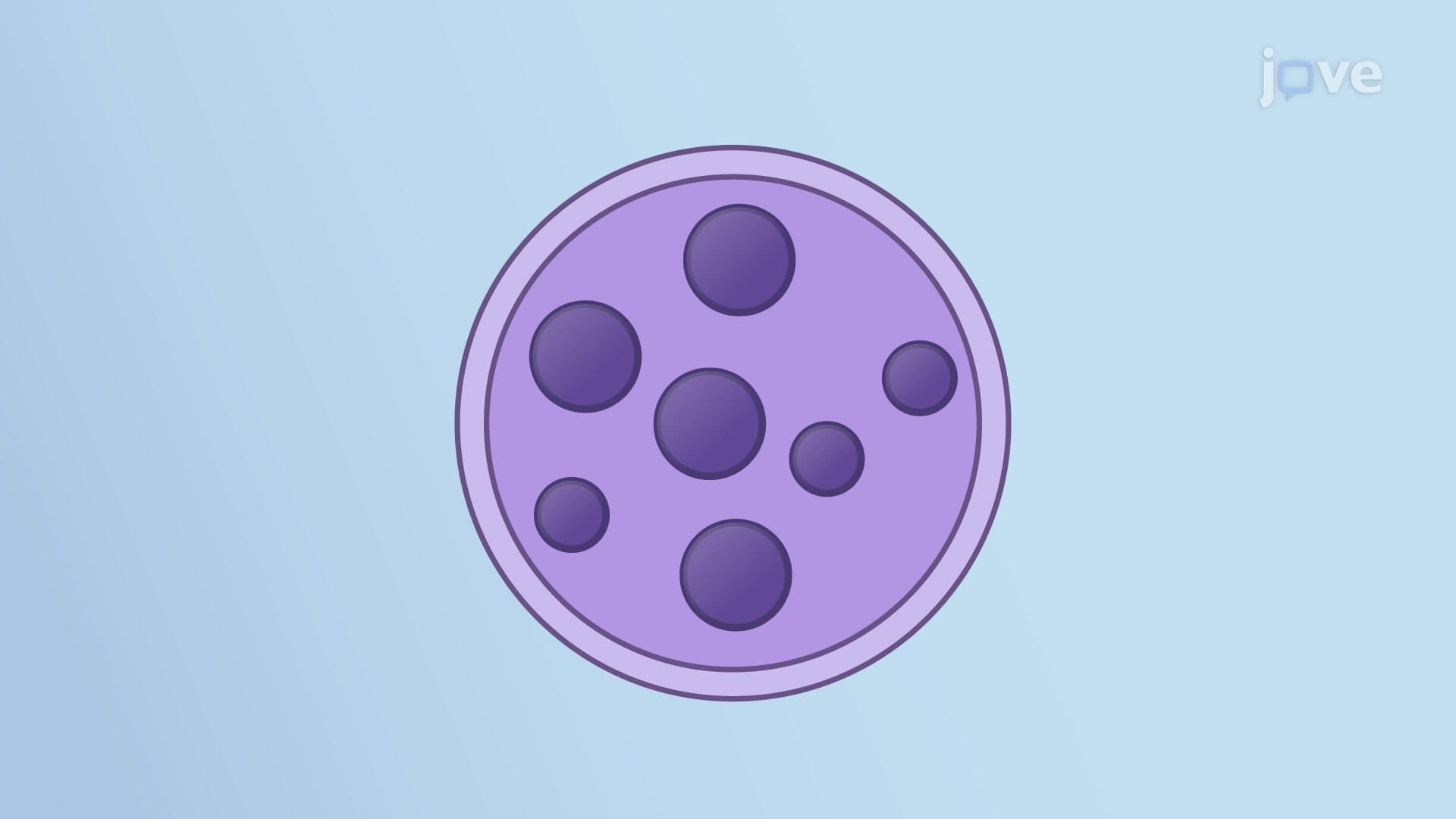

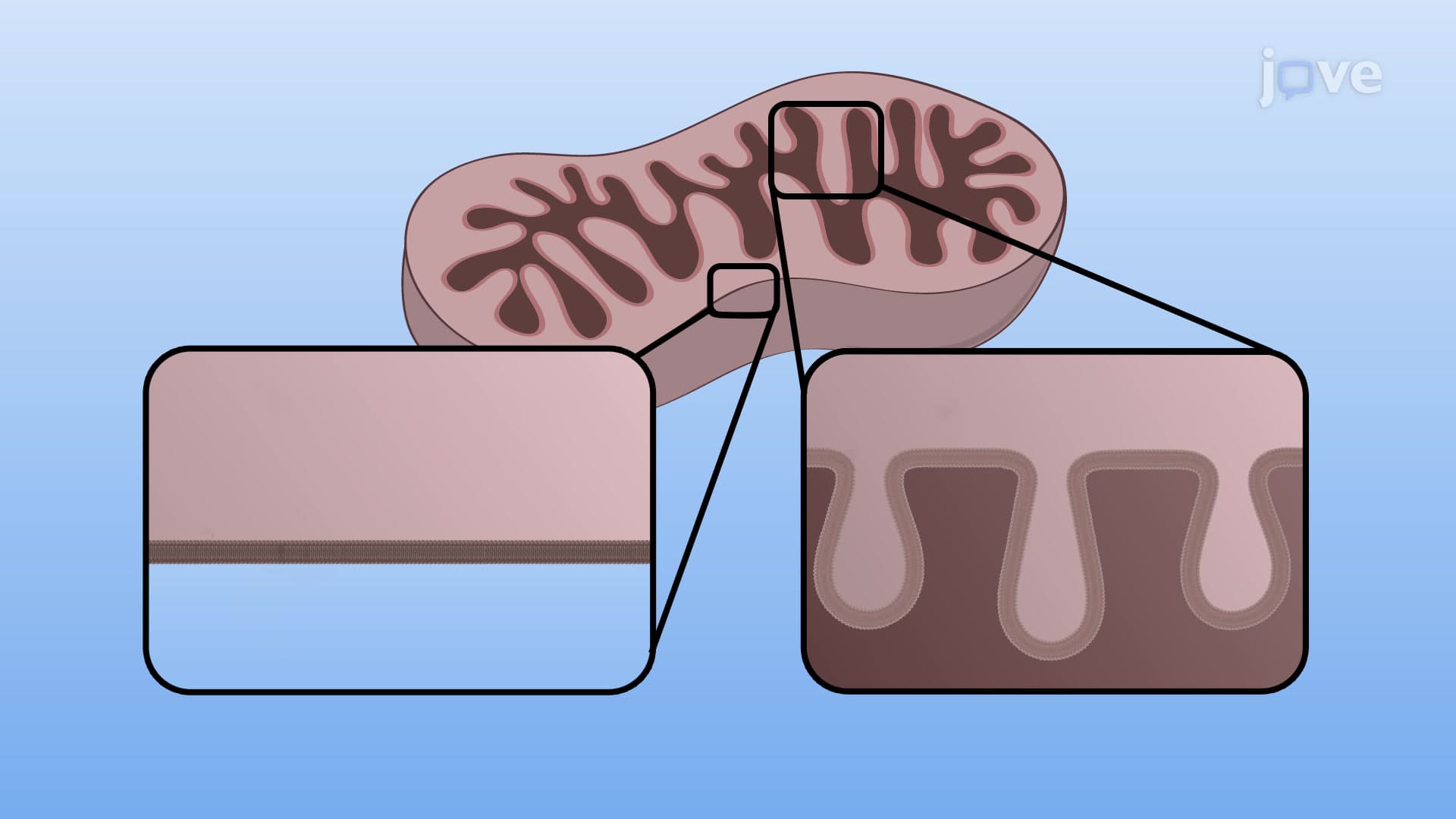
Peroxisomes

00:00
01:24
Video Summary: What are Peroxisomes
Ever wonder how your brain cells stay healthy despite constant metabolic activity? Peroxisomes explained biology reveals these tiny cellular powerhouses that act like miniature detox centers, breaking down harmful substances and processing fats crucial for nerve function. In patients with Zellweger syndrome at Children's Hospital of Philadelphia, defective peroxisomes cause severe neurological problems, highlighting their critical role in human health. Watch the full video on JoVE Coach to master this concept with expert-led visuals and step-by-step explanations.
- Understand what are peroxisomes and identify their key structural features as membrane-bound organelles containing specialized enzymes
- Analyze the primary metabolic functions of peroxisomes, including fatty acid beta-oxidation and hydrogen peroxide detoxification
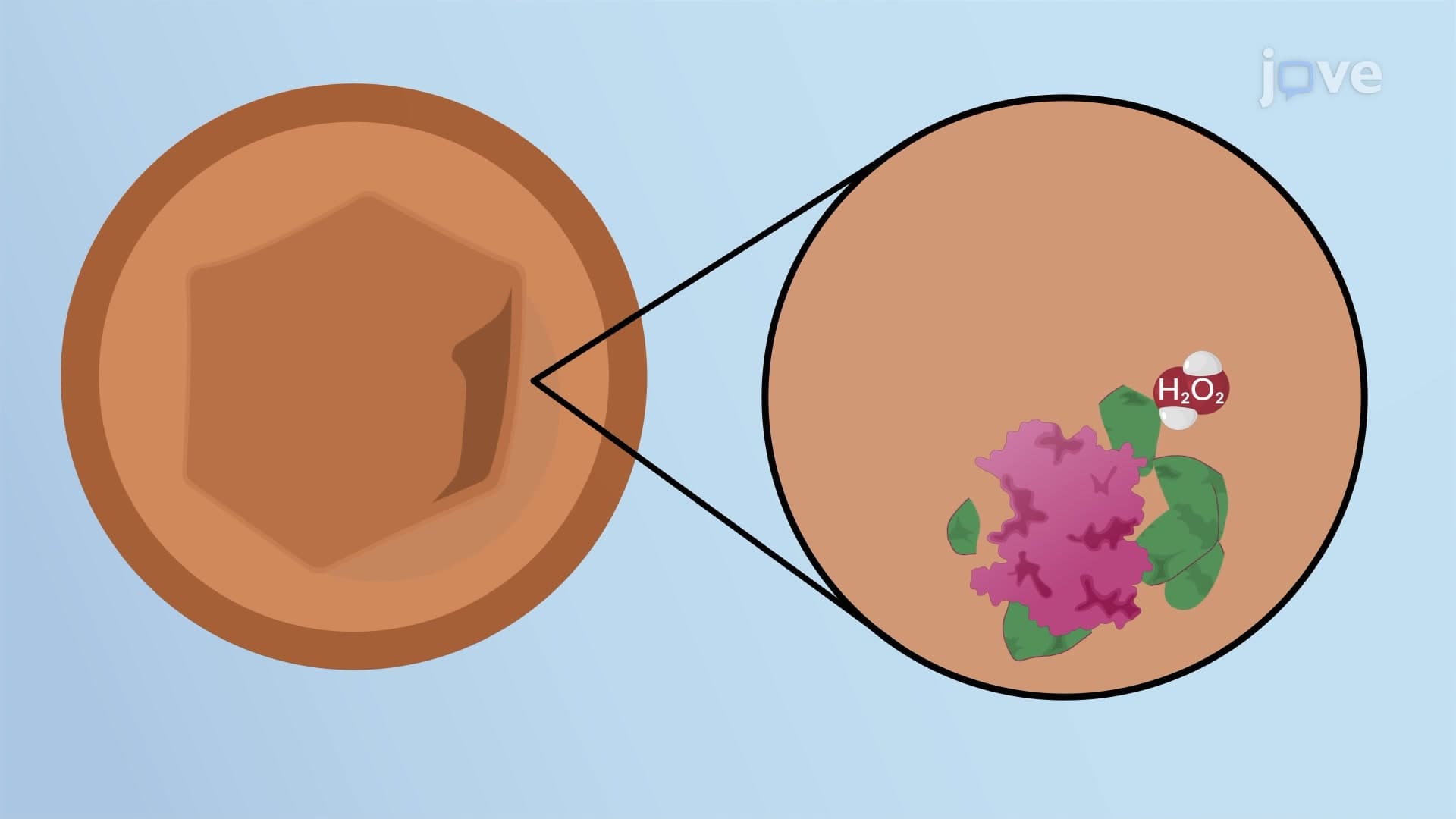
- Recognize how catalase enzyme within peroxisomes neutralizes toxic hydrogen peroxide to protect cellular components
- Compare peroxisomal oxidation pathways with mitochondrial metabolism and their coordinated roles in cellular energy production
- Evaluate the clinical significance of peroxisome dysfunction in genetic disorders like Zellweger syndrome and adrenoleukodystrophy
- Apply knowledge of peroxisome detoxification mechanisms to understand how cells maintain oxidative balance
- Identify the role of peroxisomes in plasmalogen synthesis and myelin formation in nervous system development
- Explore connections between peroxisomal disorders and real-world medical conditions affecting metabolism and neurological function
Understanding What are Peroxisomes: Cellular Detox Centers
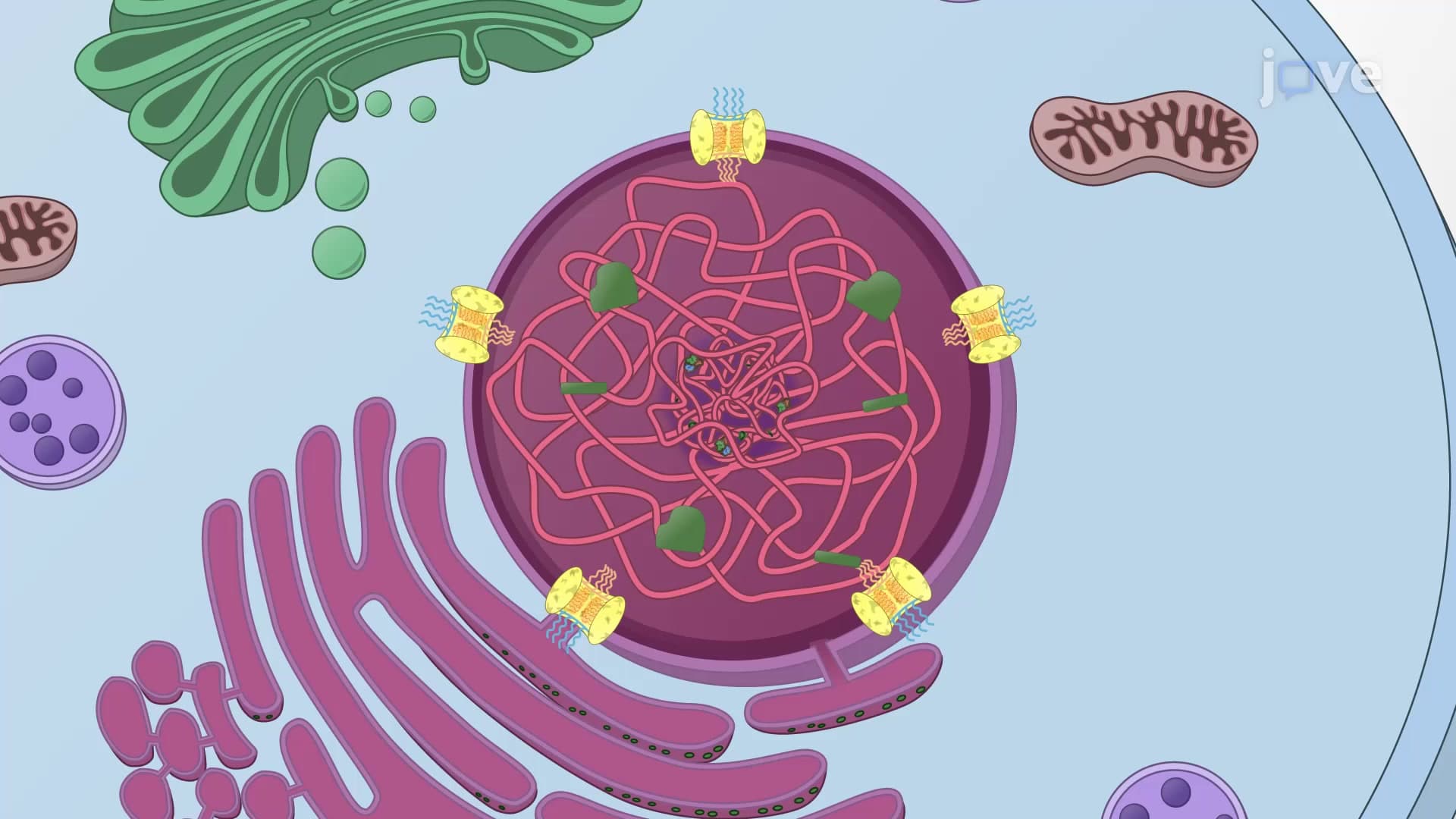
Peroxisomes are single membrane-bound organelles found in virtually all eukaryotic cells, functioning as specialized compartments for oxidative metabolism and detoxification. Unlike mitochondria, these organelles lack DNA and must import all their proteins from the cytoplasm. Students preparing for the AP Biology exam or college-level cell biology courses should recognize peroxisomes as essential players in maintaining cellular homeostasis through their unique enzymatic capabilities.
Peroxisome Function Cell Biology: Key Metabolic Roles
The primary functions of peroxisomes center on fatty acid beta oxidation peroxisome processes and detoxification reactions. These organelles excel at breaking down very long-chain fatty acids (VLCFAs) that mitochondria cannot process efficiently. In the human brain, this function proves critical for maintaining myelin integrity. The catalase peroxisome relationship represents another crucial function, as this enzyme converts toxic hydrogen peroxide-a byproduct of oxidative reactions-into harmless water and oxygen.
Peroxisomes also synthesize plasmalogens, specialized phospholipids comprising up to 20% of myelin in nerve cells. This synthesis explains why peroxisomal disorders often manifest as severe neurological conditions. Students studying for the MCAT should understand how peroxisomal dysfunction disrupts both metabolic and structural aspects of cellular function.
Hydrogen Peroxide Peroxisome Detoxification Mechanisms
The hydrogen peroxide peroxisome connection illustrates a fundamental principle of cellular biochemistry: the need to manage reactive oxygen species (ROS). Peroxisomal oxidation reactions naturally produce hydrogen peroxide as cells break down fatty acids and other substrates. Without efficient catalase activity, this hydrogen peroxide would damage cellular membranes, proteins, and DNA through oxidative stress.
Clinical Significance and Real-World Applications
Peroxisomal biogenesis disorders affect approximately 1 in 50,000 births in the United States, with Zellweger syndrome representing the most severe form. At medical centers like Boston Children's Hospital, researchers study these conditions to understand how peroxisome detoxification failures lead to developmental delays, seizures, and liver dysfunction. Students preparing for health science programs should recognize these disorders as examples of how single organelle dysfunction can cause multisystem disease.
Frequently Asked Questions
Peroxisomes are membrane-bound organelles that function as cellular detox centers, breaking down fatty acids and neutralizing harmful hydrogen peroxide. They're essential for maintaining cellular health by processing toxic substances and synthesizing crucial lipids for nerve cell function. Without functional peroxisomes, cells accumulate dangerous metabolic byproducts that can cause severe developmental disorders.
Peroxisomes frequently appear in AP Biology and college exams as examples of organelle specialization and metabolic compartmentalization. Expect questions about their role in fatty acid oxidation, catalase function, and comparison with mitochondrial metabolism. The College Board often tests understanding of how organelle dysfunction leads to genetic diseases like Zellweger syndrome.
For MCAT success, focus on peroxisomal fatty acid beta-oxidation, especially of very long-chain fatty acids that mitochondria cannot process. Understand how catalase neutralizes hydrogen peroxide and the clinical significance of peroxisomal disorders. The MCAT often connects organelle function to disease pathology, making peroxisomal biogenesis disorders fair game for test questions.
Physicians at institutions like Cincinnati Children's Hospital use peroxisome research to develop treatments for rare genetic disorders affecting these organelles. Understanding peroxisomal dysfunction helps doctors diagnose conditions like adrenoleukodystrophy, where patients accumulate very long-chain fatty acids, leading to brain damage and adrenal insufficiency.
Basic high school chemistry provides sufficient foundation for understanding peroxisomes. You'll need familiarity with enzyme function, oxidation-reduction reactions, and cellular compartmentalization concepts covered in introductory biology. The key metabolic pathways can be learned without extensive biochemistry prerequisites.
Create comparison charts contrasting peroxisomal and mitochondrial functions, focusing on which fatty acids each organelle processes. Practice drawing peroxisome structure and labeling key enzymes like catalase. Use clinical examples like Zellweger syndrome to connect organelle dysfunction with real health consequences-this approach helps retention and exam performance.
Peroxisomes connect to broader topics including cellular respiration, lipid metabolism, and genetic disorders. After mastering peroxisomes, explore mitochondrial diseases, lysosomal storage disorders, and endoplasmic reticulum stress responses. This organellar approach provides comprehensive understanding of cellular compartmentalization and metabolic integration essential for advanced biology courses.
Related Micro-courses

15 Concepts
16 Concepts
26 Concepts