Loading subject page…

Micro-course: Cells and their Components
74,359 views
Learn key concepts and earn your certificate.



Ribosomes

00:00
01:27
Video Summary: What are Ribosomes
Did you know that every cell in your body contains millions of molecular machines working 24/7 to build the proteins that keep you alive? Ribosomes explained biology reveals these fascinating cellular factories that translate genetic instructions into functional proteins. From the insulin produced in your pancreas to the hemoglobin in your red blood cells, ribosomes make it all possible through the intricate process of protein synthesis. Watch the full video on JoVE Coach to master this concept with expert-led visuals and step-by-step explanations.
- Understand what are ribosomes and their fundamental role as protein-synthesizing molecular machines in all living cells
- Identify the structural components of ribosomes, including ribosomal RNA (rRNA) and ribosomal proteins in both subunits
- Compare the differences between free ribosomes in the cytoplasm and bound ribosomes on the rough endoplasmic reticulum
- Analyze the three phases of translation: initiation, elongation, and termination during protein synthesis
- Evaluate how ribosome function varies between prokaryotic (70S) and eukaryotic (80S) ribosomes
- Apply knowledge of ribosome structure to understand antibiotic mechanisms and ribosomopathy diseases
- Recognize the historical significance of ribosome discovery and Nobel Prize-winning research contributions
- Explore the connection between ribosomal dysfunction and human genetic disorders
Understanding What are Ribosomes: The Cell's Protein Factories
Ribosomes explained biology at its most fundamental level-these are the cellular structures responsible for converting genetic information into functional proteins. Think of ribosomes as sophisticated 3D printers that read molecular blueprints (mRNA) and assemble amino acids into precise protein chains. Every cell in your body, from brain neurons to muscle fibers, depends on ribosomes for survival.
Ribosome Structure and Components
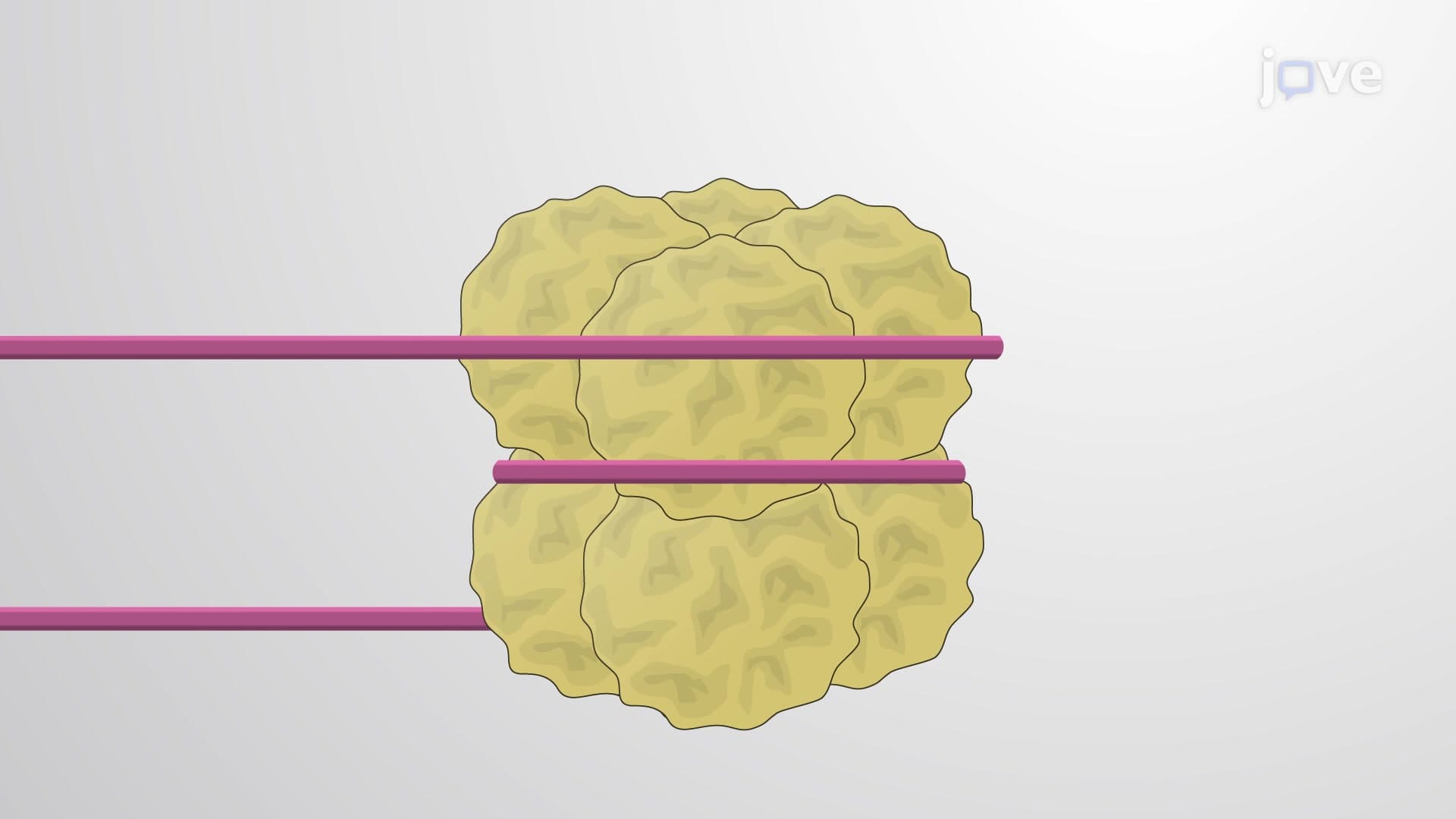
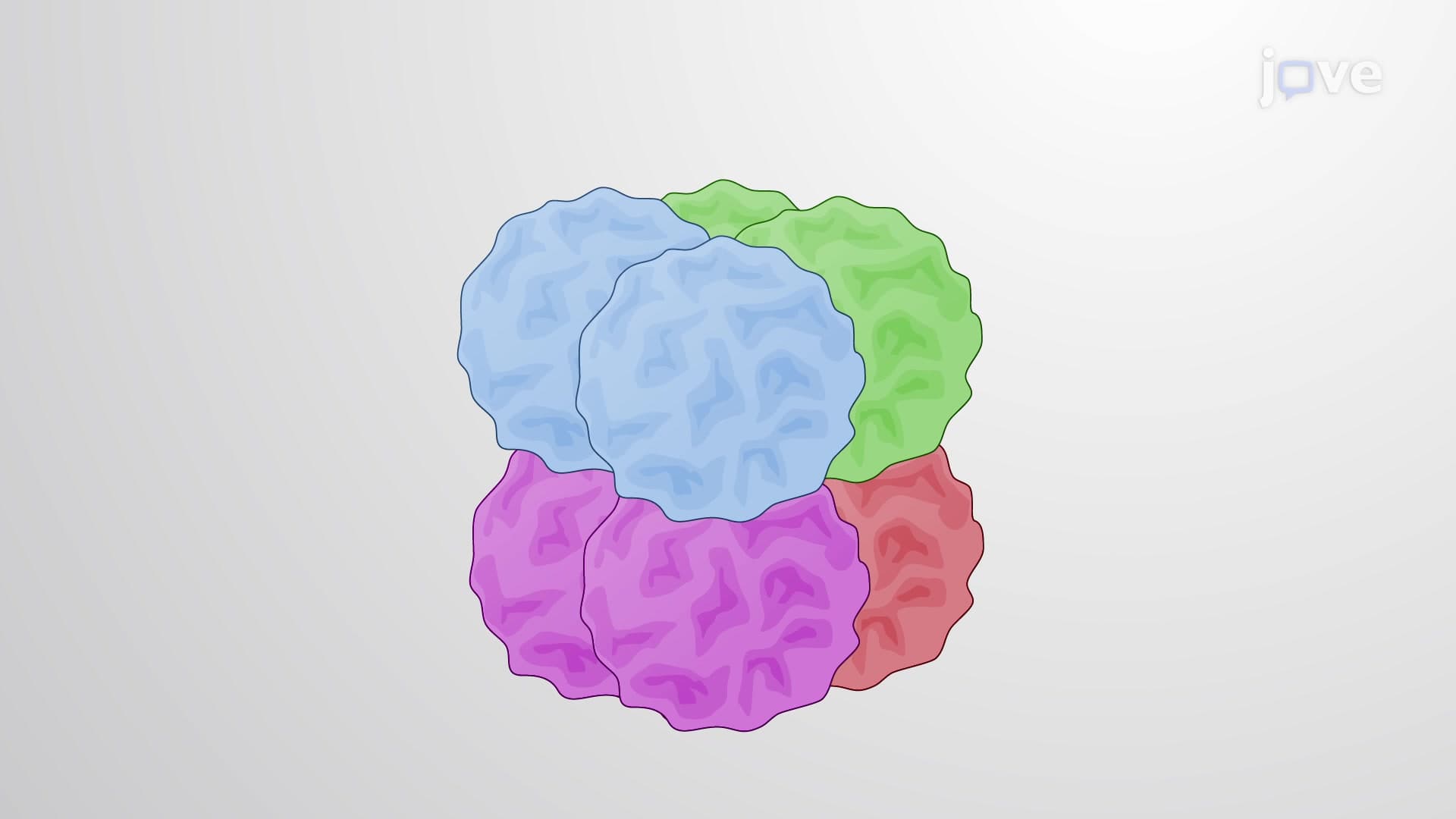
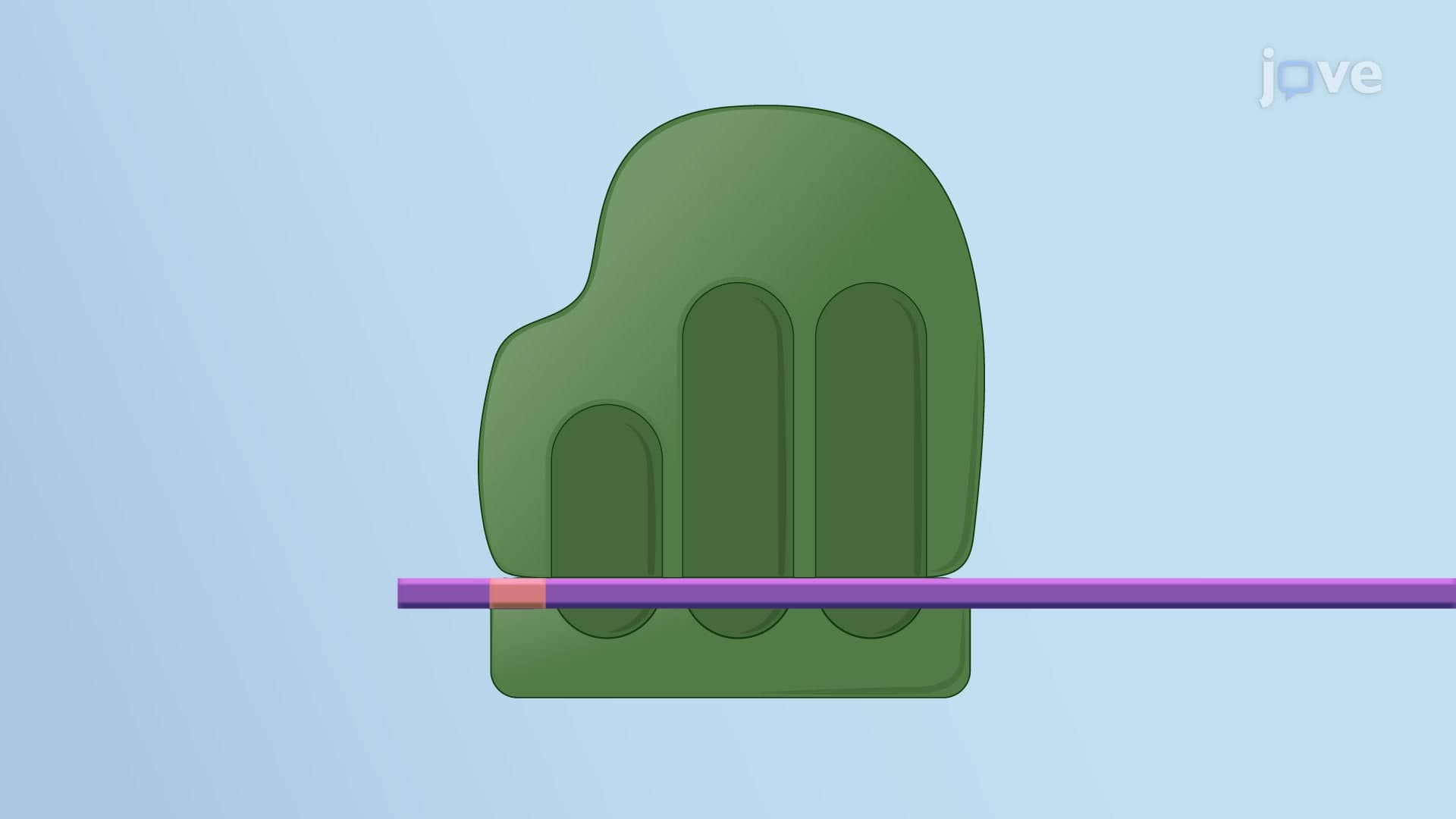
The ribosome function protein synthesis depends on two main subunits working in perfect coordination. In eukaryotic cells (including human cells), ribosomes are designated as 80S ribosomes, composed of a large 60S subunit and a small 40S subunit. Prokaryotic ribosomes are smaller 70S structures (50S + 30S subunits). Each subunit contains both ribosomal RNA (rRNA) and ribosomal proteins, with rRNA serving as the catalytic component that actually forms peptide bonds.
Students preparing for the MCAT or AP Biology exam should remember that ribosomal RNA rRNA makes up about 60% of the ribosome's mass and provides the enzymatic activity-a concept that challenges the traditional view that only proteins can be enzymes. This ribozyme activity is crucial for understanding cellular evolution and earned the 2009 Nobel Prize in Chemistry.
Location and Function: Free vs. Bound Ribosomes
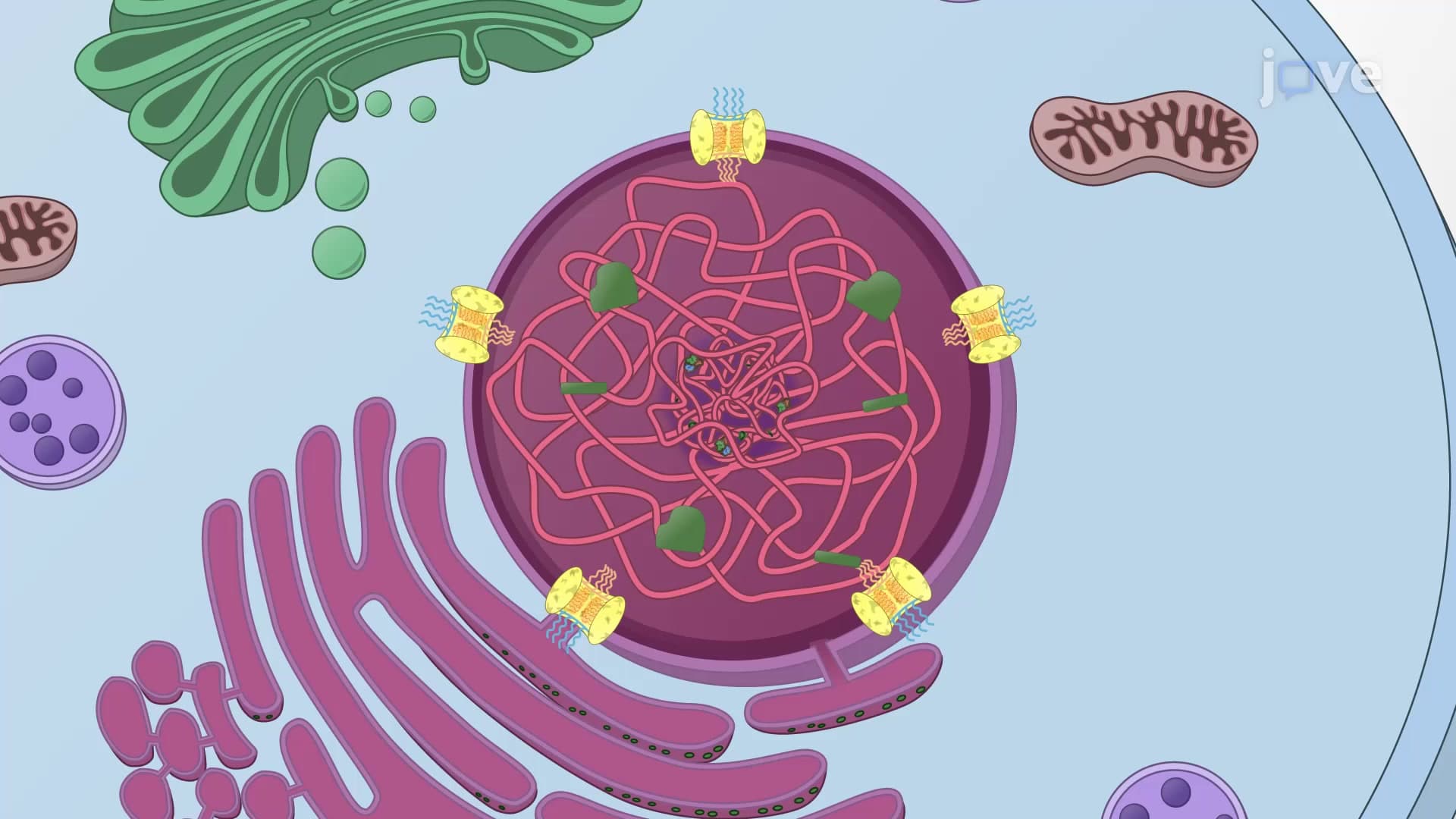
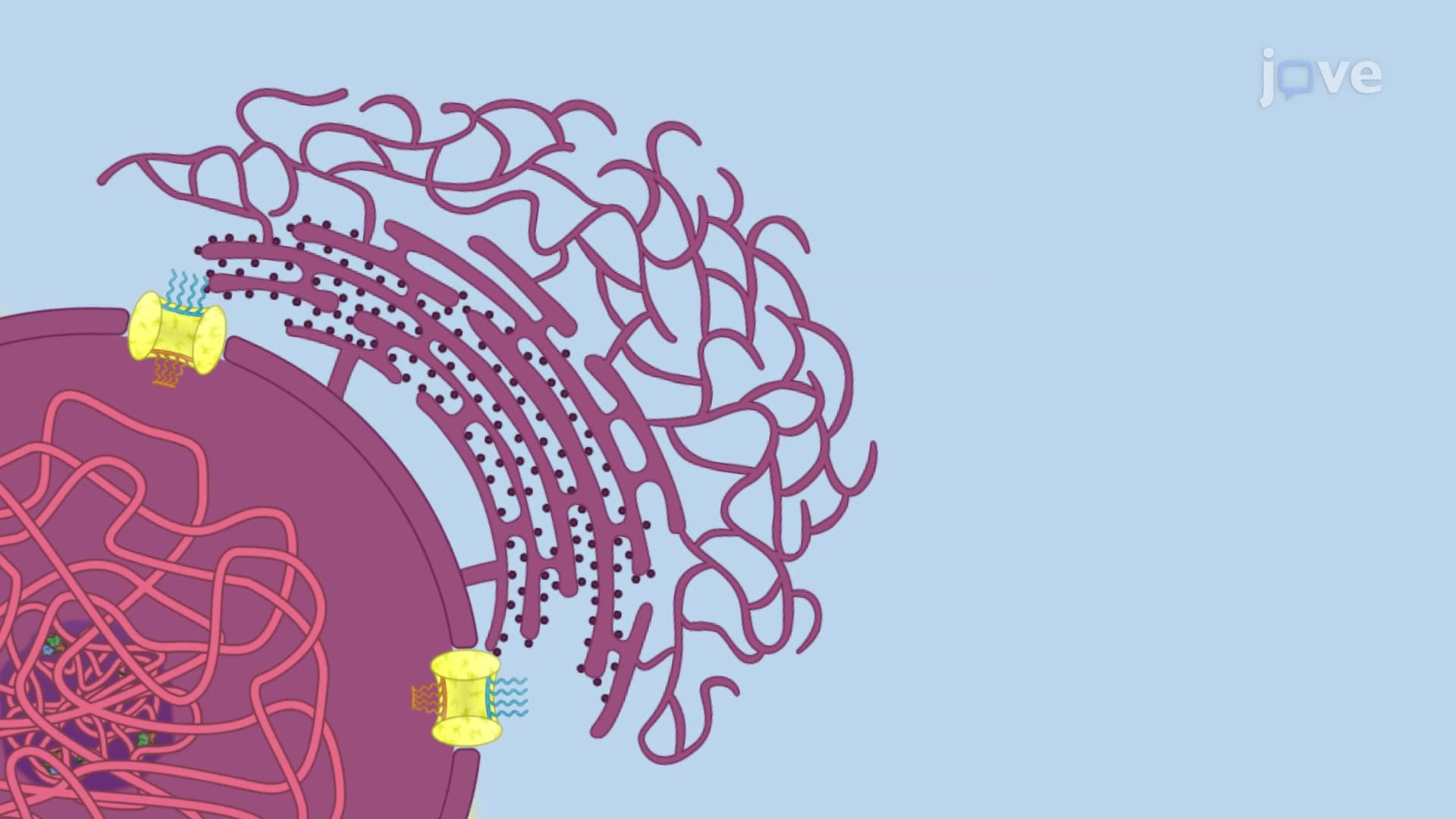
What are ribosomes and their function in cells becomes clearer when examining their cellular locations. Free ribosomes floating in the cytoplasm primarily synthesize proteins for use within the cell itself, such as enzymes for glycolysis or transcription factors. In contrast, rough ER ribosome complexes manufacture proteins destined for secretion, membrane incorporation, or organelle targeting.
For example, pancreatic beta cells contain abundant rough ER-bound ribosomes that produce insulin for blood glucose regulation-a concept frequently tested on the USMLE Step 1. The 80S 70S ribosome size difference also explains why certain antibiotics like streptomycin can target bacterial ribosomes without harming human cells, a principle essential for understanding antimicrobial therapy.
Translation Process and Clinical Significance
The translation ribosome function involves three distinct phases that college biochemistry students must master. During initiation, the ribosome assembles around the start codon of mRNA. Elongation involves sequential amino acid addition as transfer RNA (tRNA) molecules deliver specific amino acids. Termination occurs when the ribosome encounters a stop codon, releasing the completed protein chain.
Understanding ribosome dysfunction helps explain ribosomopathies-genetic disorders affecting ribosome biogenesis or function. Diamond-Blackfan anemia, for instance, results from ribosomal protein mutations and affects red blood cell production. These connections between molecular biology and clinical medicine appear frequently on NCLEX and HESI A2 nursing entrance exams.
Frequently Asked Questions
Ribosomes are cellular structures that translate genetic information from mRNA into functional proteins through a process called translation. They're essential because proteins perform virtually every cellular function, from catalyzing biochemical reactions to providing structural support. Without ribosomes, cells cannot produce the proteins necessary for survival, making them fundamental to all life forms.
MCAT questions often test ribosome structure (80S vs 70S), location (free vs bound), and translation mechanisms. Focus on understanding the three phases of translation, the role of rRNA as a ribozyme, and how antibiotics target prokaryotic ribosomes. Practice identifying ribosome components in electron microscopy images and connecting ribosome function to protein trafficking pathways.
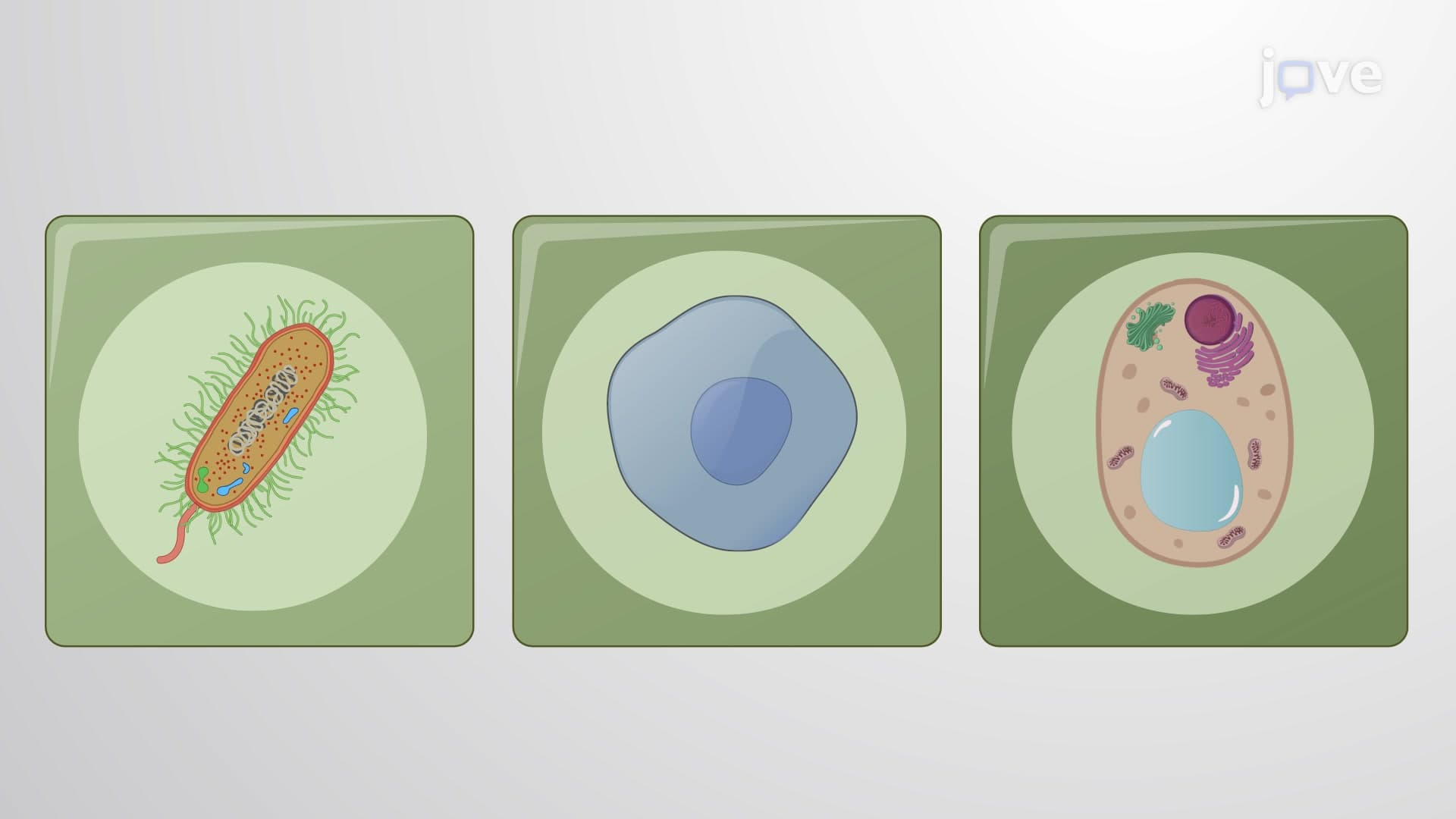
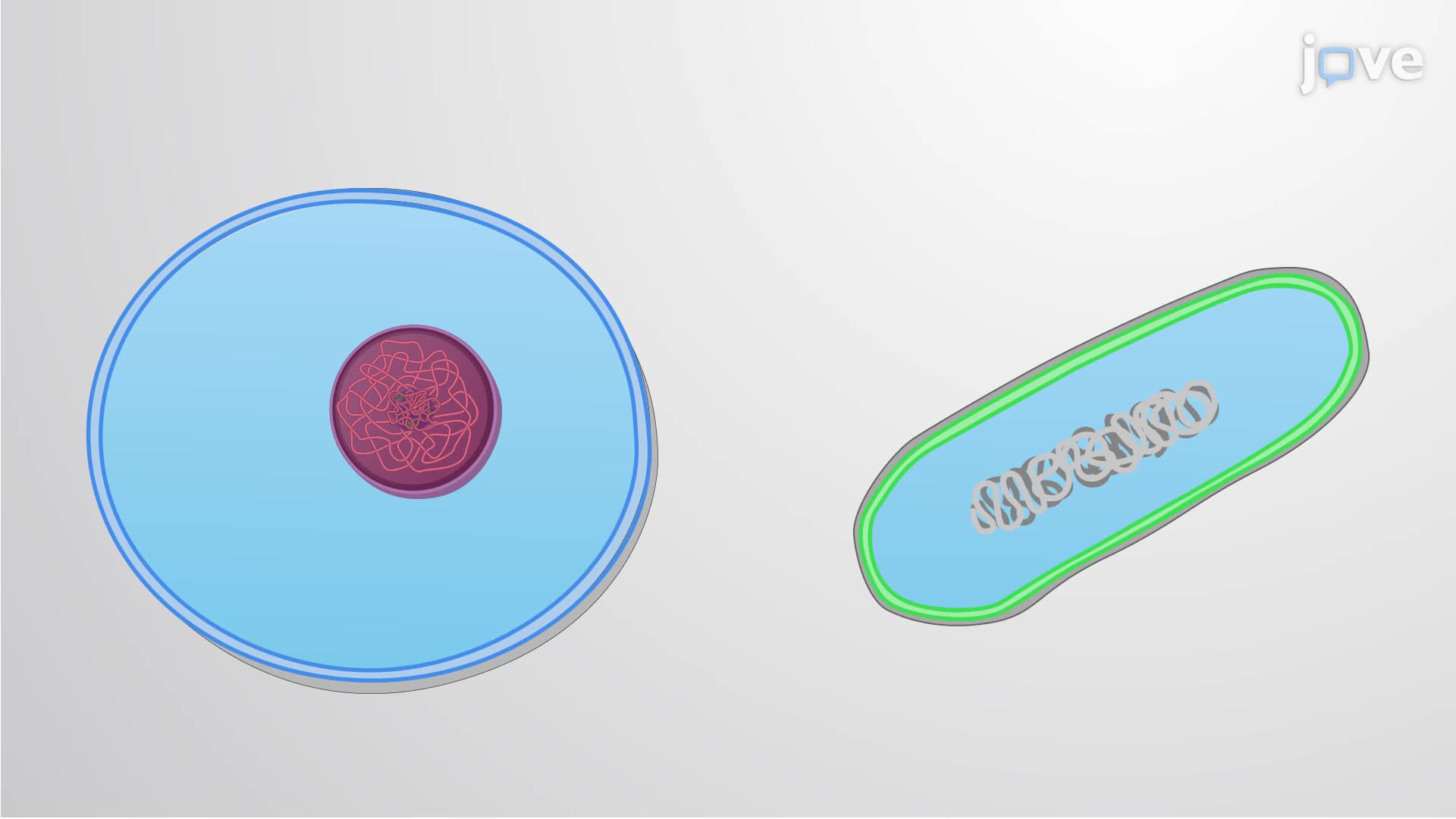
80S ribosomes are found in eukaryotic cells (including plant, animal, and fungal cells) and consist of 60S and 40S subunits. 70S ribosomes are found in prokaryotic cells (bacteria and archaea) and consist of 50S and 30S subunits. This size difference is why certain antibiotics can selectively target bacterial ribosomes without affecting human cells-a concept that appears frequently on AP Biology free-response questions.
Ribosomes bound to the rough ER synthesize proteins destined for secretion, membrane insertion, or transport to organelles like the Golgi apparatus or lysosomes. Free ribosomes in the cytoplasm make proteins that function within the cytoplasm itself. This concept is crucial for understanding protein trafficking and appears on college midterms in cell biology and biochemistry courses.
Pancreatic beta cells provide an excellent example of ribosome specialization. These cells contain extensive rough ER with bound ribosomes that continuously synthesize insulin, the hormone that regulates blood glucose levels. When blood sugar rises after eating, these ribosomes rapidly increase insulin production, demonstrating how ribosome function directly impacts human health and metabolism.
Not at all! While ribosomes involve complex molecular interactions, the basic concepts are accessible with high school biology and chemistry background. Understanding ribosomes primarily requires grasping the central dogma (DNA → RNA → protein) and basic knowledge of amino acids and peptide bonds. Most introductory biology courses provide sufficient foundation for comprehending ribosome structure and function.
Create visual diagrams showing the translation process step-by-step, including initiation, elongation, and termination phases. Practice drawing ribosome structure and labeling components like rRNA and ribosomal proteins. Use acronyms like "STOP" for termination codons (UAG, UAA, UGA) and connect ribosome concepts to broader topics like gene expression, protein folding, and cellular regulation for comprehensive understanding.
Once you understand ribosomes, explore related topics like the endoplasmic reticulum, Golgi apparatus, and protein trafficking pathways. Study transcription to understand how mRNA is produced, and investigate protein folding, post-translational modifications, and protein degradation. These concepts build naturally on ribosome knowledge and provide a complete picture of cellular protein metabolism.
Related Micro-courses

15 Concepts
16 Concepts
26 Concepts