Loading subject page…

Micro-course: Cells and their Components
74,359 views
Learn key concepts and earn your certificate.

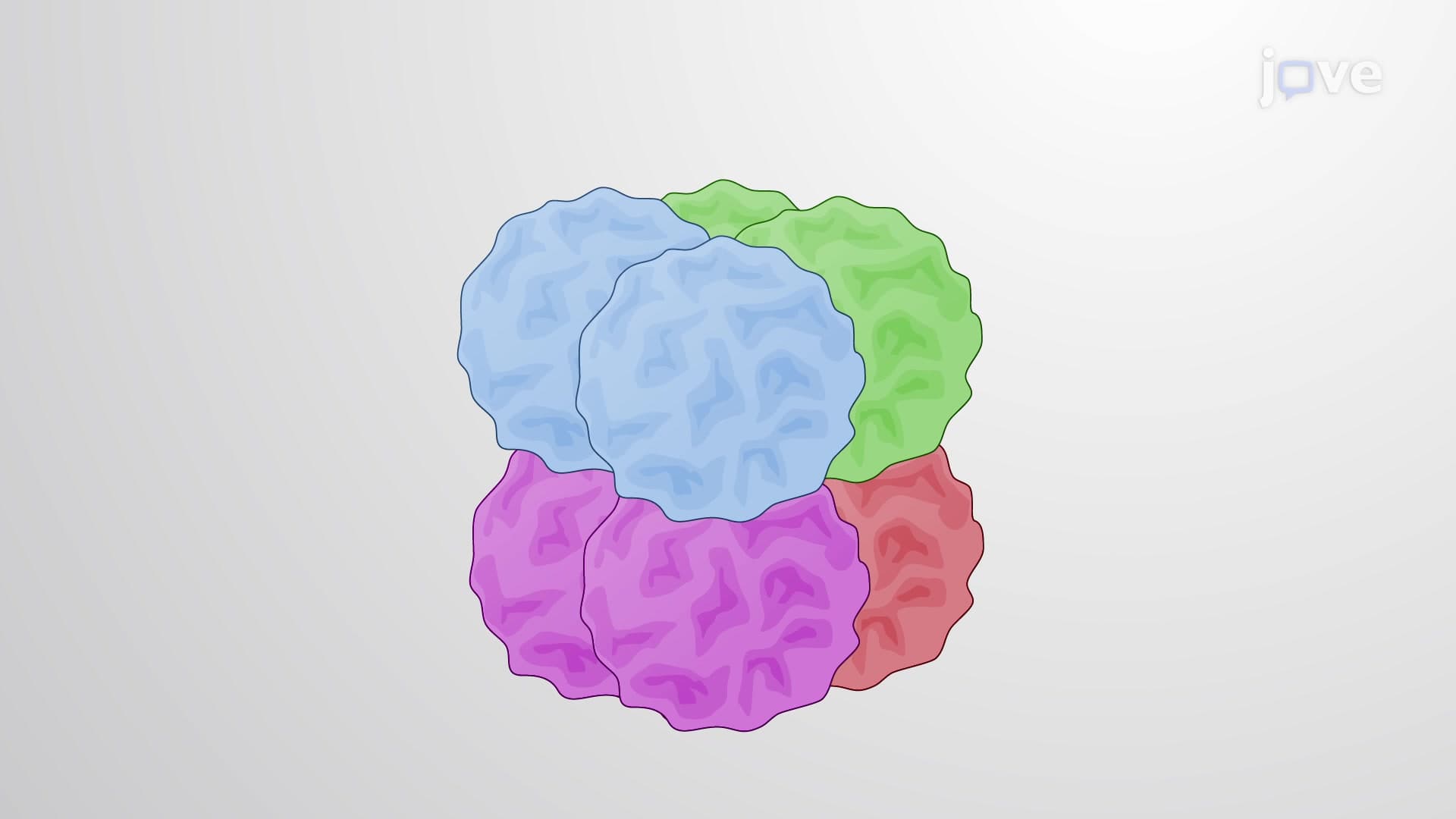
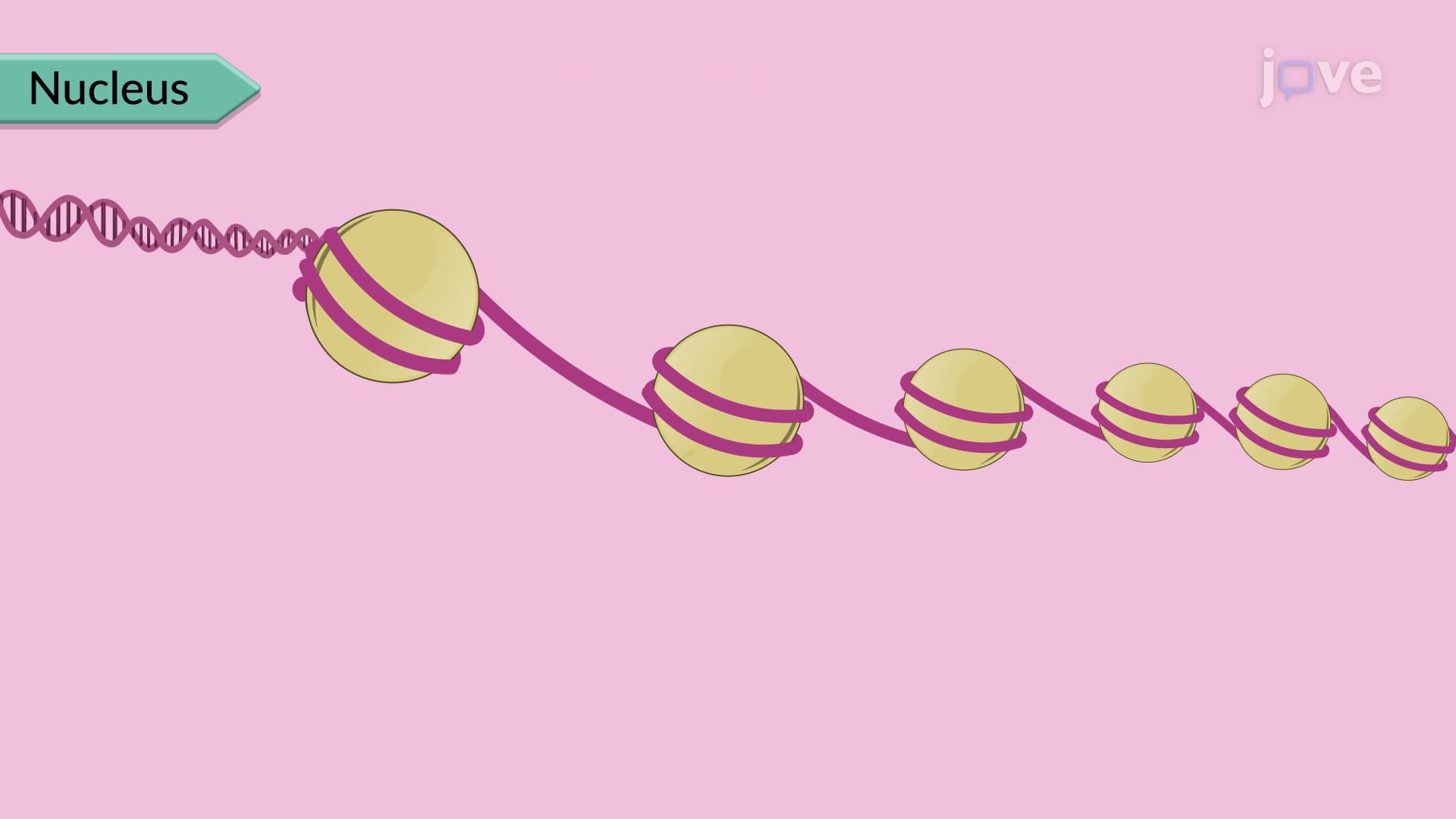
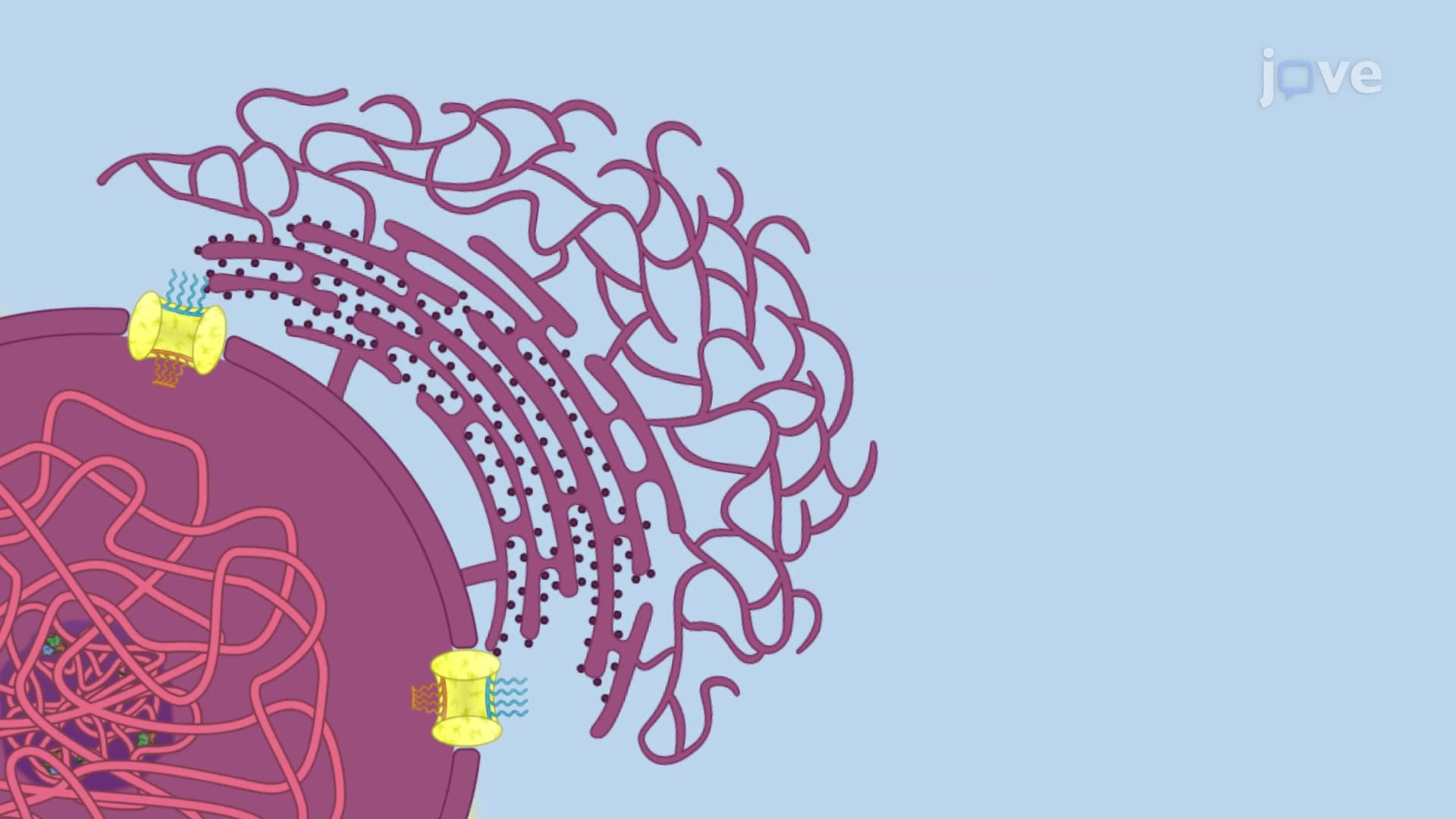

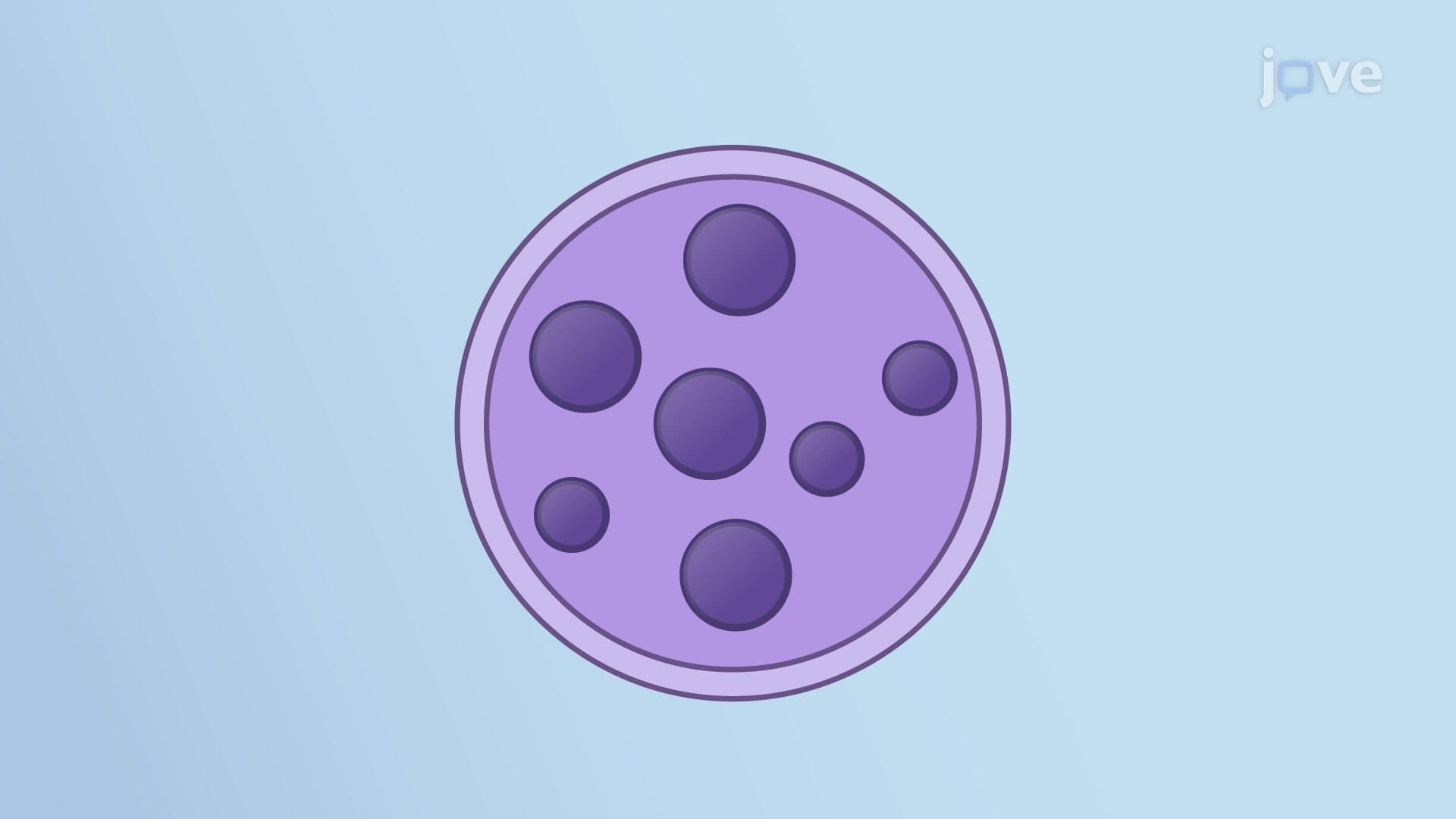

Cytoplasm

00:00
01:24
Video Summary: What Is Cytoplasm
Every single cell in your body contains a bustling metropolis of molecular activity happening right now in a gel-like substance called cytoplasm. Cytoplasm explained biology reveals how this dynamic cellular interior serves as the headquarters for essential life processes, from energy production in your muscle cells during a sprint to protein manufacturing in your liver cells after a meal. What is cytoplasm holds the key to understanding how cells maintain life itself. Watch the full video on JoVE Coach to master this concept with expert-led visuals and step-by-step explanations.
- Understand what is cytoplasm and its role as the gel-like substance that fills the space between the plasma membrane and nucleus in all cells
- Identify the three main components of cytoplasm: cytosol (the fluid matrix), organelles (specialized structures), and cytoskeletal elements (structural framework)
- Analyze the metabolic functions occurring within cytoplasm, including glycolysis for energy production and protein synthesis at ribosomes
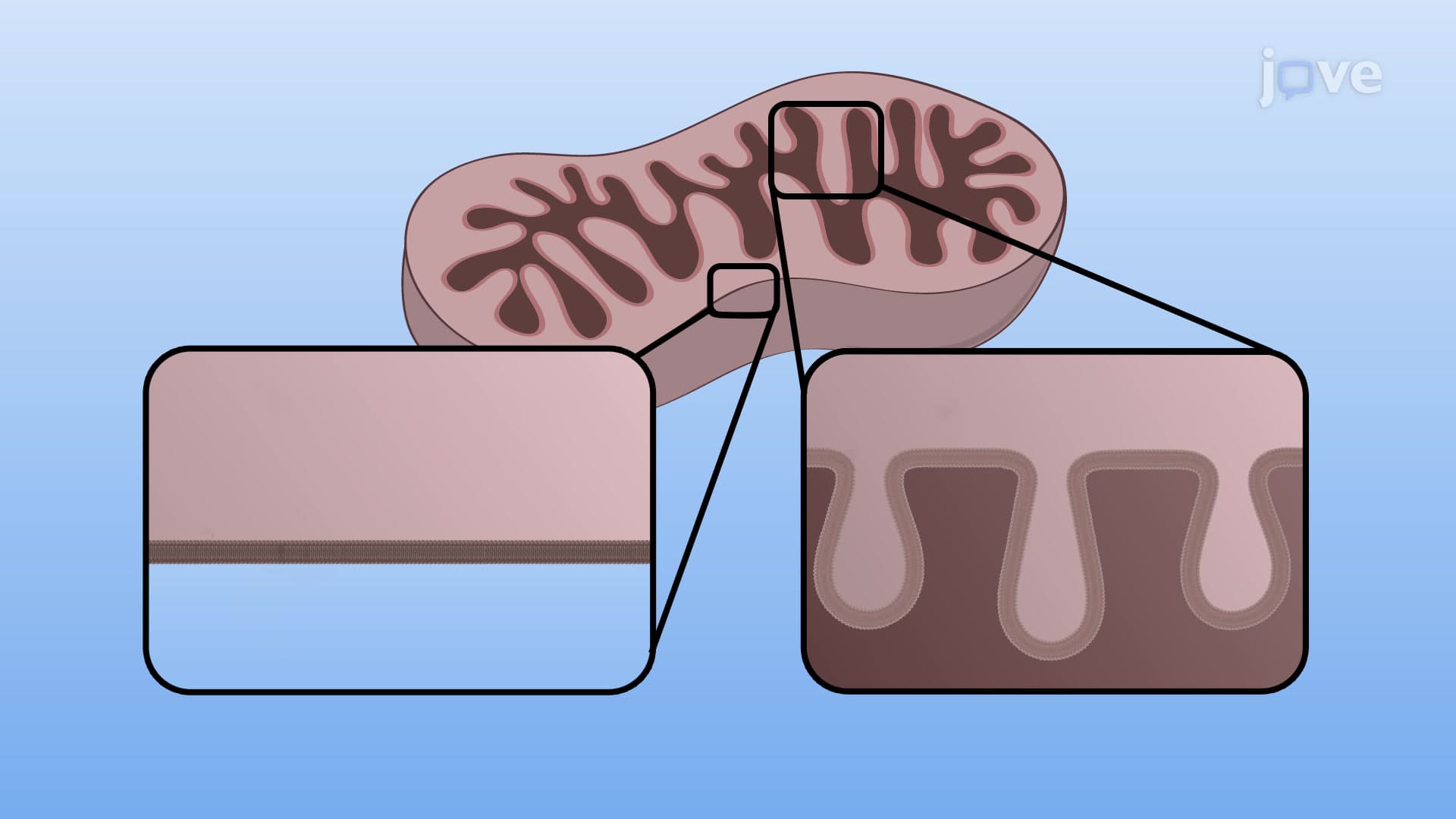
- Compare different organelles found in cytoplasm and their specific roles, such as mitochondria for ATP production and lysosomes for waste breakdown
- Evaluate the importance of cytoskeletal structures in maintaining cell shape, enabling intracellular transport, and facilitating cell division
- Apply knowledge of cytoplasmic streaming to understand how cells transport materials and maintain dynamic cellular processes
- Recognize real-world applications of cytoplasm research in understanding genetic diseases and developing targeted drug delivery systems
- Explore the historical significance of cytoplasm discovery in transforming our understanding of cells from simple sacs to complex living systems
Understanding What is Cytoplasm: The Cellular Command Center
Cytoplasm definition and function encompasses far more than just cellular "filler material." This semi-fluid, gel-like substance represents the dynamic workspace where most cellular activities occur. Located between the plasma membrane and nucleus, cytoplasm creates the perfect environment for thousands of biochemical reactions that sustain life.
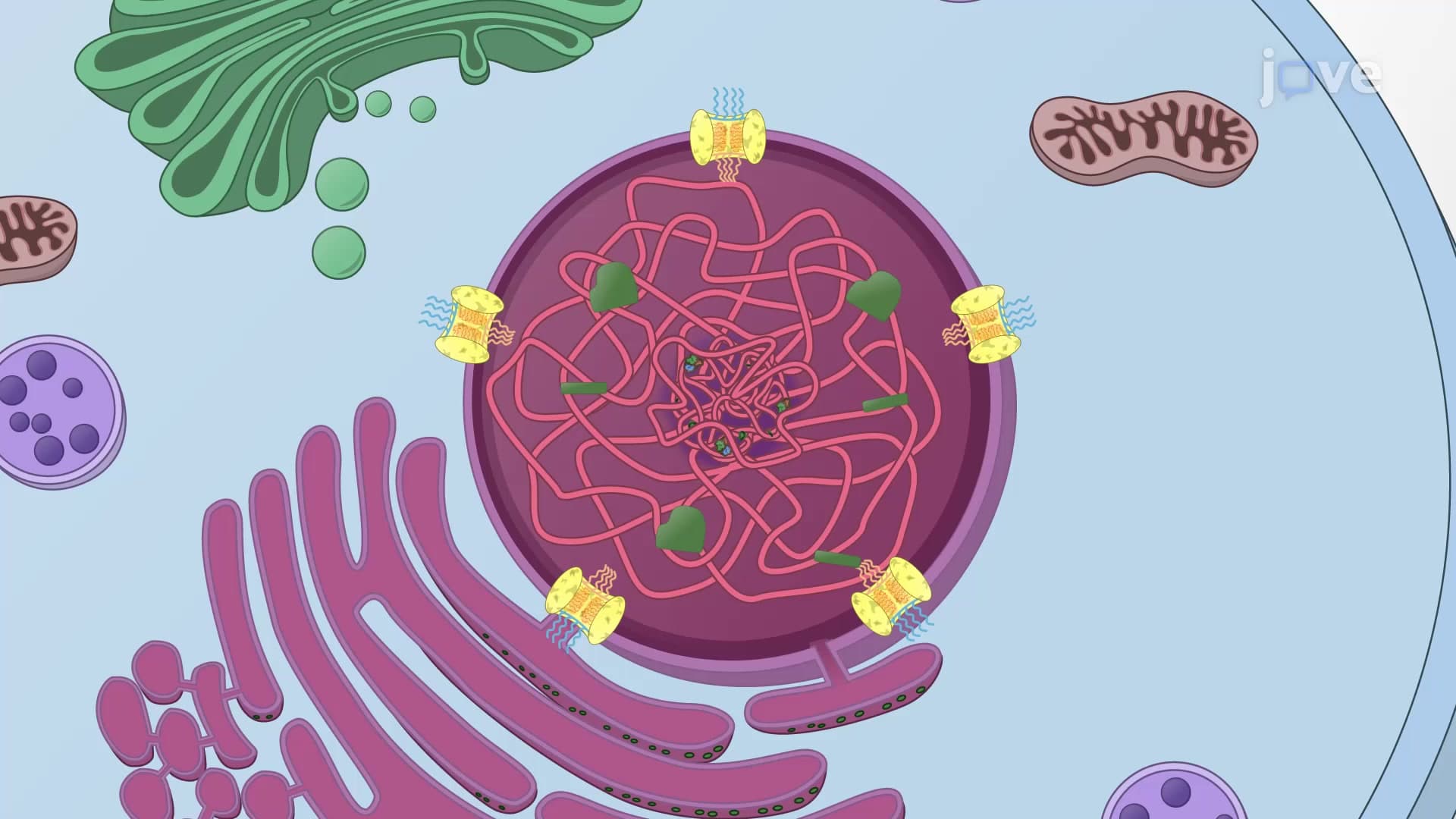
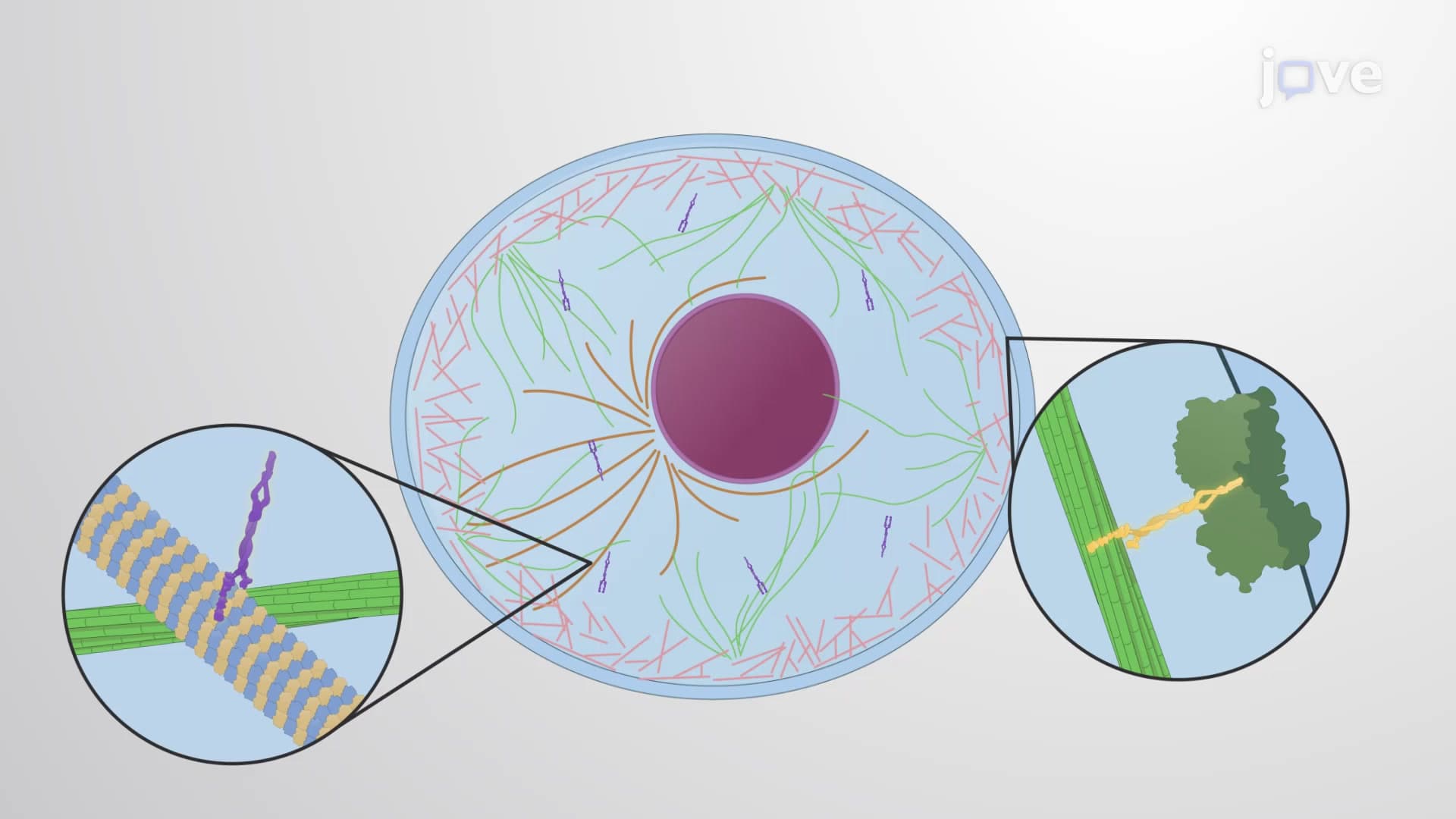
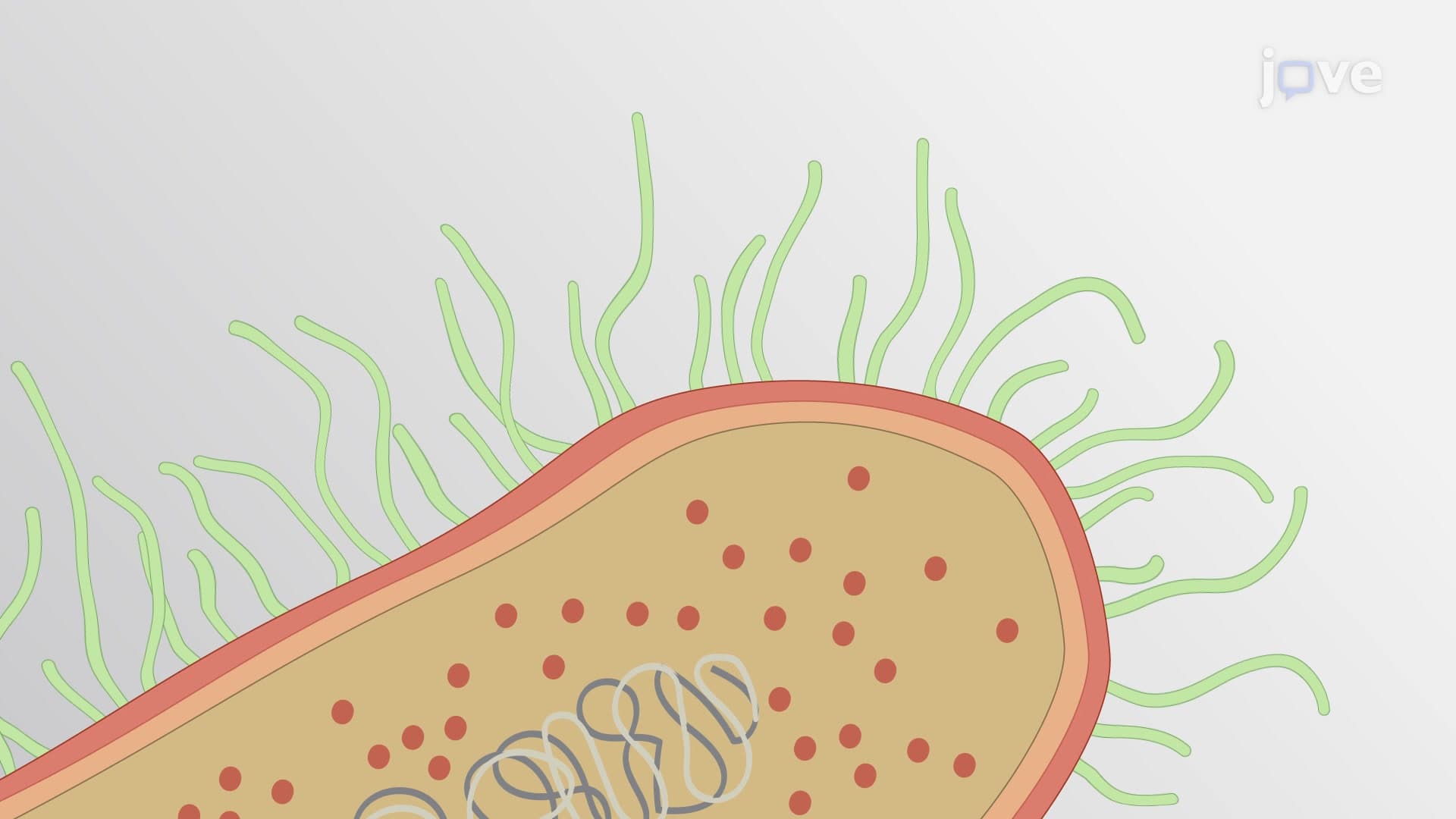
The cytoplasm consists of three interconnected components working in harmony. The cytosol serves as the liquid medium-a complex aqueous solution containing dissolved ions, small molecules, and proteins that facilitate chemical reactions. Suspended within this matrix are organelles, specialized structures that perform specific cellular functions, and the cytoskeleton, a network of protein filaments that provides structural support and organization.
Cytoplasm Cell Function in Energy Production and Metabolism
Cytosol organelles cytoplasm work together to power cellular activities through coordinated metabolic processes. Glycolysis, the breakdown of glucose for immediate energy, occurs directly in the cytosol. This process is particularly important in muscle cells during exercise, where rapid energy demands require efficient glucose processing. Meanwhile, mitochondria within the cytoplasm generate the majority of cellular ATP through oxidative phosphorylation, earning their nickname as "powerhouses of the cell."
Students preparing for the MCAT or AP Biology exams should understand that cytoplasmic metabolism connects directly to larger physiological processes. For example, liver cells contain abundant cytoplasmic enzymes for detoxification, while pancreatic cells have extensive endoplasmic reticulum for insulin production.
Cytoplasmic Contents: Organelles and Their Specialized Roles
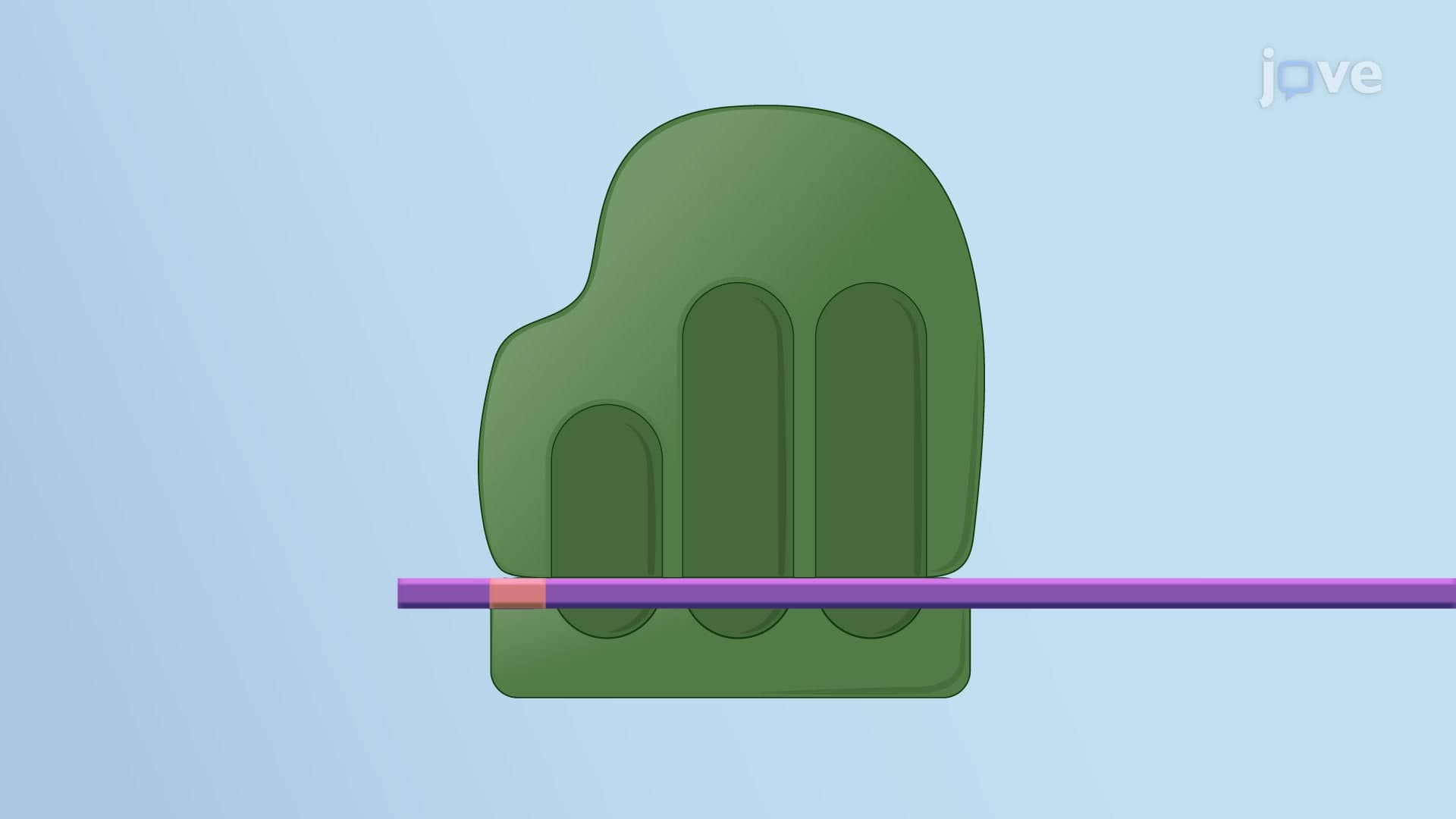
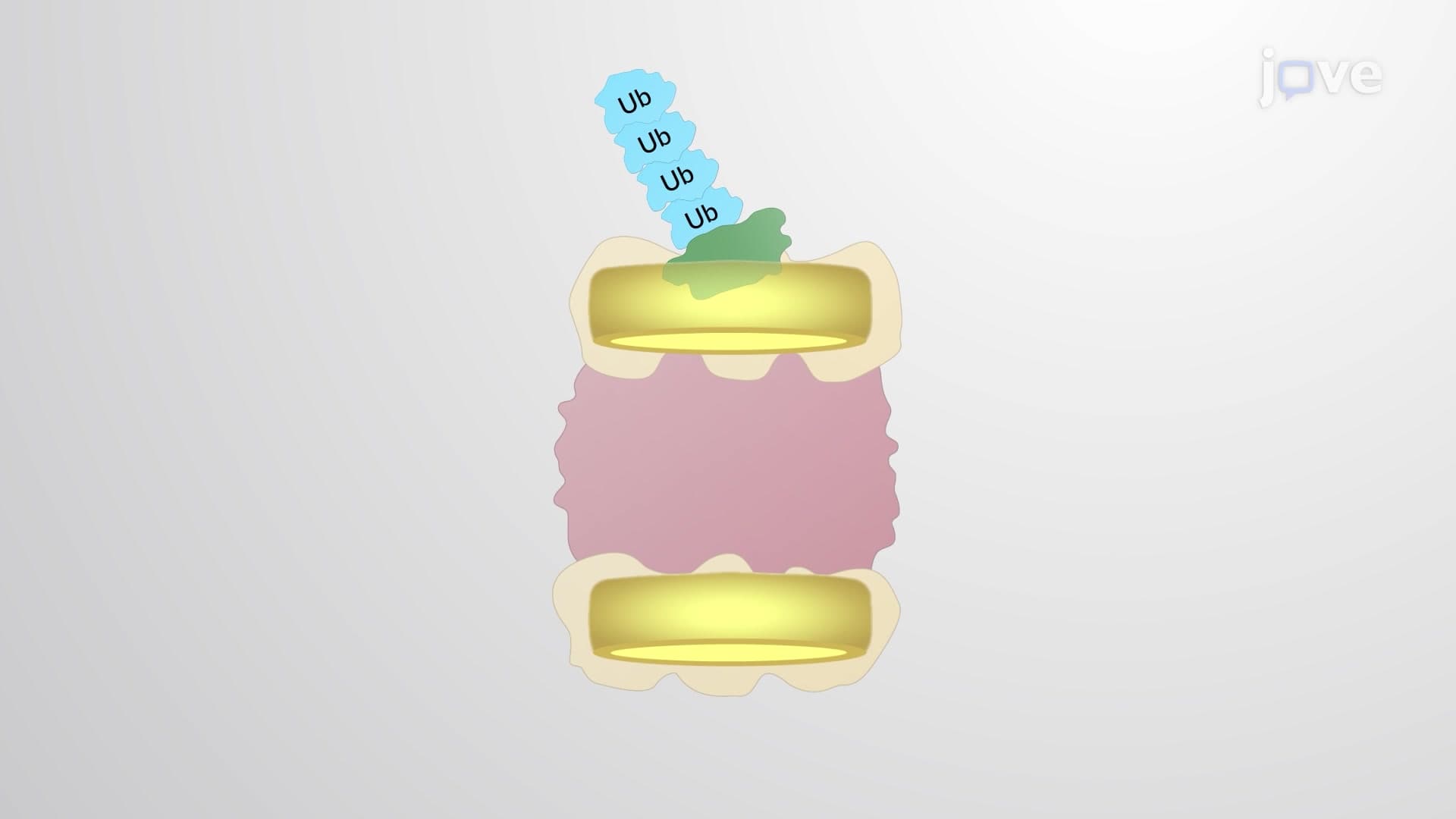
Cytoplasm composition biology reveals remarkable diversity in organelle structure and function. Ribosomes, either free-floating in cytosol or attached to endoplasmic reticulum, synthesize proteins according to genetic instructions. Lysosomes act as cellular recycling centers, breaking down worn-out organelles and cellular waste-a process crucial for preventing accumulation of toxic materials.
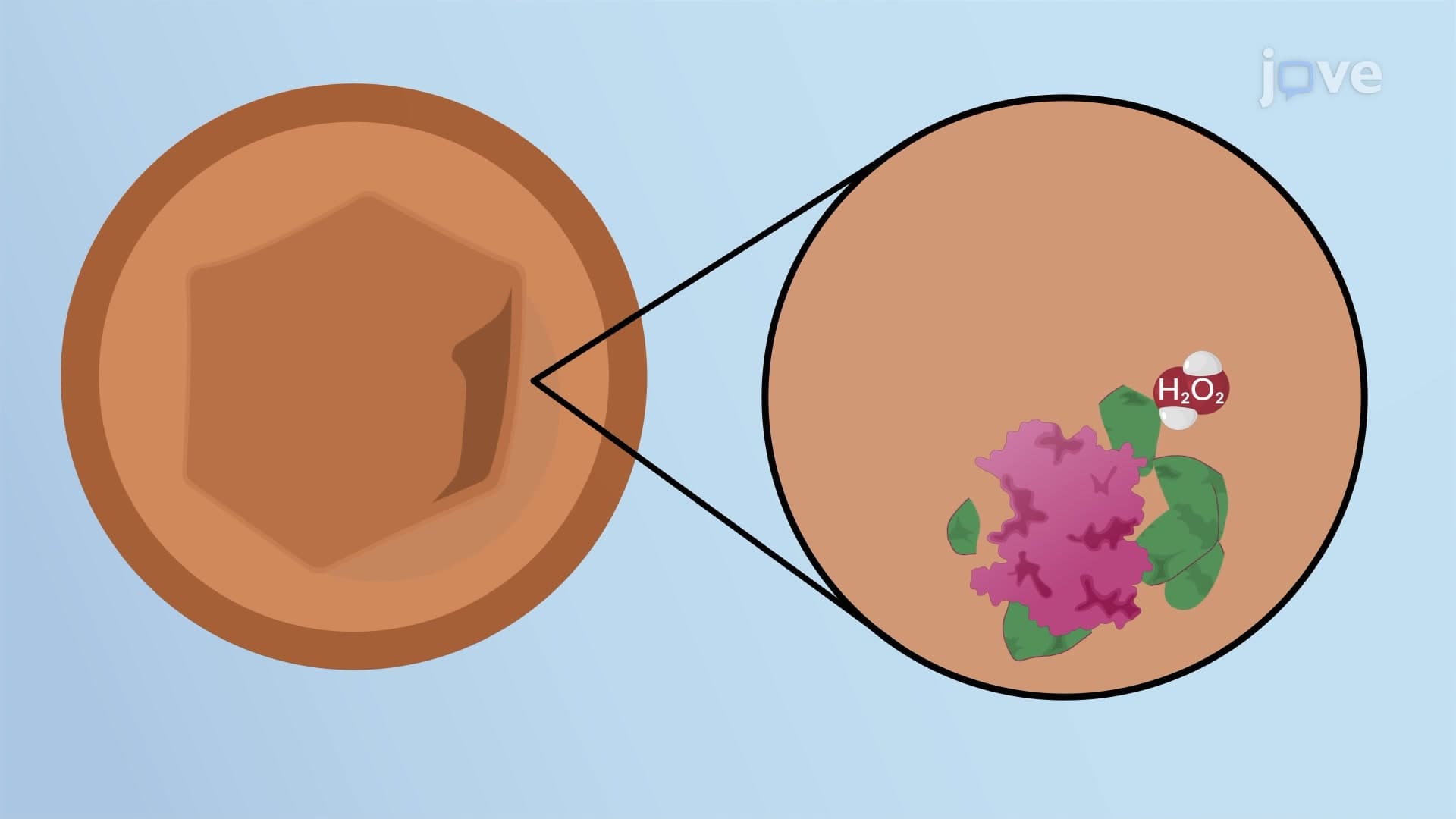
The Golgi apparatus modifies and packages proteins from the endoplasmic reticulum, while peroxisomes break down fatty acids and detoxify harmful substances. This specialization allows cells to perform multiple complex functions simultaneously, much like different departments in a well-organized factory.
Dynamic Cytoplasmic Processes and Clinical Applications
Cell interior cytoplasm demonstrates remarkable dynamism through processes like cytoplasmic streaming, where coordinated movement of cytoplasm distributes nutrients and organelles throughout the cell. This movement is essential for large cells like neurons, where materials must travel long distances along axons.
Understanding cytoplasm has profound clinical implications. Lysosomal storage diseases, such as Tay-Sachs disease, result from defective cytoplasmic organelles. Pharmaceutical companies now develop drugs that specifically target cytoplasmic components, including chemotherapy agents that disrupt cytoskeletal function in cancer cells. For college students pursuing healthcare careers, mastering cytoplasmic concepts provides essential foundation knowledge for understanding disease mechanisms and therapeutic interventions.
Frequently Asked Questions
Cytoplasm is the gel-like substance filling the space between a cell's plasma membrane and nucleus, containing cytosol, organelles, and cytoskeletal elements. It's essential because it houses the machinery for energy production, protein synthesis, and waste removal-without cytoplasm, cells couldn't perform the basic functions necessary for life. Think of it as the cell's workshop where all the important work gets done.
Cytoplasm concepts appear frequently on both MCAT and AP Biology exams, particularly in questions about cellular respiration, protein synthesis, and organelle function. Master the relationship between cytoplasmic components and you'll excel at questions linking molecular processes to cellular outcomes. Focus on understanding how different organelles work together rather than memorizing isolated facts.
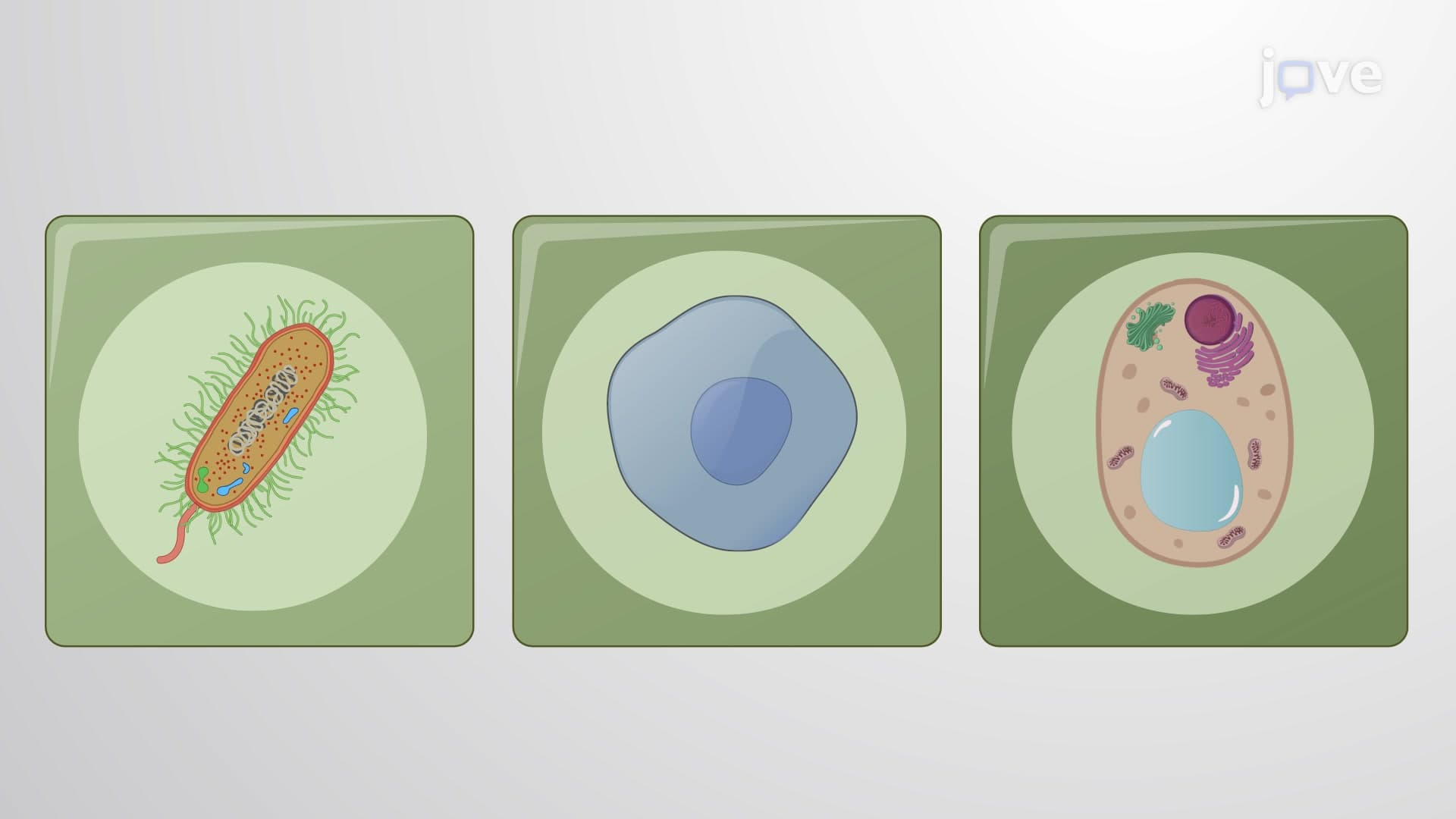
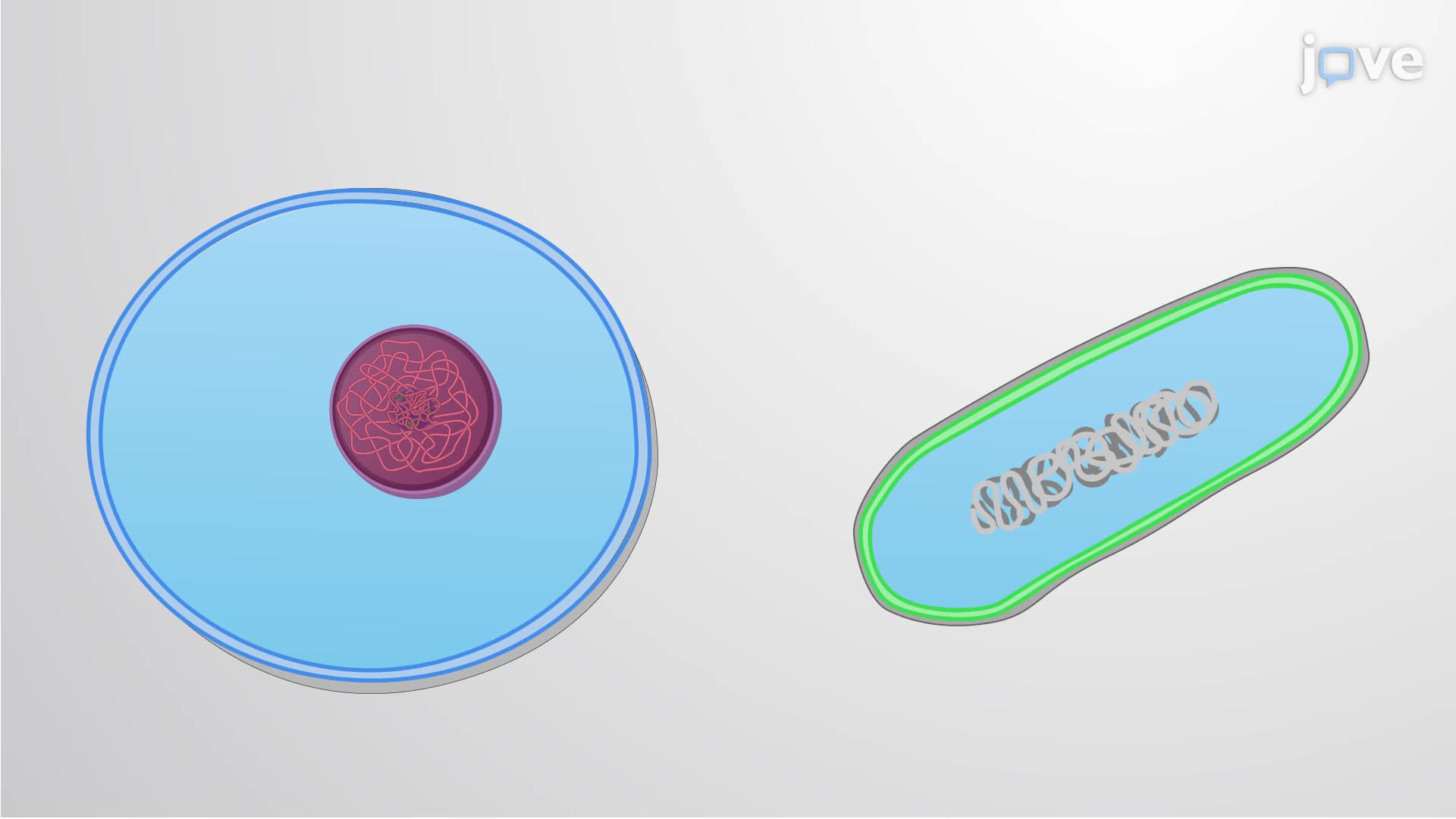
College exams typically emphasize organelle functions within cytoplasm, metabolic pathways like glycolysis, and cytoskeletal roles in cell division. Expect questions comparing prokaryotic and eukaryotic cytoplasm organization, plus applications in disease mechanisms. Practice drawing and labeling cytoplasmic components-visual questions are extremely common on university-level biology exams.
Cytoplasmic dysfunction underlies many genetic diseases affecting Americans, including lysosomal storage disorders and mitochondrial diseases that cause muscle weakness and neurological problems. Cancer treatments often target cytoplasmic structures-chemotherapy drugs like paclitaxel disrupt cytoskeletal function to prevent tumor cell division. Understanding cytoplasm helps explain how these therapies work at the cellular level.
Basic high school chemistry provides sufficient background for understanding cytoplasm structure and function. While biochemical processes occur within cytoplasm, introductory biology courses focus on the big picture rather than detailed chemical mechanisms. Start with understanding what each organelle does, then gradually build connections between structure and function.
Create visual associations linking organelle structure to function-mitochondria have folded membranes like accordion bellows to maximize energy production surface area. Use acronyms and practice drawing labeled diagrams from memory. Connect each organelle to real-world analogies: lysosomes are like recycling centers, ribosomes like protein factories, and the cytoskeleton like a building's framework.
Build on cytoplasm knowledge by exploring cellular transport mechanisms, cell signaling pathways, and cell cycle regulation. These topics integrate directly with cytoplasmic concepts and frequently appear together on advanced exams. Understanding membrane transport helps explain how materials move between cytoplasm and other cellular compartments.
While both contain similar cytoplasmic organelles, plant cells have additional structures like chloroplasts for photosynthesis and larger vacuoles for water storage within their cytoplasm. Animal cells rely more heavily on mitochondrial respiration since they lack chloroplasts for energy production. Both use cytoplasmic streaming for internal transport, but plant cells often show more dramatic streaming patterns due to their larger size.
Related Micro-courses

15 Concepts
16 Concepts
26 Concepts