Loading subject page…

- Anatomy and Physiology
- Cells and Their Components
- Golgi Apparatus
Micro-course: Cells and their Components
74,359 views
Learn key concepts and earn your certificate.


Golgi Apparatus


00:00
01:09
Video Summary: What Is Golgi Apparatus
Ever wonder how your pancreas knows exactly when to release insulin after you eat a slice of pizza? The Golgi apparatus explained reveals the cellular "post office" that makes this possible by packaging and shipping essential proteins throughout your body. This membrane-bound organelle, discovered in 1898, processes over 30% of all cellular proteins in human cells like those in your digestive system. The Golgi apparatus acts as the cell's quality control and distribution center, ensuring hormones reach their targets precisely. Watch the full video on JoVE Coach to master this concept with expert-led visuals and step-by-step explanations.
- Understand what the Golgi apparatus is and its essential role as the cell's processing and packaging center for proteins and lipids
- Identify the three distinct regions of the Golgi apparatus: cis, medial, and trans networks, and their specific functions
- Analyze how the secretory pathway moves materials from the endoplasmic reticulum through the Golgi apparatus to final destinations
- Compare the different types of protein modifications that occur within the Golgi apparatus, including glycosylation and phosphorylation
- Evaluate the clinical significance of Golgi apparatus dysfunction in human diseases and genetic disorders
- Apply knowledge of Golgi vesicle transport mechanisms to understand cellular logistics and membrane trafficking
- Recognize the historical importance of Camillo Golgi's discovery and its impact on modern cell biology
- Explore connections between Golgi apparatus function and real-world biological processes like hormone secretion and immune responses
Understanding the Golgi Apparatus Structure and Organization
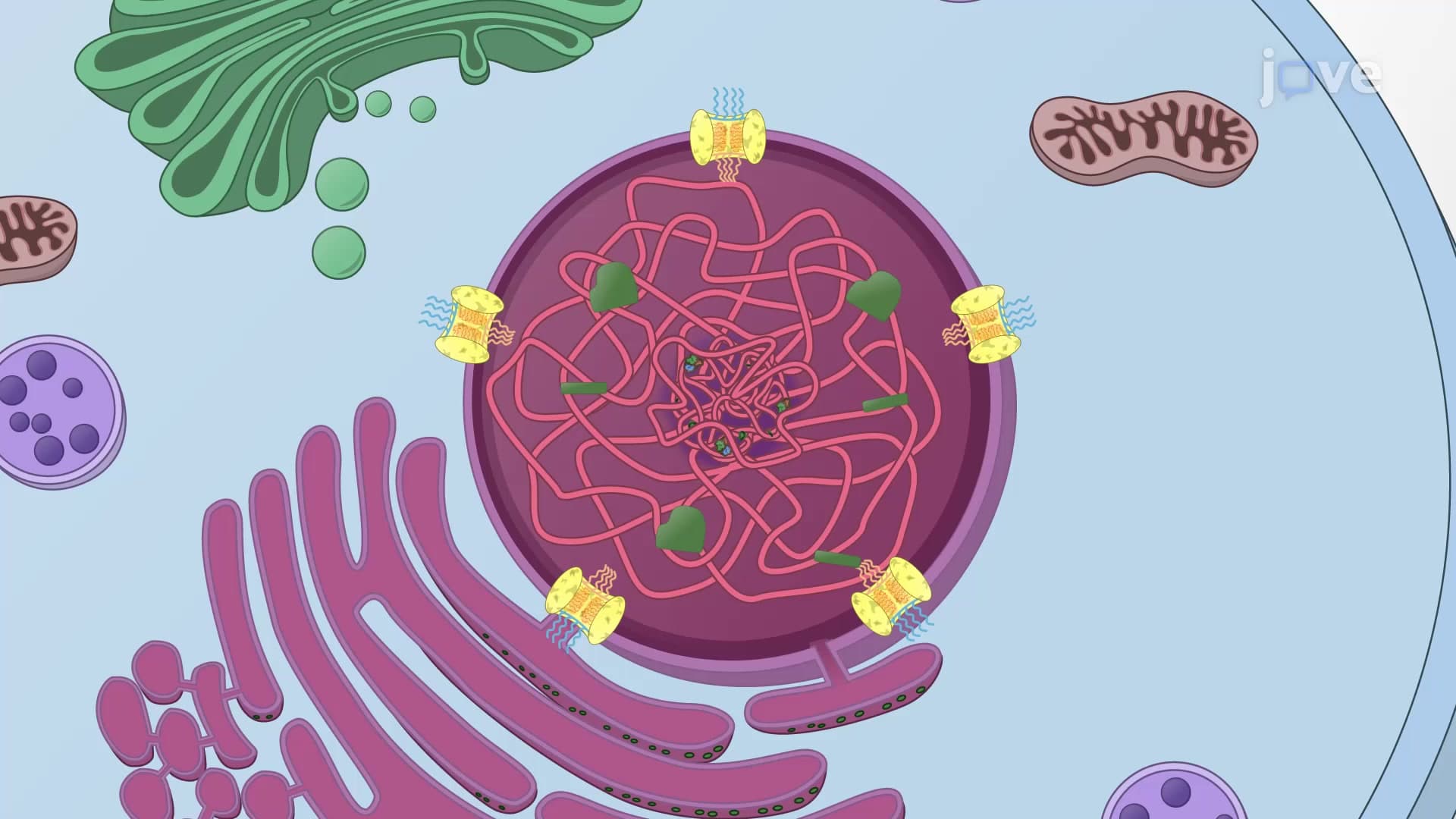
The Golgi apparatus function biology centers on its unique architecture of flattened, membrane-bound sacs called cisternae. Unlike other organelles, the Golgi apparatus maintains distinct polarity with three functional regions. The cis-Golgi network receives materials from the endoplasmic reticulum, acting like a receiving dock at a distribution center. The medial Golgi performs most protein modifications, while the trans-Golgi network sorts and ships finished products to their final destinations.
This organization proves crucial for students taking AP Biology or college-level cell biology courses, where understanding organelle structure-function relationships forms a core competency. The Golgi's stacked structure allows for sequential processing-proteins move through each stack like an assembly line, gaining specific modifications at each level.
Protein Modification and the Secretory Pathway
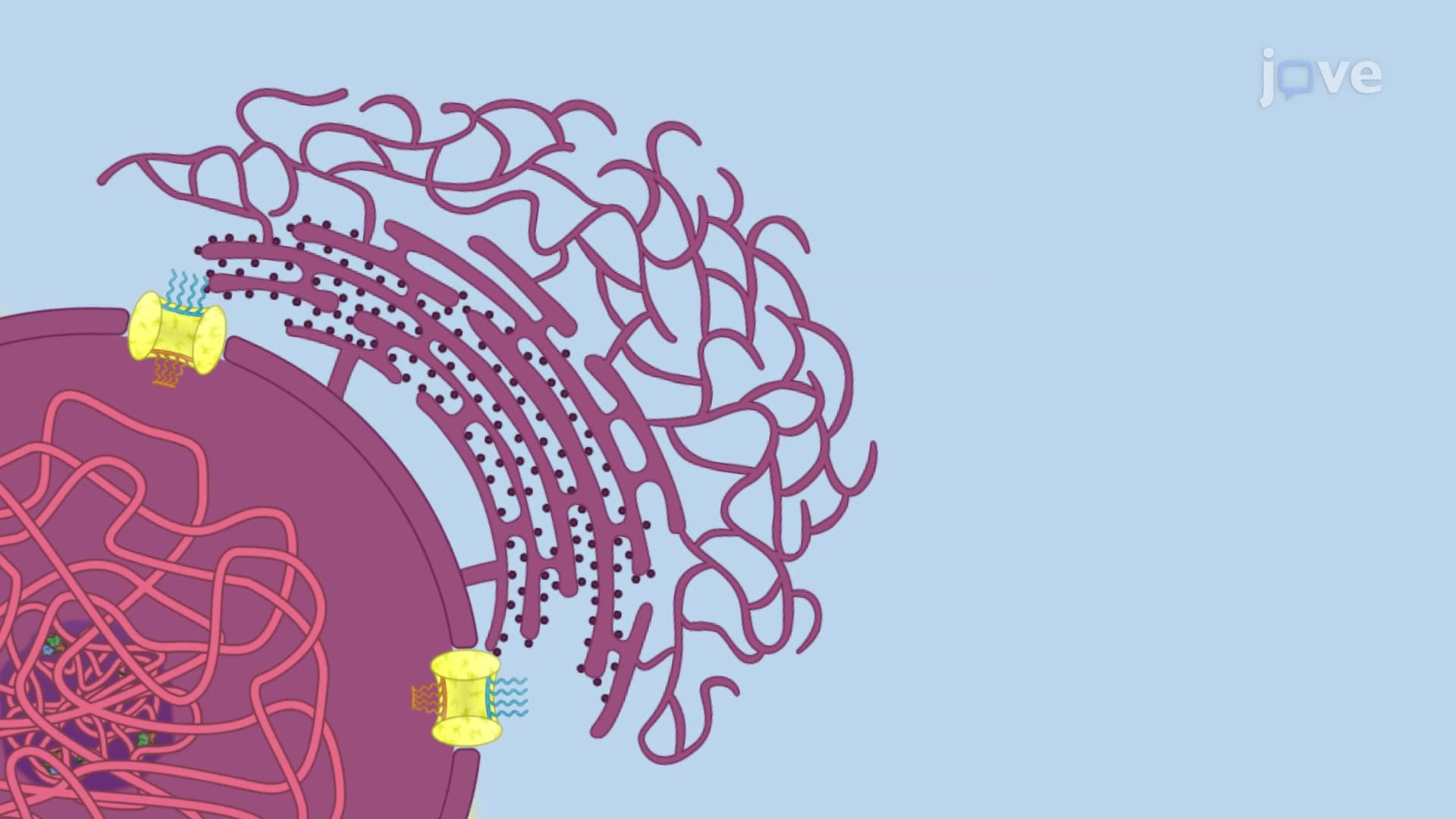
What is the Golgi apparatus and its function becomes clear when examining its role in protein processing. The secretory pathway begins when ribosomes synthesize proteins destined for modification. These proteins travel from the rough endoplasmic reticulum to the Golgi apparatus via transport vesicles. Within the Golgi, enzymes add sugar groups (glycosylation), phosphate groups (phosphorylation), and sulfate groups (sulfation) to proteins.
For MCAT preparation, students must understand that these modifications aren't random-they serve specific purposes. Glycosylation helps proteins fold correctly and provides recognition signals. For instance, insulin produced by pancreatic beta cells undergoes extensive Golgi processing before secretion, ensuring proper blood sugar regulation in millions of Americans with diabetes.
Clinical Significance and Disease Connections
Golgi protein modification defects cause serious human diseases studied in medical school pathology courses. Congenital disorders of glycosylation (CDG) affect approximately 1 in 50,000 Americans, causing developmental delays and organ dysfunction when Golgi enzymes malfunction. These conditions appear frequently on USMLE Step 1 exams, testing students' understanding of cellular processes and disease mechanisms.
Neurodegenerative diseases like Alzheimer's disease also involve Golgi apparatus dysfunction. Research at institutions like the National Institutes of Health demonstrates how cis trans Golgi network disruption contributes to protein aggregation and neuronal death, making this topic relevant for students pursuing healthcare careers.
Real-World Applications in Human Physiology
The secretory pathway Golgi enables countless physiological processes Americans experience daily. When you exercise, your adrenal glands release cortisol through Golgi-mediated secretion. During immune responses, B cells use their Golgi apparatus to package and secrete antibodies that fight infections. Even wound healing depends on Golgi vesicle transport to deliver collagen and other repair proteins to injury sites.
Understanding these connections helps students excel in anatomy and physiology courses required for nursing, pre-med, and allied health programs across US colleges and universities.
Frequently Asked Questions
The Golgi apparatus is a membrane-bound organelle that modifies, sorts, and packages proteins and lipids received from the endoplasmic reticulum. It acts like a cellular post office, ensuring molecules reach their correct destinations. This organelle is essential because it processes over 30% of cellular proteins and enables critical functions like hormone secretion, immune responses, and membrane repair throughout your body.
AP Biology frequently tests Golgi apparatus function through free-response questions about cellular transport and organelle interactions. Expect questions comparing the secretory pathway, analyzing experimental data about protein trafficking, or explaining how Golgi dysfunction affects cellular processes. The College Board emphasizes understanding structure-function relationships, so focus on connecting Golgi architecture to its processing capabilities.
MCAT Cell Biology questions often feature Golgi apparatus scenarios in passage-based formats, testing your ability to analyze experimental results about protein modification or vesicle transport. Common question types include identifying the effects of Golgi enzyme inhibitors, predicting outcomes of secretory pathway disruptions, or explaining how glycosylation defects cause disease symptoms.
Cell Biology, Molecular Biology, Biochemistry, and Anatomy & Physiology courses at US universities extensively cover Golgi apparatus function. Pre-health students encounter this topic in prerequisites for medical, dental, and veterinary schools. Advanced courses like Cellular Pathophysiology explore how Golgi dysfunction contributes to human diseases.
Patients with congenital disorders of glycosylation (CDG) experience developmental delays, liver problems, and immune dysfunction due to faulty Golgi processing. American children with these conditions receive treatment at specialized centers like Boston Children's Hospital and Cincinnati Children's Hospital, where medical teams understand how cellular defects translate to clinical symptoms.
Basic high school chemistry concepts like molecular structure and chemical bonds provide sufficient foundation for understanding Golgi function. While advanced biochemistry helps with detailed mechanisms, most students successfully learn Golgi processes using fundamental chemistry principles taught in introductory biology courses.
Create visual associations linking Golgi structure to function-remember "cis receives, trans sends" and visualize the organelle as a cellular post office with receiving, processing, and shipping departments. Practice drawing the secretory pathway and use mnemonics like "GPS" (Glycosylation, Phosphorylation, Sulfation) for major modifications.
Build on Golgi knowledge by exploring lysosomes (which receive Golgi-processed enzymes), the cytoskeleton (which guides vesicle transport), and cell signaling pathways (which often involve secreted proteins). These interconnected topics frequently appear together on advanced biology exams and provide deeper insight into cellular organization.
Medical professionals use Golgi knowledge to understand drug mechanisms, genetic diseases, and cellular responses to treatments. Pharmacists need this background to explain how certain medications affect protein processing, while nurses caring for patients with metabolic disorders benefit from understanding the cellular basis of symptoms and treatments.
Related Micro-courses

15 Concepts
16 Concepts
26 Concepts