Loading subject page…

- Anatomy and Physiology
- Cells and Their Components
- Mitochondria
Micro-course: Cells and their Components
74,359 views
Learn key concepts and earn your certificate.


Mitochondria


00:00
01:37
Video Summary: What Is Mitochondria
Ever wondered why your muscles burn during intense exercise at your local high school gym? The answer lies in mitochondria explained biology - these remarkable cellular powerhouses that fuel every movement you make. When students at UCLA studied marathon runners, they discovered that elite athletes have significantly more mitochondria in their muscle cells than average individuals. What is mitochondria becomes clear when you realize these organelles are literally the energy factories keeping your body running 24/7. Watch the full video on JoVE Coach to master this concept with expert-led visuals and step-by-step explanations.
- Understand what is mitochondria and identify their dual-membrane structure, including cristae and matrix components
- Analyze the process of ATP production through oxidative phosphorylation and cellular respiration pathways
- Compare mitochondrial DNA inheritance patterns with nuclear DNA for genetic studies
- Evaluate the endosymbiotic theory explaining mitochondrial evolutionary origins from prokaryotic ancestors
- Apply knowledge of mitochondrial dysfunction to understand metabolic disorders and neurodegenerative diseases
- Recognize the role of mitochondria in apoptosis (programmed cell death) and calcium regulation
- Explore connections between mitochondrial density and athletic performance in human physiology
- Identify clinical applications of mitochondrial research in treating age-related diseases and cancer
What is Mitochondria: The Cellular Energy Hub
Mitochondria explained biology reveals these organelles as sophisticated energy conversion systems found in nearly every human cell. Unlike simple cellular components, mitochondria possess a unique double-membrane structure that enables their primary function: converting nutrients into adenosine triphosphate (ATP), the universal energy currency of life.
Mitochondrial Structure and ATP Production Process
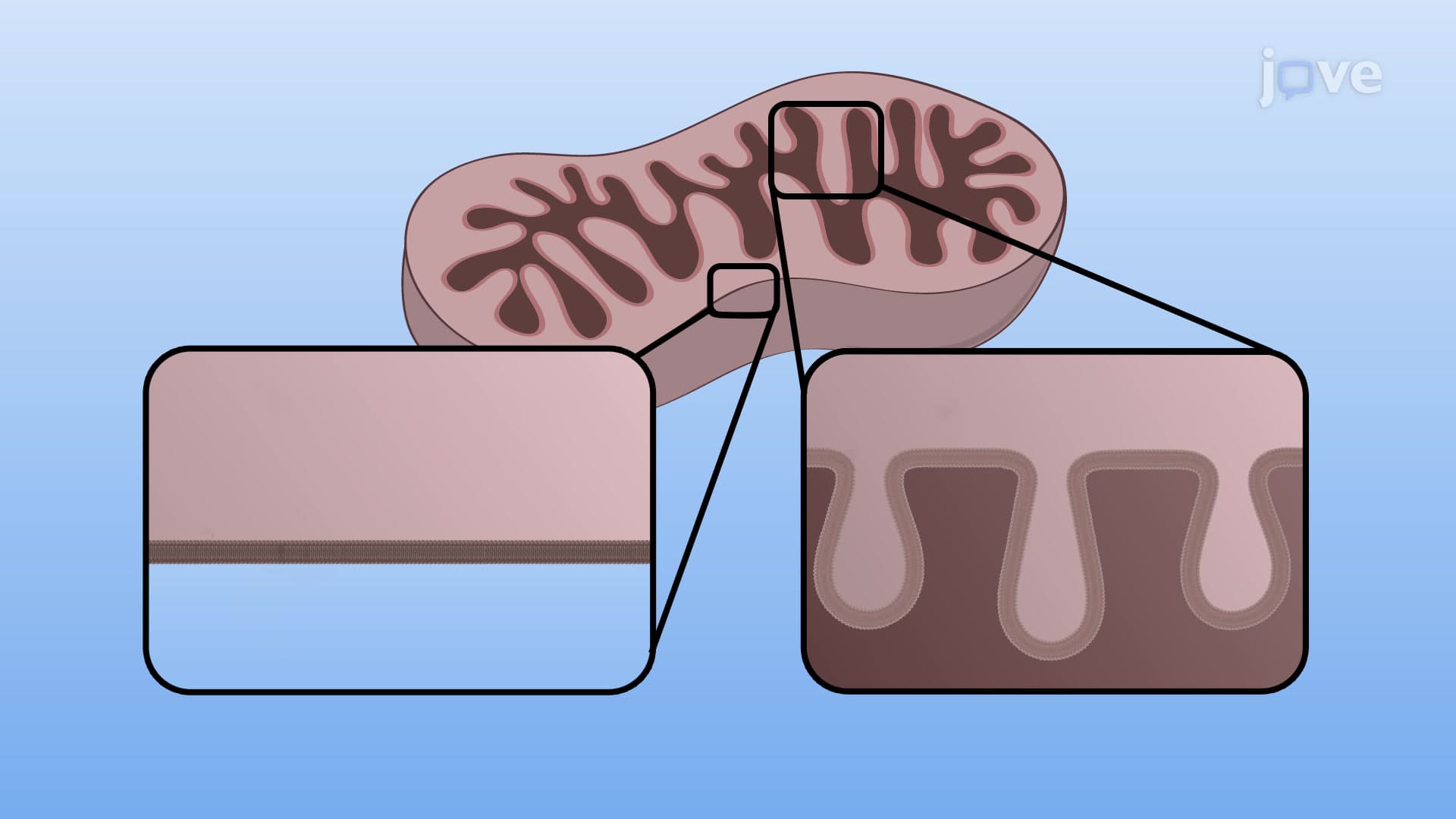
The mitochondria function cell biology centers on their intricate architecture. The outer membrane acts as a protective barrier, while the inner membrane folds into structures called cristae, dramatically increasing surface area for energy production. This design maximizes ATP production mitochondria efficiency through the electron transport chain, where glucose and oxygen combine to generate up to 32 ATP molecules per glucose molecule.
The mitochondrial matrix function houses enzymes essential for the citric acid cycle (Krebs cycle), which students encounter extensively in AP Biology courses. Here, pyruvate from glycolysis undergoes complete oxidation, producing electron carriers that fuel the final ATP synthesis stage. Understanding cellular respiration mitochondria helps explain why we breathe oxygen and produce carbon dioxide as waste.
Clinical Significance and Real-World Applications
What is mitochondria and its function in cells becomes critically important in medical contexts. At Johns Hopkins Medical School, researchers study how mitochondrial dysfunction contributes to diseases affecting millions of Americans. Parkinson's disease, affecting over 1 million US patients, involves mitochondrial damage in brain neurons. Similarly, diabetes complications often stem from impaired mitochondrial function in insulin-producing pancreatic cells.
The inner outer membrane mitochondria structure also explains inheritance patterns unique to maternal lineage, since sperm contribute minimal mitochondria during fertilization. This concept appears frequently on MCAT exams and college genetics courses.
Why Mitochondria Matter for Student Success
The mitochondria powerhouse concept extends beyond memorization for exams. Students training for varsity sports can apply this knowledge practically - endurance training increases mitochondrial density in muscle cells, directly improving athletic performance. This real-world connection helps cement understanding for SAT Subject Tests and Advanced Placement Biology examinations, where mitochondrial structure-function relationships represent high-yield topics worth mastering thoroughly.
Frequently Asked Questions
Mitochondria are tiny energy factories inside your cells that convert food and oxygen into ATP, the chemical energy your body uses for everything from thinking to moving. They're often called the "powerhouse of the cell" because they produce about 90% of cellular energy. Think of them as microscopic power plants that keep your body running 24/7.
MCAT questions frequently test mitochondrial structure-function relationships, especially electron transport chain details and ATP yield calculations. AP Biology emphasizes cellular respiration pathways, endosymbiotic theory evidence, and mitochondrial inheritance patterns. Students should master cristae structure, matrix enzyme functions, and energy conversion efficiency concepts.
Absolutely - mitochondria are central to biochemistry courses at universities nationwide. Expect detailed questions about oxidative phosphorylation mechanisms, proton gradients, and metabolic pathway integration. Many professors emphasize clinical correlations, connecting mitochondrial dysfunction to real diseases affecting American patients.
Mitochondrial dysfunction underlies numerous conditions affecting Americans, including diabetes complications, Alzheimer's disease, and chronic fatigue syndrome. At Mayo Clinic, doctors diagnose mitochondrial diseases affecting approximately 1 in 4,000 people. Understanding mitochondrial biology helps explain why these conditions cause such widespread symptoms affecting multiple organ systems.
Basic high school chemistry suffices for fundamental mitochondrial concepts. You'll need to understand electron movement, pH gradients, and simple energy transformations, but complex quantum mechanics isn't required. Most students successfully grasp mitochondrial function with standard Grade 10 chemistry background and careful study of biological processes.
Create visual associations linking structure to function - imagine cristae as folded shelves providing more workspace for ATP production machinery. Use acronyms like "MATRIX" (Mitochondrial Acetyl-coenzyme Transfers Reactions In eXcellent) for remembering matrix enzyme functions. Practice drawing labeled diagrams repeatedly until you can sketch mitochondrial components from memory.
Mitochondria integrate with cellular respiration, genetics (maternal inheritance), evolution (endosymbiotic theory), and cell death pathways (apoptosis). They're also crucial for understanding metabolism, aging processes, and exercise physiology. Mastering mitochondria provides foundation knowledge for advanced topics like cancer biology and neuroscience.
Endurance training triggers mitochondrial biogenesis, increasing both mitochondrial number and size within muscle fibers. Elite marathon runners can have 40% more mitochondria than sedentary individuals, directly correlating with improved oxygen utilization and sustained energy production. This adaptation explains why trained athletes maintain higher exercise intensities without rapid fatigue.
Related Micro-courses

15 Concepts
16 Concepts
26 Concepts